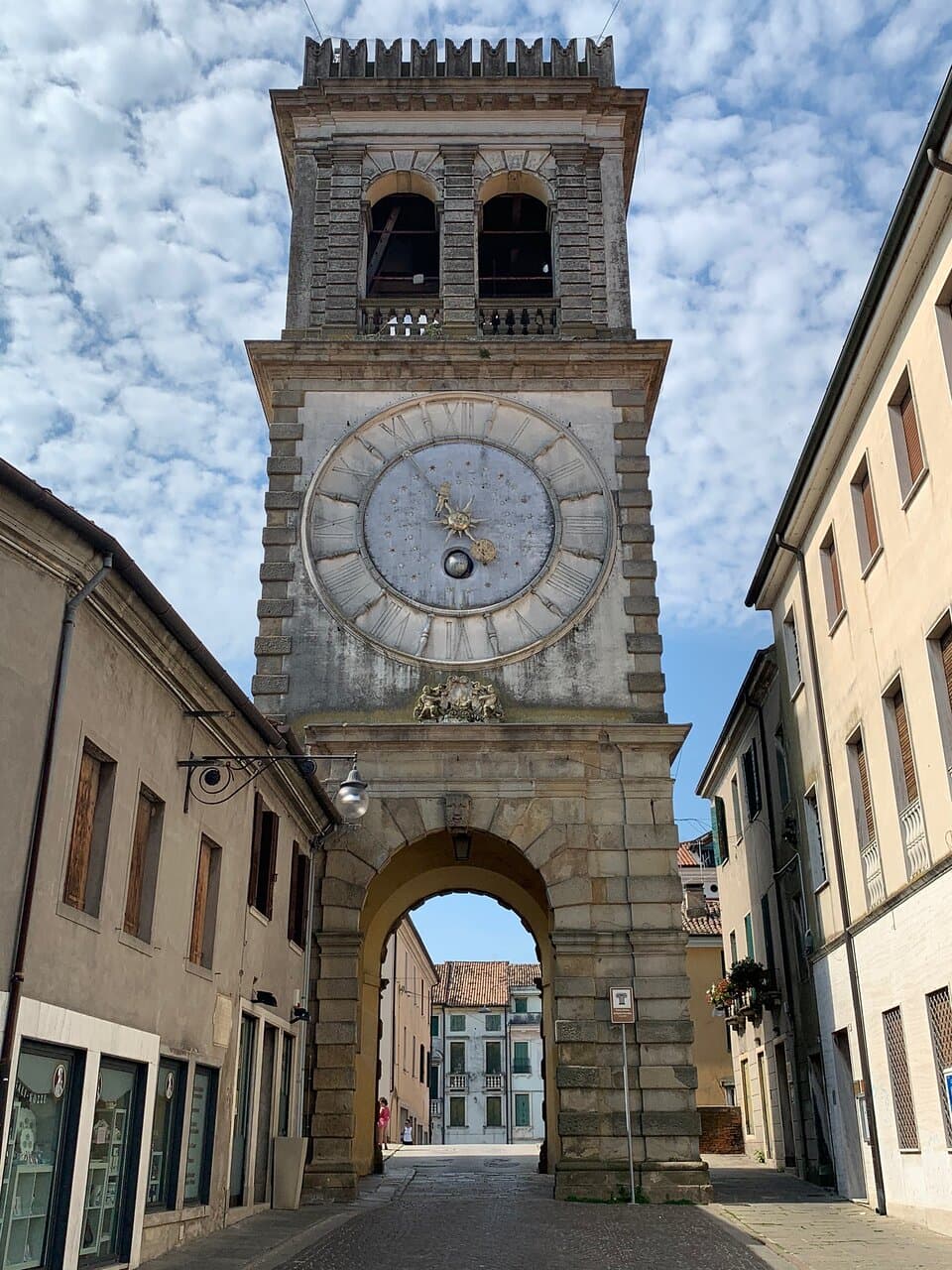
Porta Vecchia Este
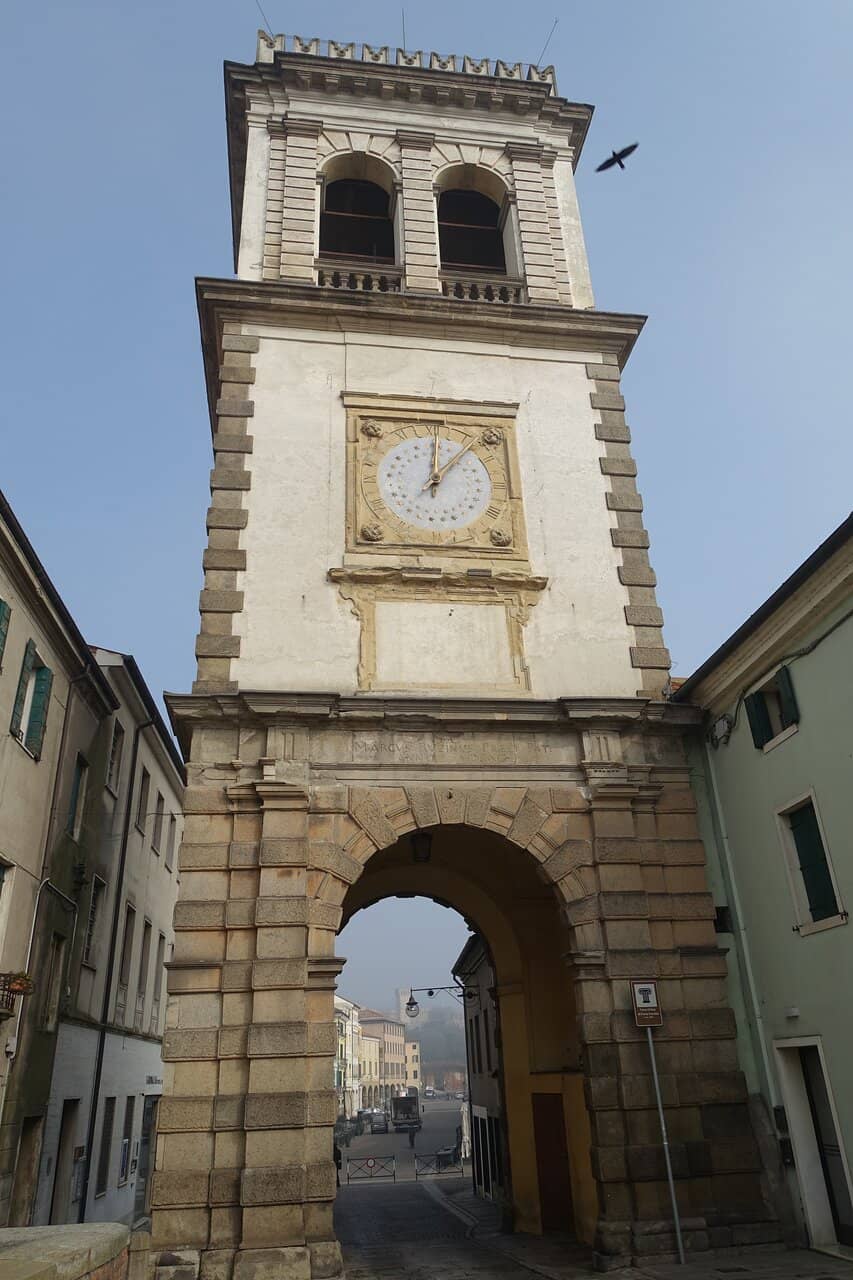
Este's iconic 17th-century Civic Tower, featuring a unique moon-phase clock and Baroque grandeur, a symbol of the city's rich history.
Highlights
Must-see attractions

Social
From TikTok & Reddit
Best Time
Fewer crowds, peaceful atmosphere
Porta Vecchia Este
Best Time
Fewer crowds, peaceful atmosphere
Highlights
Must-see attractions
Este's iconic 17th-century Civic Tower, featuring a unique moon-phase clock and Baroque grandeur, a symbol of the city's rich history.
"A beautiful and distinctive monument, the symbol of Este alongside its Castle."
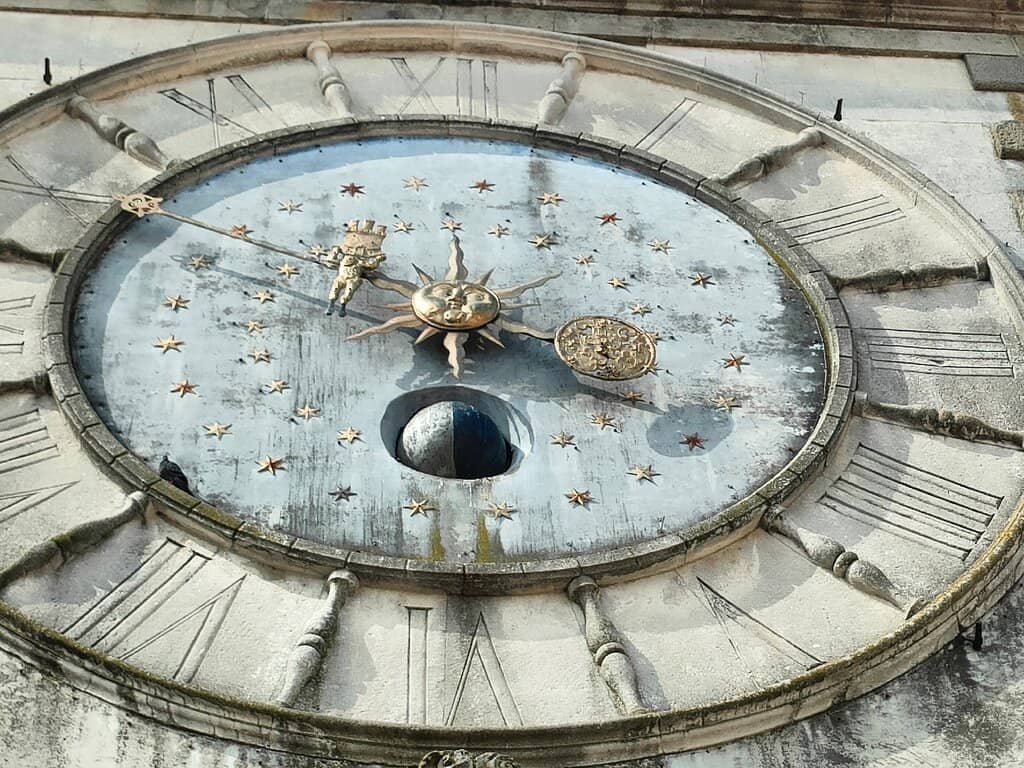
📸 Capture the Clock
Don't miss photographing the unique moon-phase clock on the facade! :camerawithflash:
🚶 Explore Beyond the Gate
Beyond the tower, a bridge crosses a canal that once protected the city. :bridgeatnight:
Quick Facts
Hours
Rating
4.7 · 46 reviews
Type
Historical Landmark
Highlights
Discover the most iconic attractions and experiences
The Moon-Phase Clock
Facade facing the square
A unique 1700s clock that not only tells time but also displays lunar phases, a marvel of historical engineering.
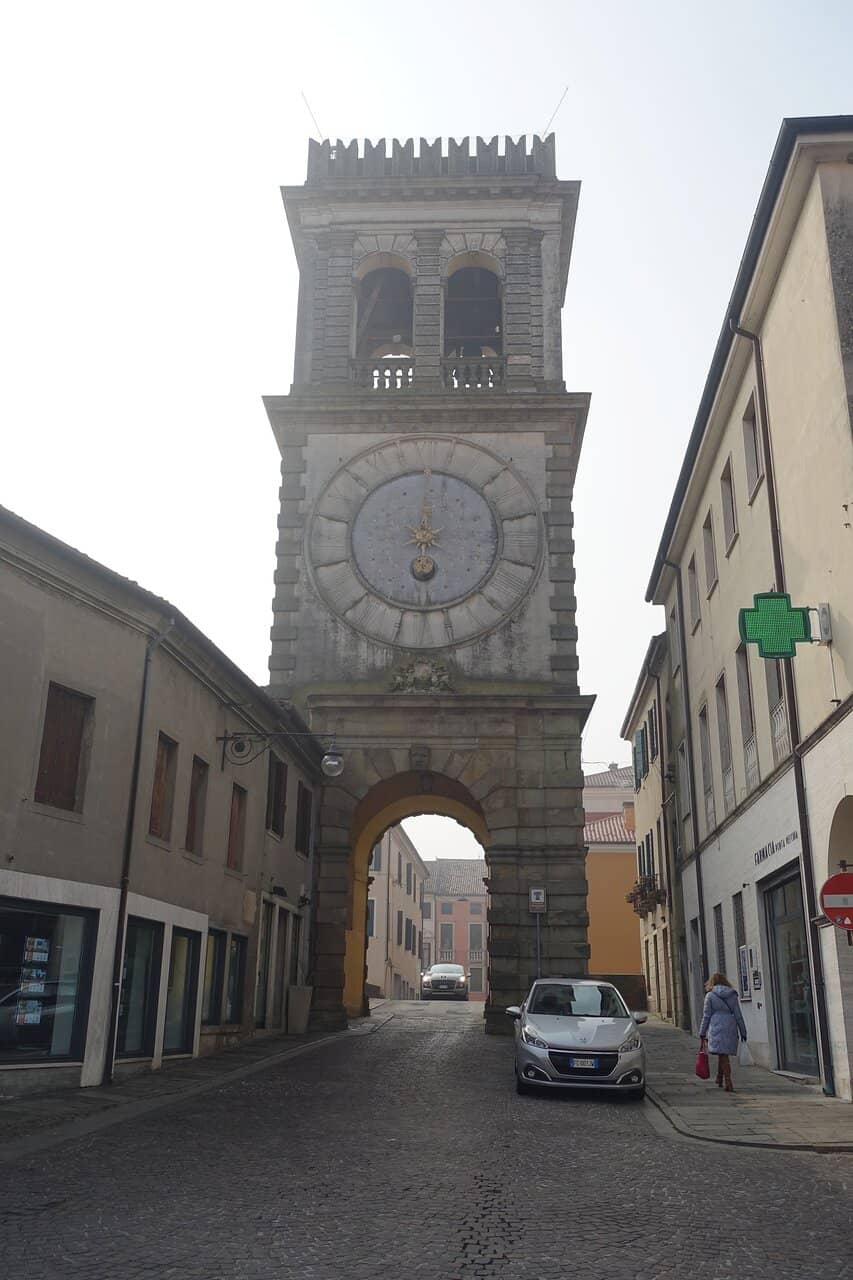
Baroque Architecture
The entire tower structure
Admire the imposing and spectacular appearance of this late 17th-century Baroque masterpiece, a true icon of Este.
The 17th-Century Bell
Belfry
Listen for the resonant chime of the valuable bronze bell, dating back to the 1600s, housed within the tower.
Plans like a pro.
Thinks like you
Planning Your Visit
Timing Your Visit
Understanding Its History
Best Times
Insider Tips
from TikTok, Instagram & Reddit
📸 Capture the Clock
Don't miss photographing the unique moon-phase clock on the facade! :camerawithflash:
🚶 Explore Beyond the Gate
Beyond the tower, a bridge crosses a canal that once protected the city. :bridgeatnight:
🏰 Combine with Castle Visit
Porta Vecchia is a key landmark after visiting the nearby Castle. 🏰
Tips
from all over the internet
📸 Capture the Clock
Don't miss photographing the unique moon-phase clock on the facade! :camerawithflash:
🚶 Explore Beyond the Gate
Beyond the tower, a bridge crosses a canal that once protected the city. :bridgeatnight:
🏰 Combine with Castle Visit
Porta Vecchia is a key landmark after visiting the nearby Castle. 🏰
What Travellers Say
Reviews Summary
Visitors find Porta Vecchia to be a striking and historically significant monument, often described as a symbol of Este. The unique moon-phase clock and Baroque architecture are frequently highlighted as impressive features. While its external presence is widely appreciated, some may wish for more extensive internal access or information.
"Civic Tower of Porta Vecchia (17th century).
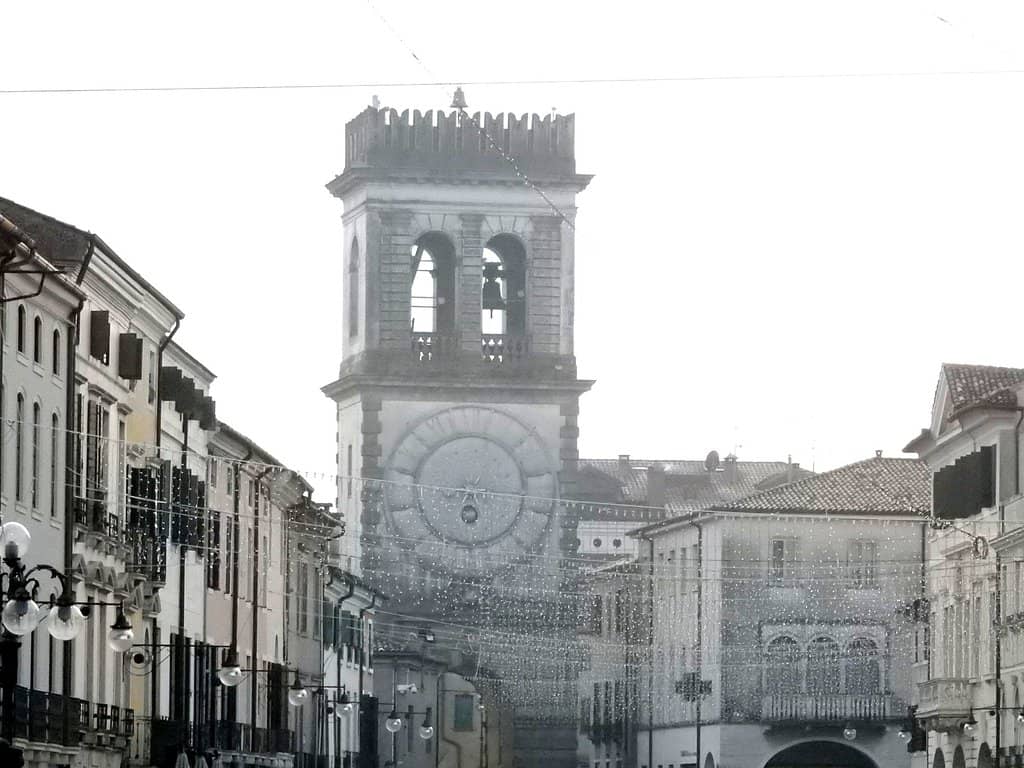
The Civic Tower of Este, commonly known as Porta Vecchia, is a late 17th century construction that is striking for its position and its imposing and spectacular appearance. We can consider it, together with the Castle, the monument-symbol of Este. Originally, where the current tower now stands, there was a masonry tower that served as a gateway to the village for those coming from the south or west. It certainly already existed in the thirteenth century, when the city was ruled by the marquises of Este. In the following century the tower took the name of Carrarese, in honor of the family that held the lordship of Padua and that freed Este from the Scaligeri, then building the castle that still exists. The old tower was damaged and made unstable by the earthquake of April 1688, the same that caused the central nave of the Cathedral of Santa Tecla to collapse. The authorities of the time decided for safety reasons to proceed with the demolition of the building and in 1690 the new tower was built, the Porta Vecchia that we can all see today. The new building was embellished with unique Ghibelline merlons and in the 1700s a large clock was placed on the side facing the square, showing the phases of the moon in addition to the 12-hour Roman numerals. The tower is divided internally into three rooms: the "fireplace room", connected to the entrance on the ground floor by a circular trachyte spiral staircase; the "mezzanine room", which is accessed via another modern spiral wooden staircase; the belfry that houses a valuable seventeenth-century bell."
Ivan Muracciole (Maind Framend)
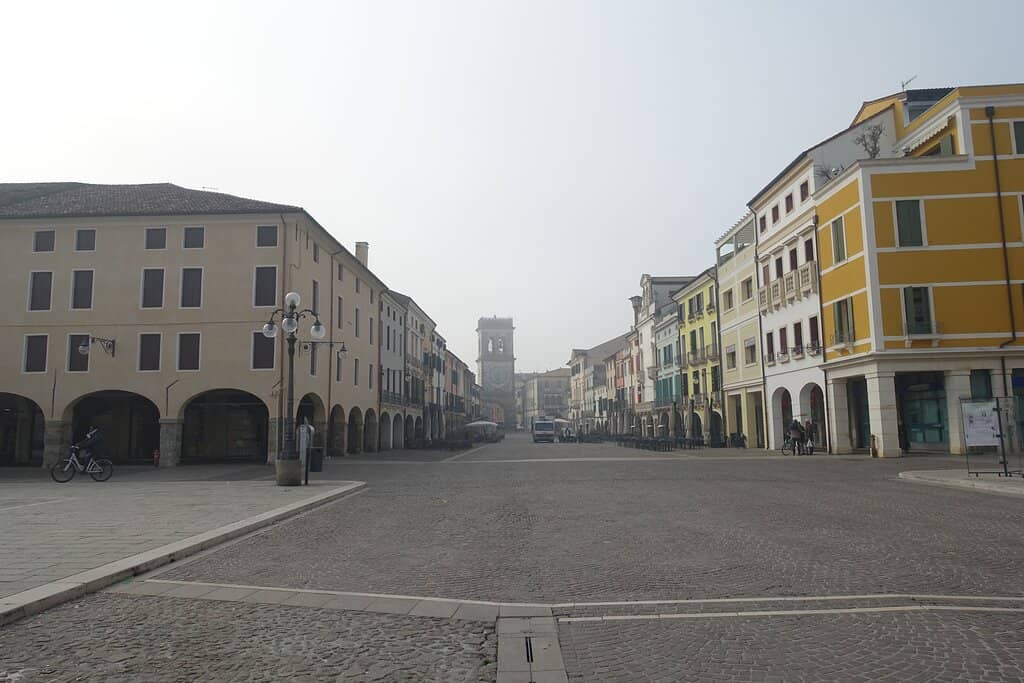
"After visiting the castle, you enter the historic center, and on the opposite side of the square is this beautiful gate with an enormous clock. Beyond the tower is a bridge that spans a canal that may have served as a moat protecting the city in ancient times."
Sandro Fergnani
"The Civic Tower of Este is a monument that encloses centuries of the city's history, testifying to the defensive needs of the past and the architectural taste of the Baroque, while maintaining its function as a "sentinel of time" and an icon of the city."
Alberto Angeli Gogo#
What People Like
What People Dislike
Frequently Asked Questions
🚇 🗺️ Getting There
Porta Vecchia is centrally located in Este, making it easily accessible on foot once you are in the historic center. If arriving by car, look for parking near the main squares. Public transport options might be limited directly to the tower, so check local bus schedules if coming from further afield.
Yes, Porta Vecchia is a prominent landmark and a symbol of Este, often mentioned alongside the Castle. It's hard to miss as you enter the historic center from the south or west.
🎫 🎫 Tickets & Entry
Porta Vecchia itself, as an external monument and city gate, is generally accessible without a ticket. You can admire its exterior and the clock from the public square. Access to any internal areas or specific exhibits would require checking local information.
As an exterior monument, Porta Vecchia does not have traditional opening hours. You can view it at any time. However, if there are any specific internal tours or access points, it's best to check with the local tourist information office for current schedules.
Typically, there is no entrance fee to view the exterior of Porta Vecchia. It stands as a public monument within the city. Any potential fees would likely be for specific exhibitions or access to internal parts of the tower, which are not always available.
🎫 🧭 Onsite Experience
The main attractions are the imposing 17th-century tower itself, the unique moon-phase clock on its facade, and the historical significance as a former city gate. You can also see the belfry housing a 17th-century bell and the counterweight blocks for the clock mechanism.
A quick visit to admire the exterior and the clock might take 15-30 minutes. If you're interested in the history and details, you could spend a bit longer, perhaps 45 minutes to an hour, especially if you're combining it with a visit to the nearby Castle.
The exterior of Porta Vecchia is in a public square, which is generally accessible. However, internal access to the tower's different levels, with spiral staircases, may present challenges for wheelchair users. It's advisable to inquire locally about specific accessibility for any internal tours.
The best angles for photography are often from the main square, capturing the full height of the tower and the clock. Consider visiting during the golden hours of sunrise or sunset for dramatic lighting. Early mornings can also offer fewer people in your shots.
📸 📸 Photography
The main square in front of the tower offers the most comprehensive view. For close-ups of the clock, get as near as possible. Shots from across the canal, looking back towards the tower, can also provide a unique perspective, especially with the bridge in the foreground.
If internal access is available, photography rules can vary. It's best to check for any signage or ask a local guide. Generally, non-flash photography is often permitted for personal use, but commercial use might require permission.


Social
from TikTok, Instagram & Reddit