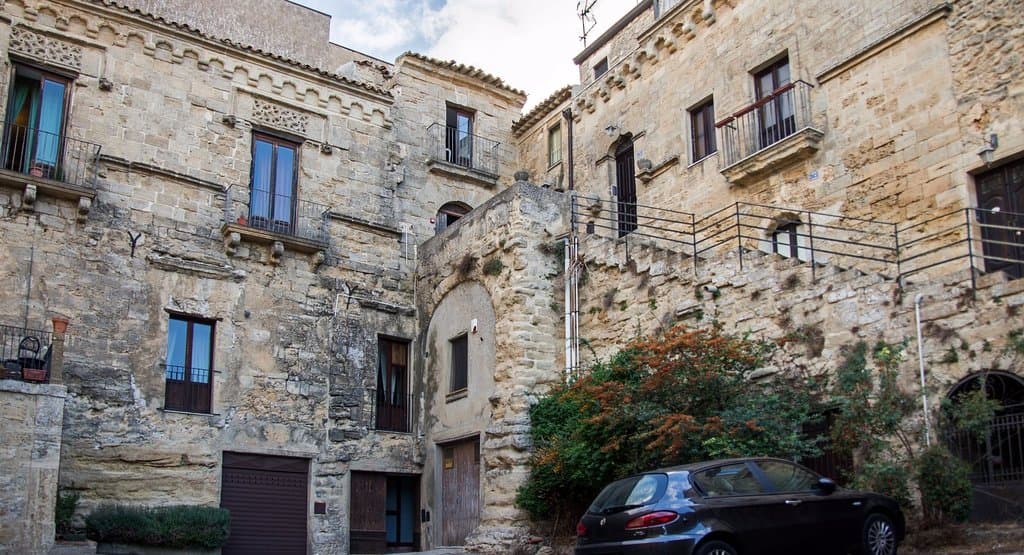
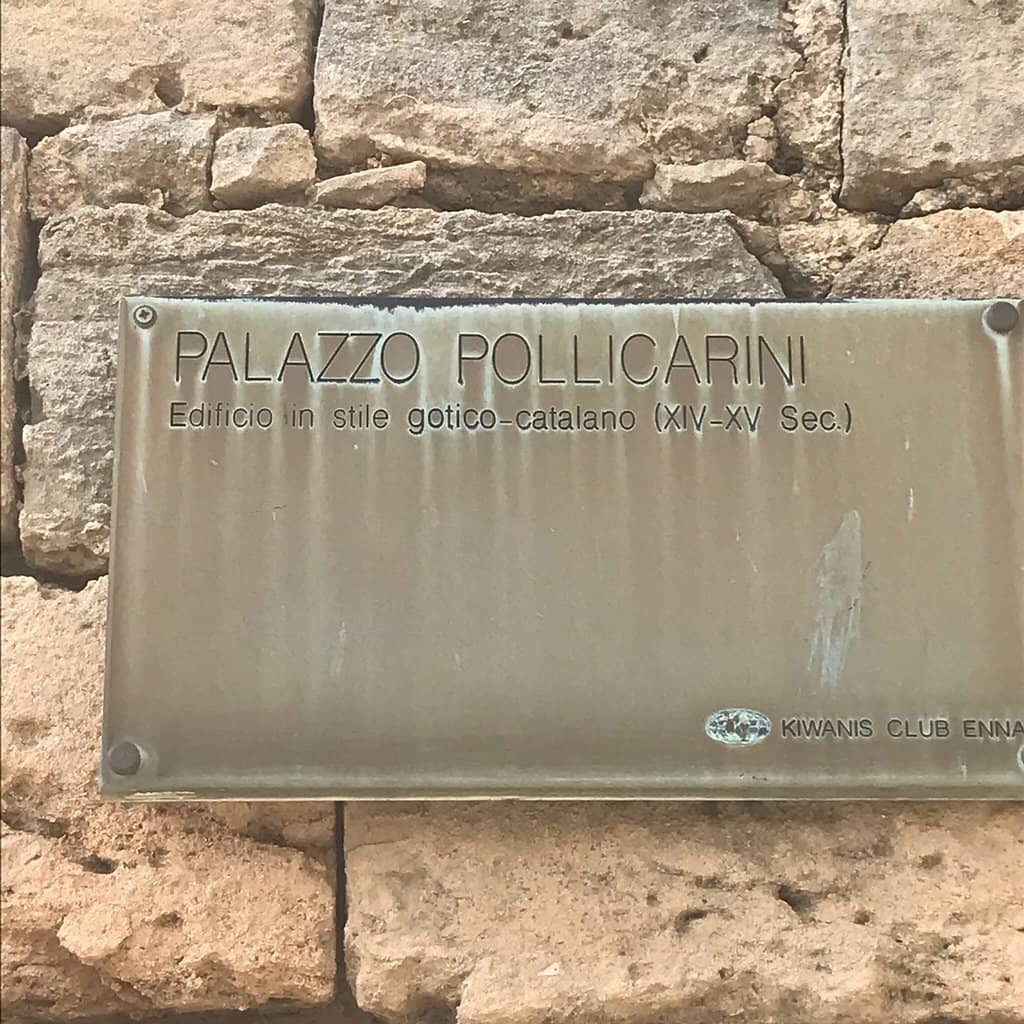
Palazzo Pollicarini
A rare 16th-century Catalan Gothic palace in Enna, a testament to architectural survival against modern development.
Highlights
Must-see attractions

Social
From TikTok & Reddit
Best Time
Experience cultural events
Palazzo Pollicarini
Best Time
Experience cultural events
Highlights
Must-see attractions
A rare 16th-century Catalan Gothic palace in Enna, a testament to architectural survival against modern development.
"One of the very few historic buildings in Enna to have survived real estate speculation."
Respect the Setting
Be mindful of political posters; they can detract from the historic beauty. :camerawithflash:
Focus on History
Appreciate the palace's resilience and architectural significance, not just interior decorations. :classical_building:
Highlights
Discover the most iconic attractions and experiences
Catalan Gothic Architecture
Exterior
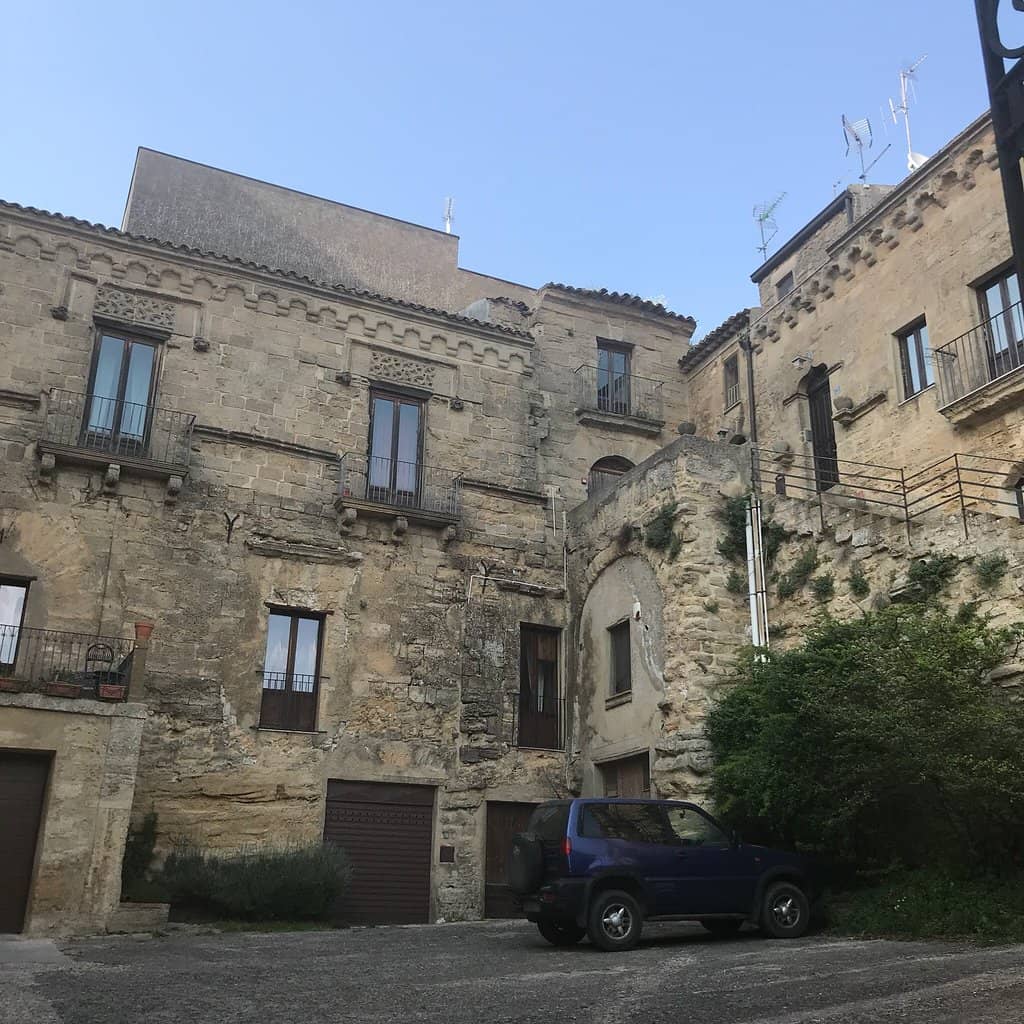
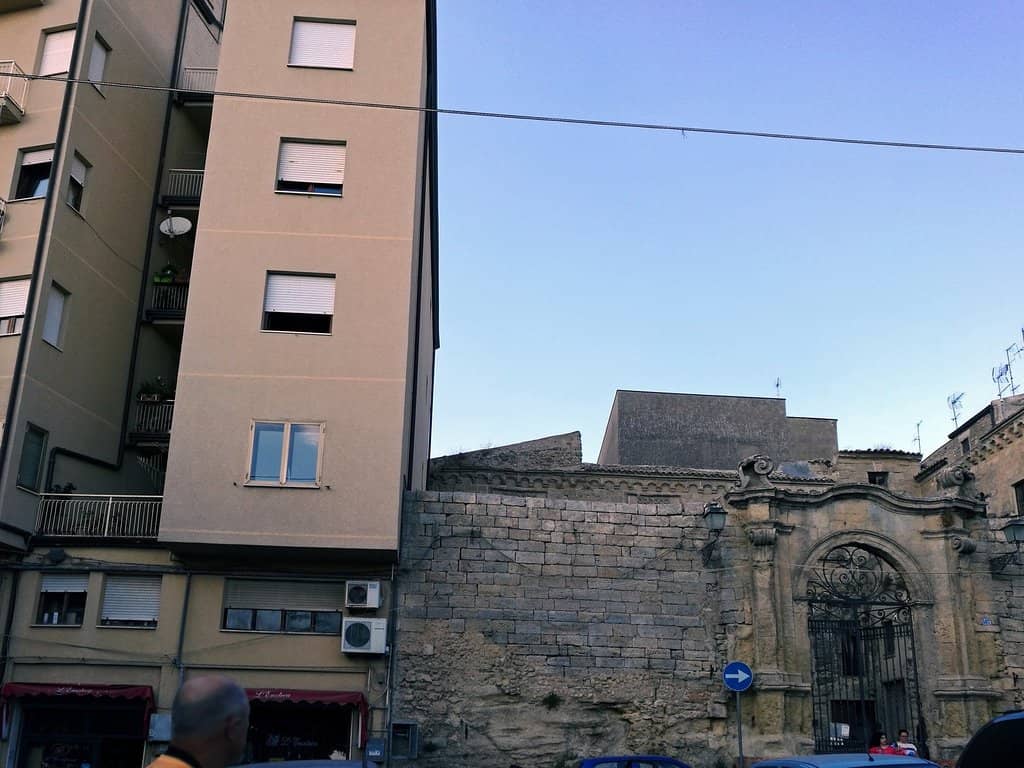
Admire the rare Catalan Gothic style, a testament to its 16th-century origins and the families who once resided here.
Historic Courtyard
Interior
Explore the large courtyard with its portico, a central space that once served as the heart of this fortified residence.

Monumental Staircase
Interior
Ascend the impressive monumental staircase leading to the main floor, a key feature of the palace's elegant design.
Plans like a pro.
Thinks like you
Planning Your Visit
Preserving History in Enna
Understanding the Palace's Charm
Best Times
Insider Tips
from TikTok, Instagram & Reddit
Respect the Setting
Be mindful of political posters; they can detract from the historic beauty. :camerawithflash:
Focus on History
Appreciate the palace's resilience and architectural significance, not just interior decorations. :classical_building:
Check Local Events
Inquire about local events like the Easter procession for a unique cultural experience. :ticket:
Tips
from all over the internet
Respect the Setting
Be mindful of political posters; they can detract from the historic beauty. :camerawithflash:
Focus on History
Appreciate the palace's resilience and architectural significance, not just interior decorations. :classical_building:
Check Local Events
Inquire about local events like the Easter procession for a unique cultural experience. :ticket:
What Travellers Say
Reviews Summary
Palazzo Pollicarini is a historically significant 16th-century palace in Enna, lauded for its Catalan Gothic architecture and its rare survival against modern development. While its interior lacks elaborate decoration, its resilience and historical narrative are compelling. Visitors note that external elements can sometimes detract from its beauty.
"It is an eighteenth-century noble palace; important because it is one of the very few historic buildings in Enna to have survived the real estate speculation that, between the 1950s and 1970s, destroyed everything valuable that remained of Enna's urban history. However, the enormous reinforced concrete building built next to it obscures its magnificence.
It must be said that inside, in the large rooms that characterize it, there are no frescoes or decorations of any artistic interest, as the imposing nature of the building might suggest. As far as I know, no trace remains of the family that built it, although they must have been significant in Enna's 18th-century economic landscape."
Francesco liborio Cacciato
"Palazzo Pollicarini is one of Enna's oldest and most historic buildings, dating back to the 16th century. The structure features a Catalan Gothic style and was for many years the fortified residence of the Falanga, Petroso, and Patelmo families. It is currently inhabited by other local families. The palace extends over two elegant floors, comprising an elegant entrance door adorned with an imposing cornice, a large courtyard with a portico, and a monumental staircase leading to the main floor and the main rooms."
Marco Fumo
"A beautiful palace defaced with posters of a national political party based there. And I say this to avoid any misunderstanding: it's not a question of affiliation but of discord with the beautiful setting."
Antonio Alveario
What People Like
What People Dislike
Frequently Asked Questions
🚇 🗺️ Getting There
Palazzo Pollicarini is located in the historic center of Enna. If you are driving, look for parking in the vicinity of the historic center and then proceed on foot. Public transport options within Enna are limited, so walking is often the best way to explore the city's historical sites once you've parked.
While Enna has some bus services, direct public transport to Palazzo Pollicarini might be infrequent. It's best to check local bus schedules if relying on public transport, but many visitors find it more convenient to walk from central parking areas.
Enna's historic center is best explored on foot. Wear comfortable shoes as there can be inclines. Navigating by car within the narrow streets can be challenging, so parking outside the immediate center is often recommended.
🎫 🎫 Tickets & Entry
Information regarding specific entry fees or if Palazzo Pollicarini is open to the public for tours is not widely available. It is often viewed from the exterior or accessible during specific local events. It's advisable to check with local tourist information in Enna for current access details.
As Palazzo Pollicarini is a historic building that may still be inhabited or used for local purposes, there are no fixed public opening hours. Viewing is typically from the outside, or access might be granted during special occasions like local processions.
While the palace has significant interior spaces, public tours are not consistently advertised. Visitors often admire its exterior architecture and courtyard. For potential interior access, inquire locally about any special events or guided tours that might be available.
There is no readily available information about an admission fee for Palazzo Pollicarini. It's possible that viewing is free from the exterior, or that access to certain areas might be restricted.
📸 📸 Photography
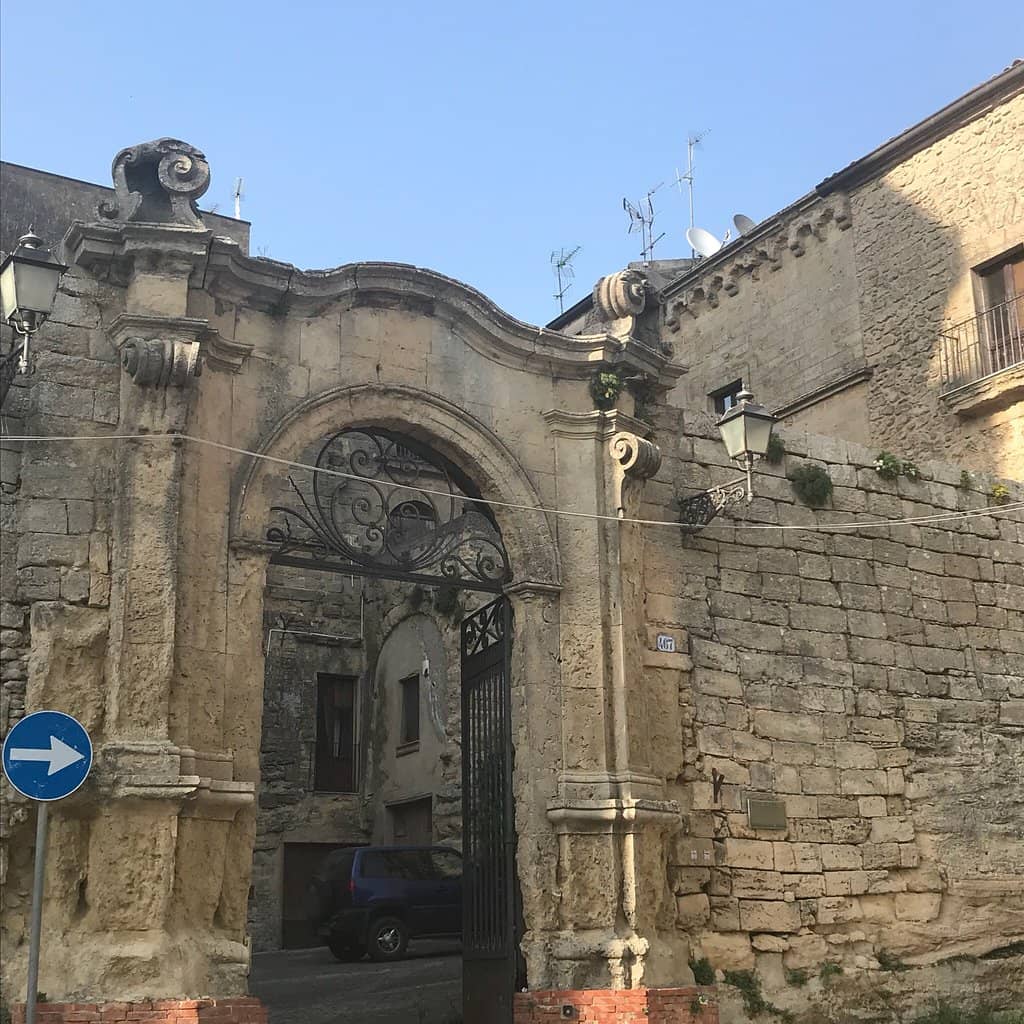
The exterior facade, especially the entrance door with its imposing cornice, offers great photographic opportunities. The courtyard with its portico is also a picturesque spot. Capture the Catalan Gothic architectural details.
Generally, exterior photography is permitted. However, be mindful of any private residences or ongoing activities within the palace. If interior access is granted, inquire about specific photography rules.
Morning light can be excellent for highlighting the architectural details of the facade. Late afternoon light might also provide a warm glow. Consider the position of the sun to avoid harsh shadows.
🎫 🏛️ History & Architecture
Palazzo Pollicarini features a notable Catalan Gothic architectural style, reflecting its 16th-century origins. This style is characterized by specific decorative elements and structural forms common in that period.
The palace dates back to the 16th century and was the fortified residence of prominent families in Enna, including the Falanga, Petroso, and Patelmo families.
It is significant as one of the few historic buildings in Enna to have survived extensive real estate speculation that altered the city's urban landscape between the 1950s and 1970s.
Inside, the palace features large rooms. While not adorned with frescoes or elaborate decorations, the imposing structure and monumental staircase are key features.
For Different Travelers
Tailored advice for your travel style
👨👩👧 Families with Kids
Keep expectations realistic regarding interior decorations; the appeal lies more in the building's structure and historical narrative. Encourage kids to imagine life in a fortified residence centuries ago. Comfortable walking shoes are a must for exploring the surrounding historic center of Enna.
🏛️ History Buffs
Research the families associated with the palace (Falanga, Petroso, Patelmo) to enrich your understanding of its historical context. Consider how the palace's architectural features reflect the socio-economic landscape of its time. The lack of elaborate interior decoration can also be a point of study, offering insights into the priorities of its original inhabitants.
Deep Dives
In-depth insights and expert knowledge
Architectural Resilience and Historical Context
The palace's architectural style is rooted in the Catalan Gothic tradition, dating back to the 16th century. This style is evident in its design and construction, reflecting the historical influences and the families who once called it home. It served as a fortified residence for notable families such as the Falanga, Petroso, and Patelmo, underscoring its importance in the region's past.
While the exterior and its historical narrative are compelling, it's important to note that the interior spaces, though large, are described as lacking extensive frescoes or decorative artistry. The emphasis is more on the structural integrity and the historical narrative of survival and architectural form rather than ornate embellishments. The imposing nature of the building itself is a key aspect to appreciate.
Experiencing Palazzo Pollicarini Today
It's worth noting that the palace is sometimes affected by external elements that can detract from its historical ambiance. For instance, political posters have been observed on its facade, which some visitors find discordant with the beautiful historical setting. This highlights the ongoing interaction between historical sites and contemporary life in urban environments.
For those interested in local traditions, Palazzo Pollicarini can also be a focal point during significant cultural events. It has been mentioned in connection with the Easter procession by the brotherhood, suggesting it plays a role in community life and religious observances. Checking local event calendars can enhance the visitor experience and offer a deeper connection to the palace's living history.


Social
from TikTok, Instagram & Reddit