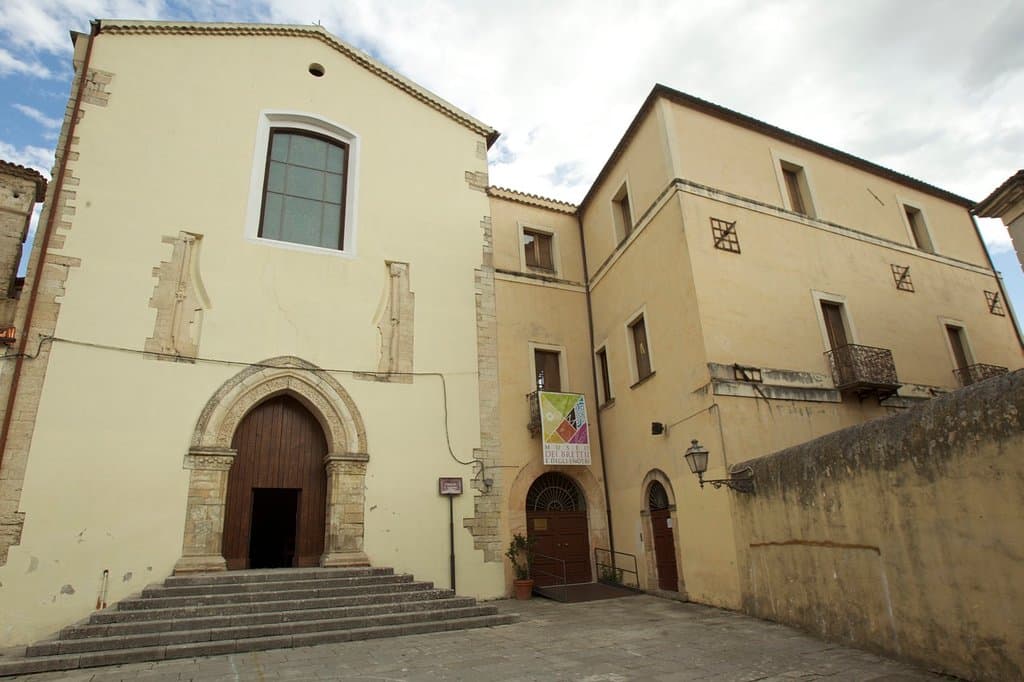
Museo dei Brettii e degli Enotri
Discover ancient Brettii and Oenotrian history in a former Augustinian convent, a 'work in progress' museum with thoughtful exhibits.
Highlights
Must-see attractions

Social
From TikTok & Reddit
Best Time
Fewer crowds, peaceful exploration
Museo dei Brettii e degli Enotri
Best Time
Fewer crowds, peaceful exploration
Highlights
Must-see attractions
Discover ancient Brettii and Oenotrian history in a former Augustinian convent, a 'work in progress' museum with thoughtful exhibits.
"Great setting in former Augustinian convent. Artifacts are intelligently arranged and displayed."
⏳ No Wait Times!
Enjoy minimal wait times as most visitors are at the beach or mountains. Perfect for spontaneous visits!
📚 Bilingual Information
Background information is available in both Italian and English, making it accessible for international visitors.
Highlights
Discover the most iconic attractions and experiences
Brettii and Oenotrian Artifacts
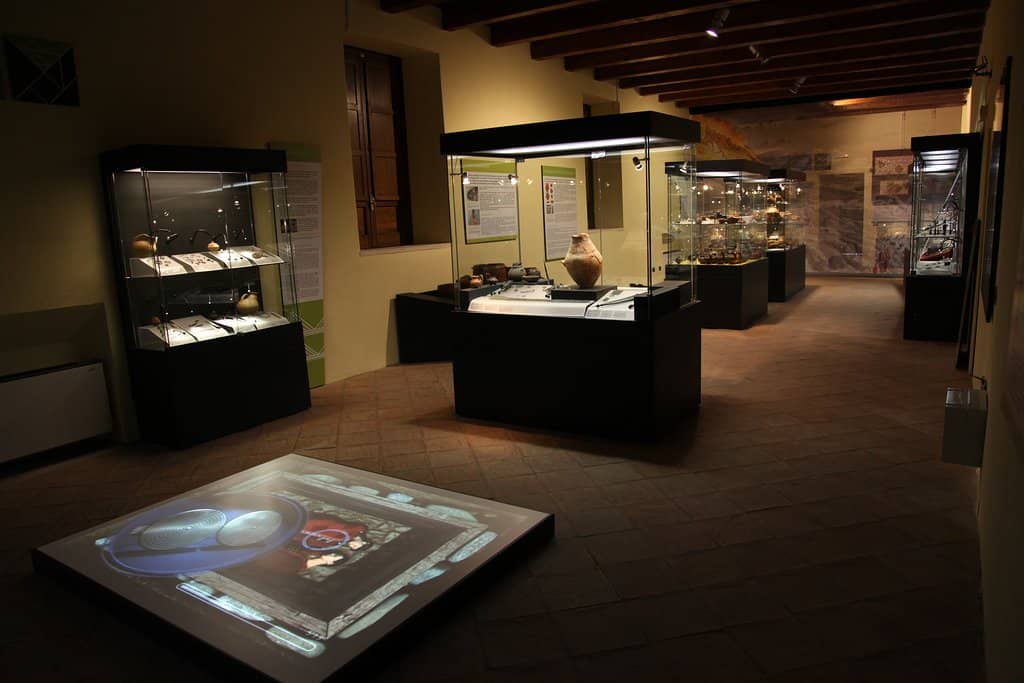
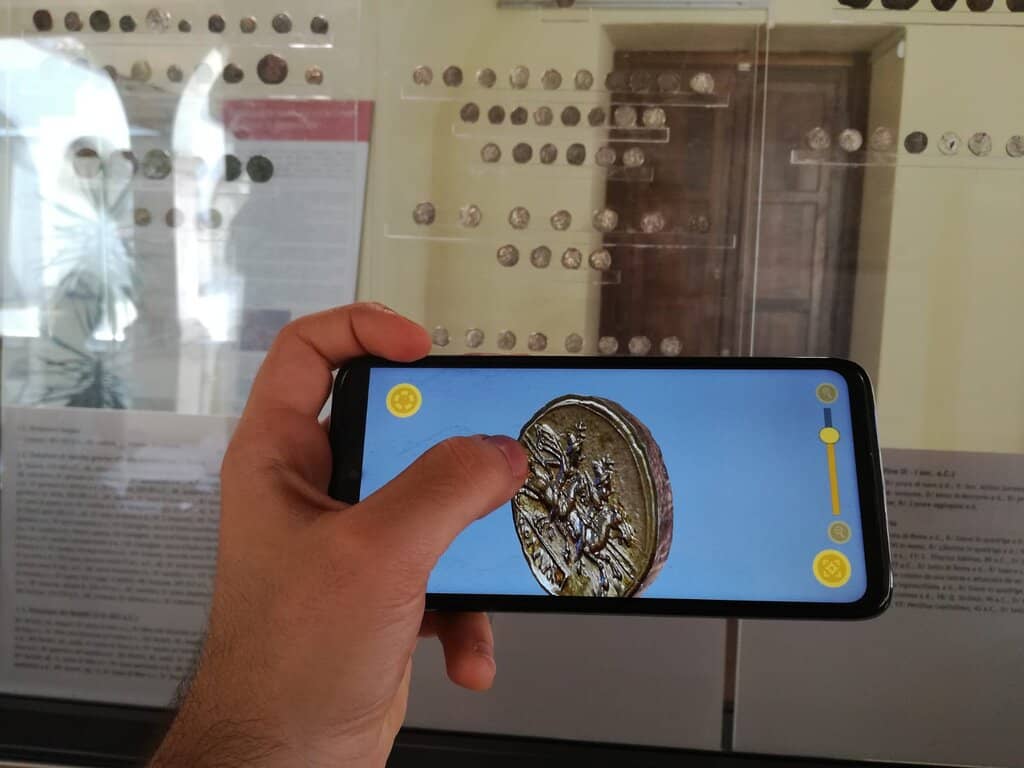
Discover ancient relics from the Brettii and Oenotrian peoples, showcasing their military prowess and early Italian history.
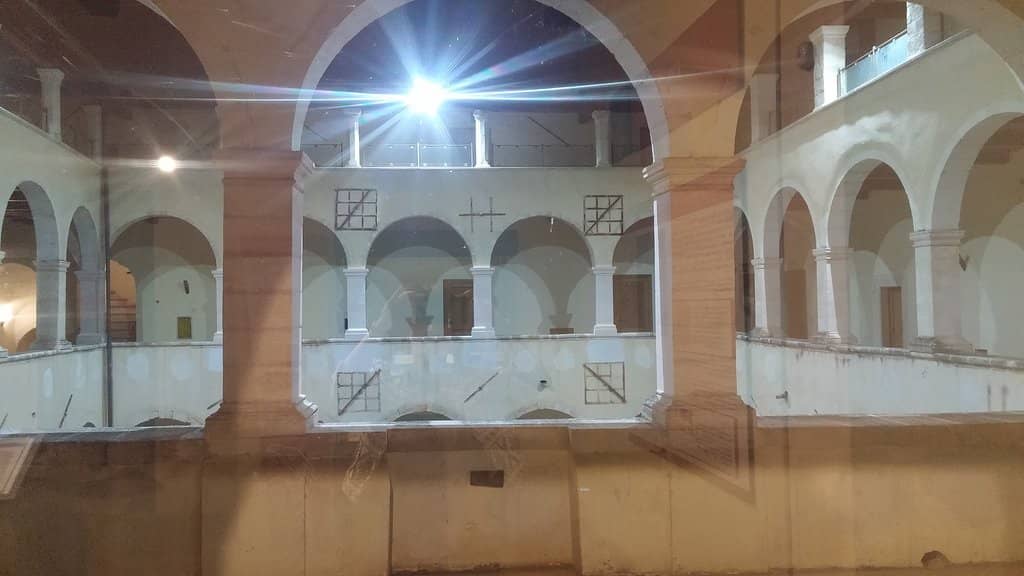
Former Augustinian Convent Setting
Explore fascinating exhibits within the atmospheric walls of a former Augustinian convent, adding historical depth to your visit.

Thoughtful Display and Lighting
Appreciate the intelligent arrangement and balance of natural and artificial lighting that enhances the presentation of historical items.
Plans like a pro.
Thinks like you
Planning Your Visit
Embrace the Unfolding Story
Timing is Everything
Best Times
Insider Tips
from TikTok, Instagram & Reddit
⏳ No Wait Times!
Enjoy minimal wait times as most visitors are at the beach or mountains. Perfect for spontaneous visits!
📚 Bilingual Information
Background information is available in both Italian and English, making it accessible for international visitors.
🏛️ Historic Setting
The museum is housed in a former Augustinian convent, adding a unique historical ambiance to your visit.
🎨 Colorful Exhibits
Experience a vibrant and colorful museum that showcases its exhibits with artistic flair.
Tips
from all over the internet
⏳ No Wait Times!
Enjoy minimal wait times as most visitors are at the beach or mountains. Perfect for spontaneous visits!
📚 Bilingual Information
Background information is available in both Italian and English, making it accessible for international visitors.
🏛️ Historic Setting
The museum is housed in a former Augustinian convent, adding a unique historical ambiance to your visit.
🎨 Colorful Exhibits
Experience a vibrant and colorful museum that showcases its exhibits with artistic flair.
🎶 Event Venue
The museum's cloister hosts various events like concerts and book presentations, check their schedule!
What Travellers Say
Reviews Summary
Visitors find the Museo dei Brettii e degli Enotri to be an interesting museum housed in a beautiful former convent, with thoughtfully displayed artifacts and helpful staff. While noted as a 'work in progress,' its current exhibits are well-presented with good bilingual information, offering a rewarding experience with minimal wait times.
"There was no wait times caue every1 is at the beach or up in the mountains. The museum is still a work in progress its still very nice."
Joe A
"Great setting in former Augustinian convent. Artifacts are intelligently arranged and displayed in a balance of natural and artificial lighting, with substantial background information in Italian and English. Helpful staff, concise guide pamphlet."
Phil Hammond (hammondo)
"Intresting museum. Friendly staff. Nice building"
George Palisidis
What People Like
What People Dislike
Frequently Asked Questions
🚇 🗺️ Getting There
The museum is located in the historic center of Cosenza, within the Complesso monumentale di S. Agostino. It's easily accessible by foot if you're already in the city center. Public transport options within Cosenza can also lead you close to the historic district.
Parking in Cosenza's historic center can be challenging. It's advisable to look for public parking lots on the outskirts of the center and walk, or utilize public transportation to reach the museum area.
Many visitors enjoy walking through the historic center, discovering its charming streets and architecture. The museum is a great addition to a day exploring Cosenza's historical heart.
While specific guided tours for the museum might vary, local tourist information centers or cultural associations in Cosenza may offer guided walks of the historic center that include or pass by the museum.
Yes, local buses serve the historic center of Cosenza. Check the local bus routes and schedules for the most convenient stops near the Complesso monumentale di S. Agostino.
🎫 🎫 Tickets & Entry
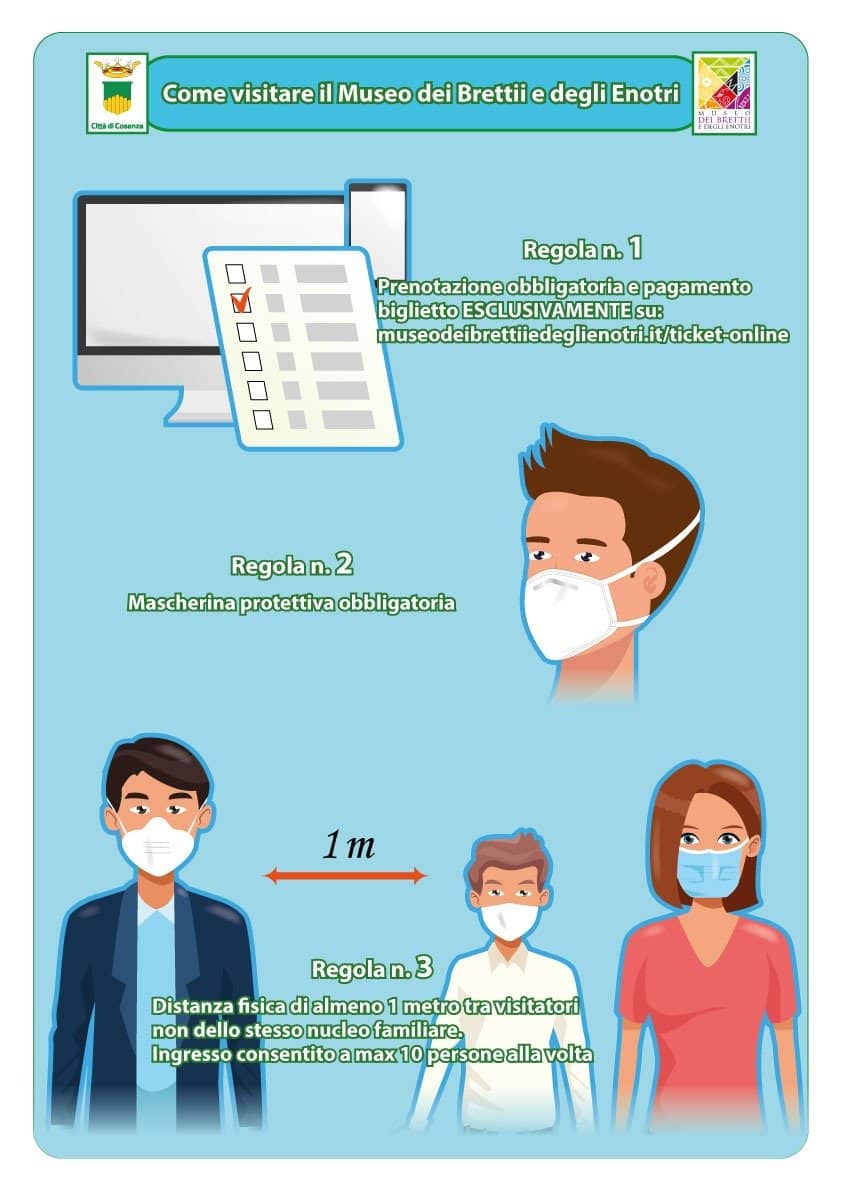
Opening hours can vary, and it's always best to check the museum's official website or social media pages for the most up-to-date information before your visit.
Admission fees are generally reasonable, and the museum is often described as having no wait times, suggesting it's not typically overcrowded. Check for any special exhibition pricing.
Given the typically low crowd levels, advance booking is usually not necessary. However, for special events or during peak tourist seasons, it might be a good idea to inquire.
Information on accessibility can vary. It's recommended to contact the museum directly to inquire about specific facilities for visitors with mobility challenges.
Many Italian museums offer discounted rates for students, seniors, and other groups. It's advisable to inquire at the ticket counter or check the museum's official website for details.
🎫 🏛️ Onsite Experience
The museum houses artifacts from the Brettii and Oenotrian peoples, offering insights into their history, culture, and daily life. You'll find items ranging from prehistoric remains to Roman imperial age objects.
The museum's exhibits, particularly those detailing ancient peoples and their artifacts, can be educational for children. The colorful displays might also capture their attention.
A visit can take anywhere from 1 to 2 hours, depending on your interest level and how much time you spend reading the information provided. The thoughtful arrangement allows for a focused experience.
Generally, photography for personal use is allowed in many museums, but it's always best to check for specific signage or ask museum staff. Flash photography is often prohibited to protect artifacts.
The Brettii were a prominent Italic people in ancient Calabria, known for their military strength, with Cosenza as their capital. The Oenotrians were early settlers in the region, with legends linking them to the naming of Italy.
📸 📸 Photography
The museum's cloister offers a beautiful architectural backdrop, especially when hosting events. The display cases themselves, with their balanced lighting, can also yield interesting shots of the artifacts.
Photography for personal use is usually permitted, but always check for specific rules. Avoid using flash, as it can damage delicate ancient items.
Typically, restrictions focus on commercial photography and the use of tripods or professional equipment without prior permission. Always respect museum staff's guidance.
Visitors often capture the unique blend of ancient artifacts and the historic convent architecture. The colorful displays also make for vibrant photos.
Yes, events held in the cloister, such as concerts or readings, are often photographed by attendees. It's a great opportunity to capture the lively atmosphere. 
For Different Travelers
Tailored advice for your travel style
👨👩👧 Families with Kids
📚 History Buffs & Archaeology Enthusiasts
🚶♀️ Solo Travelers & Couples
Deep Dives
In-depth insights and expert knowledge
The Brettii and Oenotrians: Ancient Inhabitants of Calabria
The Oenotrians, an even earlier Italic people, settled in Calabria as early as the 11th century BC. According to Virgil, their descendants eventually adopted the name 'Italia'. The museum's collection provides a tangible connection to these foundational cultures, displaying artifacts that speak to their daily lives, societal structures, and interactions with other ancient civilizations.
Visitors can expect to see a range of items, from prehistoric bone remains found in local caves to objects from the Roman imperial age, illustrating the long and layered history of the area. The museum's presentation aims to make this ancient history accessible and engaging for all visitors.
A Museum in a Historic Setting
The architecture of the convent itself is a point of interest, with its cloister often serving as a venue for cultural events. This integration of historical space and exhibition makes the museum a dynamic cultural hub. The museum's management actively uses the cloister for various events, including concerts, theatrical performances, and book readings, aiming to draw more people into discovering the museum and its collections.
+1This approach transforms the museum from a static repository of history into a vibrant space for contemporary cultural engagement. The blend of ancient history and living culture creates a compelling reason to visit, offering a multi-faceted experience that goes beyond simply viewing exhibits.
Exhibition Design and Visitor Experience
Substantial background information is provided, often in both Italian and English, ensuring that a wider audience can appreciate the significance of the Brettii and Oenotrian cultures. This commitment to accessibility means visitors can delve deeper into the history without needing extensive prior knowledge.
While described as a 'work in progress,' the museum is noted for being 'very nice' and offering a pleasant experience. The friendly and helpful staff further contribute to a positive visitor journey, making the exploration of ancient history both informative and enjoyable.

Social
from TikTok, Instagram & Reddit