Museo Etnografico Regole d'Ampezzo
Discover Cortina's heritage: explore traditional crafts, the unique 'Regole' governance, and the history of mountain life.

Highlights
Must-see attractions

Social
From TikTok & Reddit
Best Time
Fewer crowds, pleasant weather
Museo Etnografico Regole d'Ampezzo
Best Time
Fewer crowds, pleasant weather
Highlights
Must-see attractions
Discover Cortina's heritage: explore traditional crafts, the unique 'Regole' governance, and the history of mountain life.
"Interesting museum about Cortina and the local past, tradition, crafts... Nice to learn about regole."
Learn about the 'Regole'
Understand the unique local governance system for resource management. It's key to Cortina's history!
Check for temporary exhibits
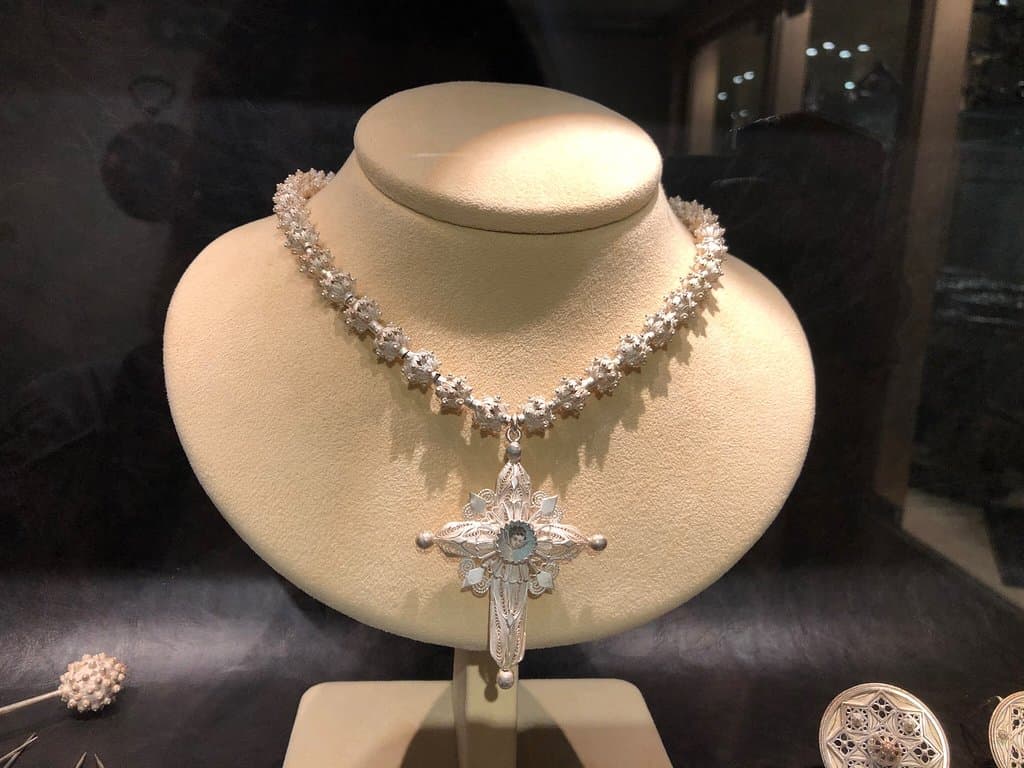
The museum often hosts special exhibitions, like the filigree jewelry. Don't miss them!
Quick Facts
Rating
4.2 · 38 reviews
Type
Museum
Highlights
Discover the most iconic attractions and experiences

Local Traditions & Crafts
Main exhibition halls
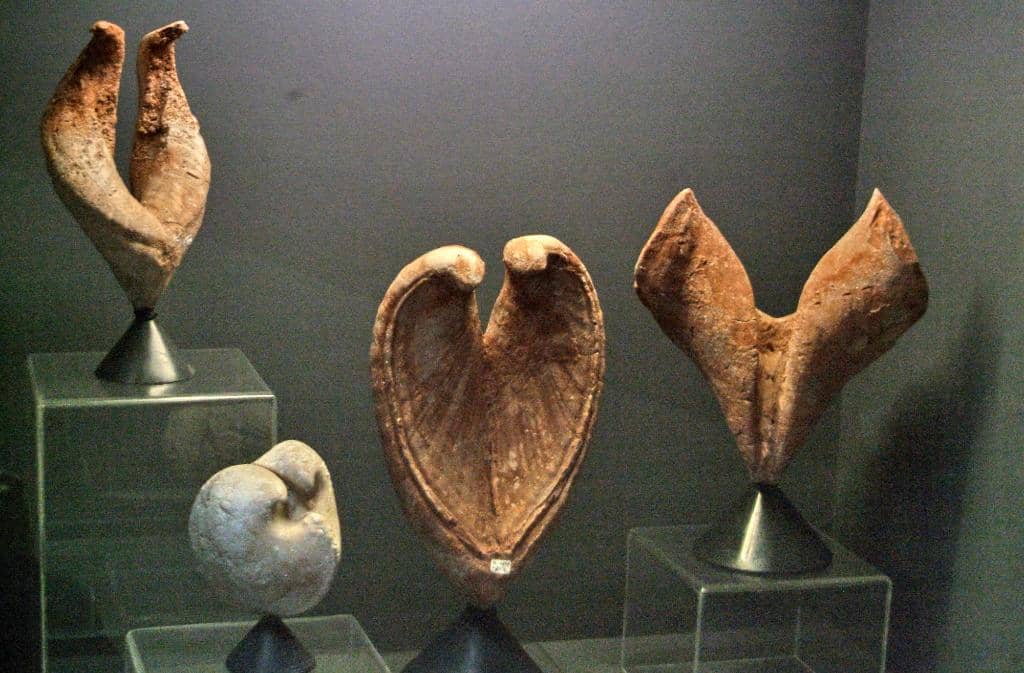
Explore tools, clothing, and artifacts showcasing the rich history and daily life of Cortina's mountain communities.
The 'Regole' Governance
Dedicated exhibition space
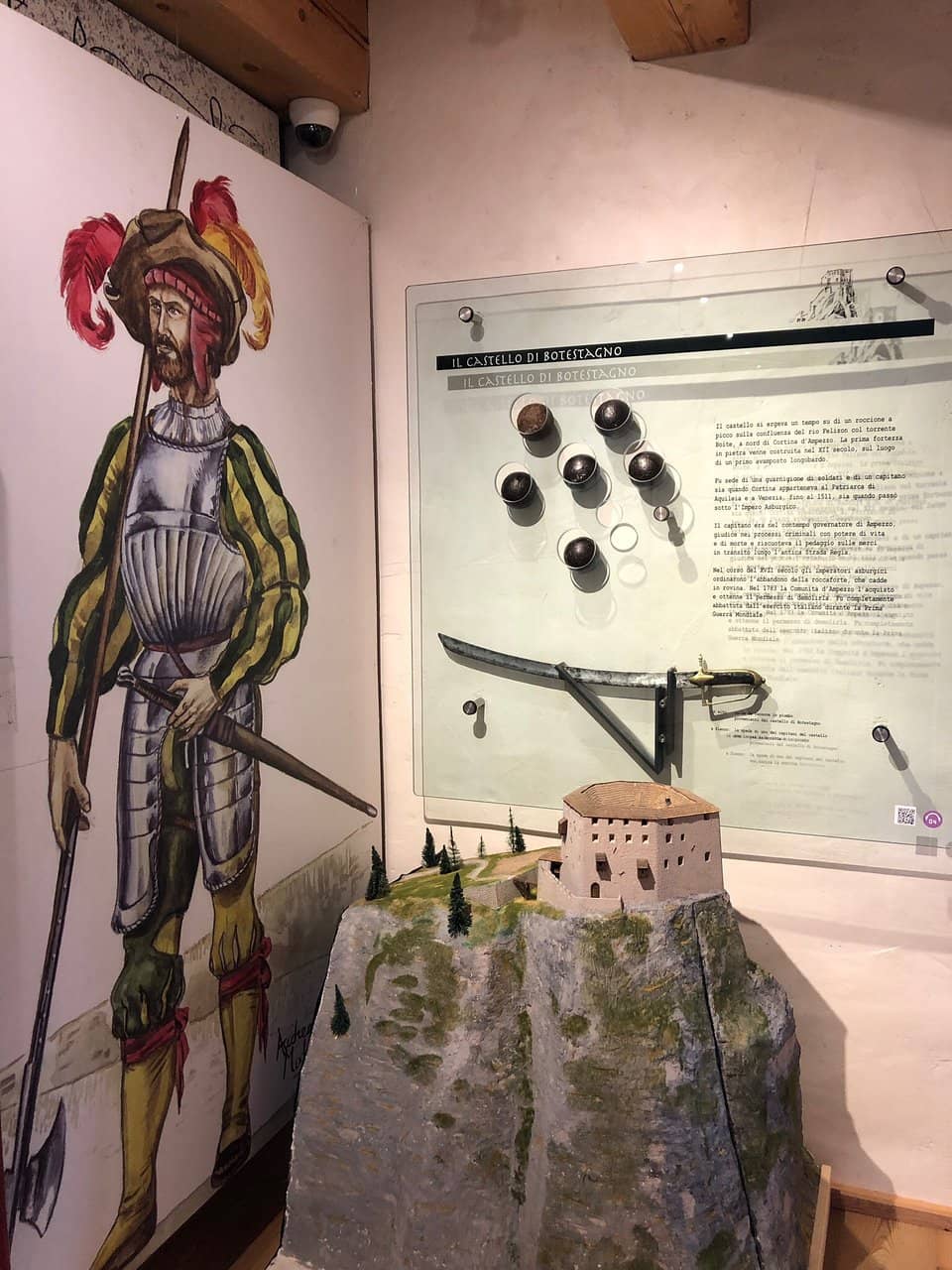
Understand the fascinating 'Regole' system, a traditional method of managing local resources that still influences the region.
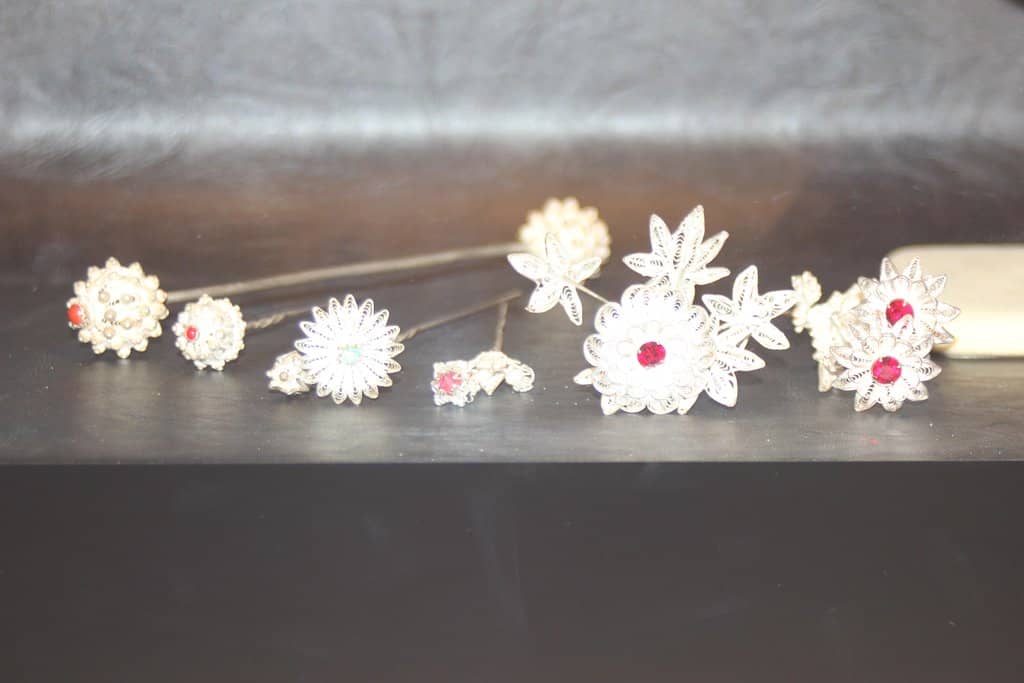
Filigree Jewelry Exhibition
Temporary exhibition space
Marvel at intricate silver filigree jewelry, a testament to the exquisite craftsmanship of Ampezzo artisans.
Plans like a pro.
Thinks like you
Planning Your Visit
Understanding the 'Regole'
Best Time to Visit Cortina
Best Times
Insider Tips
from TikTok, Instagram & Reddit
Learn about the 'Regole'
Understand the unique local governance system for resource management. It's key to Cortina's history!
Check for temporary exhibits
The museum often hosts special exhibitions, like the filigree jewelry. Don't miss them! 
Use a translator app
Descriptions are mainly in Italian, so a translation app can be very helpful.
Combine with town exploration
Perfect for a rainy day or a break from hiking. Explore Cortina town afterward.
Tips
from all over the internet
Learn about the 'Regole'
Understand the unique local governance system for resource management. It's key to Cortina's history!
Check for temporary exhibits
The museum often hosts special exhibitions, like the filigree jewelry. Don't miss them!
Use a translator app
Descriptions are mainly in Italian, so a translation app can be very helpful.
Combine with town exploration
Perfect for a rainy day or a break from hiking. Explore Cortina town afterward.
What Travellers Say
Reviews Summary
Visitors find the Museo Etnografico Regole d'Ampezzo to be an interesting and worthwhile visit, offering valuable insights into Cortina's past, traditions, and the unique 'Regole' system. While the lack of English descriptions is noted, the exhibits are generally well-received for their historical and cultural significance.
"Interesting museum about Cortina and the local past, tradition, crafts... Nice to learn about regole - how the locals managed to take care of natural goods and they still do it in a traditional but effective way."
Igor Fabjan
"Extremely worth it to visit to understand why Cortina is how it is"
Pol Puig Collderram
"Interesting museum. My parents were remembering all the tools that were used in agriculture in their childhood. We were missing descriptions in English but managed to use a translator."
Katarzyna Kryńska
What People Like
What People Dislike
Frequently Asked Questions
🚇 🗺️ Getting There
You can reach Cortina d'Ampezzo by bus from Venice. From the town center, the museum is within walking distance, making it accessible even without a car.
While specific parking details for the museum aren't widely shared, Cortina d'Ampezzo has public parking areas. It's best to check local signage upon arrival.
Cortina is quite walkable, and many attractions are clustered. For longer distances, local buses are available. Renting a car offers more flexibility for exploring the wider Dolomites region. +1
🎫 🎫 Tickets & Entry
The museum is typically open from Tuesday to Sunday, with hours usually from 10:30 AM to 12:30 PM and 3:00 PM to 7:00 PM. It's always best to check their official website or social media for the most current hours, as they can vary seasonally.
Admission fees are generally reasonable. Specific pricing details are best confirmed directly with the museum, but it's considered an affordable cultural experience.
For general admission, booking in advance is usually not required. However, for special exhibitions or group visits, it's advisable to inquire beforehand.
Information on accessibility can vary. It's recommended to contact the museum directly to inquire about specific facilities and accommodations.
🎫 🏛️ Onsite Experience
You'll find exhibits on Cortina's history, traditional mountain life, local crafts like filigree jewelry, agricultural tools, and the unique 'Regole' system of resource management.
Guided tours may be available, especially for groups or during special events. It's best to inquire at the museum or check their schedule for any announced tours.
Photography policies can vary. Generally, personal photography without flash is often permitted, but it's wise to look for signage or ask staff for confirmation.
A visit typically takes 1-2 hours, depending on your interest in the exhibits and whether you utilize translation tools for the descriptions.
The 'Regole' is a historical system of communal land and resource management practiced by the people of Ampezzo, crucial to understanding the region's heritage.
🍽️ 🍽️ Food & Dining
The museum itself does not typically have a cafe or restaurant. However, Cortina d'Ampezzo offers numerous dining options nearby.
In Cortina, look for regional dishes like 'Canederli' (dumplings), 'Schlutzkrapfen' (stuffed pasta), and hearty mountain cuisine. Don't forget to try local pastries like Krapfen!
📸 📸 Photography
Focus on capturing the intricate details of the traditional crafts, the historical artifacts, and any unique architectural elements of the museum building. The filigree jewelry exhibits are particularly photogenic.
After your museum visit, explore the charming streets of Cortina d'Ampezzo. The surrounding Dolomites offer breathtaking panoramic views, especially from viewpoints accessible by cable car. +1



Social
from TikTok, Instagram & Reddit