
Cornus-Columbaris Archaeological Site
An important early Christian settlement with basilicas, a baptistery, and tombs, offering a glimpse into ancient life.
Highlights
Must-see attractions

Social
From TikTok & Reddit
Best Time
Pleasant weather, less overgrowth
Cornus-Columbaris Archaeological Site
Best Time
Pleasant weather, less overgrowth
Highlights
Must-see attractions
An important early Christian settlement with basilicas, a baptistery, and tombs, offering a glimpse into ancient life.
"An incredible, vast site abandoned to itself, a real shame but still worth the visit."
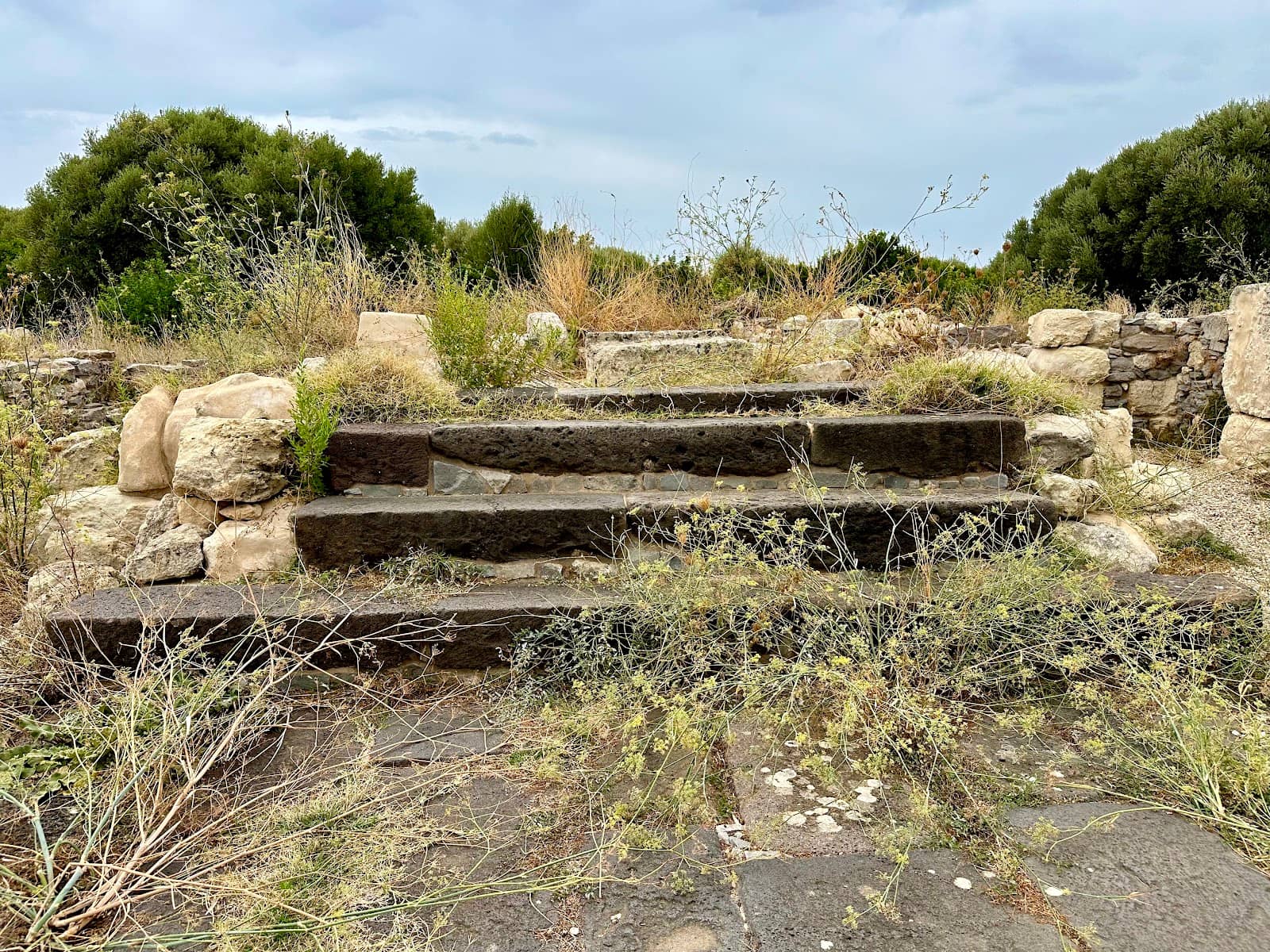
👟 Wear Sturdy Shoes
The terrain can be uneven and overgrown. Comfortable, closed-toe shoes are a must for exploring safely.
🚗 Drive Carefully
The dirt road to the site requires cautious driving. Consider parking and walking if you're not confident.

Highlights
Discover the most iconic attractions and experiences
Early Christian Basilicas
Central area
Discover the remnants of three basilicas, including a cruciform baptistery and basalt altar, showcasing early Christian life.
Ancient Cemetery
Surrounding basilicas
Explore the tombs and sarcophagi, offering a poignant glimpse into the burial practices of this ancient settlement.
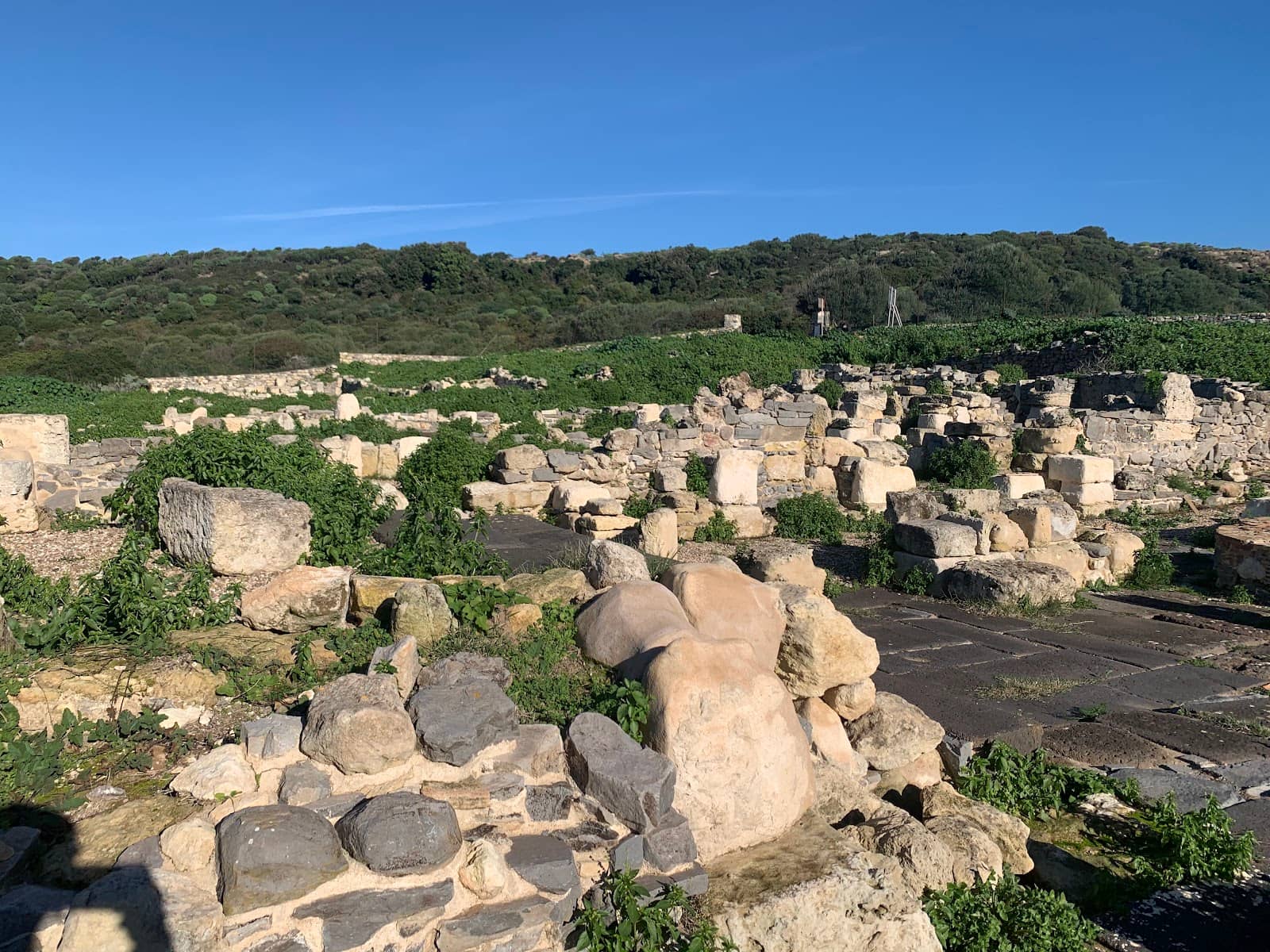
Bishop's Residence
Adjacent to basilicas
See the remains of dwellings and baths, hinting at the daily lives of those who inhabited this significant site.
Plans like a pro.
Thinks like you
Planning Your Visit
Navigating the Site
Preservation & Promotion
Best Times
Insider Tips
from TikTok, Instagram & Reddit
👟 Wear Sturdy Shoes
The terrain can be uneven and overgrown. Comfortable, closed-toe shoes are a must for exploring safely.
🚗 Drive Carefully
The dirt road to the site requires cautious driving. Consider parking and walking if you're not confident.
💧 Bring Water
There are no facilities on-site, so carry plenty of water, especially during warmer months.
📸 Capture the History
While signage is minimal, the ruins offer incredible photo opportunities.
Tips
from all over the internet
👟 Wear Sturdy Shoes
The terrain can be uneven and overgrown. Comfortable, closed-toe shoes are a must for exploring safely.
🚗 Drive Carefully
The dirt road to the site requires cautious driving. Consider parking and walking if you're not confident.
💧 Bring Water
There are no facilities on-site, so carry plenty of water, especially during warmer months.
📸 Capture the History
While signage is minimal, the ruins offer incredible photo opportunities.
What Travellers Say
Reviews Summary
Visitors are captivated by the immense historical importance of Cornus-Columbaris as an early Christian site, appreciating its basilicas and tombs. However, many lament its lack of promotion, poor signage, and overgrown state, calling it a 'shame' that such a vast and beautiful area is neglected.
"An early Christian area of great historical importance... accessible via a dirt road without too much difficulty! Unfortunately, it is not properly promoted and has been plundered over the years by anyone looking to take home a piece of history."
Gianfranco Frau
"It's incredible how such a beautiful and vast site has been abandoned, with no signage or guide, and with 2-meter-high grass hiding much of the site.
A real shame, but still worth a visit.
Getting there is easy because there's a parking lot (shown on the map), but you can continue by car to the entrance gate. However, if you're not a good driver, it's best to leave your car in the parking lot and continue on foot."
Ivan Canavera
"In the Cornus-Columbaris archaeological area, excavations (over the past century) have revealed an important early Christian settlement, which developed over the centuries between the end of the Roman Empire and the beginning of the Middle Ages. It includes a cemetery, three basilicas, and a bishop's residence. In recent years, funding from the Ministry of Cultural Heritage and Activities and Tourism (MIBACT) has provided for the completion of the excavation, consolidation, restoration, and enhancement for cultural and tourist purposes. The work is expected to be completed by 2023, and it is hoped that the area will not then return to its decades-long state of abandonment. The Sardegna Cultura website contains extensive documentation on this area and the ancient city of Cornus, including studies and the materials discovered during the excavations."
atc sarchittu
What People Like
What People Dislike
Frequently Asked Questions
🚇 🗺️ Getting There
The site is accessible via a dirt road. There's a parking lot available, and some visitors prefer to park there and walk the rest of the way to the entrance gate. Be cautious if driving directly to the gate, especially if you're not an experienced driver on unpaved roads.
No, the road leading to the site is a dirt road. It's generally manageable but can be rough in places.
Yes, there is a designated parking lot. You can also drive closer to the entrance gate, but it's recommended to assess the road conditions first.
Information on public transport access is limited. It's best to check local bus routes or consider a taxi/ride-sharing service if available in the area.
For a first visit, using the designated parking lot and walking the remaining distance is often recommended to get a feel for the access road and the site's surroundings.
🎫 🎫 Tickets & Entry
Information regarding ticket requirements is scarce. It's advisable to check local tourism websites or inquire locally before your visit, as entry may be free or require a small fee.
Specific opening hours are not widely published. As it's an archaeological site, it's likely accessible during daylight hours, but it's best to confirm locally.
Currently, there is no clear indication of an entrance fee. Many visitors report it as being freely accessible, though this could change with future development.
Yes, visitors can explore the site independently. However, due to minimal signage, a guide or prior research can greatly enhance the experience.
No specific booking requirements are mentioned. It's generally a site you can visit spontaneously, but checking for any local advisories is always a good idea.
🎫 🧭 Onsite Experience
You can explore the remains of three early Christian basilicas, a cruciform baptistery, an altar, tombs, sarcophagi, and parts of a bishop's residence.
Unfortunately, the site has been described as neglected, with overgrown grass hiding parts of the ruins. Recent restoration efforts are underway, but maintenance can be inconsistent.
Signage is minimal and often in poor condition. Visitors are advised to do their research beforehand or bring their own information.
Sturdy, closed-toe shoes are highly recommended due to the uneven terrain and potential for overgrown vegetation.
While children can visit, the lack of clear paths and signage might make it challenging. Adult supervision is essential, and sturdy footwear is a must.
🍽️ 🍽️ Food & Dining
No, there are no food or dining facilities directly at the archaeological site. It's recommended to bring your own snacks and drinks.
You'll need to travel to nearby towns or villages for dining options. Research local eateries in the closest settlements before your visit.
While not explicitly prohibited, it's best to be respectful of the historical site. If you picnic, ensure you take all your trash with you.
Pack plenty of water and any snacks you might need, as amenities are non-existent at the site.
Specific recommendations are scarce, but exploring the nearest towns like Cornus or others in the Oristano province would be your best bet for local cuisine.
📸 📸 Photography
The basilicas, especially the cruciform baptistery and altar, offer striking architectural details. The surrounding landscape and ancient tombs also make for compelling shots.
Yes, photography is generally allowed. However, always be respectful of the historical ruins and avoid using flash in enclosed or sensitive areas if any exist.
Late afternoon often provides beautiful golden hour light that can enhance the textures and atmosphere of the ruins.
Information on drone usage is not readily available. It's advisable to check local regulations regarding drone operation in archaeological areas before flying.
Use wide-angle lenses to encompass the breadth of the basilicas and surrounding landscape. Including a person in the frame can also help convey scale.
For Different Travelers
Tailored advice for your travel style
👨👩👧 Families with Kids
While there are no dedicated facilities or play areas, the sheer scale of the ruins can spark imagination. Consider bringing plenty of water and snacks, as there are no amenities on-site. A pre-visit research session about early Christian life or Roman settlements can help make the ruins more engaging for younger minds. The site's historical context offers a unique learning opportunity outside of a traditional museum setting.
🚶♀️ History Buffs & Archaeologists
Be prepared for a raw, unvarnished archaeological experience. The minimal signage and occasional overgrowth mean that prior research is highly recommended to fully appreciate the context of the ruins. Understanding the historical timeline, from the Roman period through the early Middle Ages and eventual abandonment, will greatly enhance your exploration. The ongoing restoration efforts, while promising, also mean that the site is a work in progress, offering a unique perspective on archaeological preservation.
Deep Dives
In-depth insights and expert knowledge
The History of Cornus-Columbaris
The site's prominence waned, and it was eventually abandoned around 680 AD, likely due to a fire that devastated the main basilica. For centuries, it lay largely forgotten, subject to natural overgrowth and unfortunately, historical plundering. Recent efforts by the Ministry of Cultural Heritage and Activities and Tourism have focused on excavation, consolidation, and restoration, aiming to preserve and enhance this crucial piece of early Christian history for future generations.
Despite these efforts, the site still faces challenges related to promotion and ongoing maintenance. Visitors often note the lack of clear signage and the presence of tall grass, which can obscure parts of the ruins. However, the sheer historical weight and the architectural remnants, such as the cruciform baptistery and basalt altar, make it a compelling destination for those interested in early Christian archaeology.
Navigating and Experiencing the Site
Once at the site, be prepared for a less-than-manicured experience. Overgrown grass is a common observation, and it can obscure parts of the archaeological remains. This makes wearing sturdy, closed-toe shoes absolutely essential for safe and comfortable exploration. The lack of extensive signage means that doing some research beforehand or bringing a guide can significantly enrich your visit, helping you to identify and understand the various structures.
Despite the challenges, the historical significance and the atmospheric ruins offer a unique glimpse into the past. The site's location, once facing the sea, adds to its allure. Visitors often express a mix of awe at the historical importance and disappointment at the site's current state of preservation and promotion, highlighting the need for continued development and awareness.


Social
from TikTok, Instagram & Reddit