Palazzo Nero Coredo
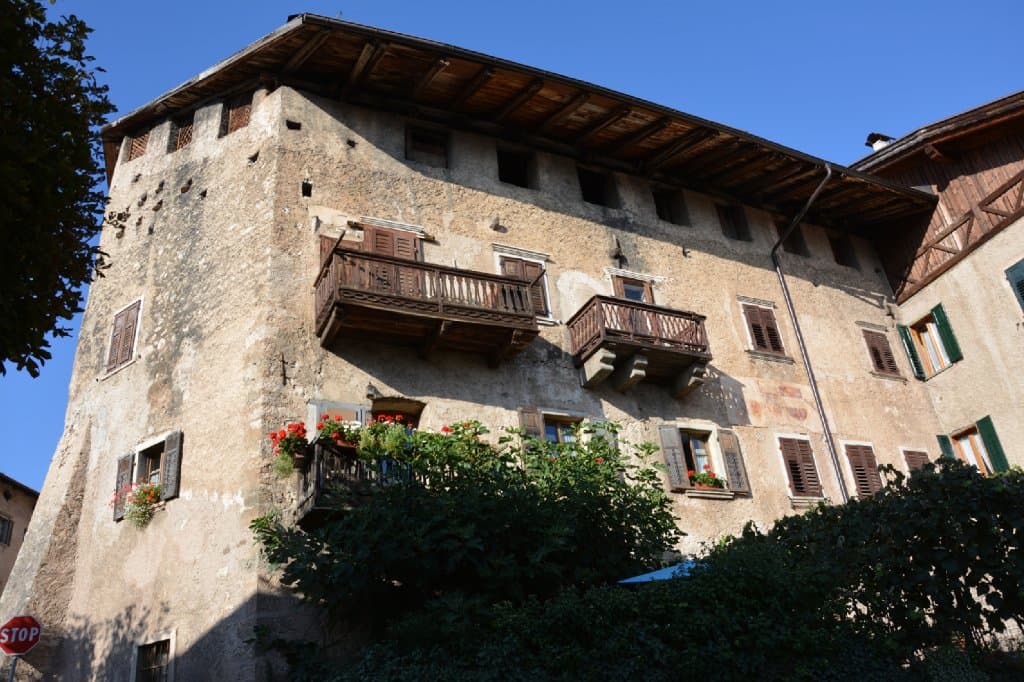
A historic palace in Val di Non, known for its 15th-century frescoes and dark past as a site of witch trials.
Highlights
Must-see attractions

Social
From TikTok & Reddit
Best Time
Best for historical context
Palazzo Nero Coredo
Best Time
Best for historical context
Highlights
Must-see attractions
A historic palace in Val di Non, known for its 15th-century frescoes and dark past as a site of witch trials.
"The Palazzo Nero is admirable in all its majesty, a place steeped in centuries of history."
Book a Guided Tour
Essential for understanding the history and frescoes. Guides are friendly and informative.
Respect the Frescoes
The interior artwork is delicate and undergoing restoration. Admire from a distance.
Highlights
Discover the most iconic attractions and experiences
Hall of Judgement
Interior
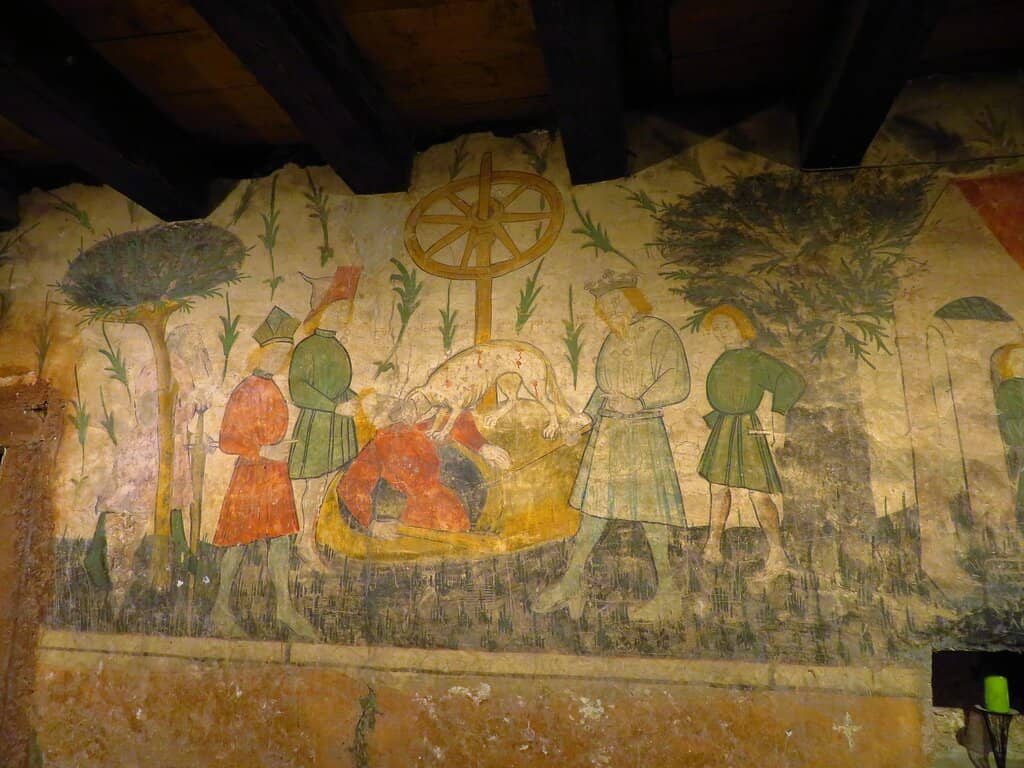
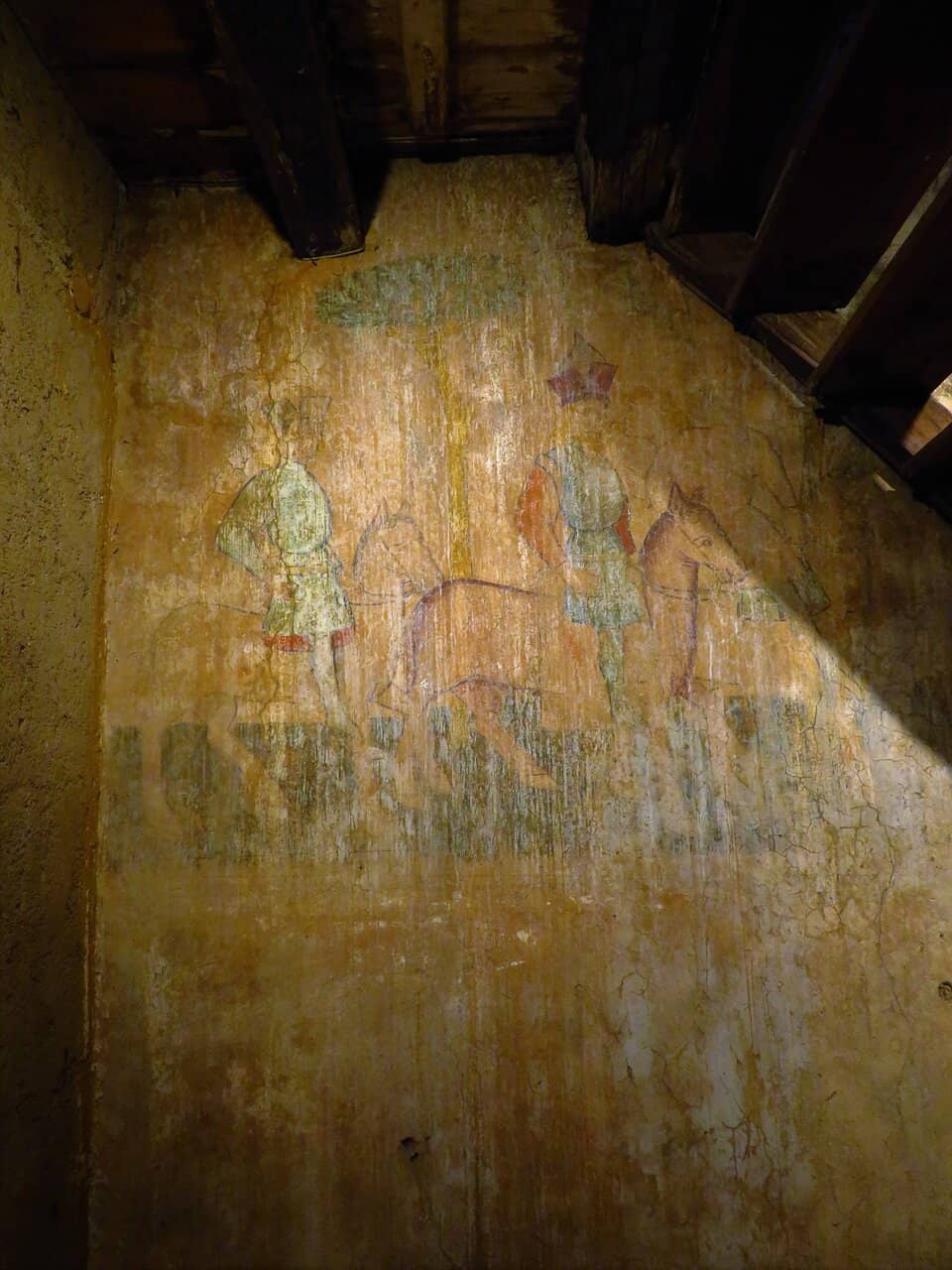
Gothic frescoes from the 15th century depicting Arthurian and Carolingian sagas, including the Story of Saint Genevieve.
Exterior Majesty
Courtyard
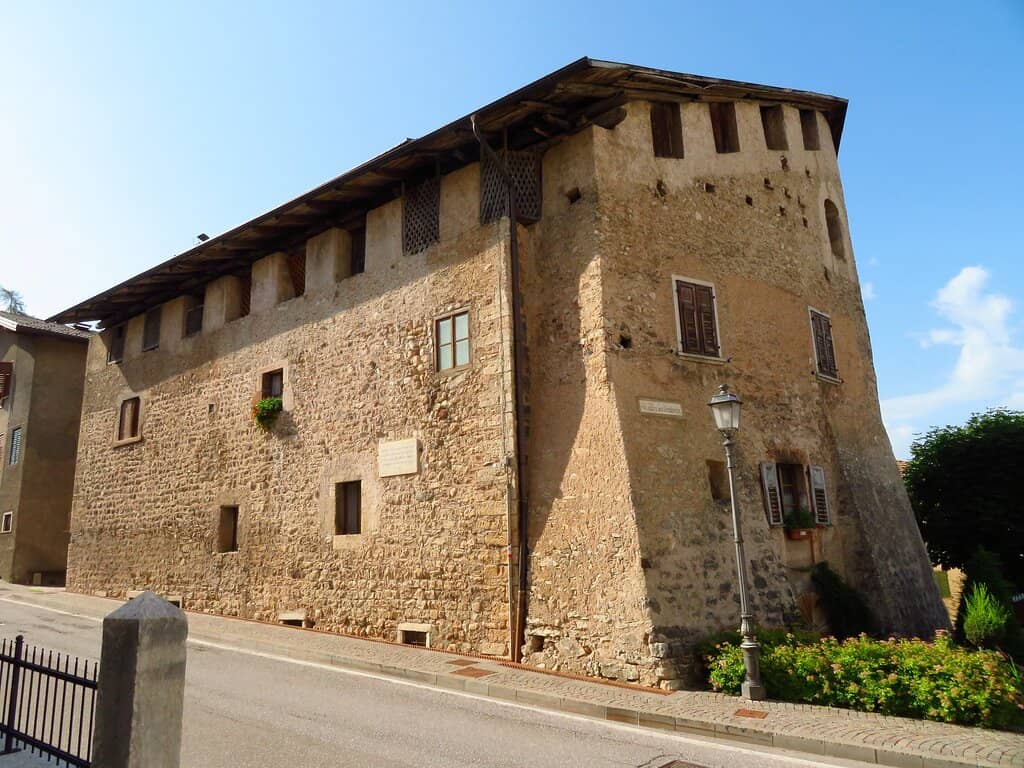
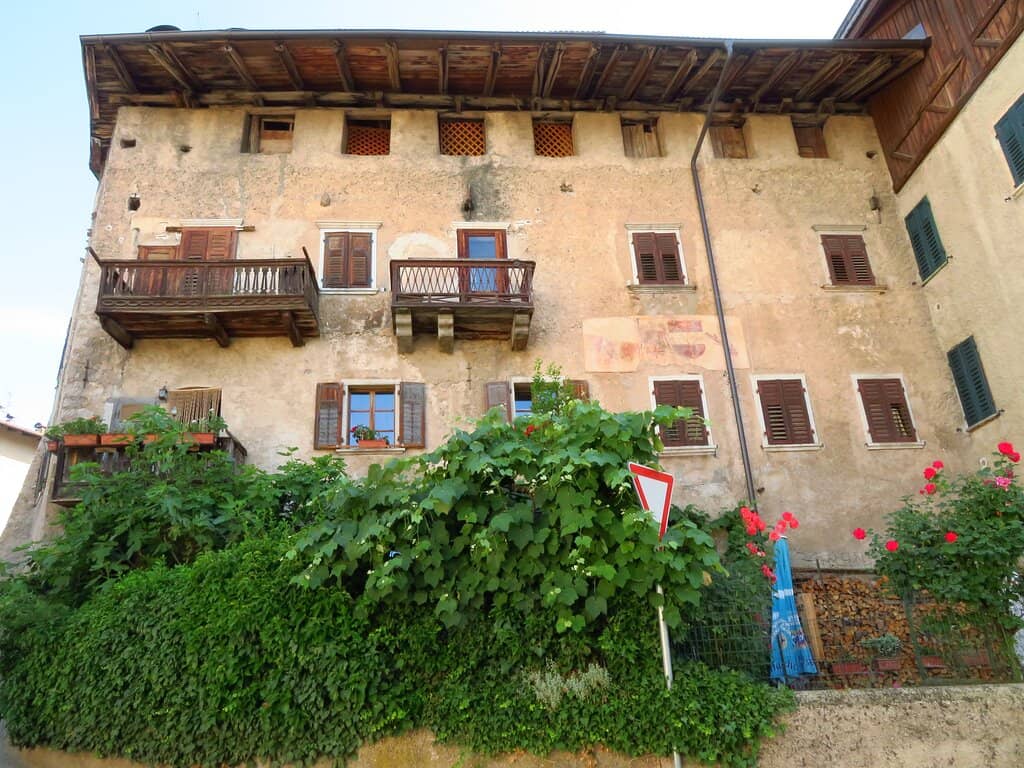
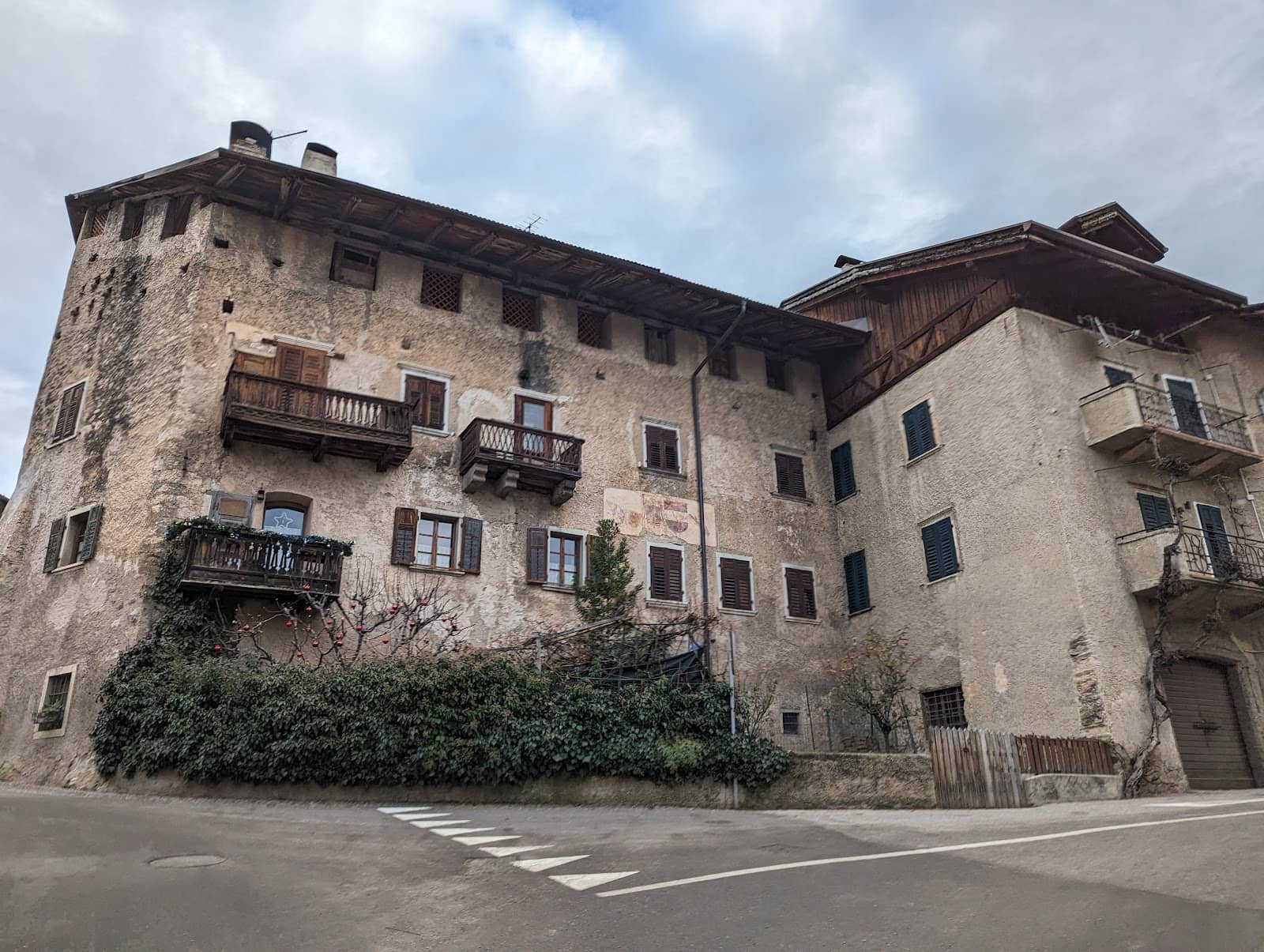
Admire the imposing architecture of Palazzo Nero, a testament to its historical significance and past fires.
The Legend of Assareto
Courtyard
Learn about the tragic tale of the noble Assareto, unjustly accused of witchcraft and burned alive in 1614.
 +1
+1Plans like a pro.
Thinks like you
Planning Your Visit
Uncover the Dark History
+1Preservation and Access
Best Times
Insider Tips
from TikTok, Instagram & Reddit
Book a Guided Tour
Essential for understanding the history and frescoes. Guides are friendly and informative.
Respect the Frescoes
The interior artwork is delicate and undergoing restoration. Admire from a distance.
Embrace the Atmosphere
The Palazzo Nero has a somber history; be prepared for tales of witch trials and past fires.
Tips
from all over the internet
Book a Guided Tour
Essential for understanding the history and frescoes. Guides are friendly and informative.
Respect the Frescoes
The interior artwork is delicate and undergoing restoration. Admire from a distance.
Embrace the Atmosphere
The Palazzo Nero has a somber history; be prepared for tales of witch trials and past fires.
What Travellers Say
Reviews Summary
Visitors praise Palazzo Nero Coredo for its majestic exterior and the engaging historical insights provided by guides. While the interior frescoes are noted as needing restoration, the guided tours are highly recommended for their informative and friendly delivery, bringing the palace's dark past to life.
"Beautiful palace on the outside, I gave 4 stars because unfortunately the frescoes inside need to be restored, I really liked the guide who introduced us to the history, he explained very well and was also friendly."
Patrizia Sabó
"Fire is undoubtedly the dominant element in the centuries-old history of the Palazzo Nero, admirable in all its majesty just a few meters from the center of Coredo.
Its name likely derives from the marks left on its walls by fires set by peasant revolts during the 15th century.
Its fame, however, is sadly known throughout the Val di Non, primarily because of the horrific fire that broke out in the square in front of the palace in 1614, in which ten people accused of witchcraft lost their lives.
Built during the 15th century by order of Prince-Bishop George II Hack, the palace remained an important seat of jurisdiction throughout the century.
It is best known for its exquisite Hall of Judgement, decorated with a series of Gothic-style frescoes inspired by Arthurian and Carolingian sagas, unearthed in the early 20th century. Among these, the cycle depicting the Story of Saint Genevieve, the Queen of France unjustly accused of adultery, stands out.
The final triumph of the innocent queen imbues the entire cycle with a moralizing tone that is well-suited to the function of justice that took place in the ancient hall.
The palace is privately owned.
Source: Apt Val di Non - Coredo"
Nicola Ferrante
"Interesting from a historical point of view, unfortunately it has been ruined."
Sabrina Zucchetti
What People Like
What People Dislike
Frequently Asked Questions
🚇 🗺️ Getting There
Palazzo Nero is located in the small town of Coredo in Val di Non. It's best accessed by car, with parking available nearby. Public transport options are limited, so check local bus schedules if relying on them.
Yes, Palazzo Nero is situated just a few meters from the center of Coredo, making it easily discoverable within the town.
🎫 🎫 Tickets & Entry
Entry to the exterior is generally accessible, but to fully experience the Hall of Judgement and learn about its history, a guided tour is highly recommended. Check with local tourist information for tour availability and booking.
As it's privately owned, specific opening hours can vary. Guided tours are typically offered during the day. It's advisable to check with the Apt Val di Non or local tourist offices for the most up-to-date information on tour times.
While the exterior is visible, there is usually a fee for guided tours that grant access to the interior and its historical significance.
🎫 🏛️ Onsite Experience
Built in the 15th century, Palazzo Nero was an important seat of jurisdiction. It's infamous for the 1614 witch trials where ten people were burned alive in front of it.
The Hall of Judgement features exquisite Gothic-style frescoes from the 15th century, inspired by Arthurian and Carolingian sagas, including the Story of Saint Genevieve.
Unfortunately, the frescoes are in need of restoration, though their historical and artistic value is still significant.
Photography policies may vary, especially during guided tours. It's best to ask your guide for permission before taking pictures inside.
The name 'Palazzo Nero' (Black Palace) likely derives from marks left by fires from peasant revolts in the 15th century, and the tragic fire during the witch trials in 1614.
🍽️ 🍽️ Food & Dining
Coredo is a small town, but you can find local trattorias and restaurants offering regional cuisine in and around the town center.
📸 📸 Photography
The exterior of the Palazzo offers a majestic view, especially with the surrounding historical context. The Hall of Judgement, if accessible and permitted, is also a unique photographic opportunity.
For Different Travelers
Tailored advice for your travel style
History Buffs
Pay close attention to the Gothic frescoes in the Hall of Judgement, which not only showcase artistic skill but also reflect the cultural influences and popular sagas of the time. Understanding these elements will enrich your appreciation of the palace's multifaceted history.
Art & Architecture Enthusiasts
While the frescoes are in need of restoration, their artistic merit and the stories they depict are still captivating. Focus on the intricate details and the narrative flow of the sagas, imagining the artists at work centuries ago. The palace itself is a testament to the architectural styles of its time.
Deep Dives
In-depth insights and expert knowledge
The Chilling History of the Witch Trials
The Hall of Judgement within the palace was the site of these grim proceedings. Learning about the accusations, the fear, and the superstitions of the time from a knowledgeable guide can be a profoundly moving experience. The legend of the noble Assareto, who was unjustly accused and burned alive, adds a personal and tragic dimension to the palace's dark past.
+1While the palace's name might evoke images of darkness, it's important to remember the historical context. The frescoes, though in need of restoration, offer a glimpse into the artistic and cultural landscape of the 15th century, depicting sagas that were popular at the time.
Artistic Treasures: The Gothic Frescoes
The frescoes are inspired by popular Arthurian and Carolingian sagas, bringing legendary tales to life on the ancient walls. A standout among these is the cycle depicting the Story of Saint Genevieve, a queen unjustly accused of adultery. This narrative, with its theme of the triumph of innocence, imbues the hall with a moralizing tone that perfectly suited its function as a place of justice.
While the frescoes are a major draw, it's important to note that they are in a state of preservation that requires ongoing restoration. Visitors are encouraged to appreciate their beauty and historical significance while being mindful of their delicate nature.
Social
from TikTok, Instagram & Reddit