Palazzo Cybo Malaspina Ducal Palace
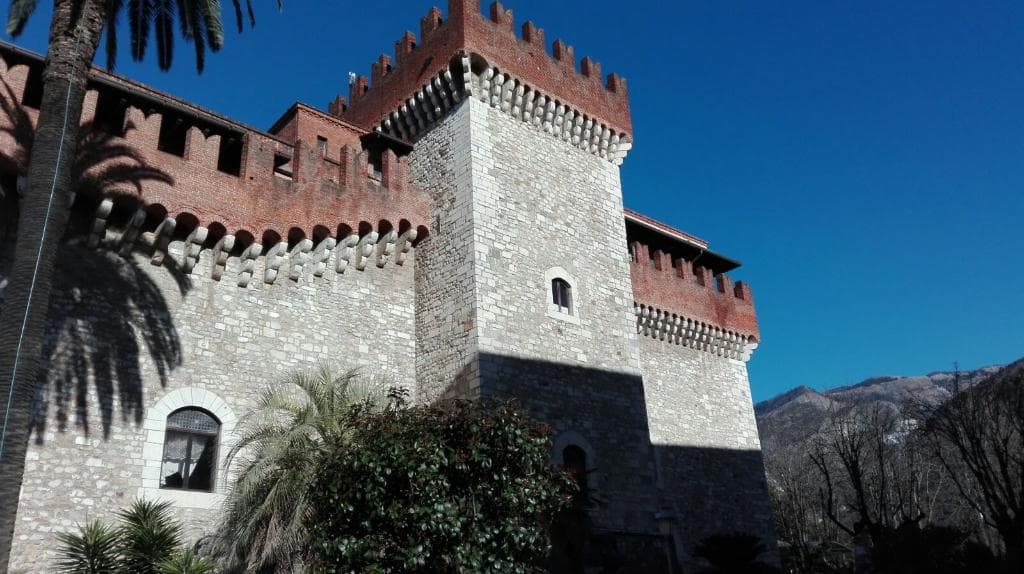
A monumental complex in Carrara, blending a medieval castle with a Renaissance palace, now housing the Academy of Fine Arts.

Highlights
Must-see attractions

Social
From TikTok & Reddit
Best Time
Fewer crowds during classes
Palazzo Cybo Malaspina Ducal Palace
Best Time
Fewer crowds during classes
Highlights
Must-see attractions
A monumental complex in Carrara, blending a medieval castle with a Renaissance palace, now housing the Academy of Fine Arts.
"A fascinating blend of medieval and Renaissance architecture, rich with art and history."
Check Visiting Hours First
The Palazzo houses an active academy, so hours can vary. Always confirm before your visit! :calendar:
Inquire About Tours
Limited access means tours are key. Ask about guided options for the best experience. :walking:
Highlights
Discover the most iconic attractions and experiences
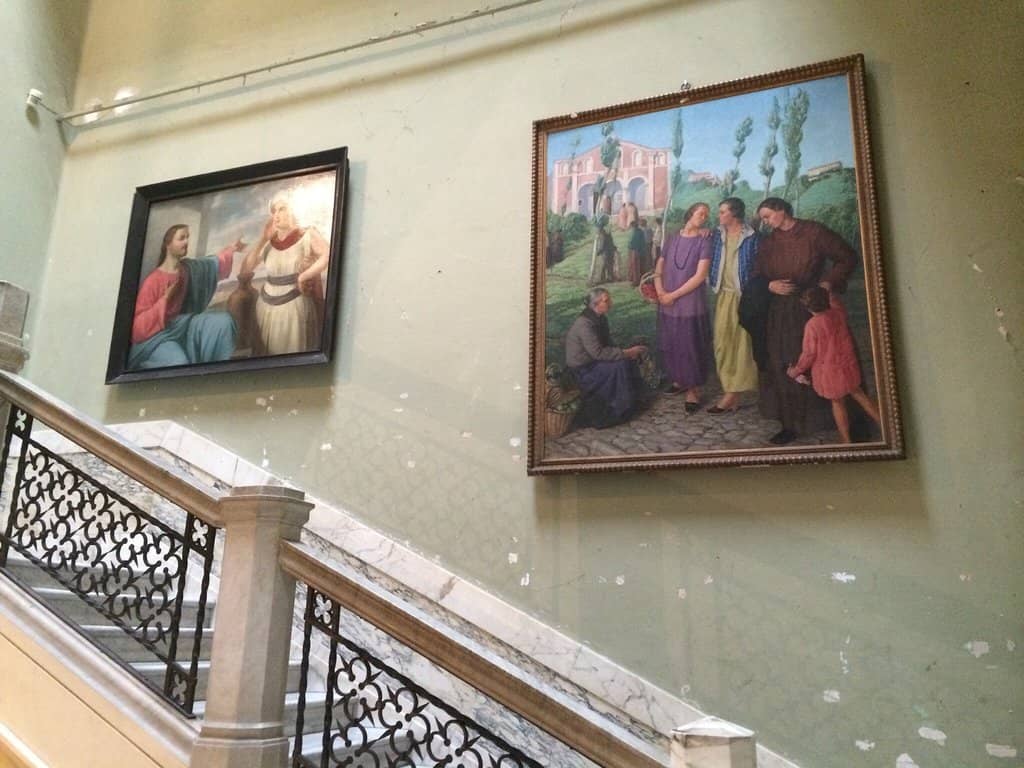
The Marble Staircase
Palazzo Entrance
An exquisite, restored marble staircase that immediately impresses visitors with its craftsmanship.
Hall of Columns
Ground Floor
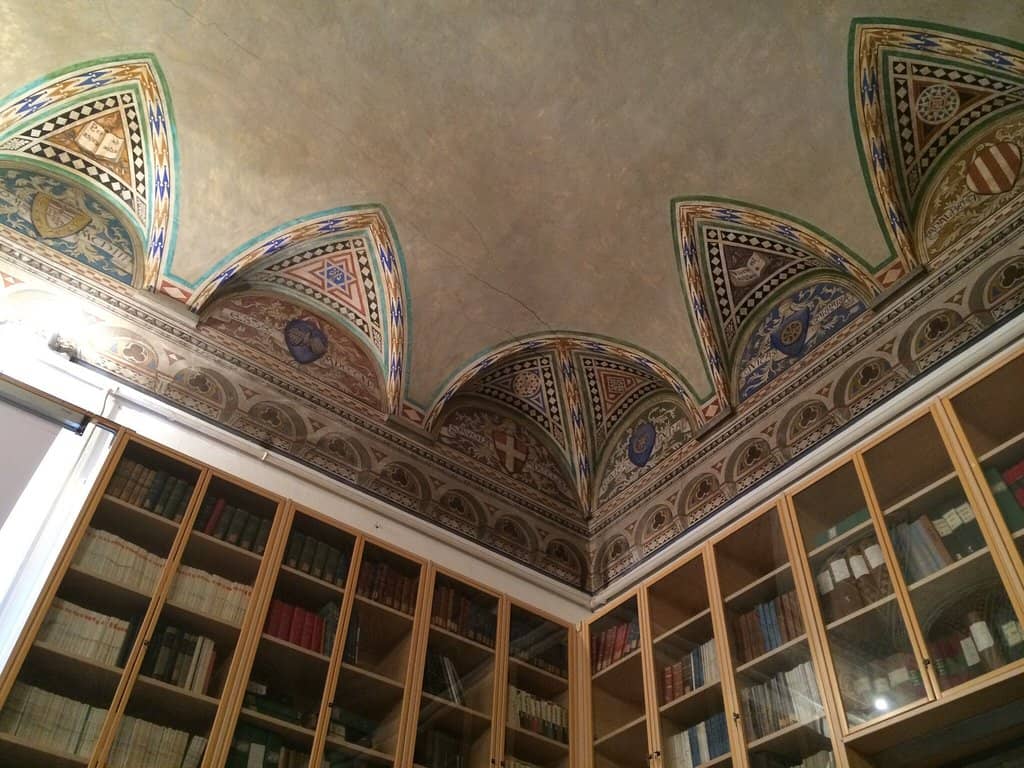
Home to the Institute's Library, featuring original Diderot & D'Alembert encyclopedias and a black marble Cavallino by Dazzi.

Plaster Cast Gallery
Ground Floor
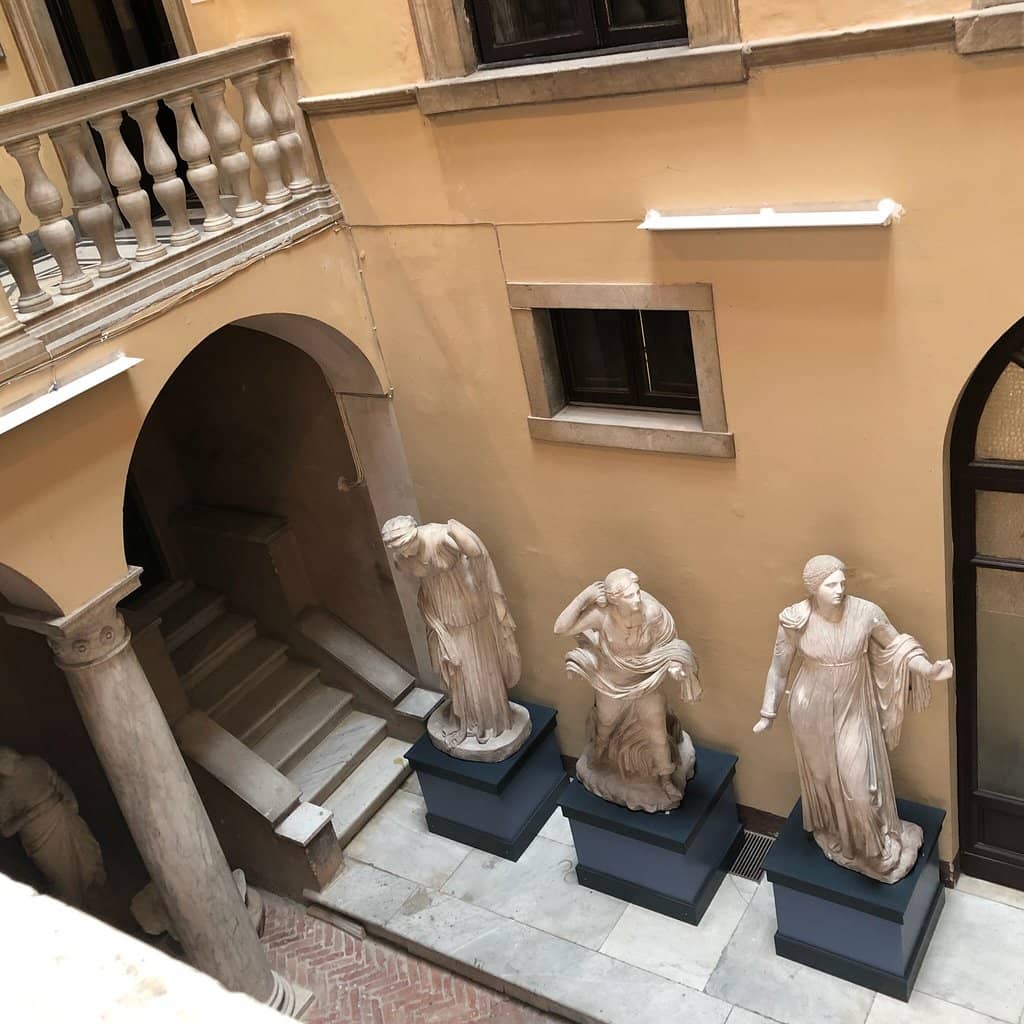
Showcases impressive plaster casts by Canova, including the Boxers and the Reclining Magdalen.
Medieval Courtyard
Ground Floor
Features Roman works, prize-winning art, and the famous Fantiscritti shrine with artist signatures.
Plans like a pro.
Thinks like you
Planning Your Visit
Accessing the Palazzo
A Glimpse into History
Best Times
Insider Tips
from TikTok, Instagram & Reddit
Check Visiting Hours First
The Palazzo houses an active academy, so hours can vary. Always confirm before your visit! :calendar:
Inquire About Tours
Limited access means tours are key. Ask about guided options for the best experience. :walking:
Marvel at the Marble
Carrara's fame is marble! Admire the extensive marble collections and architectural details. :gem:
Wear Comfortable Shoes
You'll be exploring historic halls and courtyards. Comfort is key! :athletic_shoe:
Tips
from all over the internet
Check Visiting Hours First
The Palazzo houses an active academy, so hours can vary. Always confirm before your visit! :calendar:
Inquire About Tours
Limited access means tours are key. Ask about guided options for the best experience. :walking:
Marvel at the Marble
Carrara's fame is marble! Admire the extensive marble collections and architectural details. :gem:
Wear Comfortable Shoes
You'll be exploring historic halls and courtyards. Comfort is key! :athletic_shoe:
What Travellers Say
Reviews Summary
Visitors find Palazzo Cybo Malaspina a historically significant and architecturally interesting site, blending medieval and Renaissance elements. Its current role as the Academy of Fine Arts adds a unique cultural dimension, though access can be challenging due to academic schedules. The impressive marble collections and art pieces are frequently highlighted as major draws.
"Among the most beautiful and well-known buildings in Carrara is the Palazzo Cybo Malaspina. Also known as the Palazzo Ducale, it is located in the historic center and dates back to the Middle Ages. Its core is the Malaspina Castle, dating back to the twelfth century, while the later structure forms the basis of the Renaissance-style noble residence. It currently houses the Academy of Fine Arts, with bibliographic and art collections."
Fiorentino Stornaiuolo
"The Cybo Malaspina palace is a monumental complex that combines the medieval castle (13th century) and a Renaissance palace (16th century) originally the residence of the Malaspina and then Cybo Malaspina, today it houses the Academy of Fine Arts. Characterized by crenellated towers, Renaissance courtyards and a rich history linked to Carrara marble. Difficult to visit the interiors."
Giacomo Remondina (Mino)
"The ancient fortress dates back to 1187, but it was Guglielmo Malaspina, of the "flowering branch," who commissioned the Cybo Malaspina Palace, which, from 1448, became the official residence of the powerful family... at least until its fall. The construction encompasses two distinct historical periods. The first dates back to the 13th century with the Malaspina Castle; the second to the 16th century with the work begun by Alberigo I and completed by Charles I on the Renaissance Palace. Today it is home to the Academy of Fine Arts. Inside, entering the atrium of the Palace, one immediately encounters the Marble Staircase, restored in 1924, of exquisite workmanship, and... descending the ramp among sculptures and plaster casts, including the Winged Victory (the original is in the Louvre), one reaches the Hall of Columns. Here is the Institute's Library, which houses, among other things, two original editions of the Encyclopédie by Diderot and D'Alamert; the ancient collection and the Zaccagna Archives, and... a black marble Cavallino by Dazzi. Arturo Dazzi lived in Carrara between the late 19th and early 20th centuries, in a love-hate relationship with the locals, the Carrara natives, a tough, anarchic people who never forgave him for his adherence to Fascism but immediately loved his art. Returning back to the atrium, you can access the Sala dei Nobili, better known as the Sala dei Marmi, with a marble collection unique in Italy (here, in addition to marble from the Carrara quarries, you'll find prized Italian marbles, including extinct marbles). Ascending the Grand Staircase, a painting by Giulio Marchetti, The Marble Quarries at Sunset. On the Piano Nobile, in the atrium, is a plaster cast by Canova of Letizia Ramolino Bonaparte, Napoleon's mother (tradition has it that Canova donated two plaster casts to the Academy, Napoleon as Mars the Peacemaker and Letizia Bonaparte, in exchange for two blocks of marble stored on the beach at Avenza). Here are works by Tenerani, the Geniuses of Hunting and Fishing, and the paintings and oil paintings of the Four Seasons, attributed to Appiani. In the Aula Magna (formerly the Prince's State Room), a coffered ceiling and a 3.30-meter-high Murano glass chandelier from 1930 are displayed. Some of the Academy's most significant plaster casts were installed here, including the Parthenon Parcae; the Farnese Hercules; the Venus de Milo; and the Laocoon. Continuing along corridors and galleries, you reach what was once the Prince's private residence and now the Presidential and Administrative Offices (not open to visitors), which feature original frescoes and period furnishings. You can also see works of art such as a plaster cast copy of Michelangelo's Dying Slave; busts of illustrious figures associated with the Academy; and a unique view of the Covered Courtyard. Returning to the ground floor, you can access the Plaster Cast Gallery, which houses, among other things, Canova's plaster casts (the Boxers Creugas and Damoxenus; the Reclining Magdalen; the Dancer with her Finger to Her Chin; Canova's Self-Portrait; the Group of Venus and Adonis; and finally the Funeral Monument dedicated to Vittorio Alfieri). Finally, the Medieval Courtyard, where, in addition to the Roman works, there are also the works from the "Pensionato a Roma" Prize (established by Elisa Baciocchi in 1807 to allow the winner an internship in Rome at famous ateliers)... here, among others, are works by Pietro Tenerani; Luigi Bienaimé; Carlo Fontana; and Arturo Dazzi. Also in the Courtyard is the famous Fantiscritti shrine; a Roman shrine with effigies of Hercules, Jupiter, and Dionysius where famous artists have left their "signatures," including Michelangelo, Giambologna, and Canova, detached from the Canova quarry in 1863. A truly interesting place... I hope I've described what I saw carefully enough, and I hope I haven't caused any confusion... I've certainly forgotten a few names. If that's the case, please correct me."
Michele De Gruttola
What People Like
What People Dislike
Frequently Asked Questions
🚇 🗺️ Getting There
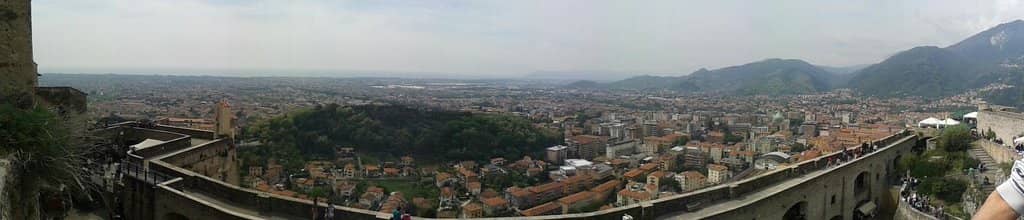
Palazzo Cybo Malaspina is located in the historic center of Carrara. If arriving by car, look for parking in the vicinity of Piazza Alberica. Public transport options might be limited, so checking local bus schedules is advisable.
While Carrara has a bus system, direct routes to the Palazzo might not be frequent. It's best to check with local transport providers for the most up-to-date information on routes and schedules.
The nearest train station is Carrara-Avenza. From there, you can take a taxi or a local bus towards the city center to reach the Palazzo.
Parking in the historic center can be challenging. There are public parking lots and street parking available, but they can fill up quickly, especially during peak times.
Yes, if you are in Piazza Alberica, the main square, the Palazzo is a short and pleasant walk away within the historic center.
🎫 🎫 Tickets & Entry
Entry to the Palazzo can be restricted as it houses the Academy of Fine Arts. It's crucial to check their official website or contact them directly for current admission policies and any associated fees.
Opening hours are subject to the Academy's academic schedule. It's highly recommended to verify the latest visiting times directly with the Academy of Fine Arts before planning your visit.
Access might be limited to guided tours or specific visiting periods due to the ongoing academic activities. Inquire about available options when you contact the Academy.
For groups or special interest visits, it might be possible to arrange private tours. Contacting the Academy of Fine Arts well in advance is the best approach.
Information on discounts is not widely available. It's best to inquire directly with the Academy of Fine Arts regarding any potential concessions for students, seniors, or other groups.
🎫 🏛️ Onsite Experience
Don't miss the stunning Marble Staircase, the Hall of Columns with its library, the Plaster Cast Gallery featuring Canova's works, and the historic Medieval Courtyard with the Fantiscritti shrine.
A visit can range from 1 to 2 hours, depending on your interest in the art collections and historical details. If you're taking a guided tour, allow for the duration of the tour.
Photography policies can vary. It's advisable to check for signage or ask staff upon arrival. Generally, non-flash photography for personal use might be permitted in certain areas.
Restroom facilities are typically available within public buildings like this, especially those housing educational institutions.
Carrara is world-renowned for its marble. The Palazzo showcases a unique collection of marbles from local quarries and other prized Italian sources, reflecting the region's heritage.
🍽️ 🍽️ Food & Dining
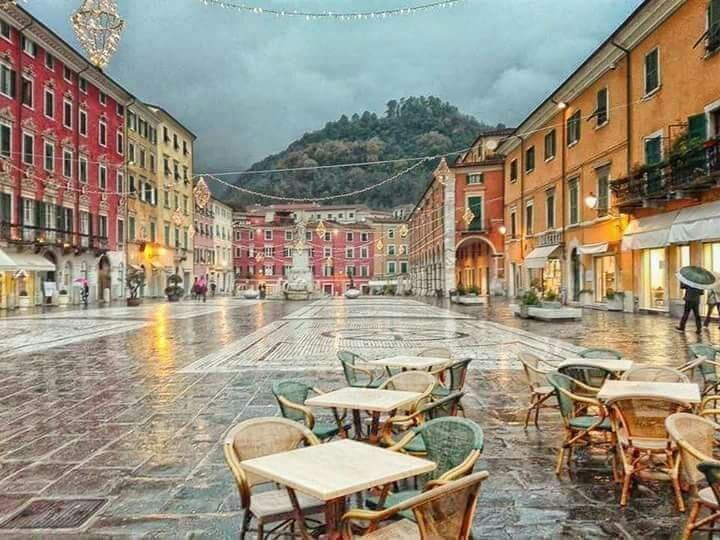
As the Palazzo houses an academy, it's unlikely to have public dining facilities. However, there are numerous restaurants and cafes in the surrounding historic center of Carrara.
Carrara offers traditional Tuscan and Ligurian cuisine, with an emphasis on fresh seafood, local pasta dishes, and regional specialties.
Yes, you can find trattorias and pizzerias in Carrara that offer more affordable dining experiences compared to high-end restaurants.
Generally, bringing outside food and drinks into historical buildings or museums is discouraged. It's best to consume them before entering or find a designated area if available.
The historic center of Carrara, particularly around Piazza Alberica, has several bars and cafes that offer aperitivo services in the early evening.
📸 📸 Photography
The Marble Staircase, the courtyards, and the Hall of Columns offer great photographic opportunities. The intricate details of the architecture and art are very photogenic.
Drone usage is typically restricted in urban areas and around historical buildings due to privacy and safety regulations. It's highly unlikely to be permitted.
A versatile lens (like a 24-70mm equivalent) is useful for capturing both architectural details and wider shots. A fast prime lens can be good for low-light interiors if flash is not allowed.
The crenellated towers, Renaissance courtyards, and the detailed marble work throughout the palace are particularly striking for photographers.
Weekday mornings might offer softer light and fewer people. If interior photography is allowed, consider the natural light coming through the windows.
For Different Travelers
Tailored advice for your travel style
👨👩👧 Families with Kids
It's advisable to check for any family-friendly tours or specific visiting times that might be more accommodating. Bringing along a small sketchbook for kids to draw what they see, especially the marble details or sculptures, could enhance their engagement. Remember to inquire about any restrictions on strollers or bags.
🏛️ Art & History Enthusiasts
The library's rare book collection and the Sala dei Marmi with its diverse marble samples are significant draws. Engaging with the history of the Malaspina and Cybo Malaspina families, their connection to Carrara marble, and the evolution of the Academy of Fine Arts will provide a deeply rewarding experience. Booking a guided tour is highly recommended to fully appreciate the historical context and artistic significance.
🚶 Solo Travelers
Consider joining a guided tour if available, as it can offer valuable historical context and point out details you might otherwise miss. The Medieval Courtyard, with its unique shrine and artist signatures, is a great spot for quiet contemplation and photography.
Deep Dives
In-depth insights and expert knowledge
The History of Palazzo Cybo Malaspina
The palace's architecture reflects this dual heritage, showcasing both the robust defensive features of a castle and the elegant design of a Renaissance noble residence. Today, it continues its legacy of art and culture by housing the Academy of Fine Arts of Carrara. This unique setting provides students with an inspiring environment steeped in history and artistic tradition.
Exploring the Palazzo offers a tangible connection to centuries of history, from medieval fortifications to Renaissance splendor, all within the context of Carrara's enduring relationship with marble. The building itself is a testament to the region's rich past and its ongoing commitment to the arts.
Exploring the Art Collections
The Plaster Cast Gallery is another significant area, housing an extensive collection of plaster casts of famous sculptures. These include works by Antonio Canova, such as the Boxers Creugas and Damoxenus, and the Reclining Magdalen, offering a unique insight into the study of classical art. The Medieval Courtyard also holds artistic interest, featuring Roman works and pieces from the "Pensionato a Roma" Prize, alongside the famous Fantiscritti shrine, adorned with signatures from renowned artists like Michelangelo and Canova.
Beyond these specific galleries, various halls and corridors display paintings, busts, and other artworks that reflect the Academy's history and its connection to Carrara's artistic heritage. The Sala dei Marmi (Hall of Marbles) is particularly noteworthy for its collection of local and prized Italian marbles.
The Significance of Carrara Marble
The history of the Malaspina and Cybo Malaspina families is deeply intertwined with the exploitation and trade of this marble. Their power and wealth were significantly influenced by control over the quarries. This historical connection is not just economic but also artistic, as the marble has been the medium for countless masterpieces throughout history, including works by Michelangelo, who famously sourced his marble from Carrara.
Visiting Palazzo Cybo Malaspina offers a chance to appreciate not only the architecture and art but also the fundamental element that has shaped Carrara's identity and prosperity for centuries. It's a reminder of the raw material that has fueled artistic creation and architectural marvels across the world.
Social
from TikTok, Instagram & Reddit