
Cathedral Cloister
Step into centuries of history within serene cathedral cloisters, marveling at ancient frescoes and breathtaking Gothic architecture.
Highlights
Must-see attractions

Social
From TikTok & Reddit
Best Time
Beat the crowds
Cathedral Cloister
Best Time
Beat the crowds
Highlights
Must-see attractions
Step into centuries of history within serene cathedral cloisters, marveling at ancient frescoes and breathtaking Gothic architecture.
"A peaceful escape to admire ancient art and architectural wonders."
🤫 Respect the Silence
Keep phones on silent and avoid flash photography to preserve the artwork and serene atmosphere.
🚶♀️ Wander Mindfully
Take your time to absorb the details of frescoes and architecture. It's a place for quiet contemplation.
Highlights
Discover the most iconic attractions and experiences
Historical Frescoes
South Tyrol
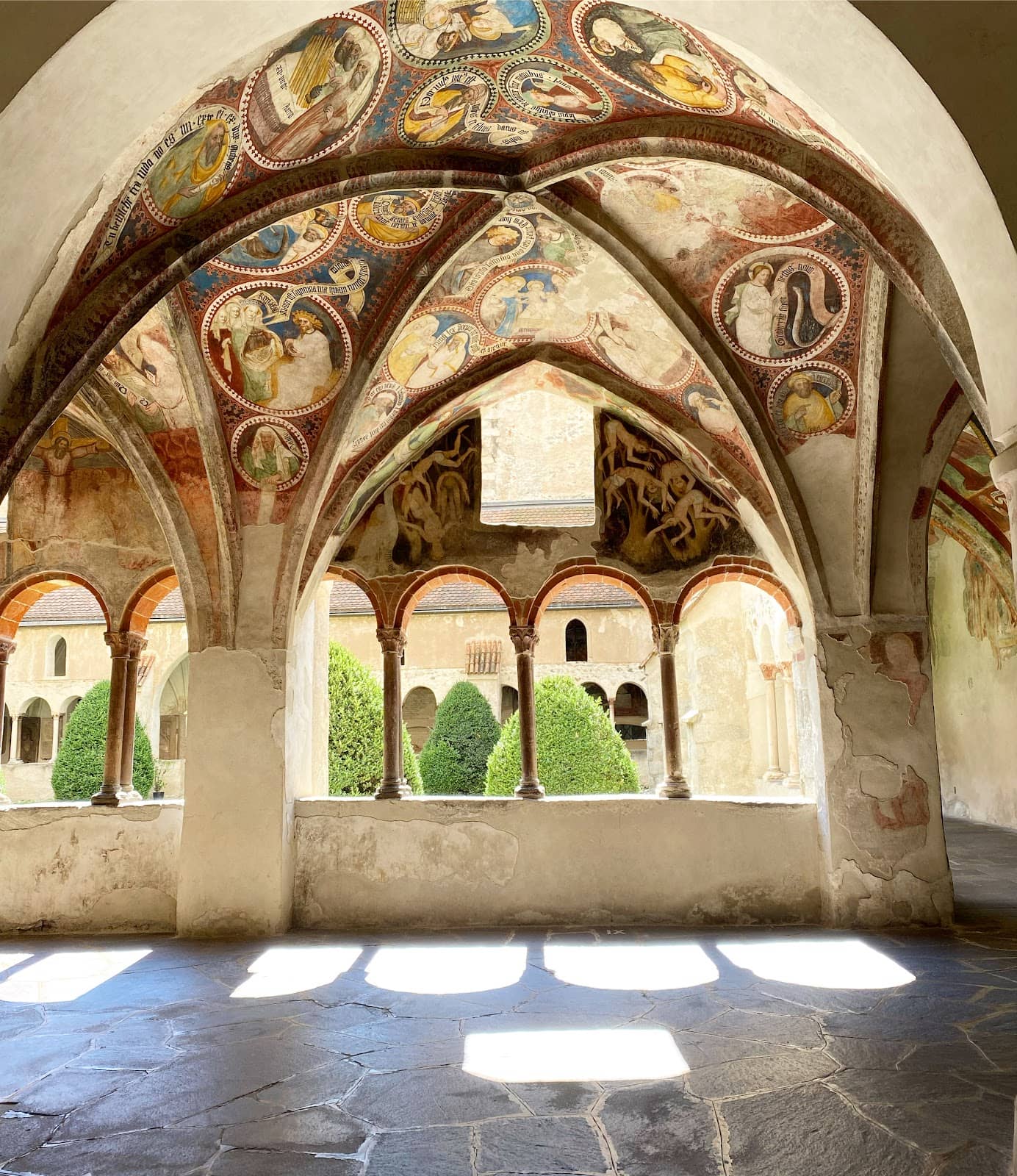
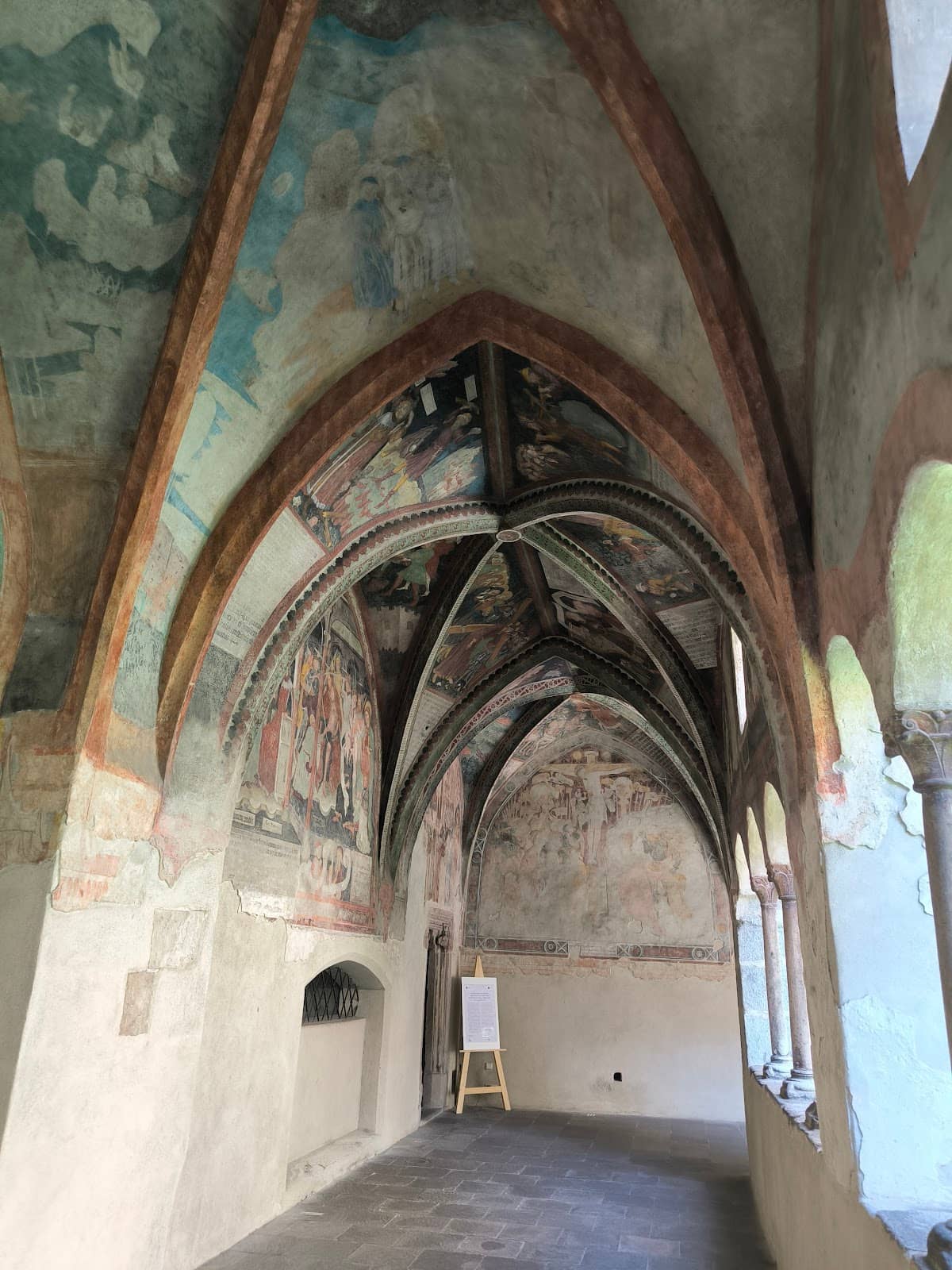
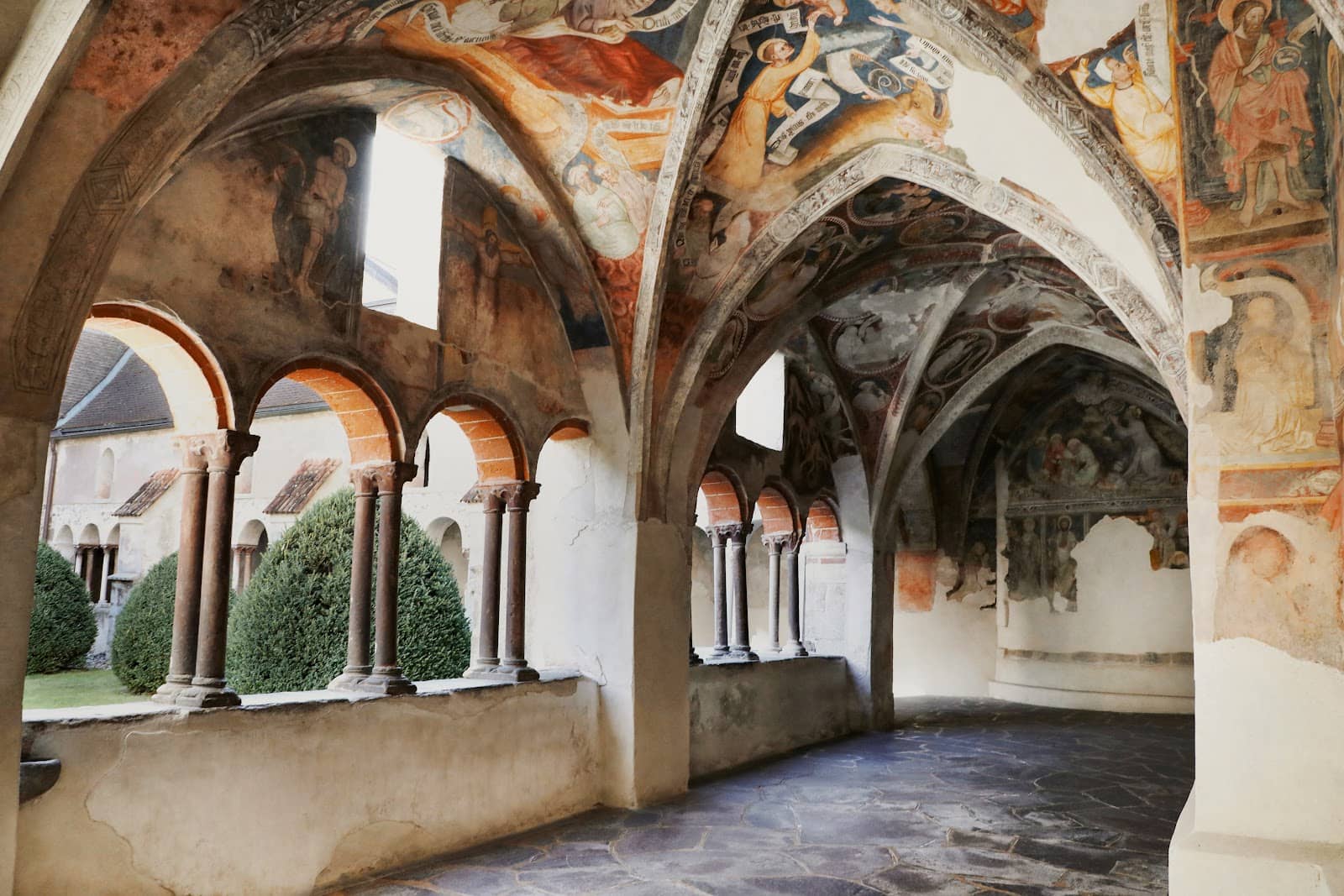
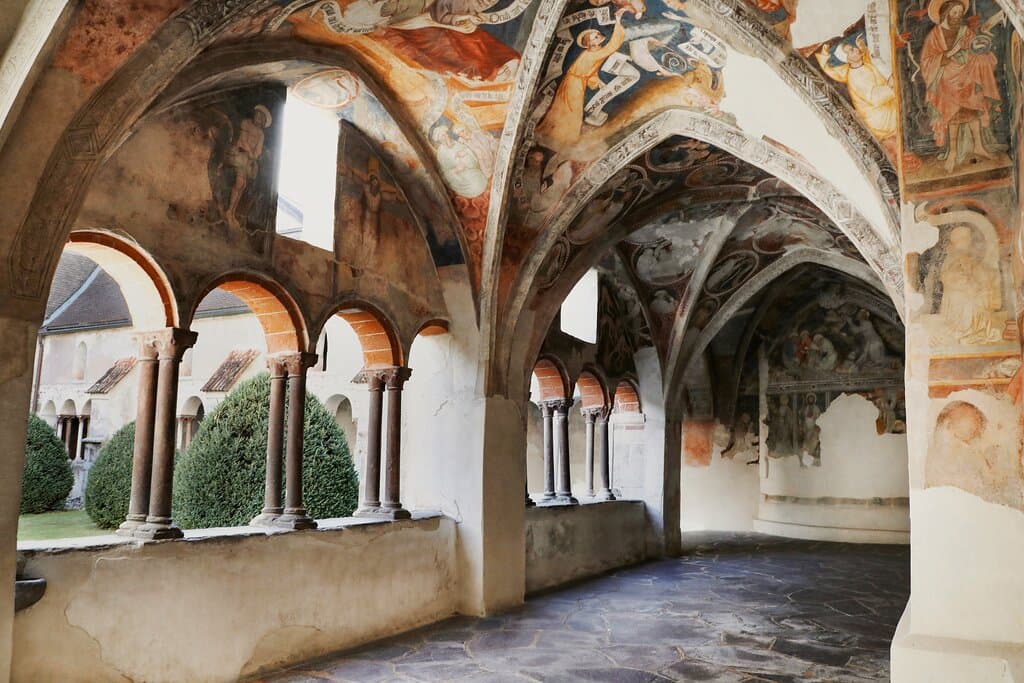
Marvel at ancient frescoes, remnants of a rich artistic past, still visible after centuries. A true testament to historical artistry.
Architectural Grandeur
Various Cathedrals
Explore the intricate Gothic architecture and fan vaulting, showcasing centuries of masterful craftsmanship and design.
Peaceful Garden Retreats
Barcelona Cathedral
Discover serene cloister gardens, often featuring unexpected delights like resident geese, offering a tranquil escape.
Plans like a pro.
Thinks like you
Planning Your Visit
Timing is Key for Tranquility
Photography Etiquette
Best Times
Insider Tips
from TikTok, Instagram & Reddit
🤫 Respect the Silence
Keep phones on silent and avoid flash photography to preserve the artwork and serene atmosphere.
🚶♀️ Wander Mindfully
Take your time to absorb the details of frescoes and architecture. It's a place for quiet contemplation.
📸 Photo Rules
Check for 'no flash' signs. Capturing memories is great, but respecting the art is paramount.
👟 Comfortable Shoes
You'll likely be doing a fair bit of walking and standing, so comfortable footwear is a must.
Tips
from all over the internet
🤫 Respect the Silence
Keep phones on silent and avoid flash photography to preserve the artwork and serene atmosphere.
🚶♀️ Wander Mindfully
Take your time to absorb the details of frescoes and architecture. It's a place for quiet contemplation.
📸 Photo Rules
Check for 'no flash' signs. Capturing memories is great, but respecting the art is paramount.
👟 Comfortable Shoes
You'll likely be doing a fair bit of walking and standing, so comfortable footwear is a must.
📍 Location Awareness
Cloisters are often part of larger cathedral complexes; know your entry points and opening hours.
What Travellers Say
Reviews Summary
Visitors consistently praise the historical frescoes and stunning Gothic architecture found within cathedral cloisters, often describing them as peaceful and awe-inspiring. The serene atmosphere and beautiful garden spaces are frequently highlighted as major draws. Some note that photography restrictions, particularly no flash, are important to respect.
"Older part of the Dom's complex with historical fresco."
เดชา ปิยะวัฒน์กูล
"This is located at the right side of the Brixner Dom, and part of the most important artistic monuments in South Tyrol. The place is not overcrowded, you can have peace by looking at those beautiful frescoes still visible after a long time...you can take photos but no flash, no dogs,no drinks, phone must be in silent mode ."
Tammy Bonafede
"Very nice and historic building"
GUANG CHAO WANG
What People Like
What People Dislike
Frequently Asked Questions
🚇 🗺️ Getting There
Access to cathedral cloisters is typically through the main cathedral entrance. Many are located in historic city centers, often accessible by public transport or a pleasant walk. For example, the cloister in Bressanone is near the town center, easily reachable on foot.
Parking availability varies greatly by location. Historic city centers often have limited parking, with multi-story car parks or street parking being options. It's often best to check the specific cathedral's website or local city guides for the most up-to-date parking information.
Yes, most cathedrals with cloisters are well-served by public transport. Buses and trams frequently stop near major cathedrals in cities like Porto or Barcelona. 
Many cathedrals offer guided tours that include the cloister. These tours can provide in-depth historical context and highlight key features. Check the cathedral's official website for tour schedules and booking information.
Look for signage within the cathedral directing you to the cloister, or ask a member of the cathedral staff. They are usually located off the main nave or transept.
🎫 🎫 Tickets & Entry
Entry to the cloister itself is often free, especially if it's considered part of the cathedral's public space. However, some cathedrals may charge a small fee for access to specific areas or for special exhibitions within the cloister. Always check the cathedral's official website for the most current admission policies.
Opening hours for cloisters typically align with the cathedral's visiting hours, but can vary. They are often open during daylight hours and may have shorter hours on Sundays or religious holidays. It's advisable to confirm the specific hours before your visit.
Common restrictions include no flash photography, no food or drinks, and keeping mobile phones on silent. Some cloisters may also have rules against pets or large bags.
Access to the cloister might be restricted or limited during times of religious services. It's best to plan your visit outside of service times to ensure full access and a peaceful experience.
While many cloisters are free to enter, some may have a nominal fee, especially if they house specific exhibits or are part of a larger museum complex. It's always wise to check the official cathedral website for the latest ticket information.
📸 📸 Photography
Photography is generally allowed, but with important restrictions. Flash photography is almost always prohibited to protect the delicate frescoes and artwork. Always look for signage indicating photography rules.
Early morning or late afternoon often provide the best natural light for photography, creating a softer, more atmospheric glow. This also coincides with fewer crowds, allowing for unobstructed shots.
Look for the intricate details of the frescoes, the play of light and shadow on the architecture, and any unique features like garden elements or resident wildlife (like the geese in Barcelona).
Tripods are often not permitted in cloisters to avoid obstructing pathways and other visitors. It's best to rely on a steady hand or a monopod if absolutely necessary, and always check the specific rules.
Visitors often share photos of the detailed frescoes, the architectural arches, peaceful garden scenes, and the overall serene ambiance of the space.
🎫 🏛️ Onsite Experience
Cathedral cloisters offer a glimpse into medieval life and architecture. You can admire historical frescoes, enjoy peaceful gardens, and appreciate the intricate stonework. Some cloisters have unique features like resident geese or specific historical significance.
A visit to a cloister can range from 30 minutes to an hour, depending on your interest in art, history, and photography. If it's part of a larger cathedral visit, allocate more time accordingly.
Restrooms are usually available within the main cathedral complex. Look for signage or ask staff for directions.
Accessibility can vary. Many cloisters are on ground level, but some may have steps or uneven surfaces. It's best to check the specific cathedral's accessibility information beforehand.
Cloisters were historically the heart of monastic life, serving as places for prayer, study, and contemplation. They often contain significant artwork and architectural innovations from their time of construction.
For Different Travelers
Tailored advice for your travel style
👨👩👧 Families with Kids
Keep the visit engaging by turning it into a scavenger hunt for specific symbols or colors in the frescoes. Remember to emphasize the importance of quiet voices and no flash photography, framing it as respecting the 'old stories' within the walls. Comfortable shoes are a must, as kids will want to explore every corner.
📸 Photography Enthusiasts
Be mindful of the 'no flash' rule and consider using a wider aperture lens to manage low light conditions. Look for unique perspectives, perhaps framing shots through arches or capturing the serene garden elements. The resident geese in Barcelona's cloister also provide a charming subject.
🏛️ History Buffs
Consider visiting with a guided tour to gain deeper insights into the history and symbolism. Many cloisters were central to monastic life, and understanding their original purpose adds immense value to the visit. The well-preserved frescoes in places like South Tyrol offer a direct connection to the past.
Deep Dives
In-depth insights and expert knowledge
The Artistry of Cloister Frescoes
When viewing these frescoes, pay attention to the details: the vibrant colors (though often faded), the expressive figures, and the storytelling within each panel. Many cloisters are not overcrowded, allowing for quiet contemplation of these masterpieces. Remember to adhere to photography rules, especially no flash, to help preserve these delicate works of art for future generations.
Some cloisters, like those in South Tyrol, are particularly noted for their well-preserved frescoes, making them significant artistic monuments. The experience of standing in a centuries-old cloister, surrounded by these visual stories, is a profound connection to history.
Architectural Marvels: Gothic Cloisters
The construction of these cloisters, often dating back to the 14th century, represents a significant achievement in medieval engineering and design. The interplay of light and shadow through the arched windows and vaulted ceilings creates a dramatic and contemplative atmosphere. Exploring the geometric patterns and the sheer scale of the stonework offers a deep appreciation for the craftsmanship involved.
+1From the soaring arches of Porto's cloister to the early fan vaulting in Gloucester, each cloister tells a story of architectural evolution. They are not just functional spaces but works of art in themselves, designed to inspire awe and facilitate spiritual reflection.
+1Beyond the Stone: Gardens and Unexpected Residents
Some cloisters harbor delightful surprises, such as the famous 13 white geese that reside in the cloister of Barcelona's Cathedral of the Holy Cross and Saint Eulalia. Their presence is not just whimsical but symbolic, adding a unique layer to the visitor experience. These unexpected residents can make a visit even more memorable and provide excellent photo opportunities.
These garden elements and unique inhabitants transform the cloister from a purely historical site into a living, breathing space. They offer a moment of calm and a touch of the unexpected, enriching the overall visit and providing a different perspective on these ancient structures.
Social
from TikTok, Instagram & Reddit