Historic Center Centro Storico
Step back in time in Italy's captivating historic centers, where ancient streets, stunning architecture, and vibrant local life await.
Highlights
Must-see attractions

Social
From TikTok & Reddit
Best Time
Fewer crowds, golden light
Historic Center Centro Storico
Best Time
Fewer crowds, golden light
Highlights
Must-see attractions
Step back in time in Italy's captivating historic centers, where ancient streets, stunning architecture, and vibrant local life await.
"A truly wonderful discovery, offering wonderful glimpses of Italy's past."
🚶♀️ Walk Everywhere!
The best way to explore is on foot. Wear comfy shoes for cobblestones!
📸 Golden Hour Magic
Visit early morning or late afternoon for stunning photos and fewer people.
Highlights
Discover the most iconic attractions and experiences
Hidden Canals
Via Piella, Bologna
Discover Bologna's 'Little Venice' through a tiny window, revealing a charming canal between colorful houses.
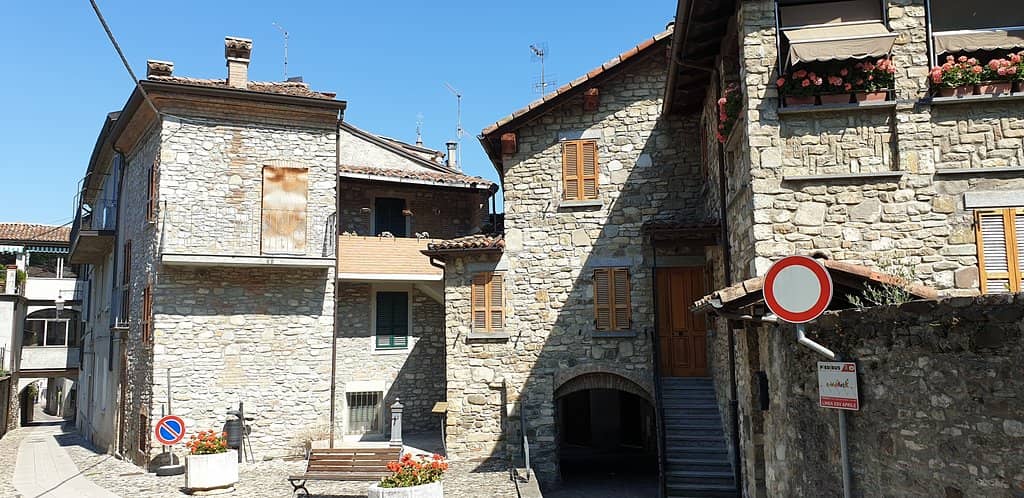
Baroque Architecture
Lecce
Wander Lecce's historic center, a masterpiece of Baroque palaces, artisan shops, and picturesque squares.
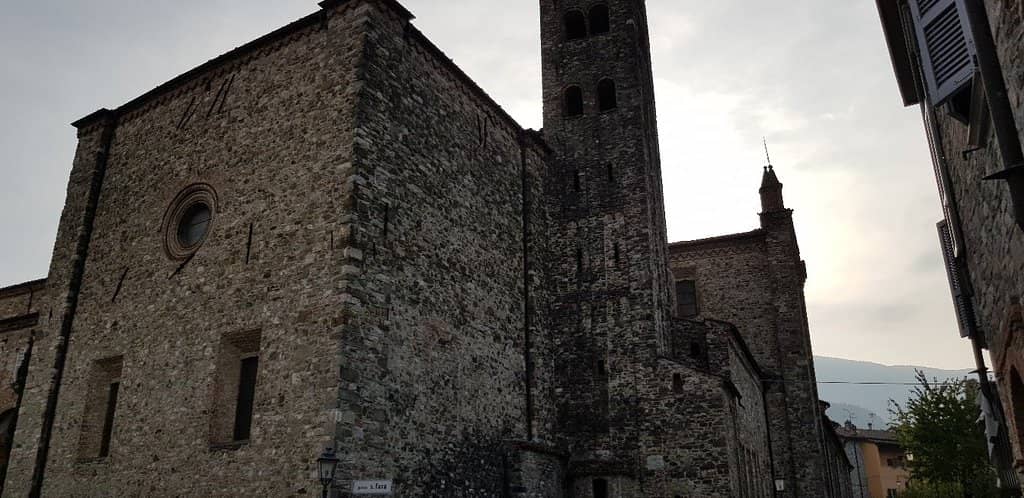
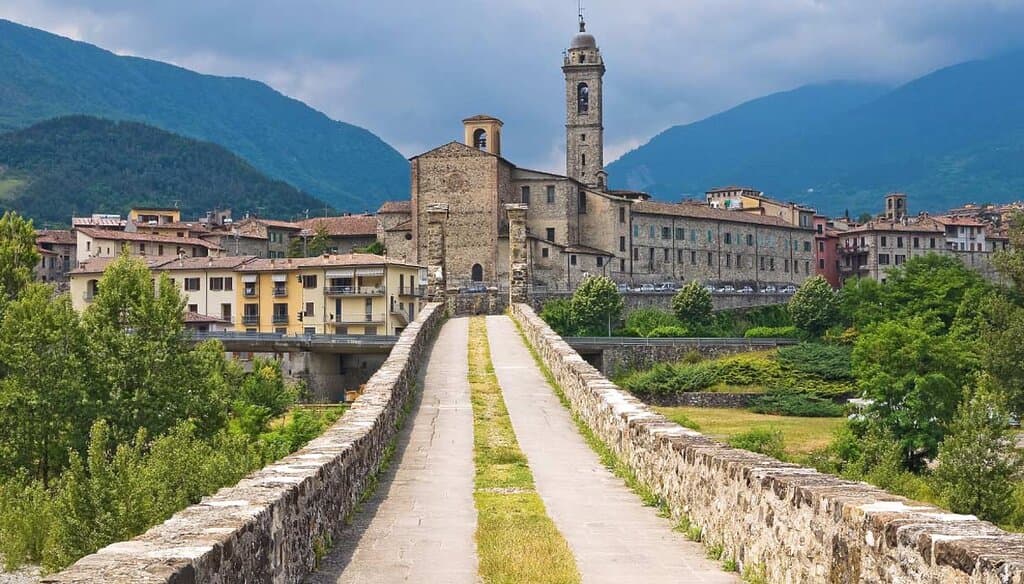
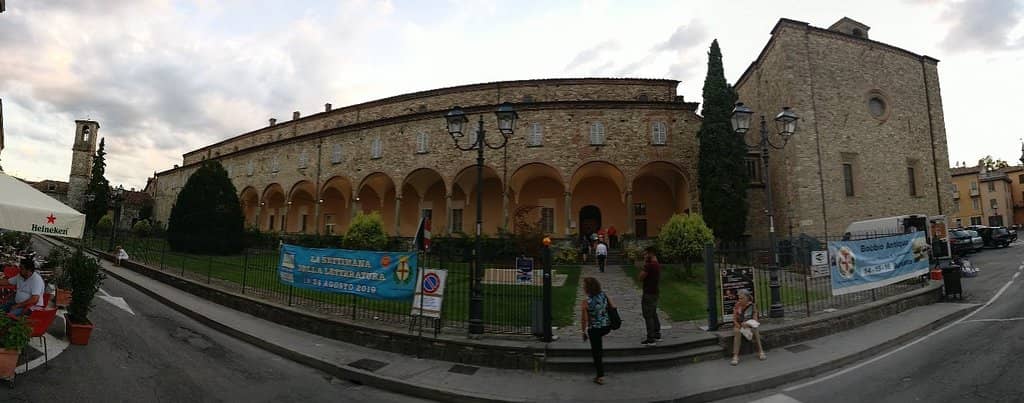
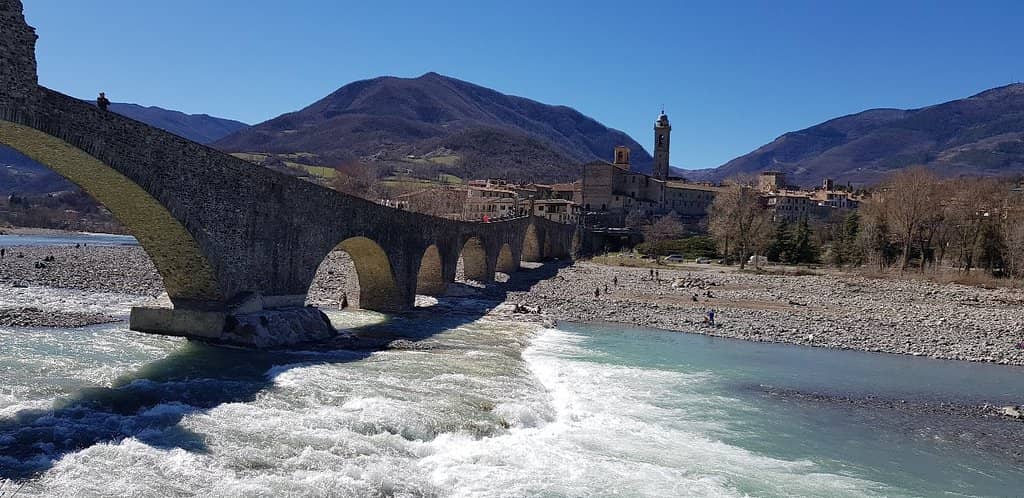
Medieval Charm
Bobbio
Explore Bobbio, a medieval village in the Trebbia Valley, known for its 'Gobbo' bridge and rich history.
Whitewashed Alleys
Locorotondo
Get lost in Locorotondo's circular historic center, a maze of narrow whitewashed alleys adorned with flowers.
Plans like a pro.
Thinks like you
Planning Your Visit
Embrace the Wanderlust
Timing is Everything
Best Times
Insider Tips
from TikTok, Instagram & Reddit
🚶♀️ Walk Everywhere!
The best way to explore is on foot. Wear comfy shoes for cobblestones! 
📸 Golden Hour Magic
Visit early morning or late afternoon for stunning photos and fewer people.
🗺️ Get Lost (Intentionally)
Wander off the main paths to discover hidden courtyards and local life.
☕️ Savor Local Cafes
Take breaks at charming cafes to people-watch and enjoy the ambiance.
Tips
from all over the internet
🚶♀️ Walk Everywhere!
The best way to explore is on foot. Wear comfy shoes for cobblestones!
📸 Golden Hour Magic
Visit early morning or late afternoon for stunning photos and fewer people.
🗺️ Get Lost (Intentionally)
Wander off the main paths to discover hidden courtyards and local life.
☕️ Savor Local Cafes
Take breaks at charming cafes to people-watch and enjoy the ambiance.
🚗 Parking Tips
Look for paid or free parking outside the main historic center to avoid hassle.
What Travellers Say
Reviews Summary
Visitors consistently praise the 'Centro Storico' for its beauty, historical significance, and vibrant atmosphere. The charm of wandering through ancient streets, discovering hidden gems, and enjoying local cuisine is frequently highlighted. However, some find the crowds overwhelming during peak times, and parking can be a significant challenge.
"It's a lovely place 😸😸"
Gigia TravelCat
"Really pretty place"
Jill Brunsdon
"Top"
Guido Rossi
What People Like
What People Dislike
Frequently Asked Questions
🚇 🗺️ Getting There
Most historic centers are best accessed by public transport or on foot. Many are pedestrian-only zones. Look for parking lots on the outskirts if driving, as ZTL (limited traffic zones) are common.
Parking can be challenging and expensive. It's often easier to use public transport or park in designated lots outside the ZTL and walk in.
Generally, no. Most historic centers have ZTL (Zona a Traffico Limitato) enforced by cameras, restricting vehicle access to residents or authorized vehicles.
For sprawling historic centers like Naples, combine walking with public transport (metro, buses) or even hop-on hop-off buses to cover more ground efficiently.
Some cities offer shuttle services from parking areas or train stations to the main historic center entrances, especially during peak tourist season. Check local tourism websites.
🎫 🎫 Tickets & Entry
No, generally historic centers are public spaces and do not require tickets for entry. However, individual attractions within them (museums, churches) will have their own admission fees.
While the general area is free, some specific historical sites or attractions within a historic center might have entrance fees. Always check the individual site's policy.
Historic centers are always accessible, but shops, restaurants, and attractions within them have their own operating hours, typically from morning to evening.
Yes, for popular attractions within historic centers, booking tickets online in advance is highly recommended to save time and guarantee entry.
Absolutely! Many cities offer guided walking tours, often focusing on specific themes or areas within the historic center. These can provide great insights.
📸 📸 Photography
Look for charming alleyways, colorful buildings, iconic bridges, and panoramic viewpoints. Early mornings and late afternoons offer the best light.
Generally, photography is allowed in public areas. However, some churches or private properties might have restrictions, so be mindful.
A versatile lens (like a 24-70mm) is great for capturing both wide street scenes and details. A wide-angle lens is useful for narrow alleys.
Focus on architectural details, local life, and the atmosphere. Try different angles and perspectives to tell a story.
Drone usage is often restricted in urban and historic areas due to privacy and safety regulations. Always check local drone laws before flying.
🎫 🚶♀️ Onsite Experience
Comfortable walking shoes are essential for cobblestone streets. Dress in layers as temperatures can change.
This varies greatly. For a quick overview, a few hours might suffice. To truly explore, dedicate at least half a day or a full day.
Accessibility can be challenging due to uneven surfaces and stairs. Some areas may be difficult to navigate. Check specific city accessibility information.
This depends on the city, but often includes main piazzas, cathedrals, iconic bridges, and unique architectural features.
Be aware of your surroundings, keep valuables secure and out of sight, and avoid displaying large amounts of cash.
🍽️ 🍽️ Food & Dining
Venture off the main tourist streets to find trattorias and osterias frequented by locals for the most authentic flavors.
Restaurants directly on main squares can be pricier. Exploring side streets often leads to more affordable and authentic dining options.
Each region has its own specialties! Look for local pasta dishes, regional wines, and traditional desserts. Ask locals for recommendations.
Yes, many historic centers offer delicious street food like pizza al taglio, arancini, or local pastries, perfect for a quick and tasty meal.
Lunch is typically served from 12:30 PM to 2:30 PM, and dinner from 7:30 PM onwards. Some places may close between lunch and dinner.
For Different Travelers
Tailored advice for your travel style
👨👩👧 Families with Kids
+1Consider incorporating activities like a treasure hunt for specific architectural details or a 'spot the difference' game with building facades. Many historic centers have kid-friendly attractions like puppet shows or small museums that cater to younger visitors. Planning for frequent breaks at cafes or parks is also essential to prevent meltdowns.
💰 Budget Travelers
+1For dining, avoid restaurants directly on the main tourist squares. Instead, seek out smaller trattorias or pizzerias on side streets, where locals eat. Look for 'menu fisso' (fixed price menu) options for lunch, which are usually a great deal. Street food is also an excellent and affordable way to sample local flavors.
+1 Consider visiting during the shoulder seasons for potentially lower accommodation prices and fewer crowds.💖 Couples & Romantics
+1 Seek out hidden courtyards, enjoy intimate dinners at trattorias tucked away from the main thoroughfares, and find viewpoints offering stunning cityscapes, especially at sunset. +1Consider booking accommodation within the historic center itself for an immersive experience. Many boutique hotels and charming B&Bs are housed in historic buildings, adding to the romantic ambiance. A leisurely pace, with time for coffee breaks and people-watching, will allow you to truly connect with each other and the enchanting surroundings.
Deep Dives
In-depth insights and expert knowledge
The Art of Wandering: Exploring Historic Centers
+1To enhance your exploration, consider looking for unique architectural details like ancient doorways, ornate balconies, or faded frescoes. Keep an eye out for small, independent shops selling local crafts or delicacies. These often provide a more personal interaction and a glimpse into local life than larger tourist-oriented stores. The 'Centro Storico' is a living museum, and its most profound experiences are often found off the beaten path.
+1Pro-tip: Download an offline map of the area before you go. While spontaneity is key, having a general sense of direction can prevent excessive frustration if you truly need to find your way back. Many historic centers also have specific 'hidden gems' that are worth seeking out, like Bologna's 'Little Venice' canal window, which requires a bit of local knowledge to find.
Capturing the Essence: Photography in Historic Centers
When composing your shots, think about telling a story. Include elements of daily life – a local resident walking their dog, a cafe scene, or a market stall – to add depth and realism to your images. Don't shy away from close-ups of architectural details like ornate carvings, weathered doorways, or colorful window boxes. These details can speak volumes about the history and craftsmanship of the place.
For wider shots, try to find elevated viewpoints or use a wide-angle lens to encompass the grandeur of main piazzas or the charm of narrow, winding streets. Key considerations for photography:
* Timing: Early mornings and late afternoons offer the best light and fewer crowds.
* Gear: A versatile zoom lens (e.g., 24-70mm) and a wide-angle lens are useful. A tripod can help with low-light conditions, but check local regulations.
* Perspective: Experiment with different angles – shoot from low down to emphasize height, or from above for a unique perspective.
* Respect: Be mindful of private property and local customs; always ask permission before photographing individuals up close.
Navigating the Past: Transportation and Accessibility
Once inside, walking is by far the most rewarding and practical mode of transport. The charm of a historic center is best appreciated at a leisurely pace, allowing for spontaneous detours down intriguing alleyways. However, for larger historic centers or for those with mobility concerns, public transport options like buses or trams can be invaluable for covering greater distances.
Some cities also offer tourist-friendly options like hop-on hop-off buses or even electric tuk-tuks for a more guided experience. Accessibility in historic centers can be a significant challenge. Cobblestone streets, uneven pavements, and numerous stairs are common. While many cities are making efforts to improve accessibility, it's wise to research specific areas beforehand if mobility is a concern. Some main squares and arteries might be more accessible, but venturing into the narrower, older sections can be difficult.


Social
from TikTok, Instagram & Reddit