Fontana di San Gioat
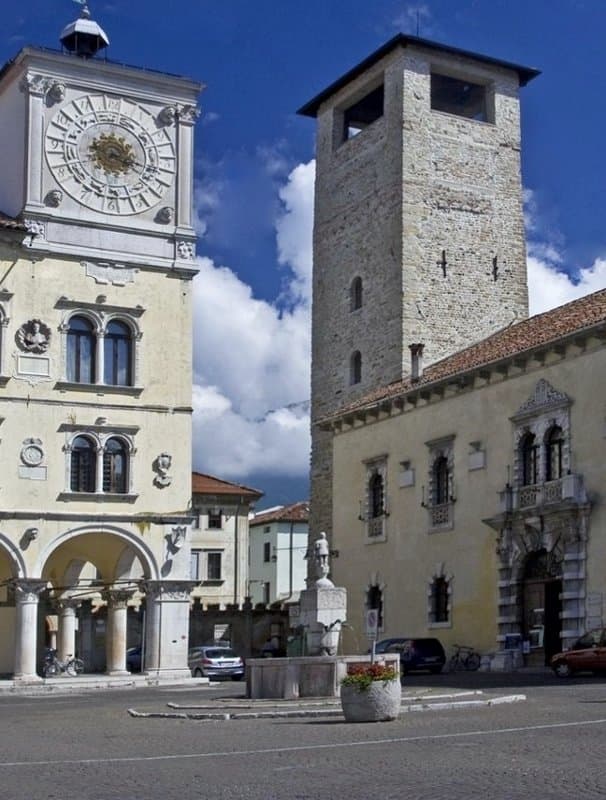
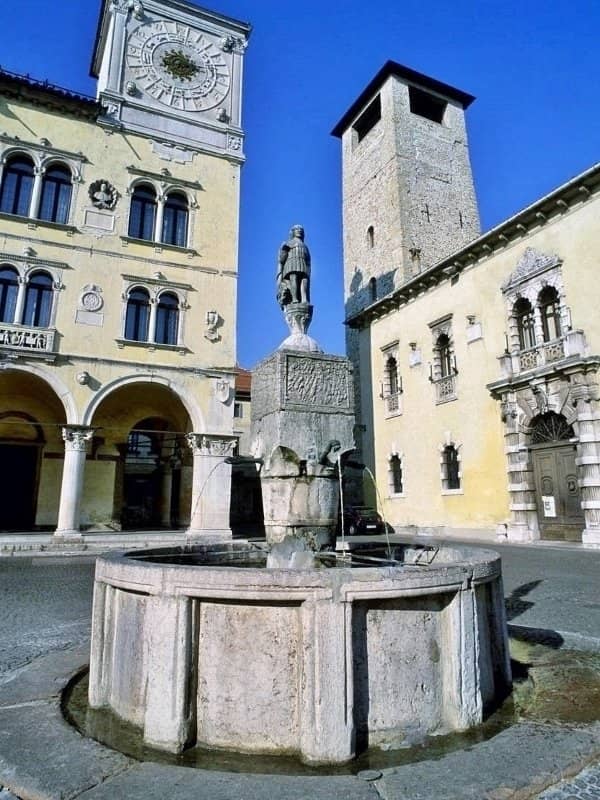
A 15th-century fountain in Piazza Duomo, featuring a sculpture of Saint Gioatà, offering a glimpse into the city's historical and artistic past.
Highlights
Must-see attractions

Social
From TikTok & Reddit
Best Time
Peaceful atmosphere
Fontana di San Gioat
Best Time
Peaceful atmosphere
Highlights
Must-see attractions
A 15th-century fountain in Piazza Duomo, featuring a sculpture of Saint Gioatà, offering a glimpse into the city's historical and artistic past.
"A charming historical landmark in Piazza Duomo, notable for its 15th-century origins and Saint Gioatà sculpture."
📸 Capture the Details
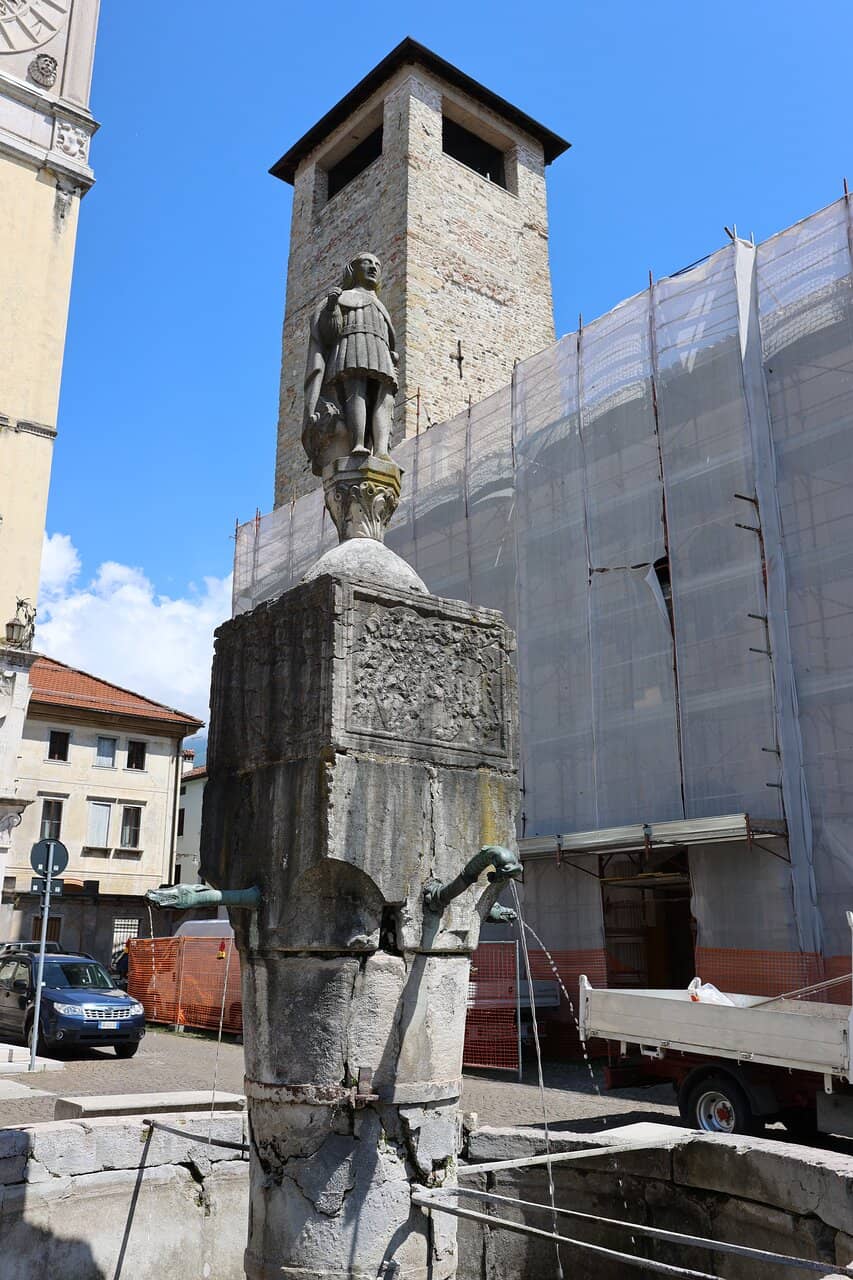
Take time to appreciate the intricate sculpture of Saint Gioatà and the fountain's historical architecture. :camerawithflash:
📍 Explore Piazza Duomo
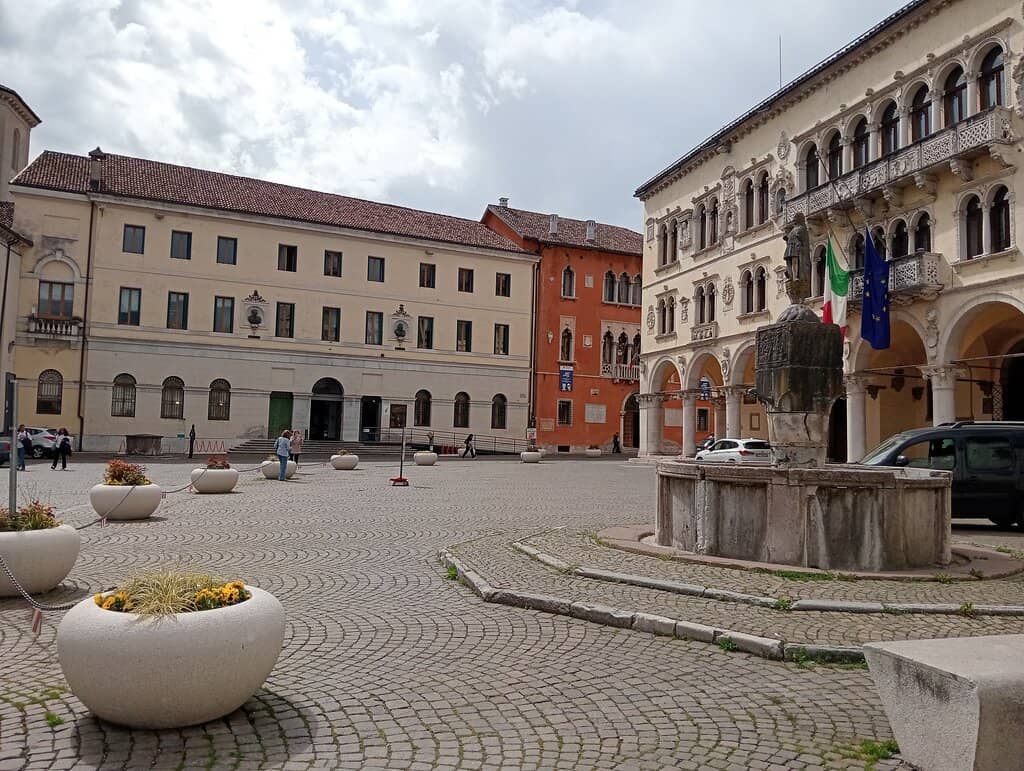
The fountain is a centerpiece of Piazza Duomo; explore the surrounding square and cathedral for a complete experience. :world_map:
Highlights
Discover the most iconic attractions and experiences
Sculpture of Saint Gioatà
Piazza Duomo
Admire the detailed sculpture of Saint Gioatà, the city's co-patron saint, crowning the historic fountain.
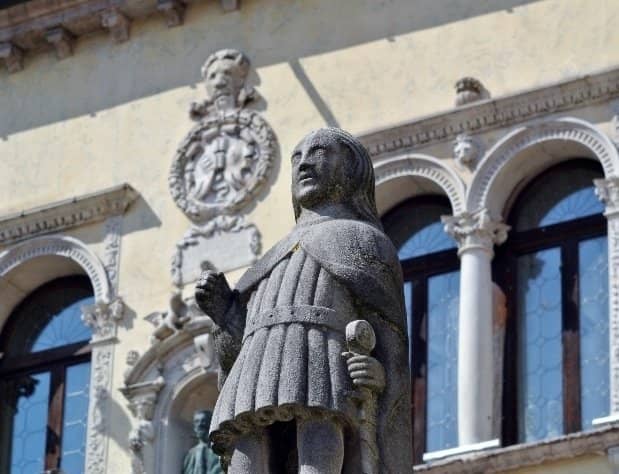
Piazza Duomo Setting
Piazza Duomo
Experience the fountain's ambiance within the historic Piazza Duomo, a central hub of the city.

Architectural Twin
Piazza Duomo
Note its stylistic resemblance to the fountain in Piazza Mercato, a testament to simultaneous 15th-century craftsmanship.
Plans like a pro.
Thinks like you
Planning Your Visit
Timing Your Visit
Understanding Its Significance
Best Times
Insider Tips
from TikTok, Instagram & Reddit
📸 Capture the Details
Take time to appreciate the intricate sculpture of Saint Gioatà and the fountain's historical architecture. :camerawithflash:
📍 Explore Piazza Duomo
The fountain is a centerpiece of Piazza Duomo; explore the surrounding square and cathedral for a complete experience. :world_map:
🧐 Compare with Piazza Mercato
If you visit the Piazza Mercato fountain, notice the similar 15th-century style. :mag:
Tips
from all over the internet
📸 Capture the Details
Take time to appreciate the intricate sculpture of Saint Gioatà and the fountain's historical architecture. :camerawithflash:
📍 Explore Piazza Duomo
The fountain is a centerpiece of Piazza Duomo; explore the surrounding square and cathedral for a complete experience. :world_map:
🧐 Compare with Piazza Mercato
If you visit the Piazza Mercato fountain, notice the similar 15th-century style. :mag:
What Travellers Say
Reviews Summary
Visitors appreciate Fontana di San Gioat as a historical landmark in the central Piazza Duomo, noting its 15th-century origins and the sculpture of Saint Gioatà. It's seen as a charming, albeit modest, piece of the city's heritage, often enjoyed as part of a broader exploration of the piazza and its surroundings.
"It is located in Piazza Duomo. It is surmounted by a sculpture of Saint Gioatà, co-patron saint of the city along with the more famous Saint Martin. Stylistically, the fountain resembles the one in Piazza Mercato (dedicated to Saint Lucan) and was built almost simultaneously, in 1411. On the opposite side of the square, near the cathedral, is the Gajarda fountain, an ancient 14th-century well shaped like a hexagonal prism."
Mauro
What People Like
What People Dislike
Frequently Asked Questions
🚇 🗺️ Getting There
Fontana di San Gioat is located in the heart of the city at Piazza Duomo. It's easily accessible on foot if you are already in the city center. Public transport options will likely lead you to the main squares, from where it's a short walk.
Yes, the fountain is situated in Piazza Duomo, which is a central location. The cathedral is nearby, and other historical sites within the city center are typically within walking distance.
🎫 🎫 Tickets & Entry
No, Fontana di San Gioat is located in a public square, Piazza Duomo. There is no admission fee to view the fountain or explore the piazza.
As it's an outdoor public fountain in a square, Fontana di San Gioat is accessible at all times. However, the surrounding area and any adjacent buildings like the cathedral will have their own operating hours.
🎫 🧭 Onsite Experience
The fountain is notable for its 15th-century construction and the sculpture of Saint Gioatà, a co-patron saint of the city. It's a historical piece that reflects the city's past.
Viewing the fountain itself might only take a few minutes. However, it's part of Piazza Duomo, so you can easily spend longer exploring the square and its surroundings.
Yes, the fountain and its setting in Piazza Duomo can be quite picturesque, especially during the golden hours of early morning or late afternoon. The sculpture of Saint Gioatà offers a unique focal point.
🍽️ 🍽️ Food & Dining
Piazza Duomo and the surrounding areas are typically well-served with cafes, restaurants, and trattorias. You'll find options for a quick coffee or a full meal nearby.
For Different Travelers
Tailored advice for your travel style
👨👩👧 Families with Kids
Pairing a visit to the fountain with exploring the nearby cathedral or finding a gelato shop in the piazza can make it a more engaging experience for younger visitors. It's a good spot for a brief rest and a photo opportunity before heading to the next adventure.
🏛️ History Buffs
Don't miss the opportunity to consider its context within Piazza Duomo, understanding how such public works contributed to the civic and social life of the time. It's a piece of living history that, while perhaps understated, speaks volumes about the city's heritage.
Deep Dives
In-depth insights and expert knowledge
Historical Context and Design
Stylistically, the fountain bears a strong resemblance to its counterpart in Piazza Mercato, suggesting a shared design influence or a deliberate effort to create thematic consistency within the city's public spaces. This architectural dialogue between different piazzas offers a glimpse into the urban planning and aesthetic sensibilities of the early 15th century. The presence of Saint Gioatà also underscores the local religious devotion and the importance of patron saints in civic life.
While not as grand as some other Italian fountains, its historical value and artistic detail make it a point of interest for those exploring the city's heritage. It serves as a quiet reminder of the city's long history and its connection to religious and civic traditions.
Exploring Piazza Duomo
Beyond the fountain, Piazza Duomo is typically home to the city's main cathedral, which is a must-visit for its own historical and architectural significance. Take time to wander around the piazza, observe the daily life, and perhaps find a bench to simply enjoy the surroundings. The proximity of the fountain to other key landmarks makes it an excellent starting point for a walking tour of the historic center.
Consider visiting during different times of the day to experience the piazza's changing moods. Early mornings might offer a serene, almost contemplative atmosphere, while evenings can be lively with people enjoying aperitivo or strolling. The fountain, in its constant presence, anchors these experiences.



Social
from TikTok, Instagram & Reddit