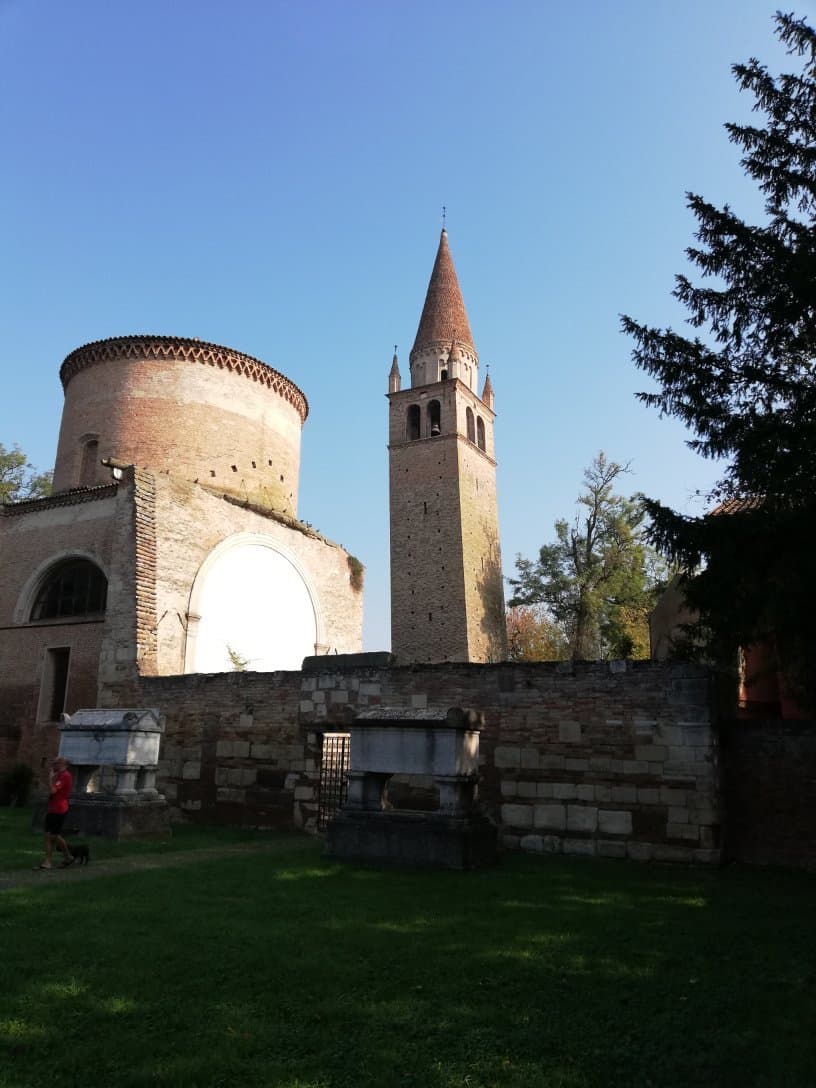
Abbey of Vangadizza Badia Polesine
A historic Benedictine Abbey with a striking cloister and a famously tilted bell tower, linked to the influential Este family.
Highlights
Must-see attractions

Social
From TikTok & Reddit
Best Time
Fewer crowds, peaceful exploration
Abbey of Vangadizza Badia Polesine
Best Time
Fewer crowds, peaceful exploration
Highlights
Must-see attractions
A historic Benedictine Abbey with a striking cloister and a famously tilted bell tower, linked to the influential Este family.
"The charm and magic of what has survived remain, offering a glimpse into history."
Check Access Beforehand
The Abbey interior may be closed; confirm cloister and exhibition hours to avoid disappointment.
Explore the Park
Enjoy the large, shady park surrounding the Abbey for a moment of tranquility.
Quick Facts
Rating
4.4 · 439 reviews
Type
Place of Worship
Highlights
Discover the most iconic attractions and experiences
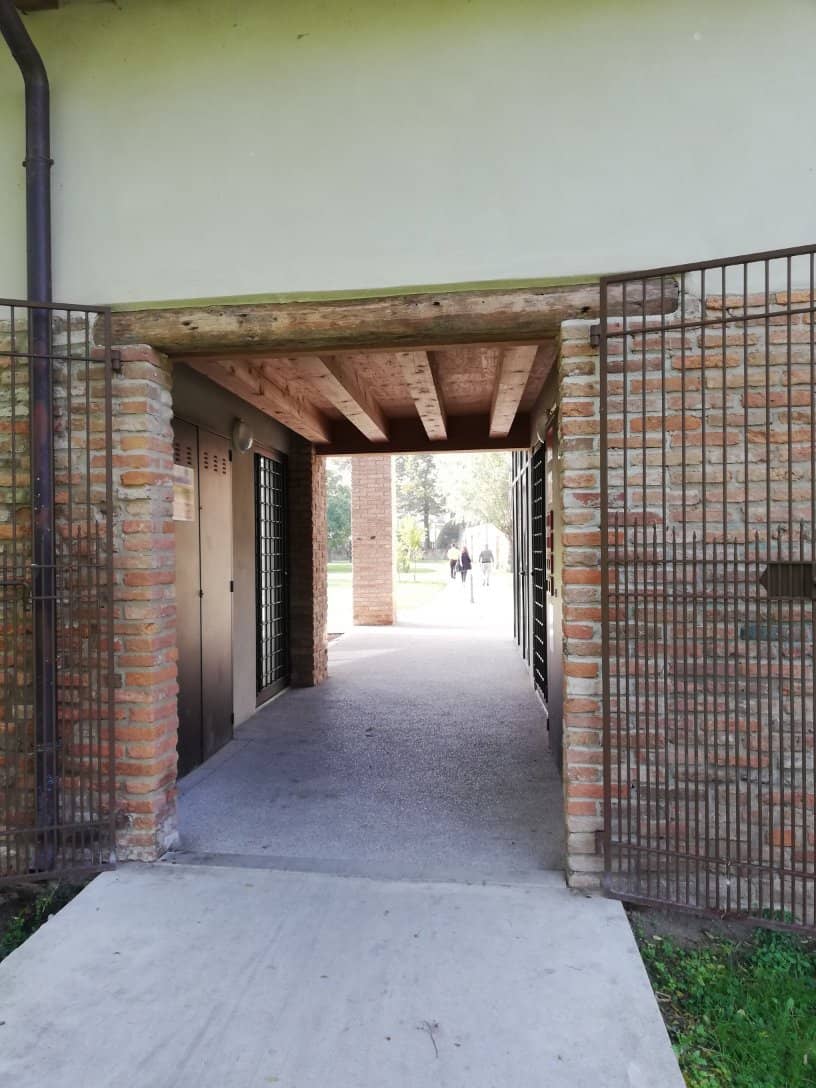
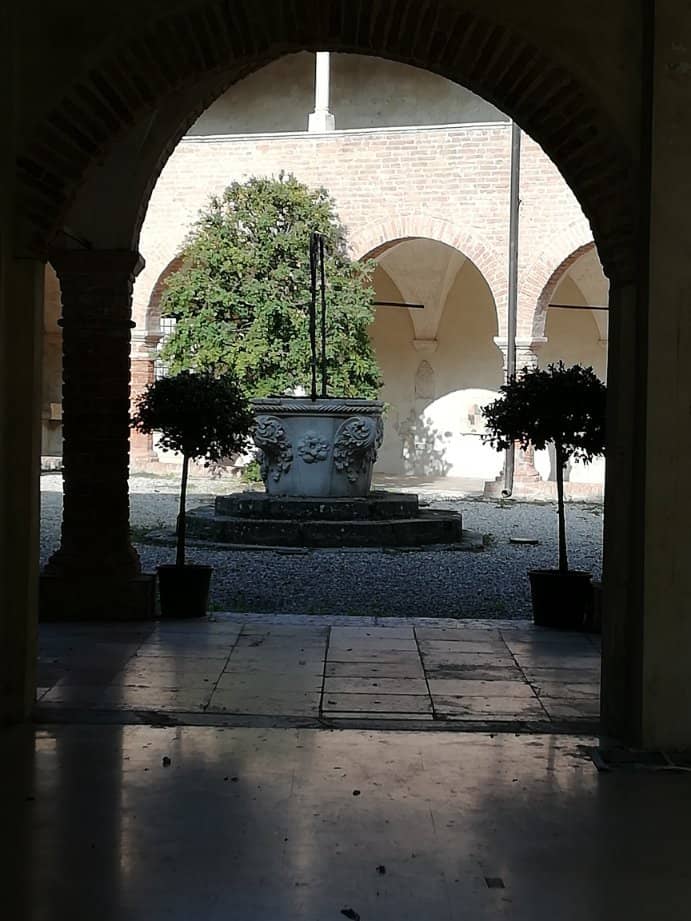
13th-Century Cloister
Monastic Complex
Discover the Sudanese-style cloister with its central Venetian wellhead – a serene architectural gem.
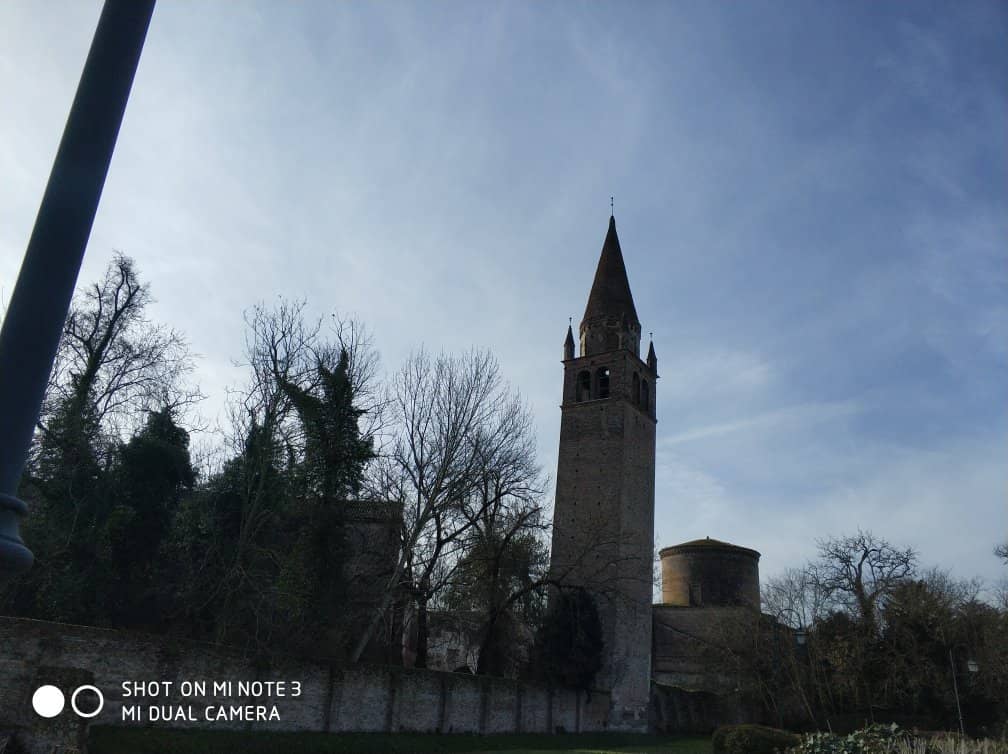
Tilted Bell Tower
Public Garden
An iconic, leaning bell tower visible from the park, hinting at the Abbey's enduring presence.
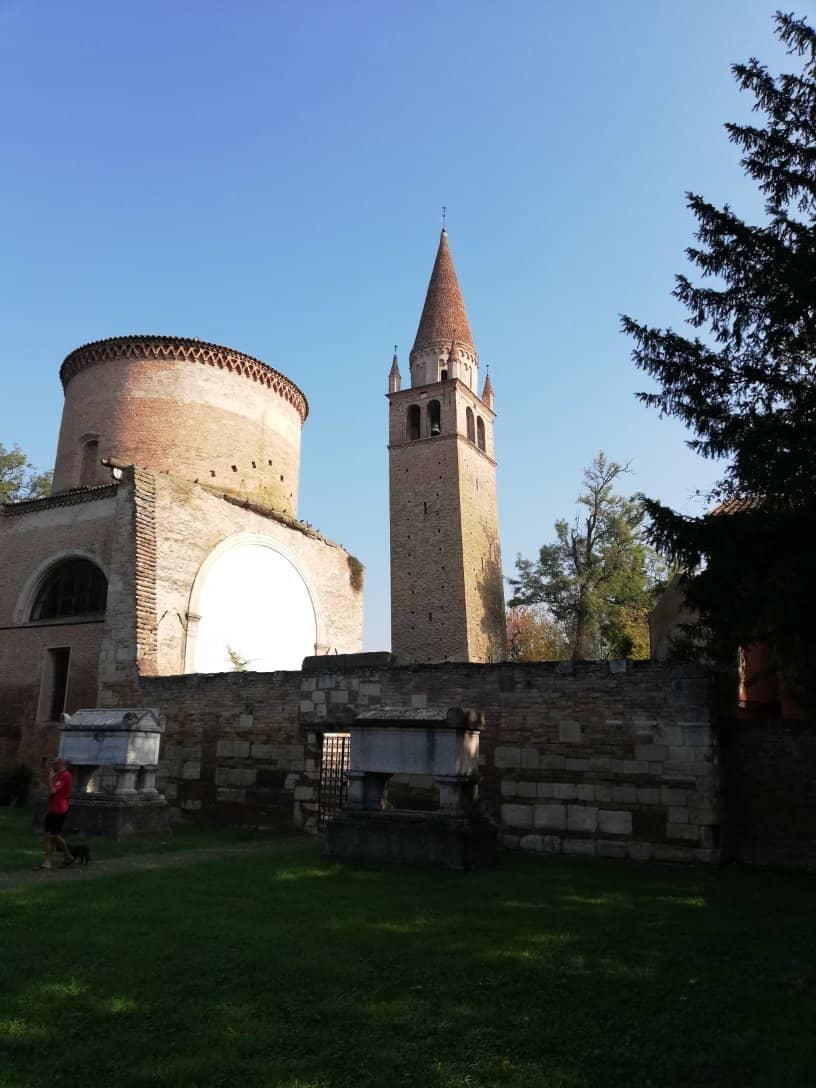
Este Family Sarcophagi
Front Square
See the final resting places of Alberto Azzo II d'Este and Cunegonda of Altdorf, founders of the influential Este family.
Plans like a pro.
Thinks like you
Planning Your Visit
Timing Your Visit
Understanding the History
Best Times
Insider Tips
from TikTok, Instagram & Reddit
Check Access Beforehand
The Abbey interior may be closed; confirm cloister and exhibition hours to avoid disappointment.
Explore the Park
Enjoy the large, shady park surrounding the Abbey for a moment of tranquility.
Appreciate the Details
Admire the Gothic terracotta arch, the marble portal of the refectory, and the unique Sudanese-style cloister.
Tips
from all over the internet
Check Access Beforehand
The Abbey interior may be closed; confirm cloister and exhibition hours to avoid disappointment.
Explore the Park
Enjoy the large, shady park surrounding the Abbey for a moment of tranquility.
Appreciate the Details
Admire the Gothic terracotta arch, the marble portal of the refectory, and the unique Sudanese-style cloister.
What Travellers Say
Reviews Summary
Visitors find the Abbey of Vangadizza a peaceful and historically significant site, particularly appreciating the well-preserved cloister and the iconic tilted bell tower. While the limited access to the main church is a common drawback, the surrounding park and the historical context of the Este family make it a worthwhile stop for those interested in local history and architecture.
"Concerts and exhibitions render this historic place more interesting. You feel at peace."
Meri lupa
"Vangadizza Abbey stands in the historic center of Badia Polesine, in an area with a large, shady park. The complex's construction dates back to the 10th century, when the Este family called the Benedictines to Badia. Their industriousness and ingenuity were vital to the reclamation of vast lands, and they entrusted them with their possessions. Of the large monastic complex, today only the 13th-century cloister remains, accessed through a 15th-century Gothic terracotta arch. Of the church, however, only the perimeter walls, the side chapel dedicated to the "Blessed Virgin of Vangadizza," and the bell tower remain. In the square in front are two sarcophagi containing the remains of Alberto Azzo II d'Este and his wife, Cunegonda of Altdorf, founders of the Este family."
Mauro
"Abbey. In Badia Polesine, it was closed, with a particularly tilted bell tower visible from the public garden in front. The cloister could be visited, but not the interior of the Abbey."
Dario Ridella
What People Like
What People Dislike
Frequently Asked Questions
🚇 🗺️ Getting There
The Abbey is located in the historic center of Badia Polesine. If arriving by car, look for parking near the public garden. Public transport options might be limited, so checking local bus schedules is advisable.
While direct parking at the Abbey might be scarce, there is a public garden in front with parking facilities. This allows for easy access to the Abbey and its surroundings.
🎫 🎫 Tickets & Entry
Opening hours can vary, especially for the interior of the Abbey. The cloister and surrounding park are generally accessible, but it's recommended to check local listings or inquire beforehand for specific exhibition times.
Entry to the park and viewing the exterior of the bell tower is usually free. Access to the cloister or any special exhibitions might require a ticket, so it's best to verify on-site or through official channels.
Access to the interior of the Abbey is often restricted. Visitors can typically see the perimeter walls, a side chapel, and the bell tower. The cloister is usually the main interior area accessible to the public.
🎫 🏛️ Onsite Experience
Key sights include the 13th-century Sudanese-style cloister with a Venetian wellhead, the leaning bell tower, the sarcophagi of the Este founders, and the Gothic terracotta arch.
Yes, the Abbey and its grounds can be appreciated in a relatively short visit, especially if you focus on the cloister and exterior architecture. It's a good stop for those interested in history and architecture.
Information on guided tours can be limited. It's advisable to check with the local tourist office or administration in Badia Polesine for any available tour options or schedules.
📸 📸 Photography
Capture the unique angle of the tilted bell tower from the park, the intricate details of the cloister, and the imposing Gothic archway. The sarcophagi also offer historical photo opportunities.
Photography is generally permitted in the public areas like the cloister and park. However, always be mindful of any signage or restrictions, especially if there are ongoing exhibitions or religious services.
Social
from TikTok, Instagram & Reddit