
Roman Amphitheatre
Step back in time at ancient Roman amphitheaters, marvels of engineering and entertainment that echo with centuries of history.
Highlights
Must-see attractions

Social
From TikTok & Reddit
Best Time
Beat the crowds and heat
Roman Amphitheatre
Best Time
Beat the crowds and heat
Highlights
Must-see attractions
Step back in time at ancient Roman amphitheaters, marvels of engineering and entertainment that echo with centuries of history.
"A decent enough ruin in a nice location but there’s not much left to see frankly."
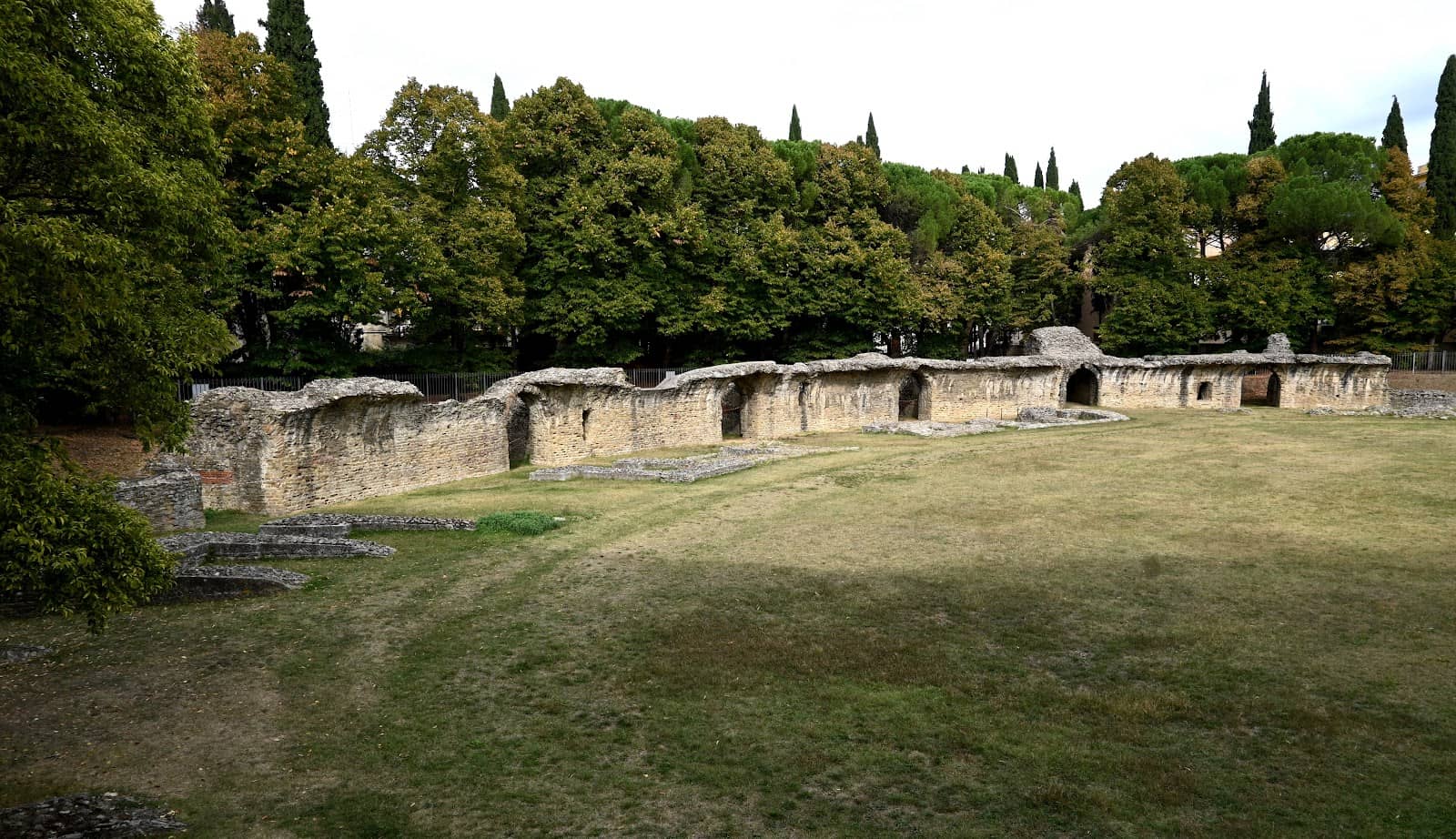
🎟️ Check Museum Hours
Many amphitheaters are free to view from outside, but museum access has limited hours. Plan accordingly!
🚶♀️ Explore the Surroundings
Don't just see the main structure; explore nearby ruins and how they integrate with the modern city.

Quick Facts
Hours
Rating
4.4 · 693 reviews
Type
Amphitheater
Highlights
Discover the most iconic attractions and experiences
The Grand Arena
Various locations worldwide
Imagine gladiatorial contests and public spectacles in these iconic, vast structures. A true testament to Roman engineering.
Underground Passages
Colosseum, Rome
Explore the labyrinthine hypogeum where gladiators and animals awaited their fate. A chilling glimpse into the arena's hidden world.
Preserved Architecture
El Jem, Tunisia
One of the best-preserved Roman amphitheaters globally, showcasing impressive stone block construction and grand scale.
 +1
+1Urban Integration
London, UK
Discover Roman ruins nestled beneath modern cityscapes, offering a unique juxtaposition of ancient and contemporary life.
+2Plans like a pro.
Thinks like you
Planning Your Visit
Timing is Key for the Best Views
Uncover Layers of History
Best Times
Insider Tips
from TikTok, Instagram & Reddit
🎟️ Check Museum Hours
Many amphitheaters are free to view from outside, but museum access has limited hours. Plan accordingly!
🚶♀️ Explore the Surroundings
Don't just see the main structure; explore nearby ruins and how they integrate with the modern city.
📚 Research the History
Understanding the site's past, including later transformations, enhances the visit.
👟 Wear Comfortable Shoes
You'll be doing a lot of walking on uneven ancient surfaces.
Tips
from all over the internet
🎟️ Check Museum Hours
Many amphitheaters are free to view from outside, but museum access has limited hours. Plan accordingly!
🚶♀️ Explore the Surroundings
Don't just see the main structure; explore nearby ruins and how they integrate with the modern city.
📚 Research the History
Understanding the site's past, including later transformations, enhances the visit.
👟 Wear Comfortable Shoes
You'll be doing a lot of walking on uneven ancient surfaces.
📸 Capture the Layers
Juxtapose ancient stones with modern architecture for unique photos.
What Travellers Say
Reviews Summary
Visitors often praise the historical significance and impressive architecture of Roman amphitheaters, with many appreciating the free access to exterior views. However, some find that certain sites lack detailed explanations or have limited accessibility to the interior, leading to a desire for more interpretive information.
"Very friendly staff and LOTS of pottery. I came away wanting to know more about the history: what kind of political structure di Etruscsans have; where was their capitol, if they had one?; when were they conquered by the Romans?; how did the Roman-Etruscan relationship differ from the Roman-Cathage?; we learn that Etruscans used the Greek alphabet but that the language itself did not have Indo-European roots, so what are examples of how the language diverges from I-E patterns?; where did the Etruscans come from and/or where did their language come from, if we know?; and so forth"
James Loewen
"This is a decent enough ruin in a nice location but there’s not much left to see frankly. And there’s nothing much in the way of explanation."
Damian Cannon
"More a museum now, actually a very good one. It shows you a history of Etruscan Arezzo and later of Roman Arezzo. How the first monopoly industry started in Arezzo and went all around the Roman empire.
What I loved the most are 500BC Etruscan earings. Amazing details so long ago.
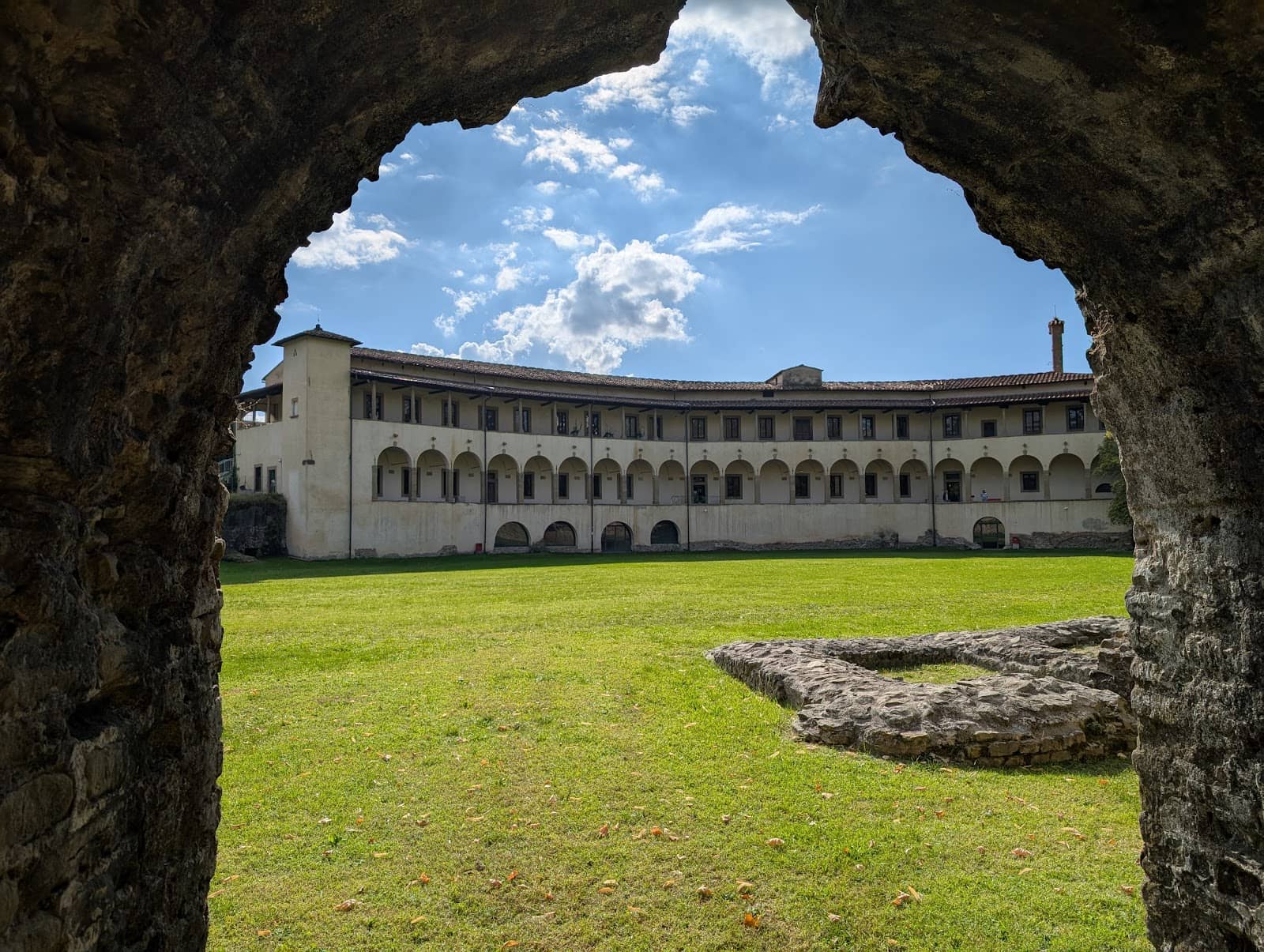
And outside is a amphitheatre that was later transformed to monastery. Did the monks know what happened here?🤣🤣🤣"
Rok Stražar
What People Like
What People Dislike
Frequently Asked Questions
🚇 🗺️ Getting There
The Roman Amphitheatre in London is located beneath the Guildhall Art Gallery yard in the City of London. It's easily accessible via public transport, with several Tube stations nearby, including Bank and St Paul's.
The Amphitheatre of El Jem in Tunisia is a major landmark. While direct public transport might be limited, it's often accessible via local buses or taxis from nearby towns.
Yes, the Roman Amphitheatre in Arezzo, Italy, is a short 5-minute walk from the train station, making it very convenient for day-trippers.
The Verona Arena, a Roman amphitheatre, is centrally located in Verona, Italy, and easily reachable on foot from most parts of the city center.
Yes, there are Roman amphitheaters in Jordan, notably in Jerash, which is a well-preserved Roman city. [^seo_keywords]
🎫 🎫 Tickets & Entry
Viewing the Roman Amphitheatre in London from the park is often free. However, to access the museum and get closer views, you may need to purchase admission tickets for the Guildhall Art Gallery.
Admission fees for the Amphitheatre of El Jem can vary. It's advisable to check the official website or local tourist information for the most current pricing and any potential discounts.
You can view the ruins of the Roman Amphitheatre in Arezzo from the park for free. There's an option to pay for museum entry and closer access, but the museum has restricted hours.
Tickets are required to enter the Verona Arena and experience its acoustics. Prices can vary depending on the event or if you're visiting for a general tour.
Many Roman amphitheaters, especially those integrated into city parks or with exterior viewing areas, can be visited for free. The Roman Amphitheatre in Arezzo is a good example.
🎫 🏛️ Onsite Experience
The London Roman Amphitheatre offers a glimpse into Roman Londinium, with excavated remains of the arena and surrounding structures. It's a fascinating historical site beneath the Guildhall Art Gallery.
The Amphitheatre of El Jem is renowned for its exceptional preservation and scale, being one of the largest and best-preserved Roman amphitheaters in the world. It's a UNESCO World Heritage site.
The Arezzo Roman Amphitheatre ruins are set in a park, allowing for imaginative exploration. While not extensively explained on-site, it offers a sense of history and was later transformed into a monastery.
Yes, you can go inside the Verona Arena and experience its impressive acoustics, which are still utilized for performances today.
The Amphitheatre of El Jem in Tunisia, the Arena of Nîmes in France, and the Arena of Verona in Italy are often cited as some of the best-preserved Roman amphitheaters.
📸 📸 Photography
For unique shots, try capturing the contrast between the ancient Roman ruins and the modern city skyline above. The juxtaposition of old and new is striking.
Early morning or late afternoon offers the best light for photography at the El Jem Amphitheatre, creating dramatic shadows and highlighting the stone textures.
Generally, photography for personal use is allowed at most Roman amphitheaters. However, professional photography or drone usage might require special permits. Always check local regulations.
Use a wide-angle lens to capture the vastness, or include people in your shots to provide a sense of scale. Getting to higher vantage points can also help.
Focus on the remaining arches and the overall oval shape of the ruins. The integration with the surrounding park also offers picturesque opportunities.

Social
from TikTok, Instagram & Reddit