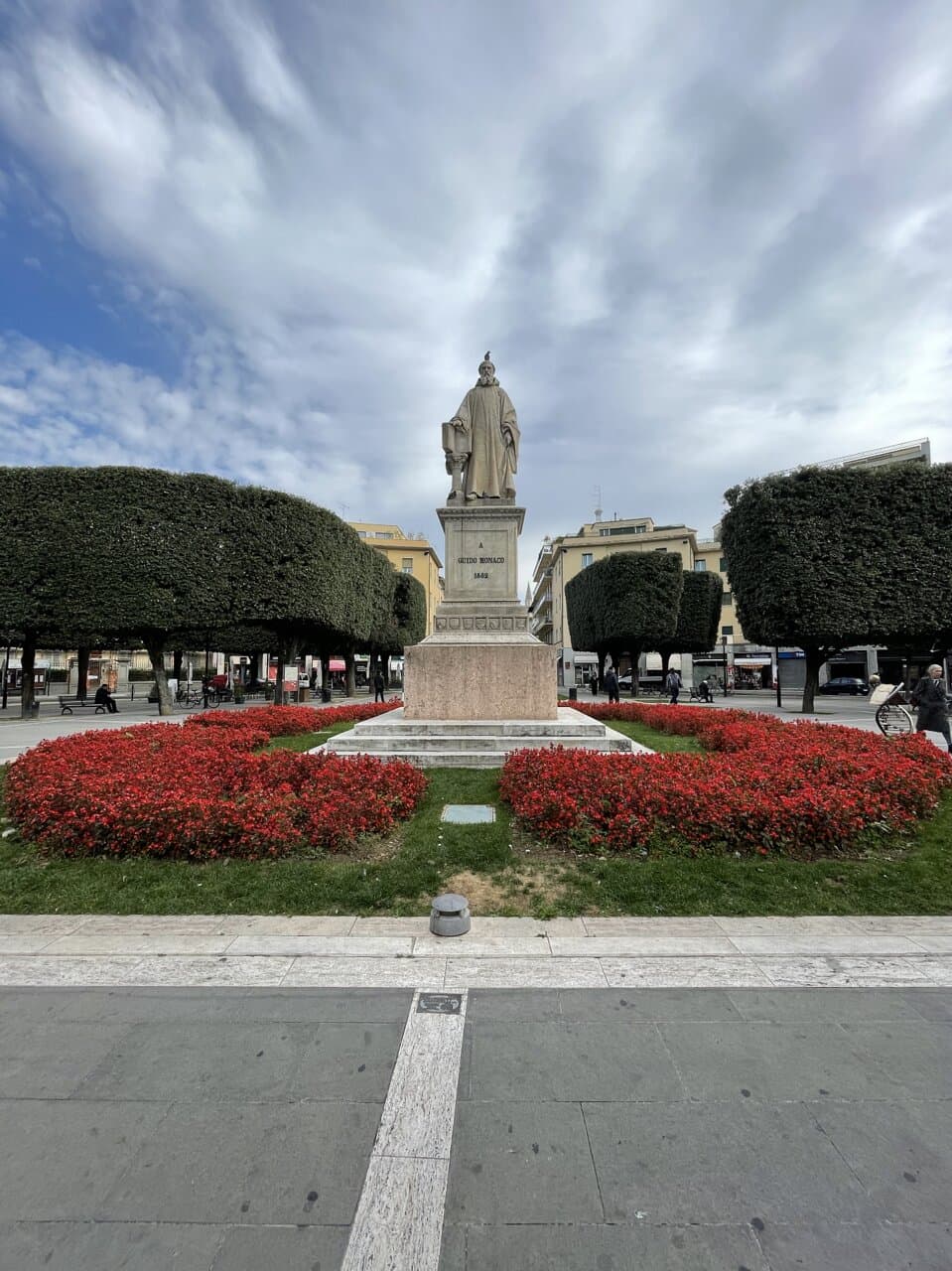
Monument to Guido Monaco
A tribute to Guido Monaco, the 11th-century monk from Arezzo who invented modern musical notation, forever changing music education.
Highlights
Must-see attractions

Social
From TikTok & Reddit
Best Time
Arezzo's famous antique market
Monument to Guido Monaco
Best Time
Arezzo's famous antique market
Highlights
Must-see attractions
A tribute to Guido Monaco, the 11th-century monk from Arezzo who invented modern musical notation, forever changing music education.
"A monument to a genius whose invention is still taught in schools worldwide."
Learn about Guido Monaco
Understand his invention of musical notation to fully appreciate the monument's significance.
Explore Piazza Grande
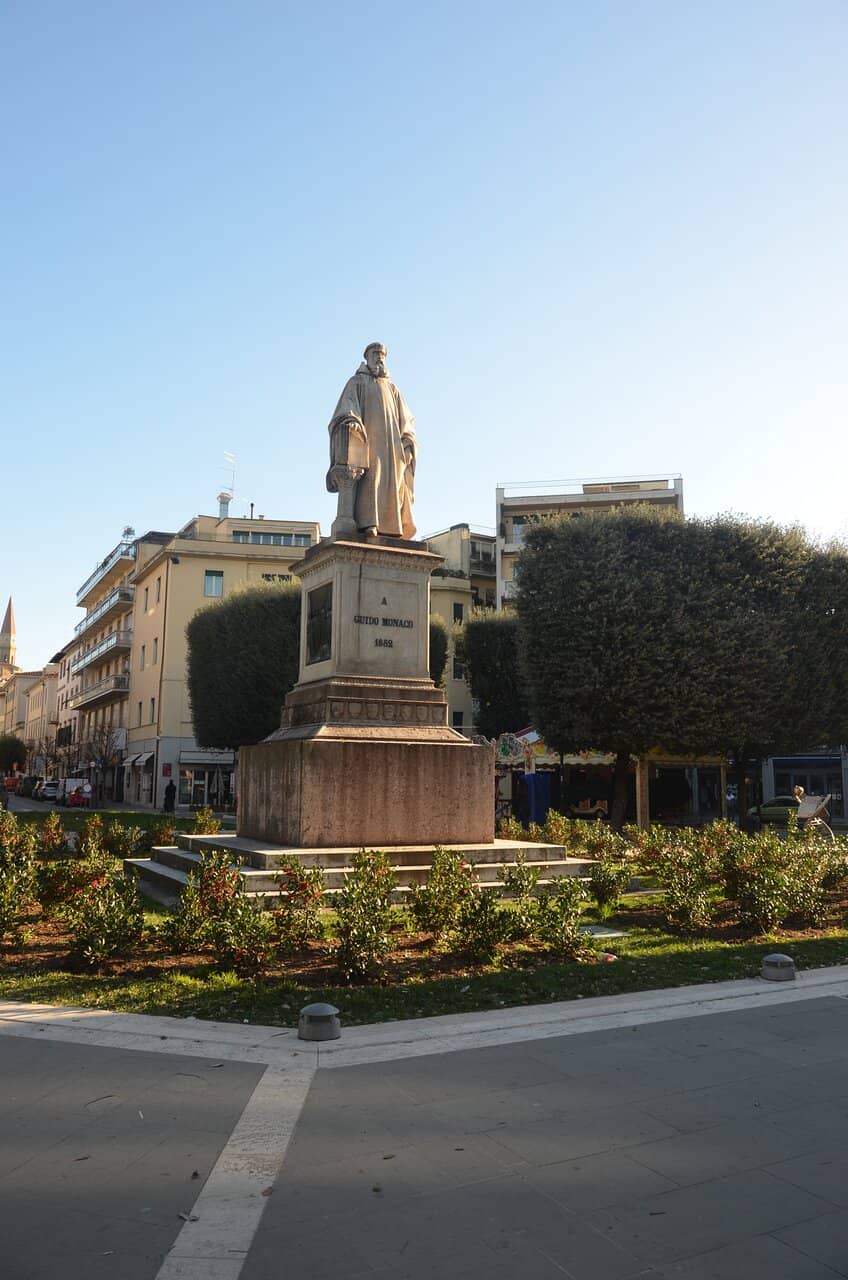
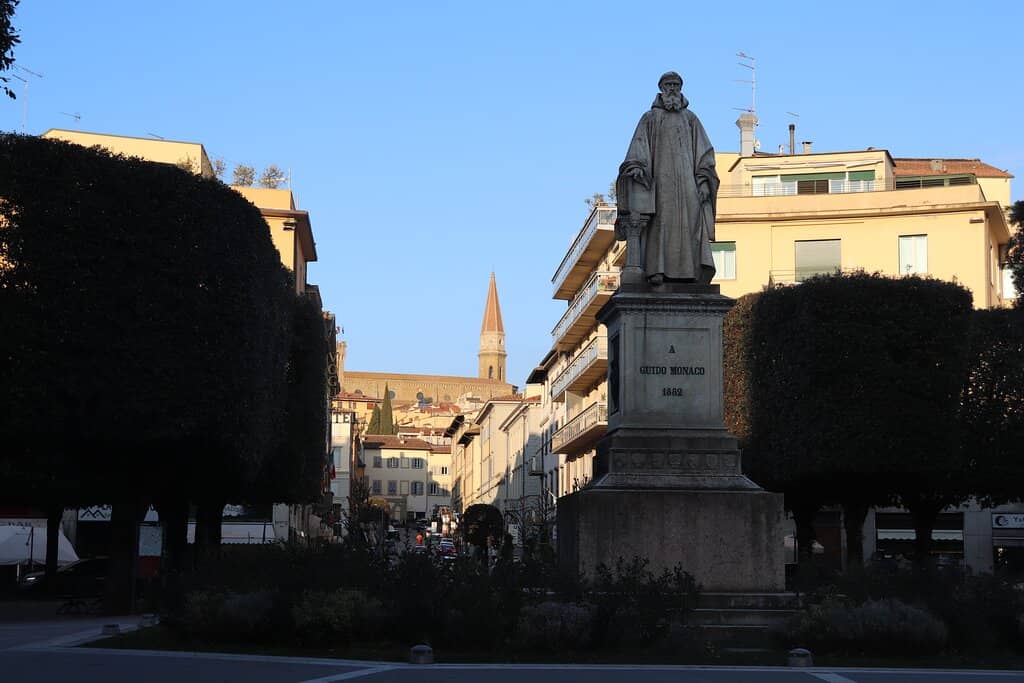
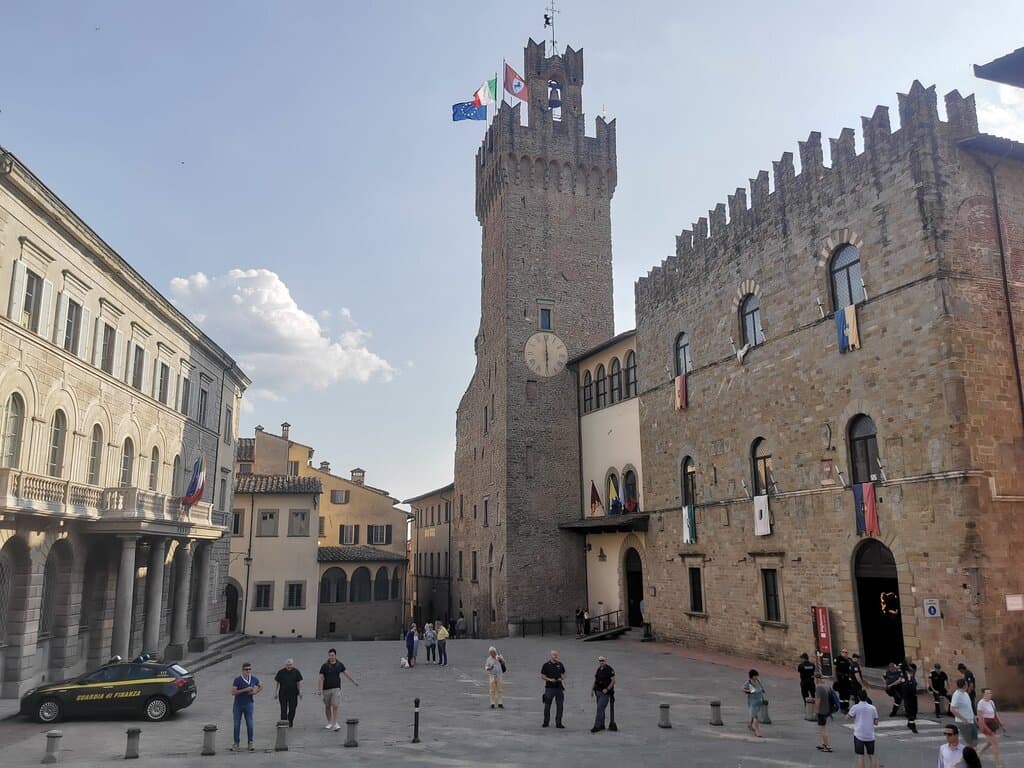
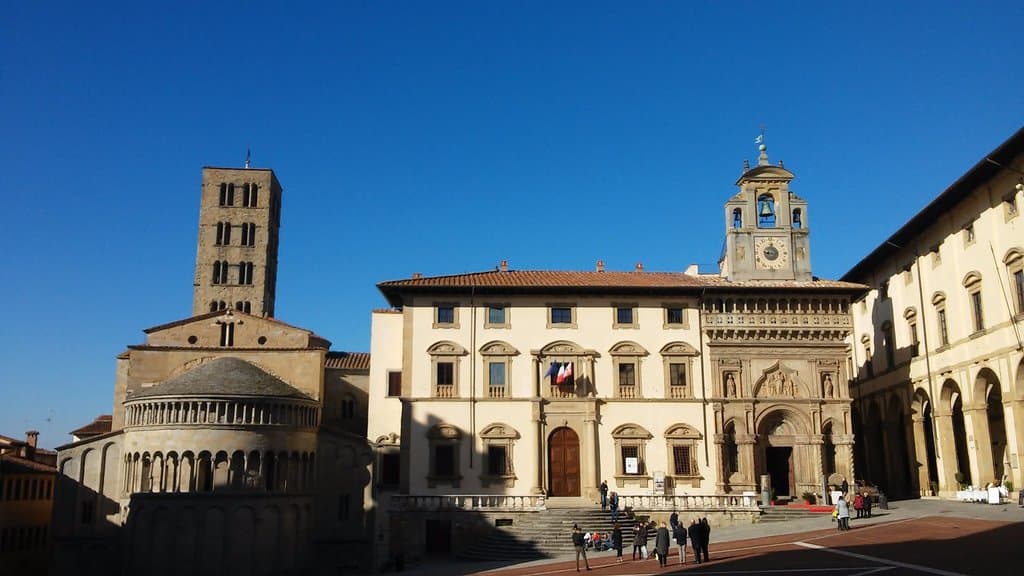
The monument is in a beautiful square, perfect for photos and soaking in the atmosphere.
Quick Facts
Rating
4.1 · 1,903 reviews
Type
Sculpture
Highlights
Discover the most iconic attractions and experiences
The Monument Itself
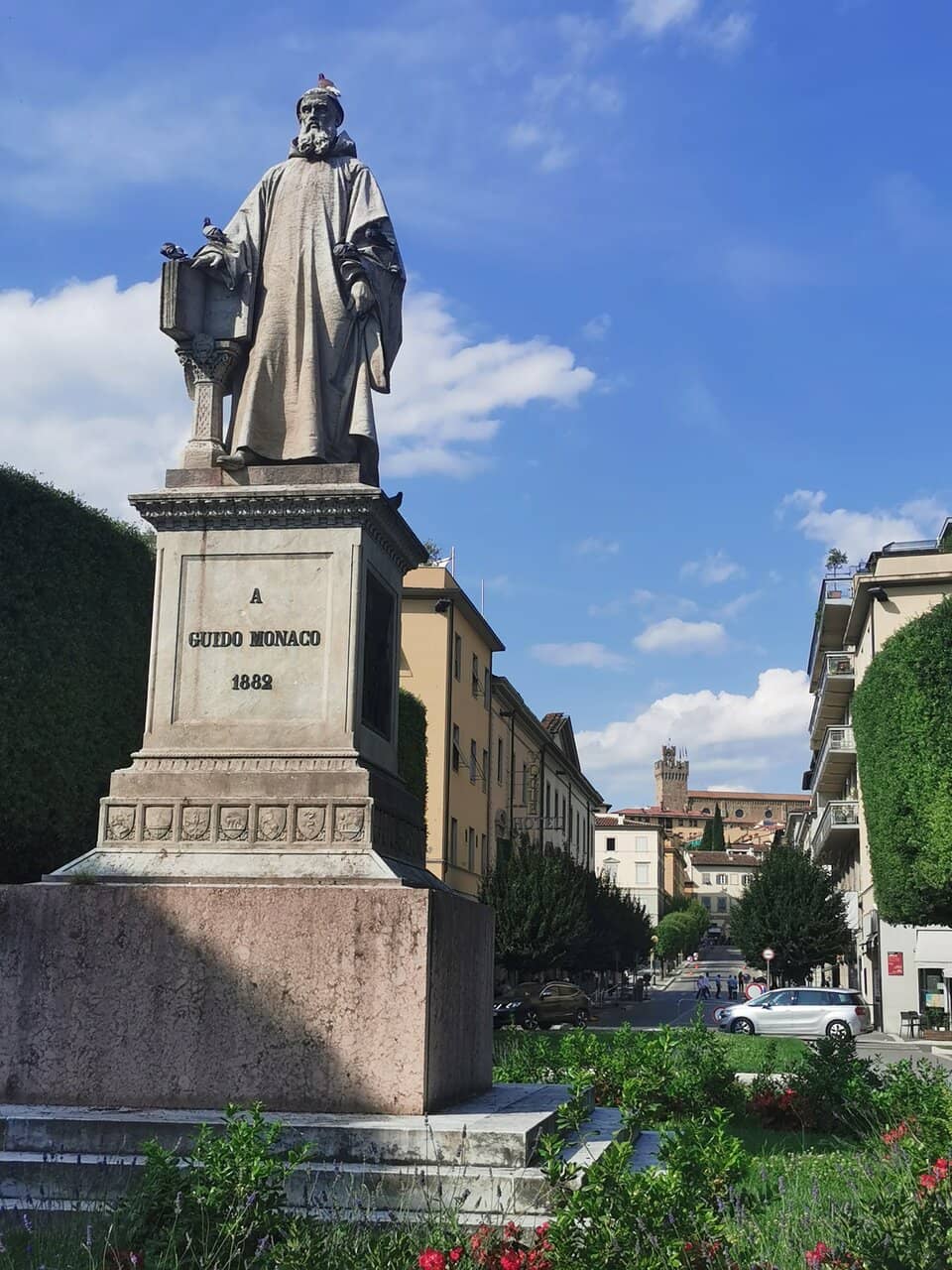
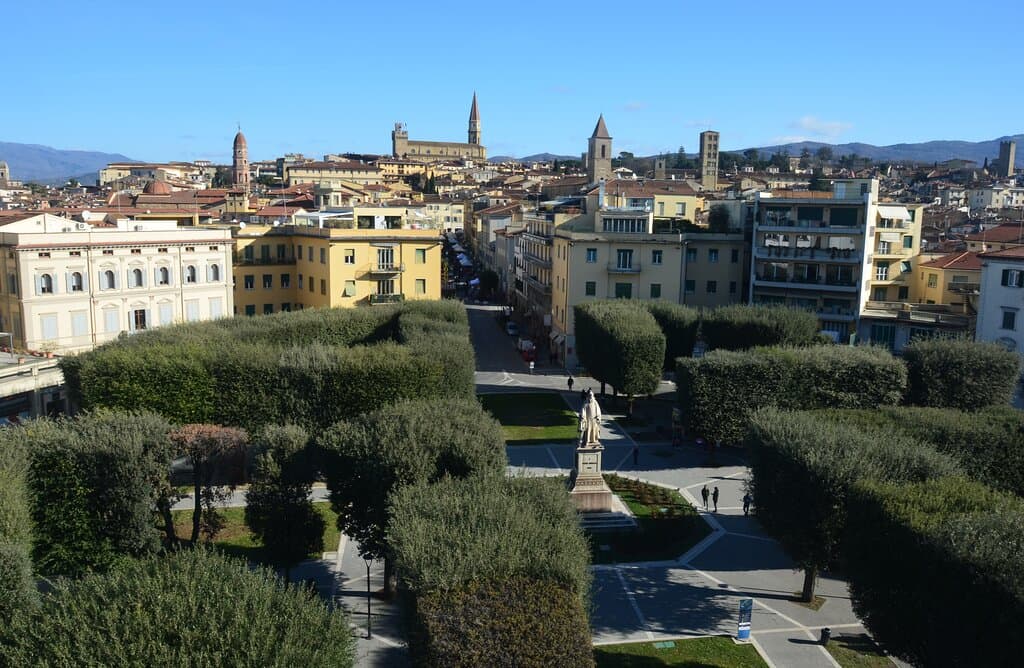
A marble statue honoring Guido Monaco, the inventor of modern musical notation, a pivotal figure in music history.
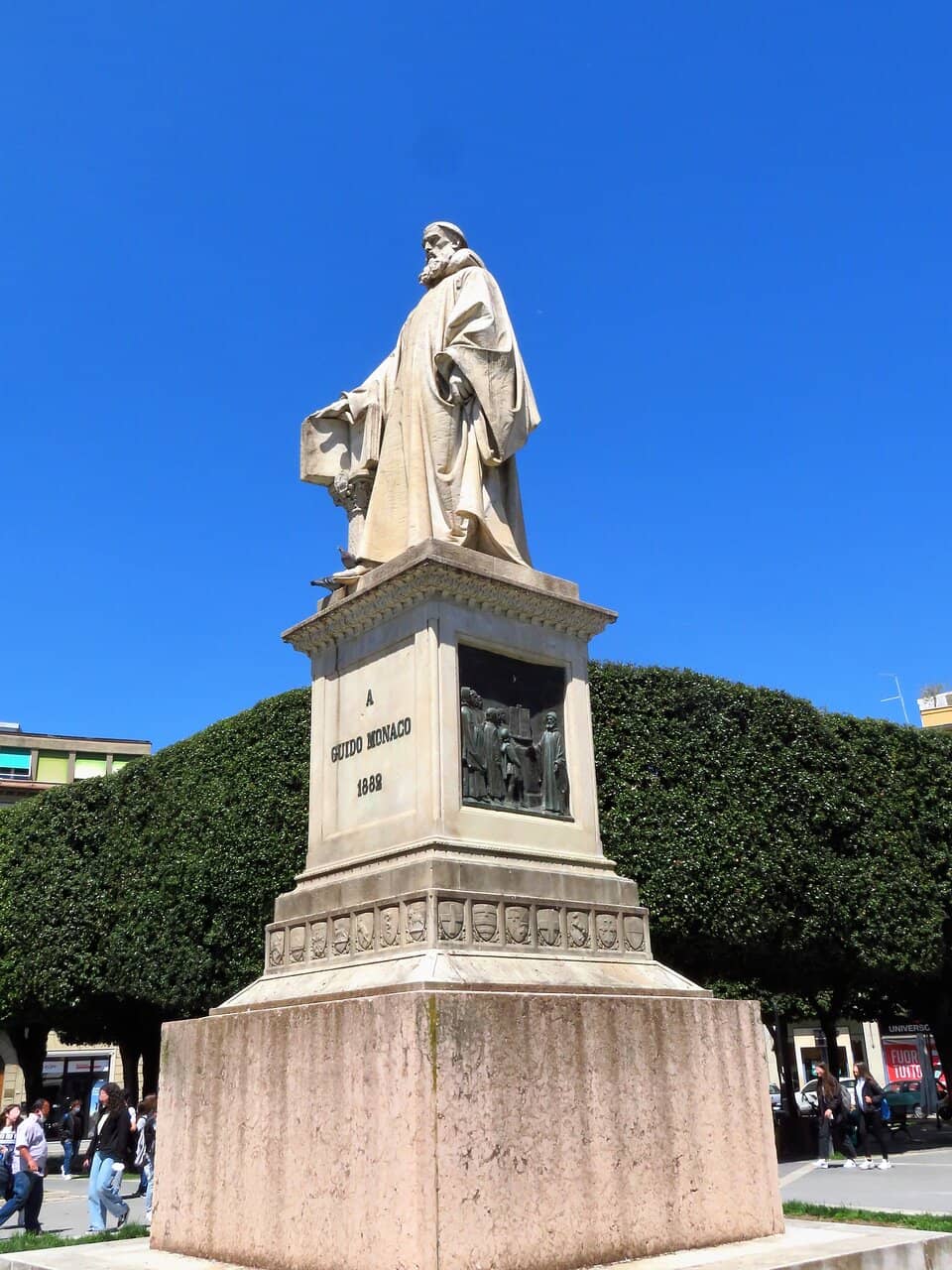
Bronze Reliefs
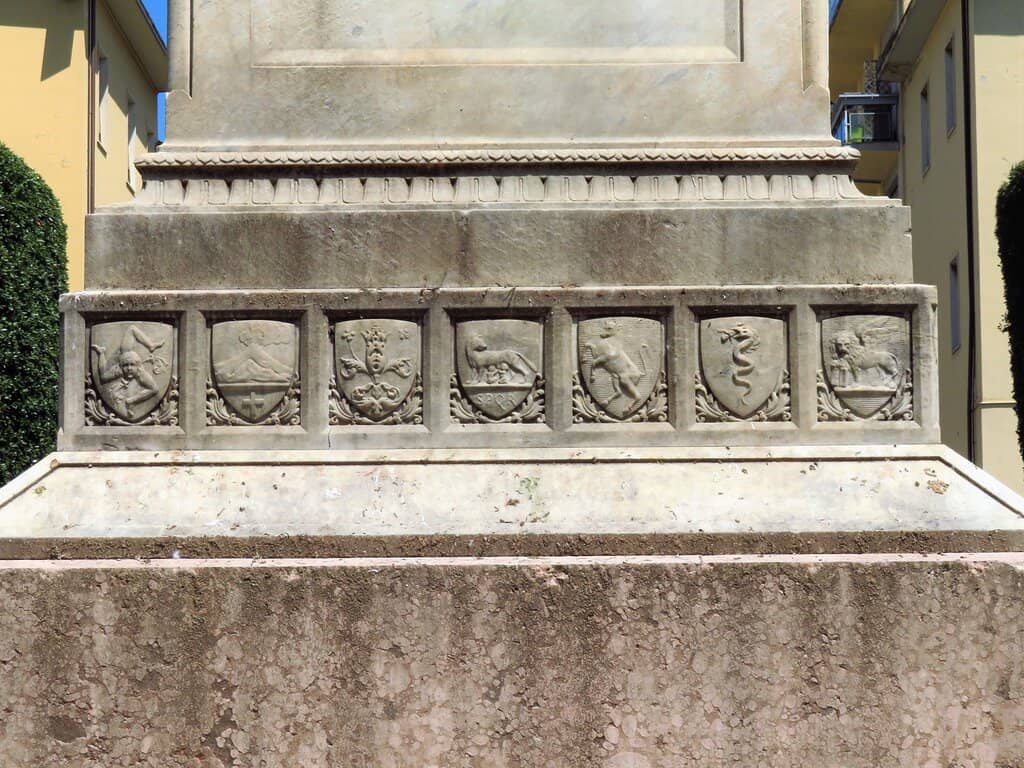
Sides of the monument's pedestal
Intricate bronze reliefs depicting scenes related to Guido Monaco's life and musical innovations.
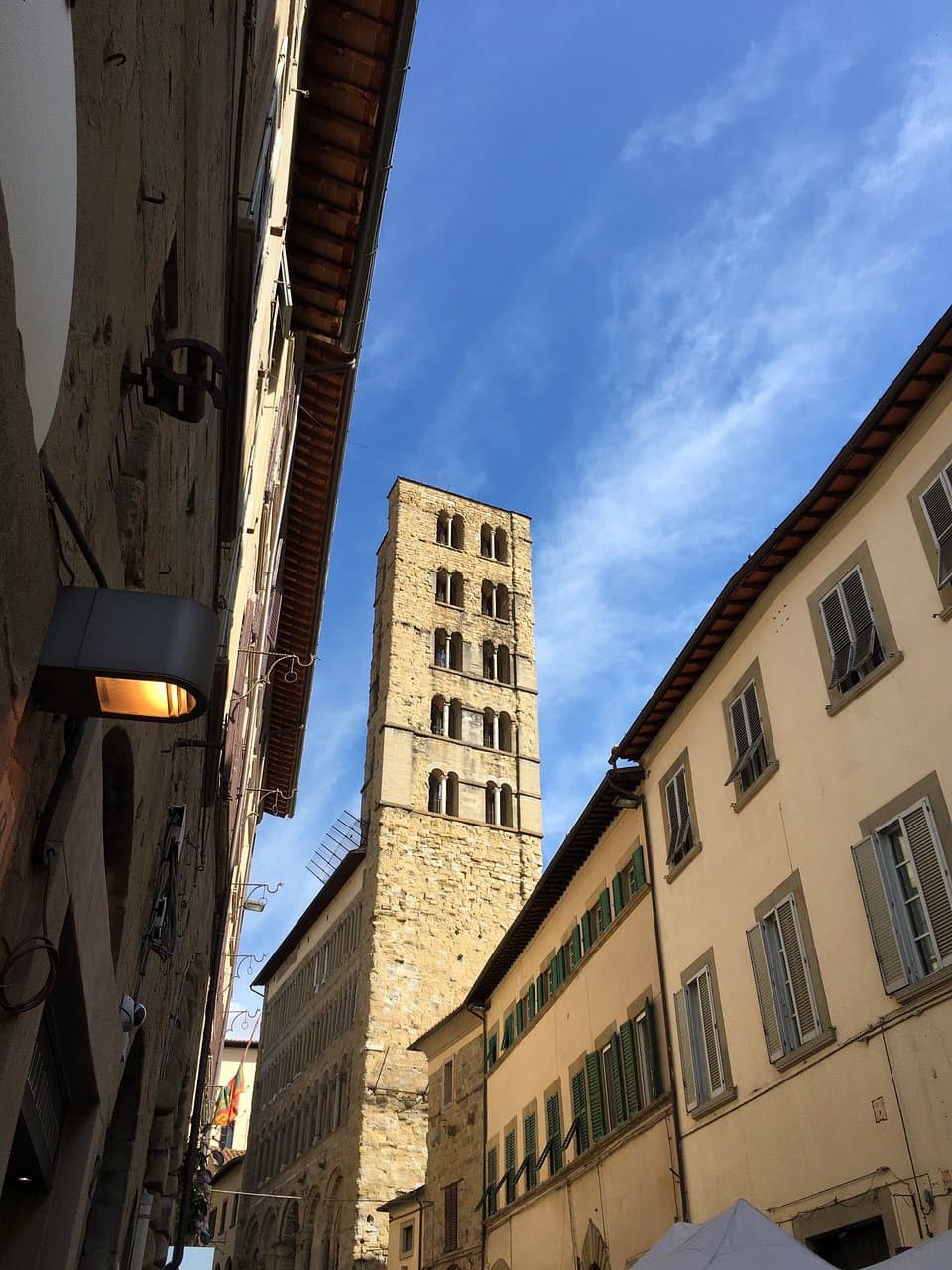
Arezzo's Historic Center
The monument is situated in the heart of Arezzo, allowing visitors to explore charming medieval streets and historic architecture.
Plans like a pro.
Thinks like you
Planning Your Visit
Understand Guido Monaco's Legacy
Best Time to Visit Arezzo
Best Times
Insider Tips
from TikTok, Instagram & Reddit
Learn about Guido Monaco
Understand his invention of musical notation to fully appreciate the monument's significance.
Explore Piazza Grande
The monument is in a beautiful square, perfect for photos and soaking in the atmosphere.
Visit the Antique Market
If visiting on the first Sunday, experience Arezzo's renowned antique market.
Wander the Historic Streets
Arezzo's charming medieval streets are best explored on foot.
Tips
from all over the internet
Learn about Guido Monaco
Understand his invention of musical notation to fully appreciate the monument's significance.
Explore Piazza Grande
The monument is in a beautiful square, perfect for photos and soaking in the atmosphere.
Visit the Antique Market
If visiting on the first Sunday, experience Arezzo's renowned antique market.
Wander the Historic Streets
Arezzo's charming medieval streets are best explored on foot.
What Travellers Say
Reviews Summary
Visitors appreciate the Monument to Guido Monaco as a tribute to a significant historical figure who revolutionized music. Its location in the beautiful Piazza Grande adds to its charm, offering a glimpse into Arezzo's rich cultural heritage. While some may not know Guido Monaco's specific contributions, the monument serves as an important educational point within a historically rich city.
"One of the most famous natives of Arezzo, whom we call Guido Monaco in the German manner. "Monaco" meaning monk. Few people know who he is, but everyone has come across his invention. At least at school. Guido invented musical notation. Before him, melody was taught by tones. almost like Chinese now. Cantors in churches studied for 10 years. Guido reduced his training to a year and a half. He was the first to line the sheet with 4 lines (the 5th appeared later) and began to write notes in a box. Guido Monaco gave the names of the notes after the first syllables of the then well-known Latin hymn in honor of John the Baptist (ut-re-mi-fa-sol-la). "Do" and "C" appeared later.
The monument, designed by Salvino Salvini, was erected in Arezzo in 1882. After all, it was in the cathedral of this city that the modest monk practiced his great discovery with the choir !"
Enjoy life
"A square with statue of Guido who introduced lets say important changes in music. This way they honored his contribution to music history."
Rok Stražar
"Guido Monaco, to whom this statue is dedicated, was a great theorist of Italian music, originally from Arezzo. In 1864, to honor his figure, the Council of Arezzo ordered the construction of the monument. The statue was completed in 1882 when the city of Arezzo was celebrating the centenary of the birth of Guido Monaco.Marble statue of Guido holding his hand on the work he has left behind: the Antiphonary. On the pages of the book is an example of the music notation and a Latin text, from which Guido Monaco extracted the names for music notes: UT queant laxis / REsonare fibris / MIra gestorum / FAmuli tuorum / SOLve polluted / LAbii reatum / Sancte Iohannes. Subsequently, the note Ut was replaced by DO (by Dominus).
It stands on a marble cubic pedestal, with two bronze reliefs on its sides, and on the back side two emblems representing the Commune of Arezzo."
Yeasin arafat Rony
What People Like
What People Dislike
Frequently Asked Questions
🚇 🗺️ Getting There
The monument is located in the historic center of Arezzo, easily accessible on foot from most central locations. If arriving by car, park in one of the city's designated parking areas and walk. Arezzo is also well-connected by train to major Italian cities like Florence and Rome.
Yes, Arezzo has a train station with frequent connections to Florence, Rome, and other cities, making it a convenient destination for day trips or longer stays.
The historic center, including the area around the monument, is best explored on foot. Wear comfortable shoes as there are cobblestone streets and some inclines.
🎫 🎫 Tickets & Entry
No, the monument is an outdoor public sculpture and can be viewed at any time without a ticket.
As an outdoor monument, it is accessible 24/7. However, the surrounding Piazza Grande and shops may have specific operating hours.
There is no entrance fee to view the Monument to Guido Monaco. It is a public landmark.
🎫 🧭 Onsite Experience
The monument honors Guido Monaco, an 11th-century monk from Arezzo who is credited with inventing modern musical notation, including the musical staff and note names.
Pay attention to the marble statue of Guido Monaco, the bronze reliefs on the pedestal depicting his life and work, and the inscription on the Antiphonary he holds.
Absolutely! Piazza Grande, where the monument is located, is incredibly picturesque and a popular spot for photographers. +1
Yes, the monument is in the heart of Arezzo, close to Piazza Grande, the Cathedral of Saints Peter and Donato, and the Museo Casa Vasari. +1
🍽️ 🍽️ Food & Dining
The area around Piazza Grande offers numerous trattorias and restaurants serving traditional Tuscan cuisine. Look for local specialties like pici pasta and bistecca alla fiorentina.
Yes, Arezzo has many charming cafes where you can enjoy a coffee and pastry while taking a break from sightseeing.
📸 📸 Photography
Piazza Grande itself offers stunning perspectives of the monument and surrounding medieval architecture. Consider capturing it during golden hour for beautiful light. +1
Yes, you can take photos of the bronze reliefs on the monument's pedestal. They add an interesting detail to your shots.
Social
from TikTok, Instagram & Reddit