
Chiesa dei Santi Michele e Adriano Badia Nuova
A medieval gem on Corso Italia, this church blends Romanesque and Gothic styles with a neo-Gothic facade, housing significant frescoes and a captivati...
Highlights
Must-see attractions

Social
From TikTok & Reddit
Best Time
Peaceful atmosphere
Chiesa dei Santi Michele e Adriano Badia Nuova
Best Time
Peaceful atmosphere
Highlights
Must-see attractions
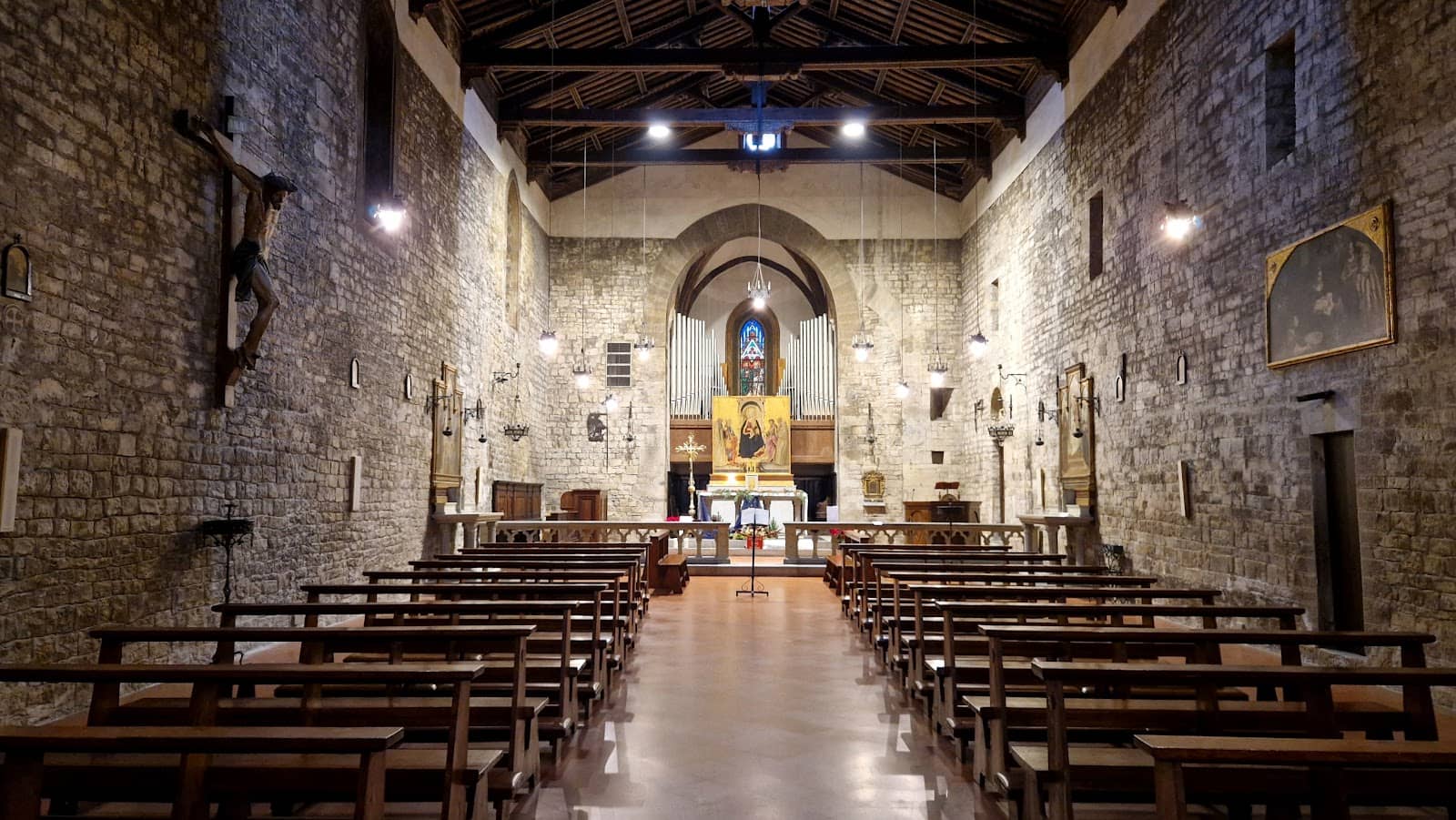
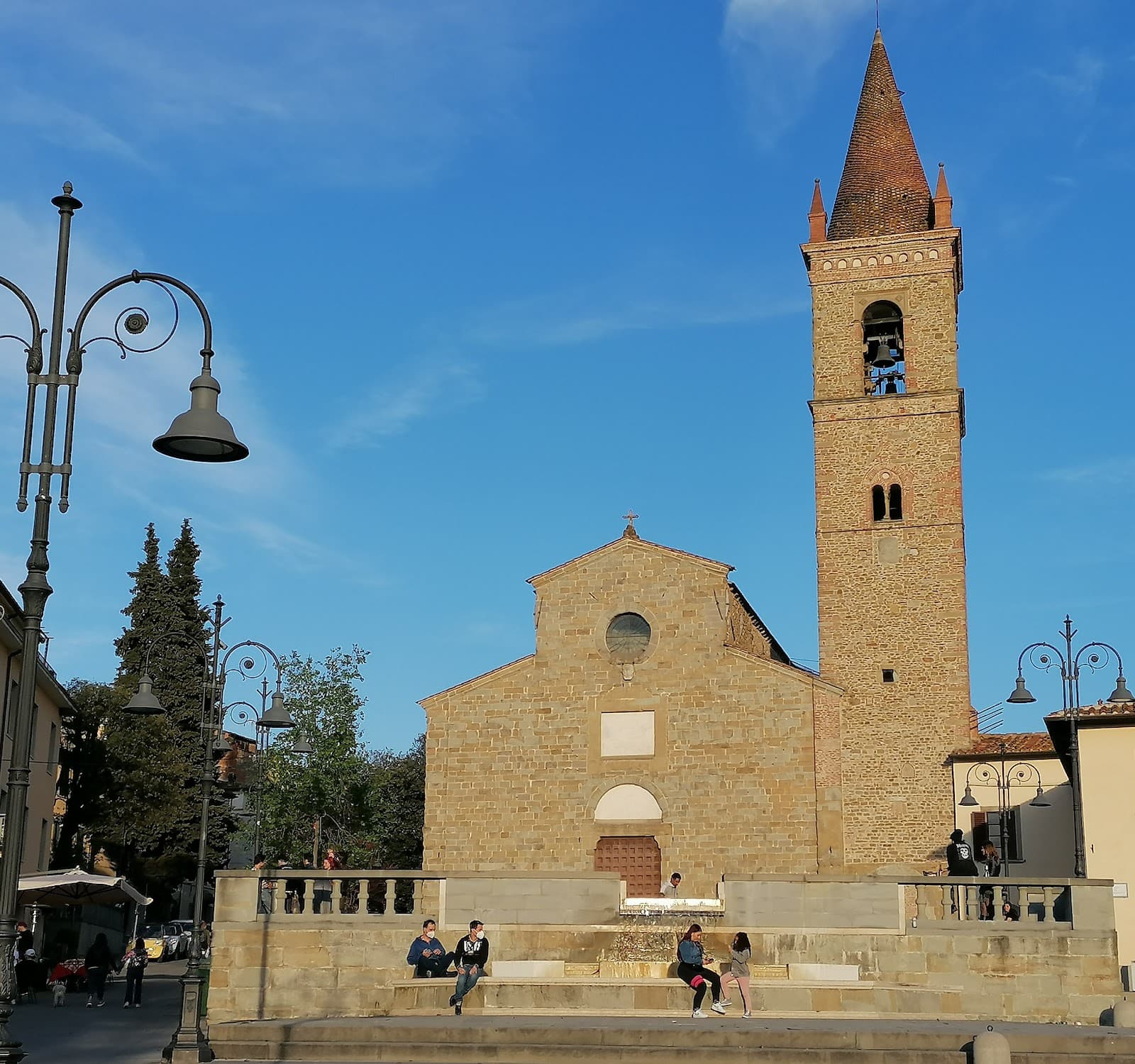
A medieval gem on Corso Italia, this church blends Romanesque and Gothic styles with a neo-Gothic facade, housing significant frescoes and a captivating crucifix.
"A small hidden gem along Corso Italia, perfect for those seeking art and spirituality away from mass tourism."
🤫 Seek Quiet Moments
Visit during off-peak hours for a truly serene experience. Avoid midday crowds for best reflection.
🙏 Admire the Crucifix
Don't miss the striking 17th-century wooden crucifix; it's a powerful piece that deeply moves visitors.
Highlights
Discover the most iconic attractions and experiences
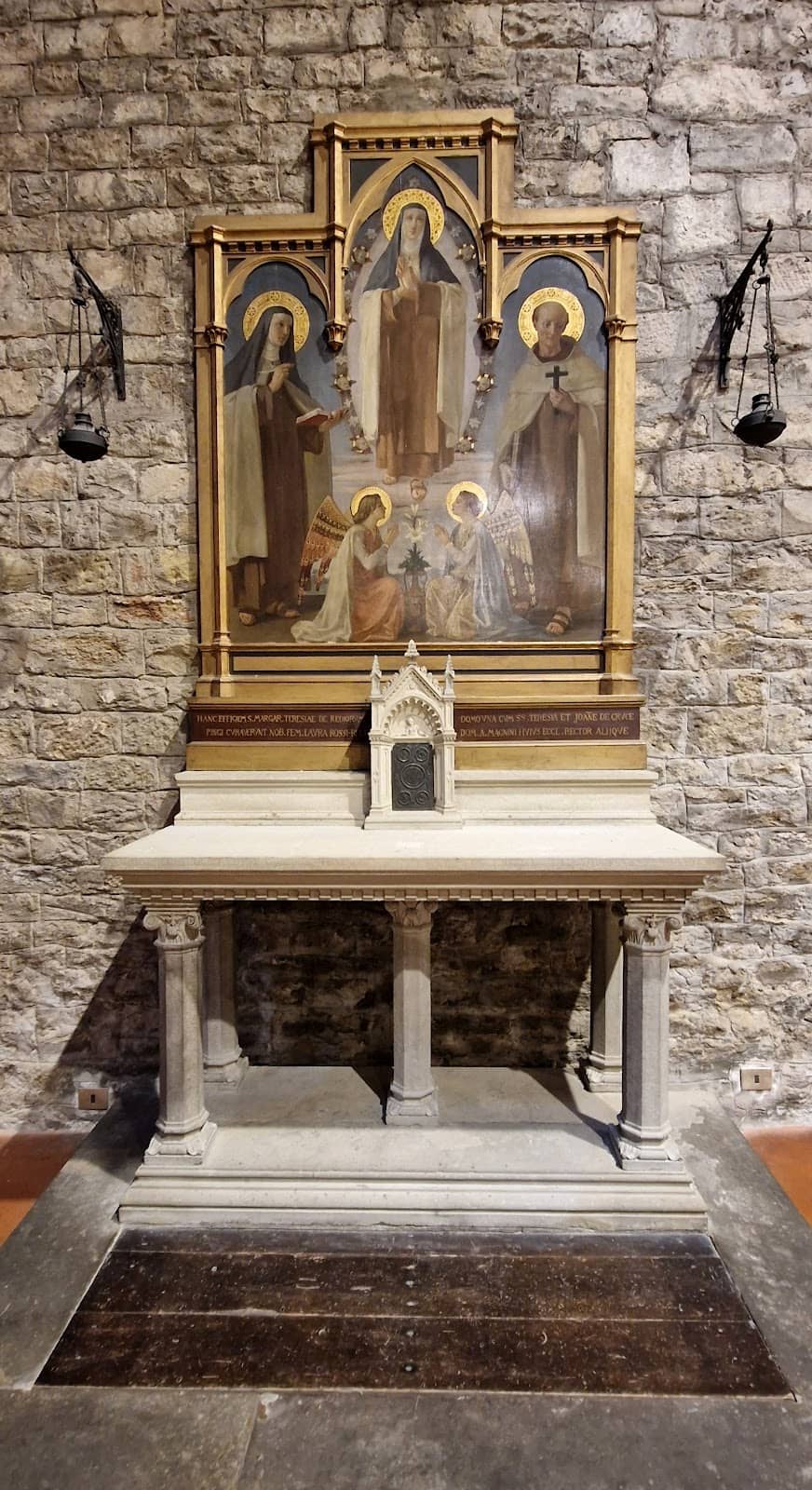
17th-Century Wooden Crucifix
Left aisle
A remarkably lifelike and moving wooden crucifix that captivates visitors with its artistry and emotional impact.
14th-Century Frescoes
Interior walls
Ancient frescoes that offer a glimpse into the church's rich medieval history and artistic heritage.

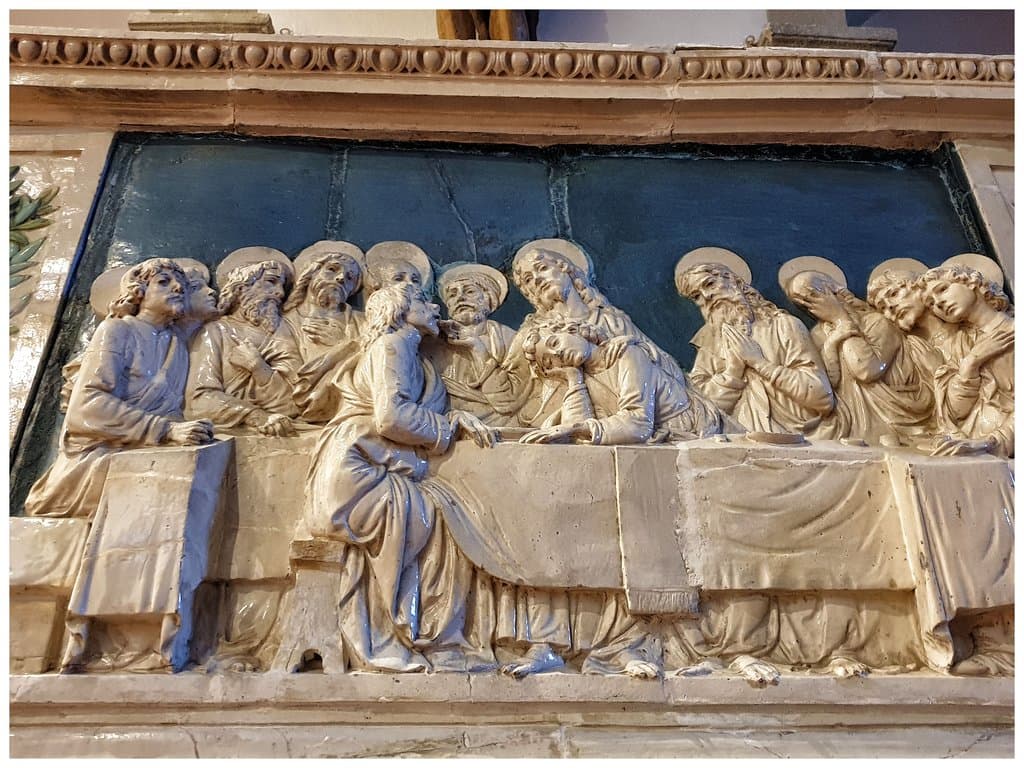
Neri di Bicci Panel
Interior
A significant 15th-century artwork by Neri di Bicci, showcasing Renaissance artistry within the church's walls.
Neo-Gothic Facade
Exterior
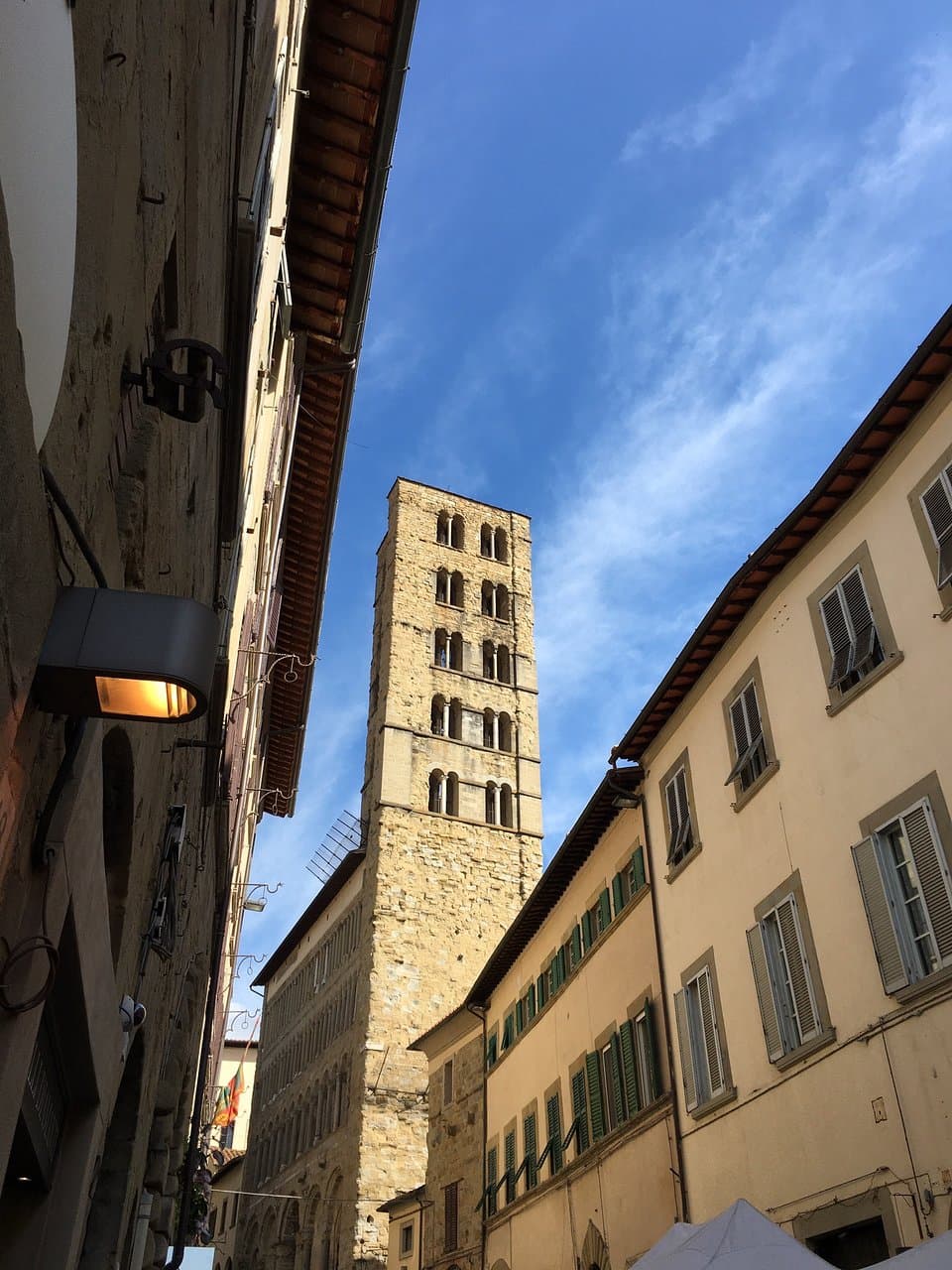
An elegant neo-Gothic facade adorned with a mosaic of Christ the King, offering a beautiful first impression.
Plans like a pro.
Thinks like you
Planning Your Visit
Timing Your Visit
Appreciating the Art
Best Times
Insider Tips
from TikTok, Instagram & Reddit
🤫 Seek Quiet Moments
Visit during off-peak hours for a truly serene experience. Avoid midday crowds for best reflection.
🙏 Admire the Crucifix
Don't miss the striking 17th-century wooden crucifix; it's a powerful piece that deeply moves visitors.
🖼️ Appreciate the Art
Take time to view the 14th-century frescoes and Neri di Bicci's panel for a dose of history.
✨ Hidden Gem Status
This church is a peaceful escape from tourist hustle. Enjoy its understated beauty.
Tips
from all over the internet
🤫 Seek Quiet Moments
Visit during off-peak hours for a truly serene experience. Avoid midday crowds for best reflection.
🙏 Admire the Crucifix
Don't miss the striking 17th-century wooden crucifix; it's a powerful piece that deeply moves visitors.
🖼️ Appreciate the Art
Take time to view the 14th-century frescoes and Neri di Bicci's panel for a dose of history.
✨ Hidden Gem Status
This church is a peaceful escape from tourist hustle. Enjoy its understated beauty.
What Travellers Say
Reviews Summary
Visitors describe Chiesa dei Santi Michele e Adriano Badia Nuova as a simple yet beautiful church, a hidden gem offering a peaceful escape from tourist crowds. Its historical significance and artistic treasures, particularly a striking wooden crucifix and medieval frescoes, are frequently praised.
"Simple but nice church."
Googl I
"The Church of SS. Michele and Adriano dates back to the 8th century, with first documented mentions in the 11th century. Originally Romanesque, it was enlarged in Gothic style in the 14th century, enriched with chapels and works of art. In the 15th century it became an abbey, but from the 16th century onwards it underwent a slow decline, despite being restored. In the 17th century the monastery was closed and the church remained a parish, later also acquiring the title of Sant'Adriano. In the 19th century the façade was decorated with a neoclassical pronaos, later replaced by a neo-Gothic façade in the 1930s, with a mosaic depicting Christ between Saints Michael and Adrian. The Romanesque-Gothic interior houses valuable works: 14th-century frescoes, a panel by Neri di Bicci (1466), and 18th-century sculptures. Despite restorations and losses, it retains significant traces of all the historical periods through which it has passed."
Francesco Gentile
"A small hidden gem along Corso Italia. Founded in the Middle Ages and remodeled over the centuries, it combines understated Romanesque and Gothic elegance with a neo-Gothic façade embellished with a mosaic of Christ the King. Inside, amidst a single nave and exposed beams, stand out the Madonna and Child by Neri di Bicci, a striking 17th-century wooden crucifix, and 14th-century frescoes. A secluded and peaceful place, perfect for those seeking art and spirituality away from mass tourism."
Dr. John's
What People Like
What People Dislike
Frequently Asked Questions
🚇 🗺️ Getting There
The church is located along Corso Italia, making it easily accessible on foot if you're exploring the city center. It's a 'hidden gem' away from the main tourist throngs.
Parking in central Florence can be challenging. It's best to use public transport or walk. If driving, look for paid parking garages in the vicinity.
The church has a neo-Gothic facade and an interior with a single nave. While generally accessible, it's advisable to check for any specific architectural barriers if mobility is a concern.
🎫 🎫 Tickets & Entry
Entry to the church is typically free, as it functions as a parish church. However, donations are greatly appreciated to help with its upkeep and preservation.
Opening hours can vary, as it is a working church. It's best to visit during daylight hours on weekdays when it's most likely to be open for visitors seeking art and spirituality.
You can visit during mass, but it's respectful to remain quiet and observe the service. Some services, like those mentioned in Instagram reels, might be special events. 
📸 📸 Photography
Photography is generally permitted for personal use, but it's always best to be discreet and respectful, especially during services. Avoid flash photography.
The 17th-century wooden crucifix and the 14th-century frescoes are popular subjects. The neo-Gothic facade also makes for a striking exterior shot. +1
Be mindful of any posted signs regarding photography. Some areas or specific artworks might have restrictions.
🎫 🏛️ History & Art
Dating back to the 8th century, it was originally Romanesque, enlarged in Gothic style, and later became an abbey. It has undergone various restorations and modifications throughout the centuries.
Key pieces include 14th-century frescoes, a 15th-century panel by Neri di Bicci, and a notable 17th-century wooden crucifix. +1
The church showcases a blend of Romanesque and Gothic elements, with a later neo-Gothic facade.
For Different Travelers
Tailored advice for your travel style
👨👩👧 Families with Kids
While there aren't specific child-focused activities, the church's historical art, like the 14th-century frescoes, can spark curiosity. Encourage children to look for details and imagine life in medieval times. Remember to maintain a quiet demeanor inside, respecting the sacred space.
✨ Art & History Enthusiasts
The 17th-century wooden crucifix is a standout piece, celebrated for its realism and emotional depth, offering a unique artistic experience. The church's history as an abbey and its subsequent transformations add another layer of interest. It's a perfect destination for those seeking to delve deeper into Florence's less-publicized historical and artistic narratives.
Deep Dives
In-depth insights and expert knowledge
A Journey Through Time: The History of Badia Nuova
Further transformations occurred in the 19th century with the addition of a neoclassical pronaos, which was later replaced by the current neo-Gothic facade in the 1930s. This facade is distinguished by a mosaic depicting Christ between Saints Michael and Adrian. The interior, though having experienced losses over time, still retains significant traces of its past. It features a single nave with exposed beams, offering a more intimate and less overwhelming experience compared to larger Florentine churches.
Despite the various renovations and historical shifts, the church remains a testament to its enduring legacy. It offers visitors a unique opportunity to witness the evolution of architectural and artistic styles across different eras, making it a fascinating stop for history enthusiasts. The blend of Romanesque, Gothic, and Neo-Gothic elements provides a rich visual narrative of its long existence.
Artistic Treasures Within
Beyond the crucifix, the church preserves 14th-century frescoes that offer a glimpse into its medieval artistic heritage. These ancient murals, though potentially faded by time, are crucial in understanding the church's early decorative schemes. Additionally, a panel by Neri di Bicci, dating from 1466, showcases the Renaissance artistry that graced the church during that period. The presence of these works, alongside 18th-century sculptures, contributes to the church's value as a repository of art and history.
These artistic elements, combined with the church's historical architecture, create a contemplative atmosphere. Visitors often find themselves drawn to the quiet contemplation these pieces inspire, making a visit to Badia Nuova a rewarding experience for those who appreciate art and spirituality away from the bustling crowds.

Social
from TikTok, Instagram & Reddit