
Aqueduct of Vanvitelli (Ponti della Valle)
An 18th-century engineering marvel, this 38km aqueduct by Luigi Vanvitelli features monumental arches in Valle di Maddaloni.
Highlights
Must-see attractions

Social
From TikTok & Reddit
Best Time
Fewer crowds, better light
Aqueduct of Vanvitelli (Ponti della Valle)
Best Time
Fewer crowds, better light
Highlights
Must-see attractions
An 18th-century engineering marvel, this 38km aqueduct by Luigi Vanvitelli features monumental arches in Valle di Maddaloni.
"Massive, breathtaking, and unbelievable that our ancestors could engineer and build something so impressive. "
Don't Miss the Valle di Maddaloni
The most iconic part! It's much bigger than you imagine. :camerawithflash:
Parking Challenges
Parking can be difficult. Look for lay-bys after the aqueduct if coming from Caserta. 🚗
Quick Facts
Hours
Rating
4.7 · 1,546 reviews
Type
Monument
Highlights
Discover the most iconic attractions and experiences
The Three-Tiered Arches
Valle di Maddaloni
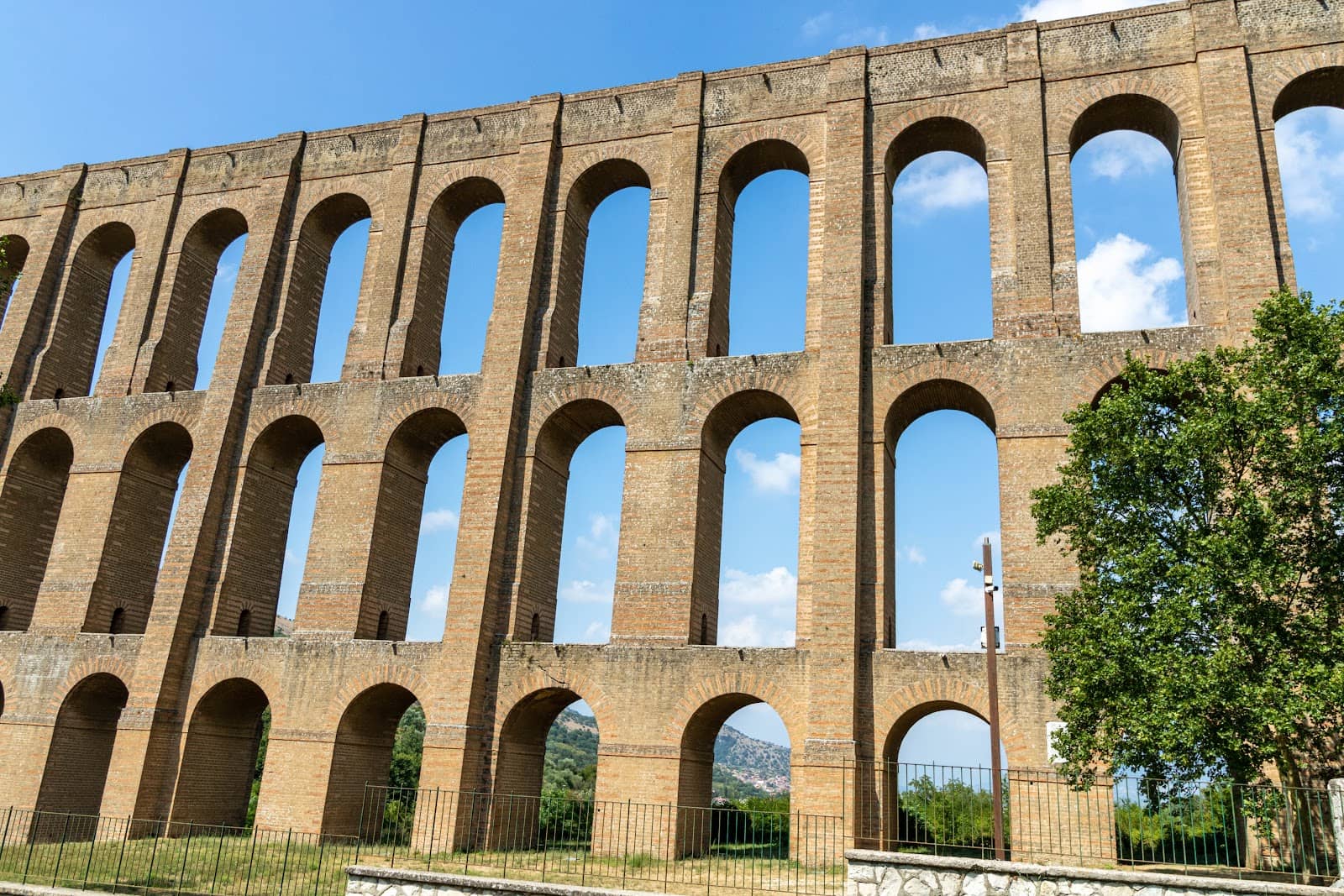
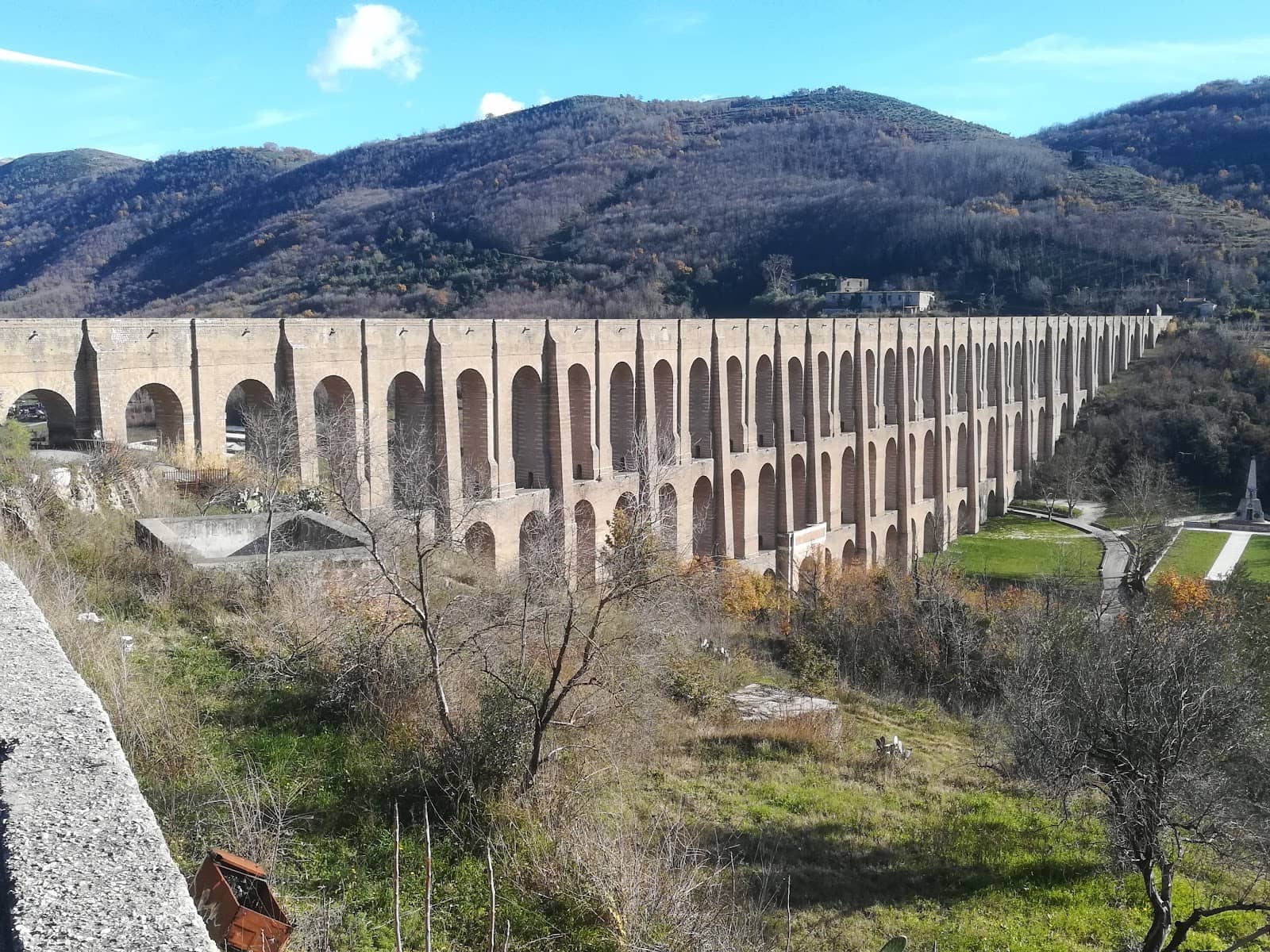
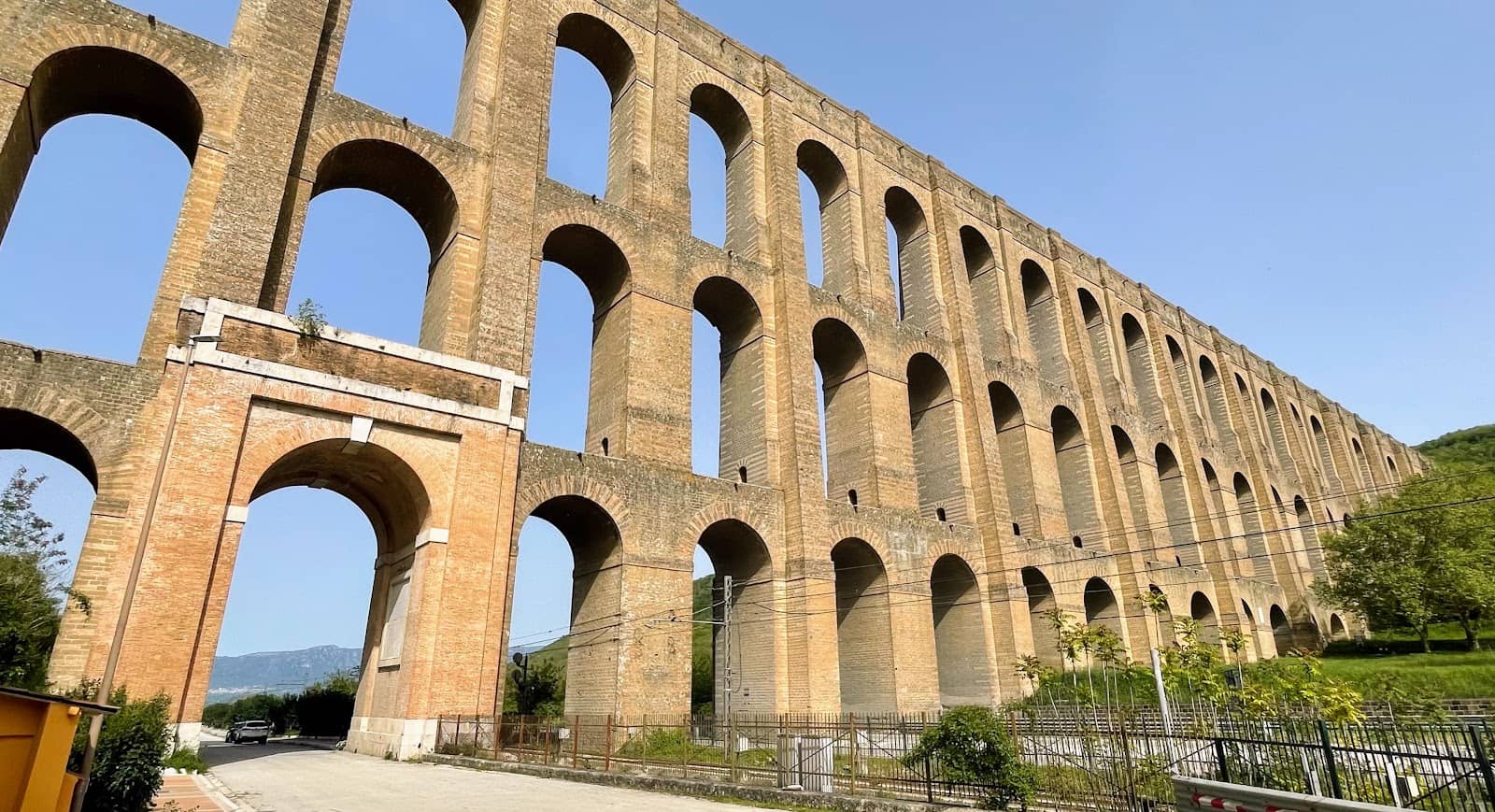
A monumental 529-meter tufa-arched section, 55.8 meters high, bridging two mountains.
Engineering Marvel
An 18th-century masterpiece of engineering, stretching 38 km to supply water to the Royal Palace.
Scenic Landscape Integration
This impressive structure blends seamlessly into the natural landscape, offering breathtaking views.
Plans like a pro.
Thinks like you
Planning Your Visit
Timing Your Visit
Getting There & Parking
Best Times
Insider Tips
from TikTok, Instagram & Reddit
Don't Miss the Valle di Maddaloni
The most iconic part! It's much bigger than you imagine. :camerawithflash:
Parking Challenges
Parking can be difficult. Look for lay-bys after the aqueduct if coming from Caserta. 🚗
Trail to the Top
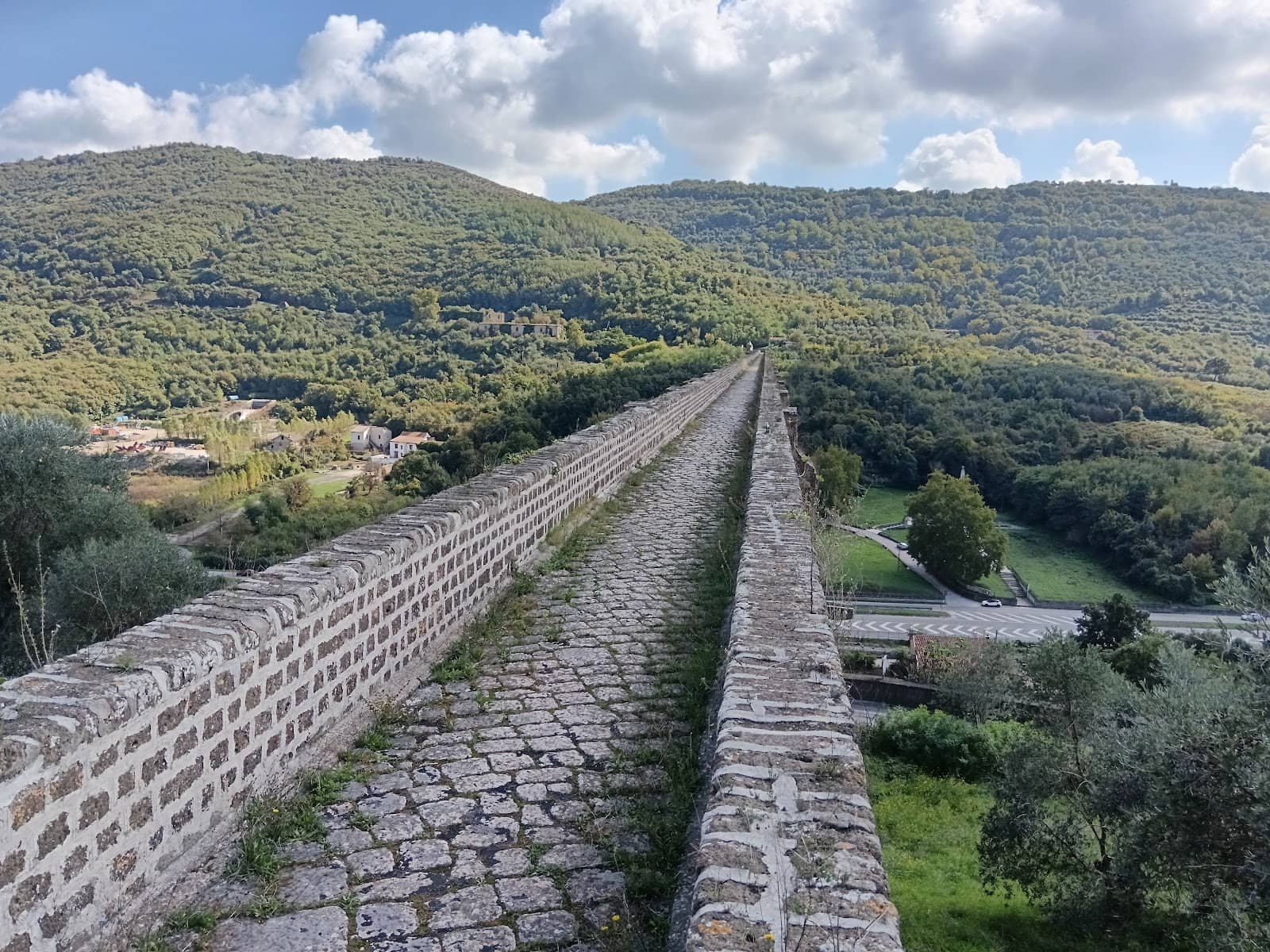
You can't walk on top, but a nice trail leads up for great views. :hiking_boot:
Quick Stop Worth It
Even a short 10-minute stop is worthwhile to see this magnificent piece of history. :stopwatch:
Tips
from all over the internet
Don't Miss the Valle di Maddaloni
The most iconic part! It's much bigger than you imagine. :camerawithflash:
Parking Challenges
Parking can be difficult. Look for lay-bys after the aqueduct if coming from Caserta. 🚗
Trail to the Top
You can't walk on top, but a nice trail leads up for great views. :hiking_boot:
Quick Stop Worth It
Even a short 10-minute stop is worthwhile to see this magnificent piece of history. :stopwatch:
Appreciate the Arches
The three tiers of arches are considered a triptych of art, symbolizing passage. 🎨
What Travellers Say
Reviews Summary
Visitors are consistently impressed by the sheer scale and engineering brilliance of the Aqueduct of Vanvitelli, particularly the monumental arches in Valle di Maddaloni. Many find it a breathtaking sight that blends beautifully with the landscape, and a worthwhile stop even for a short visit. Parking can be a minor inconvenience, and direct access to the top is restricted, but the overall experience is highly positive.
"Impressive aqueduct that blends into the landscape. Nice place to visit/spot when driving by. Parking can be tricky but there is a lay-by after the aqueduct if coming from Caserta direction."
Legends l
"Definitely worth visiting it's just so much bigger than I imagined. It is in very nice condition. You cant walk on the top due to a gate. But you can follow a nice trail up to the top and see it."
Al c
"When you visit the Royal Palace of Caserta you don’t wanna miss this wonderful aqueduct just 10 km away from the palace.
Mostly underground, the aqueduct is well known for its well-preserved and absolutely amazing, three-tier, 529-metre-long tufa-arched section bridging the Valle di Maddaloni between Monte Longano and Monte Garzano. This section was modelled after Roman arched aqueducts, is 55.8 metres high at its highest point, crosses what is now highway SP335 — and was designated a World Heritage Site in 1997.
The Aqueduct of Vanvitelli or Caroline Aqueduct is a 38 km aqueduct that supplied water to the Reggia di Caserta and the San Leucio complex from the foot of the Taburno massif and springs of the Fizzo Contrada, in the territory of Bucciano.
Commissioned by Charles of Bourbon, the aqueduct was designed by and named after Luigi Vanvitelli. Construction began in March 1753 and it opened on 7 May 1762. It is located in SS265, 81020 Valle di Maddaloni CE, Italy."
Stefano Prina
What People Like
What People Dislike
Frequently Asked Questions
🚇 🗺️ Getting There
From Naples, you can drive towards Caserta. The aqueduct is located about 10 km from the Reggia di Caserta, along the SS265 road in Valle di Maddaloni. Public transport options are limited, so a car is recommended for ease of access.
Parking can be challenging. Visitors often find lay-bys after passing the aqueduct when coming from Caserta, or look for small side streets. Be cautious of resident-only parking zones.
While it's only about 10 km, walking is not typically recommended due to road conditions and lack of pedestrian paths. Driving is the most practical way to reach the aqueduct.
Driving by and stopping at a safe point is common. For a closer look, follow the trail up to the top of the arches for panoramic views.
Public transport directly to the aqueduct is limited. It's best accessed by car. If using public transport to Caserta, you would likely need to arrange a taxi or private transfer for the final leg.
🎫 🎫 Tickets & Entry
No, the Aqueduct of Vanvitelli is generally accessible without an entrance fee. It's an outdoor historical site.
As an outdoor monument, there are no set opening hours. You can visit it at any time, though daylight hours are best for viewing and photography.
The Valle di Maddaloni section, the most famous part of the aqueduct, is free to visit.
Access to walk directly on top of the aqueduct is restricted by a gate. However, a trail allows visitors to walk up to a vantage point for excellent views.
No, the Aqueduct of Vanvitelli is a separate site located about 10 km away from the Reggia di Caserta and is not included in the palace's admission ticket.
📸 📸 Photography
Early mornings and late afternoons offer the best light for photography, creating a dramatic effect on the arches. Golden hour can be particularly stunning.
The three-tiered, 529-meter-long section in the Valle di Maddaloni is the most iconic and photogenic part, showcasing its immense scale and architectural beauty.
Yes, there's a trail that leads up to a vantage point offering a fantastic perspective of the entire arched structure.
Drone regulations can vary. It's advisable to check local drone laws and obtain any necessary permits before flying near historical sites like the aqueduct.
Wide-angle shots to capture the scale of the arches against the landscape, and detail shots of the stonework are highly recommended.
🎫 🏛️ History & Architecture
The aqueduct was designed by Luigi Vanvitelli, a renowned architect, and named after him.
Construction began in March 1753 and it was completed and opened on May 7, 1762, commissioned by Charles of Bourbon.
Its primary purpose was to supply water to the grand Reggia di Caserta and the San Leucio complex, including its fountains.
The aqueduct stretches an impressive 38 kilometers (approximately 24 miles) from the springs of the Fizzo Contrada to the Reggia di Caserta.
This section is a masterpiece of engineering, featuring three tiers of arches that span the valley, reaching a height of 55.8 meters. It was modeled after Roman aqueducts.
You may also like

Basilica of Sant'Angelo in Formis

San Silvestro Wood WWF Oasis

Royal Palace of Caserta
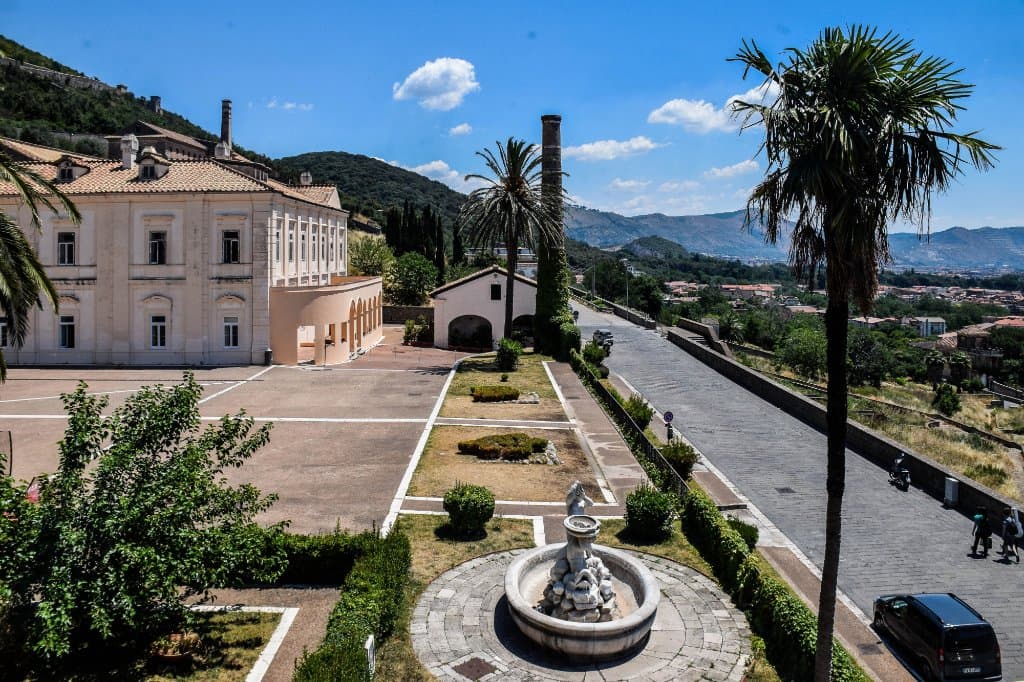
San Leucio Silk Museum
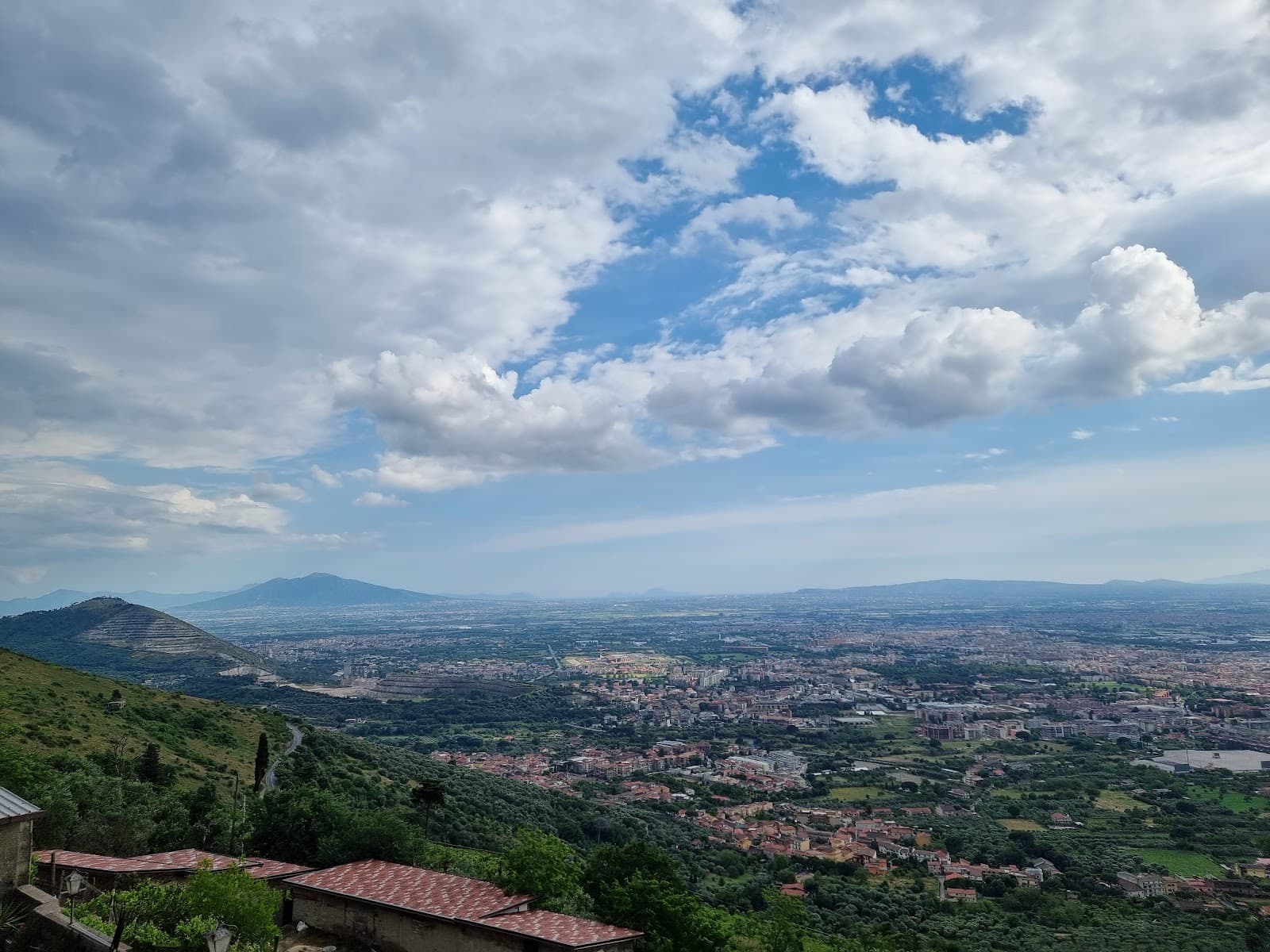
Belvedere Casertavecchia
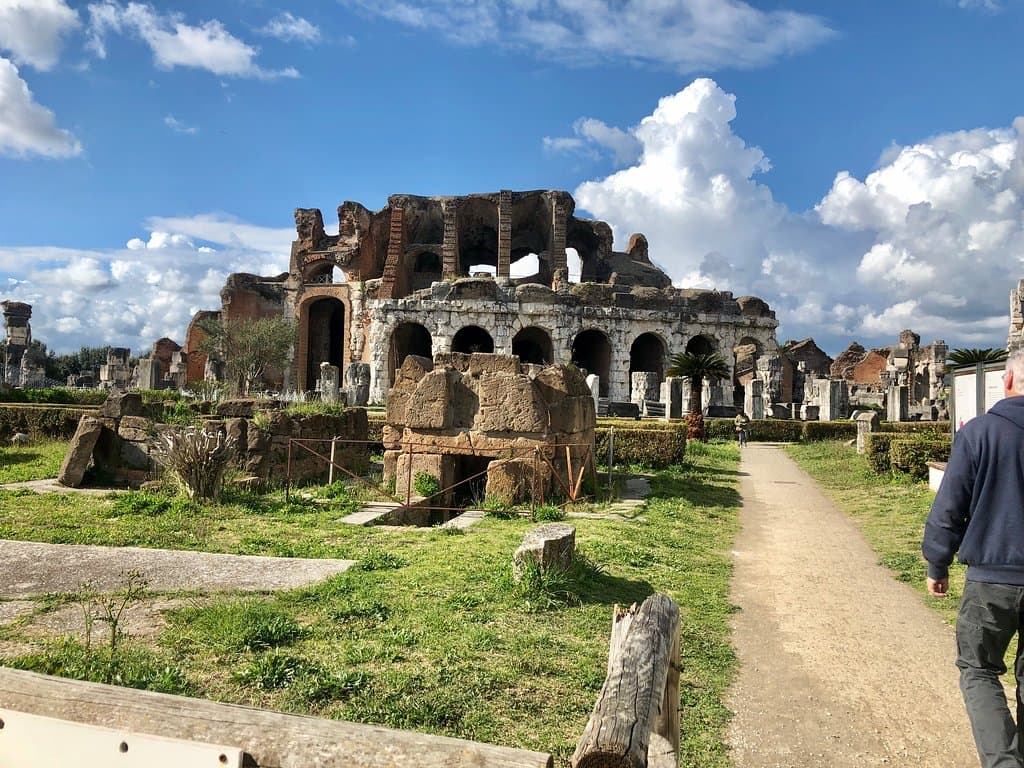
Archaeological Museum of Ancient Capua SMCV
Basilica of Sant'Angelo in Formis
San Silvestro Wood WWF Oasis
Royal Palace of Caserta
San Leucio Silk Museum
Belvedere Casertavecchia
Archaeological Museum of Ancient Capua SMCV
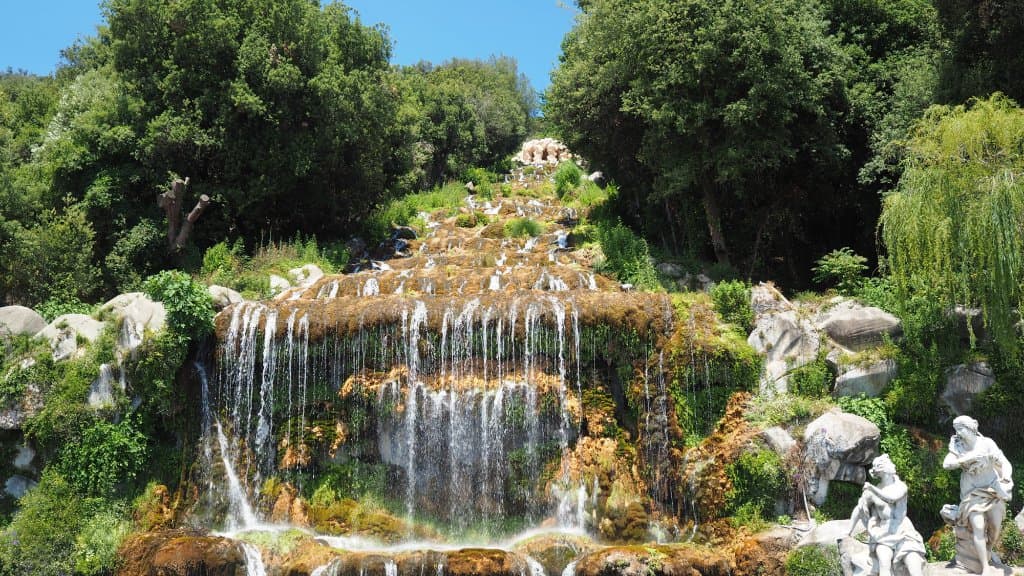
English Garden Royal Park
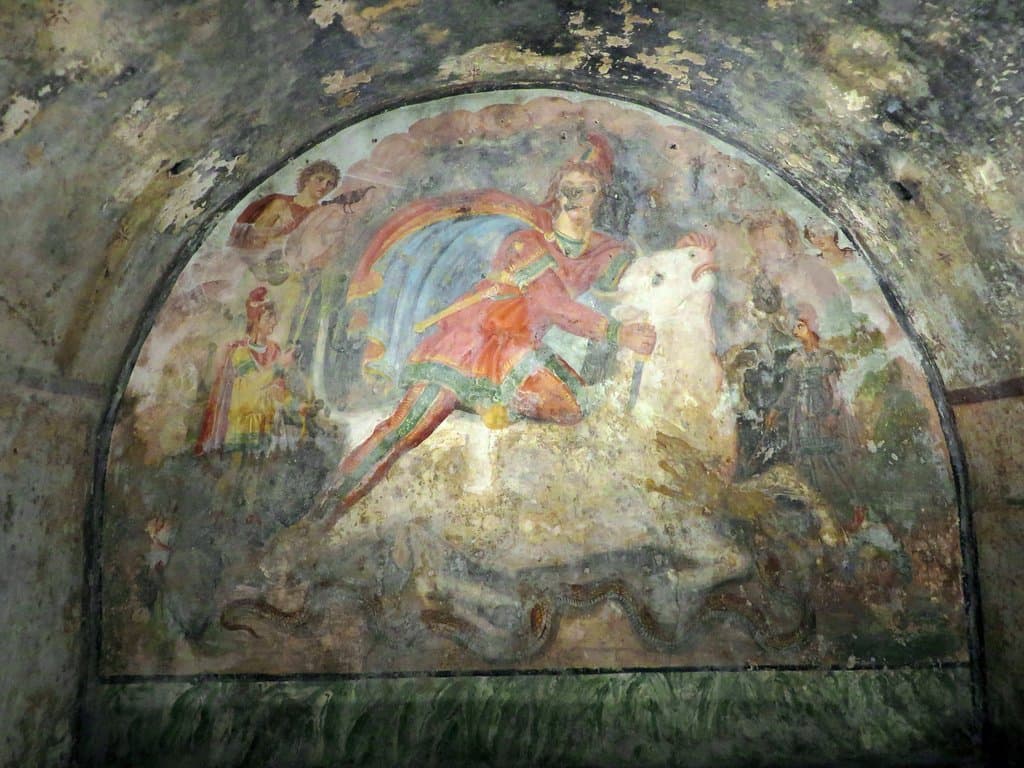
Mithraeum Santa Maria Capua Vetere

Archaeological Museum of Calatia Maddaloni
Social
from TikTok, Instagram & Reddit