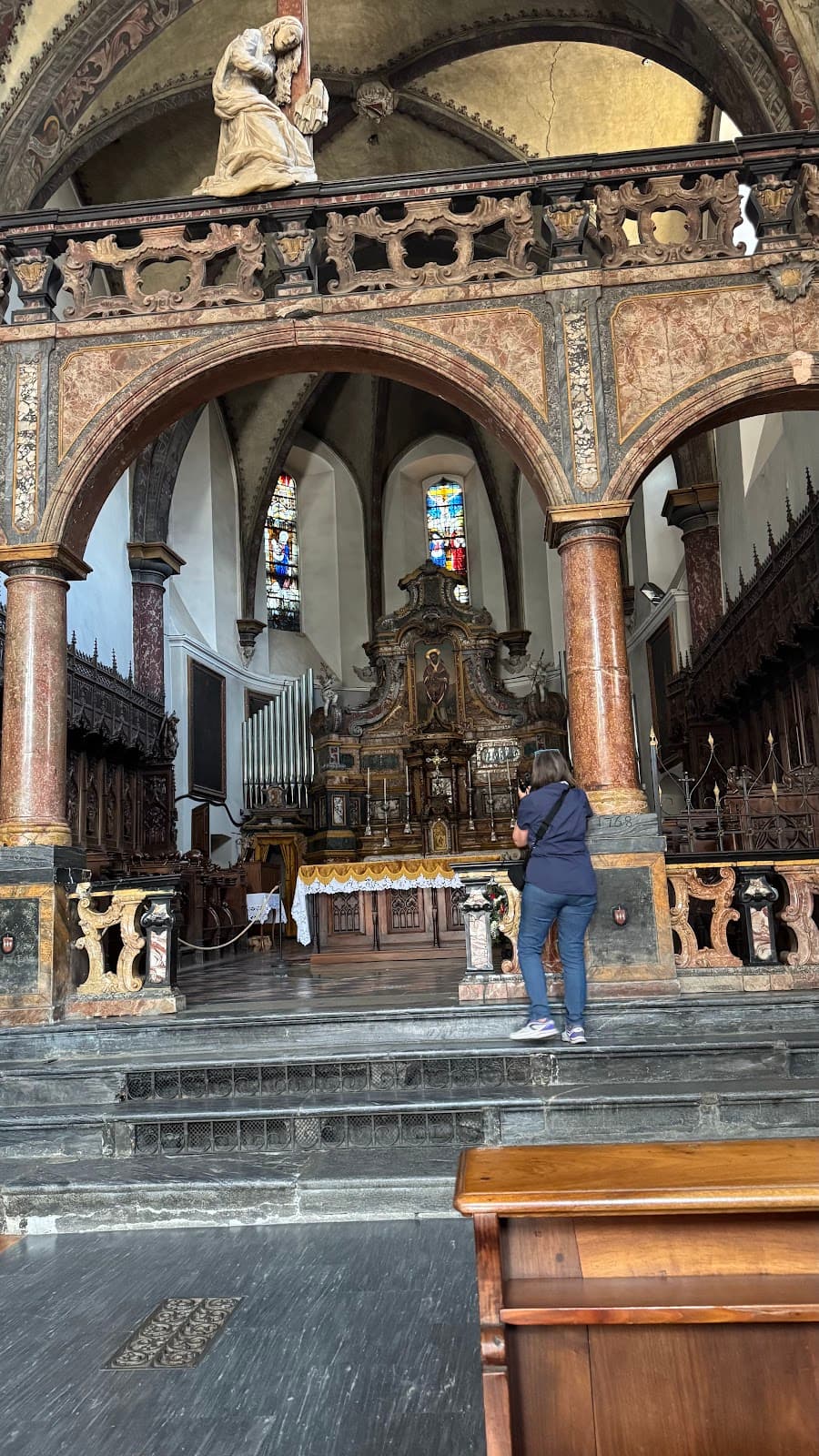
Sant'Orso Collegiate Church and Cloister
A thousand-year-old complex in Aosta, blending Romanesque, Gothic, and Baroque styles with stunning frescoes and a mystical crypt.
Highlights
Must-see attractions

Social
From TikTok & Reddit
Best Time
Fewer crowds, more peaceful
Sant'Orso Collegiate Church and Cloister
Best Time
Fewer crowds, more peaceful
Highlights
Must-see attractions
A thousand-year-old complex in Aosta, blending Romanesque, Gothic, and Baroque styles with stunning frescoes and a mystical crypt.
"A unique and mystical experience with curious architecture and history, peaking in the crypt."

Book a Guided Tour
Enhance your visit with a guide to understand the cloister capitals and frescoes.
Explore the Crypt
Don't miss the mystical atmosphere and ancient history of the paleochristian crypt.

Highlights
Discover the most iconic attractions and experiences
Romanesque Bell Tower
Exterior
A towering 42-meter testament to Romanesque architecture, offering a striking silhouette.
Medieval Frescoes
Church Interior
Vibrant medieval paintings adorning the church walls, showcasing centuries of artistry.
Cloister Capitals
Cloister
Intricately carved capitals depicting biblical scenes and daily life, a highlight for art lovers.
Paleochristian Crypt
Underneath the Church
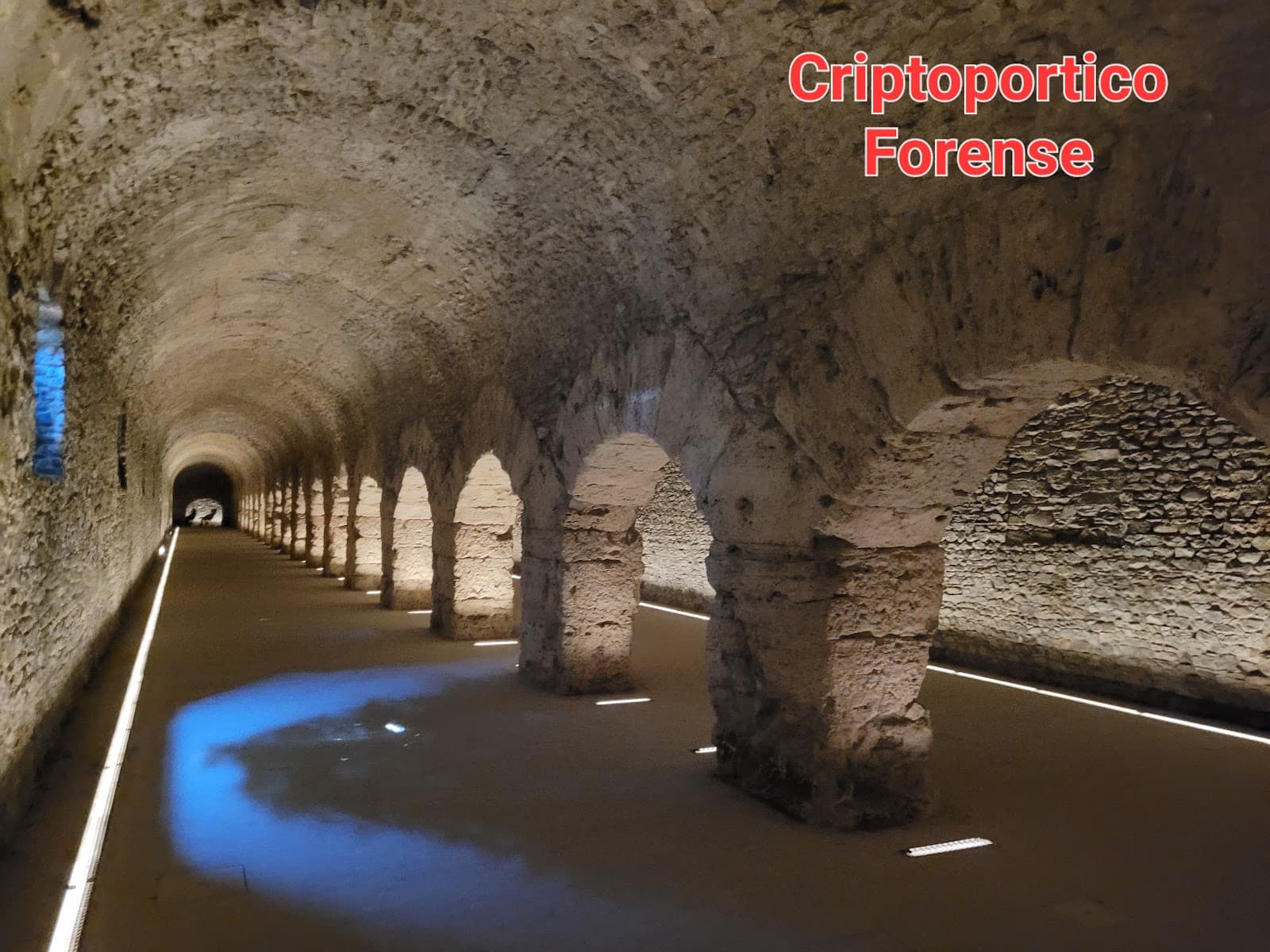
A mystical and ancient space, offering a glimpse into the site's earliest history.
Plans like a pro.
Thinks like you
Planning Your Visit
Timing Your Visit to Sant'Orso
Unlocking Sant'Orso's Secrets
Best Times
Insider Tips
from TikTok, Instagram & Reddit
Book a Guided Tour
Enhance your visit with a guide to understand the cloister capitals and frescoes.
Explore the Crypt
Don't miss the mystical atmosphere and ancient history of the paleochristian crypt.
Admire the Frescoes
The medieval frescoes inside the church are absolutely noteworthy and a must-see.
Check Bell Tower Access
The Romanesque bell tower is a striking feature, inquire about access for views.
Tips
from all over the internet
Book a Guided Tour
Enhance your visit with a guide to understand the cloister capitals and frescoes.
Explore the Crypt
Don't miss the mystical atmosphere and ancient history of the paleochristian crypt.
Admire the Frescoes
The medieval frescoes inside the church are absolutely noteworthy and a must-see.
Check Bell Tower Access
The Romanesque bell tower is a striking feature, inquire about access for views.
What Travellers Say
Reviews Summary
Visitors praise Sant'Orso for its unique blend of curious architecture and mystical history, with the crypt being a particular highlight. The intricate cloister capitals and noteworthy frescoes are frequently mentioned as captivating elements. While the mix of Gothic and Baroque styles is appreciated, some may find the historical depth requires a guide to fully unlock.
"Another point of interest to visit in Aosta, the curious architecture and history blend together in a unique and mystical experience that reaches its peak with a visit to the crypt. The guide provided at the entrance is very helpful in appreciating the specifics of each individual capital in the cloister. The paintings and frescoes inside the church are absolutely noteworthy."
Massimo Brignole
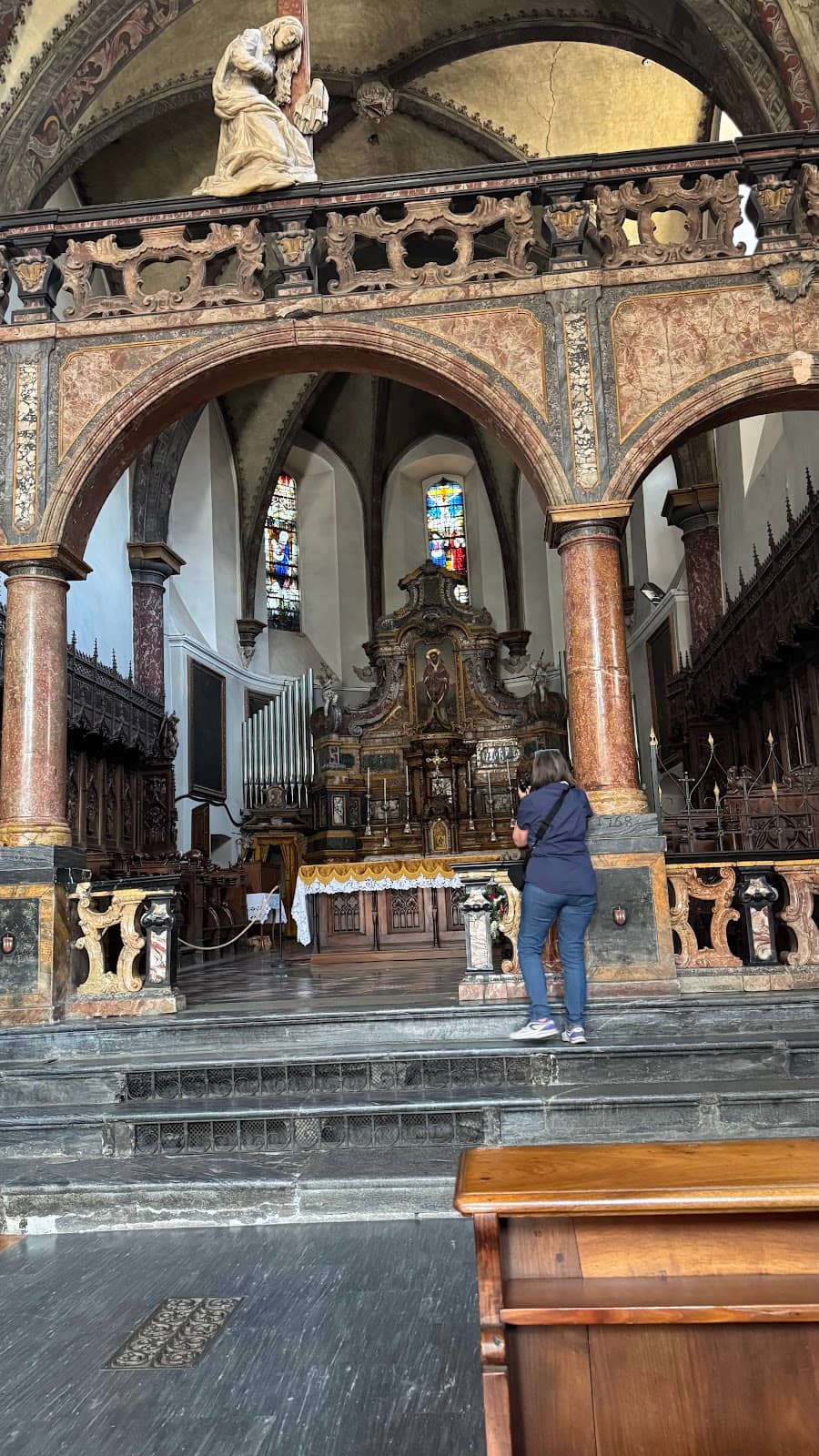
"This church is also very beautiful both inside and outside. The dark marble altar and the painting depicting Saint Ursus are also very beautiful. The church is a mix between Gothic and Baroque. The interior is Gothic with Baroque side chapels which are also very beautiful. The difference between Gothic and Baroque is clearly visible. Recommended."
Roberto Pozzati
"Thanks to Cinzia, an excellent tour guide, who accompanied us to this beautiful complex (church, cloister, priory)."
Ornella
What People Like
What People Dislike
Frequently Asked Questions
🚇 🗺️ Getting There
The Sant'Orso Collegiate Church and Cloister is located in the heart of Aosta, easily accessible on foot from the city center. If arriving by car, there are parking facilities nearby. Public transport options within Aosta are also available.
While the main church and cloister areas are generally accessible, some older parts like the crypt or upper levels of the bell tower may have limited accessibility. It's advisable to check in advance for specific needs.
Aosta is a very walkable city. Exploring on foot allows you to discover its Roman heritage and charming streets before reaching the church.
🎫 🎫 Tickets & Entry
Entry to the church itself is often free, but there might be a fee for accessing the cloister, crypt, or for guided tours. It's best to check the official website or inquire on-site for the most current information.
Opening hours can vary seasonally and may differ for the church, cloister, and crypt. It's recommended to check the official website or contact the site directly for the most up-to-date hours before your visit.
Yes, guided tours are highly recommended to fully appreciate the historical and artistic details, especially the cloister capitals and frescoes. Tours can often be booked at the entrance or in advance.
The paleochristian crypt is a significant part of the complex and is usually accessible, often as part of a guided tour or with a separate ticket. Its mystical atmosphere is a major draw.
📸 📸 Photography
Photography is generally permitted inside the church and cloister, but flash photography is usually prohibited to protect the delicate frescoes and artworks. Always look for signage or ask staff if unsure.
The cloister with its carved capitals, the detailed frescoes inside the church, and the exterior view of the Romanesque bell tower are prime photography locations. +1
Photography rules for the crypt can vary. Due to its sensitive nature and historical significance, it's best to confirm if photos are allowed and if any restrictions apply.
🎫 🏛️ History & Architecture
This complex dates back over a thousand years, with origins in the paleochristian era. It's a significant site for understanding the religious and architectural evolution in the Valle d'Aosta region.
The site showcases a fascinating blend of architectural styles, including Romanesque (bell tower), Gothic (church interior), and Baroque (side chapels), reflecting its long history.
The church boasts remarkable medieval frescoes, offering a vibrant visual narrative of religious stories and historical events.
The cloister is renowned for its unique and intricately carved capitals, each telling a story through detailed sculptures. It's a masterpiece of Romanesque art.
For Different Travelers
Tailored advice for your travel style
👨👩👧 Families with Kids
While the crypt offers a sense of mystery, ensure children are supervised due to the historical and potentially fragile environment. Consider a shorter, focused visit to keep their attention, perhaps highlighting the bell tower and a few key capitals.
🏛️ History Buffs
Engaging with a knowledgeable guide is highly recommended to fully unpack the historical layers and understand the significance of each element. The crypt, in particular, offers a direct connection to the earliest periods of the site's history.
Deep Dives
In-depth insights and expert knowledge
The Artistry of the Cloister Capitals
Visitors are encouraged to take their time exploring each capital, noticing the variations in style and subject matter. Some depict well-known biblical narratives, while others feature more enigmatic symbols and creatures. The sheer artistry involved in creating such detailed works without modern tools is a testament to the skill of the medieval artisans.
To truly appreciate these masterpieces, consider joining a guided tour. Local guides can point out specific details, explain the symbolism, and bring the stories behind the carvings to life, transforming a visual experience into a deeper historical and cultural understanding.
A Journey Through Time: Architecture and Frescoes
The church's interior is further enriched by its stunning medieval frescoes. These vibrant paintings, though aged, still convey powerful religious narratives and artistic skill. They offer a glimpse into the devotional practices and artistic sensibilities of the past. The contrast between the Gothic structure and the colorful frescoes creates a visually captivating experience.
Beyond the main church, the paleochristian crypt offers a more ancient and mystical atmosphere. This subterranean space provides a tangible connection to the earliest days of Christianity in the region, adding another layer of historical depth to the Sant'Orso complex.


Social
from TikTok, Instagram & Reddit