Museo Ratti dei Vini d'Alba
Discover the rich history and traditions of Piedmontese winemaking at Museo Ratti dei Vini d'Alba. A journey through centuries of viticulture.
Highlights
Must-see attractions

Social
From TikTok & Reddit
Best Time
Fewer crowds, more serene
Museo Ratti dei Vini d'Alba
Best Time
Fewer crowds, more serene
Highlights
Must-see attractions
Discover the rich history and traditions of Piedmontese winemaking at Museo Ratti dei Vini d'Alba. A journey through centuries of viticulture.
"A fascinating deep dive into the heart of Italian wine culture."

Book in Advance
While not always mandatory, booking tickets online can save time, especially during peak season. :admission_tickets:
Wear Comfortable Shoes
You'll be doing a fair bit of walking and standing to explore the exhibits. :athletic_shoe:

Highlights
Discover the most iconic attractions and experiences

The Art of Winemaking
Main Exhibition Halls
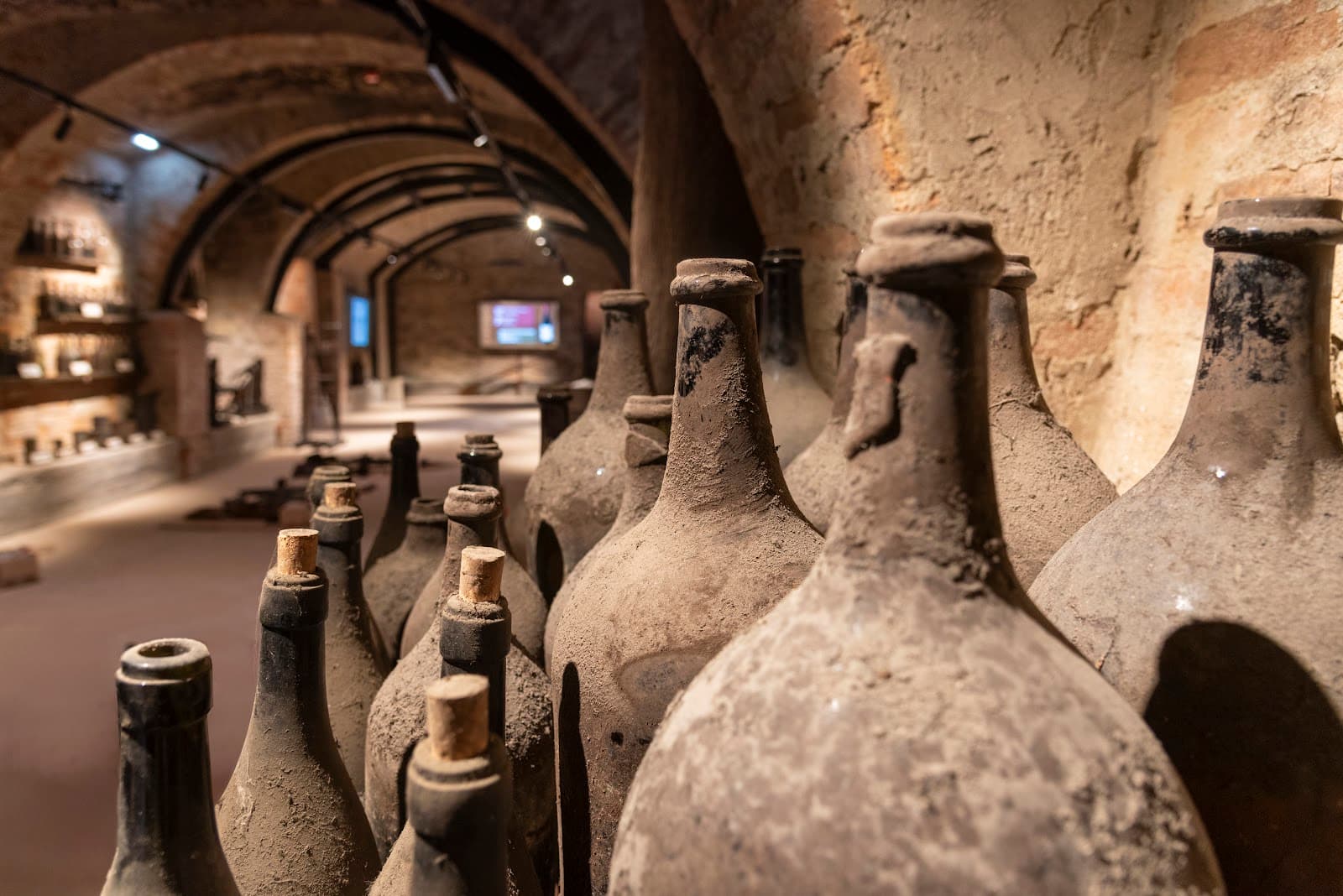
Explore centuries of winemaking history, from ancient tools to modern techniques. A journey through Piedmont's viticultural heritage.
Vineyard Landscapes
Panoramic Views
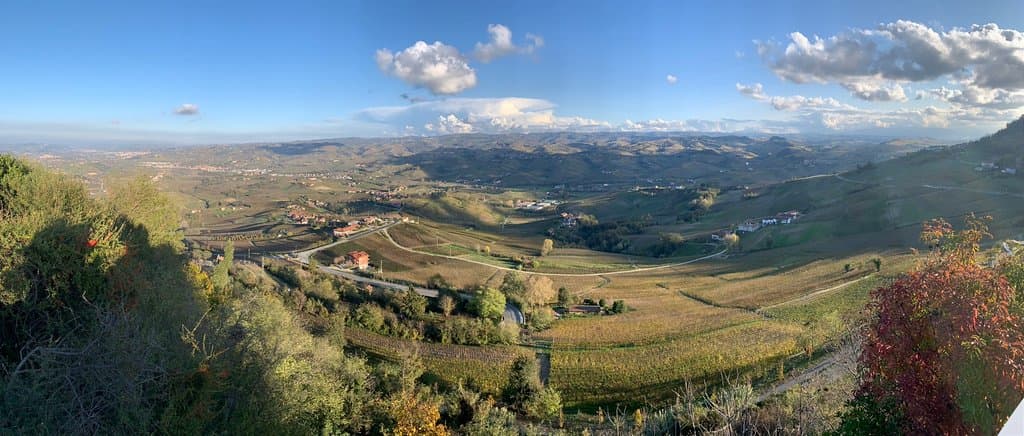
Discover stunning depictions of the rolling vineyards that define the Langhe region. Visual stories of the land and its bounty.
Tasting Traditions
Interactive Displays
Learn about the rituals and traditions surrounding wine tasting in Piedmont. An educational and sensory experience.
Plans like a pro.
Thinks like you
Planning Your Visit
Timing is Everything
Embrace the Local Flavors
Best Times
Insider Tips
from TikTok, Instagram & Reddit
Book in Advance
While not always mandatory, booking tickets online can save time, especially during peak season. :admission_tickets:
Wear Comfortable Shoes
You'll be doing a fair bit of walking and standing to explore the exhibits. :athletic_shoe:
Allow Ample Time
Don't rush your visit; dedicate at least 2-3 hours to fully absorb the museum's rich content. :clock1:
Check for Tours
Guided tours can offer deeper insights into the history and culture of Piedmontese wine. :information_desk:
Tips
from all over the internet
Book in Advance
While not always mandatory, booking tickets online can save time, especially during peak season. :admission_tickets:
Wear Comfortable Shoes
You'll be doing a fair bit of walking and standing to explore the exhibits. :athletic_shoe:
Allow Ample Time
Don't rush your visit; dedicate at least 2-3 hours to fully absorb the museum's rich content. :clock1:
Check for Tours
Guided tours can offer deeper insights into the history and culture of Piedmontese wine. :information_desk:
What Travellers Say
Reviews Summary
Visitors praise the Museo Ratti dei Vini d'Alba for its comprehensive collection and insightful look into Piedmontese wine history. Many appreciate the educational value and the connection it provides to the region's rich viticultural heritage. Some suggest that while informative, the museum might benefit from more interactive elements to engage a wider audience.
""
Grazia Negro
What People Like
What People Dislike
Frequently Asked Questions
🚇 🗺️ Getting There
The museum is located in Alba, Piedmont. If arriving by car, there is parking available nearby. Public transport options include regional trains to Alba station, followed by a short walk or local bus. Many visitors find it convenient to combine a visit with exploring the charming town of Alba itself.
Yes, Alba is well-connected by regional trains. From the Alba train station, it's a pleasant walk of about 15-20 minutes to the museum, or you can opt for a local bus service.
The most common way to reach Alba from Turin is by train, with direct or easily connected routes. The journey typically takes around 1 to 1.5 hours. Driving is also an option, offering more flexibility.
🎫 🎫 Tickets & Entry
Ticket prices can vary, and it's always best to check the official Museo Ratti dei Vini d'Alba website for the most current admission fees and any potential discounts for students or seniors. Booking online in advance is often recommended.
While not always strictly required, booking your tickets online ahead of time is a good idea, especially if you plan to visit during peak tourist seasons or weekends. This helps ensure entry and can save you time queuing.
Opening hours can change seasonally. It's essential to consult the museum's official website for the most up-to-date information on daily opening and closing times, as well as any specific holiday closures.
The museum occasionally hosts special exhibitions or events related to wine culture and history. Check their website or social media channels for announcements about upcoming happenings.
🎫 🧭 Onsite Experience
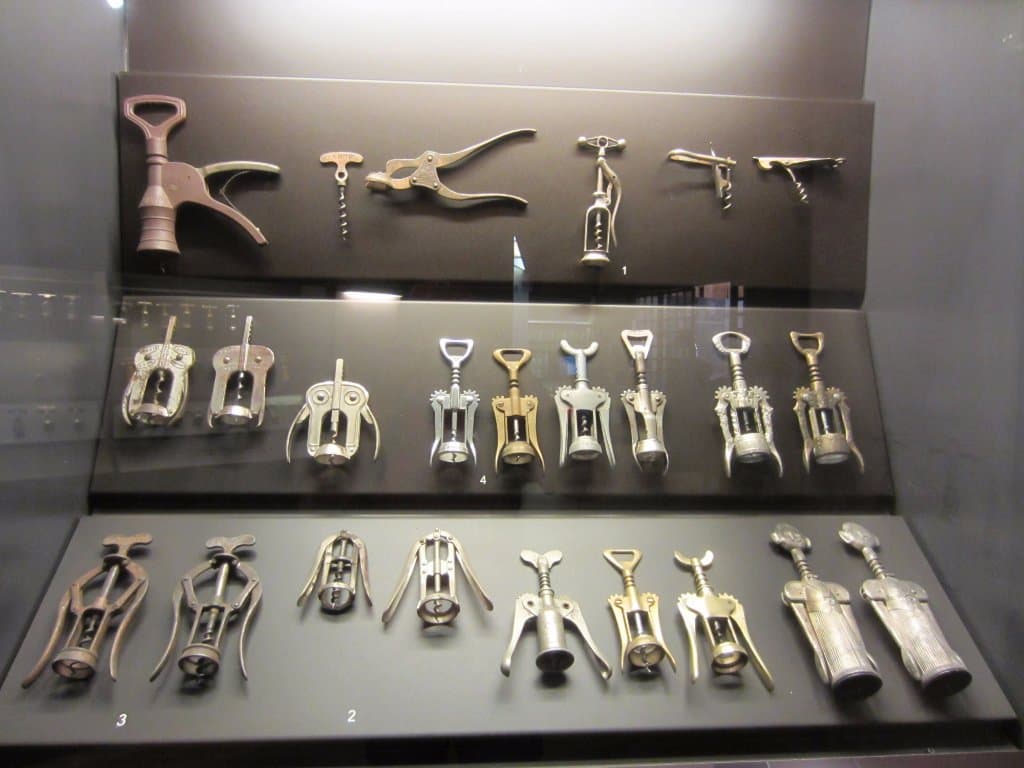
The museum offers a comprehensive look at the history of winemaking in the Piedmont region, showcasing ancient tools, traditional methods, and the cultural significance of wine. You can explore exhibits on vineyards, grape cultivation, and the evolution of wine production.
While the museum is primarily focused on history and culture, its visual displays and the story of winemaking can be engaging for older children. However, it might be less interactive for very young ones. Consider the age and interests of your children.
Most visitors spend between 2 to 3 hours exploring the museum to fully appreciate the exhibits. If you plan to delve deeply into each section or attend a guided tour, you might need a bit more time.
Photography policies can vary. Generally, personal photography for non-commercial use is permitted, but flash photography or tripods might be restricted. It's advisable to check for signage or ask museum staff upon arrival.
🍽️ 🍽️ Food & Dining
The museum itself may not have a full-service restaurant, but it's common for such institutions to have a small café or vending machines for light refreshments. For a more substantial meal, the town of Alba offers numerous excellent restaurants and trattorias.
Alba is famous for its truffles, especially during the autumn truffle season. Other local specialties include tajarin (thin egg pasta), agnolotti del plin (small filled pasta), and various meat dishes. Don't forget to sample the local wines like Barolo and Barbaresco.
The museum is located within Alba, a town renowned for its gastronomy. You'll find a wide array of dining options, from casual trattorias to fine dining establishments, all within easy walking distance. Exploring the town center will reveal many culinary gems.
📸 📸 Photography
The museum's exhibits on winemaking tools and historical processes offer unique photographic subjects. Look for interesting textures, lighting, and the visual storytelling of the displays. The architecture of the building itself might also be photogenic.
Typically, personal photography without flash is allowed. However, it's always best to confirm with museum staff or look for posted signs, as some exhibits might have specific restrictions to protect the artifacts.
The lighting inside museums can be controlled, so the time of day might be less critical than the exhibit's own lighting. However, visiting during less crowded times can allow for more unobstructed shots.
For Different Travelers
Tailored advice for your travel style
👨👩👧 Families with Kids
To make the visit more enjoyable for younger family members, consider a shorter visit focused on the most visually interesting exhibits. Pair the museum experience with a walk around the charming town of Alba, perhaps stopping for gelato or a picnic in a park. The surrounding Langhe region also offers opportunities for outdoor exploration that can appeal to children.
🍷 Wine Enthusiasts
Beyond the museum, make sure to explore the surrounding Langhe region. Book tastings at local wineries to experience the terroir firsthand and meet the passionate producers. Consider visiting during harvest season for a truly immersive experience. The museum serves as an excellent primer, enhancing your appreciation for the wines you'll encounter throughout your journey.
🏛️ History Buffs
Beyond the museum's walls, the entire Langhe region is steeped in history, with medieval castles, ancient churches, and charming villages that tell stories of bygone eras. Explore the historic center of Alba itself, which boasts Roman ruins and medieval architecture. Combining the museum visit with explorations of these historical sites will provide a comprehensive understanding of the region's rich past.
Deep Dives
In-depth insights and expert knowledge
The History of Piedmontese Wine
Visitors can expect to see a fascinating collection of historical winemaking tools, from primitive presses and fermentation vessels to early bottling equipment. These artifacts offer a tangible connection to the past, illustrating the ingenuity and hard work involved in wine production before modern technology. The exhibits often highlight the specific grape varietals native to the region, such as Nebbiolo, Barbera, and Dolcetto, and explain their unique characteristics and the terroir that influences them.
Beyond the tools, the museum also explores the cultural and social significance of wine in Piedmontese life. Wine has been more than just a beverage; it's been integral to the economy, social gatherings, and traditions for centuries. Understanding this context enriches the appreciation of the wines produced today, connecting the visitor to the deep-rooted heritage that continues to shape the region's identity.
Exploring the Langhe Region
Beyond the museum, visitors are encouraged to wander through the vineyards, perhaps even visiting local wineries for tastings. Many small producers welcome visitors, offering a chance to meet the winemakers and learn about their specific philosophies and techniques. The scenic drives through the Langhe are an experience in themselves, with panoramic viewpoints offering stunning vistas of the vine-covered slopes, especially beautiful during sunrise or sunset.
Alba, the town hosting the museum, is also a destination in its own right. Famous for its white truffles (especially during the autumn season) and its vibrant culinary scene, Alba offers a perfect complement to the museum visit. Exploring its historic center, enjoying local delicacies, and soaking in the atmosphere provides a well-rounded experience of Piedmontese culture and gastronomy.
Social
from TikTok, Instagram & Reddit