Valley of Hinnom
The Valley of Hinnom, also known as Gehenna, is a historically and biblically significant site in Jerusalem, symbolizing divine judgment.
Highlights
Must-see attractions

Social
From TikTok & Reddit
Best Time
Beat the heat and crowds
Valley of Hinnom
Best Time
Beat the heat and crowds
Highlights
Must-see attractions
The Valley of Hinnom, also known as Gehenna, is a historically and biblically significant site in Jerusalem, symbolizing divine judgment.
"Beautiful valley worth a visit, with an epic bridge offering great views."
🚗 Parking is Limited
Arrive early or consider alternative transport as parking is scarce.
🚶♀️ Wear Comfortable Shoes
You'll be doing some walking to explore the valley and its surroundings.
Highlights
Discover the most iconic attractions and experiences
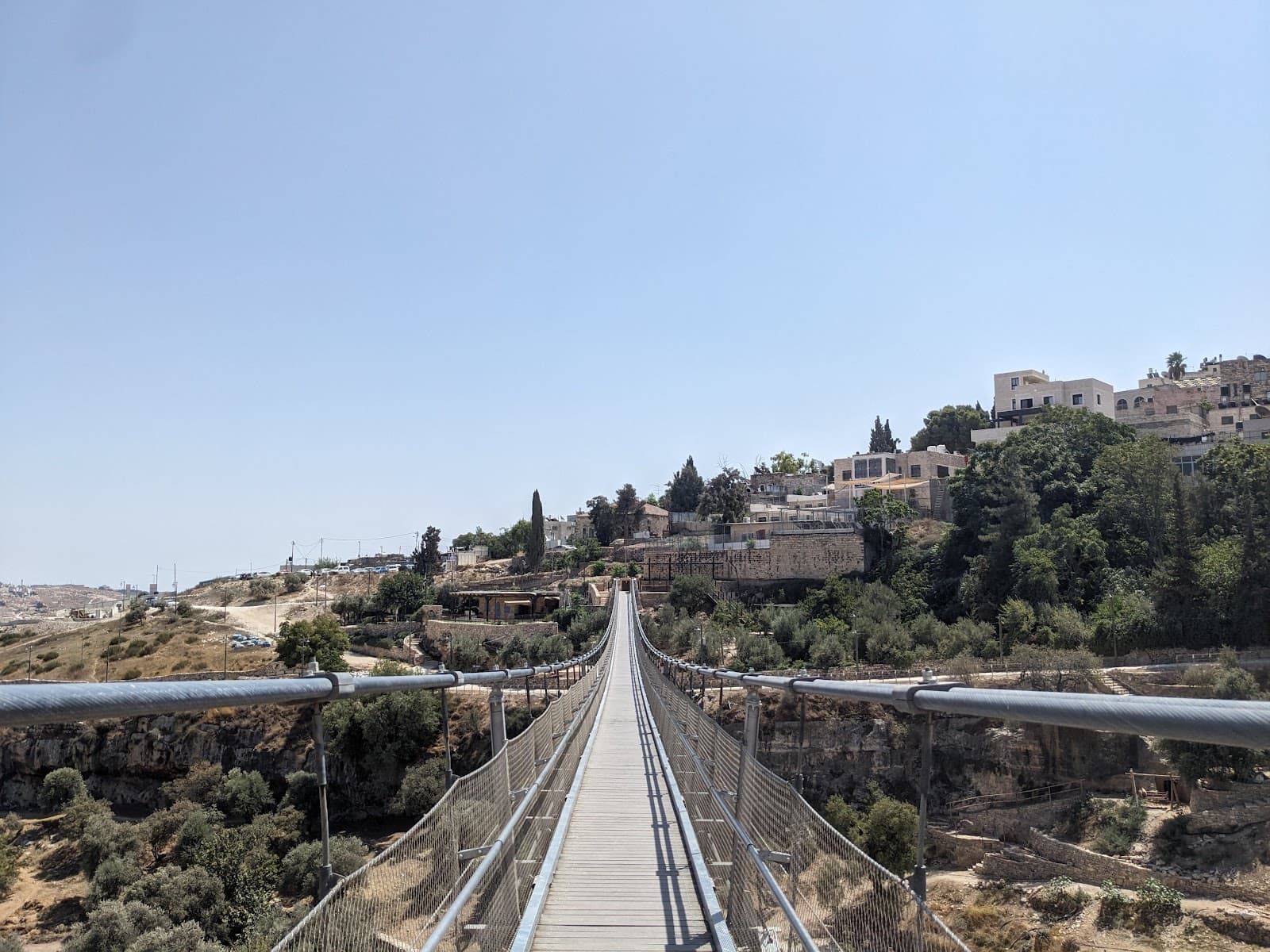
The Bridge of Hinnom
Connecting Mount Zion and the valley
An impressive modern bridge offering panoramic views of the ancient valley below.
Ketef Hinnom Discoveries
Ketef Hinnom area
Site of the oldest biblical texts in Hebrew, including the Priestly Blessing.
Gehenna's Historical Context
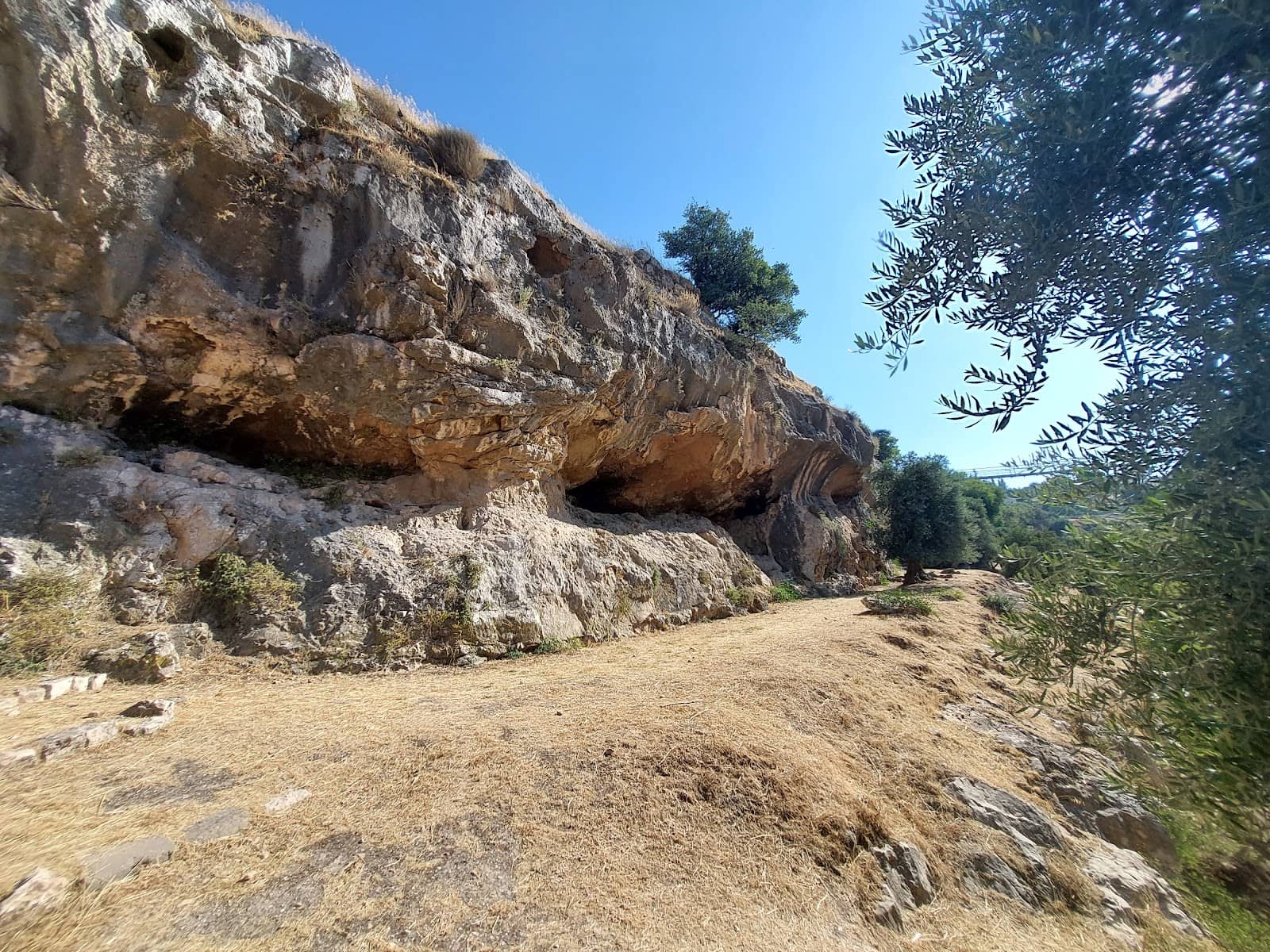
Valley floor
Explore the landscape that inspired biblical imagery of hell and divine judgment.
Plans like a pro.
Thinks like you
Planning Your Visit
Understand the Significance
Navigating the Area
Best Times
Insider Tips
from TikTok, Instagram & Reddit
🚗 Parking is Limited
Arrive early or consider alternative transport as parking is scarce.
🚶♀️ Wear Comfortable Shoes
You'll be doing some walking to explore the valley and its surroundings.
🗺️ Look for Signs
Signage can be sparse initially, so keep an eye out as you approach.
💧 Bring Water
Especially during warmer months, stay hydrated as facilities are limited.
Tips
from all over the internet
🚗 Parking is Limited
Arrive early or consider alternative transport as parking is scarce.
🚶♀️ Wear Comfortable Shoes
You'll be doing some walking to explore the valley and its surroundings.
🗺️ Look for Signs
Signage can be sparse initially, so keep an eye out as you approach.
💧 Bring Water
Especially during warmer months, stay hydrated as facilities are limited.
📸 Capture the Views
The bridge offers fantastic photo opportunities of the valley.
What Travellers Say
Reviews Summary
Visitors find the Valley of Hinnom to be a place of significant historical and biblical importance, with the modern bridge offering impressive views. While the valley's historical context is compelling, some find the signage and parking to be inconvenient, and facilities are limited.
"Very little parking, not sure why they bothered to build this bridge. The view is ok."
Nadav Keidan
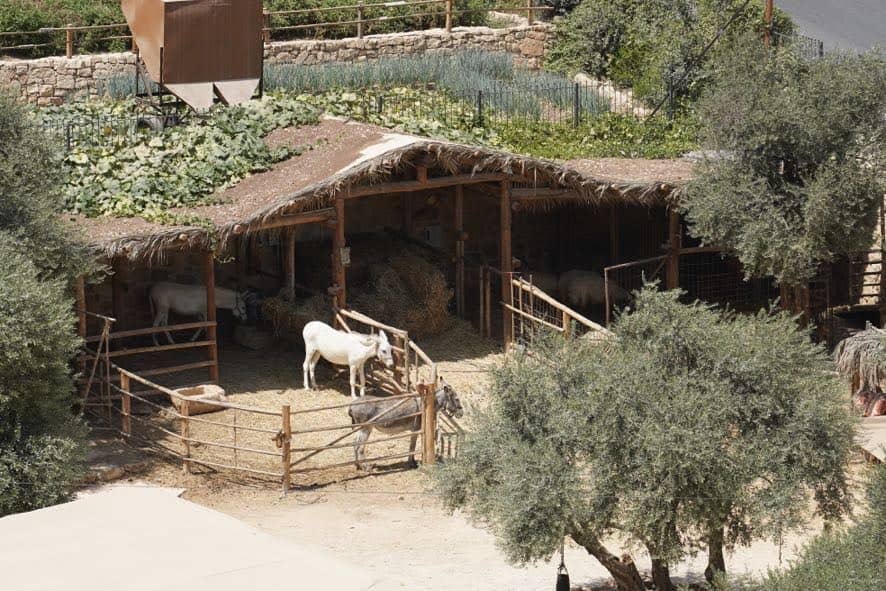
"Poor signage till you are nearly there, then signs are plentiful. No bathroom unless you enter the historic Farm"
Jennifer Berday
"Super epic bridge!!!! No tickets to enter, open to the public"
Ariel Demidov
What People Like
What People Dislike
Frequently Asked Questions
🚇 🗺️ Getting There
The Valley of Hinnom (Gehenna) is located in Jerusalem. Access is often via Mount Zion. Parking is very limited, so consider public transport or a taxi.
While direct public transport to the valley floor might be limited, buses to Mount Zion are frequent, from where you can walk to the area. Check local Jerusalem transport schedules.
The bridge is a prominent feature and can be accessed from the Mount Zion side. It's a popular spot for views.
Exploring the valley floor involves walking on uneven terrain. The bridge offers an easier way to view the valley.
Driving directly into the valley is not recommended due to limited access and parking. Parking near Mount Zion is a better option.
🎫 🎫 Tickets & Entry
No, the Valley of Hinnom and the bridge are generally open to the public without an entry fee.
As an open valley, there are no set opening hours. However, it's best to visit during daylight hours for safety and visibility.
The bridge itself is open to the public and does not require a ticket for entry.
Yes, the valley is accessible year-round, but weather conditions might affect comfort and safety, especially during rainy seasons.
Access to specific archaeological sites like Ketef Hinnom may vary. It's advisable to check with local authorities or tour operators for current access information.
🎫 🧭 Onsite Experience
Historically, the Valley of Hinnom was a site of pagan worship and child sacrifice, later becoming associated with divine judgment and the concept of hell (Gehenna) in biblical texts. +2
You can see the valley landscape, the modern bridge offering views, and the archaeological site of Ketef Hinnom, known for ancient biblical scrolls. +1
Yes, it's a significant site in biblical history and theology, often referred to as Gehenna, a place symbolizing hell or divine punishment. +2
Restroom facilities are generally not available directly within the valley. You may find them in nearby historic sites or parking areas.
This refers to the symbolic association of the Valley of Hinnom (Gehenna) with the concept of hell or the afterlife in religious contexts. +2
📸 📸 Photography
The bridge offers excellent vantage points for panoramic shots of the valley. The Ketef Hinnom area also provides historical backdrops. +1
Yes, it is generally safe to take photos during daylight hours. Be mindful of your surroundings and any uneven terrain.
Late afternoons offer beautiful golden hour light, while early mornings can provide softer light and fewer crowds.
Drone usage is often restricted in historical and urban areas like Jerusalem. Check local regulations before flying.
There are no specific restrictions mentioned for general photography in the open valley, but always be respectful of any archaeological sites.
For Different Travelers
Tailored advice for your travel style
👨👩👧 Families with Kids
Tips for families: Bring plenty of water and snacks, as facilities are scarce. Wear comfortable shoes for any walking. Consider visiting during cooler parts of the day to make the experience more enjoyable for younger children. The archaeological finds at Ketef Hinnom might be more engaging for older children interested in history.
🙏 Religious & History Enthusiasts
Consider joining a guided tour that focuses on the biblical and archaeological significance of the area. This will provide deeper insights into the historical events and religious interpretations associated with the valley. The modern bridge also offers a unique perspective on how the ancient landscape is viewed today.
🚶♀️ Budget Travelers
Save money by: Packing your own water and snacks, as purchasing them on-site might be difficult or expensive. Utilize public transportation to get to the general vicinity of Mount Zion and then walk.
Deep Dives
In-depth insights and expert knowledge
The Biblical Significance of Gehenna
Originally, the valley was a site where Israelites practiced pagan rituals, including child sacrifice to the god Moloch. King Josiah later defiled the valley to prevent these practices, turning it into a place associated with refuse and perpetual fire. This grim history and its association with fire and decay heavily influenced its later symbolic meaning in religious texts.
Modern interpretations often link the Valley of Hinnom directly to the concept of hell, making it a powerful symbol in Christian theology. While Judaism views Gehinnom as a place of purification rather than eternal damnation, the association with fire and judgment remains.
Exploring Ketef Hinnom
These scrolls, dating back to the late 7th century BCE, bear inscriptions of the Priestly Blessing from the Book of Numbers (6:24-26): 'The Lord bless you and keep you; the Lord make his face shine upon you and be gracious to you; the Lord lift up his countenance upon you and give you peace.'
This discovery is incredibly significant for biblical archaeology and textual criticism, providing tangible evidence of ancient Hebrew script and religious practices. Visiting Ketef Hinnom offers a direct connection to the deep history of Jerusalem and its sacred texts.
The Modern Bridge and Valley Views
From the bridge, you can gaze down into the valley, imagining its ancient past while enjoying contemporary views of Jerusalem. It's a popular spot for both locals and tourists, providing excellent photo opportunities and a moment of reflection on the layers of history present in the city.
While the bridge itself is a modern marvel, its purpose is to connect visitors to the historical context of the valley below. It serves as a visual reminder of how the city has evolved while preserving its ancient roots.
Social
from TikTok, Instagram & Reddit