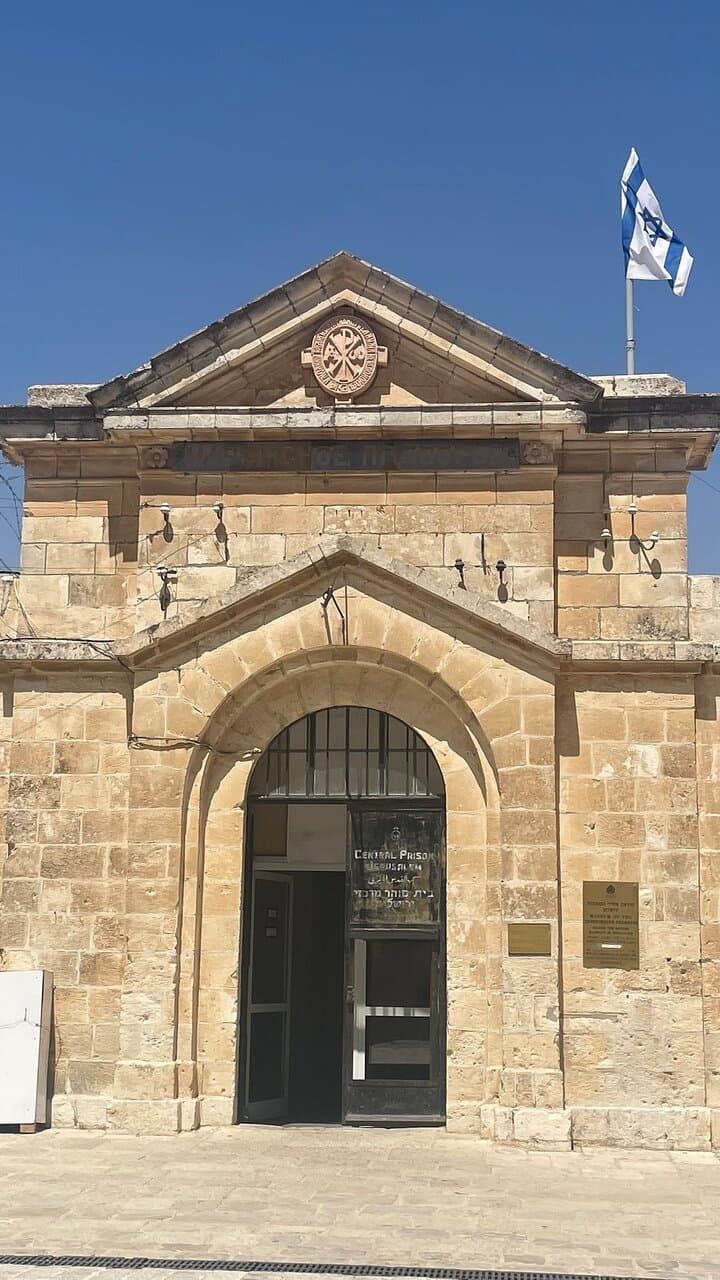
Museum of Underground Prisoners
Explore the stark reality of pre-state Israel's underground fighters in this 19th-century Jerusalem prison. An emotional and historical journey.
Highlights
Must-see attractions

Social
From TikTok & Reddit
Best Time
Fewer crowds, calm exploration
Museum of Underground Prisoners
Best Time
Fewer crowds, calm exploration
Highlights
Must-see attractions
Explore the stark reality of pre-state Israel's underground fighters in this 19th-century Jerusalem prison. An emotional and historical journey.
"It's emotional and interesting to look around and feel what it's like in a prison! "
⏳ Allow ample time
Plan for 1.5-2 hours to truly appreciate the history and exhibits. :stopwatch:
🚶♀️ Walk at your own pace
The museum is often uncrowded, allowing for calm and thorough exploration. :walking:
Highlights
Discover the most iconic attractions and experiences
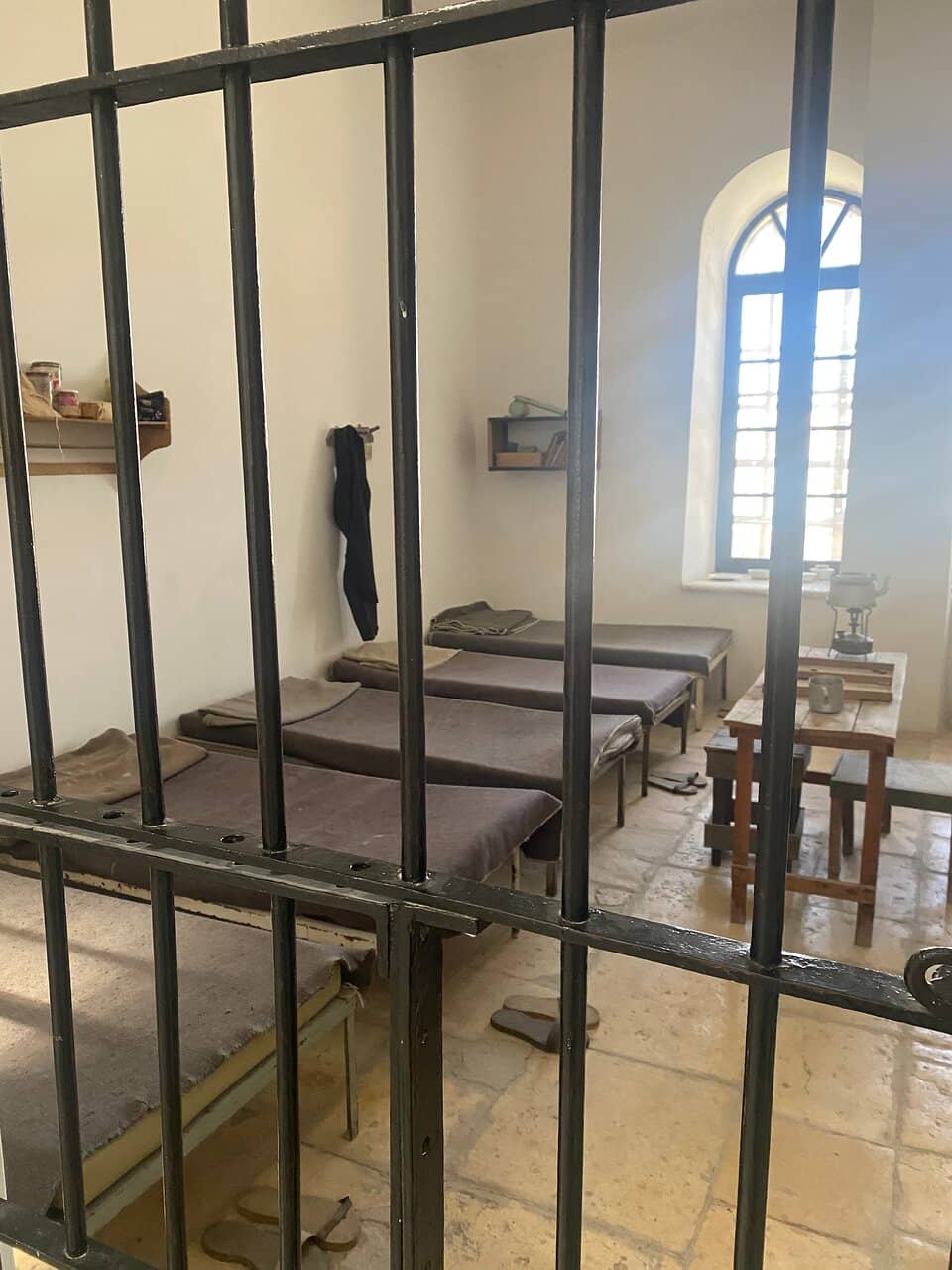
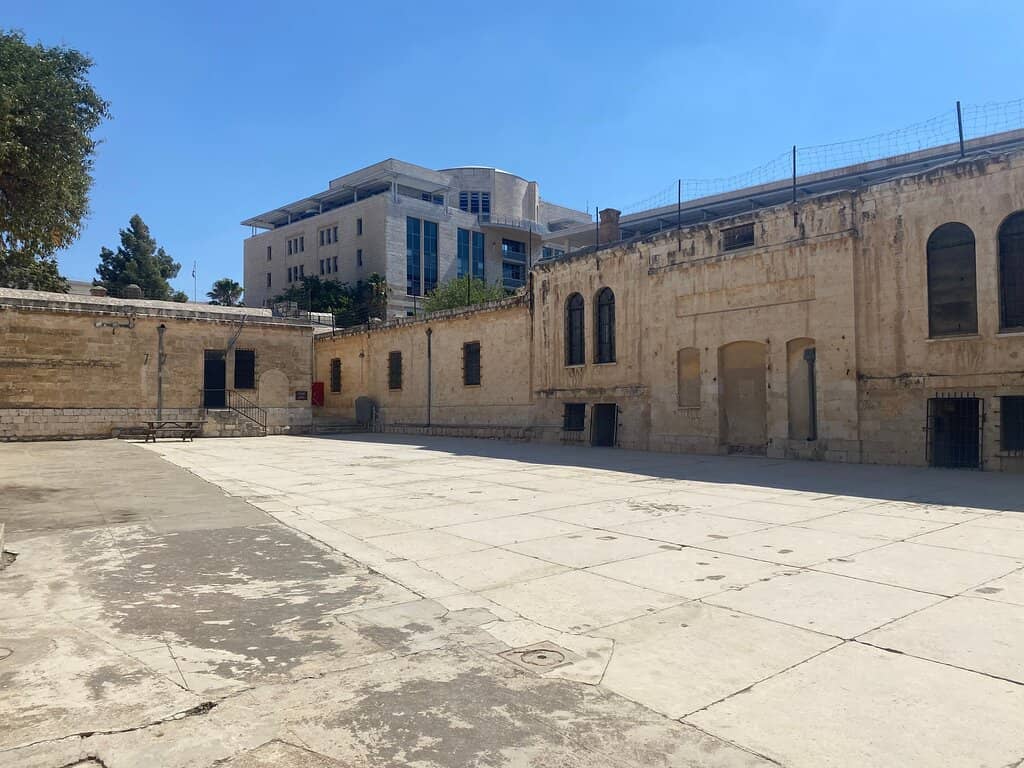
The Prison Cells
Various locations within the museum
Step into the stark reality of 19th-century prison cells, offering an emotional glimpse into prisoner life.
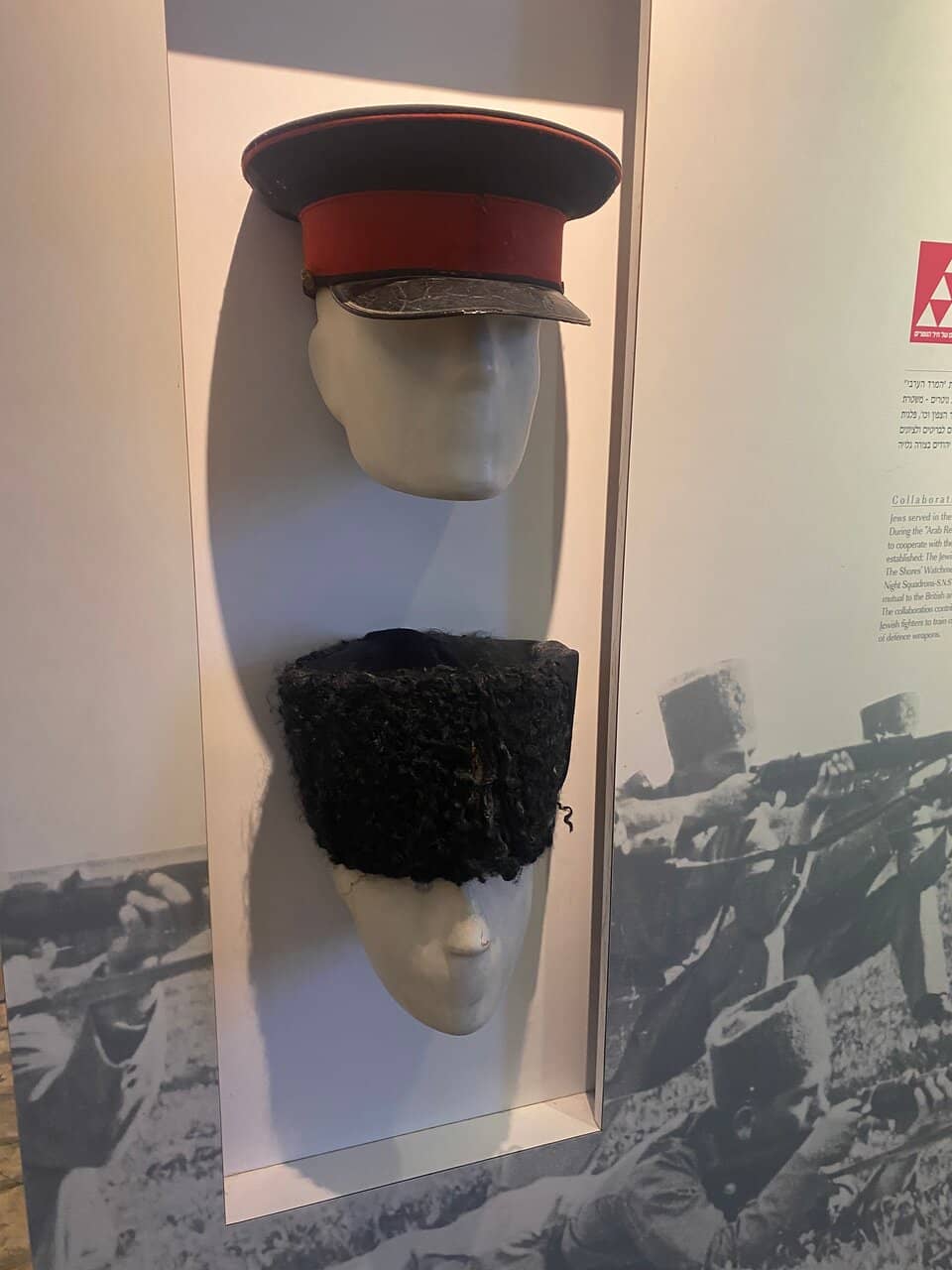
British Mandate Era Exhibits
Throughout the museum
Explore authentic artifacts and displays detailing the lives of prisoners during a pivotal time in Israeli history.
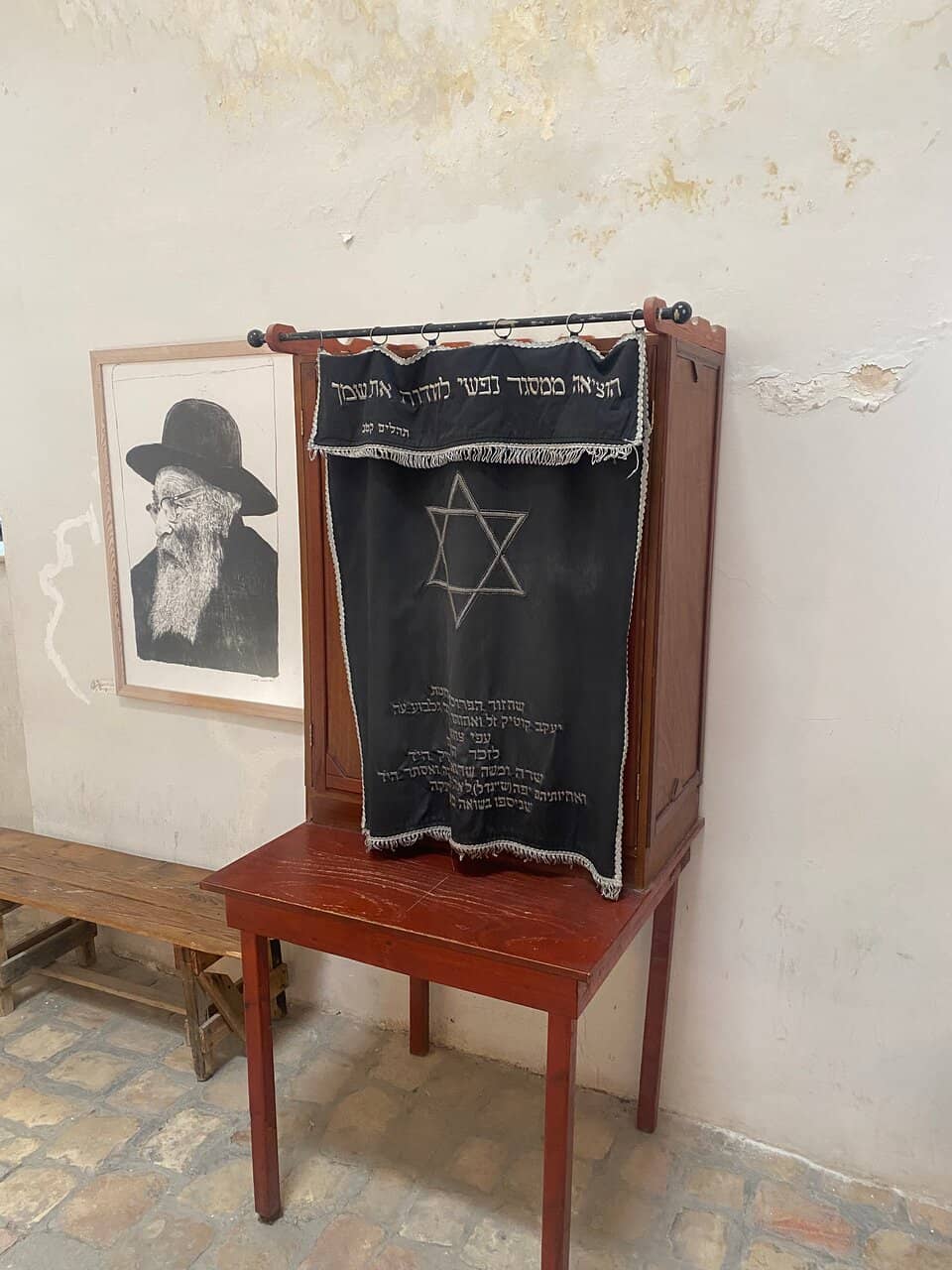
Rabbi Arie Levin's Quarters
Specific exhibit area
Discover the spiritual haven created by Rabbi Levin for Jewish prisoners, a testament to resilience.
Plans like a pro.
Thinks like you
Planning Your Visit
Allocate Sufficient Time
Understand the Historical Context
Best Times
Insider Tips
from TikTok, Instagram & Reddit
⏳ Allow ample time
Plan for 1.5-2 hours to truly appreciate the history and exhibits. :stopwatch:
🚶♀️ Walk at your own pace
The museum is often uncrowded, allowing for calm and thorough exploration. :walking:
🤔 Engage with the history
The exhibits spark thought and discussion about a complex historical period. :thought_balloon:
📍 Convenient location
Just a short walk from downtown Jerusalem, easily accessible. :round_pushpin:
Tips
from all over the internet
⏳ Allow ample time
Plan for 1.5-2 hours to truly appreciate the history and exhibits. :stopwatch:
🚶♀️ Walk at your own pace
The museum is often uncrowded, allowing for calm and thorough exploration. :walking:
🤔 Engage with the history
The exhibits spark thought and discussion about a complex historical period. :thought_balloon:
📍 Convenient location
Just a short walk from downtown Jerusalem, easily accessible. :round_pushpin:
What Travellers Say
Reviews Summary
Visitors find the Museum of Underground Prisoners to be a deeply moving and historically significant experience, offering an authentic glimpse into prisoner life during the British Mandate. While some note potential historical omissions or differing perspectives, the atmospheric setting and the emotional impact of the exhibits are widely praised.
"This was really a great outing! There's history and authentic stuff of the prisoners life. It's emotional and interesting to look around and feel what it's like in a prison! It took an hour and a half to tour the place. i would recommend anyone in Jerusalem to go for a visit! No reservations required, nice staff, and pretty empty inside so you're able to access everything calmly."
Chaim R
"Leave yourself enough time. We went to close to closing and so only managed to do half in 1-2 hours. I'm too thorough and wanted to read everything. Very interesting part of the history of change from Ottoman through British mandate then uprisings and finally independence of the state of Israel all of which included some very important personalities. Much discussion can be had as to who should and should not have been in the prison."
Suzy Rose
"Let bygones be bygones.
A shame the desecrated gravestone of a young Palestine Policeman is displayed near the entrance.
Some inaccuracies and omissions. Both Jews and Arabs were incarcerated here for their crimes, although the exhibition aims to give the impression it was mainly for Jews. There is no mention of the 1936-39 Arab Revolt. The British authorities always hanged convicted prisoners in Acre, never Jerusalem, out of respect for the city's holy status.
The King's portrait should be displayed alongside the Union flag in Major Charlton's office, not over it. The gin bottle on the table is a nice touch though."
Alan Hopgood
What People Like
What People Dislike
Frequently Asked Questions
🚇 🗺️ Getting There
The museum is conveniently located just a five-minute walk from downtown Jerusalem, behind the newly completed Bezalel campus. It's easily accessible by public transport or a short taxi ride.
While specific parking details aren't widely shared, its central location suggests that public parking garages or street parking in the downtown area would be the most viable options. Consider using public transport to avoid parking hassles.
Given its downtown location, several bus lines likely stop within walking distance. It's advisable to check local Jerusalem public transport schedules for the most up-to-date information on routes serving the Bezalel campus area.
🎫 🎫 Tickets & Entry
No reservations are typically required. Visitors have noted that the museum is often quite empty, allowing for calm entry and exploration.
Opening hours can vary, and it's best to check the official museum website or contact them directly for the most current information. Some reviews suggest visiting close to closing time might limit your exploration.
Admission fees are generally reasonable. While specific prices aren't always listed in online discussions, it's considered an affordable outing for the historical value it provides.
Information on accessibility is not extensively detailed in online reviews. It's recommended to contact the museum directly to inquire about specific accessibility features for visitors with mobility challenges.
🎫 🧭 Onsite Experience
Most visitors recommend allocating at least 1.5 to 2 hours to fully experience the museum, especially if you plan to read all the information.
The museum is described as atmospheric and emotional, with exhibits designed to convey the harsh realities of prison life during the British Mandate.
While not explicitly mentioned in all reviews, the museum's layout and exhibits are designed for self-guided exploration. The staff is noted as being nice and helpful.
The museum focuses on the history of pre-state Israel, specifically highlighting the lives of Jewish underground fighters incarcerated in the prison during the British Mandate.
The museum deals with themes of imprisonment, torture, and historical conflict, which can be emotionally impactful. Some reviews mention specific displays that might be sensitive.
📸 📸 Photography
Photography policies can vary. It's best to check for signage within the museum or ask staff. Some historical sites restrict photography to protect artifacts.
The stark prison cells and the architectural elements of the 1930s British imperialism offer unique photographic opportunities. Capturing the atmosphere is key.
Flash photography is often prohibited in museums to protect exhibits. Always be mindful of any posted rules regarding flash use.
For Different Travelers
Tailored advice for your travel style
History Enthusiasts
Be prepared to spend ample time here, as the depth of information requires careful reading and reflection. The museum provides a unique perspective that complements broader historical studies of the Middle East.
Curious Travelers
Allow yourself to be immersed in the stories and the environment. It's a place that stays with you, prompting reflection on the human stories behind historical events.
Deep Dives
In-depth insights and expert knowledge
The History of the Prison
Visitors can explore the authentic prison cells, offering a visceral connection to the past. The museum highlights the lives of prominent figures and ordinary individuals who were held within these walls, providing a nuanced perspective on the struggles and aspirations of the time. It's a place where history is not just read, but felt.
While the museum primarily focuses on the experiences of Jewish underground fighters, some reviews point out that both Jews and Arabs were incarcerated here. The narrative aims to shed light on the complex political landscape and the diverse groups involved in the fight for independence.
Experiencing the Prison Environment
The museum's design emphasizes authenticity, allowing you to walk through the corridors and peer into the cells where prisoners spent their days and nights. This direct engagement with the physical space makes the historical accounts more tangible and memorable.
Some accounts mention specific details like the shackles and the confined nature of the cells, which contribute to the overall somber yet compelling experience. It’s a place that prompts contemplation on themes of freedom, justice, and the human spirit in the face of adversity.
Social
from TikTok, Instagram & Reddit