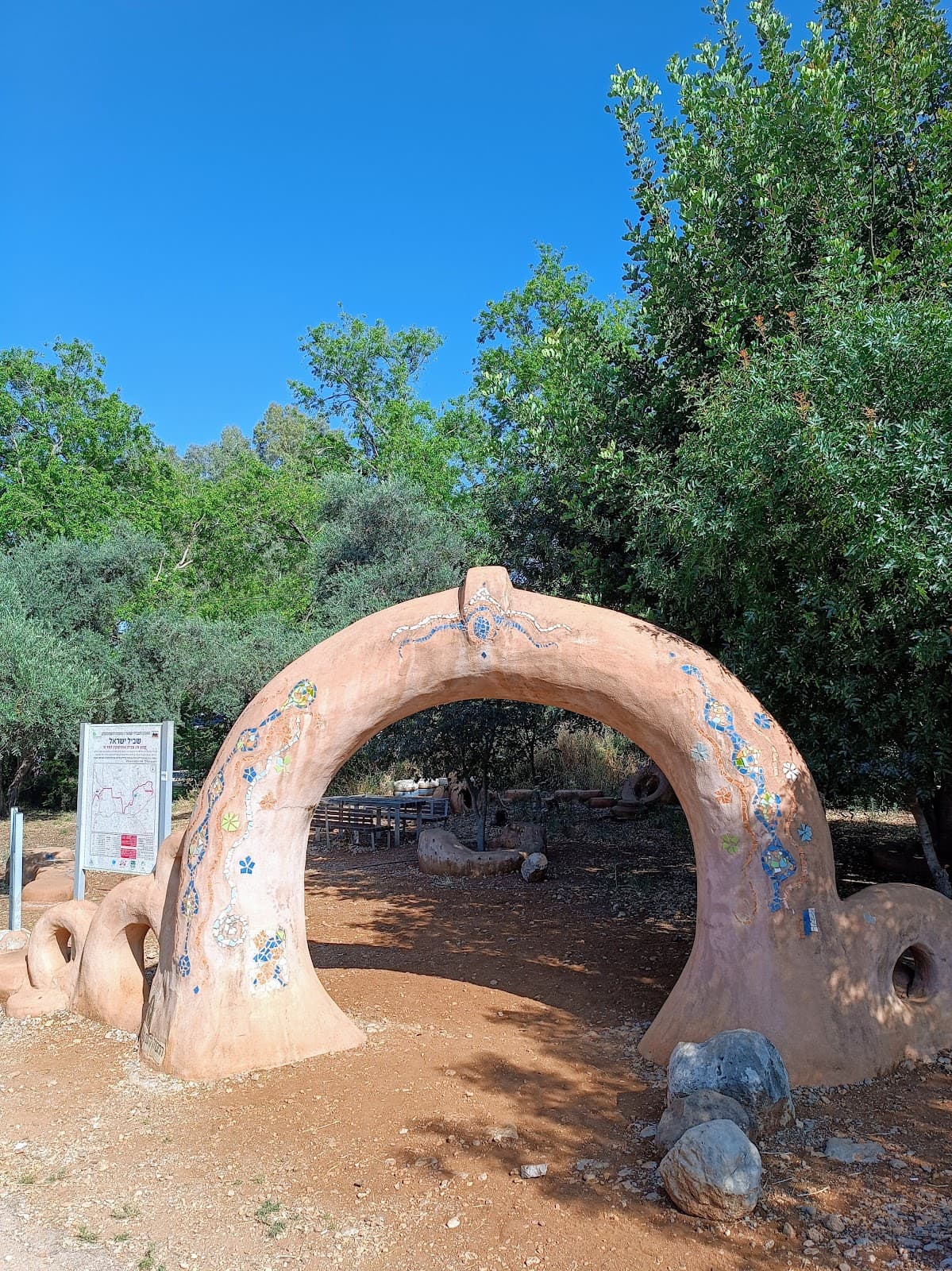
Israel National Trail
Hike across Israel's diverse landscapes, from lush north to desert south, on this iconic 1,100km trail. Experience history, culture, and stunning natu...
Highlights
Must-see attractions

Social
From TikTok & Reddit
Best Time
Ideal temps for hiking
Israel National Trail
Best Time
Ideal temps for hiking
Highlights
Must-see attractions
Hike across Israel's diverse landscapes, from lush north to desert south, on this iconic 1,100km trail. Experience history, culture, and stunning nature.
"A journey through Israel's heart, offering unparalleled natural beauty and deep historical connections."
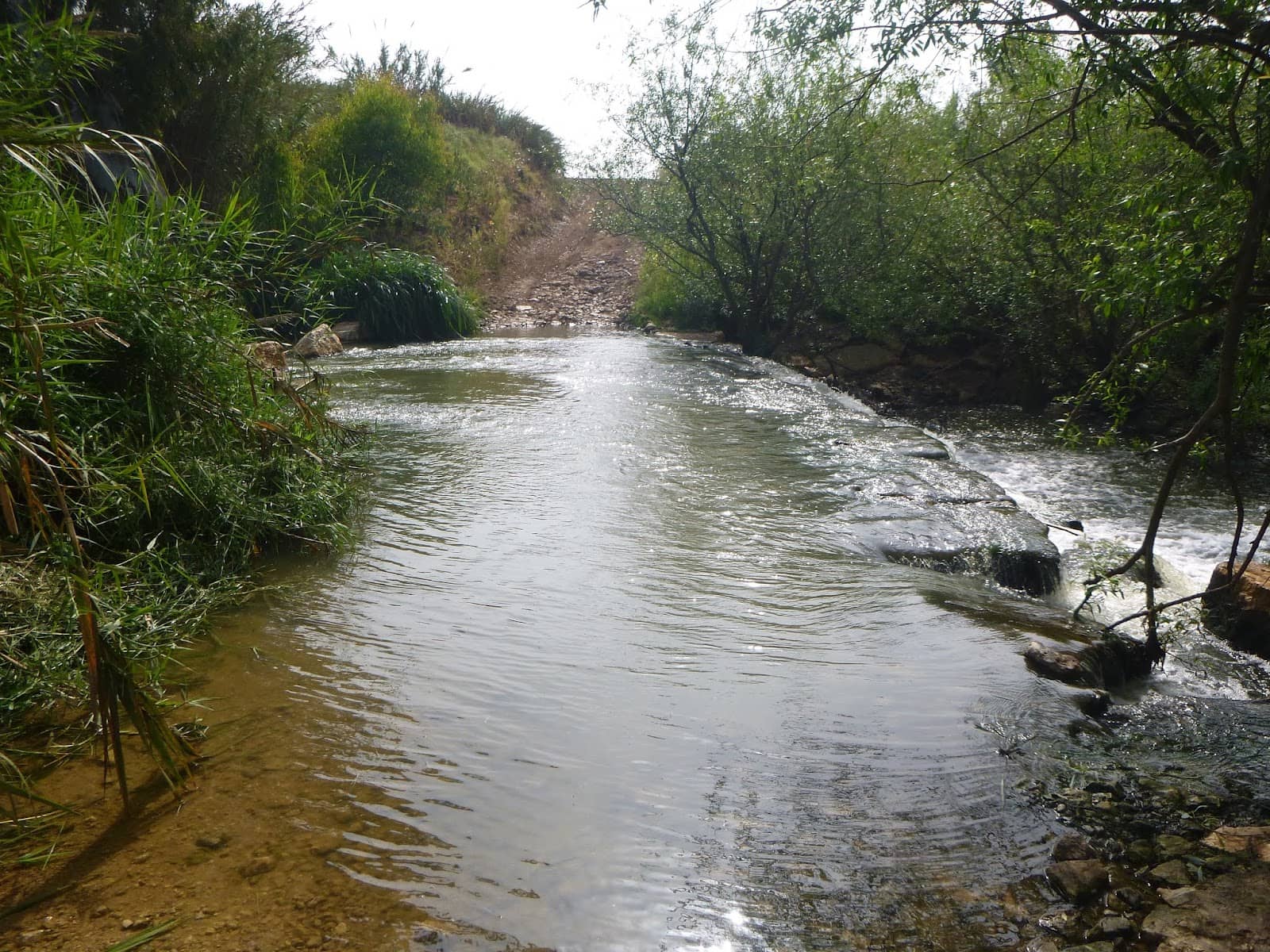
🗺️ Download Offline Maps
Cell service can be spotty. Download offline maps of the Israel National Trail sections you plan to hike.
💧 Carry Plenty of Water
Especially in the desert, water sources are scarce. Carry more than you think you'll need.
Highlights
Discover the most iconic attractions and experiences
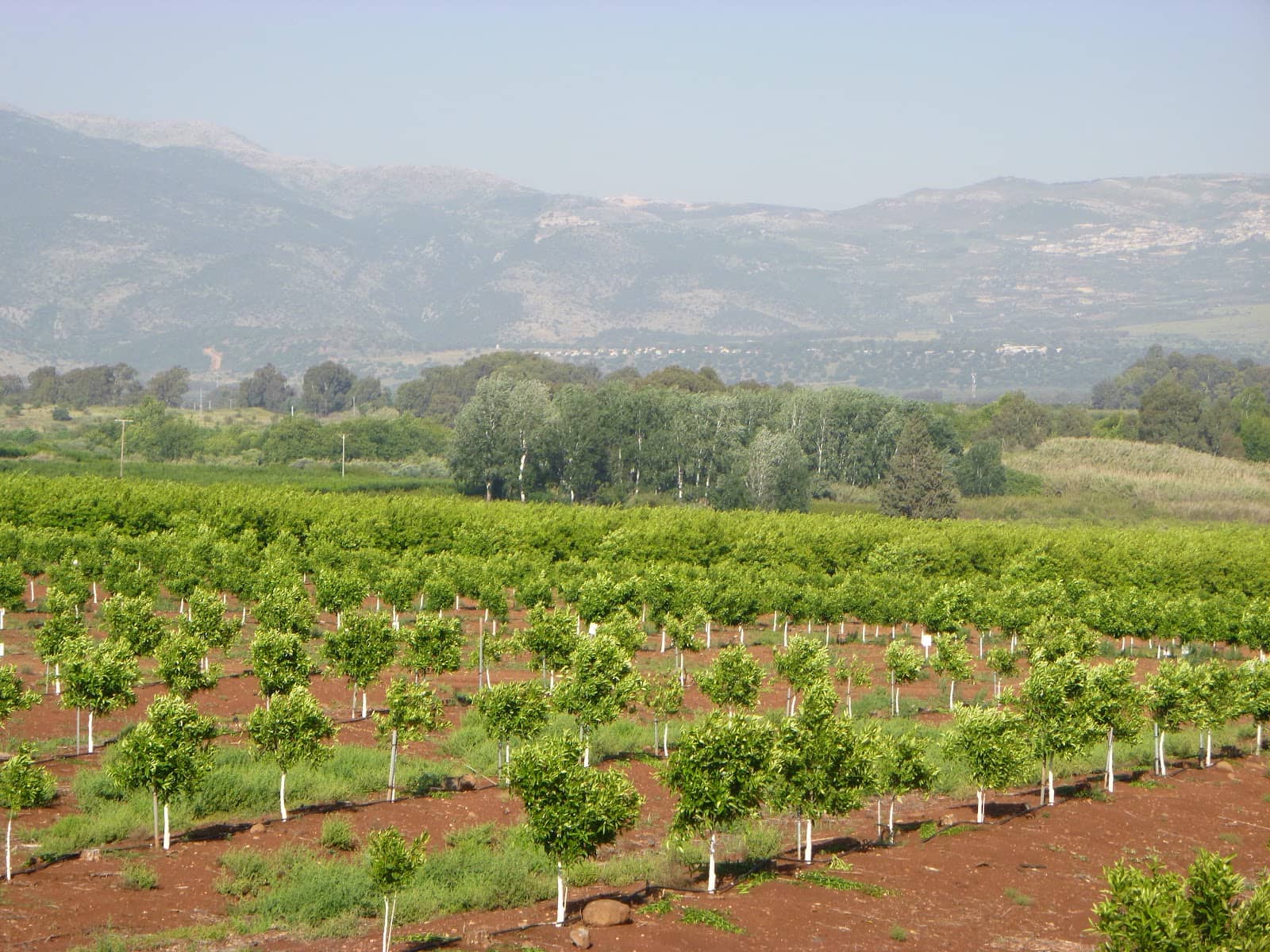
Northern Trails
Galilee and Golan Heights
Lush landscapes, ancient ruins, and stunning views await. Perfect for nature lovers seeking a greener side of Israel.
Jerusalem's Ancient Paths
Jerusalem
Walk through history, connecting biblical sites with modern cityscapes. A spiritual and cultural immersion.
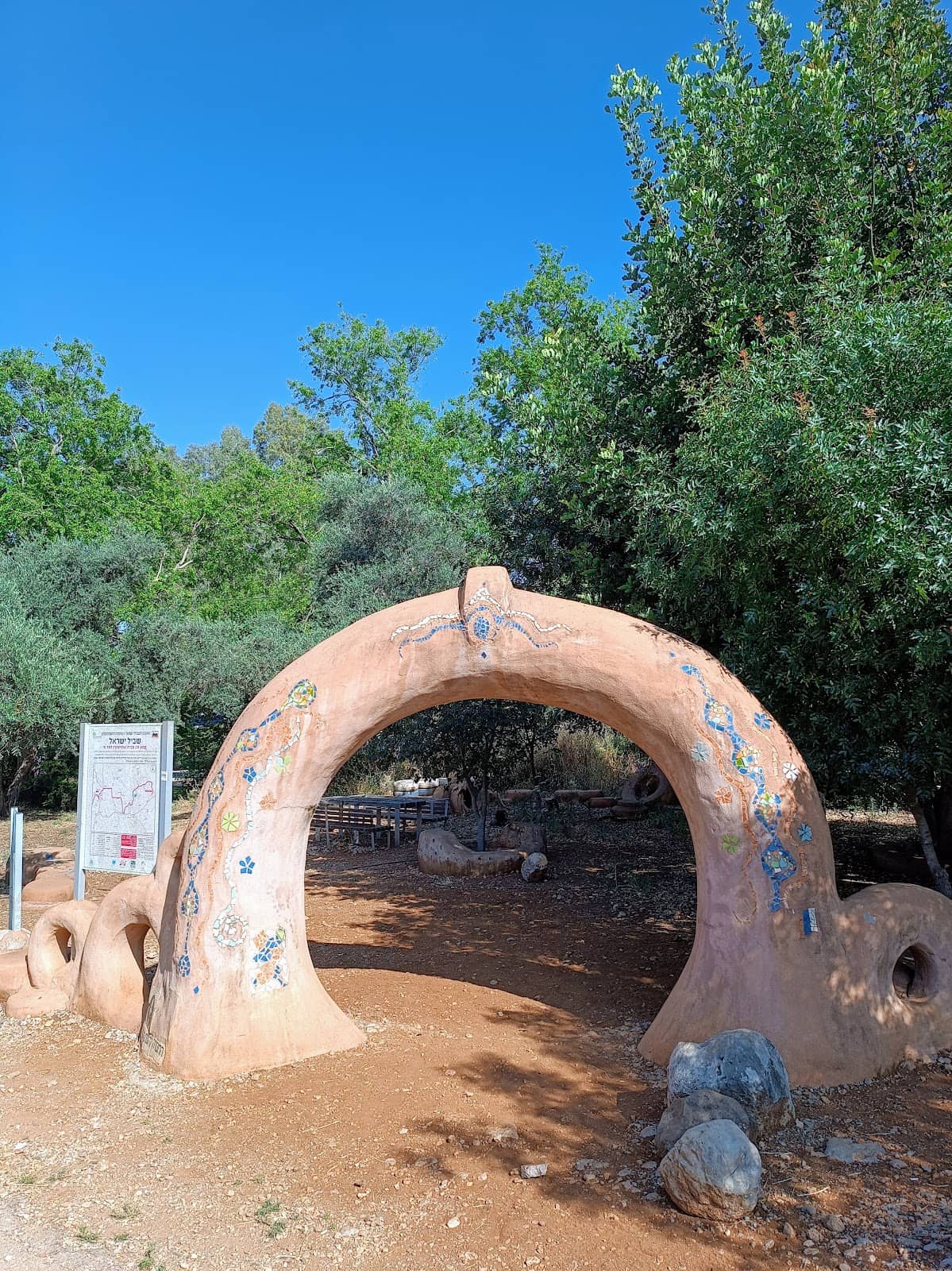
Negev Desert Trek
Negev Desert
Experience the stark beauty of the desert, with dramatic canyons and unique rock formations. A true test of endurance.
Plans like a pro.
Thinks like you
Planning Your Visit
Best Time to Trek
Gear Up for the Trail
Best Times
Insider Tips
from TikTok, Instagram & Reddit
🗺️ Download Offline Maps
Cell service can be spotty. Download offline maps of the Israel National Trail sections you plan to hike.
💧 Carry Plenty of Water
Especially in the desert, water sources are scarce. Carry more than you think you'll need.
🥾 Break in Your Boots
Don't start with brand new boots! Break them in well before your hike to avoid blisters.
☀️ Sun Protection is Key
Hats, sunscreen, and sunglasses are essential year-round, but especially during warmer months.
Israel National Trail Hike
Tips
from all over the internet
🗺️ Download Offline Maps
Cell service can be spotty. Download offline maps of the Israel National Trail sections you plan to hike.
💧 Carry Plenty of Water
Especially in the desert, water sources are scarce. Carry more than you think you'll need.
🥾 Break in Your Boots
Don't start with brand new boots! Break them in well before your hike to avoid blisters.
☀️ Sun Protection is Key
Hats, sunscreen, and sunglasses are essential year-round, but especially during warmer months.
🤝 Connect with Locals
Hikers often share tips and offer assistance. Be open to meeting fellow trekkers.
What Travellers Say
Reviews Summary
The Israel National Trail is lauded for its breathtaking and diverse scenery, offering everything from lush northern landscapes to the stark beauty of the Negev Desert. Hikers appreciate the rich historical and cultural immersion, the well-marked paths, and the welcoming community of fellow trekkers and locals. However, some find the summer heat challenging and note that certain sections can be physically demanding.
What People Like
What People Dislike
Frequently Asked Questions
🚇 🗺️ Getting There
The Israel National Trail (Shvil Israel) is a long-distance path, so access points vary. Many hikers use public transportation (buses and trains) to reach trailheads or arrange for car drop-offs. For specific sections, like the one near Jerusalem, you can find local bus routes.
Israel has a relatively good public transportation system, making it feasible to reach various starting points. However, for more remote sections, especially in the Negev, a car or pre-arranged transport might be necessary.
Yes, hiking the Israel National Trail from north to south is a popular way to experience the diverse landscapes. Many begin in the north and make their way down to Eilat.
While many hike independently, there are tour operators that offer guided treks along specific sections of the Israel National Trail, catering to different fitness levels and interests.
Upon arrival at Ben Gurion Airport (TLV), you can take a train or bus to major cities like Tel Aviv or Jerusalem, and then connect to regional transport that leads to trail access points.
🎫 🎫 Tickets & Entry
The Israel National Trail itself is a public path and does not require an entrance ticket. However, some national parks or nature reserves that the trail passes through may have separate entrance fees.
Generally, no specific permits are required for hiking the main trail. However, for camping in designated areas or national parks, you might need to check local regulations or make reservations.
Most trailheads are accessible at all hours as they are public access points. However, if the trail passes through a national park, you'll need to adhere to the park's operating hours.
Yes, there are several resources. While not a single official app, many hikers use apps like 'AllTrails' or 'Maps.me' for navigation, and websites dedicated to the Israel National Trail provide maps and guides.
Basic facilities like water spigots at some trail junctions or rest stops are usually free. However, facilities within national parks or paid campgrounds will have associated fees.
🎫 🚶 Onsite Experience
The Israel National Trail is approximately 1,100 kilometers (680 miles) long. Most thru-hikers complete it in 45-60 days, depending on their pace and the number of rest days taken.
The terrain varies dramatically, from the lush forests of the north to the rocky deserts of the south. You'll encounter mountains, valleys, coastal paths, and arid landscapes.
Yes, there are various accommodation options, including designated campsites, hostels, kibbutz guesthouses, and hotels in towns along the route. Many hikers also arrange 'trail angels' for hospitality.
Wildlife sightings can include ibex, gazelles, various bird species, and smaller mammals. In the desert, you might encounter reptiles. It's important to be aware of your surroundings.
The trail is generally well-marked with blue, white, and orange blazes. However, it's always recommended to carry a map and compass or use a GPS device for navigation, especially in less-trafficked areas.
🍽️ 🍎 Food & Dining
Resupply points are available in towns and villages along the trail. Many hikers plan their routes to pass through these locations for groceries and water. Some trail angels also offer resupply services.
Yes, you'll find restaurants, cafes, and food stalls in towns and cities that the trail passes through. Some trail junctions might also have small kiosks.
Hikers often rely on readily available groceries like bread, cheese, fruits, nuts, and canned goods. For hot meals, they might stop at local eateries or cook at campsites.
Israel is generally very accommodating to vegetarian and vegan diets. You'll find plenty of fresh produce and vegetarian options in supermarkets and restaurants along the trail.
This depends on the section and the distance between towns. For desert sections, carry enough for 2-3 days, while in more populated areas, you might only need a day's worth.
📸 📸 Photography
The entire trail offers incredible photo opportunities! The Galilee's rolling hills, the ancient ruins near Jerusalem, and the dramatic landscapes of the Negev desert are particularly photogenic. +1
Sunrise and sunset offer the most dramatic lighting for landscape photography. The 'golden hour' can transform even the most arid desert scenes.
Many viewpoints are marked along the trail, offering panoramic vistas. Keep an eye out for signs indicating scenic overlooks, especially in mountainous regions.
A lightweight, durable camera is ideal. Consider a wide-angle lens for landscapes and a telephoto lens for wildlife. A sturdy tripod can be useful for low-light conditions.
Yes, photography is generally permitted at historical sites along the trail. However, always check for any specific restrictions or rules posted at individual locations.
For Different Travelers
Tailored advice for your travel style
👨👩👧 Families with Kids
Look for sections with less extreme terrain and ensure you have plenty of water and snacks. Shorter day hikes or multi-day trips with pre-arranged accommodation in towns can make the experience more manageable for children. Always prioritize safety and be aware of your surroundings, especially when hiking in more remote areas.
💰 Budget Travelers
Utilizing Israel's public transportation (buses and trains) to access trailheads is also cost-effective. Consider hiking during the shoulder seasons (spring and autumn) when accommodation prices might be slightly lower. Many hikers also benefit from the generosity of 'trail angels' who offer free stays and meals, further reducing costs.
🚶 Solo Hikers
It's advisable to inform someone of your itinerary and expected check-in times. Staying connected via a satellite messenger can be a good safety measure for remote sections. Embrace the opportunity to meet fellow hikers and locals; the camaraderie on the trail can be a highlight of the experience.
Deep Dives
In-depth insights and expert knowledge
Navigating the Israel National Trail
Many hikers choose to tackle the trail in sections, allowing for flexibility and the ability to experience different regions without committing to a full thru-hike. Popular sections include the Golan Heights for its stunning natural beauty, the Galilee for its rolling hills and ancient sites, and the challenging yet rewarding Negev Desert for its unique geological formations and vast emptiness. The trail also passes through or near significant historical and religious sites, including parts of Jerusalem, offering a profound connection to the land's heritage.
Planning is key for a successful hike. This involves understanding the best times to visit each region, arranging accommodation (from camping to hostels and hotels), and planning resupply points for food and water. The Israel Trail Committee and various online communities offer invaluable resources for planning, including updated trail conditions and logistical advice.
Best Times to Hike and Weather Considerations
Summer (June to August) can be extremely hot, particularly in the southern desert regions, with temperatures frequently exceeding 40°C (104°F). Hiking during these months requires significant preparation, including very early starts, ample water, and careful planning to avoid the midday sun. Conversely, winter (December to February) can bring rain, especially in the north, leading to muddy trails and potential flash floods in wadis and desert areas. While less crowded, winter hiking demands preparedness for wet conditions and shorter daylight hours.
It's crucial to research the specific weather patterns for the section of the trail you plan to hike. For instance, the desert climate is vastly different from the Mediterranean coast or the mountainous north. Always check the forecast before setting out and be prepared for sudden changes in weather, especially in higher elevations or during transitional seasons.
Accommodation and Camping
Beyond camping, hikers can find hostels and guesthouses in towns and kibbutzim that the trail passes through. These offer a more comfortable stay with amenities like beds, showers, and often kitchens. Some kibbutzim even offer specific hiker accommodations. For those seeking more comfort, hotels and bed & breakfasts are available in larger cities and tourist areas.
A unique aspect of hiking in Israel is the concept of 'trail angels' – local residents who open their homes to hikers, offering a place to stay, a hot meal, or simply a friendly chat. Connecting with the hiking community online or on the trail can lead to these invaluable opportunities for rest and hospitality. Planning your overnight stays in advance is recommended, especially during peak hiking seasons.
Social
from TikTok, Instagram & Reddit