National Famine Way Roscommon
A poignant historical trail and museum in Roscommon, commemorating the 1847 Famine march from Roscommon to Dublin.
Highlights
Must-see attractions

Social
From TikTok & Reddit
Best Time
Fewer crowds, pleasant weather
National Famine Way Roscommon
Best Time
Fewer crowds, pleasant weather
Highlights
Must-see attractions
A poignant historical trail and museum in Roscommon, commemorating the 1847 Famine march from Roscommon to Dublin. 
"A powerful, thoughtful deep-dive into the darkest chapter of Irish history, leaving visitors reflective. "

Allocate ample museum time
The museum is text-heavy; allow at least 2-3 hours to absorb the impactful stories. :books:
Wear comfortable walking shoes
Essential for exploring the grounds and the Famine Way trail. :athletic_shoe:
Highlights
Discover the most iconic attractions and experiences
National Famine Museum
Strokestown Park
A powerful, text-based museum offering a deep dive into Ireland's darkest historical chapter.
The 165km National Famine Way Trail
Roscommon to Dublin
Retrace the heartbreaking journey of 1,490 tenants forced to march during the Great Famine.
+1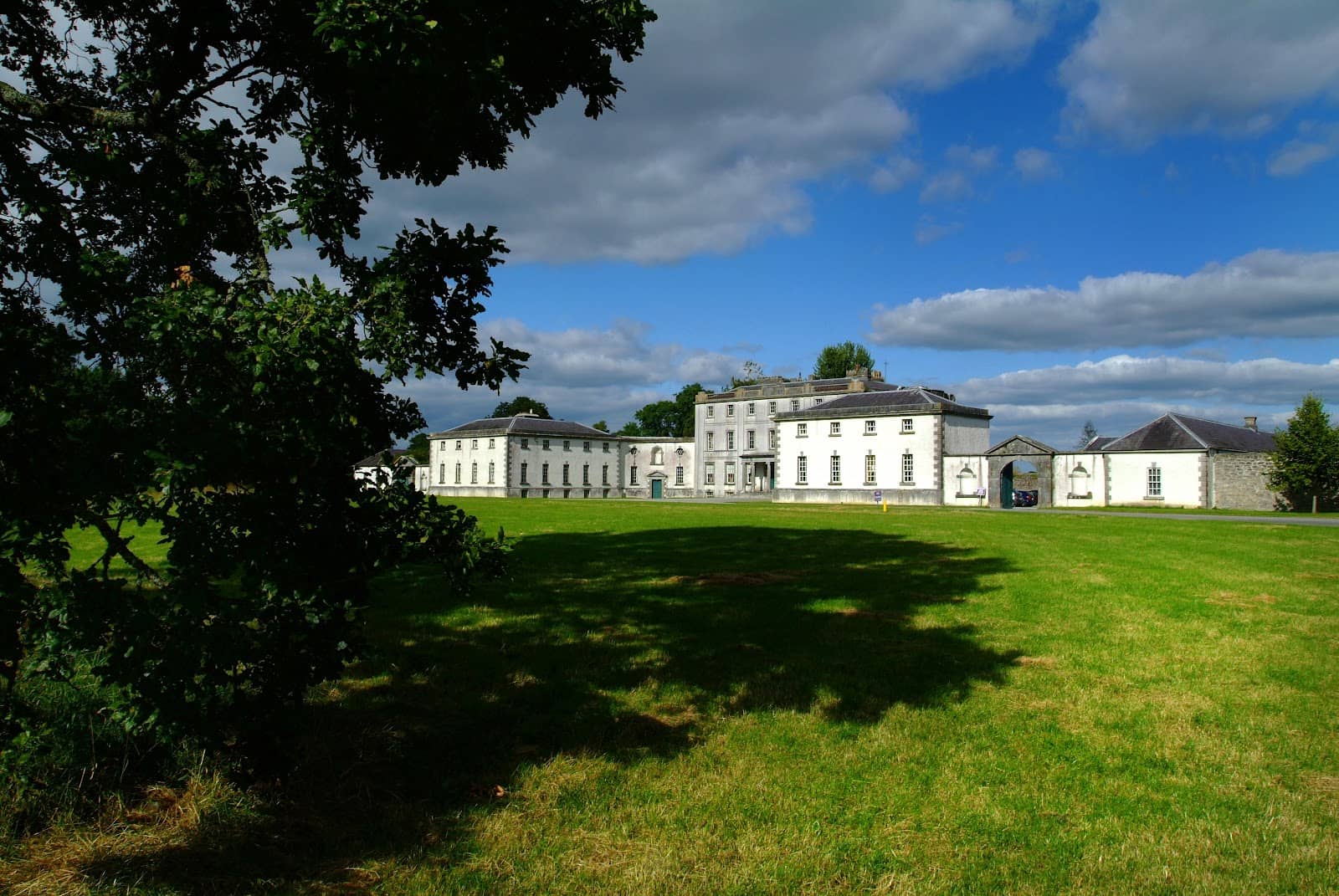
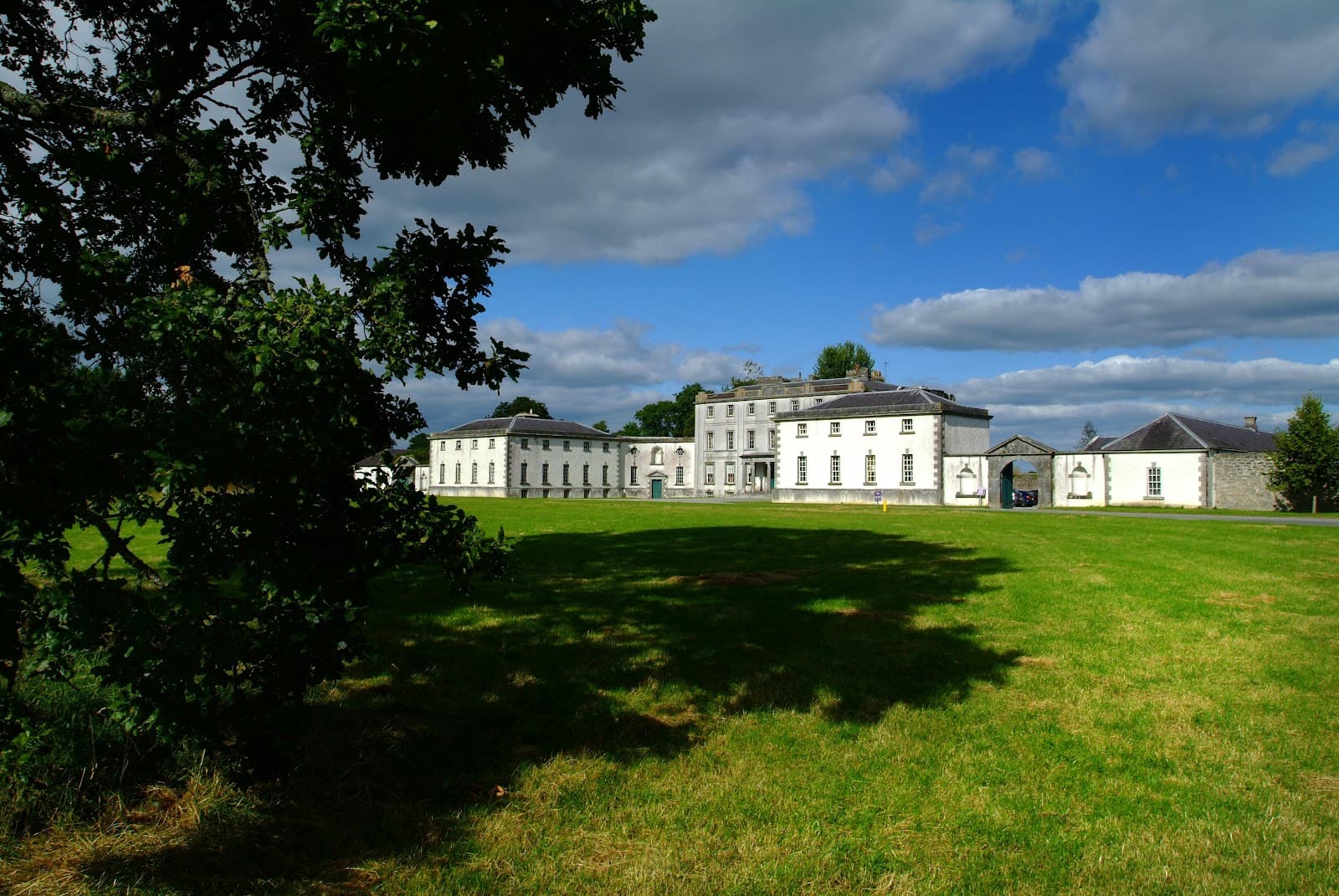
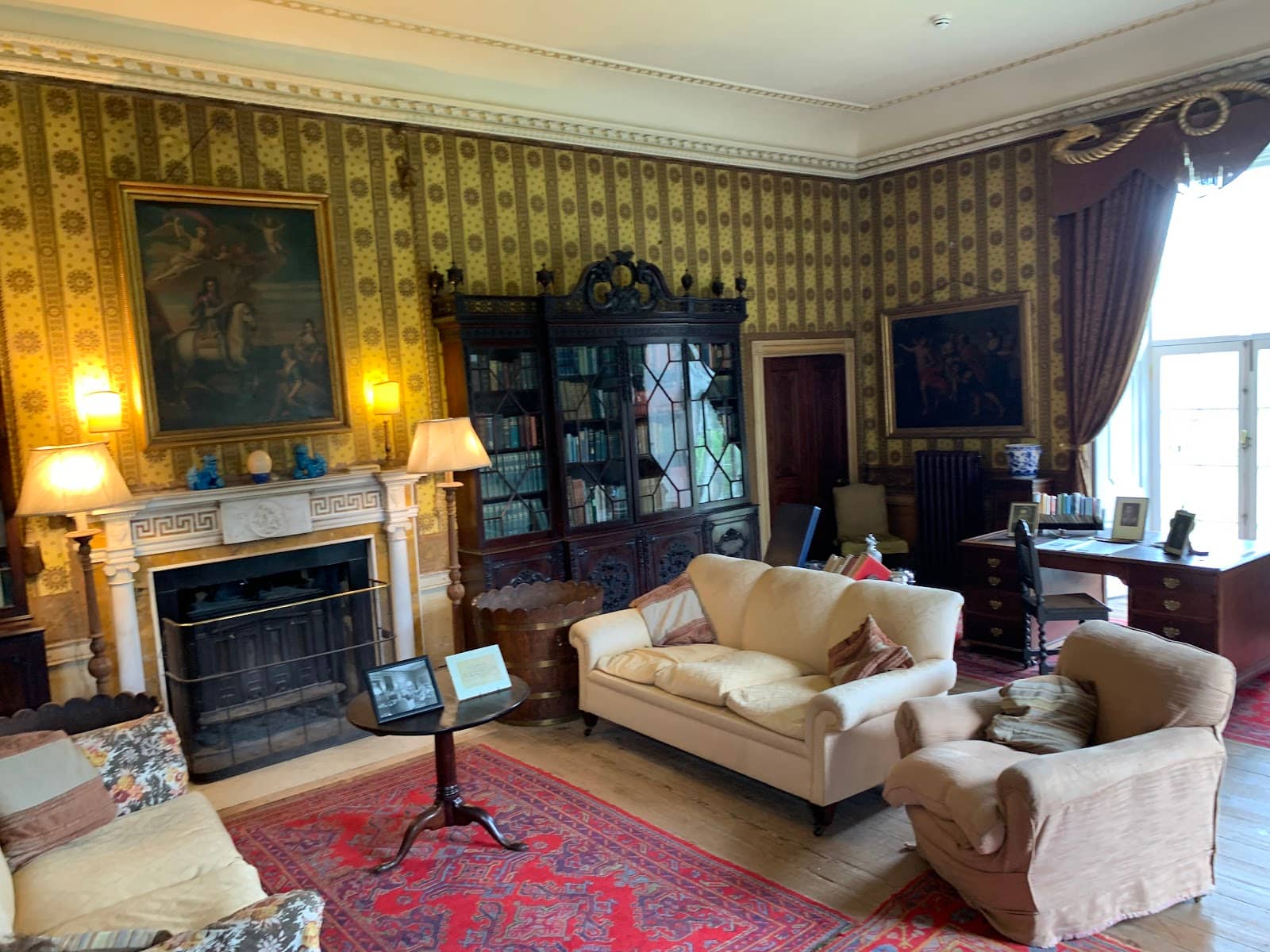
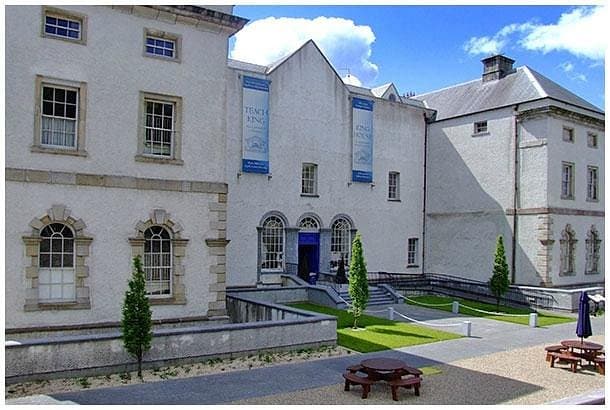
Strokestown Park House & Gardens
Strokestown Park
Explore a Georgian Palladian mansion and its walled garden, offering a glimpse into estate life.
Bronze Shoe Casts
Along the trail
Poignant waymarkers representing children's shoes found from the famine era.
Plans like a pro.
Thinks like you
Planning Your Visit
Prepare for a Profound Experience
Timing Your Visit
Best Times
Insider Tips
from TikTok, Instagram & Reddit
Allocate ample museum time
The museum is text-heavy; allow at least 2-3 hours to absorb the impactful stories. :books:
Wear comfortable walking shoes
Essential for exploring the grounds and the Famine Way trail. :athletic_shoe:
Consider the audio guide
Enhances understanding and context for the museum exhibits. :headphones:
Dog-friendly grounds
Well-behaved dogs are welcome in the gardens and grounds. :dog:
Tips
from all over the internet
Allocate ample museum time
The museum is text-heavy; allow at least 2-3 hours to absorb the impactful stories. :books:
Wear comfortable walking shoes
Essential for exploring the grounds and the Famine Way trail. :athletic_shoe:
Consider the audio guide
Enhances understanding and context for the museum exhibits. :headphones:
Dog-friendly grounds
Well-behaved dogs are welcome in the gardens and grounds. :dog:
Check for events
Special walks and commemorations often take place, especially around Famine anniversaries. :calendar:
What Travellers Say
Reviews Summary
Visitors find the National Famine Museum profoundly moving and authentic, offering a deep, respectful dive into a dark chapter of Irish history. While the text-heavy exhibits require time and reflection, the personal stories and historical documents leave a lasting impact. The Strokestown Park estate, including its house and gardens, is also well-regarded, with many praising the excellent cafe and friendly staff.
"The National Famine Museum near Longford is a powerful place to visit. It’s not a flashy, high-tech attraction; it’s a serious, thoughtful deep-dive into the darkest chapter of Irish history. The museum sits on the Strokestown Park estate, where original famine-era documents were discovered, and that gives the experience a real sense of authenticity. Walking through the rooms, you move between personal stories of tenants, eviction accounts, letters, and records that show exactly how the famine unfolded for ordinary families. It’s heavy, emotional material, but presented in a way that’s respectful rather than sensational.
Most of the museum is text-based, so you’ll be reading a lot. That can feel slow compared to modern interactive museums, but the content is strong enough to carry it. Some parts are dimly lit, which a few visitors find frustrating, but the atmosphere suits the subject. The audio guide helps bring everything together and adds context you’d miss otherwise.
The best part is how it connects national history with individual human lives. You don’t just learn facts; you feel the impact. If you’re visiting Longford or nearby, it’s well worth the trip. You’ll leave quieter, more reflective, and with a deeper understanding of Ireland’s past."
Jack Lok
"We took the guided tour at the National Famine Museum, and it was very well presented. The exhibits are informative and moving, offering a real insight into this important part of history. A deeply impactful and memorable visit — highly recommended."
Manou Roelandt
"Very enjoyable.
Excellent food at restaurant
Dog Friendly
Walled Garden is excellent, has potential ( could benefit from an investment and some more full time gardeners), better than Kylomore Abbey.
Guided tour of the house is good for those interested in Georgian architecture."
Bren Kenny
What People Like
What People Dislike
Frequently Asked Questions
🚇 🗺️ Getting There
The National Famine Way begins at Strokestown Park in County Roscommon. If you're driving, it's accessible by road. Public transport options might require combining bus and local taxi services.
While the trail itself is extensive, reaching the starting point at Strokestown Park may involve a combination of bus services to nearby towns and then local transport or a taxi.
Yes, the National Famine Way is a 165km trail that can be walked in its entirety, retracing the historical journey from Roscommon to Dublin.
While not always consistently available, guided walks and commemorative events are sometimes organized, particularly for specific anniversaries or fundraising efforts.
You can walk sections of the trail or undertake the full 165km journey. The museum at Strokestown Park provides essential historical context for the walk.
🎫 🎫 Tickets & Entry
Yes, admission to the National Famine Museum and Strokestown Park House requires a ticket. It's recommended to check their official website for current pricing and opening hours.
Opening hours can vary seasonally. It's best to consult the official Strokestown Park website for the most up-to-date information on when you can visit.
The trail itself is a public path, so walking it is generally free. However, access to the museum and house at Strokestown Park requires admission.
Yes, an Official National Famine Way Passport & Pack is available, which can enhance your experience of the journey.
Information on group rates or family tickets is usually available on the Strokestown Park website. It's advisable to inquire directly for the most accurate details.
🎫 🧭 Onsite Experience
It's a deeply moving, text-based museum focusing on the Great Famine. It's not high-tech but offers a powerful, authentic look at this historical period.
The museum's content is heavy and deals with sensitive historical events. While children can visit, parents should be prepared for mature themes and emotional discussions.
Strokestown Park also features a Georgian Palladian mansion, a walled garden, and extensive grounds to explore.
The trail is marked, often with distinctive waymarkers like the bronze shoe casts, guiding you along the historical route.
Most visitors spend at least 2-3 hours in the museum due to the extensive text-based exhibits and the emotional weight of the content.
🍽️ 🍽️ Food & Dining
Yes, there is a cafe at Strokestown Park that offers food and refreshments. Visitors have praised the excellent food.
While picnicking might be possible in designated areas on the grounds, it's best to check Strokestown Park's policy. The cafe is a convenient option for meals.
Strokestown town has local eateries and pubs. For a wider selection, you might need to travel to larger nearby towns.
While the grounds are dog-friendly, the cafe seating arrangements for dogs may vary. It's advisable to confirm this directly with the venue.
The cafe typically offers a range of light meals, snacks, and beverages, catering to visitors exploring the estate.
📸 📸 Photography
Capture the poignant bronze shoe casts along the trail, the historic Strokestown Park House, and the serene walled gardens.
Photography inside the museum is often restricted to protect the exhibits and maintain the solemn atmosphere. Check for signage upon entry.
Early morning or late afternoon light can be beautiful for capturing the house and gardens, offering softer shadows and golden hues.
The bronze shoe casts are iconic photo spots. Also, look for scenic canal views and historical markers along the 165km route.
Drone usage is typically subject to strict regulations, especially around historical sites and private estates. Always check local bylaws and obtain necessary permissions before flying.
For Different Travelers
Tailored advice for your travel style
👨👩👧 Families with Kids
Consider focusing on the historical house tour and the gardens for younger children, and perhaps engaging with the museum in a more age-appropriate manner, highlighting stories of resilience rather than the most graphic details. The bronze shoe casts along the trail can also serve as a tangible, albeit somber, point of discussion about the children who suffered during that time.
🚶♀️ History Enthusiasts & Researchers
The 165km National Famine Way trail itself offers a physical connection to the past, allowing for a more immersive understanding of the tenants' journey. Walking sections of the trail or planning a multi-day trek can provide a profound sense of place and historical continuity. The museum's text-heavy approach is a boon for those who appreciate detailed historical accounts.
🚶♂️ Long-Distance Walkers & Pilgrims
+1Walkers can obtain an Official National Famine Way Passport & Pack to enhance their experience and document their journey. The trail is more than just a physical challenge; it's an opportunity for reflection, remembrance, and a deep connection to Ireland's past. The sense of accomplishment upon completing the walk, especially when understanding its historical significance, is immense.
Deep Dives
In-depth insights and expert knowledge
The History of the National Famine Way
+1The Strokestown Park Estate itself holds significant historical importance, as it was here that crucial famine-era documents were discovered. These original records provide an unparalleled insight into the lives of the tenants and the harsh realities of the famine. The National Famine Museum, located on the estate, is dedicated to preserving and sharing these stories, making it a vital resource for understanding Ireland's past.
Today, the National Famine Way serves as both a memorial and an educational tool. It encourages reflection on the resilience of the human spirit and the importance of remembering historical tragedies. The trail is expanding its reach, with efforts to link it to global Irish Famine narratives, further solidifying its role in international historical remembrance.
Experiencing the National Famine Way Trail
+1Key waymarkers, such as the poignant bronze casts of children's shoes, serve as powerful visual cues, symbolizing the lost lives and the suffering endured. These artistic installations are scattered along the route, offering moments of reflection and a deeper emotional connection to the historical narrative.
The trail also passes through charming villages and alongside picturesque waterways, providing a contrast to the somber historical context. For those undertaking the full walk, it's recommended to plan accommodations and logistics in advance. The National Famine Way Passport & Pack can be a valuable companion, offering guidance and a tangible memento of the journey. Whether you walk a short section or the entire route, the experience is designed to be both educational and deeply moving.
The National Famine Museum: A Deep Dive
Visitors often describe the museum as 'heavy' and 'emotional,' but also 'respectful' and 'impactful.' The dimly lit rooms and the sheer volume of personal narratives contribute to a somber atmosphere that is fitting for the subject matter. The audio guide is highly recommended, as it provides crucial context and helps to weave together the individual stories into a cohesive historical narrative, ensuring no detail is missed.
What sets the National Famine Museum apart is its ability to connect national history with individual human lives. It moves beyond mere facts and figures to evoke empathy and a deeper understanding of the famine's devastating impact on ordinary families. It's a place that leaves visitors quieter, more reflective, and with a profound appreciation for Ireland's past.
Social
from TikTok, Instagram & Reddit