Great Mosque of Kufa
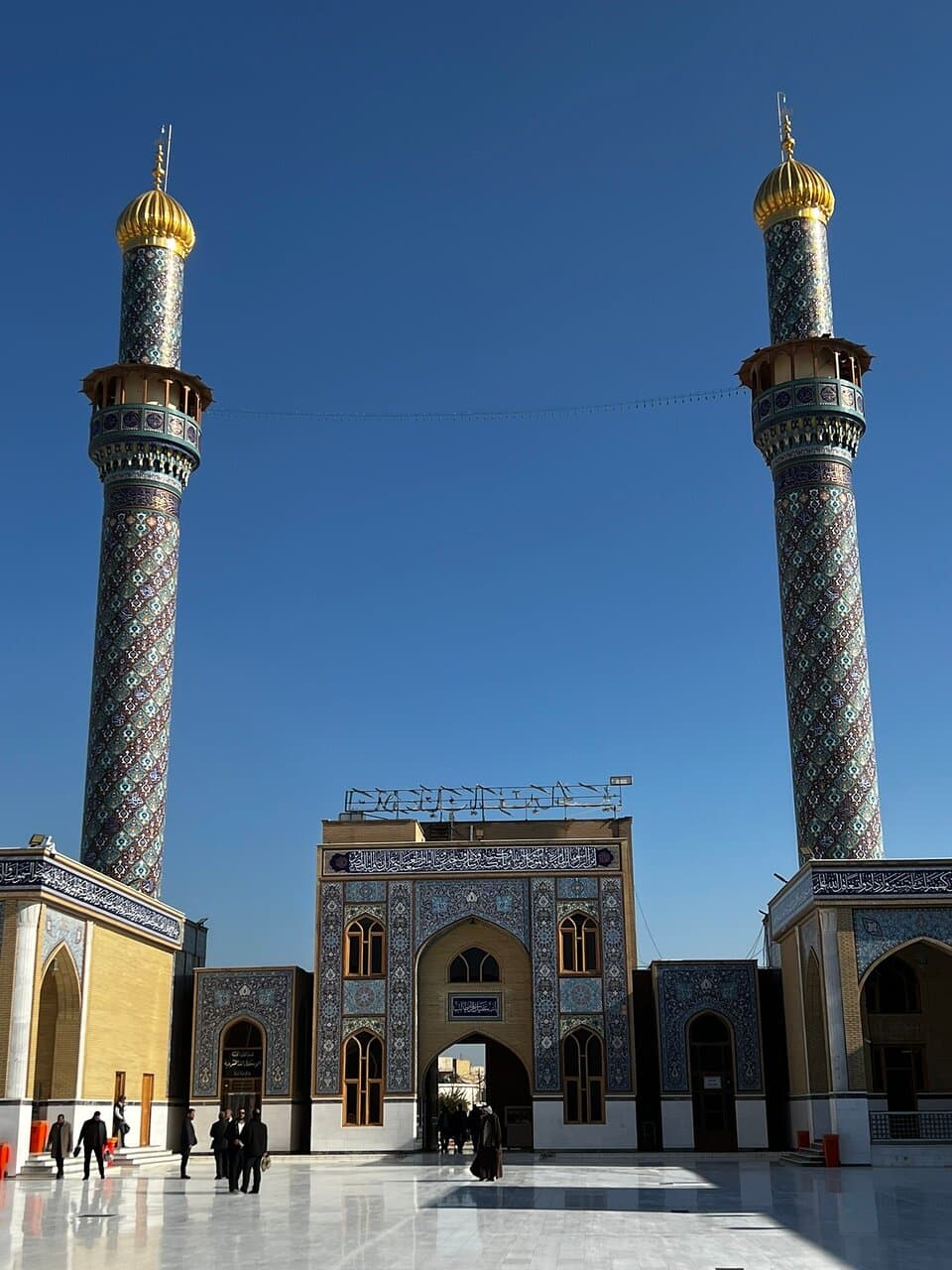
A 7th-century mosque, holiest Shia site, marking Imam Ali's martyrdom. Features a gilded dome, intricate tilework, and revered shrines.
Highlights
Must-see attractions

Social
From TikTok & Reddit
Best Time
Peaceful and personal experience
Great Mosque of Kufa
Best Time
Peaceful and personal experience
Highlights
Must-see attractions
A 7th-century mosque, holiest Shia site, marking Imam Ali's martyrdom. Features a gilded dome, intricate tilework, and revered shrines.
"A must-visit for anyone traveling to Najaf or Karbala — especially if you are on a spiritual journey seeking closeness to the Ahlul Bayt (a.s)."
Dress Modestly
Cover shoulders and knees. Women should wear a headscarf. :womaninturban:
Consider a Guide
Enhance your visit with local insights into history and significance. :bustsinsilhouette:
Highlights
Discover the most iconic attractions and experiences
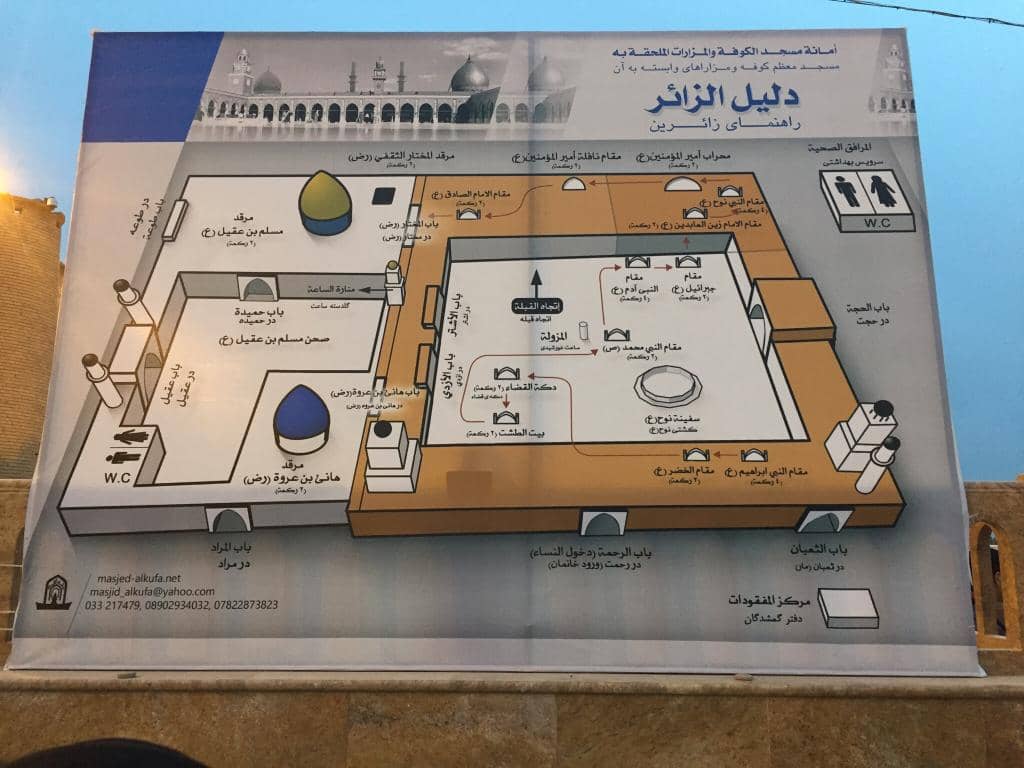
Mihrab of Imam Ali (AS)
Main prayer hall
The exact spot where Imam Ali (AS) was struck during Fajr prayer, a profoundly moving and spiritually charged location.

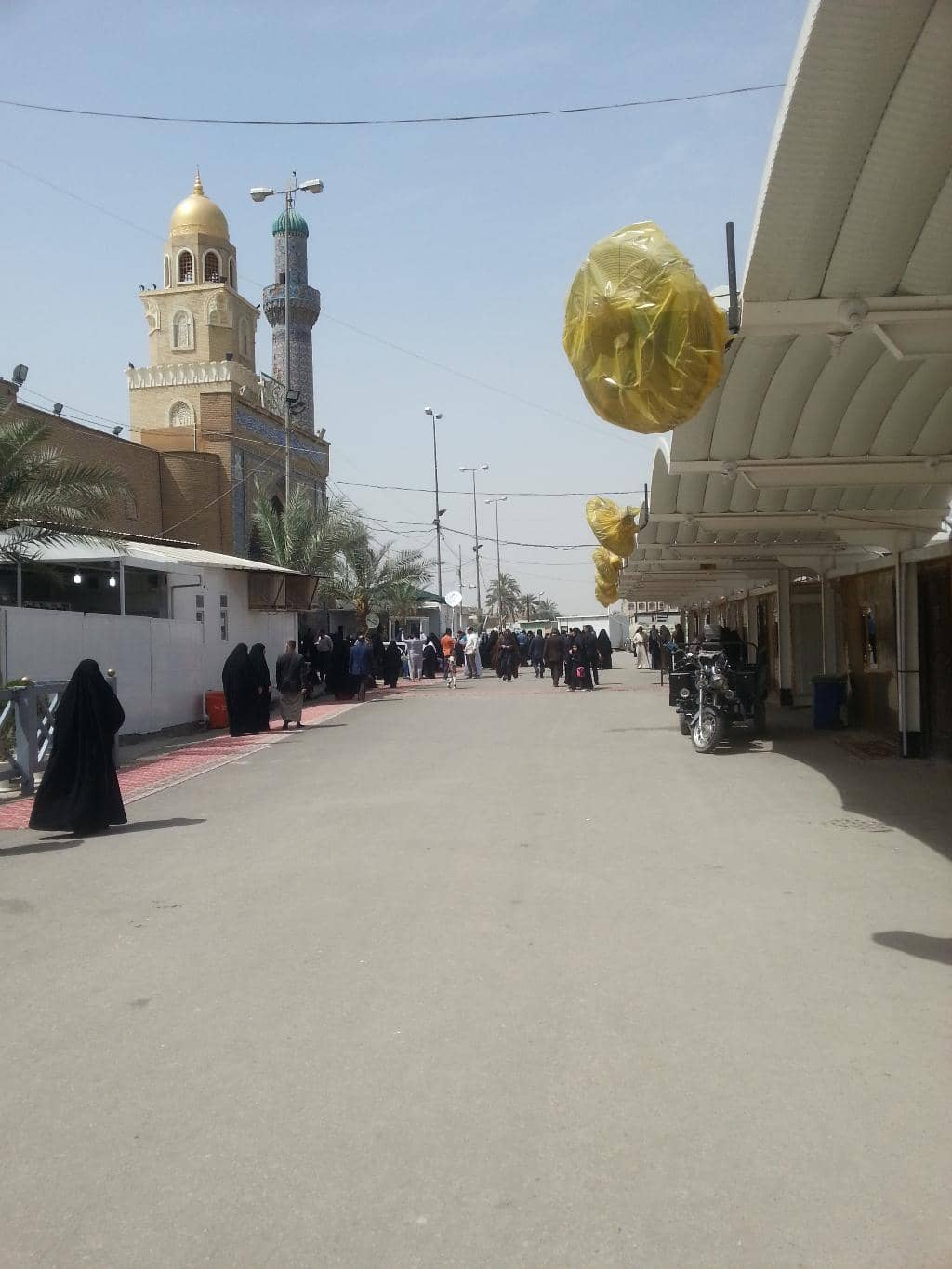
Shrines of Companions
Connected area within the mosque complex
Visit the revered tombs of Muslim ibn Aqeel (AS), Hani ibn Urwah, and Mukhtar al-Thaqafi, significant figures in Shia history.
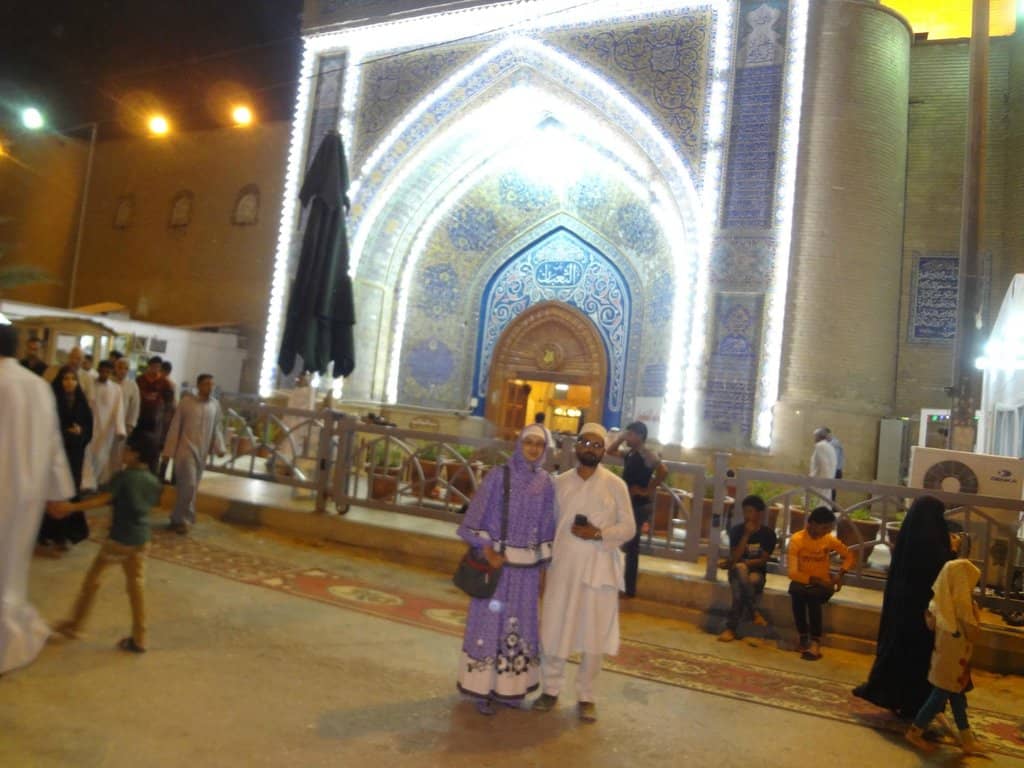
Maqamat (Stations)
Various locations within the mosque
Explore stations dedicated to prophets like Adam, Noah, and Ibrahim, as well as Imams like Ja'far al-Sadiq (AS).
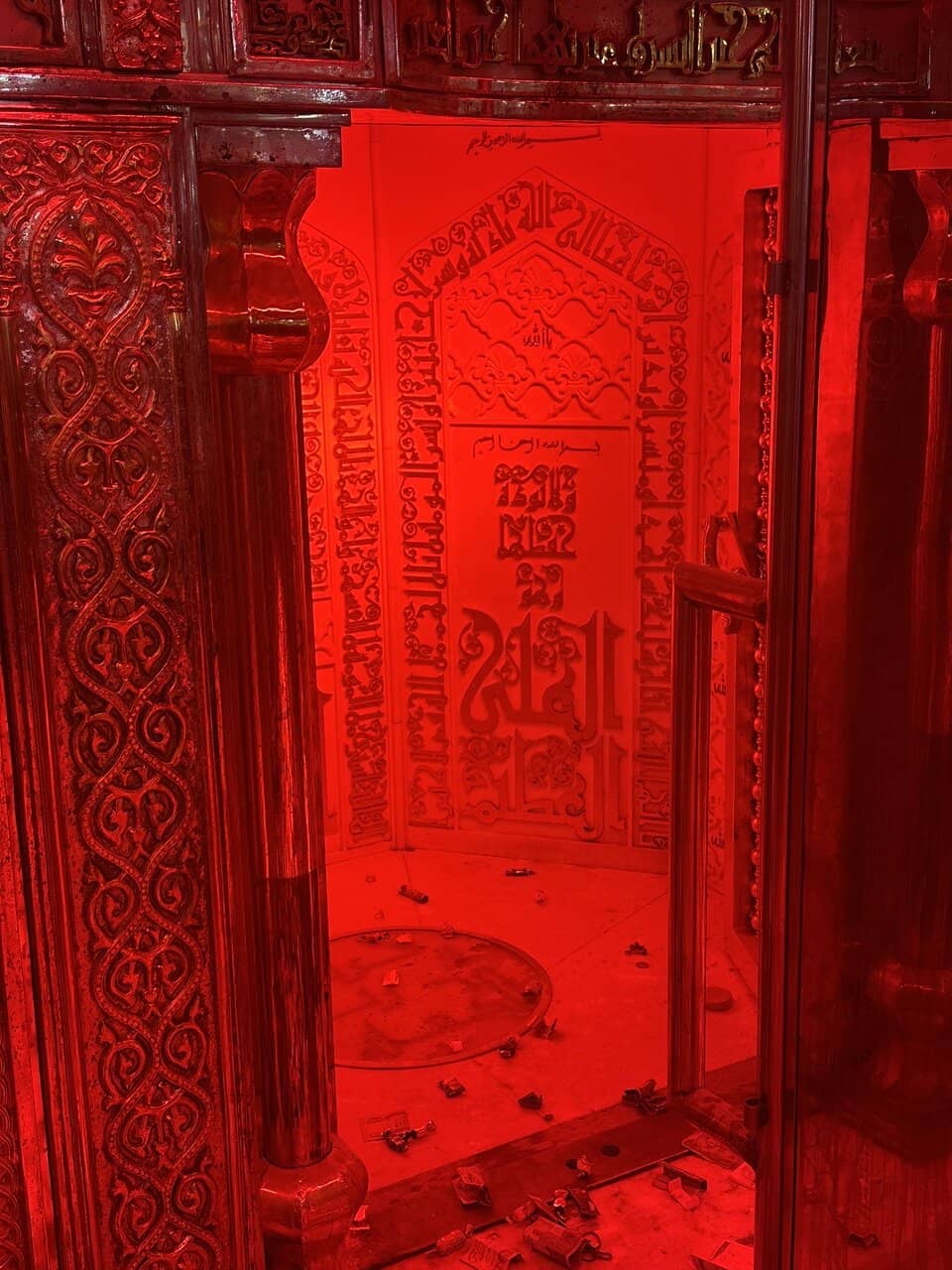
The Wall Crack
Specific section of the mosque wall
A unique feature, this crack is a point of speculation and religious significance for some visitors.
Plans like a pro.
Thinks like you
Planning Your Visit
Spiritual Significance & Respect
Navigating the Sacred Space
Best Times
Insider Tips
from TikTok, Instagram & Reddit
Dress Modestly
Cover shoulders and knees. Women should wear a headscarf. :womaninturban:
Consider a Guide
Enhance your visit with local insights into history and significance. :bustsinsilhouette:
Early/Late Visit
Experience a more serene atmosphere away from peak crowds. :clock1:
Photography Etiquette
Be respectful when taking photos, especially during prayer times.
Tips
from all over the internet
Dress Modestly
Cover shoulders and knees. Women should wear a headscarf. :womaninturban:
Consider a Guide
Enhance your visit with local insights into history and significance. :bustsinsilhouette:
Early/Late Visit
Experience a more serene atmosphere away from peak crowds. :clock1:
Photography Etiquette
Be respectful when taking photos, especially during prayer times.
Stay Hydrated
Iraq can be hot; carry water, especially during warmer months. :droplet:
What Travellers Say
Reviews Summary
Visitors consistently describe the Great Mosque of Kufa as a profoundly spiritual and historically significant site. Its deep connection to Imam Ali (AS) and other revered figures creates an atmosphere of reverence and peace. While the architecture is impressive, the true draw is the palpable sense of history and divine presence, making it a must-visit for pilgrims and history enthusiasts alike.
"🕌 Masjid al-Kufa is one of the holiest and most spiritually powerful mosques in the Islamic world.
Located in the historic city of Kufa, Iraq — just a short distance from Najaf — this mosque holds deep importance for Shia Muslims.
It is the site where Imam Ali (a.s) gave sermons, established his caliphate, and was tragically struck with a sword during prayer. The exact spot of his mihrab (place of prostration) is beautifully marked and filled with peaceful energy.
Many prophets and righteous people are believed to have prayed here, including Prophet Adam, Nuh (Noah), Ibrahim (Abraham), and Khidr (a.s).
Inside, you can visit several maqamat (stations):
Mihrab of Imam Ali (a.s) – where he was attacked during Fajr prayer
Maqam of Imam Ja’far al-Sadiq (a.s) – where he prayed
Maqam of Prophet Ibrahim and others
Grave of Muslim ibn Aqeel (a.s), Hani ibn Urwah, and Mukhtar al-Thaqafi are located in a connected area of the mosque
The mosque has been beautifully renovated while preserving its spiritual heritage. Clean facilities, prayer halls, and respectful crowd management help you focus on Ziyarat and reflection. There is a real sense of history and divine presence here.
🙏 A must-visit for anyone traveling to Najaf or Karbala — especially if you are on a spiritual journey seeking closeness to the Ahlul Bayt (a.s). Don't miss praying two rakats in this sacred masjid.
📷 Tip: Try visiting in the early morning or late evening for a more peaceful and personal experience."
shoeb sayed
"one of the oldest and most revered Islamic sites, is a treasure trove of history and spirituality.
This ancient mosque boasts an array of significant stands and shrines, each commemorating a prominent figure from Islamic tradition.
Among the notable stands are those dedicated to Prophet Noah, Prophet Adam, Prophet Mohammad saww, the Imams and more.
Each stand is meticulously maintained, reflecting the deep reverence and respect held by the faithful.
The mosque is also home to the revered Shrine of Muslim ibn Aqeel and Hani ibn Urwa, two loyal companions of Imam Hussein a.s.
Steeped in history, Kufa Mosque was once the revered place of worship and gathering for Imam Ali a.s.
As you navigate the complex, you can't help but feel a sense of awe and connection to the rich Islamic heritage.
Kufa Mosque is an absolute must-visit for anyone interested in Islamic history, culture, and spirituality."
Hashim Fakhreddin
"Very secret place to be visited
Need to know this place before visiting or need a guide for sure 👍"
Mj Enterprise
What People Like
What People Dislike
Frequently Asked Questions
🚇 🗺️ Getting There
The Great Mosque of Kufa is a short drive from Najaf, typically around 30-45 minutes by taxi or private car. Many pilgrims combine visits to both cities.
Yes, taxis and private car services are readily available in Najaf and other major Iraqi cities to take you to Kufa.
While direct public transport might be limited, shared taxis or buses between cities like Najaf and Kufa are often available.
From Baghdad, you can hire a private car or take a bus to Najaf, and then arrange transport to Kufa. The journey can take several hours.
Millions visit Iraq's holy sites annually. It's advisable to stay informed about current travel advisories and travel with reputable tour operators or guides.
🎫 🎫 Tickets & Entry
Generally, there is no entrance fee to visit the Great Mosque of Kufa. Entry is free for all visitors.
The mosque is typically open 24 hours a day, but it's best to visit outside of prayer times for a more peaceful experience.
No, advance booking is not required as there is no admission fee. You can visit anytime.
Yes, modest dress is required. Shoulders and knees must be covered. Women should wear a headscarf.
Yes, the shrines of companions and Imams are accessible within the mosque complex and are a key part of the pilgrimage.
🎫 🕌 Onsite Experience
Key sites include the Mihrab of Imam Ali (AS), the shrines of Muslim ibn Aqeel, Hani ibn Urwah, Mukhtar al-Thaqafi, and various Maqamat.
Absolutely. Performing prayers, especially two rakats, is highly recommended and considered very rewarding.
Photography is generally allowed, but always be respectful, especially during prayer times and in sacred areas.
Local guides can often be found near the mosque entrance who can provide detailed historical and spiritual context.
The crack in the wall is a point of religious speculation and is considered by some to be a sign related to the reappearance of Imam Mehdi (AJTF).
🍽️ 🍽️ Food & Dining
While there might be small food stalls near the mosque, more substantial dining options are typically found in the city of Kufa or back in Najaf.
Expect traditional Iraqi cuisine, including kebabs, rice dishes, and local stews.
Eating is generally not permitted inside the main prayer halls. Designated areas might be available, but it's best to eat outside the sacred spaces.
As Iraq is a Muslim-majority country, all food served will be Halal.
Bringing water is recommended. For food, it's best to consume it outside the mosque premises.
📸 📸 Photography
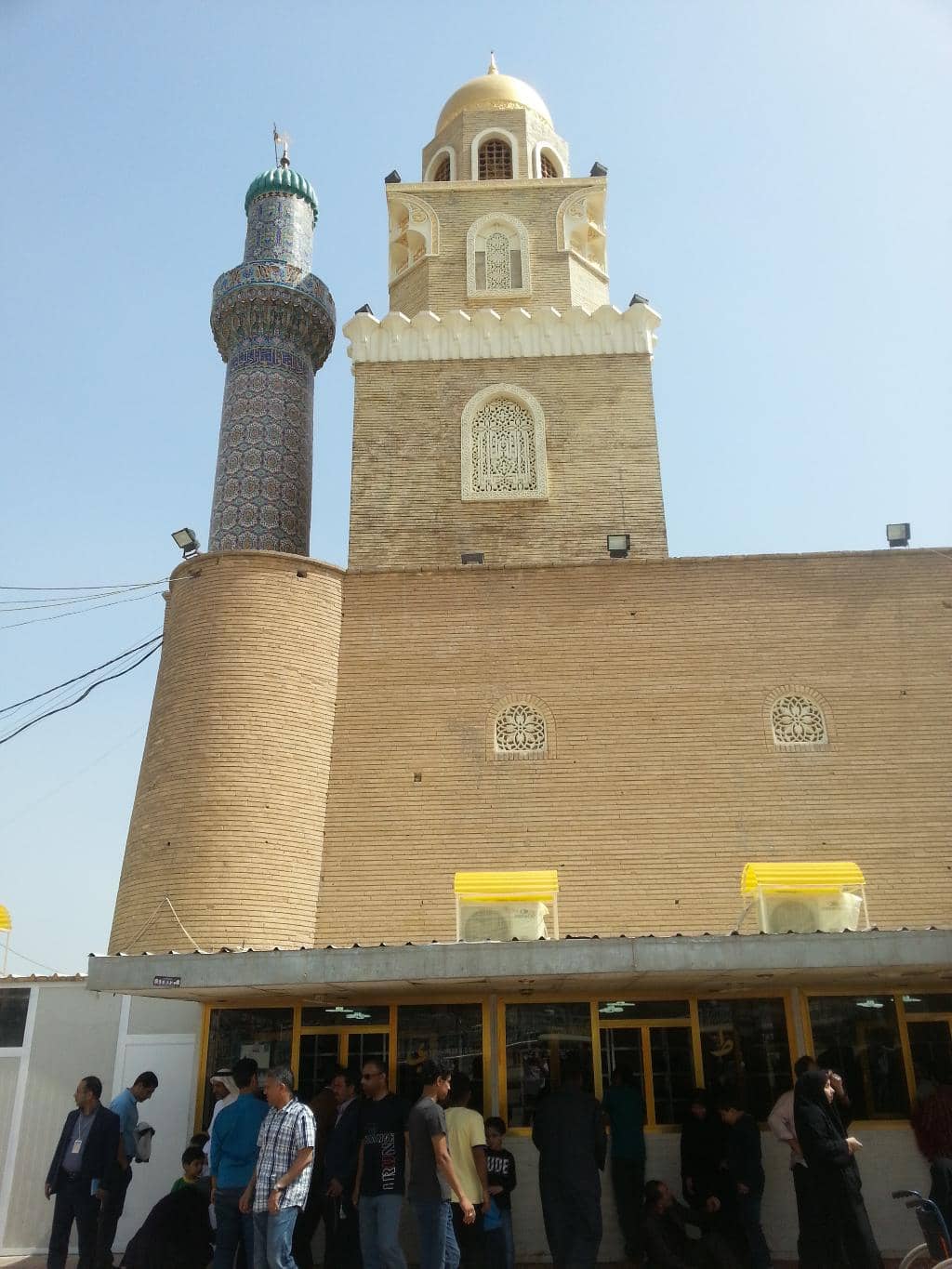
The gilded dome, intricate tilework, vast courtyard, and the Mihrab of Imam Ali (AS) offer stunning photographic opportunities.
Photography is usually permitted, but always be mindful of worshippers and avoid flash photography during prayer times.
Early morning or late afternoon light can be beautiful, offering softer light and fewer crowds.
Drone usage is generally prohibited in and around religious sites in Iraq for security and privacy reasons.
While generally allowed, it's best to observe local customs and be discreet when photographing sacred burial sites.
For Different Travelers
Tailored advice for your travel style
👨👩👧 Families with Kids
Ensure children are dressed modestly and understand the importance of respectful behavior. The vast courtyard offers some space for children to move, but keep them close. Consider visiting during less crowded times to allow for a more relaxed experience. Bringing water and snacks for children is advisable, but consumption should be outside the main prayer areas.
🙏 Spiritual Seekers & Pilgrims
Many visitors find performing two rakats of prayer within the mosque to be a deeply rewarding experience, with traditions suggesting it's equivalent to a thousand prayers elsewhere or an accepted Hajj.
🏛️ History & Architecture Enthusiasts
+1Pay attention to the blend of ancient foundations with the prominent gilded dome and intricate tilework. The preserved elements from its early construction, alongside the more recent enhancements, provide a rich tapestry for architectural study. The historical context of Kufa as a former capital adds another layer of intrigue.
Deep Dives
In-depth insights and expert knowledge
Historical and Spiritual Significance
+1Beyond this pivotal event, the mosque is believed to have been a place of prayer and contemplation for numerous prophets, including Adam, Noah, and Abraham. It also houses the shrines of significant figures like Muslim ibn Aqeel (AS), Hani ibn Urwah, and Mukhtar al-Thaqafi, making it a crucial pilgrimage destination. The sheer weight of history and spiritual devotion emanating from this site is palpable, drawing millions seeking connection and blessings.
The mosque has undergone numerous renovations and expansions throughout its history, with the current architecture featuring a prominent gilded dome and intricate tilework, particularly from the Safavid period. Despite these modernizations, the spiritual essence and historical markers, such as the Mihrab of Imam Ali (AS), are meticulously preserved, offering visitors a profound glimpse into the past and a deeply moving spiritual experience.
+1Exploring the Sacred Sites within the Mosque
Adjacent to the main prayer area, you'll find the Shrines of Muslim ibn Aqeel (AS), Hani ibn Urwah, and Al-Mukhtar al-Thaqafi. These tombs are central to the pilgrimage, allowing visitors to pay their respects to these loyal companions and revolutionary figures. The atmosphere around these shrines is one of deep reverence and devotion.
Other notable stations include those dedicated to Prophet Ibrahim, Prophet Noah, and Imam Ja'far al-Sadiq (AS), each with its own historical narrative and spiritual importance. The mosque also contains markers indicating where Imam Ali (AS) held court and performed miracles, further enriching the visitor's understanding of its historical depth.
Architectural Features and Renovations
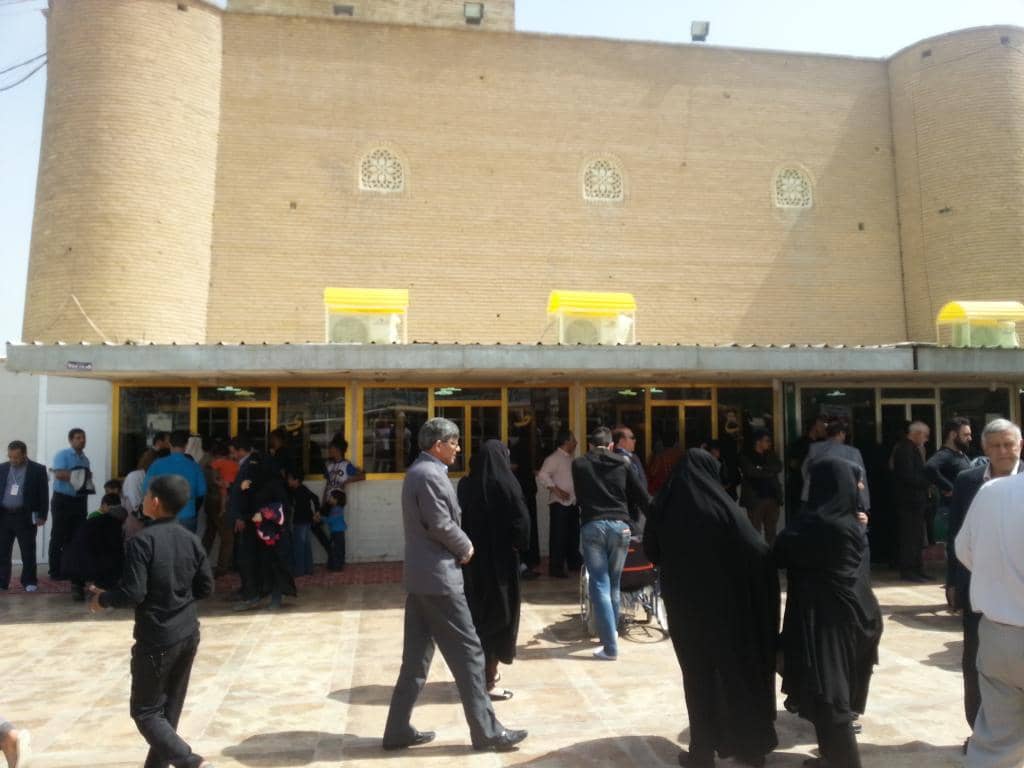
+1The mosque's original layout was a simple square, but subsequent renovations, notably in the 7th century by Governor Ziyad ibn Abihi, transformed it into a more monumental form. The use of brick and imported materials from regions like Ahwaz highlights the architectural ambition of different eras. Even the outer walls with their semi-circular buttresses are believed to retain elements from the mosque's early history.
A significant recent renovation, initiated in 1998 and completed in 2010 by the Dawoodi Bohra community, involved extensive decoration with gold and silver, a gold zari mihrab, and the interior being adorned with Quranic verses. The courtyard is now covered in white marble from Makrana, India, reflecting a commitment to preserving and enhancing this sacred site for future generations.
Social
from TikTok, Instagram & Reddit