Shish Badgir Ab Anbar
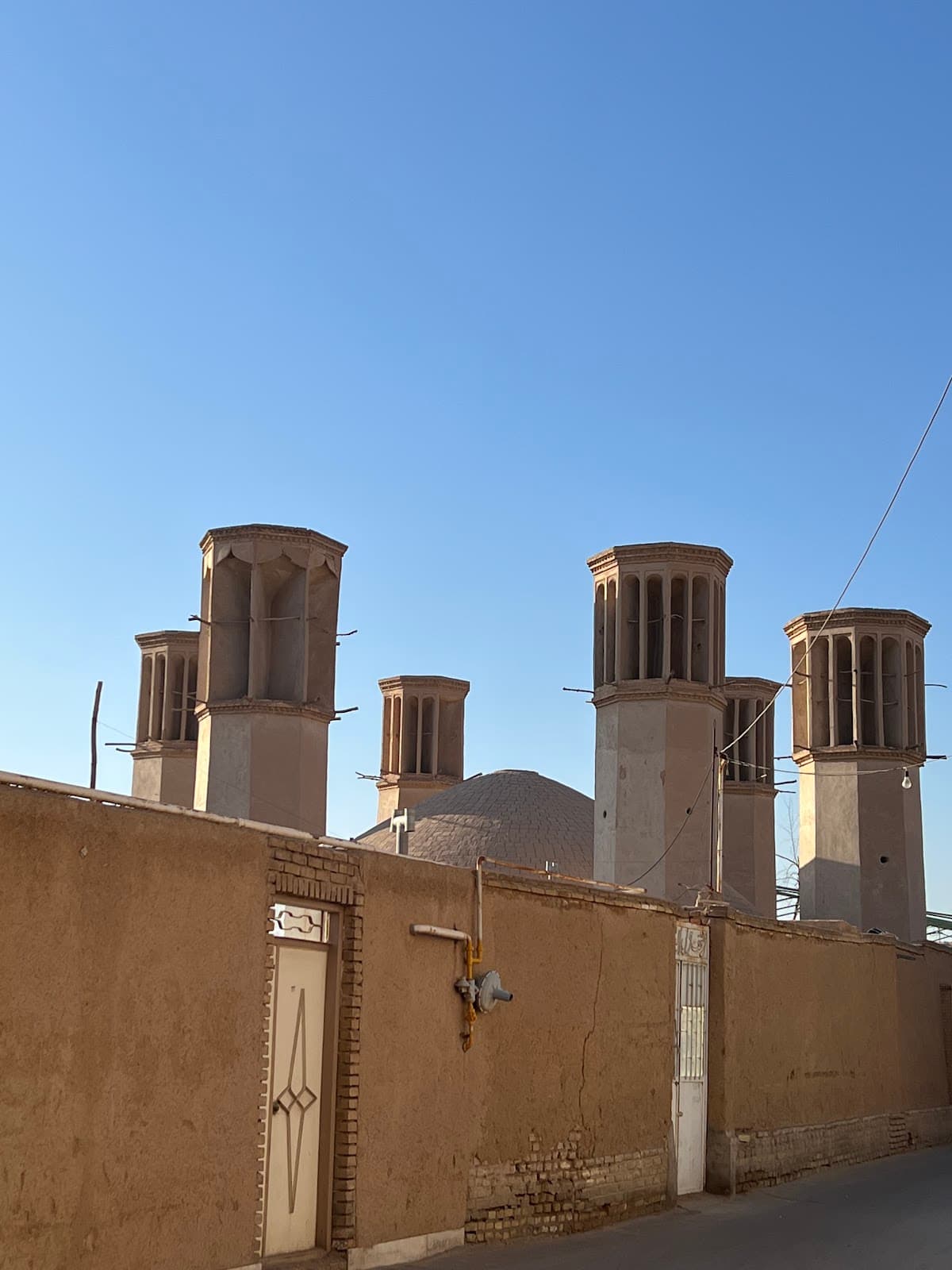
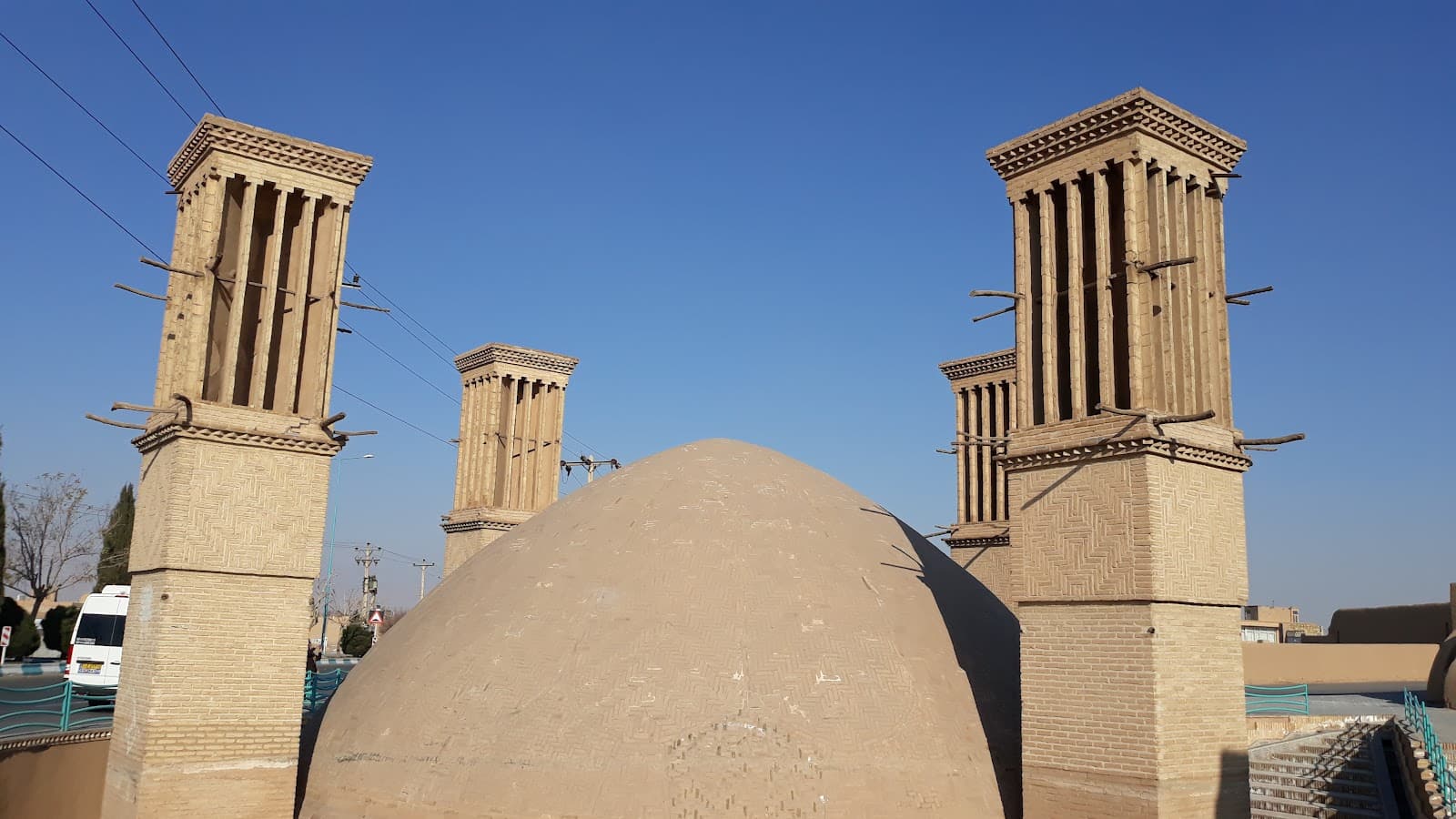
A historical marvel of Persian engineering, Shish Badgir Ab Anbar features six iconic windcatchers and an underground cistern.
Highlights
Must-see attractions

Social
From TikTok & Reddit
Best Time
Pleasant temperatures for exploring
Shish Badgir Ab Anbar
Best Time
Pleasant temperatures for exploring
Highlights
Must-see attractions
A historical marvel of Persian engineering, Shish Badgir Ab Anbar features six iconic windcatchers and an underground cistern.
"A testament to ancient ingenuity, this ab anbar showcases impressive windcatchers and historical water management."
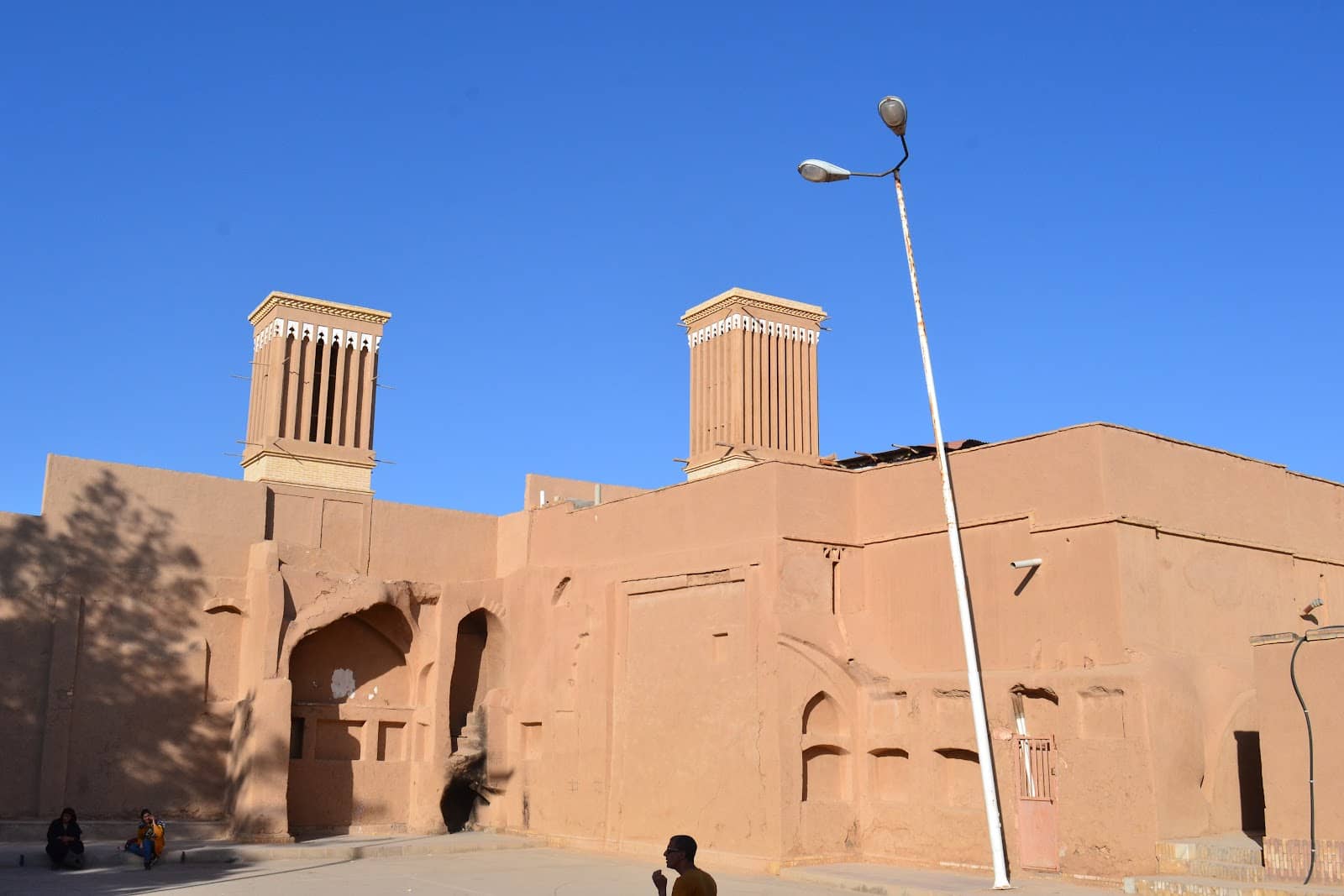
📸 Capture the Windcatchers
The six windcatchers are the star! Visit during golden hour for stunning photos.
👟 Wear Comfortable Shoes
You'll be walking around the exterior and potentially down some steps.
Quick Facts
Hours
Rating
3.8 · 11 reviews
Type
Tourist Attraction
Highlights
Discover the most iconic attractions and experiences
The Six Windcatchers (Badgirs)
Exterior
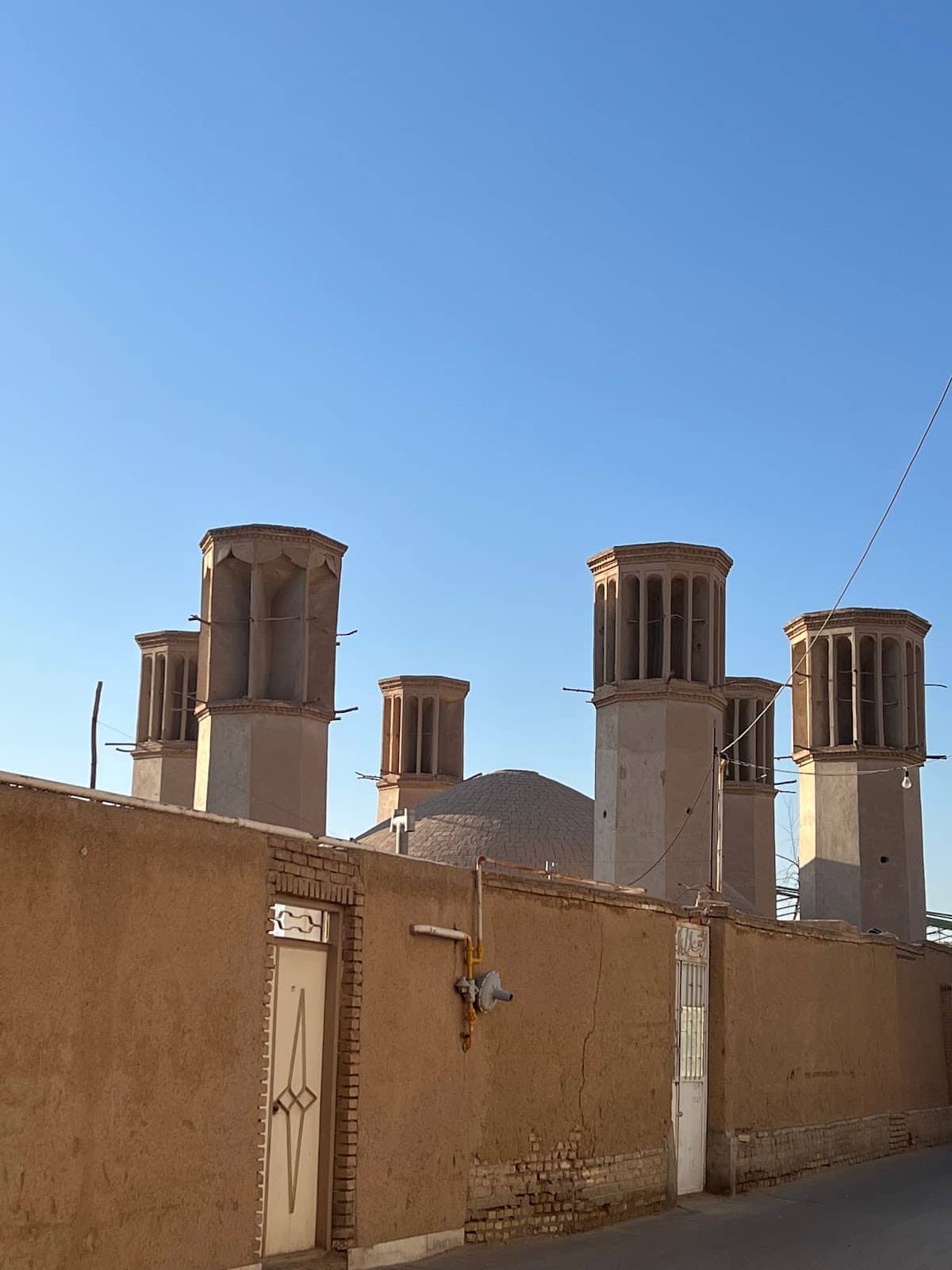
Six towering windcatchers create a unique silhouette, a testament to ingenious climate control.
Underground Cistern
Below ground
Imagine 2000 cubic meters of water stored here, a vital resource for the historic city.
Architectural Details
Entire structure
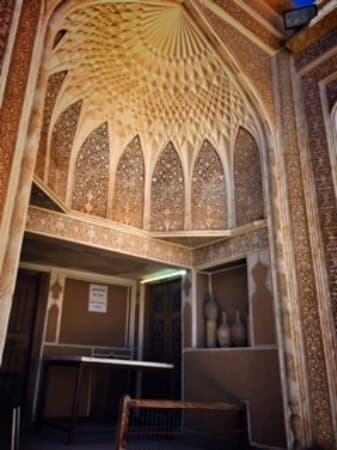
Admire the egg-shaped dome and the intricate brickwork, showcasing ancient Persian architectural prowess.
Plans like a pro.
Thinks like you
Planning Your Visit
Timing is Key for the Best Experience
Understand the Architecture's Ingenuity
Best Times
Insider Tips
from TikTok, Instagram & Reddit
📸 Capture the Windcatchers
The six windcatchers are the star! Visit during golden hour for stunning photos.
👟 Wear Comfortable Shoes
You'll be walking around the exterior and potentially down some steps.
💧 Learn About Water Systems
Understand the historical significance of ab anbars and their role in desert survival.
🧐 Appreciate the Engineering
Architecture students and history buffs will love the ingenuity of the design.
Tips
from all over the internet
📸 Capture the Windcatchers
The six windcatchers are the star! Visit during golden hour for stunning photos.
👟 Wear Comfortable Shoes
You'll be walking around the exterior and potentially down some steps.
💧 Learn About Water Systems
Understand the historical significance of ab anbars and their role in desert survival.
🧐 Appreciate the Engineering
Architecture students and history buffs will love the ingenuity of the design.
What Travellers Say
Reviews Summary
Visitors praise Shish Badgir Ab Anbar for its unique architecture, particularly the striking six windcatchers, and its historical significance as a marvel of Persian water engineering. While the interior cistern is often inaccessible, the exterior structure and its educational value are highly appreciated by those interested in history and architecture.
"Rostam Giv Ab Anbar: A Masterpiece of Persian Water Architecture.
The Rostam Giv Ab Anbar, also known as the Rostam Giv water reservoir, is located in the historic city of Yazd in central Iran. Commissioned in 1940–1941 by the philanthropist Rostam Giv, this ab anbar (water cistern) was built to supply clean water to the arid urban environment of Yazd, where preserved underground structures were essential due to the region’s extreme dryness.
This striking structure features a large underground cylindrical cistern covered by a dome and ventilated by four tall windcatchers (badgirs). These towers draw in cooler air and expel warmer air, naturally cooling and aerating the water. The brick dome and walls act as insulation, preventing evaporation and contamination —an ingenious design refined over centuries of Persian engineering.
Beyond its functional role, the ab anbar symbolizes the civic generosity of Rostam Giv, one of Yazd’s Zoroastrian leaders and philanthropists. His foundation financed schools, fire temples, and other public works. The reservoir’s careful preservation and listing as a national heritage site in 1996 underscore its importance as a modern homage to ancient traditions.
Today, the Rostam Giv Ab Anbar stands as a well-preserved cultural monument, open to visitors and admired for its architectural elegance and historical significance."
Lefteris Stamatelatos
"The Shesh Badgir Reservoir dates back to the contemporary period and is located in Yazd, Shesh Badgir neighborhood, Shesh Badgir Alley. This work was registered on April 24, 1978, with registration number 1600, as one of the national works of Iran."
Ali Parvizi
"The reservoir of six winds has two entrances, one from the north and the other from the south, and the reservoir is located at the southern entrance. The tank in the reservoir has a capacity of 2000 cubic meters of water and in this respect it is considered as one of the medium reservoirs.
The entrance to the water reservoir is located in the southern part, where you can reach the reservoir by walking 55 steps. Pashir is a place where water was taken out for use. Pashir is today's faucet.
Of course, the point mentioned in some sources is the existence of two pashirs, which may not be true, the point is that these two pashirs were for the use of two classes, one lion for the Muslims of Yazd and the next lion for the Zoroastrians of Yazd.
Of course, other sources also made another claim that because the number of people in this place was large and crowding caused a lot of crowding, they installed two taps to prevent this crowding.
The reservoir of six windbreaks has an egg dome and has 6 windbreaks, each of these windbreaks is 10 meters high, and the depth of the reservoir itself is 12.6 meters.
Reservoirs often have 4 important elements, including the dome, pashir, khazine and wind girder, each of which has a specific task.
Dome: It was built in order to prevent dust or garbage from entering the tank to pollute the water.
Pashir: The stairwell is so that people can empty the water they need.
Wind deflector: It was made to keep the air inside the water tank and treasury cool.
and
Treasury: It is also dug in the ground to collect rainwater and store it."
Saeed Rasooli
What People Like
What People Dislike
Frequently Asked Questions
🚇 🗺️ Getting There
Shish Badgir Ab Anbar is located in the Shesh Badgir neighborhood, Shesh Badgir Alley in Yazd. It's accessible by local taxi or ride-sharing services. Walking is also an option if you're staying nearby in the historic center.
Yes, it's a well-known landmark in Yazd, especially for those interested in its unique architecture. Look for the distinctive six windcatchers.
While direct bus routes might be limited, local buses can get you close to the historic center of Yazd, from where you can walk or take a short taxi ride.
🎫 🎫 Tickets & Entry
Entry to the exterior and the windcatchers is generally free, as it's a historical site. However, access to the interior cistern might be restricted or require a small fee.
As a historical monument, it's typically accessible during daylight hours. It's best to visit during the day to appreciate the structure and its surroundings.
According to reviews, the inside of the reservoir itself is often not accessible for visits, but the building and its wind turbines are still a significant attraction.
While the exterior is usually free to view, there might be a nominal fee for accessing certain parts or for guided tours if available. It's advisable to check on-site for the most current information.
🎫 🧭 Onsite Experience
The main attraction is the impressive structure with its six unique windcatchers and the historical context of its function as a water reservoir. You can admire the architecture and learn about its engineering.
A visit typically takes about 30 minutes to an hour, depending on your interest in architecture and history. It's a great stop to combine with other Yazd attractions.
Children can appreciate the unique shape of the windcatchers and learn about how water was stored. It's a good educational stop, but supervision is recommended.
It's a significant example of traditional Persian water management systems, showcasing ingenious methods for water storage and cooling in arid regions. It was registered as a national heritage site in 1978.
While not always advertised, local guides in Yazd may offer tours that include this site. Inquire at your accommodation or local tourist information centers.
📸 📸 Photography
Early morning or late afternoon, during the golden hours, provides the best light for photographing the windcatchers and the overall structure.
Generally, photography of the exterior is allowed. If there are any specific areas with restrictions, they will be clearly marked.
Try shooting from different distances and angles to capture the scale of the six windcatchers. Including some of the surrounding Yazd architecture can add context.



Social
from TikTok, Instagram & Reddit