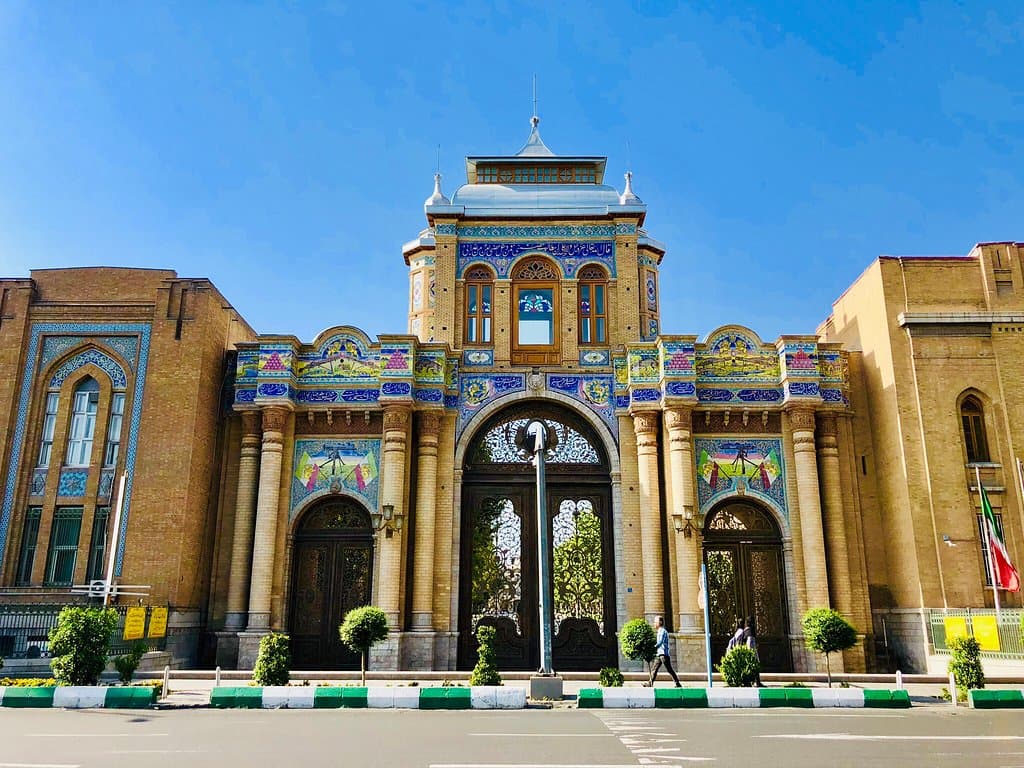
National Museum of Science and Technology Iran
Discover Iran's millennia-old history, from prehistoric tools to Islamic art, in this stately museum.
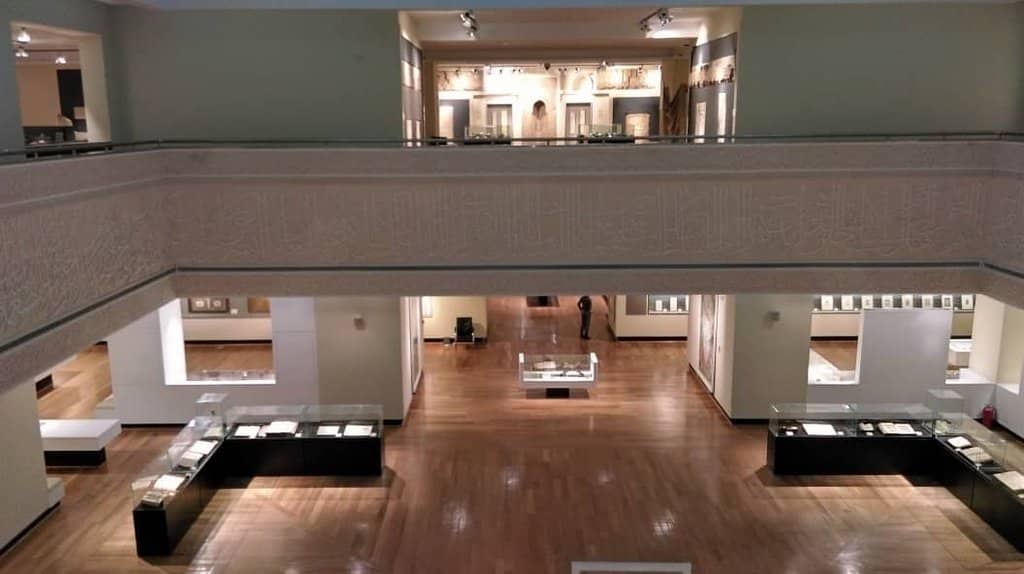
Highlights
Must-see attractions
Social
From TikTok & Reddit
Best Time
Avoid crowds, enjoy calm galleries
National Museum of Science and Technology Iran
Best Time
Avoid crowds, enjoy calm galleries
Highlights
Must-see attractions
Discover Iran's millennia-old history, from prehistoric tools to Islamic art, in this stately museum.
"A compact but captivating cultural gem for history lovers, offering a friendly price and manageable visit."
📸 No Flash Photography
Capture memories, but protect artifacts. Avoid using flash to preserve delicate exhibits .
🎒 Secure Your Belongings
Use the available safe lockers to explore hands-free. Staff may open for security checks .
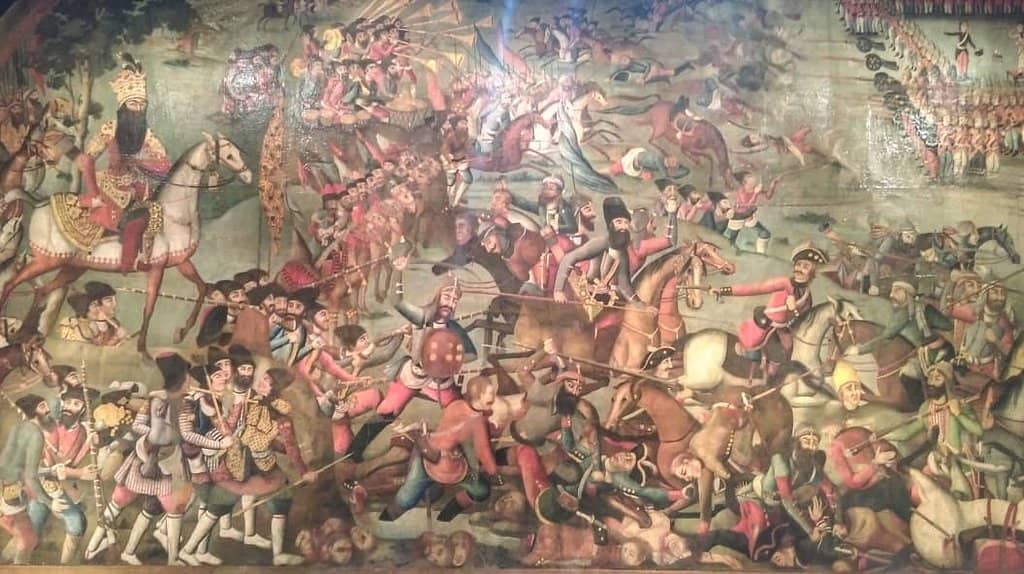
Highlights
Discover the most iconic attractions and experiences
Museum of Ancient Iran
Journey from prehistoric tools to Sassanian architecture. See ancient tablets and intricate reliefs.
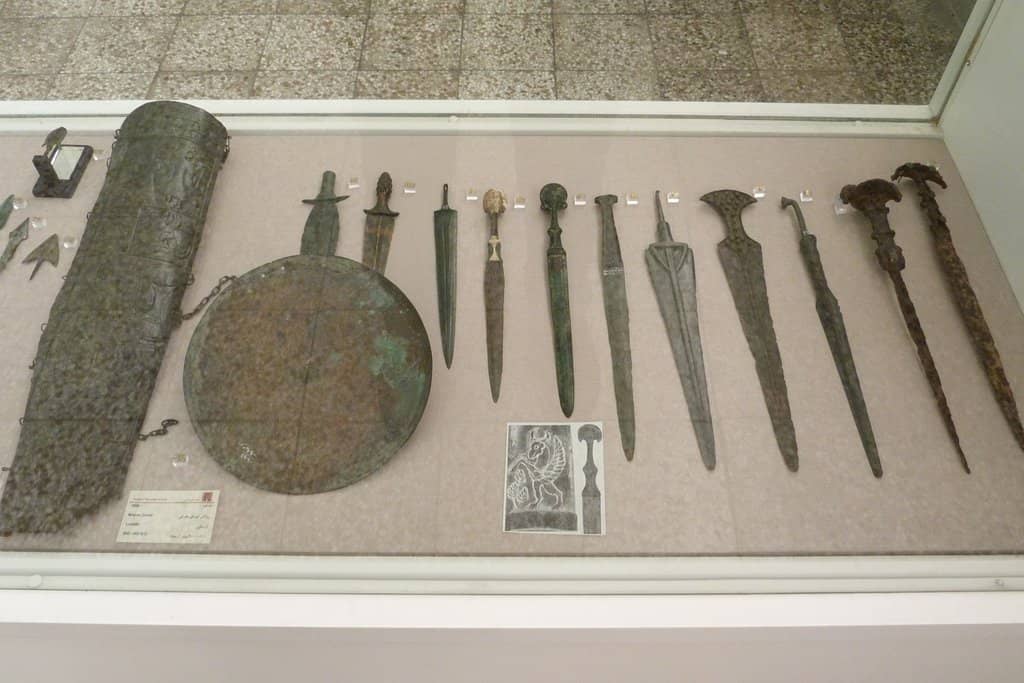
Museum of the Islamic Era
Discover Iran's rich artistic legacy after Islam. Explore Islamic art and scholarship.
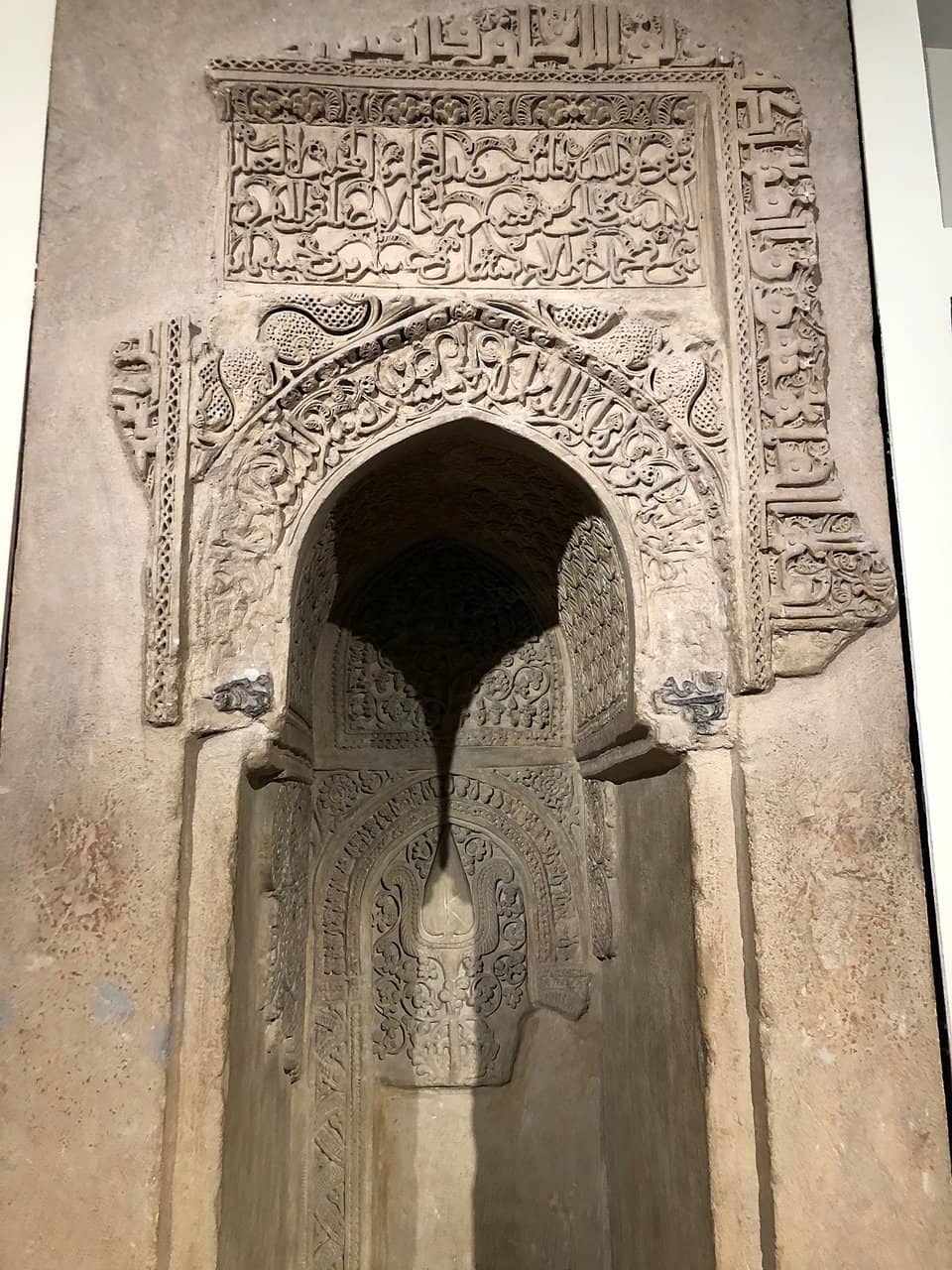
Persepolis Tablets
Museum of Ancient Iran
See clay tablets from Persepolis, offering insights into early writing and empire.
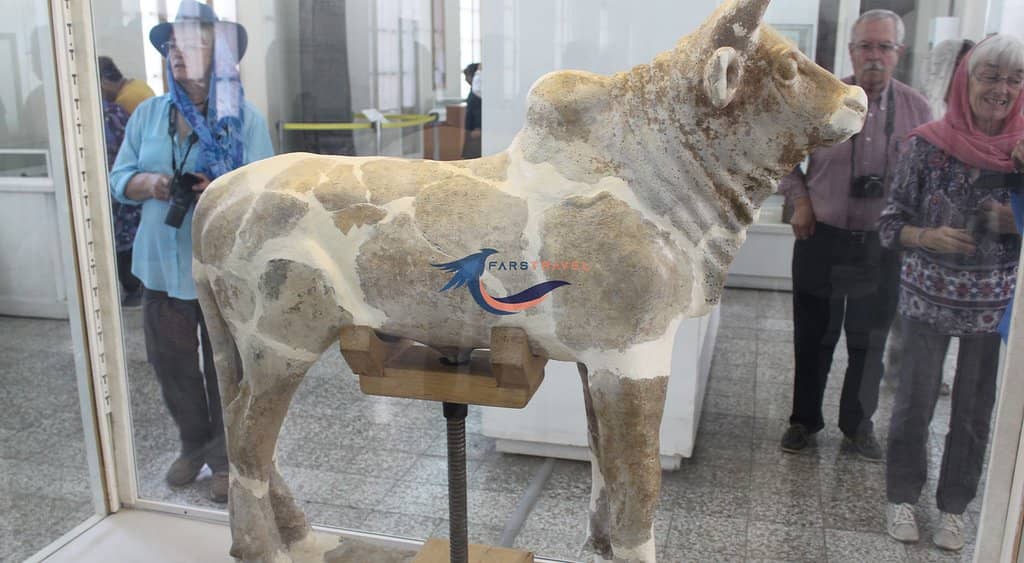
Hellenistic Inscriptions
Museum of Ancient Iran
Explore Greek-language inscriptions shedding light on cultural exchanges in the 3rd century BCE.
Plans like a pro.
Thinks like you
Planning Your Visit
Allocate Ample Time
Ticket Pricing & Currency
Best Times
Insider Tips
from TikTok, Instagram & Reddit
📸 No Flash Photography
Capture memories, but protect artifacts. Avoid using flash to preserve delicate exhibits.
🎒 Secure Your Belongings
Use the available safe lockers to explore hands-free. Staff may open for security checks.
🚶♀️ Smooth Walking Route
The sculpture section has been rearranged for a smoother visitor flow.
🗺️ English Signage Available
Navigate the museum with ease thanks to English-language brochures and signage.
Tips
from all over the internet
📸 No Flash Photography
Capture memories, but protect artifacts. Avoid using flash to preserve delicate exhibits.
🎒 Secure Your Belongings
Use the available safe lockers to explore hands-free. Staff may open for security checks.
🚶♀️ Smooth Walking Route
The sculpture section has been rearranged for a smoother visitor flow.
🗺️ English Signage Available
Navigate the museum with ease thanks to English-language brochures and signage.
🚇 Easy Metro Access
Nearest metro station is Emam Khomeini (Line 1). Buses are also a convenient option.
What Travellers Say
Reviews Summary
Visitors praise the National Museum of Iran for its comprehensive collection spanning millennia of Persian history and its well-maintained, climate-controlled galleries. The museum offers a valuable glimpse into ancient civilizations and Islamic art, with helpful amenities like lockers and English signage. While ticket prices have increased, many find it a worthwhile and affordable cultural experience.
"The National Museum of Iran in Tehran is a remarkable destination for anyone interested in Iran’s rich cultural and historical heritage. Recently, the museum hosted a temporary exhibition, which added a fresh and engaging perspective to its already vast collection. This temporary exhibit, like others before it, is carefully curated and displayed for a limited time before being returned to the museum’s secure storage, ensuring the preservation of these precious artifacts.
Regarding visitor facilities, the museum provides clean and well-maintained toilets across different floors, including accessible options, which contribute to a comfortable visit. There are also safe lockers available, allowing visitors to securely store their belongings and explore the museum with empty hands. This feature is especially convenient and adds to the overall visitor experience, although museum staff may open lockers for security checks if necessary.
Photography is allowed inside the museum, but visitors must refrain from using flash to protect the delicate artifacts. This policy strikes a good balance between allowing visitors to capture memories and preserving the integrity of the exhibits.
Overall, the National Museum of Iran offers a well-rounded experience with its impressive collections, including both permanent and temporary exhibitions, and thoughtful visitor amenities such as clean toilets and secure lockers. These features make it easy and enjoyable to spend several hours exploring the museum’s treasures without worry.
The ticket price for Iranian visitors to the National Museum of Iran in Tehran is 500,000 and for foreign visitors approximately 4,000,000 Iranian Rials, which is about 7 USD as of 2025. This price reflects a recent increase, having risen significantly in recent months from lower rates around 1,000,000 Rials (about 2 USD). Some sources mention slightly different figures such as 300,000 Rials, but the most consistent and updated information points to the 4,000,000 Rials rate for international tourists.
Discounted rates may be available for large groups such as school or tour groups. The museum is open daily, generally from 9 a.m. to 7 p.m. in spring and summer, and from 8:30 a.m. to 5 p.m. in autumn and winter.
In summary, expect to pay around 7 USD for a ticket as a foreign visitor, with possible group discounts, and plan your visit during the regular opening hours for the best experience."
Mahdiyeh Zamankhanpour
"The National Museum of Iran: A Gateway to Persian Heritage.
The National Museum of Iran, located in Tehran, is the country’s most important ar-chaeological and historical institution. Established in 1937, the museum is divided into two main sections: the Museum of Ancient Iran and the Museum of the Islamic Era. Together, they offer a comprehensive narrative of Iranian civilization from prehistoric times to the modern period.
The Museum of Ancient Iran, designed by French architect André Godard, houses arti-facts from prehistoric settlements, Elamite cities, and major Achaemenid, Parthian, and Sassanid sites. Highlights include clay tablets from Persepolis, statues from Shush (Su-sa), and intricately carved reliefs, offering insight into the early development of writing, religion, and empire in Iran.
The Museum of the Islamic Era, opened in 1996, presents the rich artistic and cultural legacy of Iran after the advent of Islam, illustrating Iran’s central role in Islamic art and scholarship.
Notably, the museum also displays important evidence of Hellenistic presence in Iran, especially during the Seleucid period. Among its key Greek-language inscriptions is the Letter of Menedemus and the Prostagma of Antiochus III—documents that shed light on administrative practices, royal cult, and cultural exchanges between the Greek and Iranian worlds during the 3rd century BCE."
Lefteris Stamatelatos
"National Museum of Iran, Tehran
🖼️ Exhibits & Value: From prehistoric to early Islamic eras, the museum offers a rich journey through Iranian civilization—from stone tools of the Paleolithic and Copper Age to Sassanian architecture and Islamic manuscripts. A must-visit for history lovers. Rating: 4/5
🌍 Structure & Route: Spread across two buildings—the Ancient Iran Museum (prehistory to Sassanian) and the Museum of the Islamic Era—visiting both is easy and well worth your time. Rating: 4/5
👌 Atmosphere & Layout: Clean, calm, with intuitive layouts and English signage; well maintained and climate-controlled. Visitors spend 1.5–3 hours here. Rating: 4/5
💰 Cost & Accessibility: The ticket costs around 4 million IRR (~US $7–8), quite reasonable. Metro and bus access are convenient, and brochures are available in English. Rating: 4/5
---
⭐ Overall Rating: 4 / 5
A compact but captivating cultural gem. If you love archaeology, ancient tools, Bronze Age pots, Sassanian reliefs, or early Qur’anic manuscripts, this is an excellent opportunity to immerse in Persian history—for a friendly price and manageable visit.
---
My personal take:
I felt the journey from stone-age tools through the splendor of early Islamic artworks was both enlightening and memorable. The museum’s efficient setup lets you wander through two halls at your own pace—though you could easily spend three hours exploring. Worth a full “loop” around both venues.
---
🧭 Quick Visitor Tips
Tip Description
⏱️ Time Allocate at least 1.5–2 hours, ideally 2–3 hours
🧭 Access Nearest metro: Emam Khomeini (Line 1); buses also available
📚 Materials English-language brochures and signage available
🕰️ Hours Typically open 9 AM–5 (9–7 in summer); check ahead"
Lis Horning
What People Like
What People Dislike
Frequently Asked Questions
🚇 🗺️ Getting There
The museum is easily accessible via public transport. The nearest metro station is Emam Khomeini on Line 1. Buses also serve the area, making it convenient to reach from various parts of Tehran.
Information on dedicated parking facilities is limited, but public transport is highly recommended for ease of access and to avoid potential parking hassles in central Tehran.
Yes, ride-sharing apps like Snapp are widely used in Tehran and can be a convenient way to reach the museum directly from your accommodation.
Approaching from the Emam Khomeini metro station offers a straightforward route. The museum is a prominent landmark in the area.
The museum is located in central Tehran, close to other significant sites like Golestan Palace and the Grand Bazaar, making it possible to plan a day of exploration.
🎫 🎫 Tickets & Entry
For foreign visitors, the ticket price is approximately 4,000,000 Iranian Rials (around $7 USD as of 2025). Iranian visitors pay a significantly lower fee.
Discounted rates may be available for large groups, such as school or tour groups. It's advisable to inquire directly with the museum for specific group booking information.
Opening hours vary seasonally. Generally, it's 9 a.m. to 7 p.m. in spring and summer, and 8:30 a.m. to 5 p.m. in autumn and winter. Always check the latest hours before your visit.
Information on online ticket purchasing is not widely available. It's recommended to purchase tickets upon arrival at the museum.
Weekday mornings are generally less crowded, offering a more relaxed experience. Afternoons can become busier.
🎫 🏛️ Onsite Experience
The museum houses artifacts from prehistoric times to the Islamic era, including ancient pottery, stone figures, carvings, Sassanian architecture, and Islamic manuscripts.
Yes, photography is permitted, but visitors must refrain from using flash to protect the delicate artifacts.
Allocate at least 1.5 to 3 hours to explore both the Museum of Ancient Iran and the Museum of the Islamic Era thoroughly.
Yes, the museum provides clean restrooms on different floors, including accessible options, and secure lockers for visitors to store their belongings.
The museum offers a broad historical overview that can be educational for older children interested in history and archaeology. The exhibits are well-displayed.
🍽️ 🍽️ Food & Dining
There are no specific dining facilities mentioned within the museum itself. Visitors may need to explore nearby areas for food options.
The museum is located in central Tehran, so there are numerous restaurants and cafes in the surrounding neighborhoods, offering a variety of Iranian and international cuisine.
It's generally advisable to consume food and drinks outside the exhibition halls to maintain the museum's cleanliness and preserve the artifacts.
Exploring the streets around the museum will reveal many local eateries. Look for traditional Iranian restaurants for an authentic culinary experience.
While not directly within the museum grounds, nearby parks or public spaces in central Tehran might offer opportunities for a picnic, depending on local regulations.
📸 📸 Photography
Photography is allowed inside the museum, but using flash is strictly prohibited to protect the artifacts.
While flash is the main restriction, it's always good practice to be mindful of any temporary signage or staff instructions regarding photography in certain sensitive areas.
The well-lit galleries, especially those featuring intricate stone carvings and ancient artifacts, offer excellent photographic opportunities. The architecture of the buildings themselves is also noteworthy.
Tripod usage is typically restricted in museums to avoid obstruction and potential damage. It's best to assume tripods are not allowed unless explicitly stated otherwise.
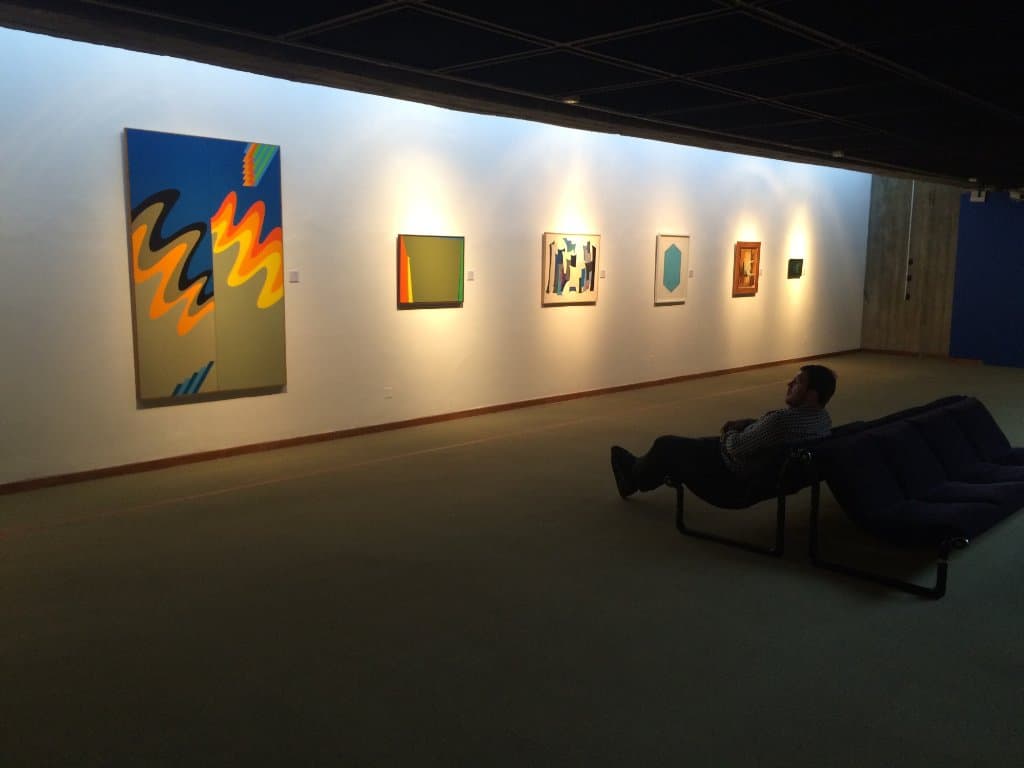
You can capture detailed shots of ancient pottery, stone figures, historical inscriptions, and the artistic expressions from the Islamic era. The warm spotlights enhance the textures of the exhibits.
For Different Travelers
Tailored advice for your travel style
👨👩👧 Families with Kids
To make the visit more enjoyable, plan for a shorter duration, perhaps focusing on one of the two main buildings if time is limited. Bringing a small notebook for kids to sketch their favorite artifacts or jot down interesting facts can add an interactive element. Remember the no-flash photography rule, which is easy for children to follow. The museum's central location also makes it easy to combine with other family-friendly activities in Tehran.
🏛️ History Buffs & Archaeology Enthusiasts
The museum's two distinct sections, the Museum of Ancient Iran and the Museum of the Islamic Era, allow for a comprehensive chronological exploration. Enthusiasts will appreciate the detailed displays of pottery, stone figures, and historical inscriptions, many of which are significant archaeological finds. The opportunity to see evidence of Hellenistic presence in Iran, through inscriptions like the Letter of Menedemus, adds another layer of historical context, highlighting the region's role in ancient global interactions.
🚶 Budget Travelers
To maximize savings, utilize public transportation like the metro to reach the museum, as it's conveniently located near the Emam Khomeini station.
Deep Dives
In-depth insights and expert knowledge
A Journey Through Iranian History
Museum of Ancient Iran
This section is a treasure trove of artifacts spanning millennia. Visitors can explore exhibits from prehistoric settlements, Elamite cities, and major Achaemenid, Parthian, and Sassanid sites. Highlights include clay tablets from Persepolis, which provide invaluable insights into ancient administration and writing, as well as statues and intricately carved reliefs that showcase the artistic and cultural achievements of these early empires. The museum also displays evidence of Hellenistic influence, such as Greek-language inscriptions from the Seleucid period, illustrating the cultural exchanges between the Greek and Iranian worlds.
Museum of the Islamic Era
Opened in 1996, this section complements the ancient history by presenting the rich artistic and cultural legacy of Iran following the advent of Islam. It illustrates Iran's pivotal role in the development and dissemination of Islamic art, science, and scholarship. The exhibits here showcase the evolution of calligraphy, miniature painting, ceramics, and metalwork, reflecting the sophisticated aesthetic traditions that flourished under various Islamic dynasties. Together, these two museums offer an unparalleled glimpse into the depth and continuity of Persian heritage.
Visitor Experience and Amenities
Photography is a key part of many visitors' experiences, and the museum allows it, with one crucial caveat: no flash photography. This rule is in place to protect the delicate nature of the ancient artifacts from light damage. By adhering to this, visitors can still capture memories of their visit while contributing to the preservation of these invaluable historical pieces. The museum also provides English-language brochures and signage, making it easier for international visitors to navigate and understand the exhibits.
Overall, the museum is praised for its calm atmosphere and intuitive layout. Visitors often spend between 1.5 to 3 hours exploring the collections, appreciating the well-maintained, climate-controlled environment. The warm spotlights used in the galleries beautifully highlight the details on stone carvings and other artifacts, adding to the immersive experience.

Social
from TikTok, Instagram & Reddit