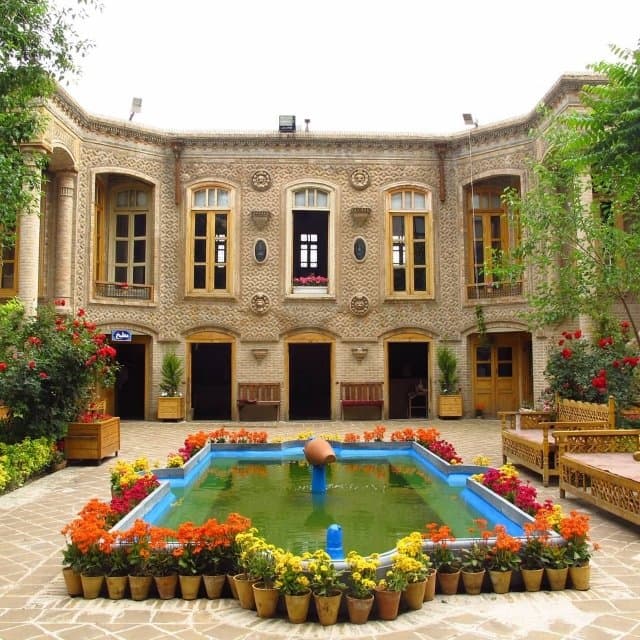
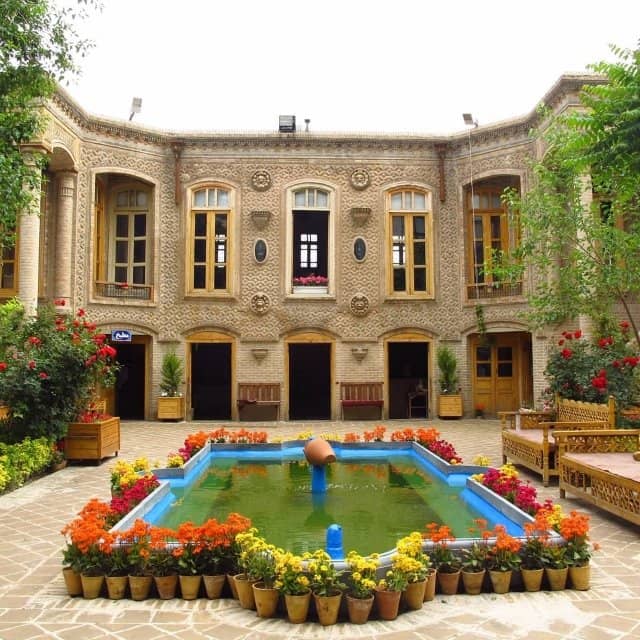
Darougheh House
A beautifully restored 19th-century Persian mansion showcasing Qajar architecture with Russian influences, near Mashhad's Imam Reza Shrine.
Highlights
Must-see attractions

Social
From TikTok & Reddit
Best Time
Beat the heat and crowds
Darougheh House
Best Time
Beat the heat and crowds
Highlights
Must-see attractions
A beautifully restored 19th-century Persian mansion showcasing Qajar architecture with Russian influences, near Mashhad's Imam Reza Shrine.
"A beautifully restored Persian mansion offering a glimpse into rich architectural heritage and authentic culture."
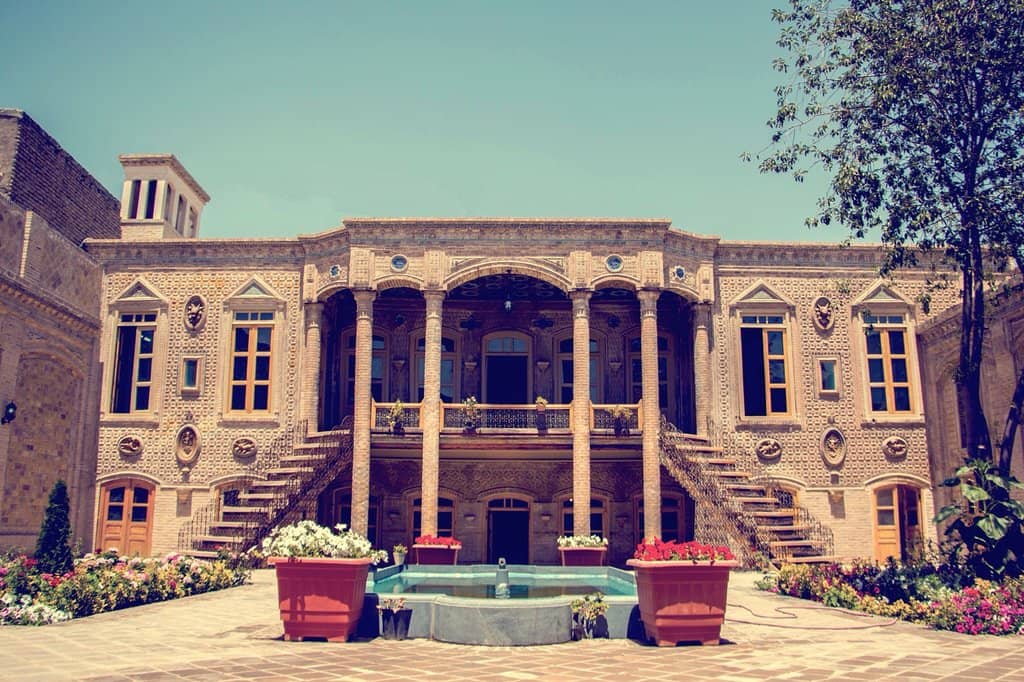
📸 Perfect for Photos
The staircase and courtyard are ideal for wedding and portrait photography. :camerawithflash:
⏰ Short Visit Recommended
Allow about an hour to explore the courtyard and basement craft shop. The interior rooms are not accessible.
Highlights
Discover the most iconic attractions and experiences
Restored Persian Mansion
Courtyard
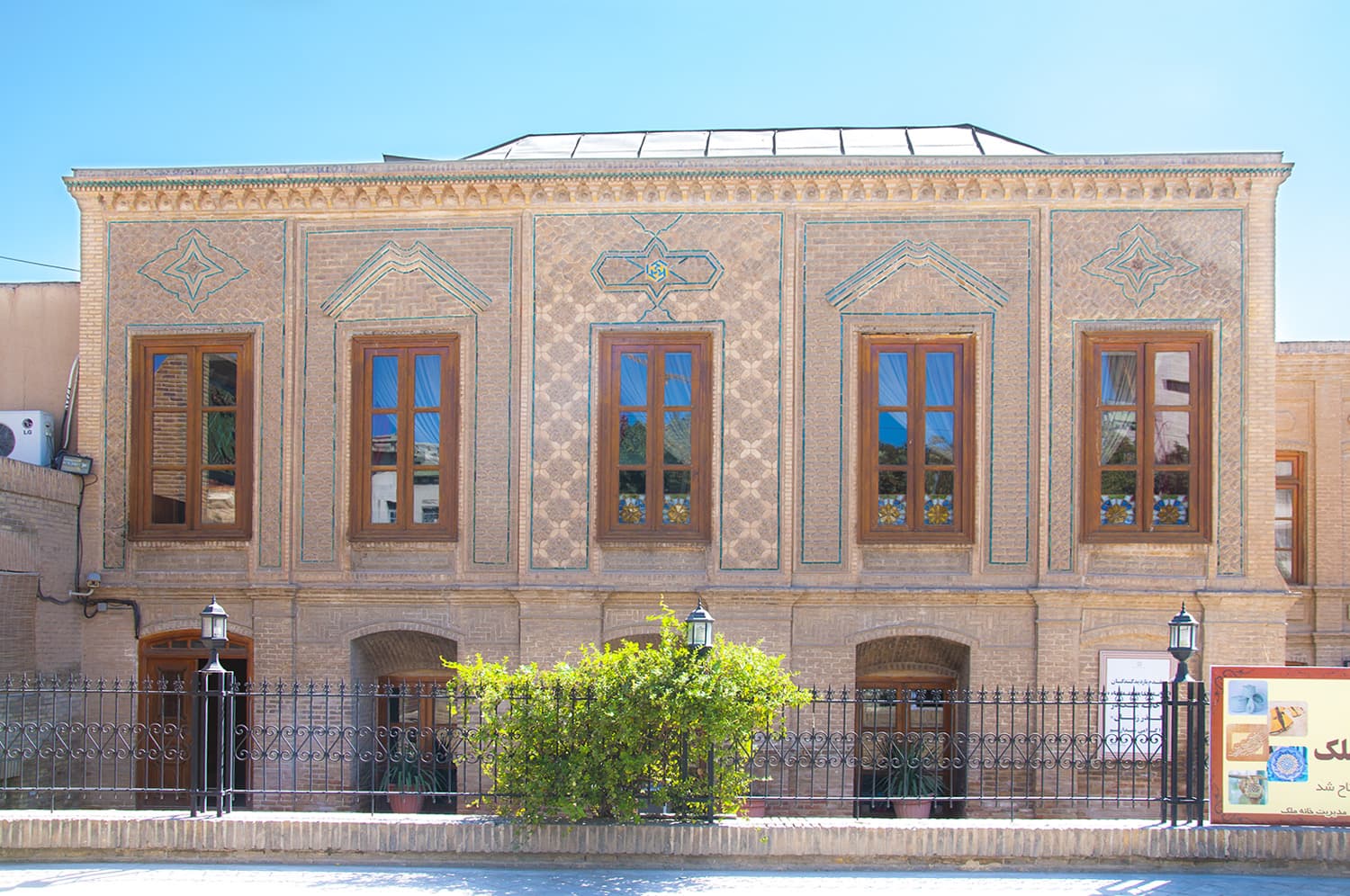
Admire the intricate woodwork, stained glass, and traditional courtyard of this 19th-century architectural gem.
Qajar-Era Architecture
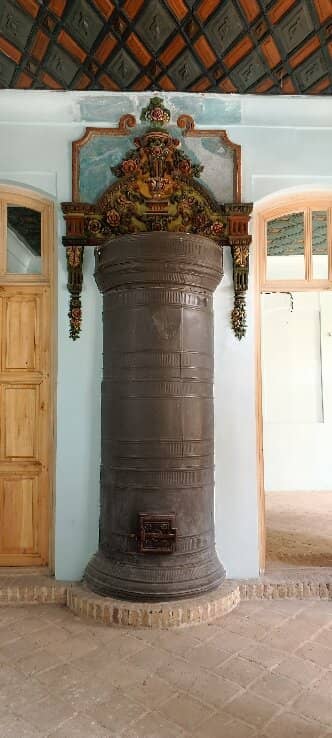
Exterior
Experience authentic Persian design with Russian architectural influences, a testament to its historical context.
Craft Shop Basement
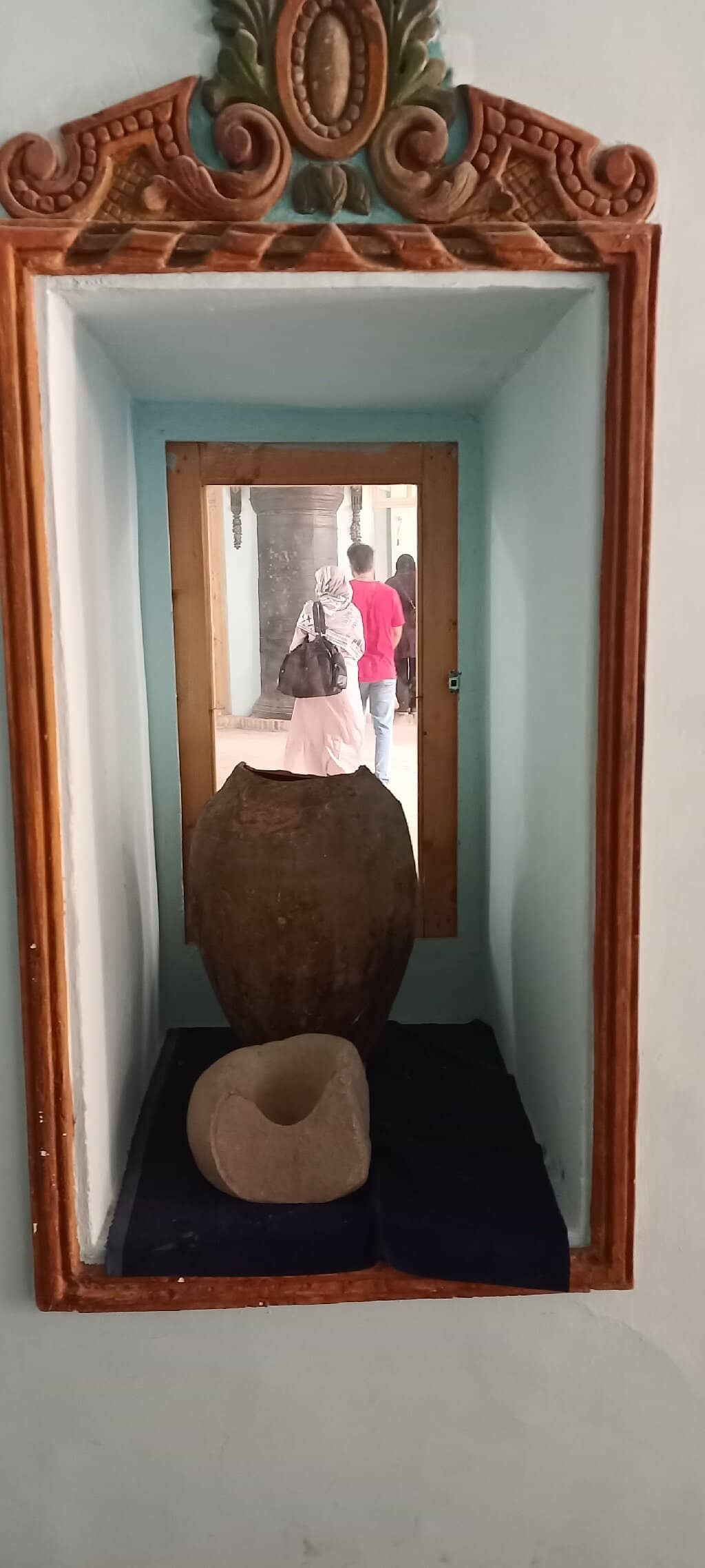
Basement
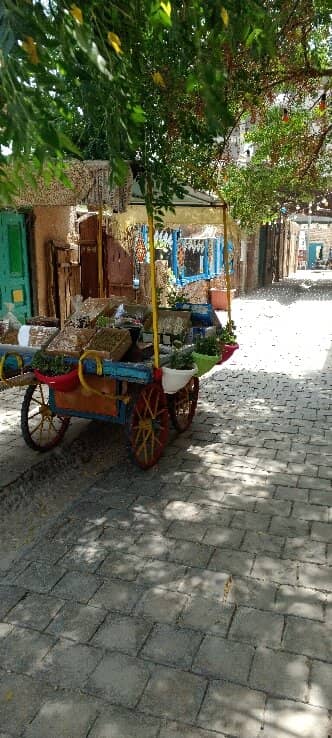
Browse local crafts and souvenirs in the basement, which offers a glimpse into the house's functional past.
Iconic Staircase
Courtyard
A popular spot for wedding photography, the elegant staircase adds a touch of grandeur to the historic setting.
Plans like a pro.
Thinks like you
Planning Your Visit
Timing Your Visit
What to Expect Inside
Best Times
Insider Tips
from TikTok, Instagram & Reddit
📸 Perfect for Photos
The staircase and courtyard are ideal for wedding and portrait photography. :camerawithflash:
⏰ Short Visit Recommended
Allow about an hour to explore the courtyard and basement craft shop. The interior rooms are not accessible.
🚶 Near Imam Reza Shrine
Just an 8-minute walk from the Holy Shrine, making it an easy addition to your itinerary. :world_map:
🛍️ Basement Craft Shop
Discover unique local crafts and souvenirs in the converted basement area. :shopping_bags:
Tips
from all over the internet
📸 Perfect for Photos
The staircase and courtyard are ideal for wedding and portrait photography. :camerawithflash:
⏰ Short Visit Recommended
Allow about an hour to explore the courtyard and basement craft shop. The interior rooms are not accessible.
🚶 Near Imam Reza Shrine
Just an 8-minute walk from the Holy Shrine, making it an easy addition to your itinerary. :world_map:
🛍️ Basement Craft Shop
Discover unique local crafts and souvenirs in the converted basement area. :shopping_bags:
What Travellers Say
Reviews Summary
Daroogheh House is praised for its beautifully restored Persian architecture, intricate details, and peaceful courtyard, offering a glimpse into 19th-century life. Its proximity to the Imam Reza Shrine makes it a convenient historical stop. However, some visitors have noted that interior rooms are inaccessible and have had negative experiences with security personnel.
"Daroogheh Historical House is a beautifully restored Persian mansion that offers a glimpse into the rich architectural heritage of Mashhad. The intricate woodwork, stunning stained glass windows, and traditional courtyard create a charming and peaceful atmosphere. It’s a great spot for history lovers and those looking to experience authentic Persian culture. Highly recommended for a short but memorable visit!"
Behrooz shyestepoor
"Visiting Iranian houses built in the 19th century with its special architecture is always great. This house, after renovation, has retained its character and us a true example of the reality of the living conditions of the upper class Iranians in the 19th century. The House is relatively small and the interior cannot be visited. The visit is limited to the courtyard and the basement which is a craft shop now. The only negative thing about the place is the badass rascal who is the security guard and harasses women with loose headscarves. He doesn't belong to the place."
Reza Sattarzadeh Nowbari
"A good place for #wedding photography! Specially the staircase 🪜
Daroogheh House is a historical structure near the Imam Reza Holy shrine. This house dates back to the Qajar period and is located in Navab Safavi Street. The structure has been registered on number 6357 as one of Iran’s national monuments in 2002.
This house was erected on the order of Yousef Khan Harati on an area of 1100 square meters in the late Qajar period. Darooghe House is built on the form of architecture in the traditional style of Iranian historical houses and its architectural elements, especially double story terrace design and ornamentation, illustrate the pattern of Russian architectural designs.
This historical structure was bought and rebuilt by municipality of Mashhad in 2012 and was opened in 2015.
Daroogheh House is made up of several sections: living rooms, basement, bakery, kitchen, the first private bathroom, and etc.
Approximate time of walking from the Holy Shrine: 8 minutes.
Visiting hours: 8 a.m. to 1 p.m.
Daroogheh Historical House Address: Darooghe Historical House, Sharestan Intersection, Navab Safavi Street, Mashhad, Khorasan Razavi Province, Iran."
Mohammad Taqi
What People Like
What People Dislike
Frequently Asked Questions
🚇 🗺️ Getting There
Daroogheh House is conveniently located just an 8-minute walk from the Imam Reza Holy Shrine. Head towards Navab Safavi Street and look for the Sharestan Intersection. It's a very accessible location for pilgrims and tourists.
The address is Darooghe Historical House, Sharestan Intersection, Navab Safavi Street, Mashhad, Khorasan Razavi Province, Iran.
While specific public transport routes can vary, its proximity to the Imam Reza Shrine means it's likely accessible via local bus routes that serve the shrine area. Taxis are also readily available in Mashhad.
🎫 🎫 Tickets & Entry
Daroogheh House is open daily from 8 a.m. to 1 p.m. It's advisable to plan your visit within these hours to ensure you can explore the site.
Information regarding entrance fees is not consistently available, but historical sites in Iran often have a nominal fee. It's best to check upon arrival or inquire locally.
No, the interior rooms of Daroogheh House are not accessible to visitors. The visit is primarily focused on the exterior architecture, the courtyard, and the basement craft shop.
Yes, Daroogheh House was registered as one of Iran's national monuments under number 6357 in 2002, highlighting its historical and architectural significance.
📸 📸 Photography
Absolutely! Daroogheh House is highly recommended for photography, especially for weddings. The staircase and the traditional courtyard offer beautiful backdrops. :camerawithflash:
The elegant staircase in the courtyard is a standout feature for photos. The intricate woodwork and stained glass windows also provide excellent photographic opportunities.
🎫 🏛️ History & Architecture
Daroogheh House dates back to the late Qajar period and was built on the order of Yousef Khan Harati. It was renovated by the municipality of Mashhad and reopened in 2015. It's a prime example of 19th-century upper-class Iranian living conditions.
The house is built in the traditional style of Iranian historical houses, but notably features elements of Russian architectural design, particularly in its double-story terrace design and ornamentation.
Daroogheh House was erected in the late Qajar period, which corresponds to the 19th century.
For Different Travelers
Tailored advice for your travel style
👨👩👧 Families with Kids
📸 Photographers & Influencers
🕌 Pilgrims & History Buffs
Deep Dives
In-depth insights and expert knowledge
Architectural Fusion: Qajar Meets Russian Influence
The restoration efforts have preserved these unique features, allowing visitors to appreciate the blend of local craftsmanship and external stylistic elements. The intricate woodwork and stained glass windows are hallmarks of Persian artistry, while the overall layout and facade might hint at European design sensibilities of the time. This makes Daroogheh House not just a historical residence, but a visual narrative of Mashhad's past interactions with the wider world.
While the interior rooms are not accessible, the preserved exterior and courtyard offer a comprehensive understanding of its architectural significance. The house was registered as a national monument in 2002, underscoring its importance in Iran's cultural heritage.
A Glimpse into 19th Century Life
Although the interior living spaces are not open for exploration, the well-maintained courtyard and the converted basement craft shop still evoke a sense of historical presence. The craft shop, in particular, can be seen as a modern adaptation of the house's historical function as a hub for domestic activities and potentially, artisanal work. It allows visitors to engage with the space in a contemporary context while still appreciating its historical shell.
For those interested in social history and the evolution of domestic architecture in Iran, Daroogheh House provides a valuable, albeit brief, educational experience. It’s a chance to step back in time and imagine the daily routines and social dynamics of a bygone era.
Social
from TikTok, Instagram & Reddit