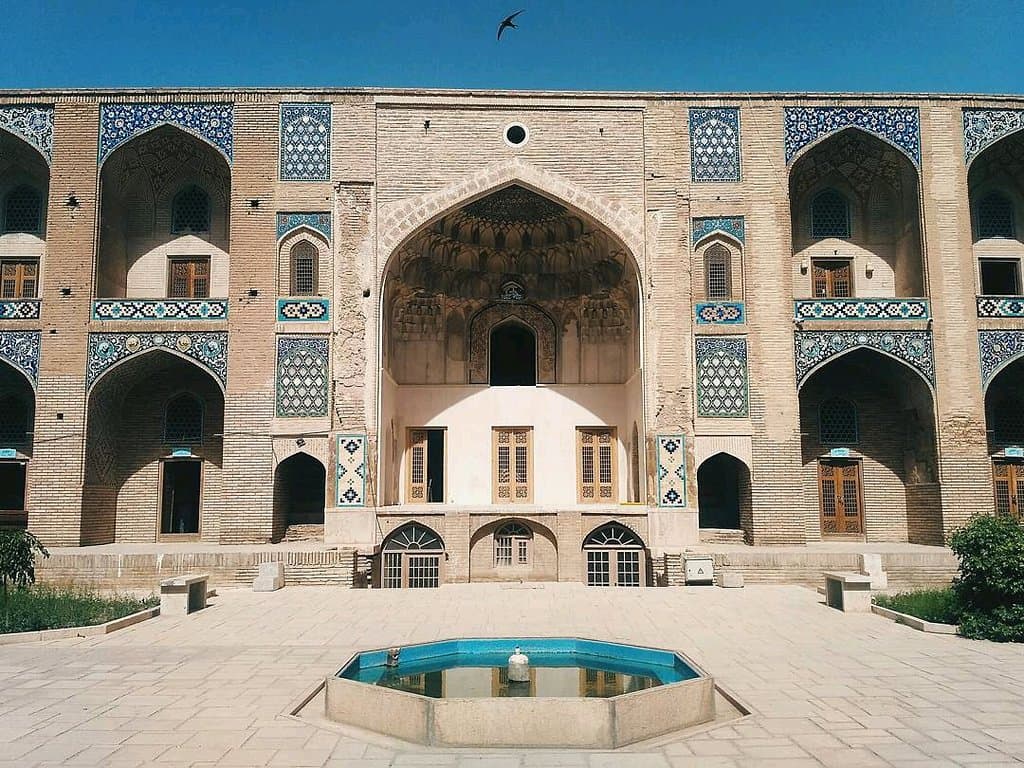
Ganjali Khan Reservoir
A Safavid-era masterpiece, this bathhouse is now an anthropological museum showcasing stunning tile work, frescoes, and historical bathing customs.
Highlights
Must-see attractions

Social
From TikTok & Reddit
Best Time
Fewer crowds, better photos
Ganjali Khan Reservoir
Best Time
Fewer crowds, better photos
Highlights
Must-see attractions
A Safavid-era masterpiece, this bathhouse is now an anthropological museum showcasing stunning tile work, frescoes, and historical bathing customs.
"A fascinating journey into Iran's rich heritage with intricate tile work and a tranquil, historic ambiance."
📸 Capture the Details
Take your time to photograph the intricate tile work and painted ceilings. Early morning light is best!
🚶♀️ Explore Each Chamber
Each dressing chamber represents a different social class. Look closely at the statues and details.
Highlights
Discover the most iconic attractions and experiences
Intricate Tile Work
Marvel at the stunning, colorful tile mosaics and frescoes depicting ancient Persian tales and myths. A true feast for the eyes.
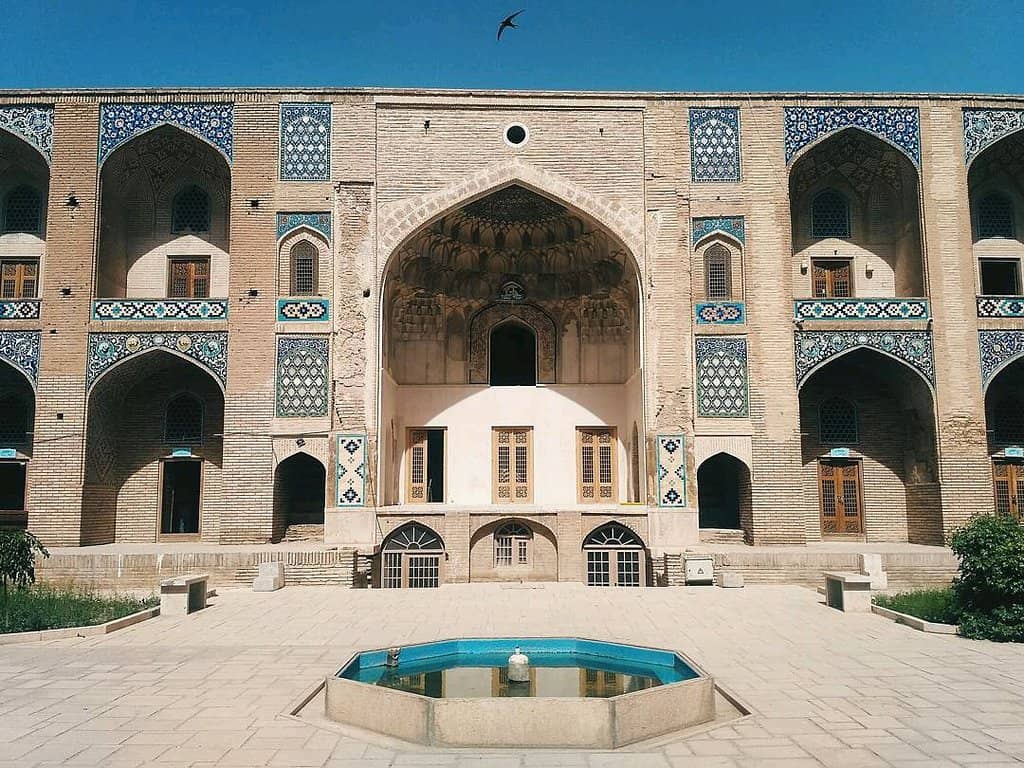
Painted Ceilings
Admire the beautifully painted entrances and ceilings, showcasing exquisite Safavid artistry and storytelling.
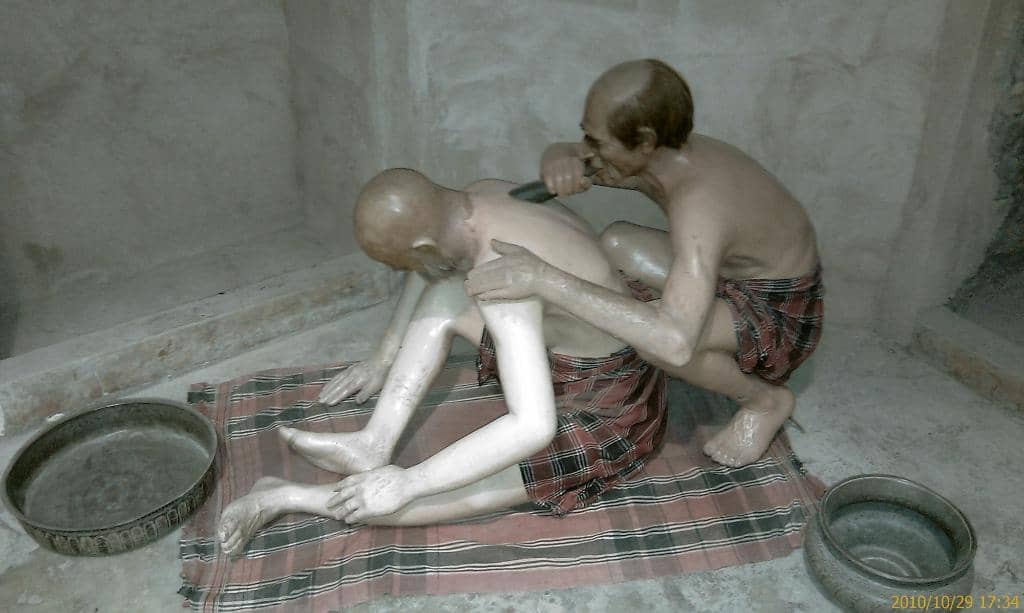
Wax Statues & Museum Exhibits
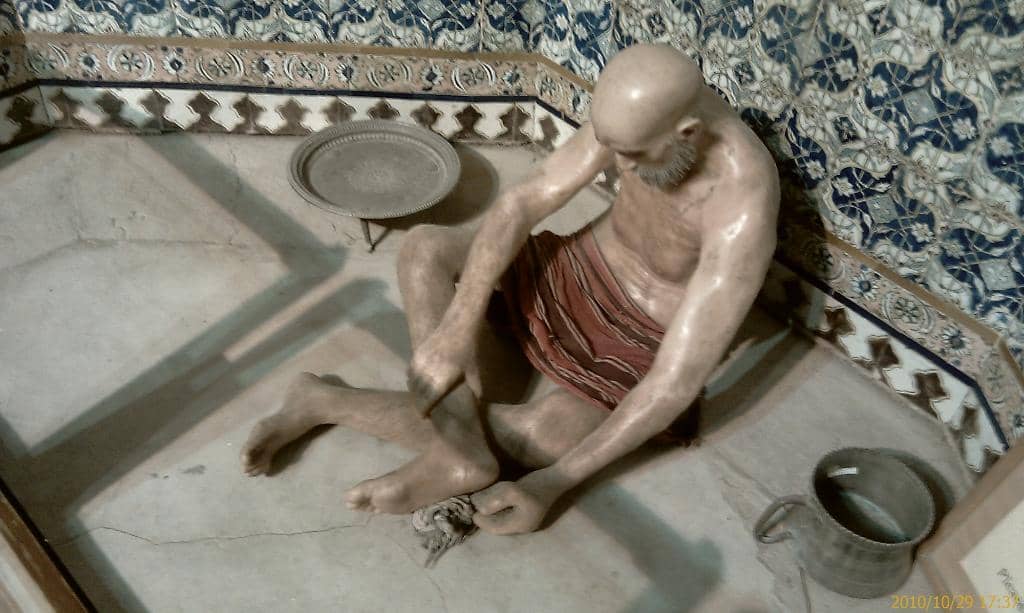
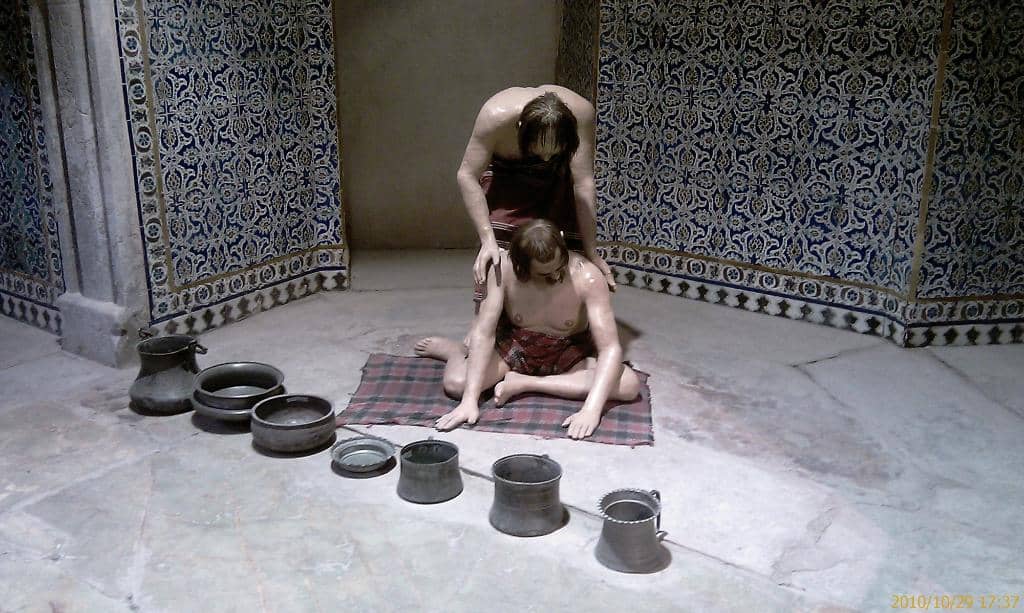
See lifelike statues recreating traditional bathing customs and social classes, offering a vivid glimpse into the past.
Plans like a pro.
Thinks like you
Planning Your Visit
Timing Your Visit
Understanding the History
Best Times
Insider Tips
from TikTok, Instagram & Reddit
📸 Capture the Details
Take your time to photograph the intricate tile work and painted ceilings. Early morning light is best!
🚶♀️ Explore Each Chamber
Each dressing chamber represents a different social class. Look closely at the statues and details.
🕰️ Appreciate the History
Imagine life here centuries ago; it was a social center where decisions were made.
👟 Wear Comfortable Shoes
You'll be doing a lot of walking and standing to admire the architecture.
Tips
from all over the internet
📸 Capture the Details
Take your time to photograph the intricate tile work and painted ceilings. Early morning light is best!
🚶♀️ Explore Each Chamber
Each dressing chamber represents a different social class. Look closely at the statues and details.
🕰️ Appreciate the History
Imagine life here centuries ago; it was a social center where decisions were made.
👟 Wear Comfortable Shoes
You'll be doing a lot of walking and standing to admire the architecture.
What Travellers Say
Reviews Summary
Visitors consistently praise the Ganjali Khan Bathhouse for its stunning Safavid-era architecture, intricate tile work, and fascinating frescoes that retell ancient Iranian stories. The transformation into an anthropological museum with lifelike statues offers a vivid glimpse into historical bathing customs and social divisions, making it a highly recommended cultural experience in Kerman.
"As a tourist, Ganjali Khan Historical Bathhouse in Kerman is a fascinating journey into Iran's rich heritage. The intricate tile work, tranquil pools, and historic ambiance offer a glimpse into the past, making it a memorable cultural experience."
Shayan Sakhanehvash
"Definitely a must-see in Kerman with 400 years of history. The bath was originally made during Safavid Era by the local governor, who names the bath now. You can enjoy the splendid painted ceilings, especially at the entrance, and the magnificent tile works, all restored during the last 50 years. Some of the paintings are really bizarre and retell ancient Iranian stories or myths. Some of these were later added during Qajar Era."
M.Mahdi Hajmalek
"Ganjali Khan Bathhouse: A Safavid Masterpiece.
Located within the grand Ganjali Khan Complex in the historical center of Kerman, the Gan-jali Khan Bathhouse was constructed around 1631 during the Safavid era by governor Ganj Ali Khan under Shah Abbas I. The structure exemplifies fine Safavid craftsmanship, de-signed by architect Mohammad Soltani from Yazd.
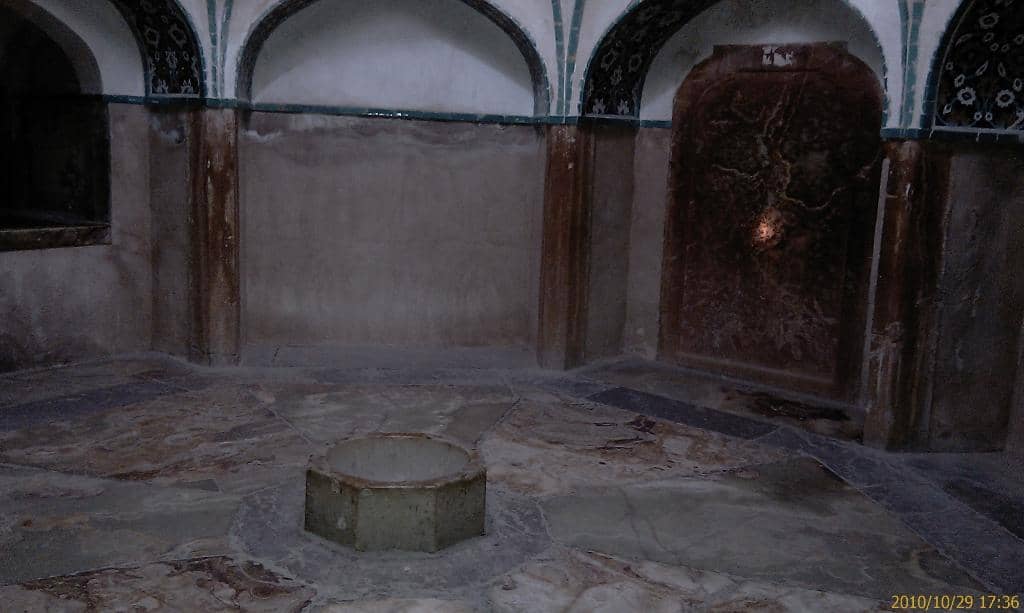
The bathhouse features a sequence of interconnected spaces—cloak room, cold chamber, and hot hall —each surmounted by domes supported on squinches.
Its decoration is remarkably ornate, with painted entrances, plasterwork, richly coloured tile mosaics, frescoes depicting scenes from Persian tales like Bahram Gor and Khosrow and Shirin, and stone ceilings that mirror the floor design. One unique architectural detail is the Time Stone, a red-colored stone set within the hall that served as a rudimentary solar clock.
The bathhouse layout included segregated dressing chambers catering to different social clas-ses—merchants, clergy, trib-al elites, commoners—with wax statues illustrating these divi-sions in the museum setup.
Since 1971, the bathhouse has operated as an anthropological museum, featuring life-sized statues crafted at Tehran University that recreate traditional bathing customs and tools such as razors, rose perfume flasks, wooden combs, and pipes.
This transformation allows visitors to experience both its architectural brilliance and its social history in vivid detail."
Lefteris Stamatelatos
What People Like
What People Dislike
Frequently Asked Questions
🚇 🗺️ Getting There
The Ganjali Khan Bathhouse is located within the Ganjali Khan Complex in the historical center of Kerman. It's easily accessible by local taxis or ride-sharing services. If you're exploring the bazaar, it's a natural stop along the way.
Yes, it's a prominent part of the Ganjali Khan Complex, which is a well-known historical site in Kerman. Look for signs directing you to the bathhouse or ask locals for directions to the complex.
🎫 🎫 Tickets & Entry
Opening hours can vary, but it's generally open during daylight hours. It's advisable to check with local sources or your accommodation for the most up-to-date information before your visit.
Admission fees are typically modest. The price is usually very reasonable for the historical and cultural experience offered.
Advance booking is generally not required for Ganjali Khan Bathhouse. You can usually purchase tickets upon arrival.
🎫 🧭 Onsite Experience
Inside, you'll find stunning tile work, painted ceilings, frescoes depicting Persian myths, and wax statues illustrating traditional bathing customs and social classes. It's an anthropological museum.
Absolutely! The intricate details, vibrant colors, and historical architecture make it a photographer's dream. Early morning or late afternoon light can enhance your shots.
Allow at least 1-2 hours to fully appreciate the details, read the information, and take photos. You might want more time if you're a history enthusiast.
While not always advertised, local guides may be available in the complex. Hiring one can provide deeper insights into the history and symbolism.
🍽️ 🍽️ Food & Dining
Yes, the bathhouse is part of the Ganjali Khan Complex, which includes a bazaar. You'll find traditional teahouses and restaurants nearby offering local Kerman cuisine.
📸 📸 Photography
Focus on the entrance portal with its beautiful paintings, the ornate tile work in the chambers, and the detailed frescoes. The museum exhibits also offer unique photographic opportunities.
Photography is generally allowed, but it's always good practice to be respectful of other visitors and the historical artifacts.
For Different Travelers
Tailored advice for your travel style
👨👩👧 Families with Kids
While the historical context might be complex, focusing on the visual aspects – the colors, the shapes, and the stories depicted in the paintings – can make it fun. Encourage them to spot different animals or characters in the artwork. The sheer scale and unique architecture will likely impress them.
📸 Photography Enthusiasts
Aim for early morning visits to capture softer light and fewer people. The painted entrances and the detailed artwork on the ceilings are particularly photogenic. Don't forget to capture the unique architectural elements like the squinches and the 'Time Stone' for a more comprehensive portfolio.
Deep Dives
In-depth insights and expert knowledge
Architectural Marvels of the Safavid Era
One of the most fascinating architectural elements is the 'Time Stone,' a red-colored stone embedded in the hall that functioned as a rudimentary solar clock, indicating the passage of time for bathers. The bathhouse's layout was also meticulously planned to accommodate the social stratification of the Safavid era, with segregated dressing chambers catering to different classes, from merchants to tribal elites. This thoughtful design highlights the bathhouse's role as both a functional space and a reflection of societal structure.
A Glimpse into Social History
The bathhouse's design with six distinct chambers in the dressing room, each dedicated to a specific social stratum, underscores the importance of social hierarchy in daily life during the Safavid era. Visitors can observe the differences in how these classes were accommodated, providing a tangible connection to the past. The museum setup allows for an immersive experience, making the historical context relatable and engaging for modern visitors.

Social
from TikTok, Instagram & Reddit