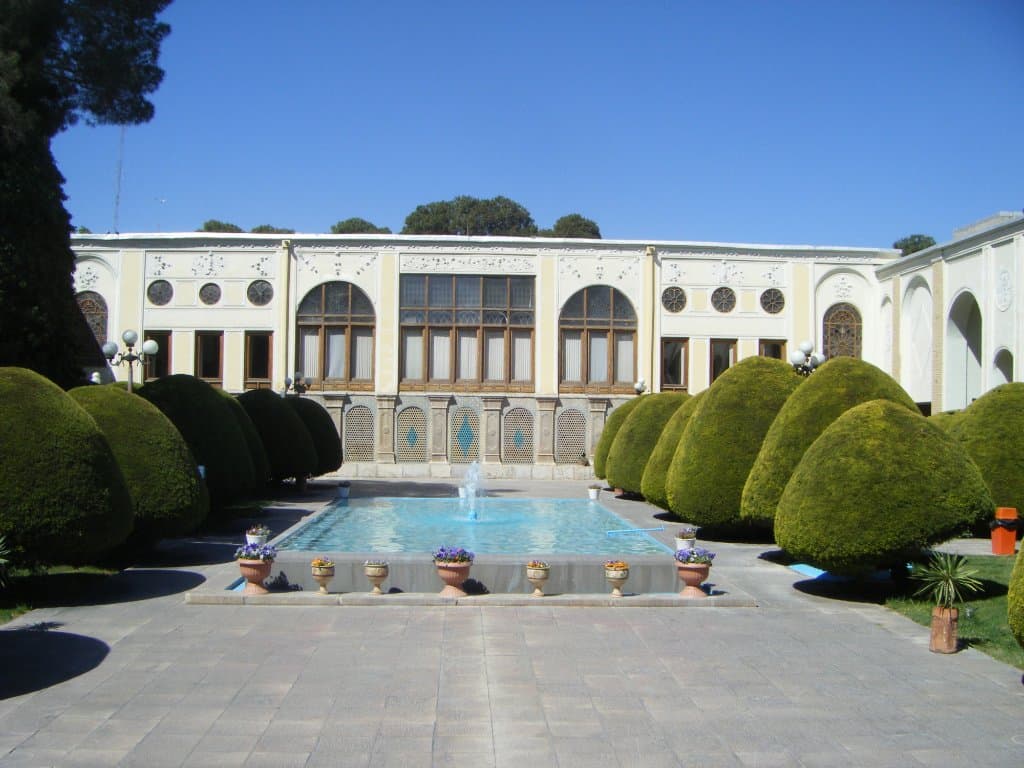
Isfahan Decorative Arts Museum
Discover the dazzling world of Qajar-era decorative arts, featuring exquisite mirror work and historical artifacts.
Highlights
Must-see attractions

Social
From TikTok & Reddit
Best Time
Fewer crowds, more serene
Isfahan Decorative Arts Museum
Best Time
Fewer crowds, more serene
Highlights
Must-see attractions
Discover the dazzling world of Qajar-era decorative arts, featuring exquisite mirror work and historical artifacts.
"The quantity is amazing and you could spend hours witnessing them; it's just stunning."
⏳ Allow ample time
The museum has a vast quantity of artifacts; plan for several hours to truly appreciate them.
✨ Admire the mirror work
Focus on the intricate and stunning mirror work, a highlight of the collection.
Quick Facts
Hours
Rating
4.4 · 49 reviews
Type
Museum
Highlights
Discover the most iconic attractions and experiences
Qajar Dynasty Artifacts
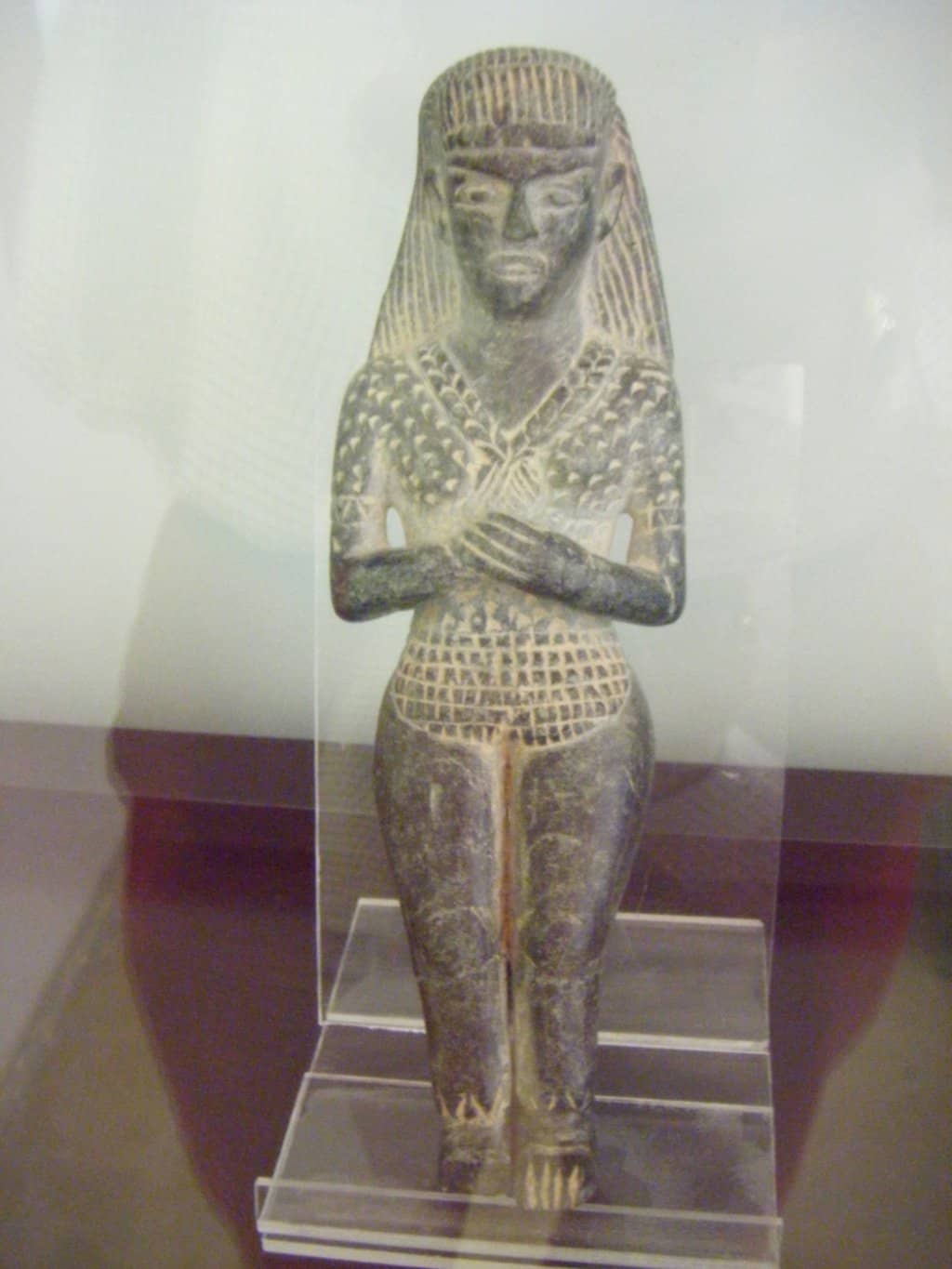
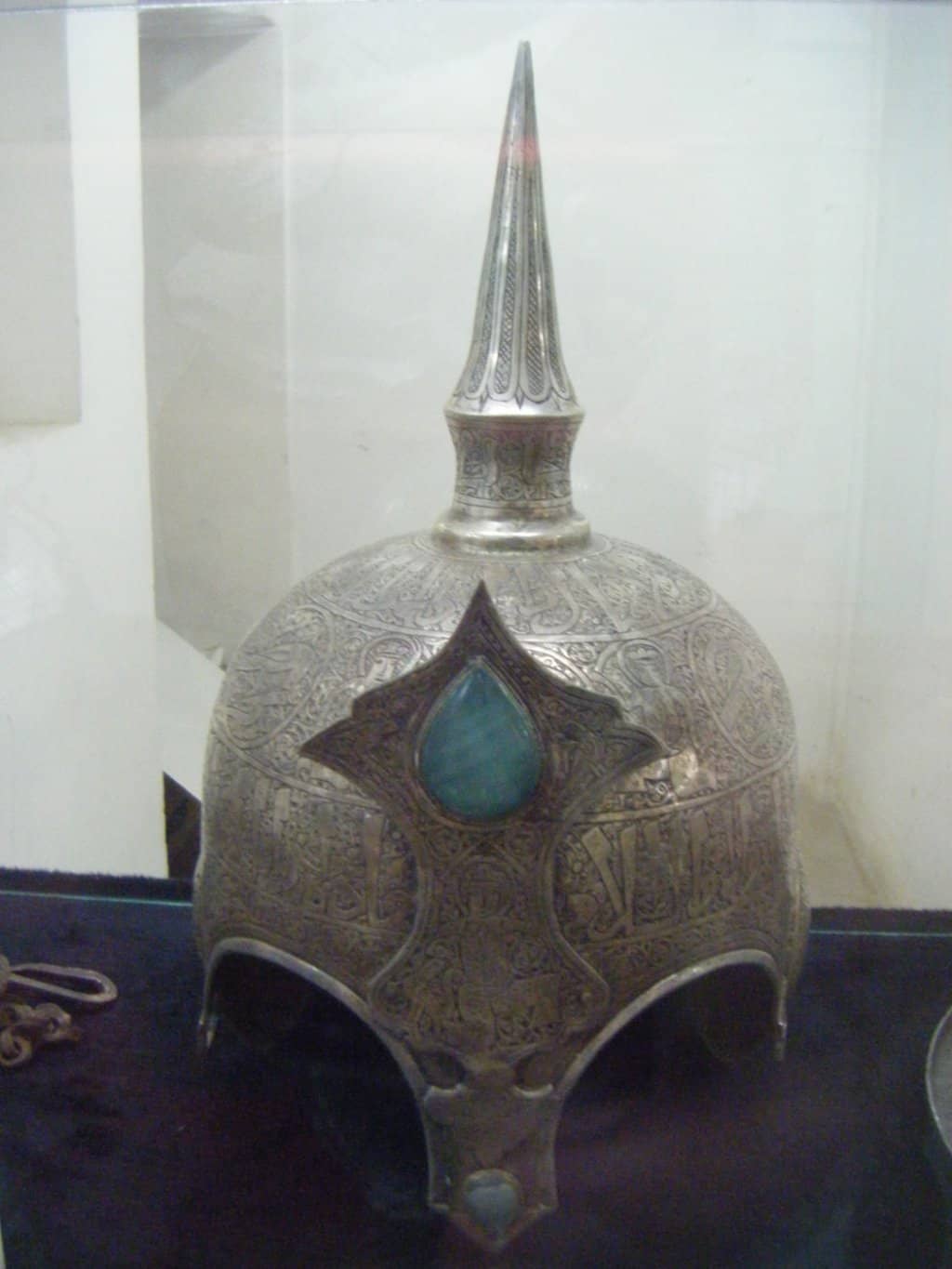
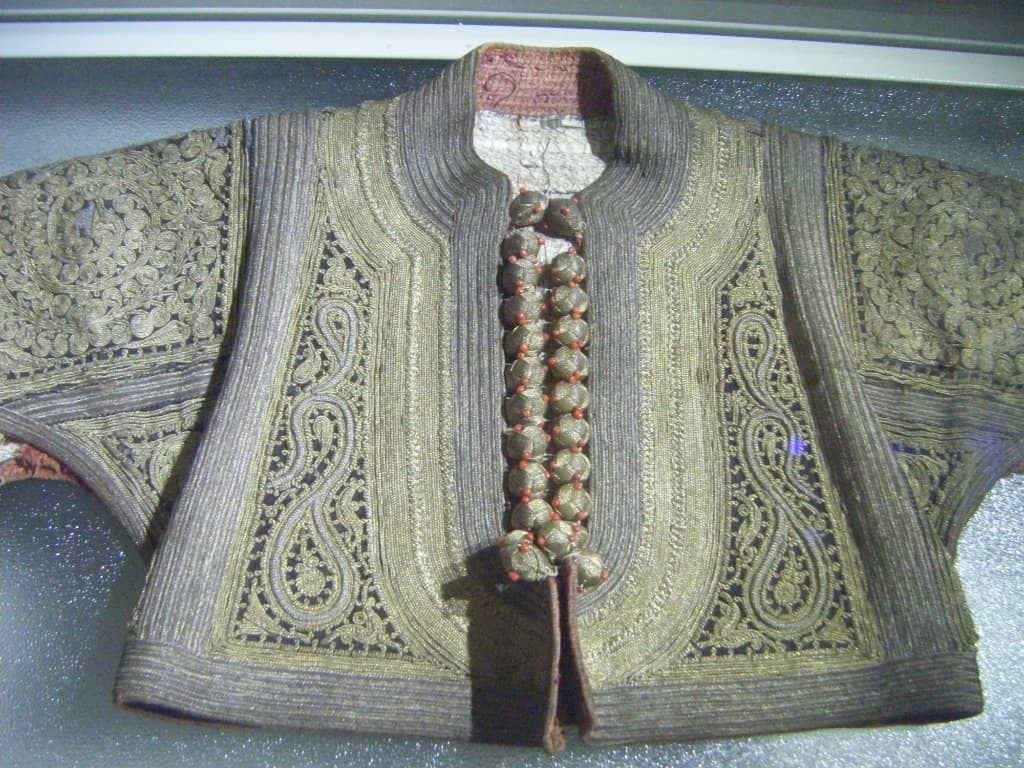
An extensive collection of Qajar-era art, featuring intricate mirror work and decorative pieces.
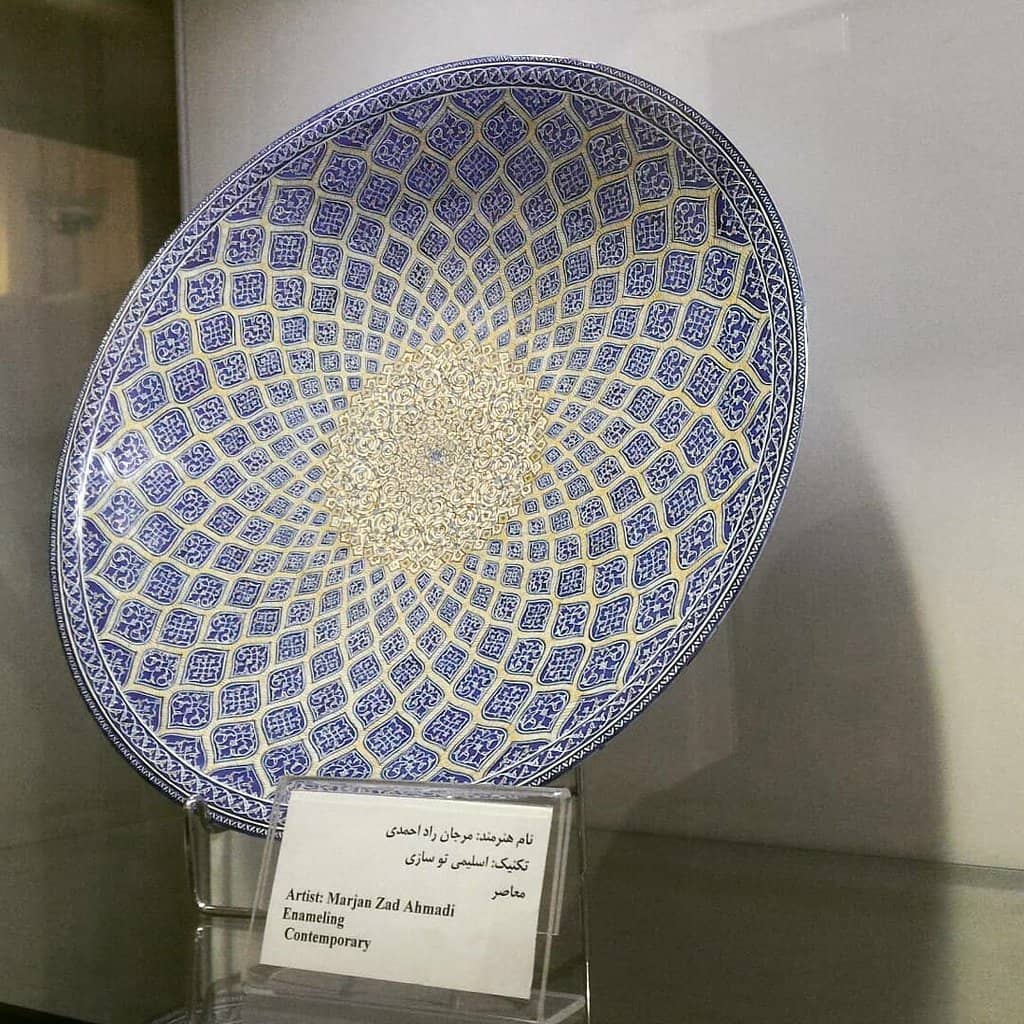
Mirror Work Masterpieces
Marvel at the dazzling and detailed mirror work, a hallmark of Persian decorative arts.
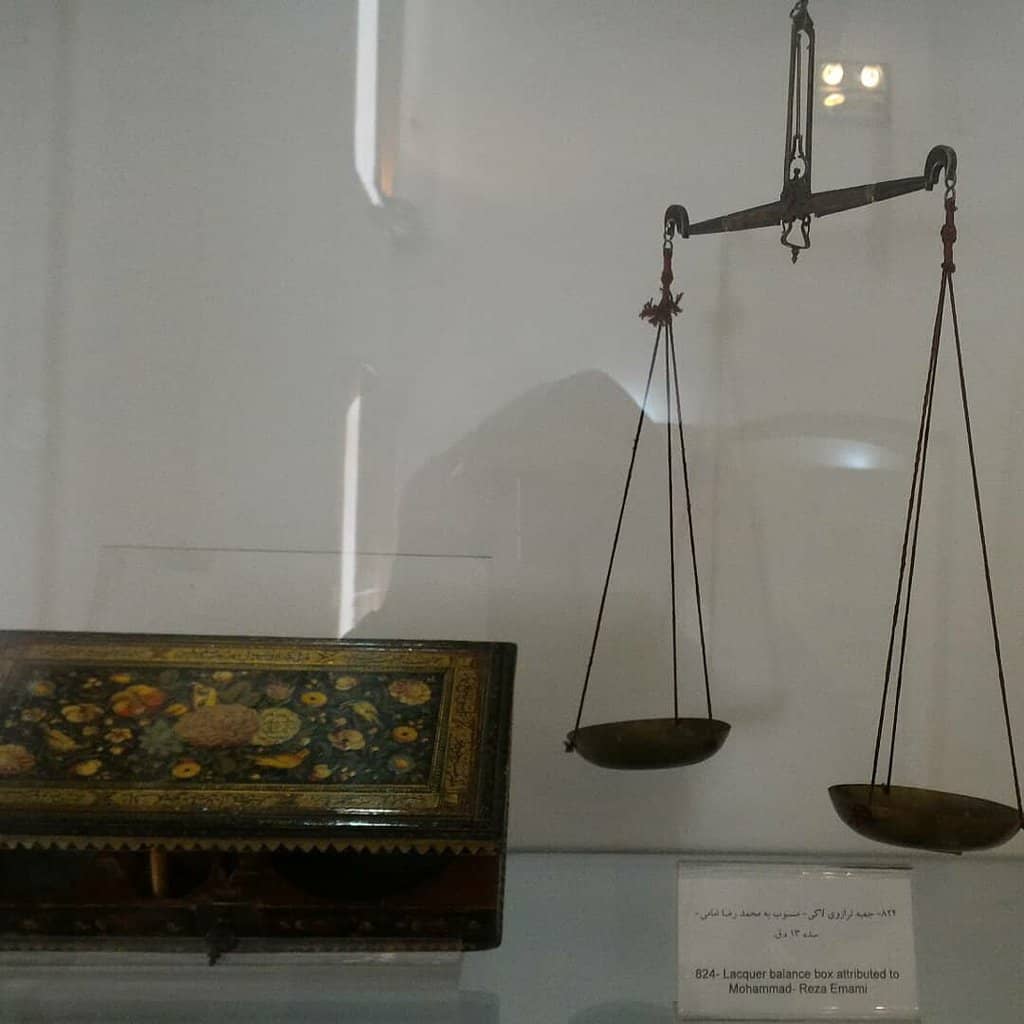
Historical Edifice
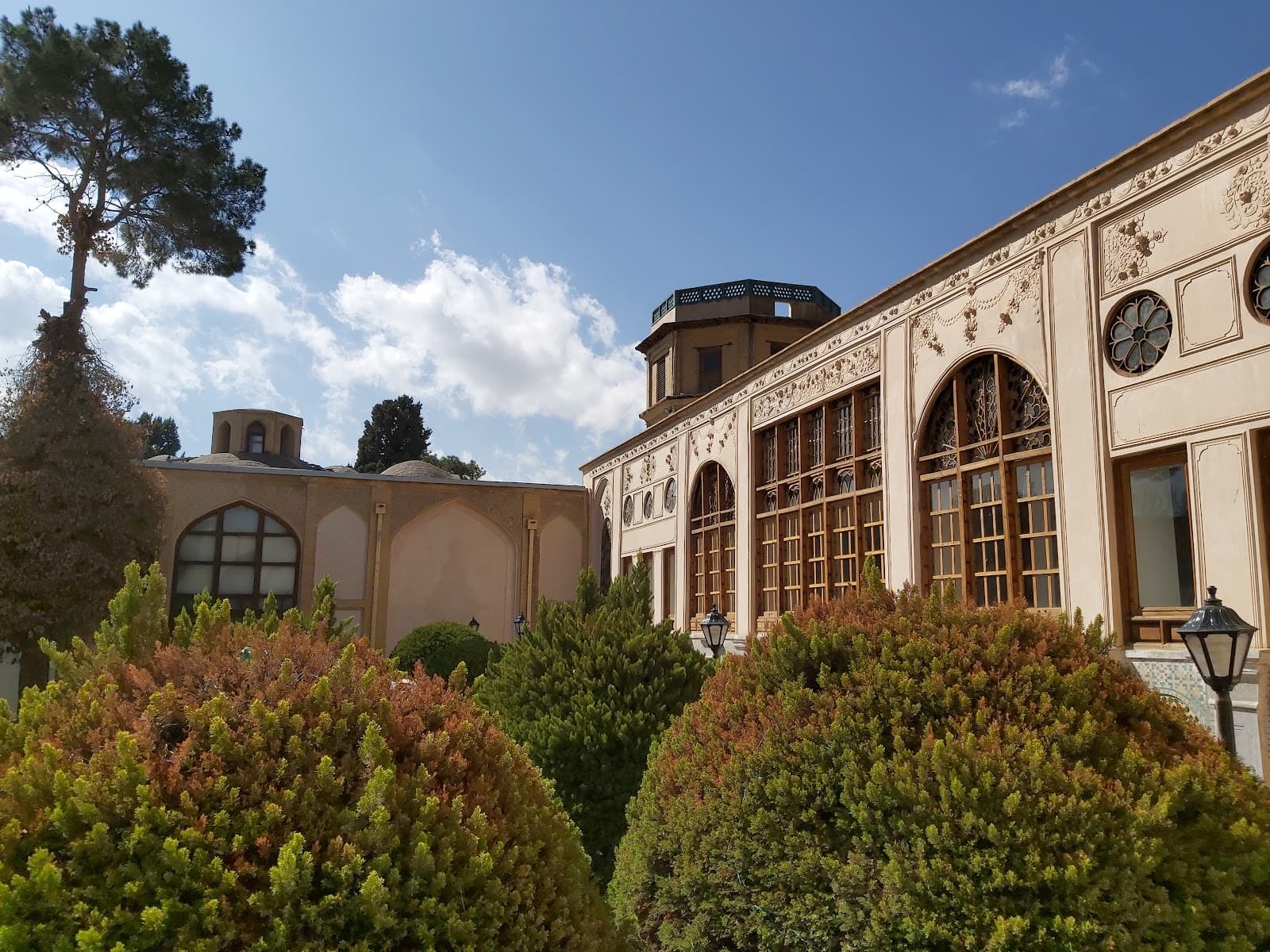
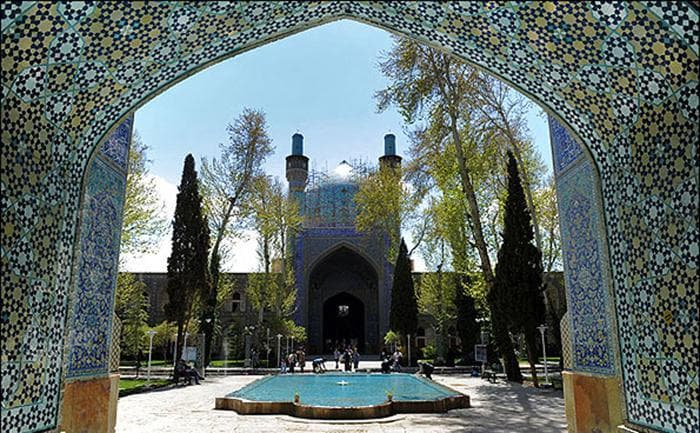
Explore the beautiful architecture of the building itself, which holds its own historical significance.
Plans like a pro.
Thinks like you
Planning Your Visit
Timing Your Visit
Appreciating the Artistry
Best Times
Insider Tips
from TikTok, Instagram & Reddit
⏳ Allow ample time
The museum has a vast quantity of artifacts; plan for several hours to truly appreciate them.
✨ Admire the mirror work
Focus on the intricate and stunning mirror work, a highlight of the collection. 
🏛️ Appreciate the building
Don't overlook the historical architecture of the museum itself. +1
📸 Capture the details
Bring your camera to photograph the exquisite decorative arts and architectural elements.
Tips
from all over the internet
⏳ Allow ample time
The museum has a vast quantity of artifacts; plan for several hours to truly appreciate them.
✨ Admire the mirror work
Focus on the intricate and stunning mirror work, a highlight of the collection.
🏛️ Appreciate the building
Don't overlook the historical architecture of the museum itself. +1
📸 Capture the details
Bring your camera to photograph the exquisite decorative arts and architectural elements.
What Travellers Say
Reviews Summary
Visitors praise the museum for its stunning and extensive collection of Qajar-era decorative arts, especially the intricate mirror work. The historical architecture of the building also receives positive mentions. Some note that while the Qajar period may not represent the absolute zenith of all Iranian art, the sheer quantity and quality of the exhibits make it a worthwhile and captivating experience.
"Most the fragments in this museum is from Qajar dynasty so that wouldn't contain peak of Iran's art,
But the quantity is amazing and you could spend hours witnessing them,
It's just stunning."
Pǝd
"Beautiful house hosting seasonal exhibitions"
Ava Tg (Ava)
"It was a nice place for Islamic arts. what was interesting for me is the history of the edifice itself which was amazing."
Ehsantheguide
What People Like
What People Dislike
Frequently Asked Questions
🚇 🗺️ Getting There
The museum is located in Isfahan, Iran. Public transportation options like local buses or taxis are available. It's advisable to use a navigation app or ask locals for the most direct routes.
Information on specific parking availability can vary. It's recommended to check with local resources or consider using ride-sharing services for easier access.
From the city center, you can take a taxi or a local bus. The journey time will depend on traffic conditions.
🎫 🎫 Tickets & Entry
Opening hours can vary seasonally. It's best to check the official museum website or local listings for the most up-to-date information before your visit.
Admission fees are generally reasonable. For the most accurate pricing, consult the museum's official channels or recent visitor information.
Advance ticket purchase options may be available, especially during peak tourist seasons. Checking the museum's website is recommended.
Photography rules can differ. While many visitors capture the beauty, it's wise to look for signage or inquire about specific restrictions on flash photography.
🎫 🏛️ Onsite Experience
The museum primarily features decorative arts from the Qajar dynasty, with a strong emphasis on intricate mirror work, ceramics, and other traditional crafts.
Given the extensive collection, visitors often recommend spending at least 2-3 hours to fully explore and appreciate the exhibits.
Yes, the museum is housed in a beautiful historical edifice, which is an attraction in itself, showcasing traditional Iranian architecture. +1
Information on guided tours may vary. It's advisable to inquire at the museum upon arrival or check their official website for availability.
The extensive collection of Qajar artifacts, particularly the dazzling mirror work, is a major draw for visitors.
📸 📸 Photography
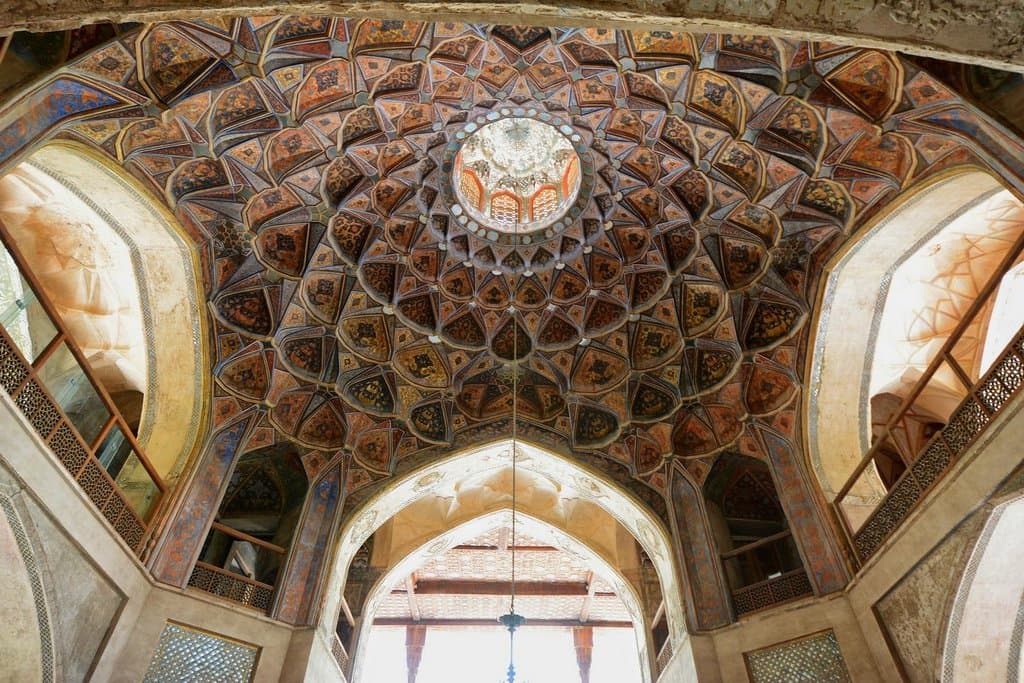
The intricate mirror work on ceilings and walls, as well as the detailed artifacts, offer fantastic photographic opportunities. The architecture of the building itself is also very photogenic.
It's generally recommended to avoid flash photography to protect the delicate artifacts. Always check for signs or ask museum staff for clarification.
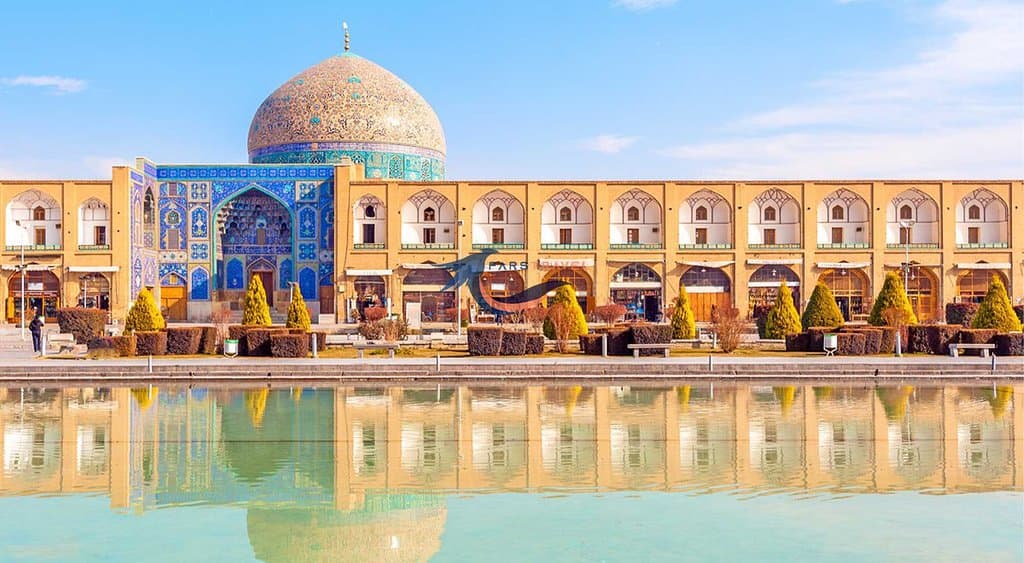
Yes, the exterior architecture is also a significant feature and can be photographed.
Social
from TikTok, Instagram & Reddit