Abyaneh Village
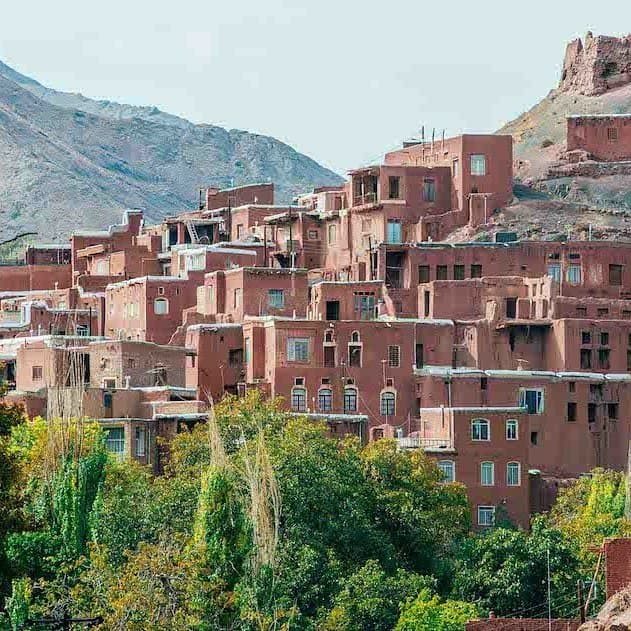
Step back in time in Abyaneh, Iran's ancient 'Crimson Village,' famed for its unique red mud-brick architecture and preserved traditions.
Highlights
Must-see attractions

Social
From TikTok & Reddit
Best Time
Fewer local visitors
Abyaneh Village
Best Time
Fewer local visitors
Highlights
Must-see attractions
Step back in time in Abyaneh, Iran's ancient 'Crimson Village,' famed for its unique red mud-brick architecture and preserved traditions.
"Abyaneh is a wonderfully authentic ancient village in Iran which takes you back in time."
👟 Comfortable Walking Shoes
The village is hilly with uneven paths. Comfortable shoes are a must for exploring!
📸 Capture the Red Hues
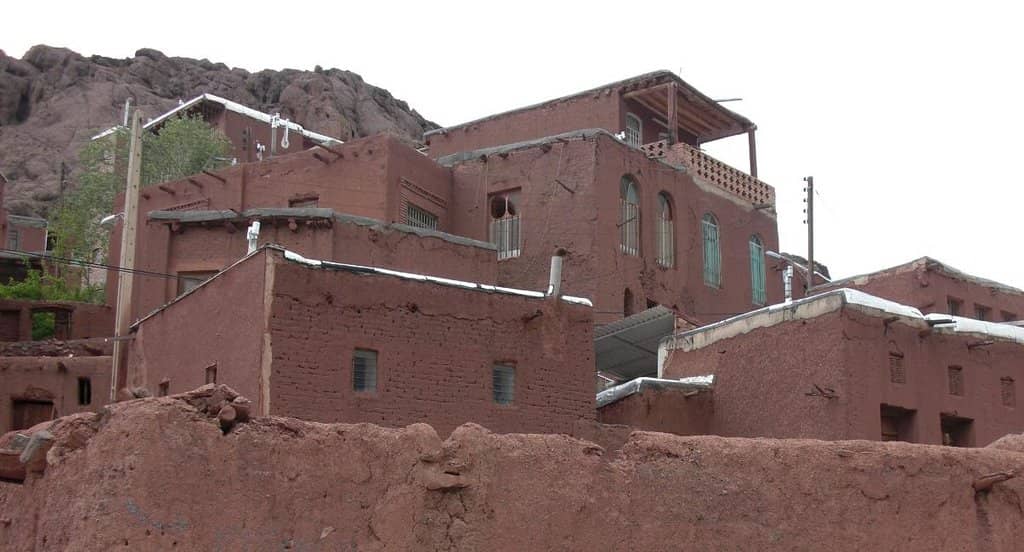
Abyaneh's unique red architecture is stunning. Visit during golden hour for magical light.
Highlights
Discover the most iconic attractions and experiences
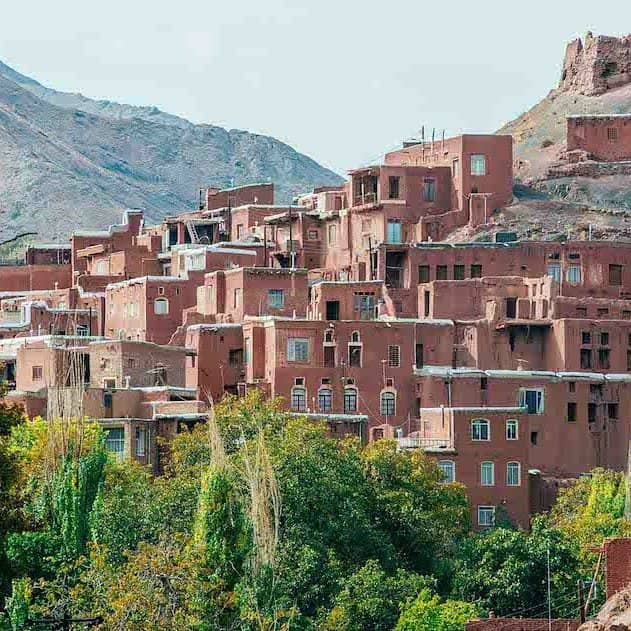
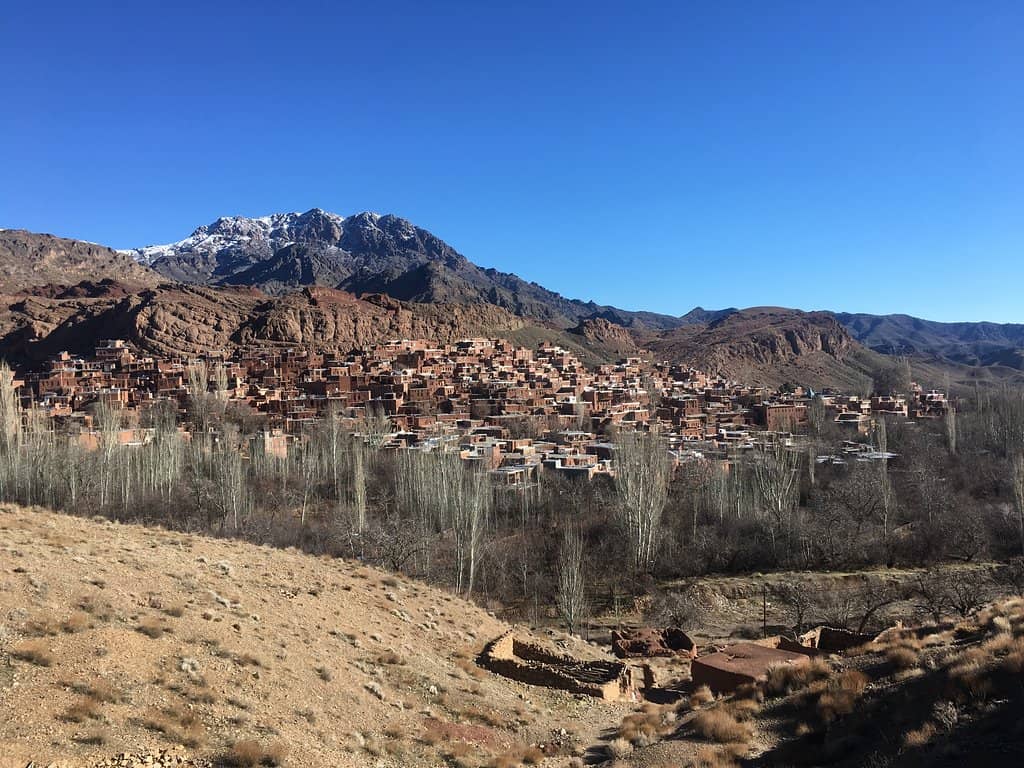
Crimson Mud-Brick Architecture
Throughout the village
Wander through ancient streets lined with distinctive red mud-brick houses, a visual feast.
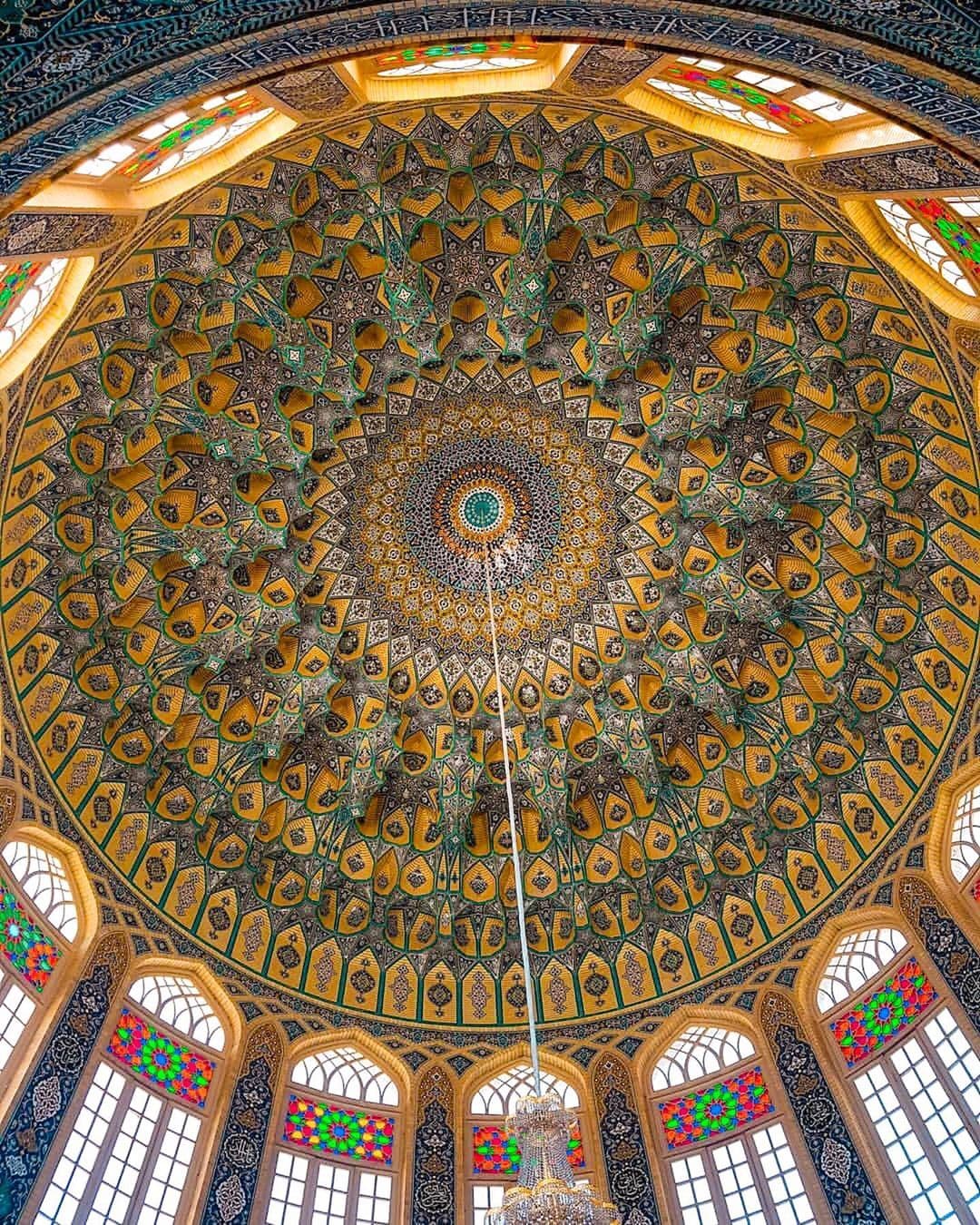
Abyaneh's Ancient Mosque
Jeremiah Mosque
Discover the historical Jeremiah Mosque, a testament to centuries of faith and architecture.
Traditional Local Attire
Village streets
Observe and interact with locals wearing their unique, colorful traditional clothing.
Plans like a pro.
Thinks like you
Planning Your Visit
Embrace the Red Village Charm
Timing is Key for Authenticity
Best Times
Insider Tips
from TikTok, Instagram & Reddit
👟 Comfortable Walking Shoes
The village is hilly with uneven paths. Comfortable shoes are a must for exploring!
📸 Capture the Red Hues
Abyaneh's unique red architecture is stunning. Visit during golden hour for magical light.
🤝 Respect Local Culture
Dress modestly and be mindful of local customs. Ask permission before photographing people.
💧 Stay Hydrated
Carry water, especially during warmer months, as you'll be doing a lot of walking.
Tips
from all over the internet
👟 Comfortable Walking Shoes
The village is hilly with uneven paths. Comfortable shoes are a must for exploring!
📸 Capture the Red Hues
Abyaneh's unique red architecture is stunning. Visit during golden hour for magical light.
🤝 Respect Local Culture
Dress modestly and be mindful of local customs. Ask permission before photographing people.
💧 Stay Hydrated
Carry water, especially during warmer months, as you'll be doing a lot of walking.
What Travellers Say
Reviews Summary
Abyaneh Village is widely praised for its unique, well-preserved red mud-brick architecture and authentic cultural atmosphere. Visitors are captivated by the timeless charm and the opportunity to step back in time. Some find the village can get crowded on weekends, and dining options are basic.
What People Like
What People Dislike
Frequently Asked Questions
🚇 🗺️ Getting There
Abyaneh Village is located about 80 kilometers southwest of Kashan. The most common way to get there is by car or taxi, which takes approximately 1.5 to 2 hours. Some travelers also opt for private tours. +1
Yes, Abyaneh is accessible from Isfahan. It's often visited as a stopover between Isfahan and Tehran. The drive from Isfahan is longer, around 2.5 to 3 hours. +1
Absolutely! Abyaneh makes for an excellent day trip from Kashan or as a stop on a longer journey between major cities.
The best way to explore Abyaneh is on foot. Wear comfortable shoes as the village is built on a hillside with many stairs and narrow alleys.
Public transportation directly to Abyaneh can be limited. Hiring a taxi or joining a tour is generally more convenient for reaching the village.
🎫 🎫 Tickets & Entry
While there isn't a formal entrance fee to walk through the village, some historical sites within Abyaneh might have small admission charges. It's always good to have some local currency on hand.
Abyaneh Village is a living community, so it's generally accessible throughout the day. However, visiting during daylight hours is recommended to fully appreciate its beauty and explore its sites.
No, advance booking is not typically required for visiting Abyaneh Village itself, as it's an open community. If you book a guided tour, then booking in advance would be necessary.
Weekends and public holidays can be busier with local visitors. For a more tranquil experience, consider visiting on a weekday.
Yes, the Jeremiah Mosque is a significant historical site in Abyaneh. Visitors may need to obtain special permission or adhere to visiting hours.
📸 📸 Photography
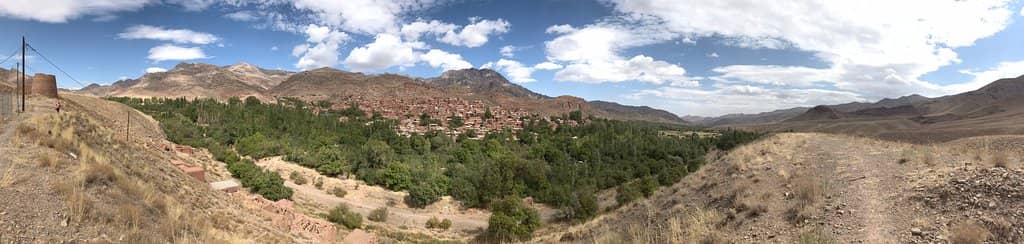
The entire village is photogenic! Focus on the unique red mud-brick houses, narrow alleys, and panoramic views from higher points. The traditional clothing of locals also makes for great shots. 
It's respectful to ask for permission before taking close-up photos of residents, especially those in traditional attire. Many are accustomed to tourists, but politeness is key.
Early morning or late afternoon (golden hour) offers the most beautiful light for photographing the red hues of the village and creating dramatic shadows.
Drone usage regulations can vary. It's advisable to check local rules and obtain any necessary permits before flying a drone in Abyaneh to avoid issues.
A versatile lens (like a 24-70mm) is great for capturing both landscapes and details. A wide-angle lens can be useful for the narrow alleys. Don't forget a polarizing filter for vibrant skies.
🎫 🚶 Onsite Experience
Explore the ancient red-brick houses, visit the Jeremiah Mosque, wander through the narrow alleys, and interact with the friendly locals. You can also find local handicrafts and snacks.
A visit of 2-4 hours is usually sufficient to explore the main parts of Abyaneh Village and soak in its atmosphere.
Local guides can often be found in the village who can provide insights into its history and culture. Negotiate the price beforehand.
Abyaneh has a small population, with reports suggesting around 294 people living in 173 households.
Its distinctive red mud-brick architecture, well-preserved traditional culture, and the unique dialect spoken by its residents make Abyaneh a truly special place.
🍽️ 🛍️ Shopping & Dining
Yes, there are a few small traditional restaurants and tea houses where you can enjoy local Iranian cuisine and refreshments.
You can find local handicrafts, such as pottery, woven goods, and traditional clothing. Small shops also sell local snacks and dried fruits.
Expect simple, traditional Iranian dishes. Local specialties might include various stews, kebabs, and freshly baked bread.
Yes, several small shops offer souvenirs like hand-woven textiles, pottery, and local sweets.
Look for local bread, dried fruits, and perhaps a simple stew or kebab if available at the local eateries.
For Different Travelers
Tailored advice for your travel style
👨👩👧 Families with Kids
+1Encourage kids to look for interesting architectural details or try to spot local animals. While dining options are limited to simple eateries, packing some kid-friendly snacks is a good idea. The novelty of a village that looks like it's made of gingerbread can be a memorable part of a family trip to Iran.
📸 Photographers & Content Creators
+2Aim for the golden hours of sunrise and sunset for the most dramatic lighting. Be patient and respectful when photographing locals; many are accustomed to visitors, but always ask permission for close-ups. Consider a drone for aerial shots if regulations permit, offering a unique perspective of the terraced village.
🚶 Solo Travelers
Engaging with locals, even with limited shared language, can be a rewarding experience. Consider hiring a local guide for a few hours to gain deeper insights into the village's history and culture. The accessibility from Kashan makes it an easy addition to any solo itinerary.
Deep Dives
In-depth insights and expert knowledge
The Enduring Red Architecture
+2Many of the structures date back to the Sassanid era, with continuous habitation and rebuilding over millennia. This preservation is a key reason for its historical significance. The unique color and texture of the buildings create a visually stunning landscape, especially when bathed in the warm light of sunrise or sunset.
+1Visitors often marvel at how the village blends seamlessly with its natural surroundings. The use of local materials not only provides aesthetic appeal but also reflects a sustainable approach to building that has endured for generations. Exploring these ancient dwellings and pathways is a journey back in time.
A Living Cultural Heritage
+1Social media content often highlights the warmth and hospitality of the local people. Travelers have shared positive interactions, noting how residents are proud of their heritage and often willing to share insights into their way of life. Observing locals going about their daily routines, especially on their day off, provides a genuine insight into the village's rhythm.
This preservation of culture extends to their customs and traditions. While tourism is present, the village strives to maintain its authenticity. Visitors are encouraged to be respectful of the local way of life, dress modestly, and ask permission before taking photographs of individuals.
Exploring Abyaneh's Historical Sites
Other historical structures include ancient fire temples and mausoleums, hinting at the village's long and varied history, potentially stretching back to the Sassanid period. These sites, though perhaps less grand than those in major cities, contribute to the overall historical tapestry of Abyaneh.
Walking through the village, you'll encounter these historical remnants integrated into the community. They serve as constant reminders of the layers of history that have shaped Abyaneh into the unique destination it is today.



Social
from TikTok, Instagram & Reddit