Sultan Mahmud Badaruddin II Museum
Explore Palembang's royal legacy and architectural fusion at the Sultan Mahmud Badaruddin II Museum, a journey through history.
Highlights
Must-see attractions

Social
From TikTok & Reddit
Best Time
Fewer school groups
Sultan Mahmud Badaruddin II Museum
Best Time
Fewer school groups
Highlights
Must-see attractions
Explore Palembang's royal legacy and architectural fusion at the Sultan Mahmud Badaruddin II Museum, a journey through history.
"A perfect place to explore the history of Palembang, with unique architecture blending Dutch colonial and native styles."

📸 Capture the Night View
The museum's facade is stunning when lit up at night. Prep your camera for a beautiful shot!
🚶♀️ Walk from Ampera Bridge
It's a short walk from the iconic Ampera Bridge, making it easy to combine visits.

Highlights
Discover the most iconic attractions and experiences
Architectural Fusion
Exterior
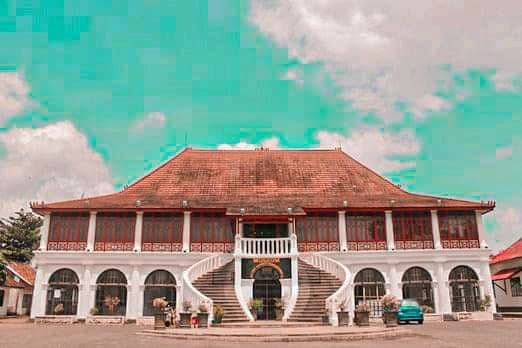
Admire the unique blend of Dutch colonial and native Palembang palace styles in this historic building.
Palembang's Royal Legacy
Exhibition Halls
Explore artifacts from the Sriwijaya era to the Sultanate, including textiles, weapons, and ancient manuscripts.

Numismatic Treasures
Numismatics Collection
Discover a fascinating collection of ancient currencies, offering insights into Palembang's economic history.
Plans like a pro.
Thinks like you
Planning Your Visit
Timing Your Visit for History Buffs
Capturing Palembang's Heritage
Best Times
Insider Tips
from TikTok, Instagram & Reddit
📸 Capture the Night View
The museum's facade is stunning when lit up at night. Prep your camera for a beautiful shot!
🚶♀️ Walk from Ampera Bridge
It's a short walk from the iconic Ampera Bridge, making it easy to combine visits.
📚 Embrace the History
Dive deep into Palembang's past, from the Sriwijaya era to colonial times.
🌬️ Beat the Heat
Visit in the morning to avoid the midday Palembang heat and potential crowds.
Tips
from all over the internet
📸 Capture the Night View
The museum's facade is stunning when lit up at night. Prep your camera for a beautiful shot!
🚶♀️ Walk from Ampera Bridge
It's a short walk from the iconic Ampera Bridge, making it easy to combine visits.
📚 Embrace the History
Dive deep into Palembang's past, from the Sriwijaya era to colonial times.
🌬️ Beat the Heat
Visit in the morning to avoid the midday Palembang heat and potential crowds.
🤔 Local Legend
Some believe taking a photo in the aisle can bring you a soulmate! Worth a try?
What Travellers Say
Reviews Summary
Visitors praise the Sultan Mahmud Badaruddin II Museum for its rich historical collections and unique architectural blend of Dutch colonial and native Palembang styles. The museum offers a fascinating glimpse into the region's past, from the Sriwijaya era to the Sultanate. However, some find the exhibits can feel repetitive with other local museums, and the air conditioning could be improved.
"Located on the riverbank of the Musi, the museum exhibits various collections ranging from archeology, ethnography, biology, arts and especially numismatics, the study or collection of currencies. Here, you can find many historical remnants from photo collections of the Kedukan Bukit inscriptions, ancient statues of Buddha and the Ganesha Amarawati, as well as various other remnants including those from the Sriwijaya era.
Originally called the Keraton Kuto Kecik or Keraton Kuto Lamo, this building along with the Palembang Grand Mosque was built during the era of Sultan Mahmud Badaruddin Jayo Wikramo. Distinct from other buildings of the same era that mainly uses woods, the palace was built with bricks. On 1842 the building was completed and was locally popular as the snail house (Rumah Siput).
As a site that was involved in so many historical events, the Sultan Mahmud Badaruddin II Museum is a display that elaborates various eras in history. As day turns into night, prep your camera to face the overall front view of the museum and wait for all lights to shine. When it does, check your camera’s LCDs and see what splendor you’ve captured. Museum Sultan Mahmud Badaruddin II is a perfect place to explore the history of Palembang. The architecture itself is unique as it is a combination of Dutch colonial and native Palembang Palace style."
Ilham Maulana Ash Shiddieq
"Missed a chance to visit this museum during my stay at Palembang as I have a tight schedule to be attended to. Will surely come and pay a visit to this place if I happens to visit Palembang next time. Just managed to snap a few pictures of nearby Palembang's prominent tourist attractions such as The Masjid Agung, Monpera and the historical Ampera Bridge. Learn a few words from the locals " Orang Kito Galo - We are all locals here"."
Rezare A
"if you are in palembang, you should visit here to know its history, and another interesting thing from here is, if you take a photo in the aisle, for you who not married yet will get her/his soul mate. Who knows? Let's try and see for your self 😅 #LetsGuide"
Dian Anggraini
What People Like
What People Dislike
Frequently Asked Questions
🚇 🗺️ Getting There
The Sultan Mahmud Badaruddin II Museum is conveniently located a short walk from the Ampera Bridge, a major landmark in Palembang. You can easily stroll from the bridge to the museum, making it a perfect combination for a day of sightseeing.
You can reach the museum via local public transport like 'angkutan kota' (angkot) or by ride-sharing services. Taxis are also readily available in Palembang. The museum's central location makes it accessible from most parts of the city.
Yes, there is typically parking available for visitors at the museum. However, during peak hours or special events, it might be more challenging to find a spot. Arriving early is recommended.
Absolutely! The Sultan Mahmud Badaruddin II Museum is a well-known landmark. You can easily find it using GPS navigation apps on your smartphone. Just search for 'Museum Sultan Mahmud Badaruddin II Palembang'.
While the historic architecture presents some challenges, efforts are often made to improve accessibility. It's advisable to contact the museum directly for the most up-to-date information regarding accessibility features.
🎫 🎫 Tickets & Entry
The museum typically opens in the morning and closes in the late afternoon. It's best to check the official museum website or local listings for the most current operating hours, as they can vary.
Admission fees are generally very affordable, especially for domestic tourists. Prices can vary slightly, so it's a good idea to confirm the exact cost upon arrival or check their social media for any updates.
For most visits, booking tickets in advance is not necessary. You can usually purchase tickets at the museum's ticket counter upon arrival. However, for group visits or special events, advance booking might be recommended.
Discounts may be available for students and seniors. It's advisable to inquire at the ticket counter or check the museum's official information channels for details on any concessionary rates.
To avoid large crowds, especially school groups, it's recommended to visit the museum on a weekday, preferably in the morning. Weekends can be busier with local visitors and educational tours.
🎫 🧭 Onsite Experience
The museum houses a diverse collection, including remnants from the Sriwijaya era, ancient statues, textiles, traditional weapons, ancient manuscripts, and a significant numismatic collection (study of currencies).
Photography policies can vary. While exterior shots are generally encouraged, interior photography might be restricted in certain areas or require special permission. It's best to observe signage or ask museum staff.
A thorough exploration of the museum can take anywhere from 1.5 to 3 hours, depending on your interest level and how much time you spend at each exhibit.
Guided tours may be available, especially for school groups or pre-arranged visits. Inquiring at the information desk upon arrival is the best way to find out about tour options and schedules.
The museum boasts a unique architectural style that is a fusion of Dutch colonial influences and traditional Palembang palace design. It was originally known as Keraton Kuto Kecil or Keraton Kuto Lamo.
🍽️ 🍽️ Food & Dining
Typically, there are no extensive dining facilities within the museum itself. However, you might find small refreshment stands. For a wider selection of food, you'll need to explore nearby areas.
Near the museum, you can find opportunities to try Palembang's famous dishes like Pempek (fish cake), Tekwan (fish soup), and Mie Celor (noodle soup). Exploring the local eateries around the Ampera Bridge area is recommended.
It's generally advisable not to bring outside food and drinks into museum exhibits to maintain the preservation of artifacts. Check the museum's specific rules regarding this.
The area around the Ampera Bridge and the city center offers numerous restaurants and street food stalls where you can savor authentic Palembang cuisine.
While Palembang cuisine is often meat and fish-based, you can often find vegetable-heavy dishes or ask for modifications at local eateries. Exploring markets might also offer fresh fruit and simpler options.
📸 📸 Photography
The museum's exterior, especially its unique architectural blend, is a prime photo spot. The facade is particularly striking when illuminated at night.
Yes, the museum is beautifully lit up at night, creating a magical ambiance. It's a fantastic opportunity for photographers to capture its splendor.
A local legend suggests that taking a photo in the museum's aisle might help single individuals find their soulmate.
A versatile lens (like a 24-70mm equivalent) is great for capturing both architectural details and exhibits. A wide-angle lens can be useful for the exterior, and a tripod might be helpful for night shots, though check if allowed inside.
Drone usage is generally prohibited in and around historical sites and public buildings due to safety and privacy regulations. Always check local drone laws before flying.
For Different Travelers
Tailored advice for your travel style
👨👩👧 Families with Kids

To make the visit more interactive, turn it into a treasure hunt for specific items mentioned in the museum's descriptions or brochures. The unique architecture of the building itself can also be a point of interest for kids. Plan your visit during weekday mornings to avoid the hustle and bustle of school groups, ensuring a more relaxed experience for everyone.
📸 Photography Enthusiasts
For daytime shots, aim for the golden hour to capture the building's details with warm, soft light. If interior photography is allowed, focus on the historical artifacts, the intricate designs of the Songket Palembang, and the numismatic collection. A versatile lens and perhaps a tripod for low-light conditions will be beneficial.
📚 History Buffs & Culture Seekers
+1Take your time to absorb the stories behind the ancient manuscripts, royal regalia, and traditional crafts. The museum's location near the Ampera Bridge also allows for easy exploration of other historical sites in the vicinity, creating a comprehensive cultural immersion.
Deep Dives
In-depth insights and expert knowledge
A Glimpse into Palembang's Royal Past
The museum's collections span various historical periods, offering a comprehensive narrative of Palembang's evolution. Visitors can explore artifacts from the influential Sriwijaya era, showcasing the region's ancient maritime power. The exhibits also delve into the Palembang Sultanate, featuring royal regalia, traditional textiles like the famed Songket Palembang, weaponry, and ancient manuscripts that whisper tales of governance and daily life.
+1Beyond its royal and cultural exhibits, the museum also touches upon the Dutch colonial period, reflecting the complex historical interactions Palembang experienced. The numismatics collection, dedicated to the study and collection of currencies, provides a unique perspective on Palembang's economic history and trade relations throughout the centuries.
Architectural Marvels: A Fusion of Styles
The exterior of the museum is particularly striking, especially when illuminated at night. The interplay of light and shadow accentuates the intricate details of its design, making it a popular spot for photographers. The building's historical significance is further amplified by its location on the bank of the Musi River, a vital artery in Palembang's history and development.
Visitors often remark on the building's aesthetic appeal, noting how it encapsulates different eras of Palembang's past. The architecture itself tells a story, reflecting the influences and adaptations that shaped the city over time. It's a visual narrative that complements the historical artifacts housed within its walls.
Photography Tips for Your Visit
Don't miss the chance to capture the museum at night. When illuminated, the building transforms into a breathtaking spectacle, offering a dramatic backdrop for your photos. Be sure to bring a tripod if you plan on capturing long exposures to get the best results in low light conditions.
While interior photography policies can vary, always check for signage or ask museum staff. If permitted, focus on capturing the historical artifacts and the details of the exhibits. The numismatic collection and ancient statues can make for particularly interesting shots. Remember to be respectful of other visitors and the exhibits while you're snapping photos.


Social
from TikTok, Instagram & Reddit