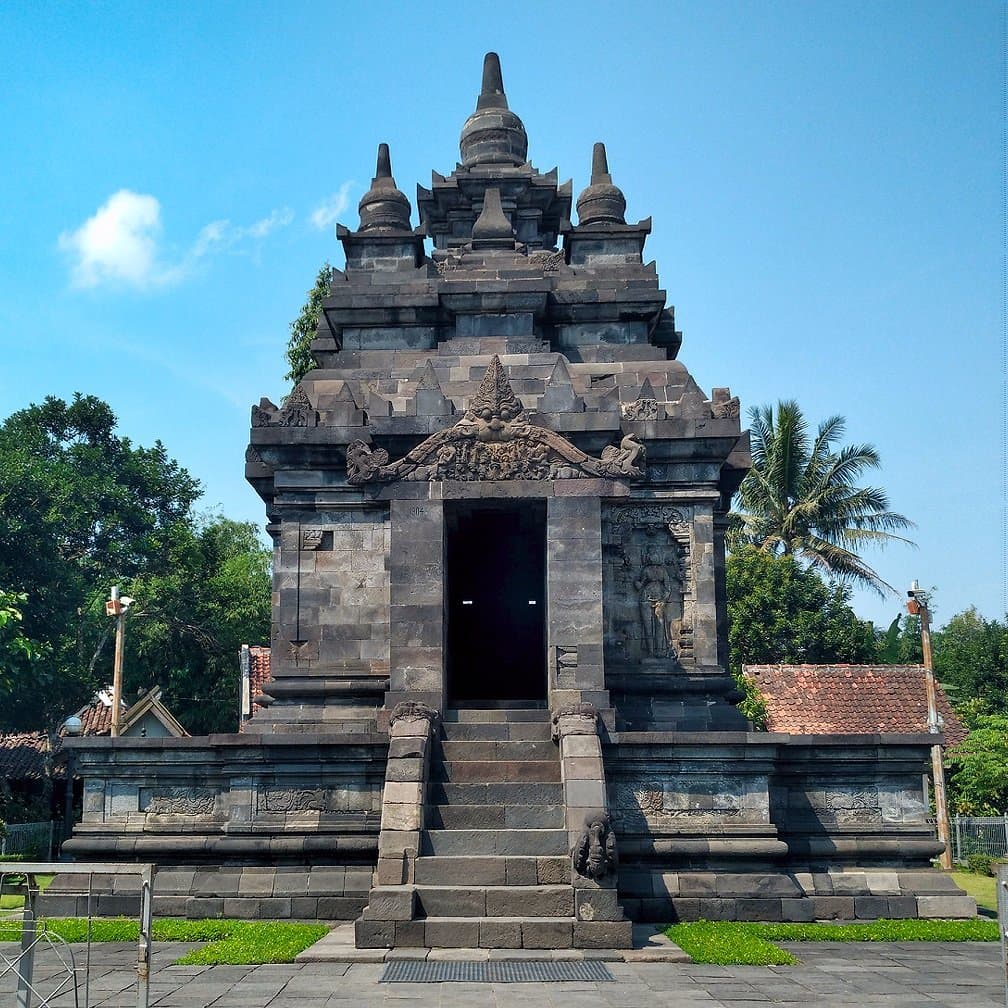
Pawon Temple
A 9th-century Buddhist temple near Borobudur, Pawon Temple captivates with its intricate stone carvings and unique corbelled dome.
Highlights
Must-see attractions

Social
From TikTok & Reddit
Best Time
Beat the heat & vendors
Pawon Temple
Best Time
Beat the heat & vendors
Highlights
Must-see attractions
A 9th-century Buddhist temple near Borobudur, Pawon Temple captivates with its intricate stone carvings and unique corbelled dome.
"Nice restored little temple, worth a quick 10-minute visit to see the details."
🎯 Quick Visit Recommended
Pawon is small; 10-15 mins is enough to see details. Focus on Borobudur & Mendut if time is tight.
💰 Small Entrance Fee
Expect a nominal fee (around $1 USD) for entry. Some find it steep for the size, others appreciate the restoration.
Highlights
Discover the most iconic attractions and experiences
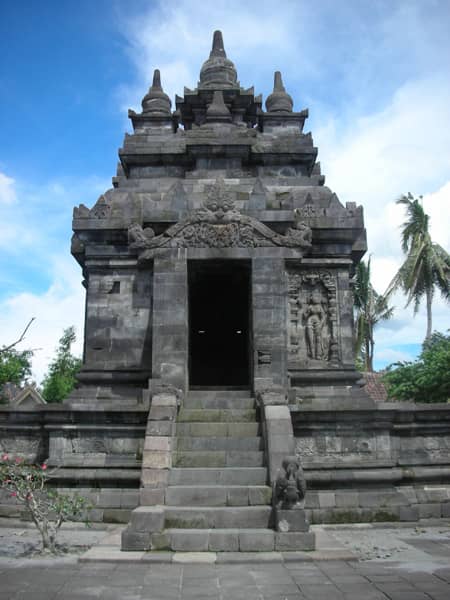
Intricate Relief Carvings
Temple walls
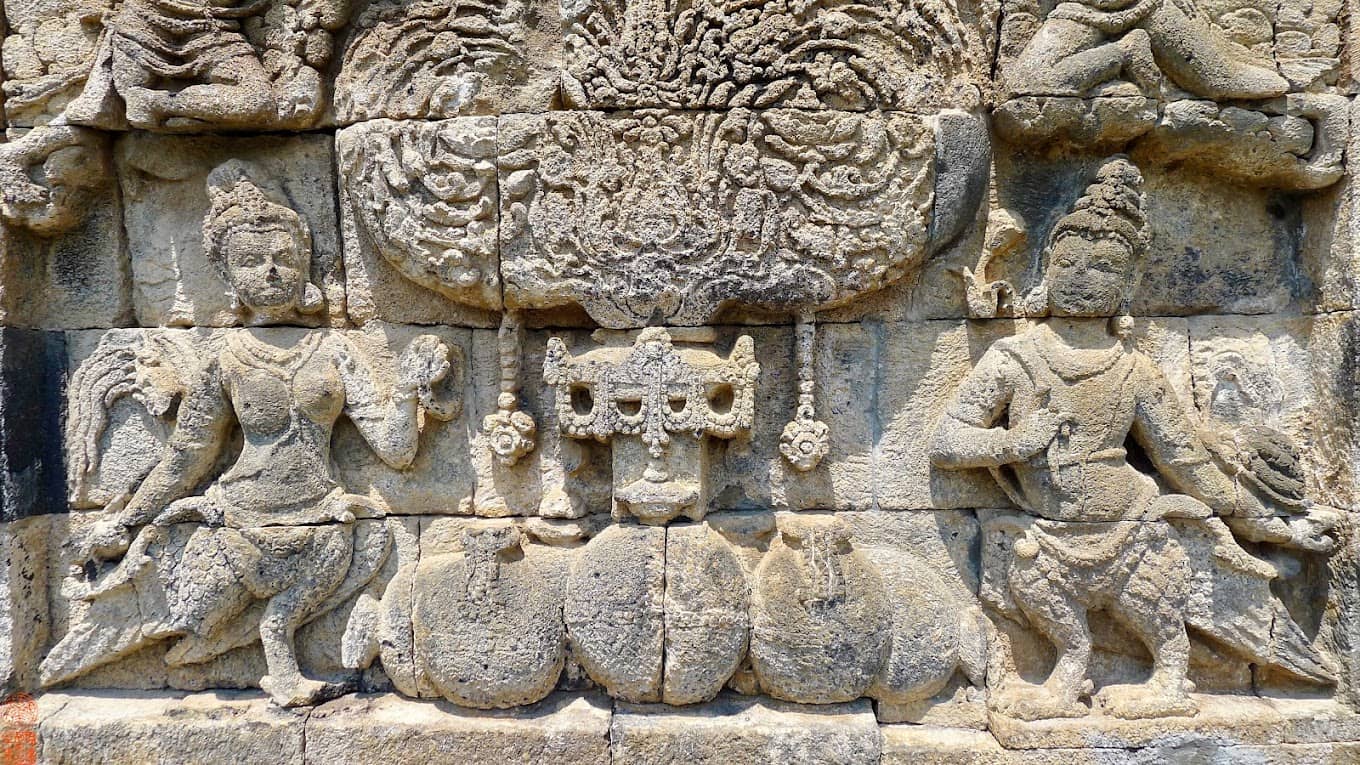
Marvel at the detailed stone carvings depicting ancient stories and motifs, a testament to 9th-century artistry.
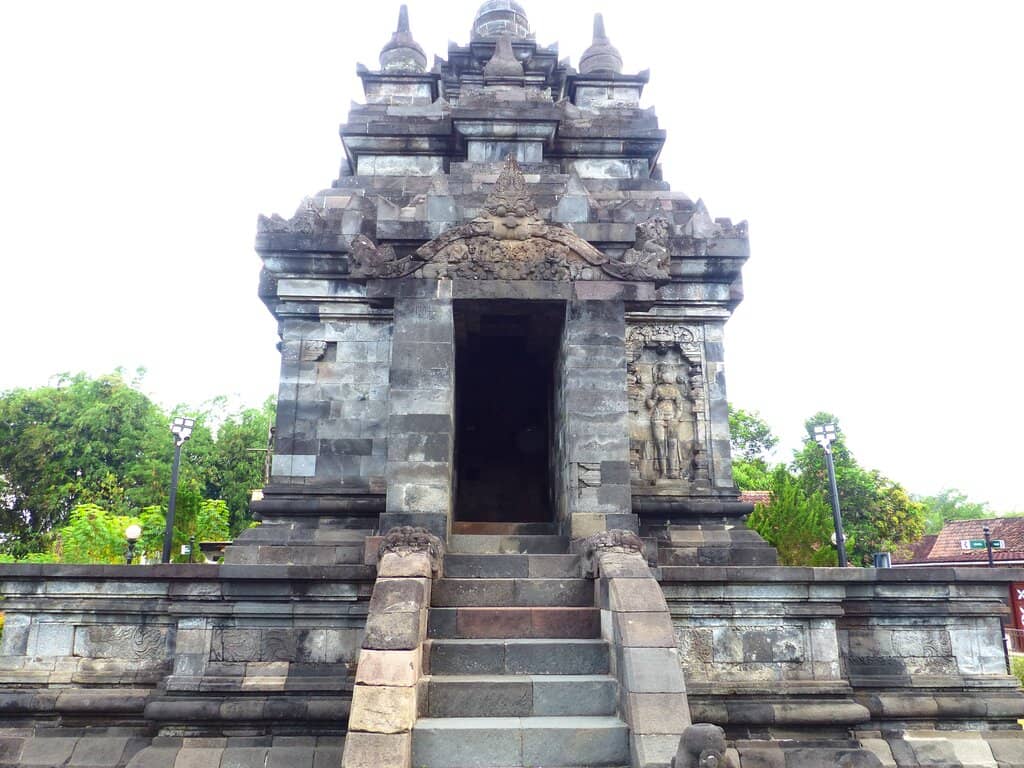
Corbelled Dome Interior
Inside the temple
Experience the unique architectural feature of the rare corbelled dome, a distinctive element of this ancient structure.
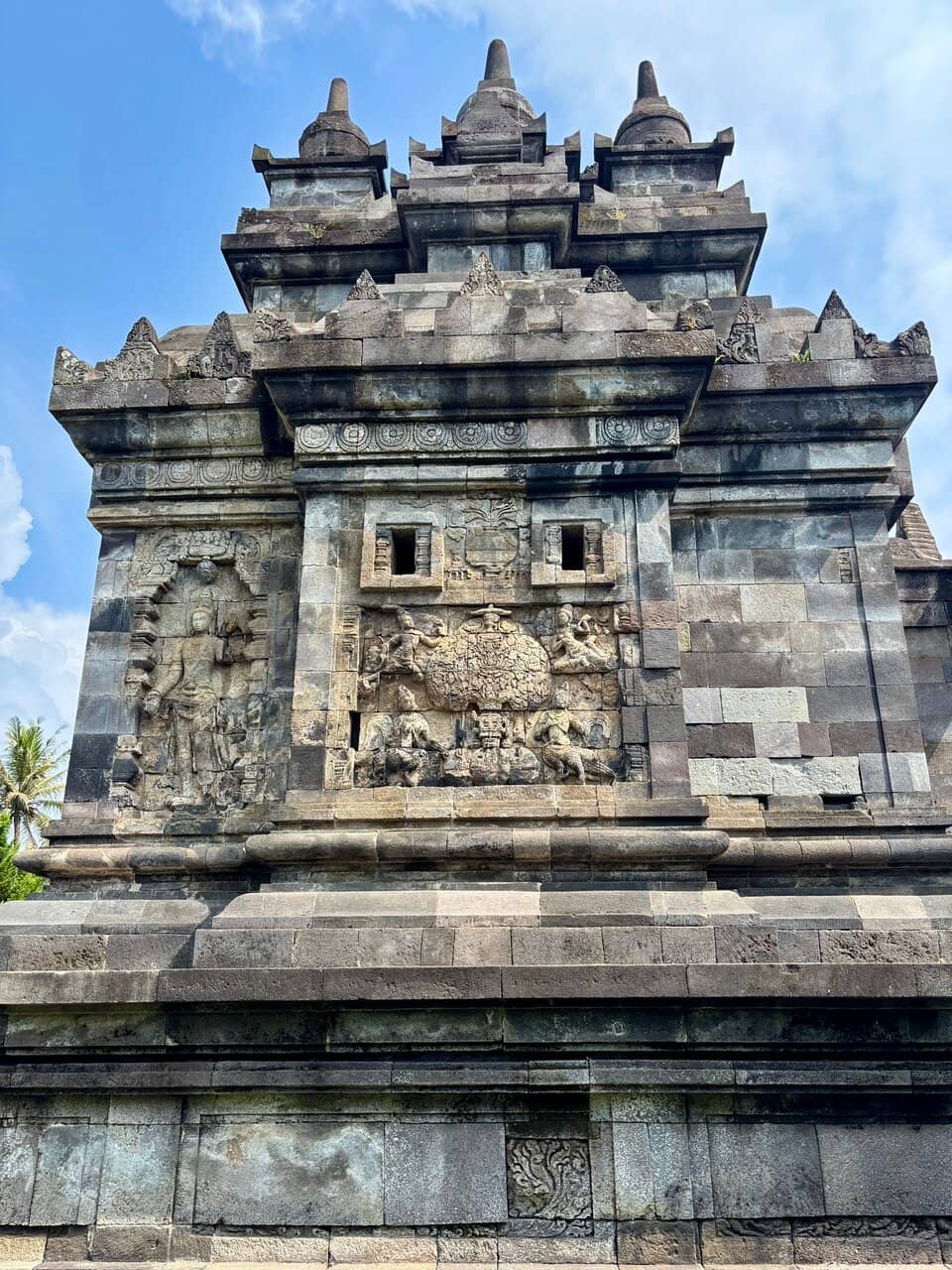
Tranquil Village Setting
Surrounding area
Enjoy the peaceful atmosphere of the local community, offering a contrast to the grandeur of nearby Borobudur.
Plans like a pro.
Thinks like you
Planning Your Visit
Skip the Crowds, Embrace the Calm
A Quick but Meaningful Stop
Best Times
Insider Tips
from TikTok, Instagram & Reddit
🎯 Quick Visit Recommended
Pawon is small; 10-15 mins is enough to see details. Focus on Borobudur & Mendut if time is tight.
💰 Small Entrance Fee
Expect a nominal fee (around $1 USD) for entry. Some find it steep for the size, others appreciate the restoration.
🚶♀️ Avoid Pushy Vendors
Be prepared for persistent street vendors. A polite 'no thank you' usually suffices.
☕ Nearby Coffee Spot
The luwak coffee place across the road is a pleasant stop after your temple visit.
Tips
from all over the internet
🎯 Quick Visit Recommended
Pawon is small; 10-15 mins is enough to see details. Focus on Borobudur & Mendut if time is tight.
💰 Small Entrance Fee
Expect a nominal fee (around $1 USD) for entry. Some find it steep for the size, others appreciate the restoration.
🚶♀️ Avoid Pushy Vendors
Be prepared for persistent street vendors. A polite 'no thank you' usually suffices.
☕ Nearby Coffee Spot
The luwak coffee place across the road is a pleasant stop after your temple visit.
📸 Photo Ops from Outside
You can get good photos from outside, especially if the temple is under restoration.
What Travellers Say
Reviews Summary
Pawon Temple is a small, restored historical site near Borobudur, appreciated for its intricate reliefs and unique architecture. While some visitors find it too small for the entrance fee and note persistent vendors, others value it as a quick, insightful stop offering a glimpse into the region's past.
"A small Buddhist temple with a low fence surrounded by a small road (entry ticket: IDR 10,500.-) not so far from the world-famous Borobudur temple. Actually it's free as long as you don't enter the fence. I wanted to pay the entry ticket, but the ticket box was vacant (the ticket guy came up from somewhere after someone called him). Not much to see (unless you're an expert). There was even nothing in the chamber inside the temple (no lingga+yoni or statue). Local shops around the temple offer gifts and souvenirs. A very small parking shelter for one or two motorbikes. No parking lot for cars and restroom of its own, and a local resident's house offers paid parking and restroom. No musholla, but 90 m away is a clean two-floor mosque (Al-Mujahidin)."
Raden Oktova Gamma Star
"The Pawon Temple (Candi Pawon) is a small, but historically significant, Buddhist temple located in Central Java, Indonesia. It is an integral part of the larger Borobudur Temple Compounds, which is a UNESCO World Heritage Site.
Here are the key details about Pawon Temple:
Location and Context
Location: Magelang, Central Java, Indonesia, situated in the village of Wanurejo, Borobudur District.
The Borobudur Temple Compounds: Pawon Temple is one of three Buddhist temples—along with Borobudur and Mendut—that are situated on a single, straight axis, suggesting a deep symbolic and ritual connection. Pawon is located roughly midway between the other two:Approximately 1.75 km from Borobudur (to the northeast). Approximately 1.15 km from Mendut (to the southwest).
Ritual Significance:It is believed that the temple served to purify the mind before a pilgrim proceeded to the grander Borobudur. It is still a stop on the annual Vesak (Waisak) ritual procession, where Buddhists walk from Mendut, pass Pawon, and end at Borobudur.
History and Name
Dynasty and Date: It was built in the 8th–9th centuries AD during the reign of the Sailendra Dynasty, which also constructed Borobudur and Mendut.
mortuary temple (Per-awu-an, a place that contains dust or ashes) for a king of the Sailendra dynasty, possibly King Indra.
Local Name ("Bajranalan"): Locals also call it Candi Bajranalan, derived from the Sanskrit words Vajra (thunderbolt) and Anala (fire/flame), translating to "The Flaming Thunderbolt." This name suggests a connection to King Indra's weapon.
Architecture and Artistry
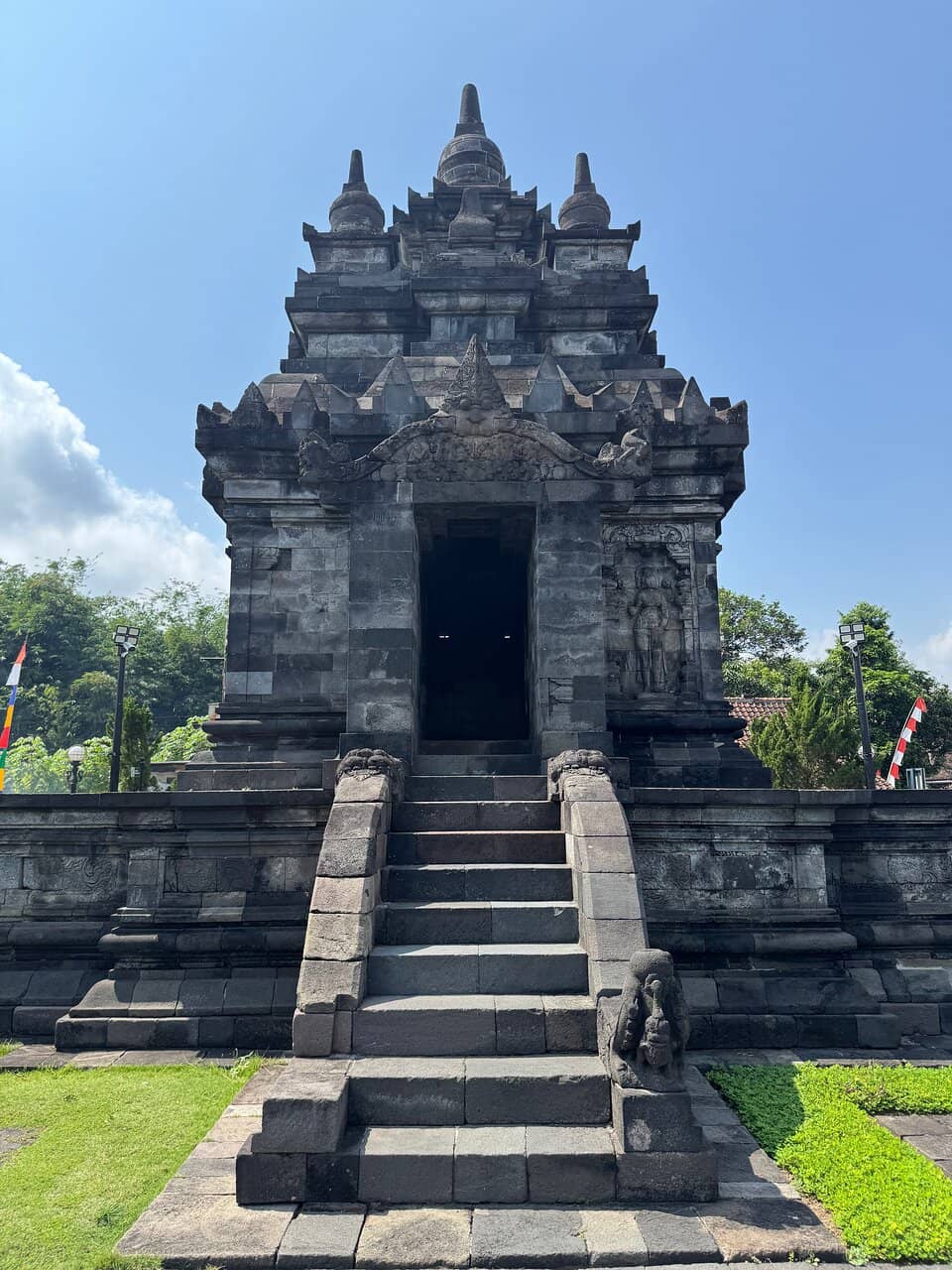
Design:The small temple stands on a square base and is noted for its relative simplicity, symmetry, and harmony, which has led historians to call it "the jewel of Javanese temple architecture."
Reliefs and Carvings: The temple features exquisite stone carvings, including:
Kala-Makara: Decorative carvings often found above entrances and on the sides of stairs in classic Javanese temples, serving a protective function.
Bodhisattvas and Taras: Reliefs of male and female enlightened beings decorate the outer walls.
Kalpataru (Tree of Life): A prominent relief of the mythical wish-fulfilling tree, flanked by the celestial creatures Kinnara and Kinnari*(half-human, half-bird figures).
God Kuvera: Carvings of Kuvera, the Buddhist God of Wealth and Fortune, are found on the outer walls, leading some to believe the shrine may have been dedicated to him.
Interior:The inner chamber is empty and has a square basin in the center. Its original purpose is debated, but one theory suggests it once housed a bronze Bodhisattva statue or the ashes of a king."
Samir Santra
"We visited this small temple near Borobudur. There is a single building which can be viewed from outside without a ticket. There were some persistent street vendors here which was rather unpleasant. Otherwise, the luwak coffee place across the road is worth a visit."
S L Chong
What People Like
What People Dislike
Frequently Asked Questions
🚇 🗺️ Getting There
Pawon Temple is conveniently located about 1 kilometer northwest of Borobudur Temple. You can easily walk there in about 15-20 minutes, rent a bicycle, or take a short taxi or becak (cycle rickshaw) ride. Many tours that visit Borobudur also include Pawon Temple. 
While close to Borobudur, Pawon Temple is a separate site. It's often visited as part of a 'temple trinity' with Borobudur and Mendut temples, offering a historical journey through the region.
Public transport directly to Pawon Temple might be limited. It's best accessed via private car, taxi, or as part of a guided tour from Yogyakarta or Magelang. Renting a scooter or bicycle is also a popular option for exploring the area.
Many visitors opt for a private car with a driver or join a private tour to efficiently visit Borobudur, Pawon, and Mendut temples. Cycling tours are also a fantastic way to experience the local scenery and reach these sites.
Information on wheelchair accessibility is limited. Given its historical nature and village setting, it's advisable to inquire locally or with your tour operator beforehand. The terrain might be uneven.
🎫 🎫 Tickets & Entry
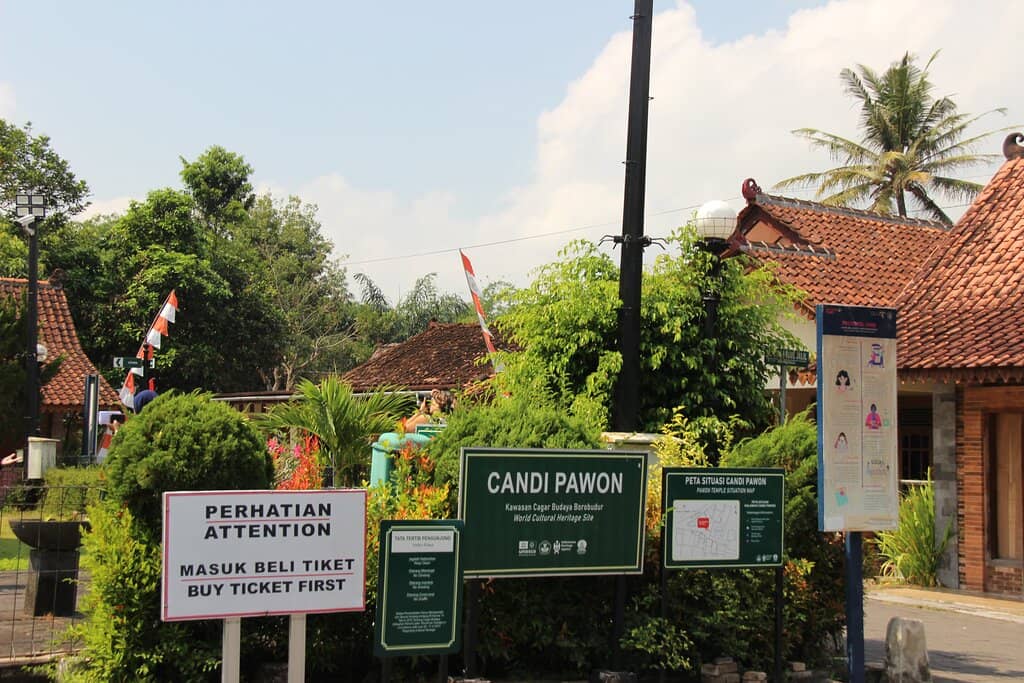
There is a small entrance fee, often around $1 USD for foreign visitors. Some travelers feel the fee is a bit high for the size of the temple, while others find it reasonable for upkeep.
Yes, Pawon Temple typically requires a separate ticket, though the fee is significantly lower than for Borobudur. It's a good idea to check current pricing upon arrival.
Pawon Temple is generally open during daylight hours, similar to other historical sites in the region. It's best to visit between sunrise and sunset.
You can view the exterior of the temple from outside the designated entrance area, which might be sufficient for a quick photo. However, to explore the interior and appreciate the details, the entrance fee is required.
Combined tickets are not typically offered for Pawon, Borobudur, and Mendut. Each temple usually has its own admission fee. However, tour packages might bundle these visits.
📸 📸 Photography
The front facade of the temple offers a classic view. You can also capture details of the relief carvings and the unique corbelled dome from various angles. The surrounding village provides a more local, authentic backdrop.
Generally, photography is allowed inside and outside the temple. However, it's always respectful to avoid using flash photography directly on ancient structures and to be mindful of other visitors.
Early morning or late afternoon offers the best light for photography, with softer shadows and a warmer glow. This also helps avoid harsh midday sun and potential crowds.
Drone usage regulations can vary. It's advisable to check with local authorities or the temple management before flying a drone to ensure compliance with any restrictions.
A standard DSLR or mirrorless camera with a versatile lens (e.g., 24-70mm) is ideal for capturing both the overall structure and the intricate details of the reliefs. A wide-angle lens can be useful for interior shots if space allows.
🎫 🏛️ History & Significance
Pawon Temple dates back to the 9th century and is believed to have been built during the Syailendra dynasty. It's considered an integral part of the Borobudur complex, possibly serving as a place for ritual offerings or a gateway.
The name 'Pawon' is derived from the Javanese word for 'kitchen.' While its exact purpose is debated, some theories suggest it might have been related to food preparation for rituals or as a symbolic representation of nourishment.
The temple walls are adorned with intricate reliefs, including depictions of the Kalpataru tree (tree of life), which is also found on other ancient Javanese temples. These carvings offer insights into the beliefs and art of the period.
Pawon Temple is primarily considered a Buddhist temple, aligning with the era of the Syailendra dynasty and its association with Borobudur. However, the region historically saw shifts between Hindu and Buddhist influences.
These three temples form a significant historical and spiritual axis. Pawon is situated between Borobudur and Mendut, and they are often visited together as a 'trinity,' suggesting a planned religious complex.
For Different Travelers
Tailored advice for your travel style
👨👩👧 Families with Kids
Be mindful of the small entrance fee and the potential for persistent street vendors. It's a good idea to have some small change handy. Consider combining this visit with a short bike ride through the local villages for a more engaging experience for children.
🚶 Budget Travelers
While some reviews mention the fee being a bit high for the size, it supports the temple's upkeep. You can also get decent photos from the outside if you wish to skip the entry fee altogether. The nearby coffee shop offers a more affordable refreshment option than some tourist traps.
📸 Photography Enthusiasts
While the temple itself is small, the surrounding village provides opportunities for capturing local life and authentic Javanese scenery. Be prepared for potential vendor presence, which can sometimes detract from the shot, but a little patience can yield great results.
Deep Dives
In-depth insights and expert knowledge
The Pawon Temple Trinity
While Borobudur is a monumental Buddhist temple and Mendut houses impressive Buddha statues, Pawon's unique architecture and intricate reliefs offer a distinct perspective. Its rectangular shape and the presence of the Kalpataru tree motif on its walls connect it to a broader Javanese artistic and religious heritage. Understanding Pawon within this 'trinity' provides a richer appreciation of the ancient kingdom's spiritual landscape.
Visiting all three temples offers a comprehensive experience of the region's Buddhist past. Each site, despite its size or fame, contributes a vital piece to the historical narrative. Pawon, though modest, is a crucial element in understanding the interconnectedness of these ancient sacred sites.
Architectural Marvels and Reliefs
The temple's exterior walls are adorned with detailed reliefs that offer a glimpse into the artistic and cultural milieu of the era. Among these carvings, the depiction of the Kalpataru tree (the tree of life) is particularly noteworthy, a motif also found on other significant ancient sites in Java. These carvings are not merely decorative; they likely held symbolic or narrative meaning, contributing to the temple's spiritual purpose.
While some visitors might find the temple's size underwhelming, taking the time to examine these intricate carvings and appreciate the unique dome structure reveals the artistry and craftsmanship invested in this historical monument. It's a testament to the sophisticated aesthetic sensibilities of its creators.



Social
from TikTok, Instagram & Reddit