Monumen Jogja Kembali Monjali Yogyakarta
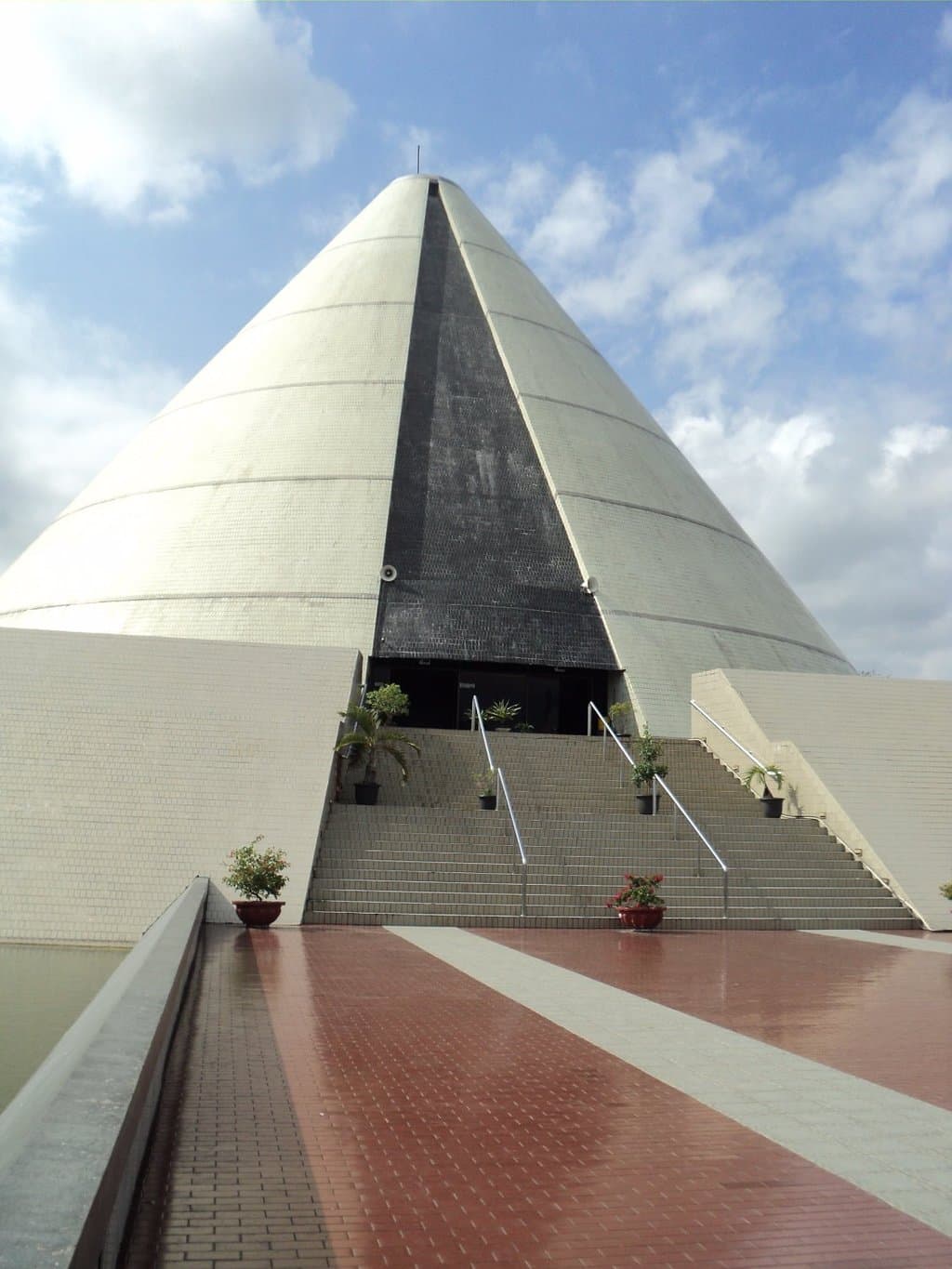
A cone-shaped monument and museum commemorating Indonesia's struggle for independence and Yogyakarta's role as the former capital.
Highlights
Must-see attractions

Social
From TikTok & Reddit
Best Time
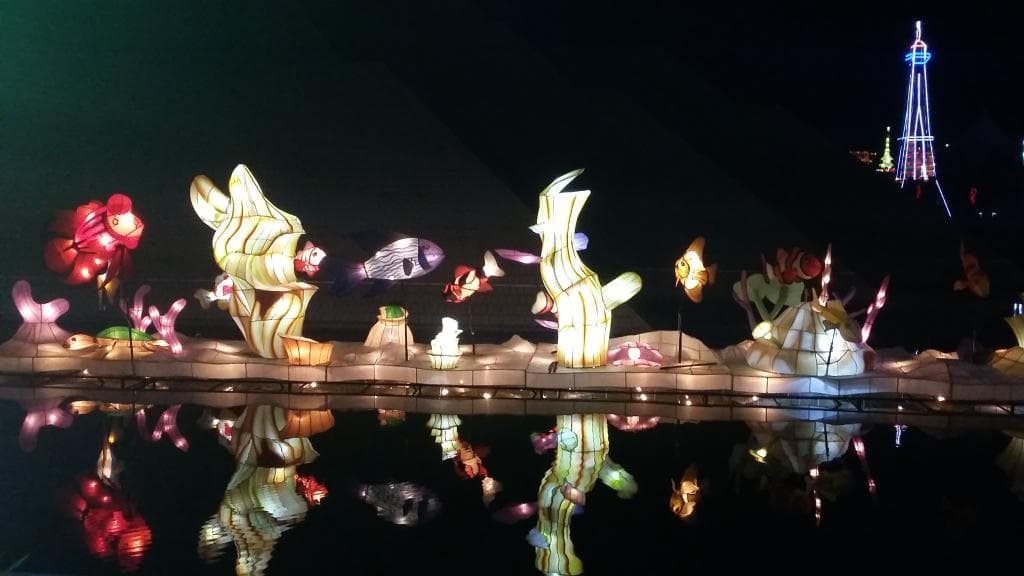
Witness spectacular light shows
Monumen Jogja Kembali Monjali Yogyakarta
Best Time
Witness spectacular light shows
Highlights
Must-see attractions
A cone-shaped monument and museum commemorating Indonesia's struggle for independence and Yogyakarta's role as the former capital.
"A must-visit landmark offering a rich historical experience with impressive architecture and exhibits."
🎟️ Affordable Entry Fee
Tickets are very reasonably priced at 15,000 IDR, making it a great value for history buffs.
✨ Evening Light Shows
Check for special events like Kirana Viramantra for stunning video mapping displays.
Highlights
Discover the most iconic attractions and experiences
Dioramas of the Revolution
Second Floor
Immersive scenes depicting key moments of Indonesia's fight for independence. A vivid historical journey.
Tumpeng-Shaped Architecture
Main Monument
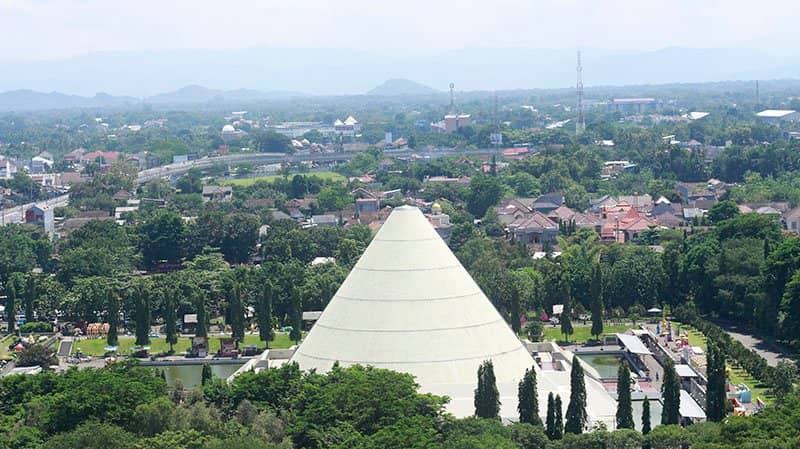
Iconic cone-shaped structure symbolizing Indonesian culture and resilience. A unique architectural marvel.
Kirana Viramantra Light Show
Monument Plaza
Spectacular video mapping and light displays during special events. A dazzling modern spectacle.
Plans like a pro.
Thinks like you
Planning Your Visit
Timing Your Visit for History & Light Shows
Understanding Monjali's Historical Significance
Best Times
Insider Tips
from TikTok, Instagram & Reddit
🎟️ Affordable Entry Fee
Tickets are very reasonably priced at 15,000 IDR, making it a great value for history buffs.
✨ Evening Light Shows
Check for special events like Kirana Viramantra for stunning video mapping displays. 
🏛️ Educational Exhibits
Explore dioramas and reliefs detailing Indonesia's independence struggle. Great for all ages.
🌳 Surrounding Park
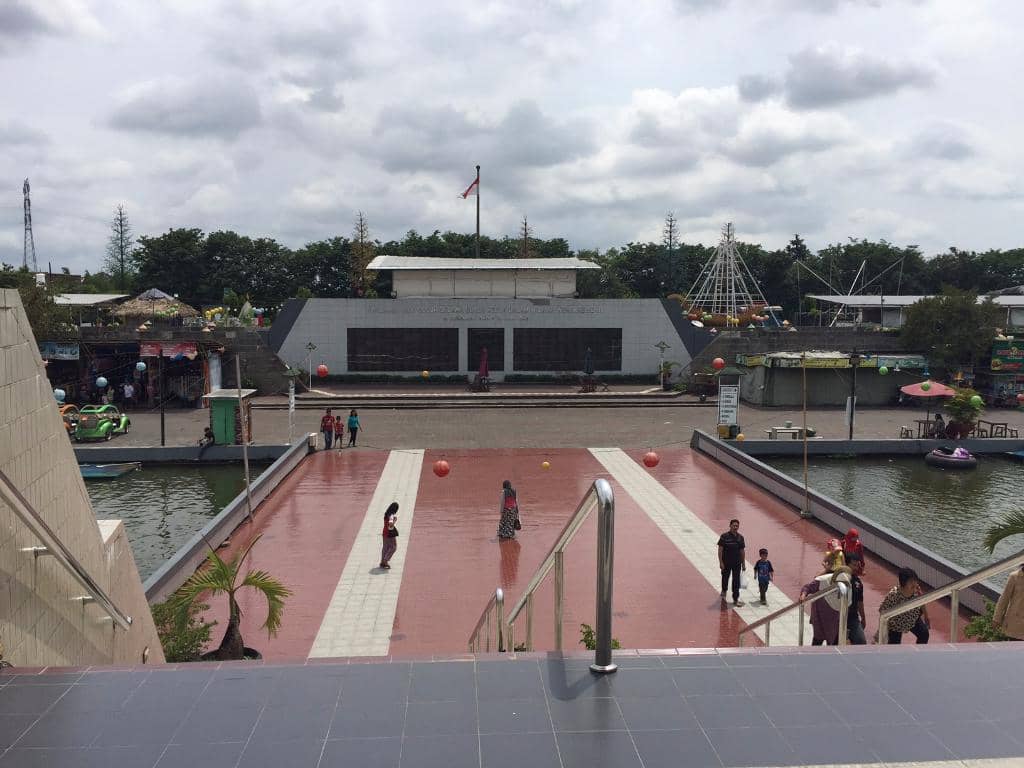
Enjoy a relaxing stroll around the monument and its surrounding pool area.
Tips
from all over the internet
🎟️ Affordable Entry Fee
Tickets are very reasonably priced at 15,000 IDR, making it a great value for history buffs.
✨ Evening Light Shows
Check for special events like Kirana Viramantra for stunning video mapping displays.
🏛️ Educational Exhibits
Explore dioramas and reliefs detailing Indonesia's independence struggle. Great for all ages.
🌳 Surrounding Park
Enjoy a relaxing stroll around the monument and its surrounding pool area.
📸 Photo Opportunities
Capture the unique architecture and historical displays. The grounds offer great views.
What Travellers Say
Reviews Summary
Monumen Jogja Kembali is praised for its historical significance and educational value, offering a glimpse into Indonesia's fight for independence. Visitors appreciate the affordable entry fee and the unique tumpeng-shaped architecture. While some facilities might show wear, the core exhibits and the potential for evening light shows make it a worthwhile visit for history enthusiasts and families.
"Monument erected to commemorate DIY Yogyakarta which was once the capital of the Republic of Indonesia. Contains combat equipment, a list of names of heroes and people who contributed at that time, paintings, reliefs and replicas of statues depicting the situation that occurred at that time as well as backsound narration and conversations that are heard resembling the situation and conditions at that time. visitors can still enjoy the rides provided in the pool surrounding the monument."
tri sulistiowati
"Historical places are always interesting to study or introduce to the next generation, so that they don't forget the struggle of the heroes in liberating Indonesia. Monjali or better known as the Monumen Jogja Kembali was erected to commemorate the event of the re-functioning of the city of Yogyakarta as the capital of the Republic of Indonesia which was seized from the colonialists. Dutch. This incident occurred on June 29, 1949. The idea for establishing this museum was Colonel Soegiarto. On June 29, 1985 the monument began to be built. Then, on July 6 1989 Monjali was inaugurated by President Soeharto. The museum, which is shaped like a tumpeng, was built on an area of 49,920 m2, with a height of 31.8 meters.
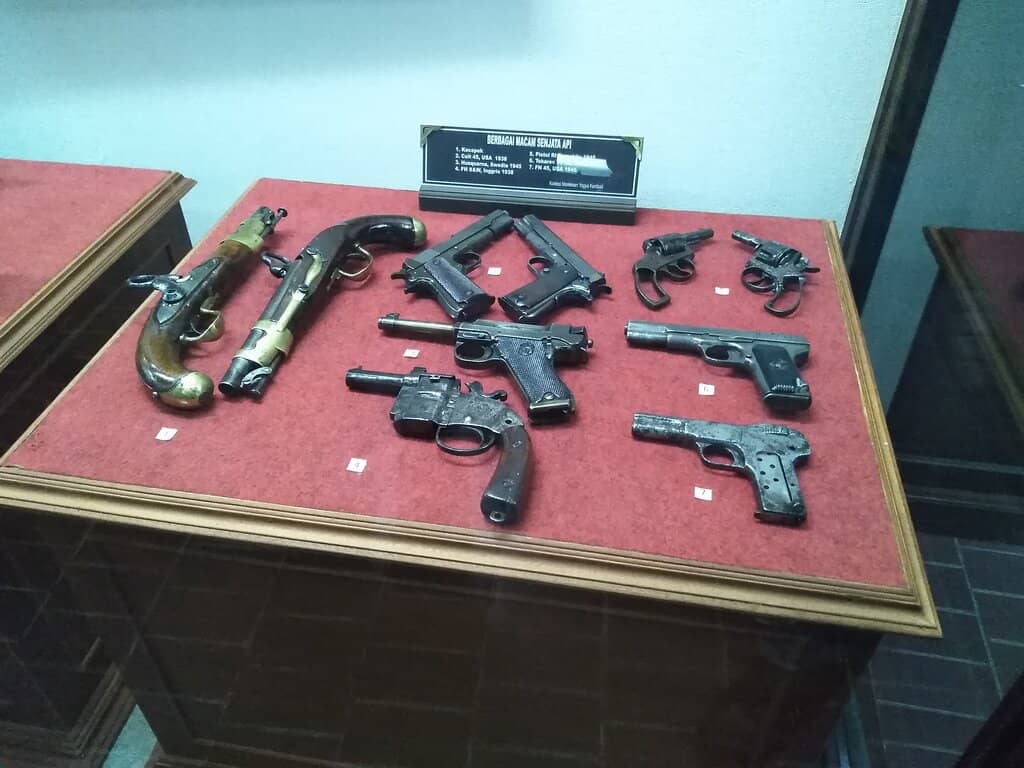
The Monjali building consists of 3 floors, the 1st floor contains 4 museum rooms, the 2nd floor contains 10 dioramas and 40 reliefs, and the 3rd floor is called the Garba Graha Room. The Museum's collection totals 1,108, consisting of heraldry, miniatures, replicas, vehicles, firearms, traditional weapons, documentary photos, army communications equipment, medical equipment, inventories, statues, archives, lists of names of heroes, reliefs, dioramas and evocatives."
Fendi Kemawon
"It is a really Nice place with the ticket cost only 15000idr has some really good arts and monuments showing the important moments of Indonesian Independence."
Shakib Bin
What People Like
What People Dislike
Frequently Asked Questions
🚇 🗺️ Getting There
Monjali is located north of the city center. You can take a taxi, ride-sharing service (like Gojek or Grab), or a local bus. Many visitors find it convenient to rent a scooter or car for more flexibility.
Yes, local buses frequently pass by the area. However, for ease and directness, ride-sharing apps or private transport are often recommended by visitors.
If you're in Sleman, Monjali is quite accessible. Depending on your exact location, a short taxi or ride-sharing trip will get you there quickly.
Yes, ample parking is available for cars and motorcycles at Monjali, making it convenient for those arriving by private vehicle.
Monjali is approximately 10-15 km from Adisucipto International Airport, a journey that typically takes around 30-45 minutes by car, depending on traffic.
🎫 🎫 Tickets & Entry
The entrance fee is very affordable, typically around 15,000 IDR per person, offering great value for the historical experience.
Monjali is generally open daily from morning until evening, often around 8 AM to 5 PM for the museum exhibits. Special evening events may have different hours.
Advance booking is usually not required for regular visits. Tickets can be purchased at the entrance. However, for special events, it's advisable to check for ticketing information.
Information on discounts for students or groups is not widely publicized, but the standard entrance fee is already very low. It's best to inquire at the ticket counter if you are part of a group.
Yes, Monjali is typically open on public holidays, though it might be more crowded. Special events are often scheduled during these times.
🎫 🧭 Onsite Experience
You can explore historical dioramas, reliefs, and exhibits detailing Indonesia's independence struggle. The monument's architecture is also a highlight, and there's a surrounding park with a pool.
Yes, it's a great educational spot for children to learn about Indonesian history in an engaging way through dioramas and exhibits.
While not always advertised, you might be able to arrange for a guide or find informational materials onsite to enhance your understanding of the exhibits.
Monjali commemorates the re-establishment of Yogyakarta as the capital of Indonesia during the National Revolution, symbolizing the people's struggle for independence.
Photography is generally allowed inside the museum and on the grounds, but it's always good to check for any specific restrictions on flash photography or certain exhibits.
🍽️ 🍽️ Food & Dining
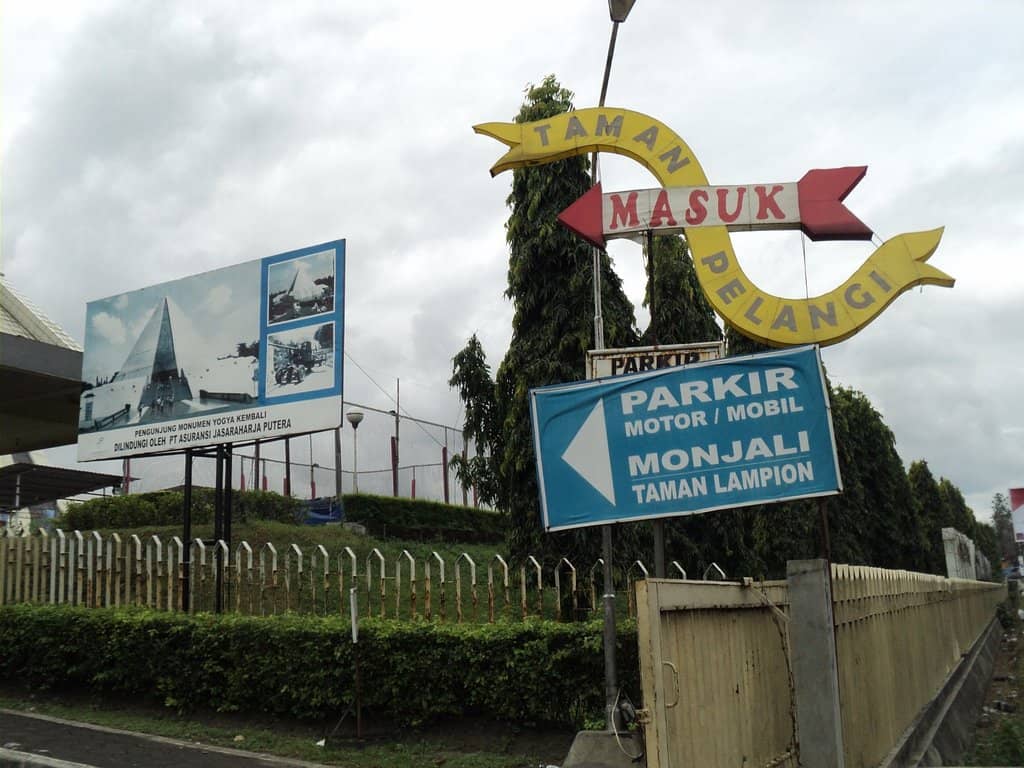
While there might be small vendors selling snacks or drinks, dedicated restaurants are not a primary feature. However, the nearby Taman Pelangi area offers various food options.
The vicinity, especially around Taman Pelangi, offers a range of local Indonesian cuisine, from street food to more established eateries.
It's generally acceptable to bring water, but for full meals, it's best to consume them in designated areas or outside the main exhibit halls. Check onsite rules.
Yes, most Indonesian restaurants in Yogyakarta will have vegetarian options, often featuring tofu, tempeh, and vegetable dishes.
The area around Taman Pelangi offers numerous choices. Local warungs and cafes provide authentic Indonesian flavors.
📸 📸 Photography
The iconic tumpeng-shaped monument itself, the surrounding pool, and the dioramas inside offer great photographic opportunities. The grounds are also scenic.
Yes, photography is generally permitted inside the museum, allowing you to capture the historical dioramas and exhibits.
While generally allowed, avoid using flash photography directly on sensitive exhibits. Always be respectful of other visitors and the historical artifacts.
Late afternoon offers softer light for exterior shots. For interior exhibits, any time is good, but consider visiting during less crowded hours for unobstructed photos.
Drone usage is typically restricted at historical sites and public monuments to ensure safety and respect. It's best to assume it's not permitted unless explicitly stated otherwise.
For Different Travelers
Tailored advice for your travel style
👨👩👧 Families with Kids
Consider visiting during weekdays to avoid larger crowds, allowing for a more focused and less overwhelming experience for children. While there aren't specific playgrounds, the open spaces offer opportunities for play. The affordable entrance fee makes it an accessible outing for families on a budget.
🏛️ History Enthusiasts
Take your time to absorb the narratives presented. The monument's architecture itself is a symbol of national pride. Visiting during quieter hours, like weekday mornings, will allow for a more immersive and contemplative experience, enabling you to fully appreciate the historical significance of each exhibit.
📸 Photographers
Inside, the dioramas and reliefs offer dynamic scenes that can be captured creatively. Be mindful of lighting conditions and any restrictions on flash photography. For those interested in event photography, the evening light shows like Kirana Viramantra present a spectacular opportunity to capture vibrant light and projection art.
+1Deep Dives
In-depth insights and expert knowledge
The Historical Heart of Monjali
The architectural design of Monjali is as symbolic as its history. Shaped like a 'tumpeng' (a cone-shaped rice dish central to Indonesian culture), the monument rises 31.8 meters high on a 49,920 m2 plot. This unique form is not just visually striking but also deeply rooted in Indonesian tradition, representing gratitude and prosperity. The building itself is divided into three floors, each housing different aspects of the historical narrative.
+1Inside, visitors are greeted by a vast collection of 1,108 artifacts, including heraldry, miniatures, replicas of vehicles and firearms, traditional weapons, documentary photos, and personal effects of heroes. The second floor is particularly engaging, featuring 10 dioramas and 40 reliefs that vividly recreate scenes from the revolution, offering a tangible connection to the past. The third floor, known as the Garba Graha Room, provides a space for reflection.
Experiencing Monjali: Beyond the Exhibits
Monjali also transforms into a vibrant venue for cultural events, most notably the 'Kirana Viramantra' light show. During these occasions, the monument's facade becomes a canvas for spectacular video mapping and light projections, drawing large crowds and offering a modern, dazzling spectacle that contrasts with the historical exhibits. These events are a testament to Monjali's role as a dynamic cultural hub in Yogyakarta.
+2For those looking for nearby amenities, the area around Monjali, particularly the Taman Pelangi (Rainbow Garden), offers a variety of food stalls and eateries. This makes it convenient for visitors to grab a bite before or after their visit, enjoying local Indonesian cuisine.
Social
from TikTok, Instagram & Reddit