
Manado Chinatown Pecinan
Explore historic Dutch colonial buildings and ancient temples in Manado's vibrant Chinatown, a hub of culture and delicious local food.
Highlights
Must-see attractions

Social
From TikTok & Reddit
Best Time
Fewer crowds, easier to explore
Manado Chinatown Pecinan
Best Time
Fewer crowds, easier to explore
Highlights
Must-see attractions
Explore historic Dutch colonial buildings and ancient temples in Manado's vibrant Chinatown, a hub of culture and delicious local food.
"A living museum of colonial architecture and Chinese heritage, with legendary food to boot!"

🚶♀️ Wander and Discover
Explore the narrow streets, admire old buildings, and discover hidden culinary gems. Allow ample time for leisurely exploration.
🍜 Taste the Local Flavors
Don't miss the legendary pork biapong and other local delicacies. Many shops offer snacks and souvenirs.
Highlights
Discover the most iconic attractions and experiences
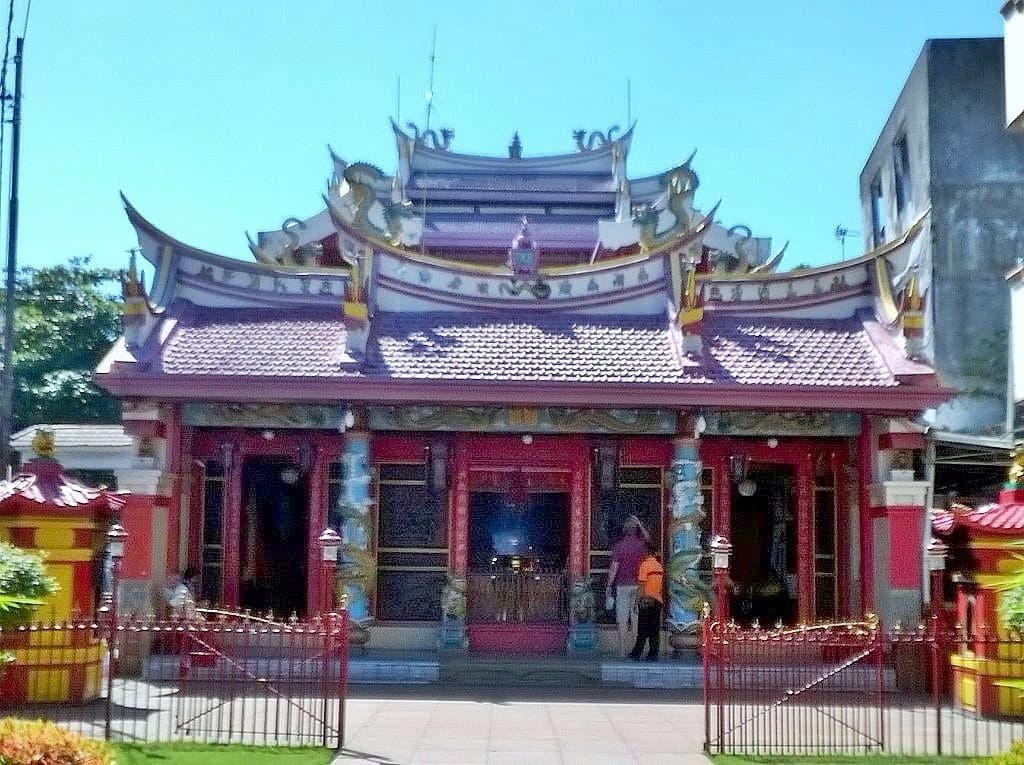
Ban Hing Kiong Temple
Manado Chinatown
Manado's oldest Buddhist temple, built in 1819, showcasing magnificent colonial and ethnic architecture.
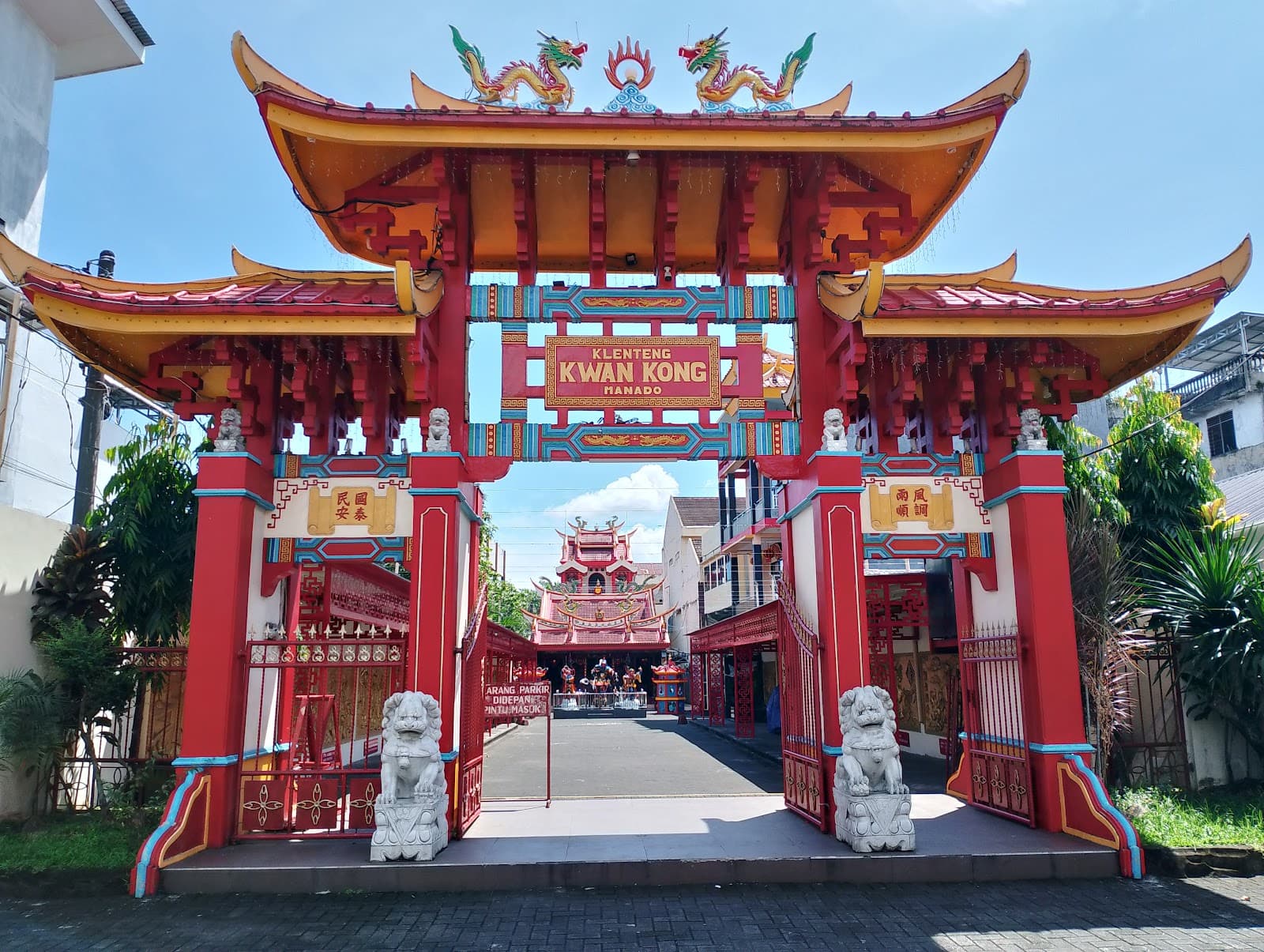
Kwong Kong Temple
Near Ban Hing Kiong Temple
A historic pagoda offering a glimpse into the area's long-standing religious heritage.

Colonial Architecture
Throughout Manado Chinatown
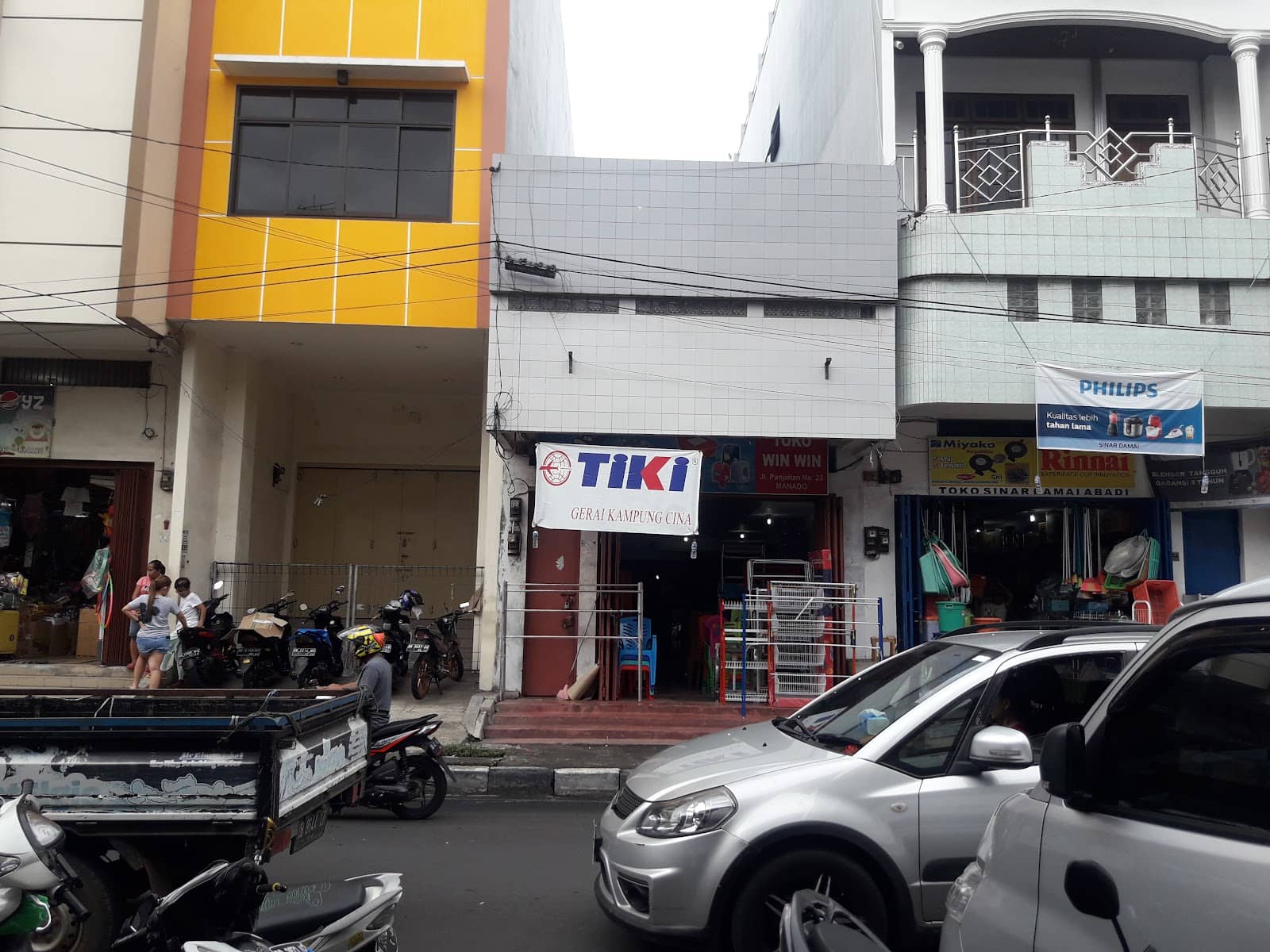
Admire well-preserved Dutch colonial shop buildings, a testament to the area's rich history.
Legendary Pork Biapong
Non-halal restaurant
Savor the decades-old, must-try steamed pork buns, a beloved local delicacy.
Plans like a pro.
Thinks like you
Planning Your Visit
Embrace the Old-World Charm
Culinary Delights Await
Best Times
Insider Tips
from TikTok, Instagram & Reddit
🚶♀️ Wander and Discover
Explore the narrow streets, admire old buildings, and discover hidden culinary gems. Allow ample time for leisurely exploration.
🍜 Taste the Local Flavors
Don't miss the legendary pork biapong and other local delicacies. Many shops offer snacks and souvenirs.
🚗 Be Patient with Traffic
Traffic can be heavy due to narrow roads and parked vehicles. Consider walking or using local transport.
📸 Capture the History
The colonial architecture and temples offer fantastic photo opportunities. Visit during daylight for best results.
Tips
from all over the internet
🚶♀️ Wander and Discover
Explore the narrow streets, admire old buildings, and discover hidden culinary gems. Allow ample time for leisurely exploration.
🍜 Taste the Local Flavors
Don't miss the legendary pork biapong and other local delicacies. Many shops offer snacks and souvenirs.
🚗 Be Patient with Traffic
Traffic can be heavy due to narrow roads and parked vehicles. Consider walking or using local transport.
📸 Capture the History
The colonial architecture and temples offer fantastic photo opportunities. Visit during daylight for best results.
What Travellers Say
Reviews Summary
Visitors praise Manado Chinatown for its rich history, well-preserved colonial architecture, and the delicious, legendary pork biapong. The ancient temples are also a significant draw. However, some find the traffic congestion and limited parking to be drawbacks.
"Located in the center of Manado city center, the Chinese village is a place with many old shop buildings built since the Dutch colonial era. Buildings that are still maintained as their original form have a touch of colonial architecture, coupled with ethnic colors.
In this place, visitors can see the oldest temple in Manado, Ban Hing Kiong which was built in 1819 and is still magnificent. In addition, not far from the Ban Hing Kiong temple, there is also a pagoda that has been established for a long time even though it is not as old as the Ban Hing Kiong temple called Kwang Kong Temple. Many shops sell food, drinks and souvenirs for souvenirs along the way, so tourists can take a walk while washing their eyes."
Kawanooa Shop
"China Town of Manado city North Sulawesi. This is the oldest Buddhist temple in this city."
Fredericka Mariana The Traveller
"Great place."
Ricky WELAN
What People Like
What People Dislike
Frequently Asked Questions
🚇 🗺️ Getting There
Manado Chinatown is centrally located in the Pasar 45 or Bendar area of Manado city. You can easily reach it by taxi, ride-sharing services, or local public transport from most parts of the city.
Yes, local public transport options are available, though they might be less direct. Taxis and ride-sharing apps are generally more convenient for reaching the heart of Chinatown.
The best way to explore Manado Chinatown is on foot. The streets are narrow, and walking allows you to fully appreciate the architecture and discover local shops and eateries.
Adequate parking can be a challenge. Parking is often limited to the shoulder of the road, which can contribute to traffic congestion. Arriving early or using alternative transport is recommended.
Absolutely! Manado Chinatown is a perfect destination for a half-day or full-day trip, offering a rich blend of history, culture, and culinary experiences.
🎫 🎫 Tickets & Entry
No, there are no entrance fees to explore the general area of Manado Chinatown. You can freely wander through the streets and admire the architecture.
While entry to the temples themselves is generally free, donations are always appreciated to help with their upkeep.
Manado Chinatown is accessible throughout the day. However, shops and restaurants typically operate during standard business hours, with many staying open into the evening. Temples have their own visiting hours.
While official tours might be limited, you can often find local guides or arrange informal tours through your accommodation. Exploring independently is also highly recommended.
The main attractions like the Ban Hing Kiong Temple and Kwong Kong Temple do not typically charge an admission fee, though donations are welcome.
🎫 🧭 Onsite Experience
Manado Chinatown is a historical area featuring old shop buildings from the Dutch colonial era and is home to the oldest Buddhist temple in Manado, Ban Hing Kiong, established in 1819. It's a testament to the long-standing Chinese community in the region.
You'll find a unique blend of Dutch colonial architecture in the old shop buildings, often combined with distinct Chinese ethnic colors and influences.
The legendary pork biapong (bakpao) is a must-try. You'll also find various other local snacks, drinks, and dishes sold in the numerous shops and eateries.
Yes, many shops along the streets sell souvenirs, local snacks, and other items that make for great mementos of your visit.
During Chinese holidays, Manado Chinatown becomes even more vibrant with traditional Chinese ornaments and a festive atmosphere, offering a unique cultural experience.
🍽️ 🍽️ Food & Dining
The absolute highlight is the legendary pork biapong, a decades-old favorite. Explore the numerous shops and eateries for other local delicacies and snacks.
While there are many food options, be aware that some restaurants, particularly those selling pork biapong, are non-halal. It's advisable to inquire if you have specific dietary needs.
You can find a variety of local drinks, including traditional teas and refreshing beverages, often sold alongside snacks and food items.
Generally, food prices in Manado Chinatown are quite reasonable, offering good value for money, especially for the local specialties.
While the focus is on local Manadonese-Chinese fusion and specialties like biapong, you can still find dishes that reflect Chinese culinary influences.
📸 📸 Photography
The well-preserved Dutch colonial shop buildings, the intricate details of Ban Hing Kiong Temple and Kwong Kong Temple, and the bustling street scenes offer excellent photographic opportunities.
Early mornings offer softer light and fewer crowds, ideal for capturing architectural details. Late afternoons can provide warm, golden hour light.
Generally, photography is allowed in the temple grounds, but it's always respectful to be mindful of worshippers and avoid intrusive photography. Check for any specific signage.
A versatile lens (like a 24-70mm equivalent) is great for capturing both wide architectural shots and details. A smartphone with good low-light capabilities is also sufficient for most visitors.
Yes, you can photograph the vibrant food stalls and shops, but it's always polite to ask permission before taking close-up shots of vendors or their products.
For Different Travelers
Tailored advice for your travel style
👨👩👧 Families with Kids
Navigating the narrow streets might require extra attention with strollers or very young children. Consider visiting during less crowded times, like weekday mornings, to make the experience more relaxed. The temples, while historically significant, are places of worship, so teaching children about respectful behavior is important. Overall, it's a great opportunity for a family to learn about local heritage and enjoy some tasty treats together.
🍜 Food Enthusiasts
Be adventurous and try dishes that are unique to the region. While some places are non-halal, the culinary diversity ensures there's something for most palates. The experience of eating at these historic establishments, often with simple setups, adds to the authentic charm.
📸 Photography Buffs
Golden hour light in the late afternoon can cast a beautiful glow on the historic buildings. Early mornings offer a quieter scene with softer light, ideal for capturing architectural details without crowds. Remember to be respectful when photographing people, especially in religious sites.
Deep Dives
In-depth insights and expert knowledge
A Journey Through Time: Architecture and History
The historical significance is further amplified by the presence of Manado's oldest Buddhist temple, Ban Hing Kiong, established in 1819. Adjacent to it stands the Kwong Kong Temple, another testament to the enduring Chinese heritage in the region. These religious sites are not just historical landmarks but also active places of worship, offering a glimpse into the spiritual life of the community. The blend of colonial and ethnic architecture creates a unique visual tapestry that is a hallmark of Manado Chinatown.
During festive periods, such as Chinese New Year, the area truly comes alive with vibrant decorations, adding an extra layer of cultural immersion. This historical district is a must-visit for anyone interested in the rich cultural tapestry and architectural heritage of Manado.
Culinary Adventures in Pecinan
Beyond the famous biapong, the streets are lined with numerous shops and eateries selling a variety of local snacks, drinks, and dishes. This makes Pecinan an ideal place to embark on a culinary exploration, sampling different flavors and discovering hidden gastronomic gems. Whether you're looking for a quick bite or a more substantial meal, the food scene here is diverse and satisfying.
It's important to note that while the food is delicious, some establishments are non-halal, particularly those specializing in pork dishes. Visitors with dietary restrictions should inquire before ordering. The vibrant food culture, combined with the historical ambiance, makes dining in Manado Chinatown a truly memorable experience.
Navigating Manado Chinatown: Tips for Visitors
While taxis and ride-sharing services are readily available for reaching the district, walking is the best way to explore once you're there. This allows you to fully appreciate the intricate architecture, discover small shops, and soak in the atmosphere without the hassle of traffic. Be prepared for a leisurely pace as you wander through the historic lanes.
Parking can also be a challenge, with limited official facilities. Visitors are advised to consider arriving early in the day or utilizing alternative transport to avoid potential parking woes. Despite these minor challenges, the rich history, unique architecture, and delicious food make Manado Chinatown a rewarding destination.



Social
from TikTok, Instagram & Reddit