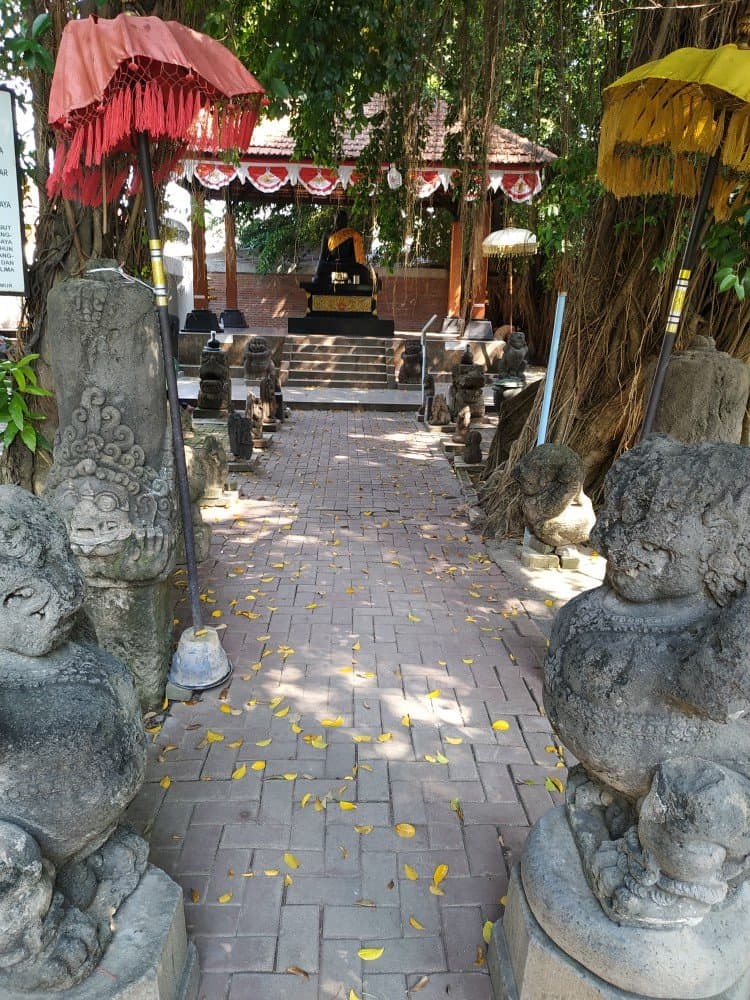
Joko Dolog Statue
A significant Singhasari Kingdom relic, this Buddha embodiment offers a glimpse into ancient Javanese history and spirituality in Surabaya.

Highlights
Must-see attractions

Social
From TikTok & Reddit
Best Time
Peaceful atmosphere
Joko Dolog Statue
Best Time
Peaceful atmosphere
Highlights
Must-see attractions
A significant Singhasari Kingdom relic, this Buddha embodiment offers a glimpse into ancient Javanese history and spirituality in Surabaya.
"A solemn place at this small shrine that encapsulates a historical statue."

👟 Remove Shoes Before Entry
Visitors must remove their shoes before entering the shrine area. Keep them with you or in designated spots.
🤫 Maintain Quiet Demeanor
This is a religious and historical site. Please be respectful and keep noise levels down.
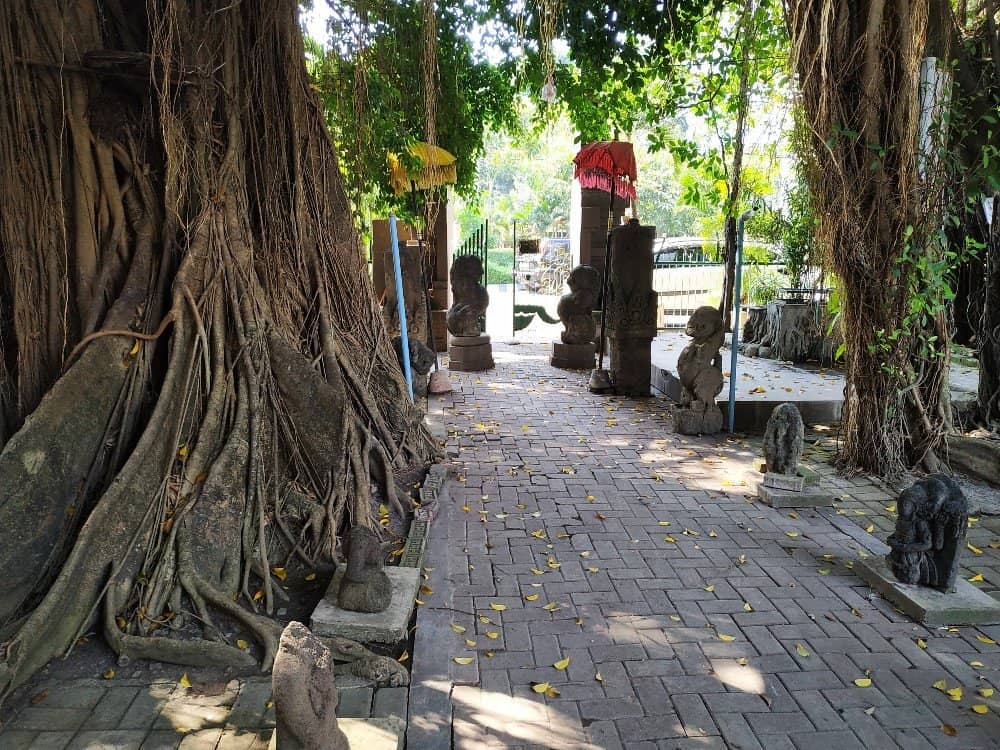
Highlights
Discover the most iconic attractions and experiences
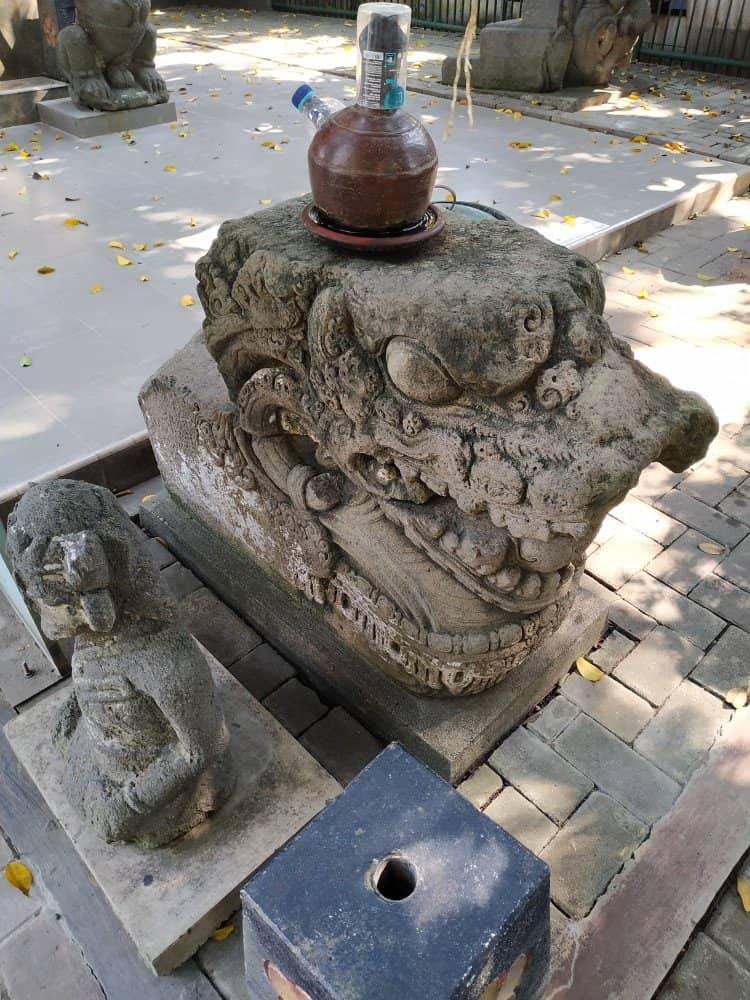
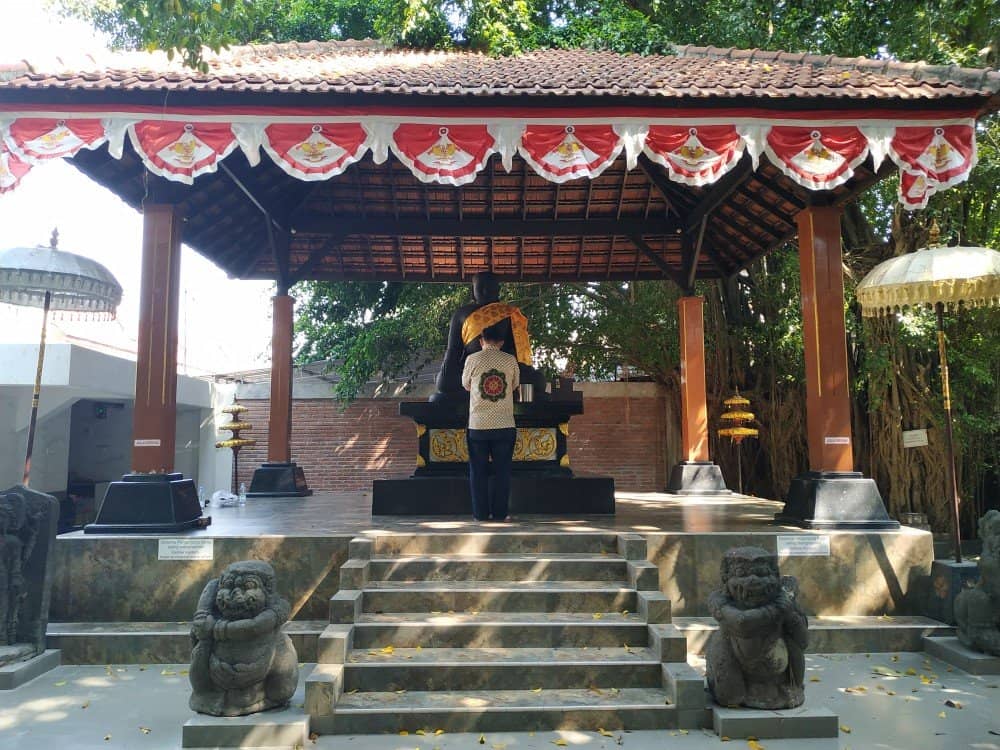
The Majestic Joko Dolog Statue
Behind Apsari Park
A significant Singhasari Kingdom relic, this Buddha embodiment offers a glimpse into ancient Javanese history and spirituality.
Historical Inscriptions
On the statue's pedestal
Discover tales of kingdom separations and royal glorification etched in stone, offering deeper historical context.
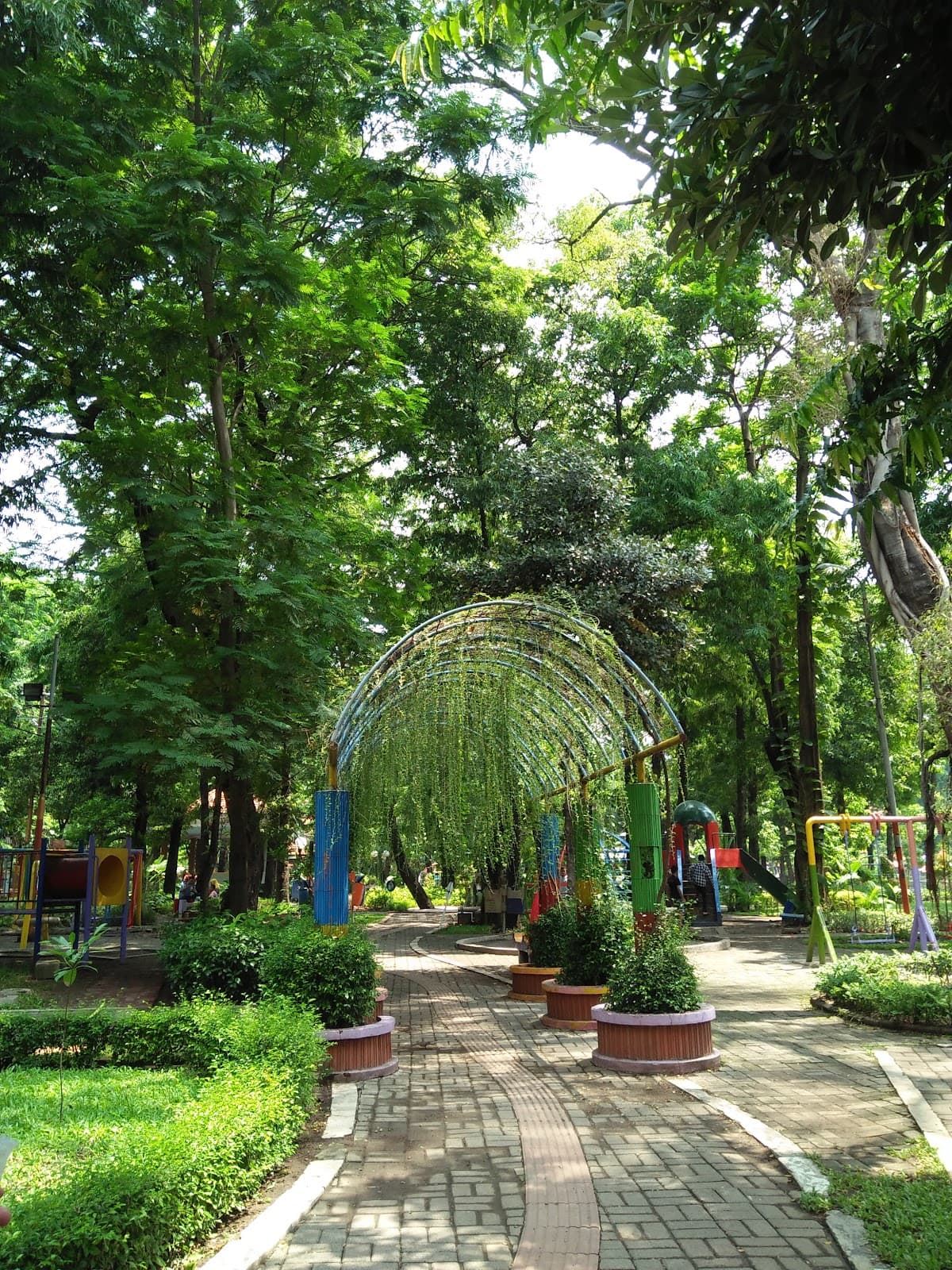
A Serene Urban Oasis
Adjacent to Apsari Park
Find a moment of calm amidst Surabaya's hustle. This green, tranquil spot is perfect for quiet contemplation.
Plans like a pro.
Thinks like you
Planning Your Visit
Timing is Key for Tranquility
Respectful Visit Essentials
Best Times
Insider Tips
from TikTok, Instagram & Reddit
👟 Remove Shoes Before Entry
Visitors must remove their shoes before entering the shrine area. Keep them with you or in designated spots.
🤫 Maintain Quiet Demeanor
This is a religious and historical site. Please be respectful and keep noise levels down.
🙏 Pray or Reflect
The statue is a holy place. Visitors are welcome to pray or simply find a moment of quiet reflection.
📍 Location Near Apsari Park
Easily accessible behind Apsari Park, making it a convenient stop during your city exploration.
Tips
from all over the internet
👟 Remove Shoes Before Entry
Visitors must remove their shoes before entering the shrine area. Keep them with you or in designated spots.
🤫 Maintain Quiet Demeanor
This is a religious and historical site. Please be respectful and keep noise levels down.
🙏 Pray or Reflect
The statue is a holy place. Visitors are welcome to pray or simply find a moment of quiet reflection.
📍 Location Near Apsari Park
Easily accessible behind Apsari Park, making it a convenient stop during your city exploration.
📸 Respectful Photography
Capture the statue's grandeur, but be mindful of worshippers and avoid intrusive photography.
What Travellers Say
Reviews Summary
Visitors find the Joko Dolog Statue to be a significant historical and spiritual site, offering a tranquil escape within Surabaya's busy city center. While its historical importance is widely appreciated, some note that its upkeep could be improved. It's a unique glimpse into premodern Javanese history and a place for quiet contemplation.
"Premodern history is not easy to find in Surabaya, but here you get a hearty dose of it."
Dániel Balogh
"In middle of the buzzing city of Surabaya, one can find a solemn place at this small shrine that encapsulates a historical statue. The statue, named Joko Dolog, is a depiction of King Krtnagara of the Singhasari Kingdom as Mahasokbyā, or the embodiment of the Buddha, in the tantric tradition of Buddhism. This statue was found in Kedungwulan, Trowulan, Jombang Regency and is estimated to have been made in 1289 during the Majapahit Kingdom. By order of the Resident of Surabaya, in 1817, this object was removed and placed in the Apsari Park, Simpang, Surabaya City. On the pedestal of this statue, there is an inscription which tells the separation of the Kahuripan Kingdom led by King Airlangga into two kingdoms by a hermit named Pu Bharada. The purpose of making a statue of King Krtnagara, who ruled Singhasari between 1248-1268 and writing of this event is to glorify the dynasty that became his descendant. Epigraphers Kern (1917), Bosch (1919) and Poerbatjaraka (1922) believe the statue of Mahasokbyā is the embodiment of the last king of Singhasari, but Gomperts et al. (2012) offer the hypothesis that the statue depicts Pu Bharāda himself. As the embodiment of a saint, this Joko Dolog statue is still used to carry out prayers and is a holy place in the middle of the bustling city of Surabaya. This place is open 24 hours, and visitors can pray if necessary."
Raymond Valiant
"Religious place relating to Buddha. Good place to relax and you feel cool as there are green. I also relax here. You have to remove your shoes. But maintaining is a problem. Any way do not forget to visit this place"
Leslie Kandy Sri Lanka
What People Like
What People Dislike
Frequently Asked Questions
🚇 🗺️ Getting There
The Joko Dolog Statue is located behind Apsari Park in Surabaya. It's easily accessible by car, taxi, or ride-sharing services. Public transport options might require a short walk from the nearest stop.
Parking availability can vary, especially during peak hours. It's advisable to check for designated parking areas around Apsari Park or consider ride-sharing for convenience.
Depending on your starting point, it might be walkable. It's situated in a central area, making it a potential stop if you're exploring nearby landmarks like Apsari Park.
From Juanda International Airport (SUB), the most convenient way is to take a taxi or ride-sharing service directly to the Joko Dolog Statue. The journey typically takes around 45-60 minutes depending on traffic.
Look for Apsari Park; the Joko Dolog Statue is located directly behind it. This park serves as a good reference point for finding the shrine.
🎫 🎫 Tickets & Entry
No, there is no admission fee to visit the Joko Dolog Statue. It is a public historical and religious site.
The Joko Dolog Statue is open 24 hours a day, allowing visitors to come at any time. However, visiting during daylight hours is recommended for better visibility and safety.
While there isn't a strict dress code, it's advisable to dress modestly out of respect for the religious nature of the site. Avoid overly revealing clothing.
Yes, the site is open 24 hours. However, for safety and better viewing, visiting during daylight hours is generally preferred.
Photography is generally allowed, but it's important to be respectful of worshippers and avoid intrusive shots. Be mindful of the sacred nature of the site.
🎫 🧭 Onsite Experience
The Joko Dolog Statue is a premodern historical relic from the Singhasari Kingdom, depicting King Krtnagara as an embodiment of Buddha. It dates back to 1289 and is a significant piece of Javanese history.
Expect a solemn and tranquil atmosphere. You'll see the large Buddha statue, historical inscriptions, and a green, relaxing environment. Remember to remove your shoes.
Yes, it is considered a holy place and is used for prayers by some visitors, reflecting its religious significance.
A visit can be quite short, perhaps 30 minutes to an hour, especially if you're just observing the statue and its surroundings. If you plan to reflect or pray, allocate more time.
Restrooms and shops are not typically mentioned as being directly at the statue site. You might find facilities in the nearby Apsari Park or surrounding areas.
🍽️ 🍽️ Food & Dining
Yes, the area around Joko Dolog is known for its culinary scene. You can find popular spots like Sego Goreng Krengsengan Pak Kumis and Bakso Jalil nearby. +2
Surabaya specialties like fried rice (sego goreng) and meatballs (bakso) are very popular in the vicinity. Krengsengan, a sweet and savory dish, is also a local favorite. +2
Absolutely! The area is bustling with local eateries and street food vendors, offering authentic Indonesian flavors. +1
Try the Sego Goreng Krengsengan (fried rice with krengsengan sauce) or Bakso Jalil for a hearty meal. +2
Direct views of the statue from restaurants are unlikely, as it's a shrine. However, many eateries are located within walking distance in the vibrant city center. +2
📸 📸 Photography
The statue itself is the main subject. Try capturing it from different angles, including its serene surroundings and the historical inscriptions on its pedestal. +1
It's best to avoid photographing individuals who are praying or engaged in religious activities. Always be respectful of their privacy and the sanctity of the site.
Early morning or late afternoon offers softer light, which can enhance the statue's features and the tranquil atmosphere. Golden hour can create beautiful shots.
Drone usage is generally restricted in urban areas and around historical/religious sites due to privacy and safety concerns. It's best to assume drones are not permitted.
A phone camera with good low-light capabilities is sufficient. If using a DSLR, consider a wide-angle lens to capture the statue and its setting. Adjust settings for natural light.
For Different Travelers
Tailored advice for your travel style
👨👩👧 Families with Kids
Keep in mind that it's a place of worship, so encourage children to be respectful and quiet. The nearby Apsari Park offers a more open space for kids to run around before or after visiting the statue. Consider combining the visit with a meal at one of the family-friendly local eateries nearby, like those serving popular fried rice or meatballs.
🚶 Solo Travelers & Backpackers
Combine your visit with exploring the local food scene, as recommended by many TikTok creators, for an authentic and affordable experience. The statue's central location also makes it convenient to incorporate into a day of sightseeing without significant travel time.
🏛️ History Buffs
Delve into the scholarly discussions surrounding the statue's identity and its representation of King Krtnagara or Pu Bharada. The site serves as a focal point for understanding ancient Javanese religious practices, particularly tantric Buddhism, and the cultural significance of royal iconography.
Deep Dives
In-depth insights and expert knowledge
The Historical Significance of Joko Dolog
The statue's journey to its current location is also noteworthy. Originally found in Kedungwulan, Trowulan, it was moved in 1817 by order of the Resident of Surabaya to its present spot behind Apsari Park. This relocation highlights the historical interest and preservation efforts surrounding such artifacts. The pedestal of the statue bears inscriptions that narrate important historical events, including the separation of the Kahuripan Kingdom and the lineage of rulers, adding layers of historical narrative to the site.
Scholarly debate surrounds the exact identity depicted by the statue, with some epigraphers suggesting it represents King Krtnagara, while others hypothesize it might depict the hermit Pu Bharada himself. Regardless of the precise identity, the statue's role as an embodiment of a saint or ruler underscores its importance in understanding ancient Javanese beliefs and reverence for historical figures.
Experiencing Joko Dolog: A Tranquil Escape
Many visitors appreciate the opportunity to remove their shoes and enter the shrine area, a practice that enhances the sense of respect and reverence for the site. This simple act of removing footwear signifies a transition into a more contemplative space. The statue itself, being a holy place for some, invites quiet prayer and meditation, making it a unique spiritual stop within an urban environment.
While the site is open 24 hours, experiencing it during the quieter hours of the day, such as early morning or late afternoon, allows for a more profound appreciation of its serene ambiance. The interplay of light and shadow on the ancient stone can be particularly captivating during these times, adding to the overall contemplative experience.
Culinary Delights Around Joko Dolog
These culinary hotspots are often bustling, a testament to their popularity and the deliciousness of their offerings. The menu typically includes variations of fried rice, fried noodles, and local specialties like krengsengan. Prices are generally affordable, making it an excellent opportunity to savor local flavors without breaking the bank.
Exploring the food scene around Joko Dolog is an integral part of the visitor experience. Whether you're looking for a quick bite or a more substantial meal, the variety of street food and local restaurants ensures there's something to satisfy every palate. It’s a chance to immerse yourself in the local culture through its vibrant food offerings.


Social
from TikTok, Instagram & Reddit