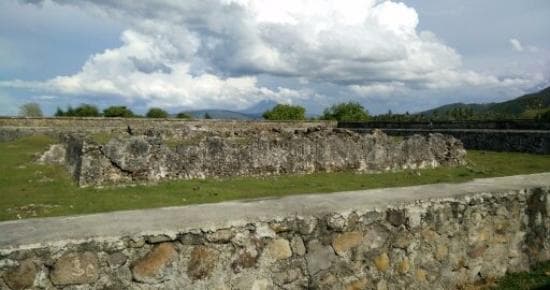
Indra Patra Fortress
Explore ancient ruins and a 17th-century fortress, a key defense site in Aceh's rich history.
Highlights
Must-see attractions

Social
From TikTok & Reddit
Best Time
Beat the heat and crowds
Indra Patra Fortress
Best Time
Beat the heat and crowds
Highlights
Must-see attractions
Explore ancient ruins and a 17th-century fortress, a key defense site in Aceh's rich history.
"This place is monumental, this place is the part of Aceh's history."
Wear Comfortable Shoes
The terrain can be uneven, so sturdy footwear is essential for exploring the ruins comfortably. :athletic_shoe:
Bring Water
Stay hydrated, especially during warmer months. There are limited facilities on-site. :droplet:
Quick Facts
Hours
Rating
4.4 · 294 reviews
Type
Historical Landmark
Highlights
Discover the most iconic attractions and experiences
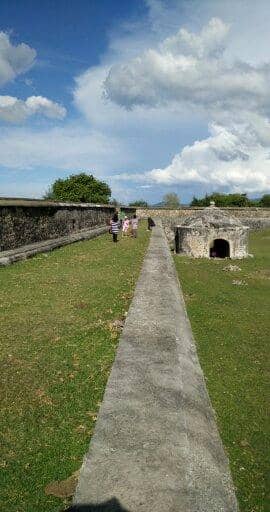
Ancient Lamuri Kingdom Ruins
Northern section of the fortress
Explore remnants of structures built around 700 years ago by the Hindu Lamuri Kingdom.
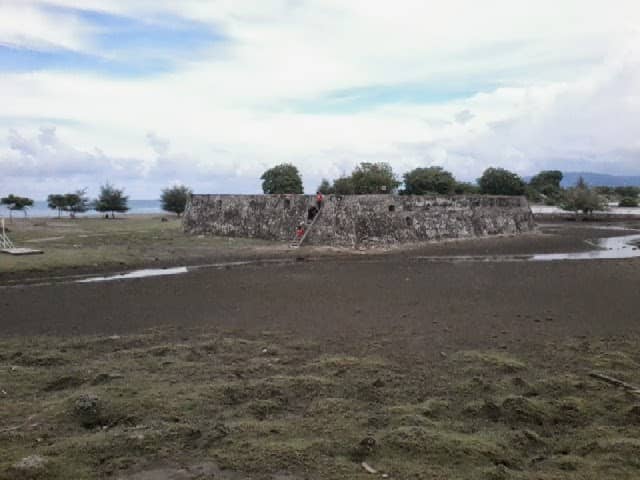
Iskandar Muda's Fortress
Central area
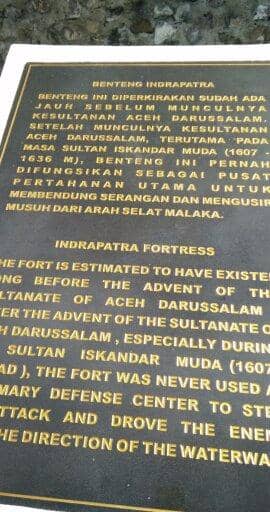
Discover the 17th-century fort, a key defense against Portuguese expansion.
Potential Historical Mosque
Walled compound area
See the ruins of a walled compound that may have served as a mosque in the past.
Plans like a pro.
Thinks like you
Planning Your Visit
Timing Your Visit
Understanding the History
Best Times
Insider Tips
from TikTok, Instagram & Reddit
Wear Comfortable Shoes
The terrain can be uneven, so sturdy footwear is essential for exploring the ruins comfortably. :athletic_shoe:
Bring Water
Stay hydrated, especially during warmer months. There are limited facilities on-site. :droplet:
Learn the History
Understanding the historical context greatly enhances the visit. Research beforehand! 📚
Capture the Views
The fortress offers scenic views. Don't forget your camera to capture the historical architecture. :camerawithflash:
Tips
from all over the internet
Wear Comfortable Shoes
The terrain can be uneven, so sturdy footwear is essential for exploring the ruins comfortably. :athletic_shoe:
Bring Water
Stay hydrated, especially during warmer months. There are limited facilities on-site. :droplet:
Learn the History
Understanding the historical context greatly enhances the visit. Research beforehand! 📚
Capture the Views
The fortress offers scenic views. Don't forget your camera to capture the historical architecture. :camerawithflash:
What Travellers Say
Reviews Summary
Visitors find Indra Patra Fortress to be a monumentally important historical site, offering a glimpse into Aceh's past defense strategies and ancient kingdoms. While the ruins are impressive, some visitors note the limited facilities and the need for better preservation efforts. Overall, it's recommended for those interested in history and local heritage.
"This is a historic place. You can see two ruins of house that was built around 700 years ago, a fort for military defense, and a ruin of walled compound that may be a mosque in the past."
Suhra Ilyas
"Located around 20km north of Banda Aceh, the site of Indra Patra Fortress contains several structures. The oldest of the structures date to the 7th century and were built by the Hindu Lamuri Kingdom. The second, larger fortress measures 70 x 70 meters, and was built in the early 17th-century during the reign of Iskandar Muda, the sultan of Acèh Darussalam. The second fortification served to protect Banda Aceh from the expanding Portuguese Empire.
The walls of the forts are made out of limestone, and testing has shown that they contain high levels of calcium. A third fort is also present at the site, but is in disrepair"
Jitendra Singh Panwar
"This place is monumental, this place is the part of Aceh's history"
Satria Darma
What People Like
What People Dislike
Frequently Asked Questions
🚇 🗺️ Getting There
Indra Patra Fortress is located approximately 20km north of Banda Aceh. You can hire a local taxi or rent a motorbike for the journey. The drive typically takes around 30-45 minutes depending on traffic.
Public transportation options directly to the fortress are limited. It's generally recommended to arrange private transport or join a guided tour for easier access.
Many visitors find hiring a local driver or using ride-sharing apps convenient for reaching Indra Patra Fortress. This offers flexibility and comfort.
As you head north of Banda Aceh, keep an eye out for signs indicating historical sites or local villages that can help guide you towards the fortress.
The travel time from Banda Aceh to Indra Patra Fortress is usually between 30 to 45 minutes by car.
🎫 🎫 Tickets & Entry
Information regarding entrance fees can vary. It's advisable to check with local authorities or tour operators upon arrival for the most current pricing.
The fortress is generally accessible during daylight hours. However, specific timings might not be strictly enforced, so visiting during reasonable daylight hours is recommended.
Advance booking is typically not required for Indra Patra Fortress, as it's an open historical site. You can usually visit spontaneously.
While not always formally organized, local guides may be available at or near the site. Hiring one can provide deeper historical insights.
The fortress is usually accessible on public holidays, but it might be busier. It's always a good idea to confirm local holiday schedules.
🎫 🧭 Onsite Experience
You can explore ruins of ancient houses, a 17th-century fort built for defense, and a walled compound that may have been a mosque. It's a significant historical site.
Allocate at least 1-2 hours to comfortably explore the different sections of the fortress and appreciate its historical significance.
Yes, children can visit, but adult supervision is recommended due to the uneven terrain and historical structures. It can be an educational experience.
Restroom facilities may be limited or basic. It's advisable to use facilities before arriving at the site.
Wander through the different sections, take your time to observe the stonework, and imagine the history that unfolded here. Wear comfortable shoes!
📸 📸 Photography
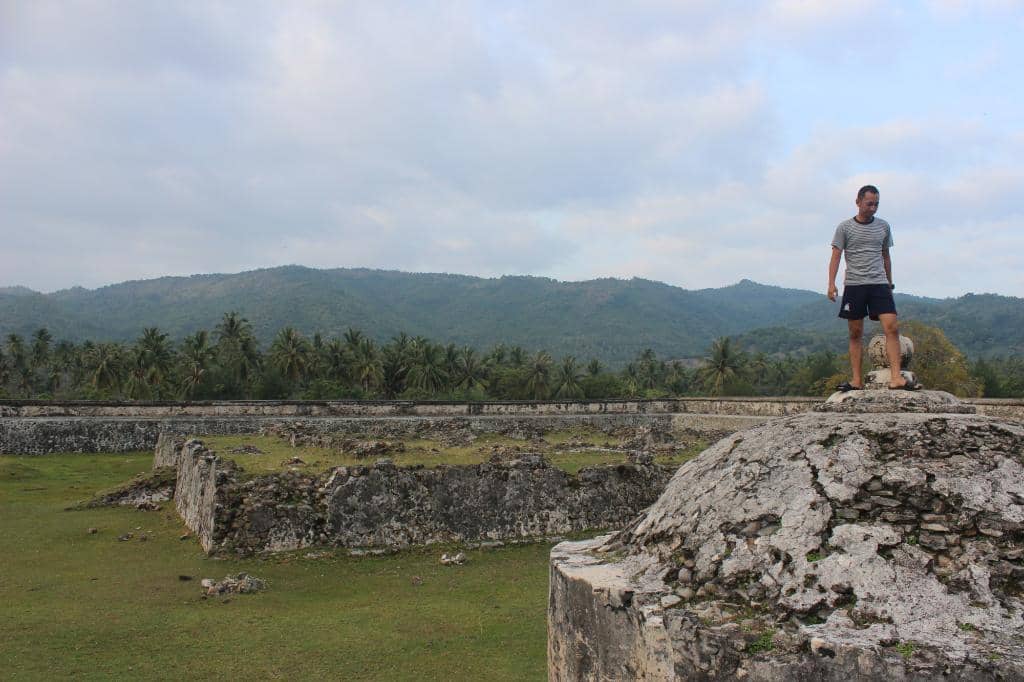
The ramparts of the 17th-century fort offer great vantage points. The ancient stone walls and the surrounding landscape also make for excellent photographic subjects.
Yes, photography is generally allowed throughout the Indra Patra Fortress site. Be respectful of the historical structures.
Early morning or late afternoon provides the best lighting for photography, with softer shadows and a warmer glow on the ancient stones.
Drone usage regulations can vary. It's best to check with local authorities before flying a drone to ensure compliance.
Focus on capturing the scale of the fortifications, the texture of the ancient stones, and the historical atmosphere of the ruins.
Social
from TikTok, Instagram & Reddit