
Imogiri Royal Cemetery
A sacred burial ground for Mataram sultans, offering a glimpse into Javanese royal history and spiritual traditions.
Highlights
Must-see attractions

Social
From TikTok & Reddit
Best Time
Fewer crowds, more peaceful
Imogiri Royal Cemetery
Best Time
Fewer crowds, more peaceful
Highlights
Must-see attractions
A sacred burial ground for Mataram sultans, offering a glimpse into Javanese royal history and spiritual traditions.
"A deeply spiritual and historically significant site, perfect for connecting with Javanese heritage."

👗 Respectful Attire Required
Wear traditional Javanese clothing (sarong & sash) to enter. Rentals available.
👟 Comfortable Shoes Recommended
Be prepared for a significant climb up many stairs.

Highlights
Discover the most iconic attractions and experiences
The Royal Tombs
Upper Terraces
Explore the final resting places of Mataram sultans and their families, steeped in history and spiritual significance.
The Grand Staircase
Entrance to Upper Terraces
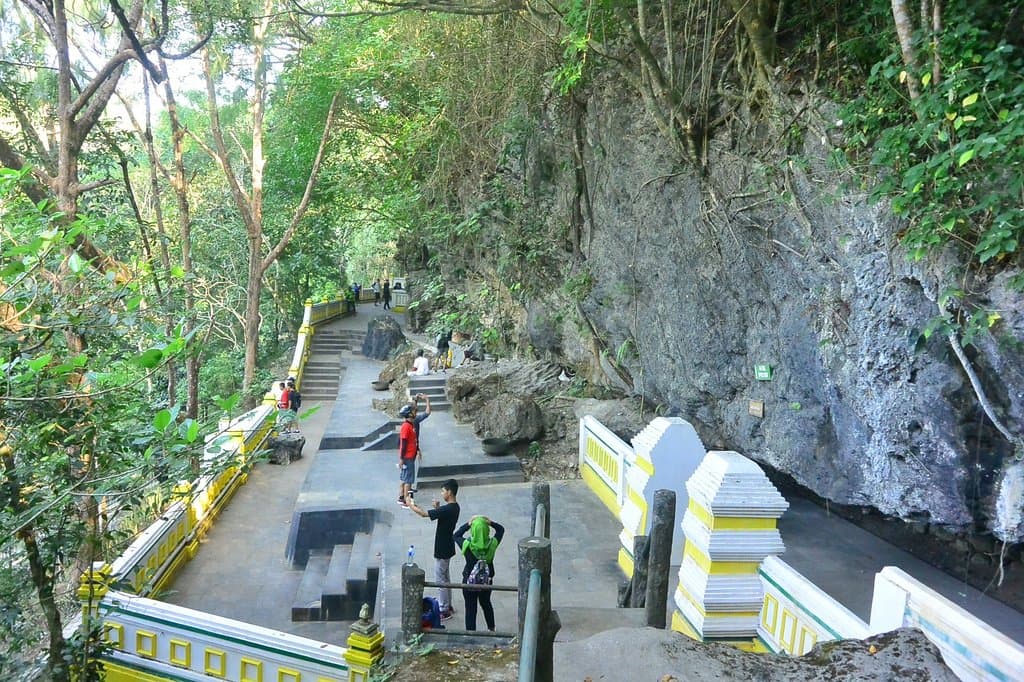
A challenging yet rewarding climb of hundreds of steps leading to the sacred burial grounds.

Traditional Javanese Attire
Entrance Area
Experience local culture by donning the required traditional Javanese clothing for entry.
Plans like a pro.
Thinks like you
Planning Your Visit
Dress Code is Key
Climb with Respect
Best Times
Insider Tips
from TikTok, Instagram & Reddit
👗 Respectful Attire Required
Wear traditional Javanese clothing (sarong & sash) to enter. Rentals available.
👟 Comfortable Shoes Recommended
Be prepared for a significant climb up many stairs.
💧 Stay Hydrated
The climb can be strenuous, especially in the heat. Bring water.
📸 Photography Rules
Be mindful of where photos are permitted; respect sacred areas.
Tips
from all over the internet
👗 Respectful Attire Required
Wear traditional Javanese clothing (sarong & sash) to enter. Rentals available.
👟 Comfortable Shoes Recommended
Be prepared for a significant climb up many stairs.
💧 Stay Hydrated
The climb can be strenuous, especially in the heat. Bring water.
📸 Photography Rules
Be mindful of where photos are permitted; respect sacred areas.
What Travellers Say
Reviews Summary
Visitors often describe Imogiri Royal Cemetery as a deeply spiritual and historically significant site, perfect for those seeking a connection with Javanese heritage. The mandatory traditional dress code and the challenging climb up the stairs are frequently mentioned aspects of the experience. While some find the restrictions on photography and access to certain areas limiting, the overall atmosphere is one of reverence and cultural immersion.
"I often make pilgrimages here every time I miss my late grandfather, my late grandmother, and my late father."
TAYO
""
Si Cuw
What People Like
What People Dislike
Frequently Asked Questions
🚇 🗺️ Getting There
You can reach Imogiri Royal Cemetery by car, taxi, or ride-sharing service from Yogyakarta, which takes about 45-60 minutes. Public buses are also an option, though they may be less direct. +1
Yes, there is parking available for vehicles near the entrance to the cemetery complex.
Hiring a private car or using a ride-sharing app offers the most flexibility for a day trip to Imogiri, allowing you to combine it with other nearby attractions.
🎫 🎫 Tickets & Entry
Yes, there is an entrance fee to access the Imogiri Royal Cemetery. It's advisable to check the latest prices before your visit.
The cemetery typically opens in the morning and closes in the late afternoon. Specific hours can vary, so it's best to confirm them beforehand, especially on public holidays.
Absolutely. Visitors must wear traditional Javanese attire, including a sarong and sash, to enter the sacred burial areas. These are usually available for rent or purchase at the entrance.
Access to the innermost royal tombs is restricted and may require special permission or a guide. However, the main terraces are accessible to visitors who adhere to the dress code.
📸 📸 Photography
Photography is generally permitted in designated areas, but it's crucial to be respectful and avoid taking pictures within the sacred burial sites or of people without their consent.
The grand staircase offers a dramatic perspective, and the surrounding landscape provides scenic views. Capture the unique Javanese architecture and the serene atmosphere.
You can photograph yourself and your companions in the attire, but always be mindful of the privacy and cultural sensitivity of other visitors and the sacred nature of the site.
For Different Travelers
Tailored advice for your travel style
👨👩👧 Families with Kids
🚶 Solo Travelers & Pilgrims
Deep Dives
In-depth insights and expert knowledge
The History and Significance of Imogiri Royal Cemetery
The architecture of the cemetery reflects traditional Javanese design, with intricate carvings and a layout that follows spiritual principles. The journey to the upper terraces, where the most revered tombs are located, involves ascending a substantial number of stairs, often cited as around 446 to 500 steps.
Visiting Imogiri Royal Cemetery offers a profound glimpse into Javanese royal history and spiritual practices. It's a place where the past feels very much alive, and the reverence for ancestors is deeply ingrained. The experience is enhanced by the need to wear traditional Javanese attire, further immersing visitors in the local culture and traditions.
Navigating the Climb and Dress Code
The ascent to the main tombs is another memorable part of the experience. The cemetery is built on a hill, and reaching the upper terraces involves climbing a considerable number of stairs. While exact counts vary, many sources mention figures around 446 to 500 steps.
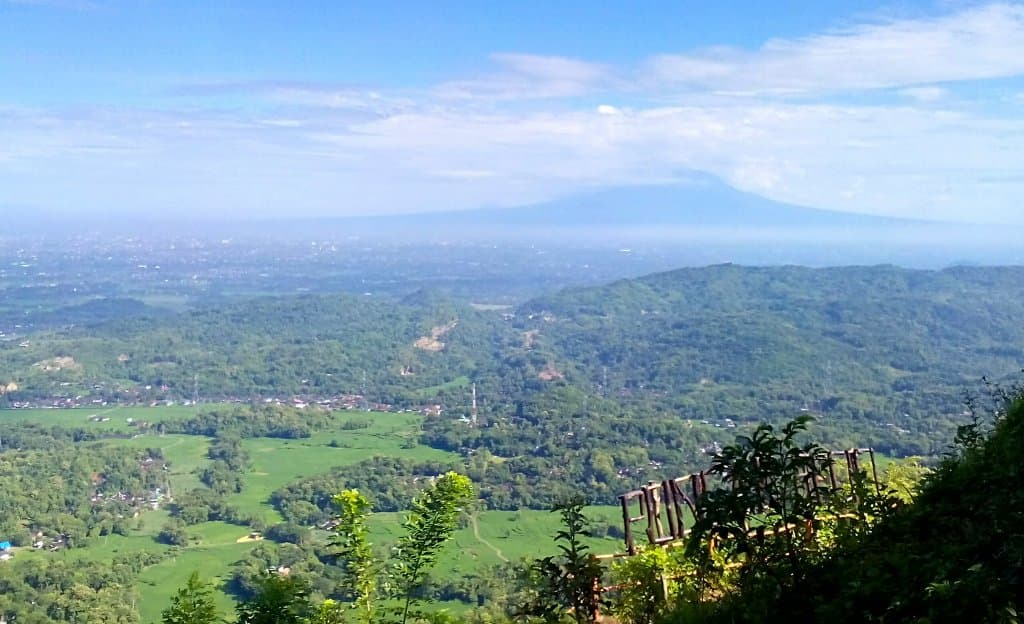
Many visitors find the climb rewarding, not just for the spiritual aspect but also for the panoramic views that unfold as you ascend. The effort is often described as worth it once you reach the serene and historically rich upper sections of the cemetery. Planning for both the dress code and the climb will ensure a smoother and more respectful visit to this important cultural landmark.
Social
from TikTok, Instagram & Reddit