Boen Bio Temple
Discover Boen Bio Temple, a historic Confucian sanctuary in Surabaya, showcasing authentic Chinese architecture and rich cultural heritage since 1883.
Highlights
Must-see attractions

Social
From TikTok & Reddit
Best Time
Experience vibrant celebrations
Boen Bio Temple
Best Time
Experience vibrant celebrations
Highlights
Must-see attractions
Discover Boen Bio Temple, a historic Confucian sanctuary in Surabaya, showcasing authentic Chinese architecture and rich cultural heritage since 1883.
"A silent witness to history, this temple offers a unique glimpse into Chinese culture and Confucianism in Southeast Asia."
🚗 Parking Challenges
Car parking can be limited, especially during peak times. Consider arriving early or using alternative transport. 🚗
🙏 Dress Modestly
As a place of worship, wear respectful attire. Avoid revealing clothing to show reverence. 🙏
Quick Facts
Hours
Rating
4.6 · 107 reviews
Type
Place of Worship
Highlights
Discover the most iconic attractions and experiences
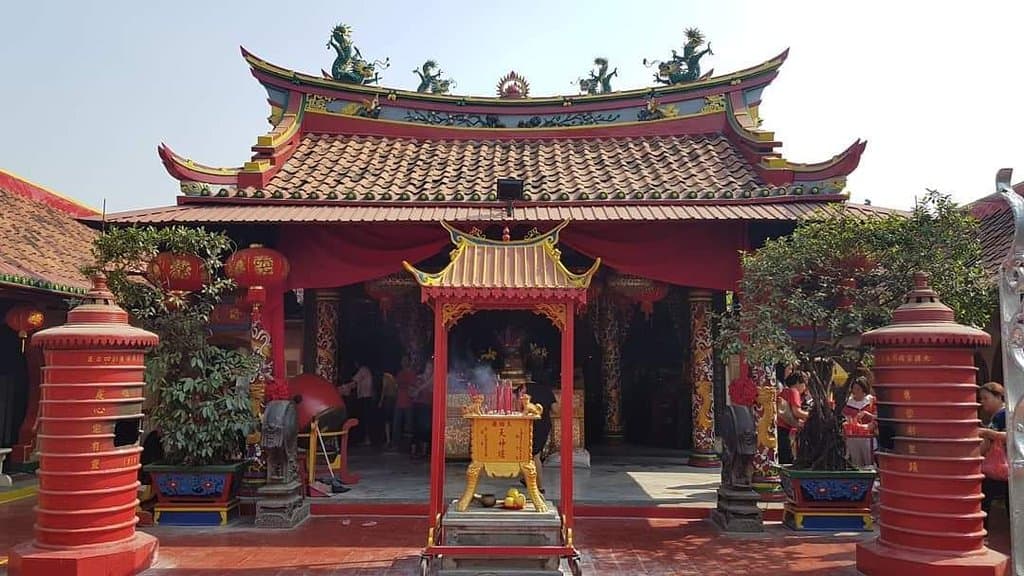
Authentic Chinese Architecture
Throughout the temple grounds
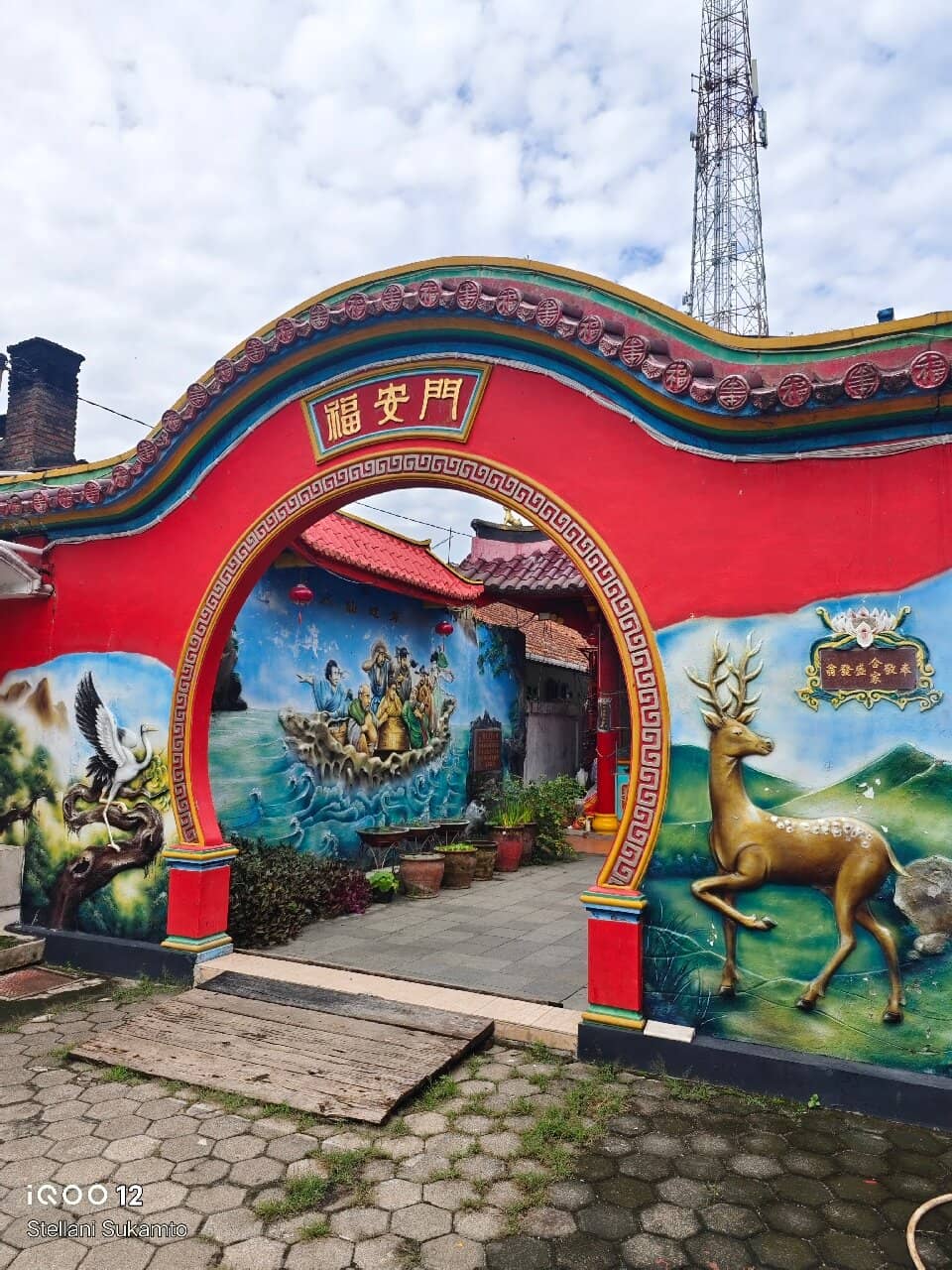
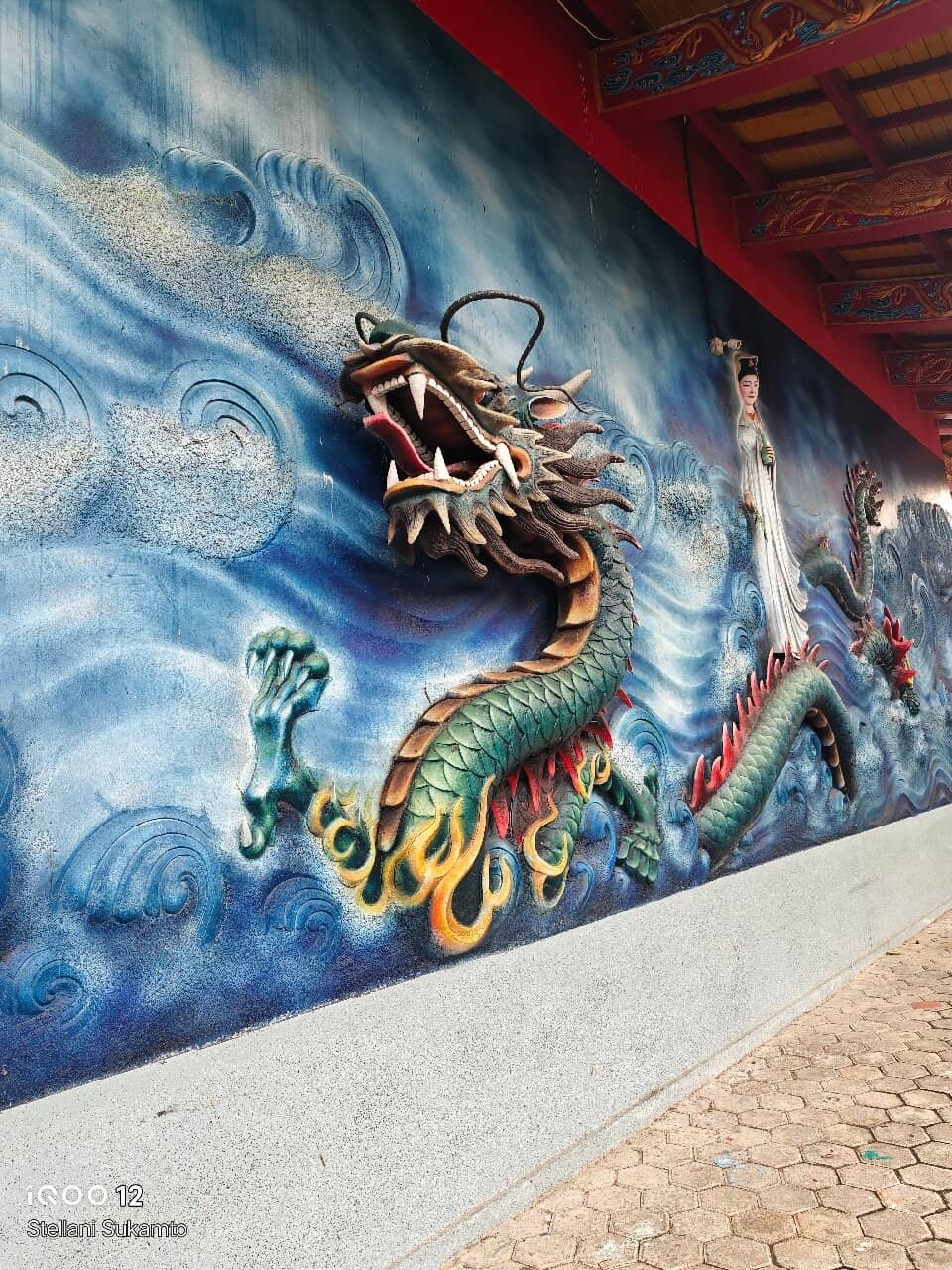
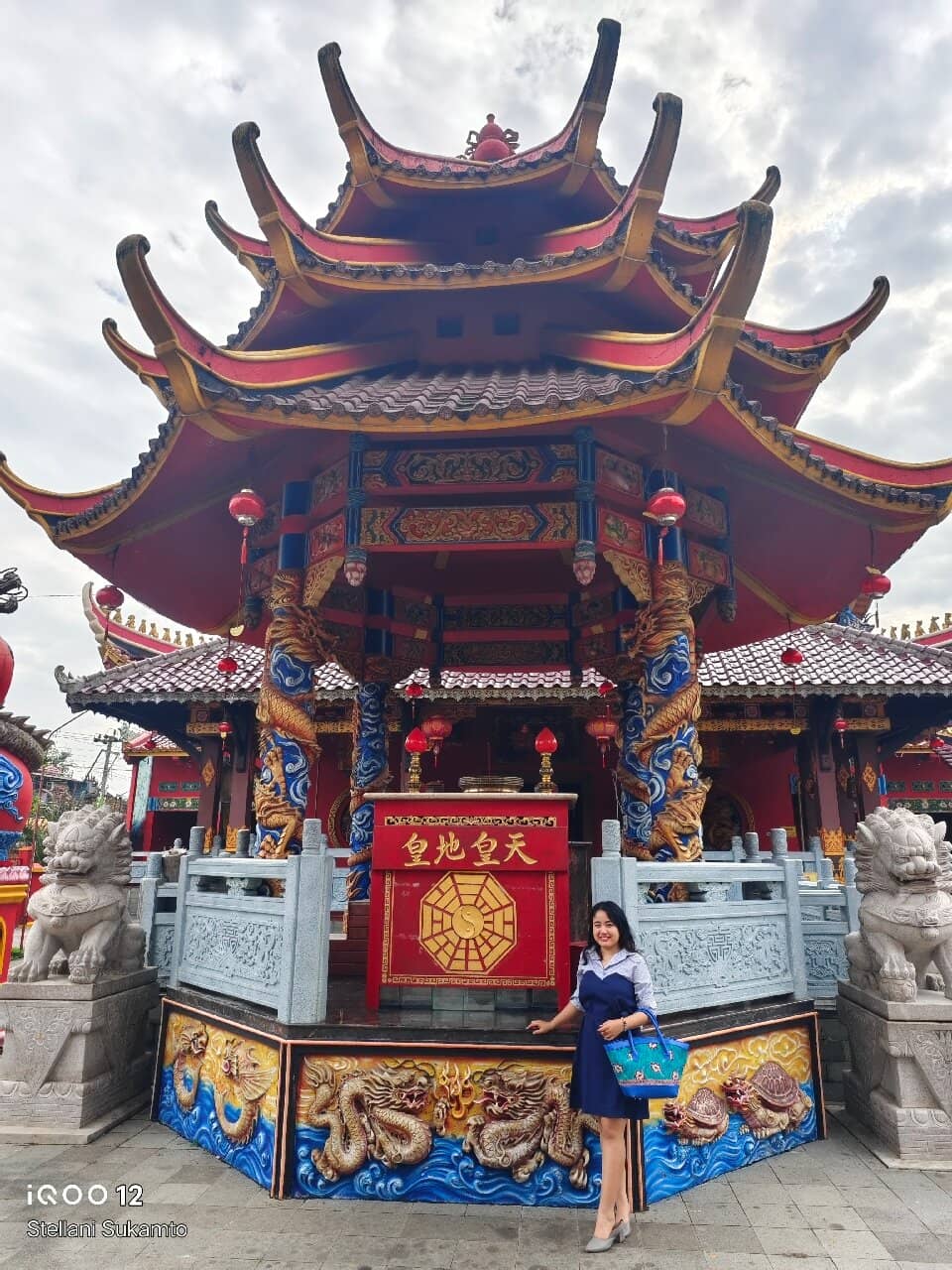
Marvel at intricate carvings and traditional Chinese ornaments, crafted by artisans from China, each with symbolic meaning.
Historical Significance
Main prayer hall
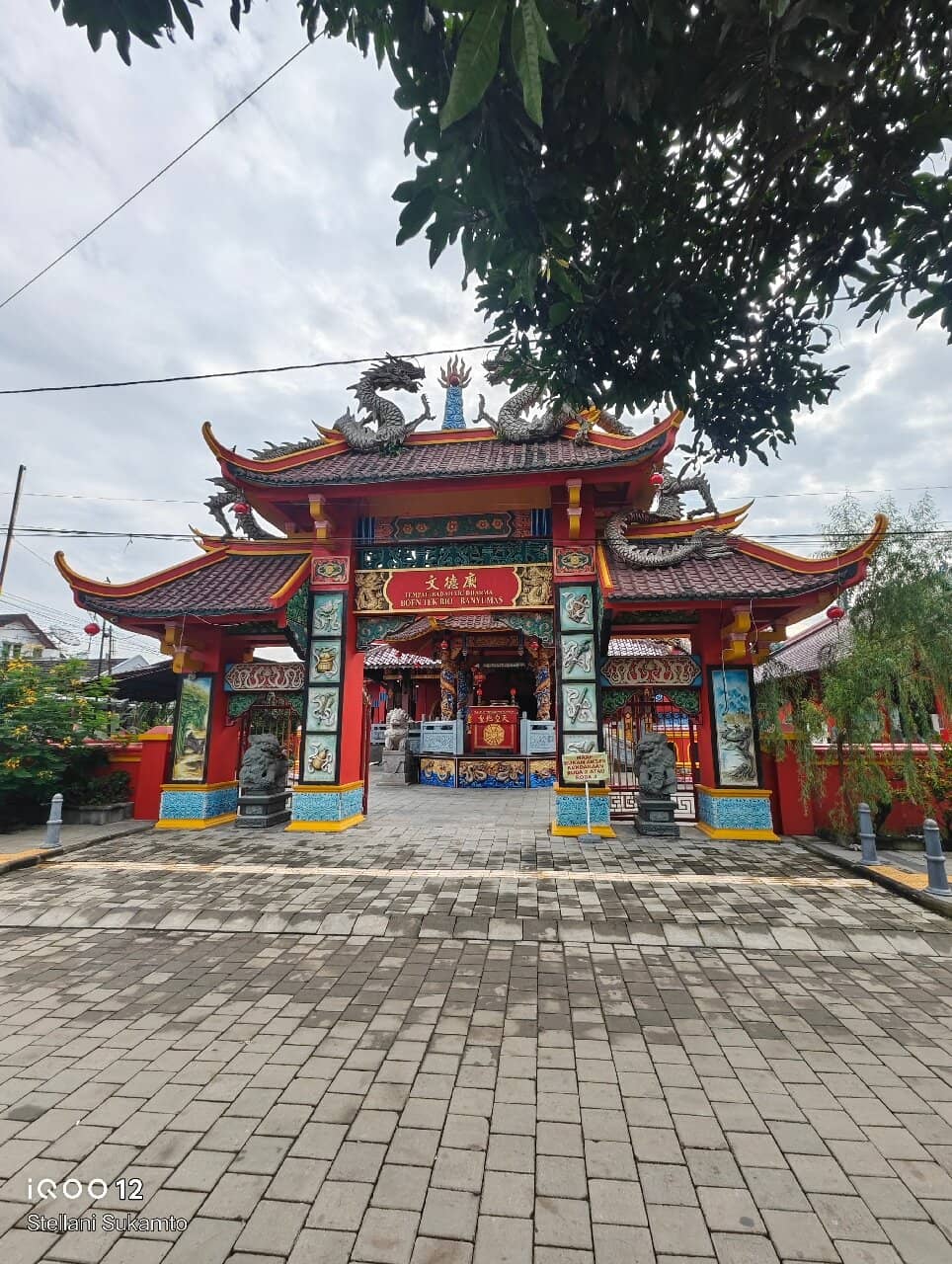
Established in 1883, it's a witness to Chinese cultural history in Surabaya and Southeast Asia.
Confucian Teachings Display
Inside the temple
Learn about the '8 Virtues' (Bā Dé) of Confucianism, such as filial piety, respect, and loyalty.
Plans like a pro.
Thinks like you
Planning Your Visit
Understand the Names
Respectful Attire & Etiquette
Best Times
Insider Tips
from TikTok, Instagram & Reddit
🚗 Parking Challenges
Car parking can be limited, especially during peak times. Consider arriving early or using alternative transport. 🚗
🙏 Dress Modestly
As a place of worship, wear respectful attire. Avoid revealing clothing to show reverence. 🙏
🕰️ Check Opening Hours
While generally open, hours might vary, especially during holidays or special events. Confirm before your visit. 🕐
📸 Photography Etiquette
Be mindful when taking photos, especially during prayer times. Respect the sacredness of the space. :camerawithflash:
Tips
from all over the internet
🚗 Parking Challenges
Car parking can be limited, especially during peak times. Consider arriving early or using alternative transport. 🚗
🙏 Dress Modestly
As a place of worship, wear respectful attire. Avoid revealing clothing to show reverence. 🙏
🕰️ Check Opening Hours
While generally open, hours might vary, especially during holidays or special events. Confirm before your visit. 🕐
📸 Photography Etiquette
Be mindful when taking photos, especially during prayer times. Respect the sacredness of the space. :camerawithflash:
What Travellers Say
Reviews Summary
Visitors praise Boen Bio Temple for its authentic Chinese architecture and deep historical significance as one of Southeast Asia's oldest Confucian temples. Many appreciate the cultural insights and the peaceful atmosphere for prayer and reflection. However, some note that parking can be challenging, and it's important to be mindful of respectful attire and behavior within this active place of worship.
"There are only 3 Boen Bio Temple (klenteng) in the world, 1 in China, 1 in Japan, and the last one is here, Surabaya. Established since 1883, this temple is a silent witness to the defense of the triumph of Khong Hu Chu in Surabaya and is the only temple specifically for the Khong Hu Chu religion in Southeast Asia. The chinese architecture characteristic is very authentic, done by craftmen from China. Every shape and element have their own meaning, they could be represent the prayers. Another historical place in Surabaya.
Still active until today, even in this pandemic, they are still open to public but limited to avoid the crowd, and still running some special events."
sheilly yuliani
"Klenteng Boen Bio (文廟, Wén Miào)
Confucious | Gus Dur | Cultural Heritage
At the beginning, this Confucianism temple is built in Kapasan Dalam street, 1883 by 2 founder Go Tiek Lie and Lo Toen Siong.
For more representative place, they did a restoration in 1906 and opened on 27 Oct 1906 at this current place.
Gus Dur, Indonesian 4th president, issued president decree no 6/2000 about retraction of president instruction no 14/1967 (Chinese restriction of religion, belief and cultural), already gave Chinese people a freedom (include Confucianism who usually are Chinese).
2001 Chinese New Year (CNY) become facultative national day and 2002 in Megawati (Indonesian 5th president) era, CNY became national holiday.
Therefore for a respect, you could see Gus Dur photo in the temple top corner.
In February 2017 to celebrate CNY, Pos Indonesia with collaboration with INTI (Pengurus Perhimpunan Indonesia Tionghoa) also issued stamp with 12 Chinese zodiac in this temple.
One of Confucius teaching is
八德 (Bā Dé) - 8 Virtues that consist of :
孝 xiào - filial piety
悌 tì - respect
忠 zhōng - loyalty
信 xìn - trust
礼 lǐ - manner
义 yì - righteousness
廉 lián - honest
耻 chǐ - shame
#Letsguide"
Howdy Traveller
"Historic Place in Surabaya city, one of the first stepping stone when the chinesse population enter the city brought by Deutsch around 1800."
Kwokindo Semesta
What People Like
What People Dislike
Frequently Asked Questions
🚇 🗺️ Getting There
Boen Bio Temple is located in Surabaya. You can reach it by taxi, ride-sharing services, or private car. Public transport options might be available, but parking can be a challenge, so factor that into your travel plans.
While specific routes can vary, it's generally advisable to check local public transport schedules. Ride-sharing apps are a convenient alternative, especially given potential parking limitations.
Using GPS navigation on your smartphone with the temple's name (Boen Bio Temple, Klenteng Boen Bio, or Wen Miao) should guide you directly. It's situated in a historical area of the city.
From Surabaya's city center, you can typically head towards the historical districts. Using a navigation app is the most straightforward way to get precise directions based on your starting point.
The parking lot for cars is noted as not being very large. Visitors are advised to be prepared for limited parking availability, especially during busy periods.
🎫 🎫 Tickets & Entry
Entry to Boen Bio Temple is generally free, as it is a place of worship. However, donations are often welcomed to support the temple's upkeep and activities.
The temple is usually open to the public, but it's wise to confirm the exact opening hours, especially around holidays or for specific events, as they can sometimes vary.
There is typically no admission fee to enter Boen Bio Temple. It functions as a religious and cultural site, welcoming visitors to observe and pray.
Yes, visiting during religious festivals like Lunar New Year can be a unique experience, but expect larger crowds. The temple remains open and runs special events.

The main restriction is to dress respectfully and maintain a quiet demeanor. During the pandemic, there were limitations to avoid crowds, so it's good to be aware of any current health advisories.
🎫 🧭 Onsite Experience
Boen Bio Temple is historically significant as one of the oldest Confucian temples in Southeast Asia, established in 1883. It's a cultural heritage site and a place for prayer and reflection.
You can admire the authentic Chinese architecture, learn about Confucian teachings like the '8 Virtues', and observe the temple's active religious practices. It's a place to experience cultural acculturation.
The temple's intricate architecture and symbolic elements make it a great spot for photography. However, be mindful of respectful etiquette, especially during prayer times.
Boen Bio Temple is primarily a Confucian temple, dedicated to the worship of Confucius. It's noted as the only temple specifically for the Khong Hu Chu religion in Southeast Asia.
Information on formal guided tours is limited. However, the temple's historical and cultural significance is often highlighted in local guides or by knowledgeable visitors.
📸 📸 Photography
The main prayer hall with its detailed carvings and the temple's facade are excellent for capturing the authentic Chinese architecture. Look for symbolic elements in the decor.
While generally permitted, it's crucial to be respectful. Avoid intrusive photography during prayer ceremonies or when people are actively worshipping.
A camera with good low-light performance is beneficial for interior shots. A wide-angle lens can help capture the grandeur of the architecture, while a telephoto can focus on intricate details. :camerawithflash:
Drone usage is typically restricted in and around religious sites to ensure peace and prevent disturbance. It's best to assume drones are not permitted. :noentrysign:
Early mornings or late afternoons can offer softer lighting and fewer crowds, enhancing your photography experience. Golden hour can create beautiful shots of the temple's exterior. 🌅


Social
from TikTok, Instagram & Reddit