Mogalrajpuram Caves Vijayawada
Explore 5th-century CE rock-cut caves in Vijayawada, showcasing ancient Buddhist and Hindu artistry with intricate sculptures.
Highlights
Must-see attractions

Social
From TikTok & Reddit
Best Time
Pleasant weather for exploring
Mogalrajpuram Caves Vijayawada
Best Time
Pleasant weather for exploring
Highlights
Must-see attractions
Explore 5th-century CE rock-cut caves in Vijayawada, showcasing ancient Buddhist and Hindu artistry with intricate sculptures.
"A glimpse into ancient Telugu heritage with remarkable rock-cut artistry."
👟 Wear comfortable shoes
The terrain can be uneven, so comfortable footwear is essential for exploring the caves.
📸 Photography restrictions
Remember that photography is not allowed inside the caves. Respect the rules.
Highlights
Discover the most iconic attractions and experiences
Intricate Rock-Cut Sculptures
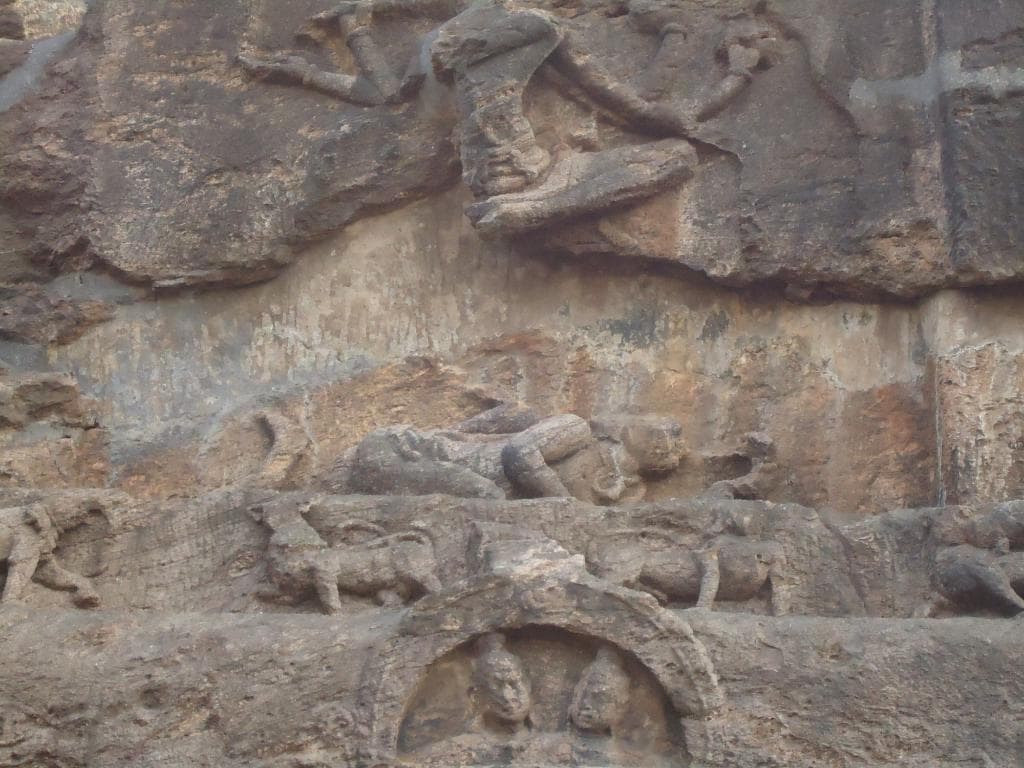
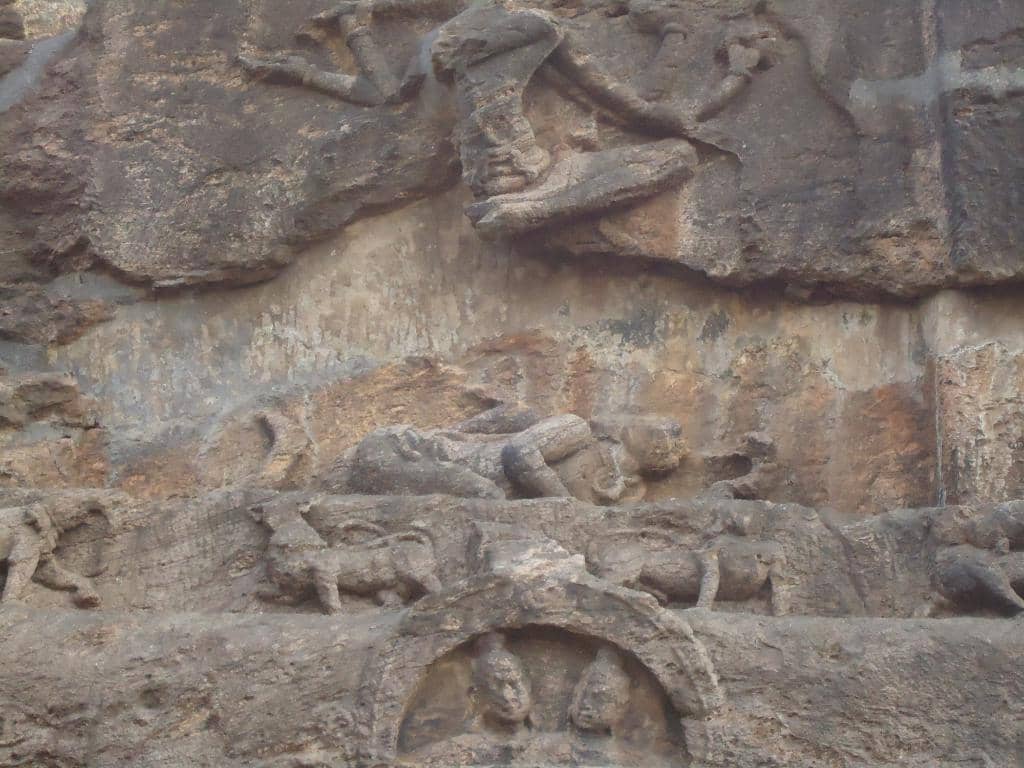
Marvel at ancient carvings and engravings chiselled into solid rock, showcasing early Buddhist and Hindu artistry.
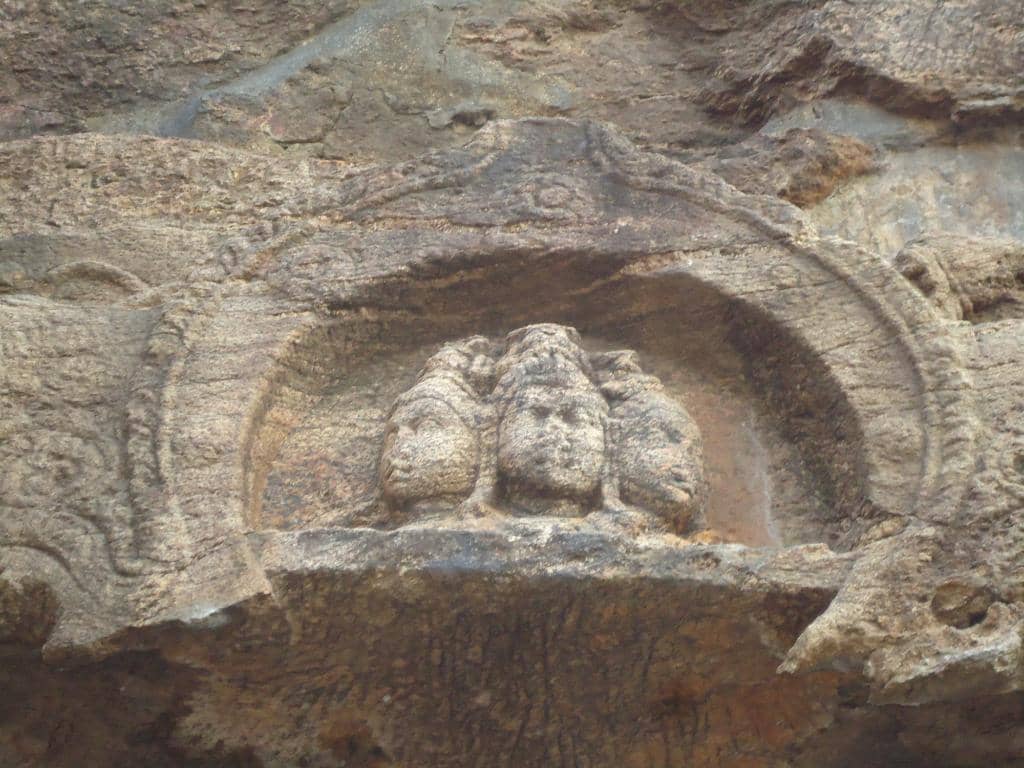
Lord Nataraja & Vinayaka Idols
See remnants of idols like Lord Nataraja and Vinayaka, though many have been relocated to museums.
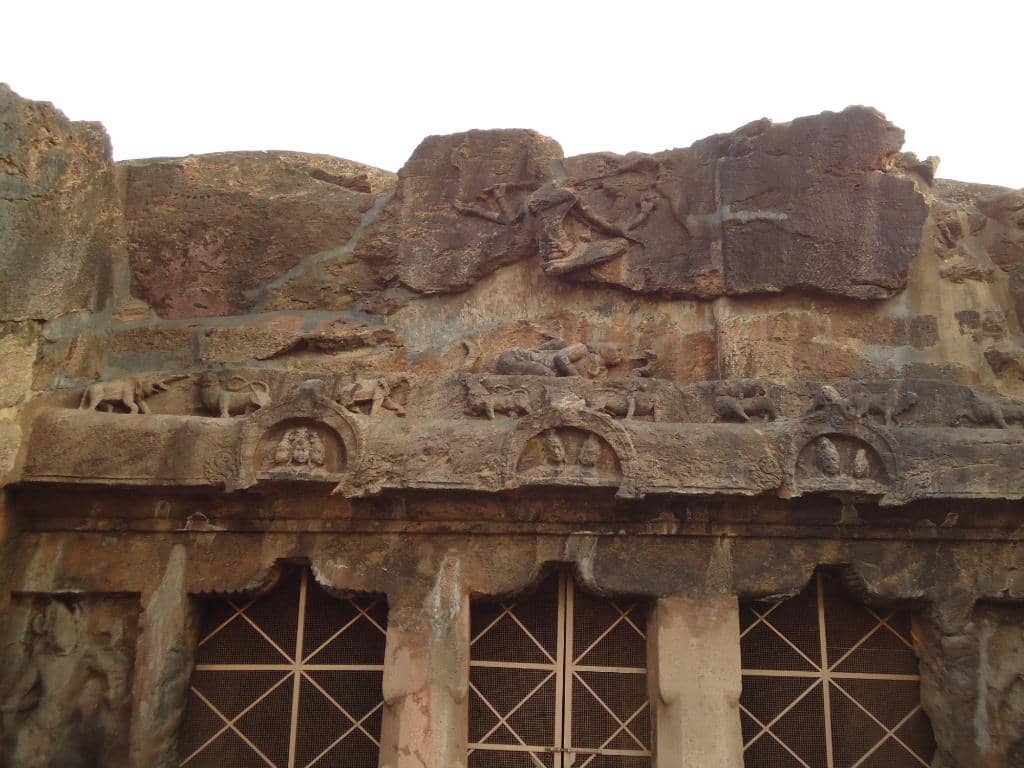
Ardhanareeswara Carving
Witness the historically significant Ardhanareeswara carving, one of the earliest in South India.
Plans like a pro.
Thinks like you
Planning Your Visit
Ancient Rock-Cut Wonders
Preservation & Access
Best Times
Insider Tips
from TikTok, Instagram & Reddit
👟 Wear comfortable shoes
The terrain can be uneven, so comfortable footwear is essential for exploring the caves.
📸 Photography restrictions
Remember that photography is not allowed inside the caves. Respect the rules.
📜 Check ASI information boards
Look for information boards provided by the Archaeological Survey of India for historical context.
💧 Carry water
Stay hydrated, especially during warmer months, as facilities might be limited.
Tips
from all over the internet
👟 Wear comfortable shoes
The terrain can be uneven, so comfortable footwear is essential for exploring the caves.
📸 Photography restrictions
Remember that photography is not allowed inside the caves. Respect the rules.
📜 Check ASI information boards
Look for information boards provided by the Archaeological Survey of India for historical context.
💧 Carry water
Stay hydrated, especially during warmer months, as facilities might be limited.
What Travellers Say
Reviews Summary
Visitors find the Mogalrajpuram Caves to be a well-maintained archaeological site with significant historical and artistic value, showcasing ancient rock-cut temples and sculptures. The intricate carvings and the historical context of Buddhist and Hindu influences are highlights. However, some reviewers note that certain areas could benefit from better upkeep and that photography is restricted inside the caves.
"This is an archeological site. Well maintained. Stone cut Jindu temple with 4 floors.
Great experience"
Dr. Vishwanath Kulkarni
"Small and lovely.There are 2 caves some hundred metres away from each other."
Zoharon
"Like this place very much, it's one of the ancient heritage sites of the Telugu land. Spirituality is the main concern for the original of these caves. Vijayawada is also a place for ancient monuments of Caves that were spread in three places within its vicinity. The Archeological Survey of India (ASI) under takes the spaces in its control. A case study is needed and a must be done on the caves and publish for the posterity of Telugu culture. The ASI metal information boards or plaques are mostly invited in this place for the sake of information to the general civic. It's a most restricted place and no photography is allowed inside the caves."
Shivkumar K V
What People Like
What People Dislike
Frequently Asked Questions
🚇 🗺️ Getting There
The Mogalrajpuram Caves are located within the city of Vijayawada, making them easily accessible by local auto-rickshaws or taxis. They are situated in the Mogalrajapuram area, a well-known locality.
While direct bus routes might be limited, you can take local buses to the general Mogalrajpuram area and then walk or take a short auto-rickshaw ride to the caves.
From Vijayawada Railway Station, auto-rickshaws and taxis are readily available. The journey to Mogalrajpuram Caves typically takes around 15-20 minutes depending on traffic.
The caves are spread across a few locations, some a short distance apart. Wear comfortable shoes as you'll be walking on uneven surfaces.
The caves are centrally located within Vijayawada city, near residential areas and local markets. They are a significant landmark themselves.
🎫 🎫 Tickets & Entry
Entry to the Mogalrajpuram Caves is generally free, as they are maintained by the Archaeological Survey of India (ASI). However, it's always good to check for any minor charges or specific timings.
The caves are typically open during daylight hours. It's advisable to visit during the morning or late afternoon to avoid the midday heat and for better lighting conditions.
No advance booking is usually required for the Mogalrajpuram Caves as there is no entry fee. You can visit them at your convenience during operating hours.
Yes, photography inside the caves is generally prohibited to preserve the ancient carvings and sculptures. Visitors are also expected to maintain the sanctity of the site.
The Archaeological Survey of India (ASI) manages the site. While efforts are made for maintenance, some visitors note that certain areas could benefit from more upkeep.
📸 📸 Photography
No, photography is strictly prohibited inside the Mogalrajpuram Caves to protect the delicate ancient carvings and sculptures. Please respect this rule.
Yes, the exterior of the caves and the surrounding rock formations offer some interesting photographic opportunities. You can capture the scale and architecture from the outside.
Focus on capturing the architectural details of the rock-cut structures from the exterior. The textures of the rock and the historical ambiance can be highlighted.
Drone photography is generally not permitted at historical and archaeological sites without special permissions from the authorities.
Early morning or late afternoon light can provide softer shadows and highlight the rock textures beautifully, even for exterior shots.
🎫 🏛️ History & Culture
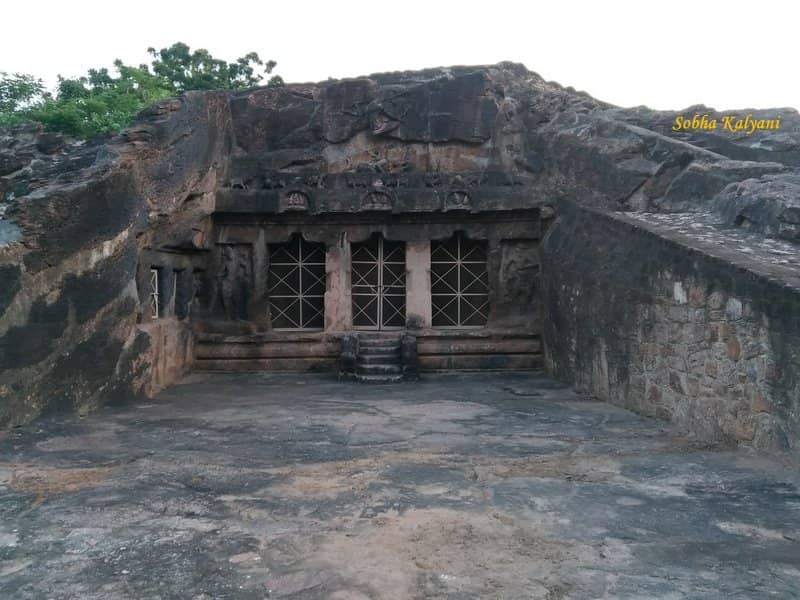
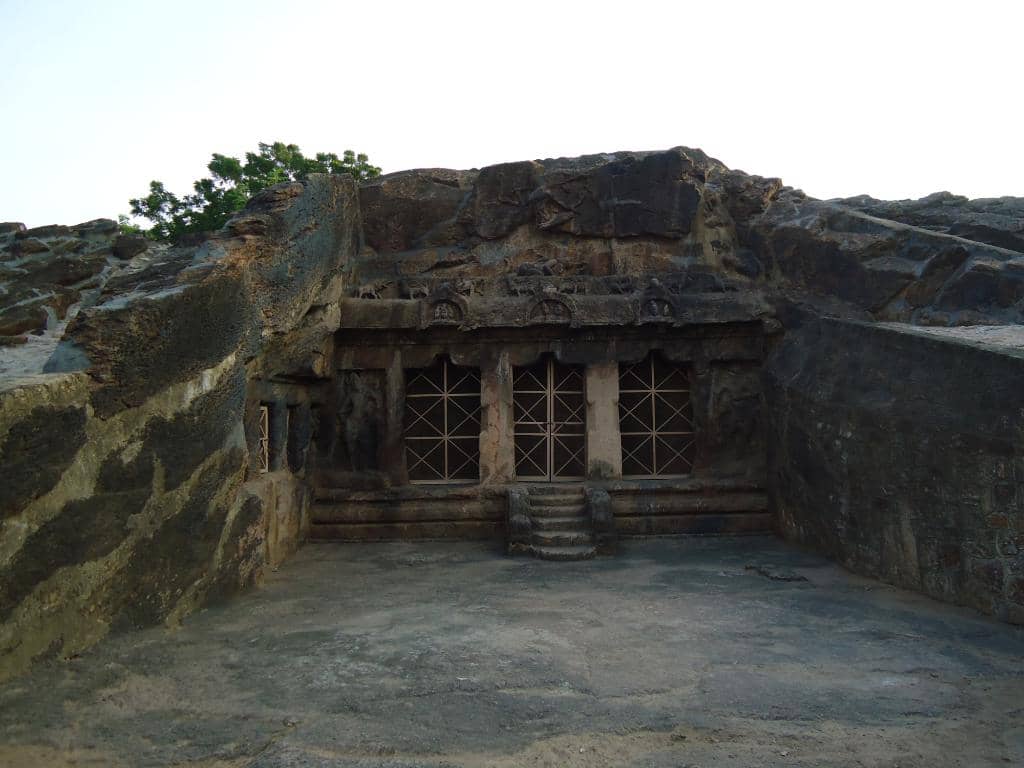
These caves are dated to the 5th century CE and are significant for their rock-cut architecture, believed to have been initially excavated by Buddhists and later used by Hindus. They offer insights into ancient Telugu culture and religious practices.
The caves are believed to have been carved around the 5th century CE. Initially, they were likely Buddhist excavations, later taken over and modified by Hindus who carved various deities.
The caves feature ancient sculptures and engravings, including idols of Lord Nataraja, Vinayaka, and Ardhanareeswara. Some of these original carvings are now housed in museums.
Yes, historical accounts suggest that these caves were initially carved by Buddhists before being repurposed by the Hindu faith. This dual heritage is a key aspect of their history.
The Ardhanareeswara carving is a significant representation of the composite form of Shiva and Parvati, symbolizing the union of masculine and feminine energies. It's noted as one of the first such carvings in South India.
For Different Travelers
Tailored advice for your travel style
👨👩👧 Families with Kids
Tips for families: Wear comfortable shoes as the terrain can be uneven. Carry water and snacks, as facilities might be limited. The caves are spread out, so keep an eye on younger children. Visiting during cooler parts of the day, like mornings or late afternoons, will make the exploration more comfortable for everyone.
🏛️ History Buffs & Archaeology Enthusiasts
What to look for: Research the Vishnukundin and Pallava dynasties, as the caves are associated with their periods. Note the architectural techniques used for rock excavation. While some original idols are now in museums, the remaining carvings offer a tangible connection to the past. Be prepared for the fact that some areas might show signs of age and require careful observation.
Deep Dives
In-depth insights and expert knowledge
The Rock-Cut Artistry of Mogalrajpuram
The artistry is evident in the detailed engravings and the creation of idols. While some of the most significant sculptures, such as those of Lord Nataraja and Vinayaka, have been moved to museums for preservation, the remaining carvings, including the historically important Ardhanareeswara sculpture, still offer a profound glimpse into the artistic and religious practices of the Vishnukundin and Pallava periods. The sheer effort and precision involved in creating these subterranean sanctuaries are awe-inspiring.
Visitors can explore several groups of caves, each with its unique features. The ASI provides information boards that shed light on the historical context and significance of these ancient monuments. Despite some signs of wear and the challenges of preservation, the Mogalrajpuram Caves remain a vital archaeological site, offering a tangible connection to the rich heritage of the Telugu land.
Understanding the Historical Context
This transition is a common theme in Indian rock-cut architecture, where older sites were often re-purposed or expanded upon by succeeding religious groups. The presence of deities like Lord Nataraja and Ardhanareeswara indicates the flourishing of Shaivism during the period of Hindu occupation. The Ardhanareeswara carving, in particular, is noted for being one of the earliest in South India, highlighting the region's role in the development of Hindu iconography.
Managed by the Archaeological Survey of India (ASI), the caves are recognized for their historical value. However, some reviews suggest that the maintenance and accessibility could be improved to better preserve these ancient treasures for future generations. The caves serve as a valuable case study for scholars interested in the art, religion, and history of the region.
Social
from TikTok, Instagram & Reddit