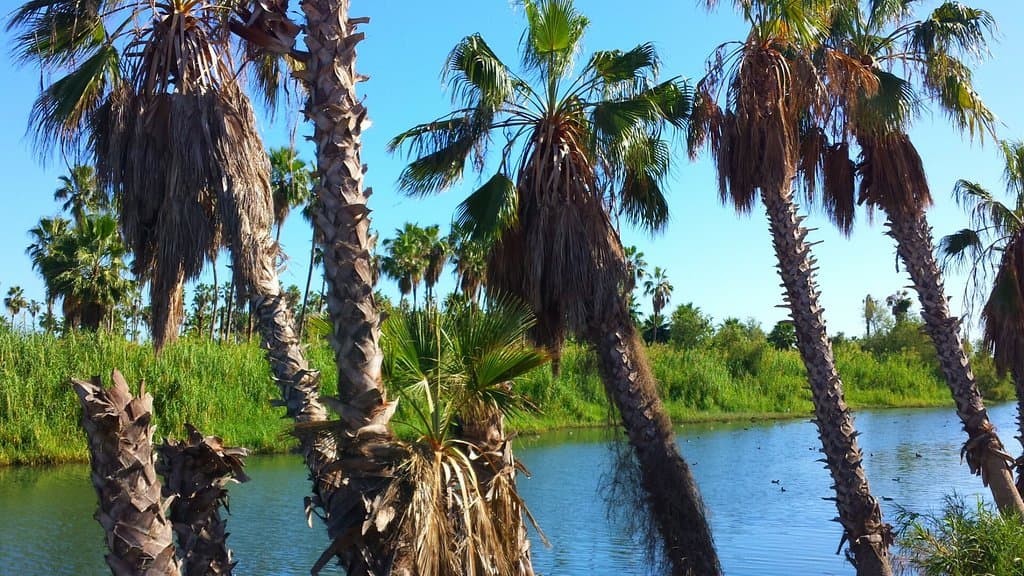
Jayakwadi Dam and Bird Sanctuary
An engineering marvel on the Godavari River, this vast dam and its surrounding sanctuary are a vital water source and a haven for diverse bird species...

Highlights
Must-see attractions

Social
From TikTok & Reddit
Best Time
Peak migratory bird season
Jayakwadi Dam and Bird Sanctuary
Best Time
Peak migratory bird season
Highlights
Must-see attractions
An engineering marvel on the Godavari River, this vast dam and its surrounding sanctuary are a vital water source and a haven for diverse bird species.
"One of Asia's longest earthen dams, it's a lifeline for the region and a sanctuary for thousands of birds."
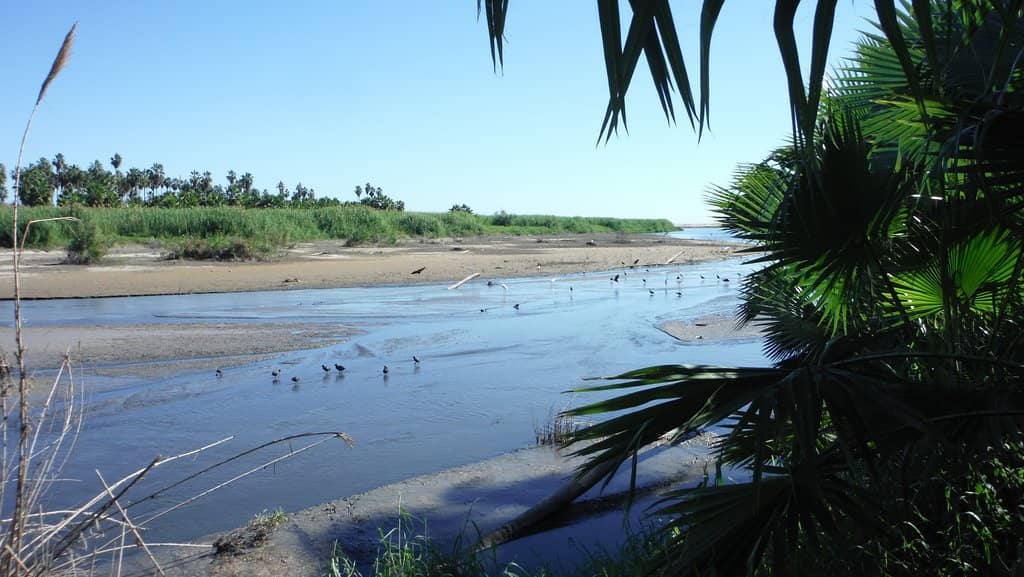
Binoculars are a must! :binoculars:
Essential for spotting distant birds in the vast wetland.
Carry water & snacks :water_pistol:
Limited amenities within the sanctuary, so come prepared.

Quick Facts
Highlights
Discover the most iconic attractions and experiences
Nath Sagar Reservoir
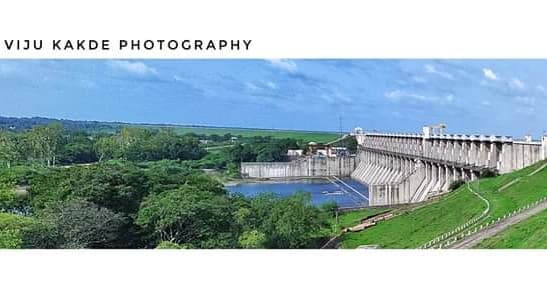
Jayakwadi Dam
One of Asia's longest earthen dams, creating a vast water body crucial for wildlife and irrigation.
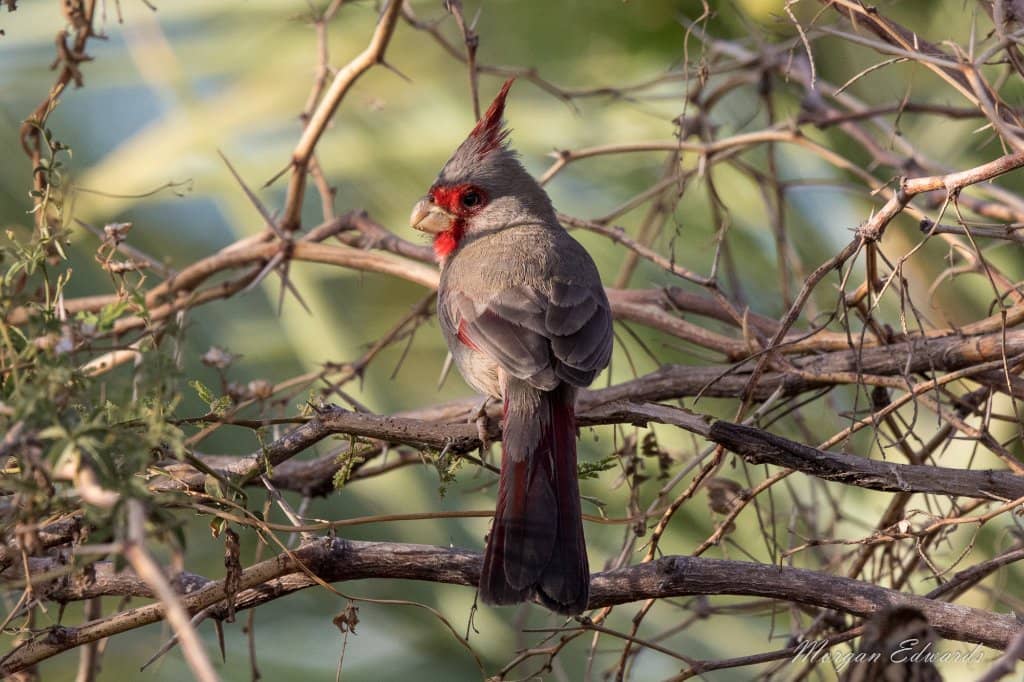
Migratory Bird Spectacle
Jayakwadi Bird Sanctuary
Witness thousands of resident and migratory birds, including flamingos, pelicans, and storks.
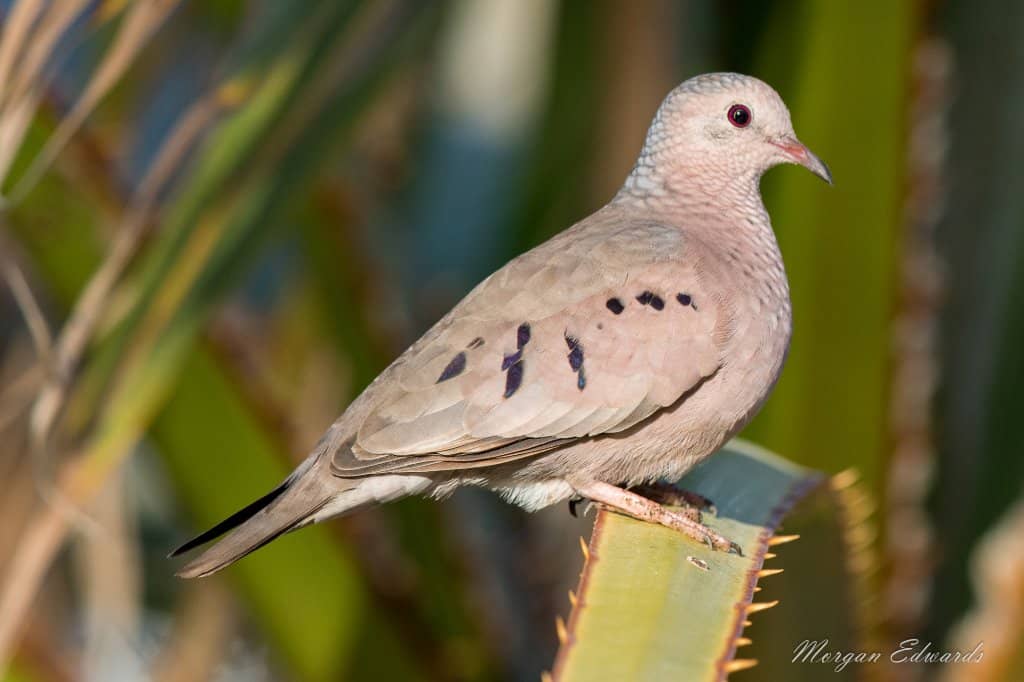
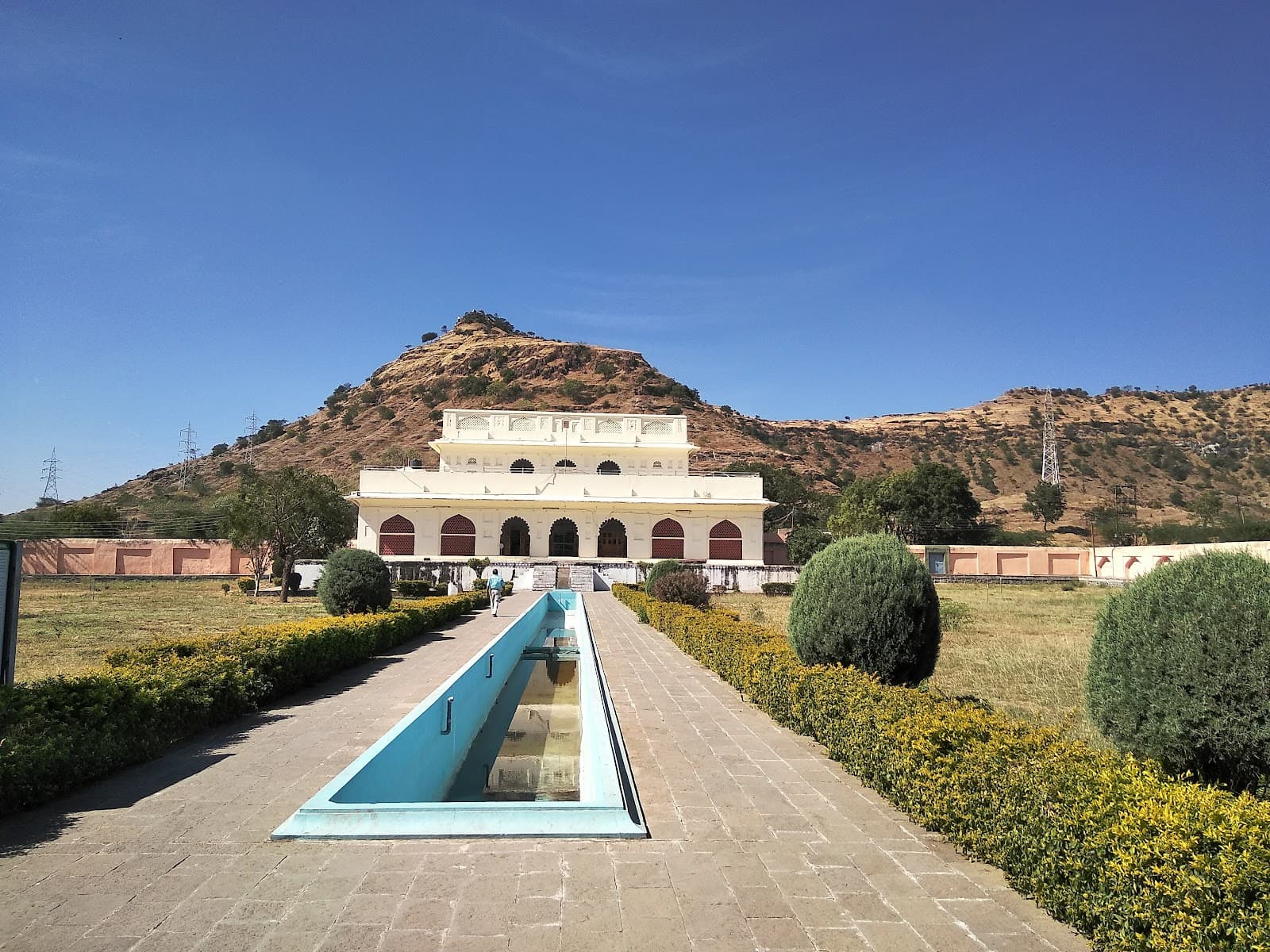
Paithan Garden
Near Jayakwadi Dam
A pleasant garden offering a relaxing escape with views of the reservoir.

Plans like a pro.
Thinks like you
Planning Your Visit
Best Time for Birdwatching
Navigating the Vast Reservoir
Best Times
Insider Tips
from TikTok, Instagram & Reddit
Binoculars are a must! :binoculars:
Essential for spotting distant birds in the vast wetland.
Carry water & snacks :water_pistol:
Limited amenities within the sanctuary, so come prepared.
Best viewing spots vary 📌
Ask locals or guides for current prime birdwatching locations.
Respect the habitat :seedling:
Avoid disturbing birds and their environment.
Tips
from all over the internet
Binoculars are a must! :binoculars:
Essential for spotting distant birds in the vast wetland.
Carry water & snacks :water_pistol:
Limited amenities within the sanctuary, so come prepared.
Best viewing spots vary 📌
Ask locals or guides for current prime birdwatching locations.
Respect the habitat :seedling:
Avoid disturbing birds and their environment.
What Travellers Say
Reviews Summary
Visitors praise Jayakwadi Dam and Bird Sanctuary for its impressive scale as an engineering feat and its rich avian diversity, especially during the migratory season. However, some find the vastness of the wetland and limited facilities challenging for optimal bird viewing.
"1. Jayakwadi Bird Sanctuary is situated near the Jayakwadi Dam, which is on the Godavari River in the Aurangabad district of Maharashtra, India. It covers an area of around 1,100 hectares.
2. The sanctuary consists of a variety of habitats, including marshes, mudflats, and open water bodies, which are ideal for supporting a diverse range of bird species.
3. Jayakwadi Bird Sanctuary is home to numerous resident and migratory bird species. Some of the commonly sighted birds include flamingos, pelicans, storks, herons, ibises, cranes, ducks, geese, and several species of waders.
4. During the winter months, the sanctuary attracts a large number of migratory birds from different parts of the world. These birds visit the sanctuary to escape the harsh weather conditions in their breeding grounds.
5. The best time to visit Jayakwadi Bird Sanctuary is during the winter months, from November to February, when the migratory birds arrive in large numbers. However, the sanctuary remains open throughout the year.
6. Visitors can enjoy birdwatching, photography, and nature walks in the sanctuary. Boating facilities are also available to explore the water bodies and observe the birds closely.
7. The sanctuary is managed by the Maharashtra Forest Department, and efforts are made to conserve the natural habitat and protect the bird species within the sanctuary.
8. Jayakwadi Bird Sanctuary is easily accessible by road from nearby towns and cities. Aurangabad is the nearest major city, located approximately 60 kilometers away.
9. Basic facilities such as parking, restrooms, and viewing platforms are available for visitors. However, it's advisable to carry drinking water and snacks as there may be limited amenities within the sanctuary.
10. Like many other natural habitats, Jayakwadi Bird Sanctuary faces challenges such as habitat degradation, pollution, and encroachment. Conservation efforts are crucial to maintain the sanctuary's biodiversity and ecological balance."
PIYUSH
"1. Thousands of waterbirds can be seen in the sanctuary if you are present at right spot at right timing.
2. Huge spread of wetland provide a lot of habitat to the birds so you may not see them from the shore
3. No boating facilities makes more difficult to see birds
4. Huge span of wetland make very hard to travel by road
5. Giving 4 star for amazing bird diversity and cutting 1 star for logistics"
Omkar Joshi
"A plan to build a dam on Godavari river in the drought-prone Marathwada region was first conceived during rule of state of Hyderabad. The plan was to build a dam in Beed district near Jayakwadi village with storage capacity of 2,147 MCM (million cubic meters).[6] The project came to be known as Jayakwadi project after the name of the village. However, after formation of new state of Maharashtra and comparative analysis on alternative places, it was decided to build a dam 100 km upstream at Paithan. The project was continued to name as Jayakwadi even after it was shifted to a new location. Building dam at higher level made it possible to have longer canals and thus providing irrigation facility to a larger region. The project proposal for this was completed by 1964.
The foundation of the dam was laid by Lal Bahadur Shastri, then Prime Minister of India, on 18 October 1965. The dam was inaugurated on 24 February 1976 by the then Prime Minister Indira Gandhi.[6]
Damedit
Jayakwadi is one of the longest earthen dams in Asia. Its height is about 41.30 metres (135.5 ft) and length of about 10 kilometres (6.2 mi) with a total storage capacity of 2,909 million cubic meters. The total catchment area of dam is 21,750 km2 (8,400 sq mi). There are 27 water gates for the dam. Jayakwadi Dam is also called as Nathsagar Dam.
Over its lifetime, it has overflowed 18 times. On 10 August 2006, the highest discharge of 250000 ft3/s was recorded.
Nath Sagar Jalashayedit
Nath Sagar Jalashay is the name of the reservoir formed by Jayakwadi Dam. Fed by the Godavari and Pravara rivers the reservoir is about 55 km long and 27 km wide and spans over 350 km2 (140 sq mi). Total submergence area due to the reservoir is about 36,000 hectares (89,000 acres).[7]
Siltation has taken a heavy toll on the project. It is estimated that approximately 30% of the dam is filled with silt, reducing its life as well as storage capacity. Survey findings show that from 2003 to 2012, there was a loss of 31% (that is 8.08 thousand million cubic (TMC) feet) in dead storage and 14% (that is 10.73 TMC) in live storage capacity of the dam due to silt
Jayakwadi project is a multipurpose project. The main purpose was to irrigate land for agriculture in the drought prone Marathwada region of Maharashtra state. Other important purpose was to provide water for drinking and industrial usage to nearby towns and villages and to the municipalities and industrial areas of Aurangabad and Jalna. 80% of water of dam is allocated for irrigation, 5-7% for drinking water and the rest for industrial purposes.[8] The average daily discharge of the dam is around 1.36 MCM, of which 0.05 MCM of water is supplied to the MIDC area, 0.15 MCM is distributed to fulfill the needs of Aurangabad, while the remaining amount is lost in evaporation.[9]
Irrigationedit
The Jayakwadi project is one of the largest irrigation projects in Maharashtra of India . Through its canal system, the dam irrigates cultivable area of 237,452 hectares in the districts of Aurangabad, Jalna, Beed, Ahmednagar and Parbhani. The length of left bank canal is 208 km, the length of right bank canal is 132 km, commanding a total area is 183,858 hectares. The gross irrigated area by 96,000 hectares under right bank canal was further enlarged by constructing Majalgaon Dam which acts as a balancing reservoir in addition to harness the Sindphana tributary of the Godavari river."
`Yuvraj Mhaske
What People Like
What People Dislike
Frequently Asked Questions
🚇 🗺️ Getting There
The sanctuary is accessible by road, with Aurangabad being the nearest major city, about 60 km away. You can hire a taxi or take a bus from Aurangabad to Paithan and then to the dam.
Yes, it's reachable by car, but the vastness of the wetland can make travel within the sanctuary challenging.
While cars can reach certain points, exploring the wetland for birdwatching might require local guidance or specific arrangements due to its size.
Buses are available from Aurangabad to Paithan, which is close to the dam. From Paithan, local transport can take you to the dam site.
Jayakwadi Dam and Bird Sanctuary is approximately 60 kilometers from Aurangabad city.
🎫 🎫 Tickets & Entry
Information on specific entry fees can vary. It's advisable to check with the Maharashtra Forest Department or local authorities upon arrival for the most current pricing.
The sanctuary is generally open throughout the year, but specific timings for birdwatching might be best in the early morning or late afternoon.
Advance booking is typically not required for general entry, but for any special guided tours or boating, it's wise to inquire beforehand.
Often, the bird sanctuary is part of the dam's vicinity, and a single entry fee might cover access to the general areas. Confirm on-site.
Photography is generally allowed, but it's always good practice to avoid disturbing the wildlife. Drone usage might be restricted.
🎫 🐦 Birdwatching & Wildlife
You can spot a wide variety of resident and migratory birds, including flamingos, pelicans, storks, herons, ibises, cranes, ducks, geese, and waders.
The peak season for migratory birds is from November to February, when they arrive in large numbers.
Historically, boating facilities have been limited or unavailable, making it harder to see birds in the vast water bodies.
Flamingos are among the commonly sighted birds, especially during the migratory season, adding a splash of color to the sanctuary.
Due to the huge spread of the wetland, seeing birds from the shore can be difficult, and binoculars are highly recommended.
🍽️ 🍽️ Food & Dining
Amenities within the sanctuary are basic. It's advisable to carry your own snacks and drinking water.
You'll find more dining options in nearby towns like Paithan or in the city of Aurangabad.
Yes, bringing your own food and drinks is recommended, but ensure you dispose of waste responsibly.
📸 📸 Photography
The dam itself offers impressive views, and the bird sanctuary provides opportunities to capture diverse avian life, especially during sunrise and sunset.
Yes, it's a great location for bird photography, particularly during the migratory season. A telephoto lens is highly recommended.
General photography is permitted, but avoid using flash that might disturb the birds. Check for any specific rules regarding professional shoots.



Social
from TikTok, Instagram & Reddit