
Sammakka Saralamma Temple Medaram
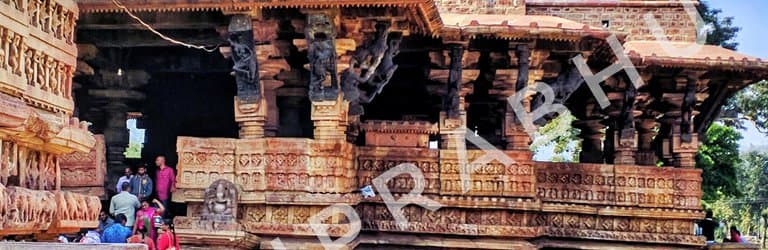
A 12th-century tribal temple and site of India's largest tribal festival, drawing millions for unique rituals and jaggery offerings.
Highlights
Must-see attractions

Social
From TikTok & Reddit
Best Time
Experience India's largest tribal festival
Sammakka Saralamma Temple Medaram
Best Time
Experience India's largest tribal festival
Highlights
Must-see attractions
A 12th-century tribal temple and site of India's largest tribal festival, drawing millions for unique rituals and jaggery offerings.
"A deeply spiritual experience with unique tribal traditions and immense devotion."

Book Travel Early
For the Jatara, book transport & stay months ahead. Medaram gets crowded!
Carry Jaggery
Offer 'Bangaram' (jaggery) equal to your weight. It's a key ritual.

Highlights
Discover the most iconic attractions and experiences
Sammakka & Saralamma Shrines
Medaram
Experience the spiritual heart of the festival at the open-air shrines dedicated to the tribal goddesses.
Jaggery Offerings (Bangaram)
Medaram
Witness devotees offering jaggery, symbolizing 'gold,' a significant tribal tradition during the festival.

Koya Tribal Rituals
Medaram
Observe the unique, non-Vedic rituals performed by Koya Tribe priests, showcasing ancient customs.
Plans like a pro.
Thinks like you
Planning Your Visit
Plan for the Jatara
Respect Tribal Traditions
Best Times
Insider Tips
from TikTok, Instagram & Reddit
Book Travel Early
For the Jatara, book transport & stay months ahead. Medaram gets crowded!
Carry Jaggery
Offer 'Bangaram' (jaggery) equal to your weight. It's a key ritual.
Embrace Tribal Culture
No Vedic rituals here. Enjoy the unique Koya traditions and atmosphere.
Remote Location
Medaram is in a forest. Be prepared for basic amenities during the festival.
Tips
from all over the internet
Book Travel Early
For the Jatara, book transport & stay months ahead. Medaram gets crowded!
Carry Jaggery
Offer 'Bangaram' (jaggery) equal to your weight. It's a key ritual.
Embrace Tribal Culture
No Vedic rituals here. Enjoy the unique Koya traditions and atmosphere.
Remote Location
Medaram is in a forest. Be prepared for basic amenities during the festival.
What Travellers Say
Reviews Summary
Visitors describe the Sammakka Saralamma Temple and its Jatara as a deeply spiritual and culturally rich experience, highlighting the massive scale of the festival and the unique tribal traditions. While the devotion and atmosphere are praised, some note the need for improved surrounding maintenance and the challenges of managing immense crowds in a remote location.
"Work is going on in temple surrounding for jatara in 2026 but maintanence should be improved."
Sandhya Palavanchu
"Lakhs of devotees, mostly from tribal and rural communities, bring ‘Bangaram’ (jaggery) as offerings equal to their body weight.
No Vedic rituals are performed—the festival is purely tribal in nature.
Second-largest congregation in India after the Kumbh Mela, attracting millions of devotees."
Suman Nani
"Sammakka Saralamma Jatara (also Sammakka Sarakka Jatara and Medaram Jatara) is a festival to honour the Hindu Tribal goddesses, celebrated in the state of Telangana, India. This Jatara is known for witnessing one of the largest human gatherings in the world. People offer Bellam (jaggery), locally called as Bangaram, to the deities. The Jatara begins at Medaram in Tadvai Mandala in Mulugu district. The rituals related to the Goddesses are entirely performed by the Koya Tribe priests, in accordance with Koya customs and traditions.
This Jatara is held Biannually i.e once in two years for four days. It starts with the arrival of the goddesses to Gaddelu in Medaram and ends with their vanapravesham (entry into the forest)"
ROHITH KUMAR REDDY
What People Like
What People Dislike
Frequently Asked Questions
🚇 🗺️ Getting There
Medaram is located in the Mulugu district of Telangana, within the Eturnagaram Wildlife Sanctuary. The nearest major city is Warangal. From Warangal, you can hire taxis or take buses to Medaram. During the Jatara, special bus services are usually available from various towns in Telangana. It's a remote location, so plan your journey accordingly.
During the Sammakka Saralamma Jatara, the Telangana State Road Transport Corporation (TSRTC) operates numerous special buses from Hyderabad, Warangal, and other major cities to Medaram. Hiring a private taxi is also an option, but can be expensive due to high demand.
While Medaram is a remote village, accessibility significantly increases during the Jatara period due to special arrangements. Outside of the festival, public transport options are limited, and it's best to arrange private transport.
The roads leading to Medaram are generally motorable, especially during the festival. However, due to the large influx of vehicles, traffic can be heavy. Be prepared for potential delays.
Yes, you can drive your own vehicle. However, parking can be a challenge during the Jatara, and designated parking areas are usually set up. Follow traffic police instructions.
🎫 🎫 Tickets & Entry
No, there is no entry fee to visit the Sammakka Saralamma Temple or to attend the Jatara. The festival is open to all devotees and visitors.
The temple complex is generally accessible throughout the day and night, especially during the Jatara period. The main rituals and atmosphere are most vibrant during the festival days.
No tickets are required for the Sammakka Saralamma Jatara. It is a free-to-attend public festival. However, booking accommodation and transport in advance is highly recommended due to the massive crowds.
While there are no strict entry restrictions, visitors are expected to dress modestly and behave respectfully. Photography might be restricted in certain ritualistic areas.
The Jatara is held once every two years, typically in February. The exact dates vary, so it's advisable to check the schedule closer to the time.
🎫 🧭 Onsite Experience
The Jatara is a major tribal festival honoring the goddesses Sammakka and Saralamma, who are believed to have fought against the Kakatiya rulers. It's a celebration of tribal pride, devotion, and community.
The primary ritual involves devotees offering jaggery ('Bangaram') to the goddesses. The Koya priests perform unique tribal rituals, and the goddesses are symbolically brought to the 'Gaddelu' (altars) and later taken back into the forest.
It's advisable to wear modest and comfortable clothing. Given the large crowds and the natural surroundings, comfortable footwear is also essential.
Millions of people attend the Jatara, and authorities make significant arrangements for crowd management and security. However, it's always wise to stay aware of your surroundings and keep your belongings secure.
Expect a vibrant, spiritual, and bustling atmosphere. The air is filled with devotion, traditional music, and the scent of jaggery. It's a unique cultural immersion.
🍽️ 🍽️ Food & Dining
During the Jatara, numerous temporary food stalls and eateries pop up around Medaram, offering local Telangana cuisine and snacks. You can find simple meals and refreshments.
Expect traditional South Indian fare, including rice meals, idli, dosa, vada, and local snacks. Many stalls will offer vegetarian options.
While many stalls are hygienic, it's always a good idea to exercise caution. Opt for freshly cooked food and bottled water to avoid any health issues.
Permanent restaurants are scarce in Medaram itself, especially outside the festival period. Most dining options are temporary stalls during the Jatara. For more established dining, you might need to travel to nearby towns like Mulugu or Warangal.
Food prices during the Jatara are generally affordable, catering to a large number of pilgrims. You can expect reasonable rates for meals and snacks.
📸 📸 Photography
Photography is generally allowed in the open areas of the temple complex and during the festival. However, it's best to be discreet and avoid photographing rituals or individuals without their consent.
Capture the vibrant atmosphere of the crowds, the colorful attire of devotees, the offerings of jaggery, and the unique tribal rituals. The natural forest surroundings also offer scenic photo opportunities.
Photography might be restricted inside certain sanctums or during specific sensitive rituals. Always observe local customs and any signage indicating restrictions.
A versatile lens that can handle both wide shots of the crowd and closer details of rituals would be useful. A good zoom lens can help capture distant scenes without disturbing the devotees.
Focus on the human element – the devotion, the expressions, the interactions. Also, try to capture the scale of the gathering and the unique tribal elements of the festival.
For Different Travelers
Tailored advice for your travel style
👨👩👧 Families with Kids
Pack plenty of snacks and water, as food options can be crowded and basic. Look for designated family areas if available, or find quieter spots away from the main thoroughfares for breaks. While the spiritual aspect is central, the festival also offers a lively environment with local crafts and food stalls that can appeal to younger visitors. Ensure children understand the importance of respecting the traditions and the local community.
🙏 Devotees Seeking Spiritual Experience
To enhance your spiritual journey, try to arrive early to avoid the peak crowds and find a peaceful spot for reflection. Engage with the local culture respectfully, and be open to the unique spiritual expressions of the Koya people. The absence of Vedic rituals emphasizes a direct, nature-based connection to the divine, which many find incredibly authentic and powerful.
Deep Dives
In-depth insights and expert knowledge
The Sammakka Saralamma Jatara: A Tribal Spectacle
Visitors flock to Medaram to offer 'Bangaram' (jaggery) as a symbol of devotion, often weighing it against their own body weight. The atmosphere is electric, filled with chants, traditional music, and the palpable energy of millions united in faith. The festival's declaration as a State Festival in 1998 highlights its cultural significance and the government's recognition of its importance. Medaram's location within the Eturnagaram Wildlife Sanctuary adds to the mystical aura, with the forest playing an integral role in the rituals and the overall experience.
Understanding the Koya Tribal Traditions
During the festival, the Koya community comes together to celebrate their goddesses. The arrival of the goddesses to the 'Gaddelu' (altars) and their subsequent 'vanapravesham' (entry into the forest) mark the beginning and end of the main festivities. This cyclical journey reflects their deep reverence for nature and the forest. Visitors have the unique opportunity to witness these authentic tribal practices, offering a glimpse into a way of life that has remained remarkably preserved.



Social
from TikTok, Instagram & Reddit