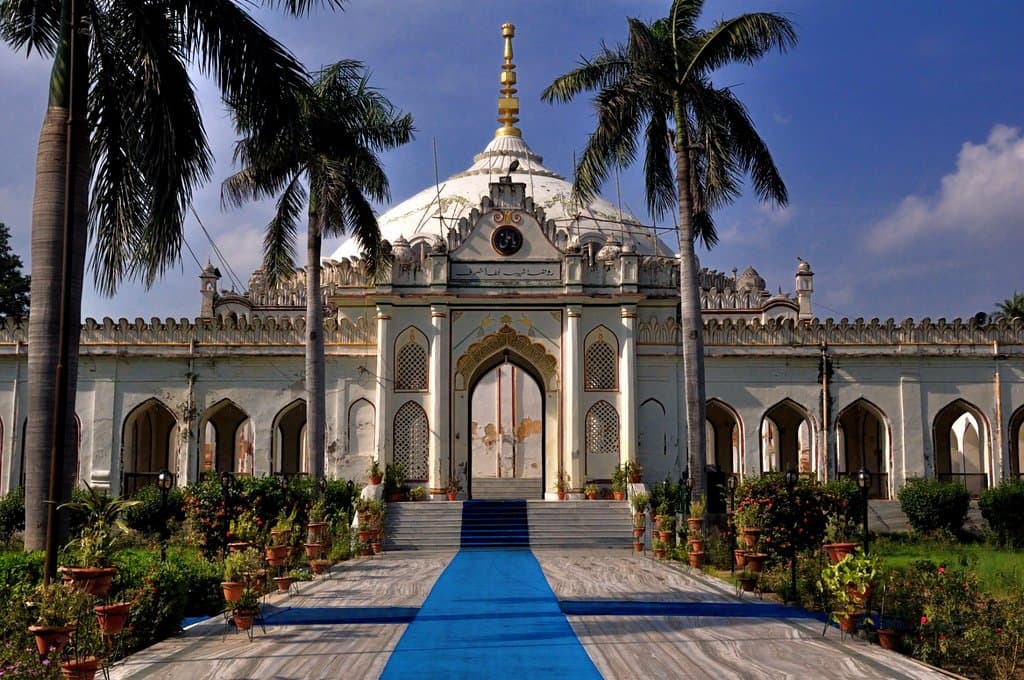
Shah Najaf Imambara Lucknow
A serene replica of Hazrat Ali's shrine in Najaf, Iraq, this Imambara offers architectural beauty and historical depth by the Gomti River.
Highlights
Must-see attractions

Social
From TikTok & Reddit
Best Time
Peaceful and less crowded
Shah Najaf Imambara Lucknow
Best Time
Peaceful and less crowded
Highlights
Must-see attractions
A serene replica of Hazrat Ali's shrine in Najaf, Iraq, this Imambara offers architectural beauty and historical depth by the Gomti River.
"A hidden gem of peace and elegance, its timeless charm left me in awe."
Dress Modestly
Cover shoulders & knees. Essential for religious sites.
Photography Etiquette
Be mindful of prayer times and respectful when taking photos.
Highlights
Discover the most iconic attractions and experiences
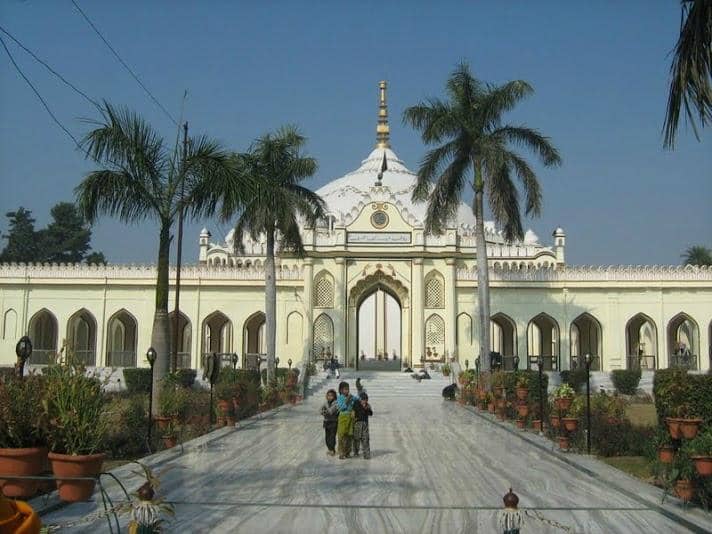
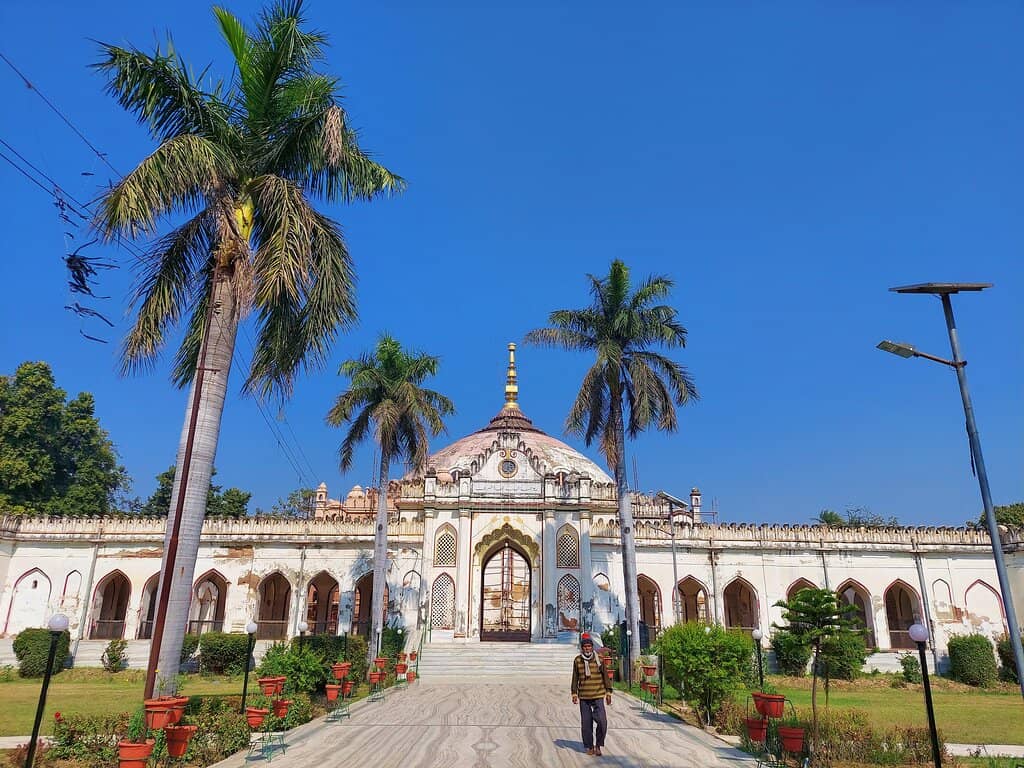
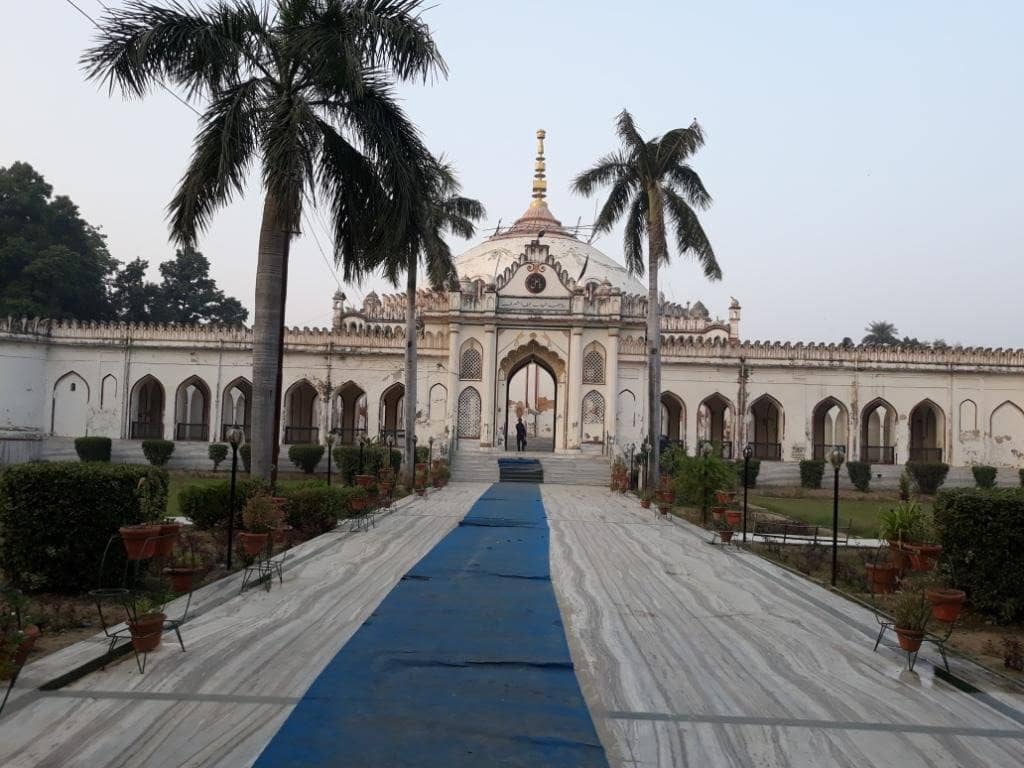
The Grand Dome
Central structure
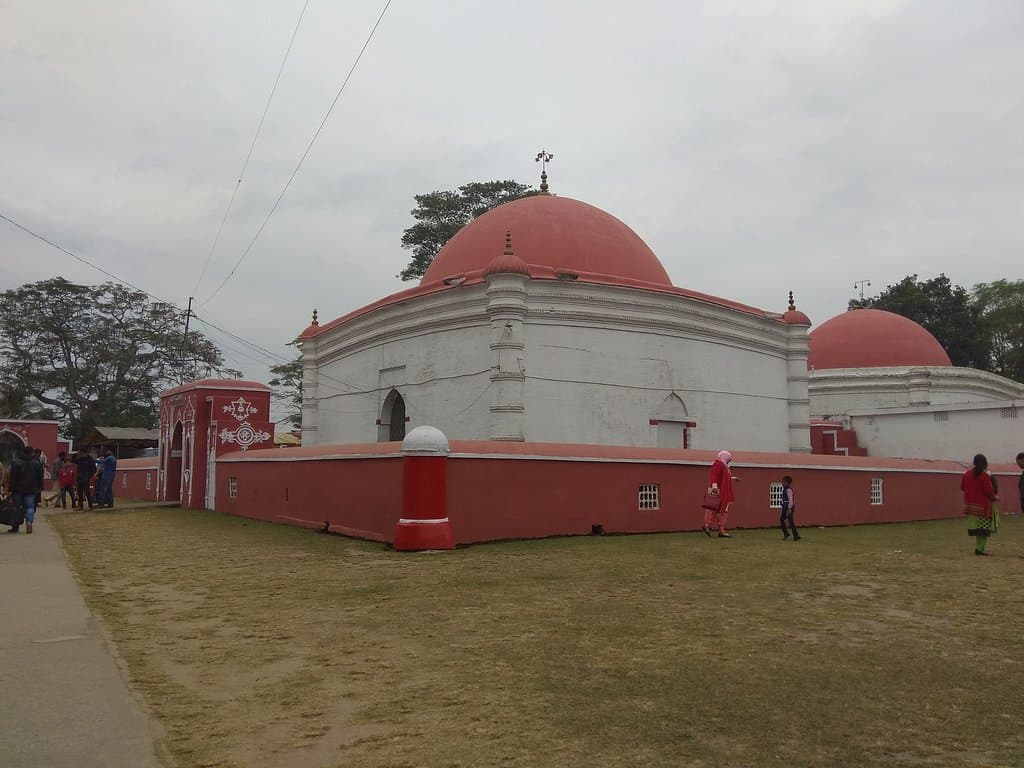
An impressive dome crowns this architectural marvel, a replica of Hazrat Ali's tomb in Najaf.
Gomti Riverfront
Adjacent to the Imambara
Enjoy the peaceful ambiance by the Gomti River, offering a tranquil escape and scenic views.
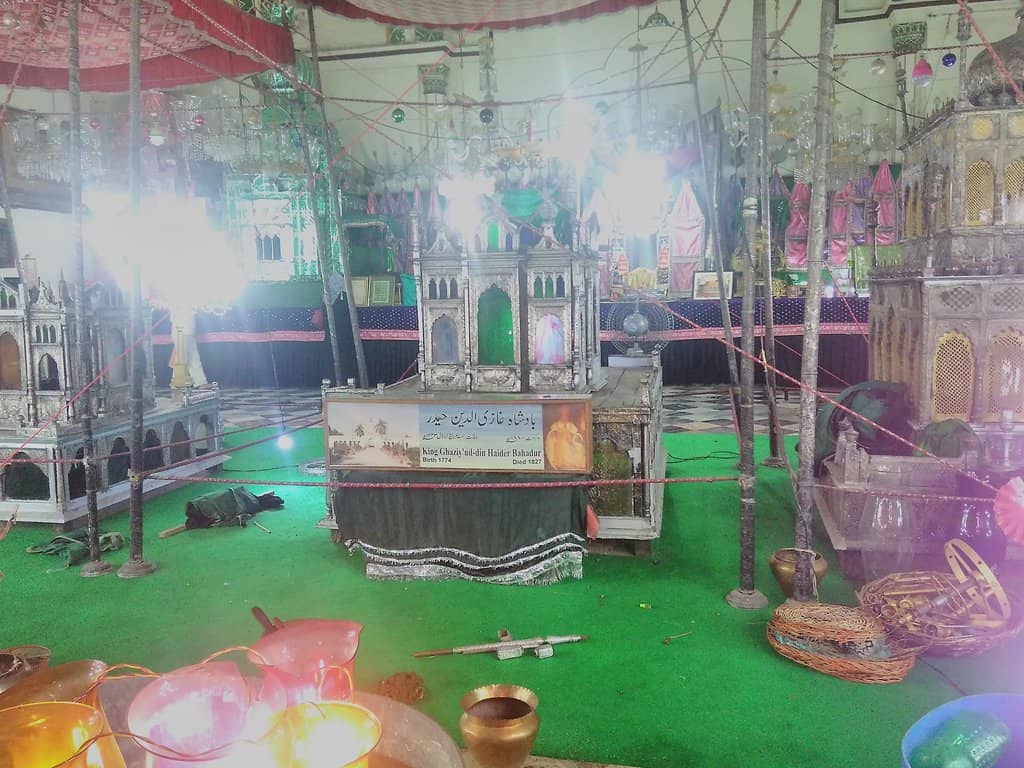
Historical Artifacts
Interior chambers
See the armour of Hazrat Ali, elegant chandeliers, and historical paintings that adorn the walls.
Plans like a pro.
Thinks like you
Planning Your Visit
Timing Your Visit
Respectful Attire

Best Times
Insider Tips
from TikTok, Instagram & Reddit
Dress Modestly
Cover shoulders & knees. Essential for religious sites.
Photography Etiquette
Be mindful of prayer times and respectful when taking photos.
Explore the Surroundings
Walk along the Gomti River for serene views and a peaceful atmosphere.
Visit During Festivals
Experience the vibrant atmosphere during Muharram or other religious observances.
Tips
from all over the internet
Dress Modestly
Cover shoulders & knees. Essential for religious sites.
Photography Etiquette
Be mindful of prayer times and respectful when taking photos.
Explore the Surroundings
Walk along the Gomti River for serene views and a peaceful atmosphere.
Visit During Festivals
Experience the vibrant atmosphere during Muharram or other religious observances.
What Travellers Say
Reviews Summary
Visitors praise Shah Najaf Imambara for its serene atmosphere, impressive architecture, and historical significance as a replica of a holy shrine. Many appreciate its peaceful location by the Gomti River and its role as a religious site. Some note it's less crowded than other Lucknow attractions, offering a tranquil experience.
"Imambara Shahnajaf is situated on the right Bank of the Gomati River in Lucknow, Uttar Pradesh. This magnificent edifice was built by Ghazi-ud-din Haider whose reign was from 1814 to 1827 AD. He succeeded Nawab Saadat Ali Khan and ascended the throne as first King of Awadh. This important Shia community's religious place was built in the memory of Hazrat Ali, the son-in-law of Hazrat Mohammad ( Peace Be Upon Him ), the Prophet of Islam and the IVth Caliph of Islam.
He was buried here in 1827, as per the will of the founder. Crowned by a huge and impressive dome and built of Lakhori bricks in lime concrete mortar, it has a verandah surrounding the main building, known as the Shahnajaf Imambara, the walls of which are plastered with lime. The main chamber is adorned with the armour of Hazrat Ali (RA), elegies to scholars and emperors, numerous chandeliers, mirrors, glassware, photographs and paintings. The high wall of this projecting complex is adorned with a magnificent entrance facing the Gomti.
The central hall houses the tombs of the king and his three queens, Sarfaraz Mahal, Mubarak Mahal, and Mumtaz Mahal.
This place was one of the strongholds of the freedom fighters in 1857. In this freedom struggle, after the expulsion of Nawab Wajid Ali, Begum Hazrat Mahal led this movement with wisdom and bravery. After a year of fierce fighting at this religious place, the British army captured it.
It's a peaceful religious place where especially in the month of Moharram mourning gatherings are taking place. It's a popular tourists attraction."
Rizwan Uddin
"One of most highly revered Imambara Lucknow. Well maintained by Hussainbad trust. On main location and plenty of parking. Blessed to have visited . Built by King Ghaiyas uddin haider , it is highly religious place for Shias. He is buried alongwith with his 3 wives. Imambara is adorned by beautiful and expensive chandelier and Taziyas made if Silver and Alums."
afzal shah
"Shah Najaf Imambara was constructed by Nawab Ghazi-ud-Din Haider in 1818, the last nawab wazir and the first King of the Oudh state in 1818 to 1827. The building was named after the term Shah-e-Najaf (King of Najaf) which is an allusion to Ali. This imambara served as Ghazi-ud-Din Haider's mausoleum. His three wives Sarfaraz Mahal, Mubarak Mahal and Mumtaz Mahal are also buried there.
The thick walls around the mosque are said to have withstonod the heavy gun fires of British naval brigade during their advance in 1857.
Shah Najaf Imambara is located near Gomti river on the Rana Pratap Road almost 4 kilometres away from the Bada Imambara. It is close to the Sikandar Bagh Chauraha and is flanked by National Botanical Research Institute on one side. The monuments is quite close to Hazratganj market.
Shah Najaf Imambara was constructed by Nawab Ghazi-ud-Din Haider in 1818, the last nawab wazir and the first King of the Oudh state in 1818 to 1827. The building was named after the term Shah-e-Najaf (King of Najaf) which is an allusion to Ali. This imambara served as Ghazi-ud-Din Haider's mausoleum. His three wives Sarfaraz Mahal, Mubarak Mahal and Mumtaz Mahal are also buried there.
The thick walls around the mosque are said to have withstonod the heavy gun fires of British naval brigade during their advance in 1857.
Shah Najaf Imambara is located near Gomti river on the Rana Pratap Road almost 4 kilometres away from the Bada Imambara. It is close to the Sikandar Bagh Chauraha and is flanked by National Botanical Research Institute on one side. The monuments is quite close to Hazratganj market."
Farman Abbas Manjul
What People Like
What People Dislike
Frequently Asked Questions
🚇 🗺️ Getting There
Shah Najaf Imambara is located near the Gomti River on Rana Pratap Road, about 4 km from Bada Imambara and close to Hazratganj. You can reach it by auto-rickshaw, taxi, or ride-sharing services. It's also accessible via public transport routes that pass through Hazratganj.
Yes, there is parking available at the Imambara, which is convenient for visitors arriving by private vehicle.
The nearest landmark is Saharanpur Mall, and it's also close to the Gomti River and Hazratganj market.
Yes, Lucknow has a good public transport network. Buses and auto-rickshaws frequently ply routes near Hazratganj, from where you can easily get to the Imambara.
Shah Najaf Imambara is approximately 4 kilometers away from Bada Imambara, making it feasible to visit both in a single day.
🎫 🎫 Tickets & Entry
There is generally no entry fee to visit Shah Najaf Imambara, making it an accessible attraction for all visitors.
The Imambara is typically open from morning to evening. It's advisable to check for any specific timings, especially around prayer times or during religious festivals.
No, advance booking is not usually required as there is no entry fee. You can visit anytime during its operating hours.
Visitors are expected to dress modestly, covering shoulders and knees, out of respect for the religious nature of the site.
Yes, you can visit during religious events, but be prepared for larger crowds and potential changes in access. It's a significant site for mourning gatherings, especially in Muharram.
📸 📸 Photography
Photography is generally allowed, but it's important to be respectful of worshippers and avoid intrusive shots, especially during prayer times or ceremonies.
The grand dome, the intricate interiors with chandeliers, and the serene Gomti Riverfront offer excellent photographic opportunities.
Drone photography is typically not permitted at religious and historical sites without prior official permission. It's best to avoid using drones.
Natural light is abundant during the day, especially near the river. Interiors can be dimmer, but chandeliers provide atmospheric lighting.
While photos might be permitted, it's crucial to be discreet and avoid disrupting the solemnity of religious ceremonies.
🎫 🏛️ History & Architecture
It was built by Nawab Ghazi-ud-Din Haider, the first King of Awadh, between 1816 and 1817.
It's a replica of Hazrat Ali's tomb in Najaf, Iraq, featuring a grand dome, intricate plasterwork, and a verandah.
It served as Ghazi-ud-Din Haider's mausoleum and was a stronghold for freedom fighters in 1857, notably led by Begum Hazrat Mahal.
The chamber is adorned with the armour of Hazrat Ali, elegies, numerous chandeliers, mirrors, glassware, photographs, and paintings.
'Shah Najaf' translates to 'King of Najaf,' an allusion to Hazrat Ali, who is buried in Najaf, Iraq.
For Different Travelers
Tailored advice for your travel style
👨👩👧 Families with Kids
It's advisable to visit during less crowded hours to ensure a more comfortable experience for younger children. Encourage them to observe the architecture and learn about the historical significance in a simple way. Remember to dress modestly as a family to show respect for the site.
📸 Photographers and Culture Enthusiasts
+1Consider visiting during the golden hours of sunrise or sunset for the most dramatic lighting. Be mindful of respectful photography, especially during prayer times or religious ceremonies. Exploring the surrounding area near the Gomti River can also yield beautiful shots, capturing the essence of Lucknow's heritage.
+1🙏 Spiritual Seekers
+1Visitors looking for a spiritual experience are encouraged to visit with an open mind and a respectful heart. Observing the devotion of worshippers and understanding the historical context of the site can enrich the spiritual journey. It's a place to connect with history, faith, and the enduring legacy of Hazrat Ali.
Deep Dives
In-depth insights and expert knowledge
Architectural Replica and Historical Significance
+1Beyond its aesthetic appeal, the Imambara holds significant historical weight. It served as Ghazi-ud-Din Haider's mausoleum, housing his tomb along with those of his three queens. More critically, it played a pivotal role during the Indian Mutiny of 1857. The Imambara's thick walls withstood heavy British artillery fire, and it was a key site where Begum Hazrat Mahal led the freedom fighters with courage.
Today, the Shah Najaf Imambara is not only a popular tourist attraction but also a revered religious site for the Shia community, especially during Muharram. Its blend of architectural grandeur and historical resilience makes it a compelling destination for understanding Lucknow's rich past and cultural heritage.
Spiritual and Cultural Resonance
During religious observances, particularly in the month of Muharram, the Imambara becomes a focal point for mourning gatherings (majlis) and processions (matam). Videos and posts often capture the solemnity and devotion displayed during these times, highlighting its role in preserving Shia traditions and rituals. Visitors can witness the deep-rooted faith and community spirit that thrives around this sacred space.
Many visitors describe the atmosphere as peaceful and serene, offering a moment of reflection away from the city's hustle. The interior, adorned with historical artifacts, religious inscriptions, and elegant chandeliers, further enhances the spiritual experience. It's a place where history, faith, and culture converge, offering a unique insight into the spiritual landscape of Lucknow.


Social
from TikTok, Instagram & Reddit