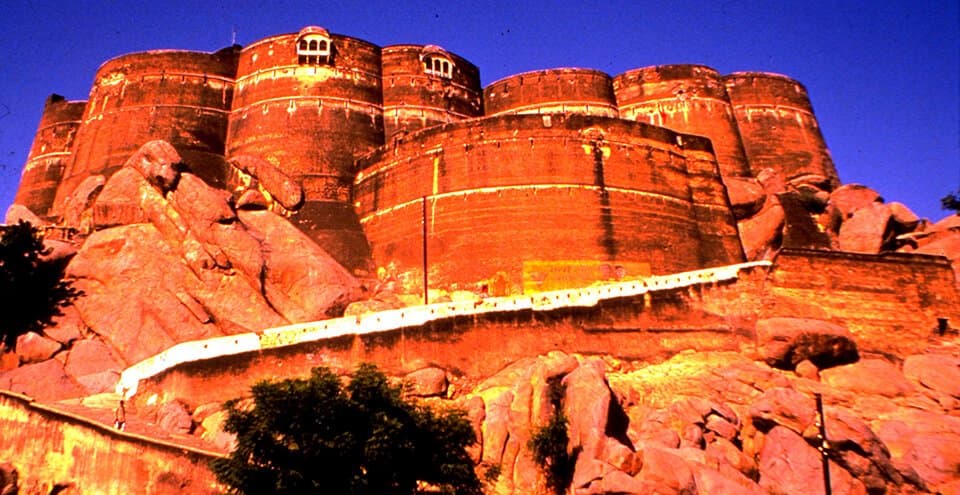
Laxmangarh Fort Laxmangarh Rajasthan
A historic fort on a hill in Laxmangarh, Rajasthan, offering panoramic views and a glimpse into the Shekhawati region's rich heritage.
Highlights
Must-see attractions

Social
From TikTok & Reddit
Best Time
Cooler weather for exploring
Laxmangarh Fort Laxmangarh Rajasthan
Best Time
Cooler weather for exploring
Highlights
Must-see attractions
A historic fort on a hill in Laxmangarh, Rajasthan, offering panoramic views and a glimpse into the Shekhawati region's rich heritage.
"Step Back in Time - Laxmangarh Fort, Sikar, offering a glimpse into the region's rich heritage."
Confirm Access Beforehand
Many visitors report the fort being locked. Call ahead or check local sources to confirm current public access.
Wear Comfortable Shoes
Expect some uphill walking and uneven paths within the fort grounds.
Quick Facts
Hours
Rating
4.3 · 5,612 reviews
Type
Historical Landmark
Highlights
Discover the most iconic attractions and experiences
Balaji Temple Entrance
Fort Entrance
A spiritual start to your visit, this temple offers blessings before you explore the fort's history.
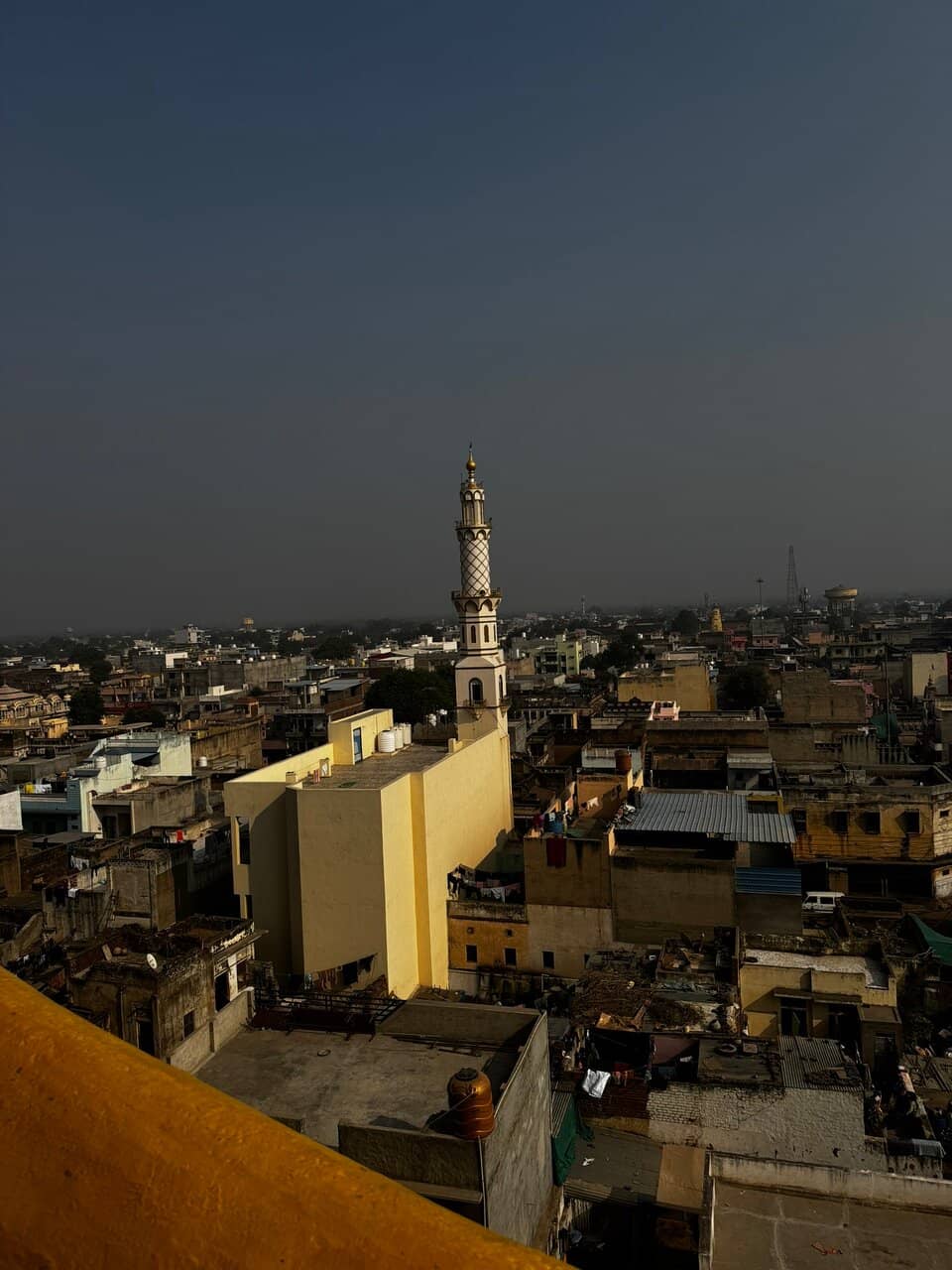
Panoramic Views
Fort Ramparts
Capture breathtaking vistas of Laxmangarh town and the surrounding Shekhawati region from the fort's elevated points.

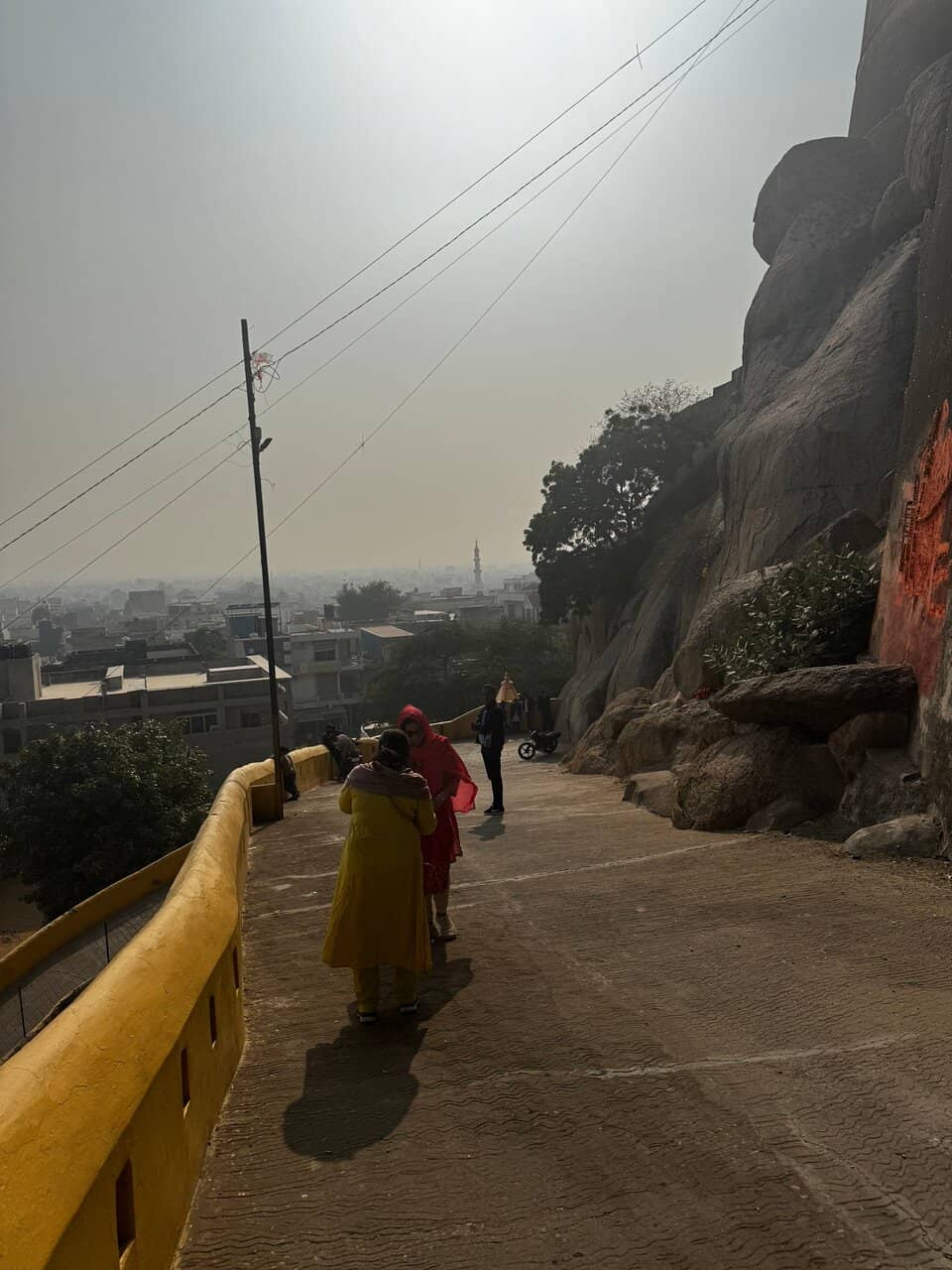
Architectural Details
Fort Walls and Interiors
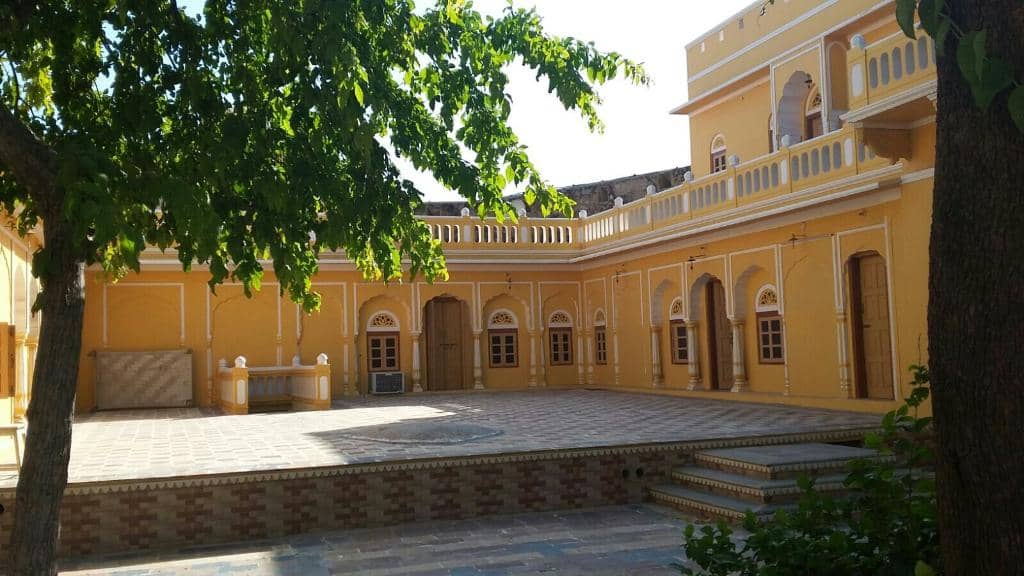
Admire the intricate craftsmanship, well-preserved frescoes, and grand structure reflecting a bygone era.
Plans like a pro.
Thinks like you
Planning Your Visit
Fort Status & Access
Best Time to Visit
Best Times
Insider Tips
from TikTok, Instagram & Reddit
Confirm Access Beforehand
Many visitors report the fort being locked. Call ahead or check local sources to confirm current public access. +1
Wear Comfortable Shoes
Expect some uphill walking and uneven paths within the fort grounds.
Respect Private Property
If access is restricted, be understanding. The Balaji temple is usually accessible.
Capture the Views
The panoramic views from the fort are a major highlight, so bring your camera!
Tips
from all over the internet
Confirm Access Beforehand
Many visitors report the fort being locked. Call ahead or check local sources to confirm current public access. +1
Wear Comfortable Shoes
Expect some uphill walking and uneven paths within the fort grounds.
Respect Private Property
If access is restricted, be understanding. The Balaji temple is usually accessible.
Capture the Views
The panoramic views from the fort are a major highlight, so bring your camera!
Learn the History
Built in 1805 by Rao Raja Lakshman Singh, the fort has a rich past.
What Travellers Say
Reviews Summary
Laxmangarh Fort offers historical charm and beautiful views, but its accessibility is a significant concern, with many visitors finding it locked. While the Balaji temple is open, the interior access has changed, leading to mixed experiences. Some past visitors recall a grand, well-maintained fort, while recent ones note it's largely inaccessible and potentially disappointing. +2
"This place is closed now as the ownership has changed but when I visited, the place was huge and very pretty.
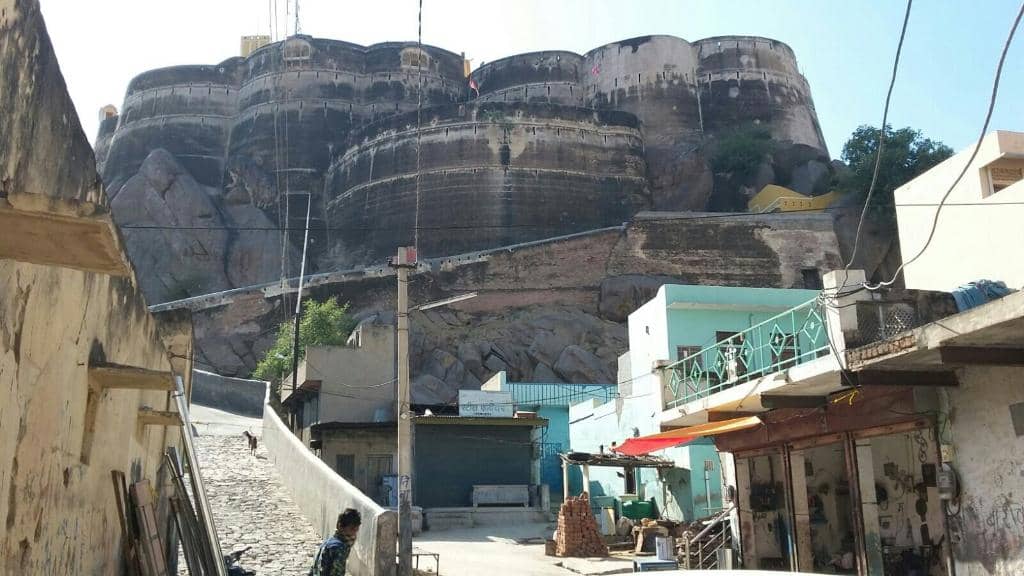
Walking wasn’t a hassle but there were a few upward slanting ways to go through before reaching the main entrance.
There is also a Balaji mandir at the entrance of the fort so do take his blessings.
The caretaker gave a personalised tour of the place when I visited, thank you for that. He was sweet and polite and gave info about the place. It was also neat and tidy with the paint still intact on the inside.
Wish it was open now too but it isn’t. Lucky I got to see it before it closed."
Ankita Jangid
"No Benefit to visit the place...I went to the place and it was completely locked...only Balaji Mandir Of Fort was Open...rest was locked and nobody was allowed to visit or enter in the Fort Interior"
Sandeep Singla
"It has absolutely nothing to offer for tourists and absolutely not worth making a visit. It is a private property and you can only access the stairs to a point publicly. Absolutely recommended to skip this fort for a planned visit. Water logging is complimentary if you visit the fort😀😀"
Abhi
What People Like
What People Dislike
Frequently Asked Questions
🚇 🗺️ Getting There
Laxmangarh Fort is located in the town of Laxmangarh, approximately 30 kilometers from Sikar. You can hire a taxi or take a local bus from Sikar to Laxmangarh. From the town, the fort is usually accessible by auto-rickshaw or a short walk.
Yes, the fort is a prominent landmark in Laxmangarh town. It's situated on a hill, making it visible from various points. Local directions are usually readily available.
Auto-rickshaws are the most common mode of transport within Laxmangarh for reaching the fort or other local attractions.
While you can drive to Laxmangarh town, direct vehicle access to the fort itself might be limited due to its location on a hill and potential private ownership restrictions. Parking is usually available near the base.
The nearest major railway station is in Sikar. Jaipur International Airport (JAI) is the closest major airport, located about 130-140 km away.
🎫 🎫 Tickets & Entry
Recent reviews suggest that the fort's interior may be closed to the public due to changes in ownership. The Balaji temple at the entrance is typically open. It's advisable to confirm current access status before your visit. +1
As the fort's public access is uncertain, official opening hours are not consistently available. The Balaji temple usually follows local temple timings.
If public access is granted, there might be an entry fee. However, with current restrictions, it's difficult to ascertain specific ticket prices.
Online ticket booking is generally not available for Laxmangarh Fort, especially given its current status. It's best to purchase tickets on-site if entry is permitted.
If the fort is locked, you can still visit the Balaji temple at the entrance and enjoy the views from the base. Some visitors have found the caretaker to be unhelpful in such situations. +1
📸 📸 Photography
The panoramic views from the fort's ramparts offer stunning photo opportunities of the town and surrounding landscape. The intricate architectural details and frescoes inside (if accessible) are also great subjects.
If you gain access to the interior, photography is generally allowed. However, always respect any signage or instructions from the caretakers.
Many visitors capture landscape shots from the top, architectural details, and sometimes even drone footage (if permitted). Reels and short videos showcasing the fort's grandeur are common on social media.
Drone usage regulations can vary. It's crucial to check local rules and obtain any necessary permissions before flying a drone over or near the fort.
Late afternoons during the golden hour provide beautiful lighting for both landscape and architectural photography. Early mornings can also offer soft light and fewer crowds.
🎫 🏛️ History & Architecture
Laxmangarh Fort was built in 1805 by Rao Raja Lakshman Singh of Sikar. It's a significant historical structure in the Shekhawati region.
The fort showcases traditional Rajasthani architecture with intricate detailing, frescoes, and grand structures, reflecting the artistic excellence of its era.
It represents the royal past and heritage of the Shekhawati region, offering insights into the lifestyle and artistry of the time it was built.
Historically, the fort included a palace, courtyards, and corridors adorned with well-preserved frescoes and murals.
The town of Laxmangarh itself was founded by Rao Raja Lakshman Singh, who also commissioned the fort.
Social
from TikTok, Instagram & Reddit