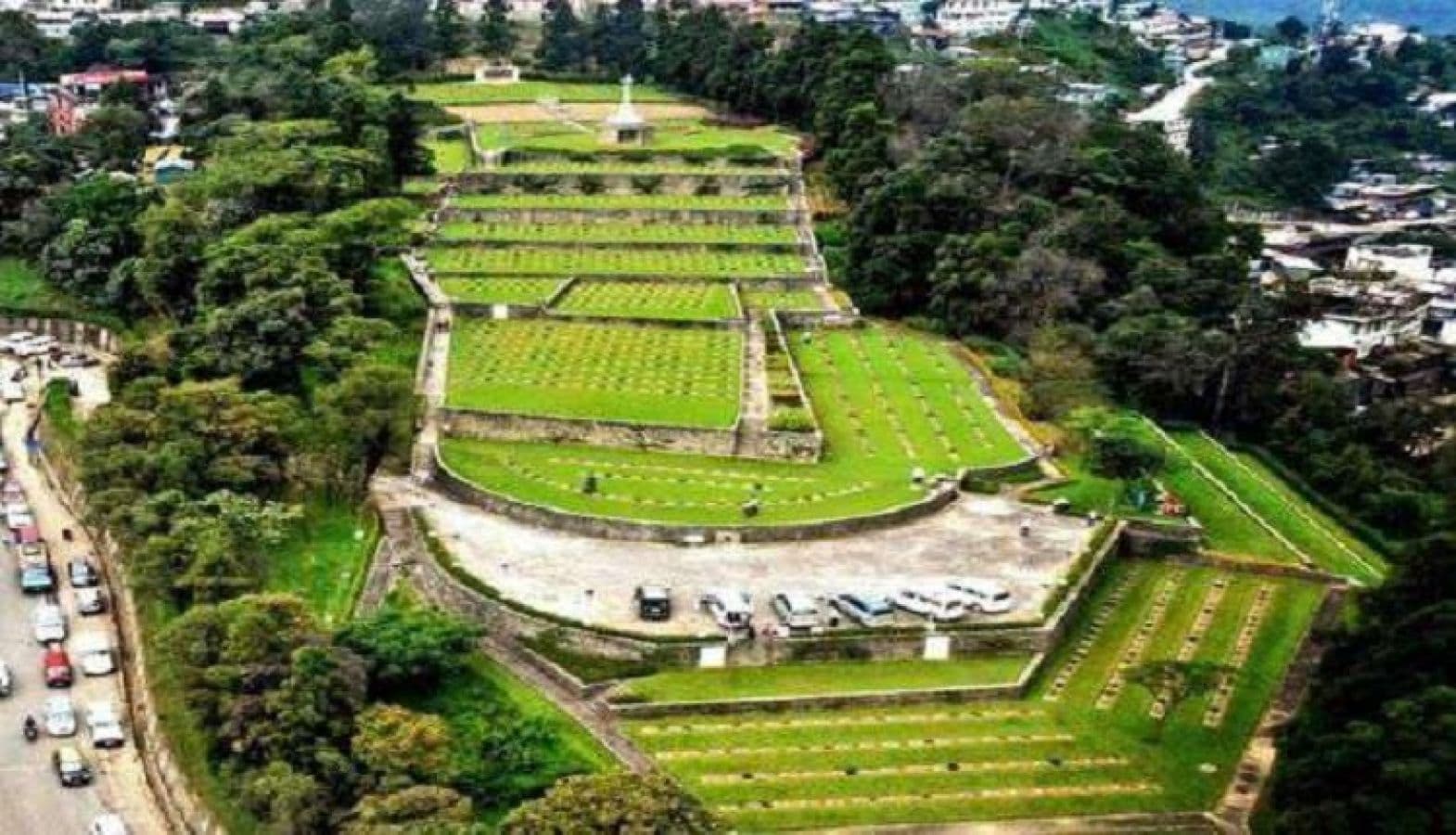
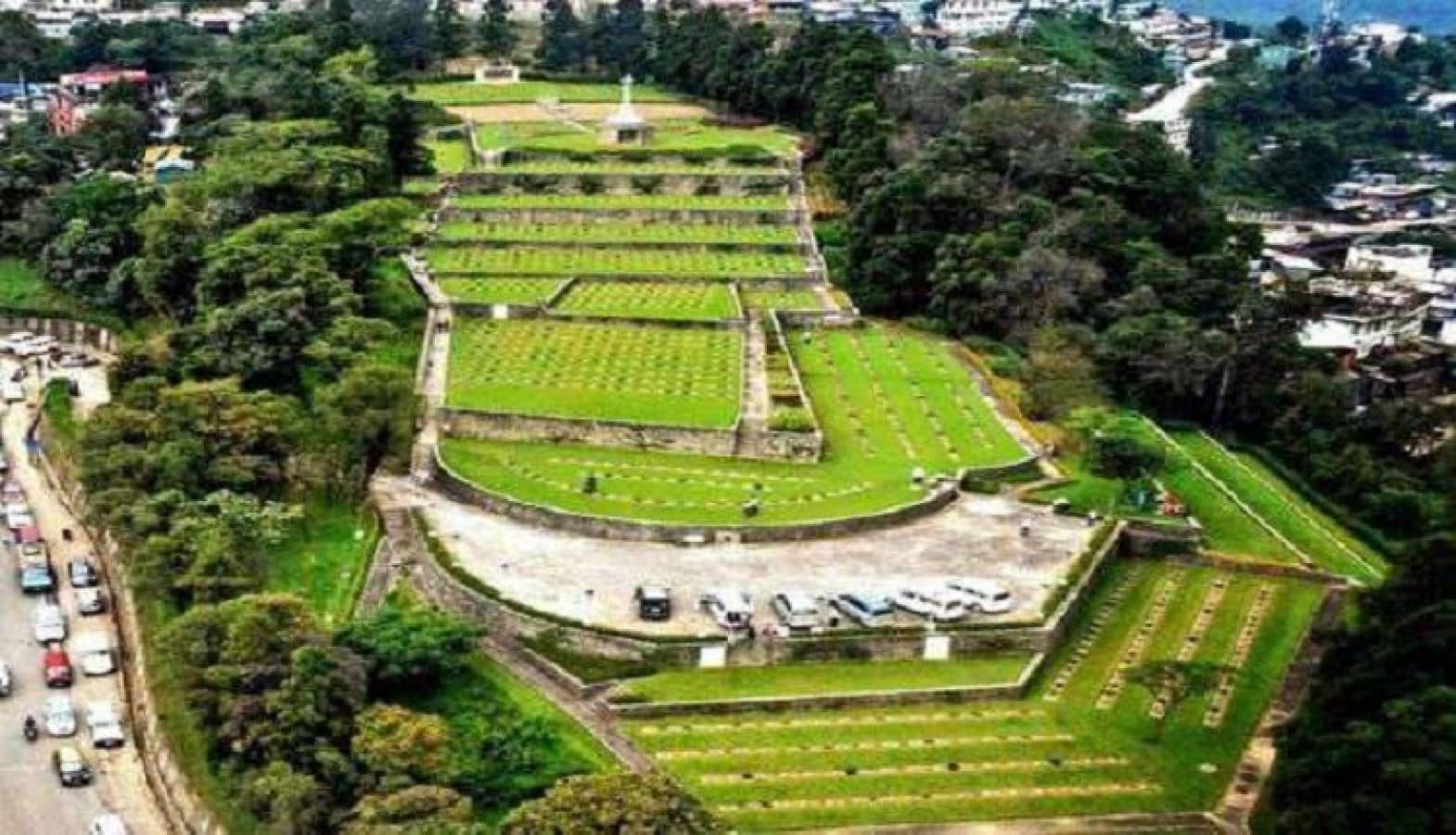
Kohima War Cemetery
A solemn World War II cemetery and memorial, honoring the fallen soldiers of the pivotal Battle of Kohima.
Highlights
Must-see attractions

Social
From TikTok & Reddit
Best Time
Peaceful atmosphere
Kohima War Cemetery
Best Time
Peaceful atmosphere
Highlights
Must-see attractions
A solemn World War II cemetery and memorial, honoring the fallen soldiers of the pivotal Battle of Kohima.
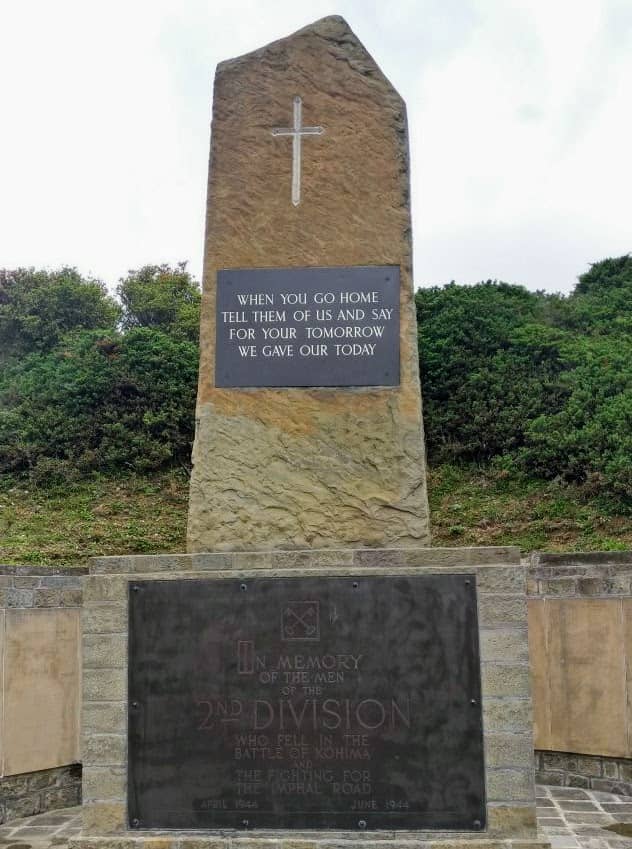
"The Kohima Epitaph's words echo with profound sacrifice: 'for your tomorrow, we gave our today.'"
Dress Respectfully
Modest clothing is essential. Avoid shorts or revealing attire out of respect for the memorial. :pray:
Quiet Reflection
This is a place of remembrance. Keep noise levels down and be mindful of others paying their respects. :microphone2:
Highlights
Discover the most iconic attractions and experiences
The Kohima Epitaph
Central part of the cemetery
The poignant words: 'When you go home, tell them of us and say, for your tomorrow, we gave our today.'
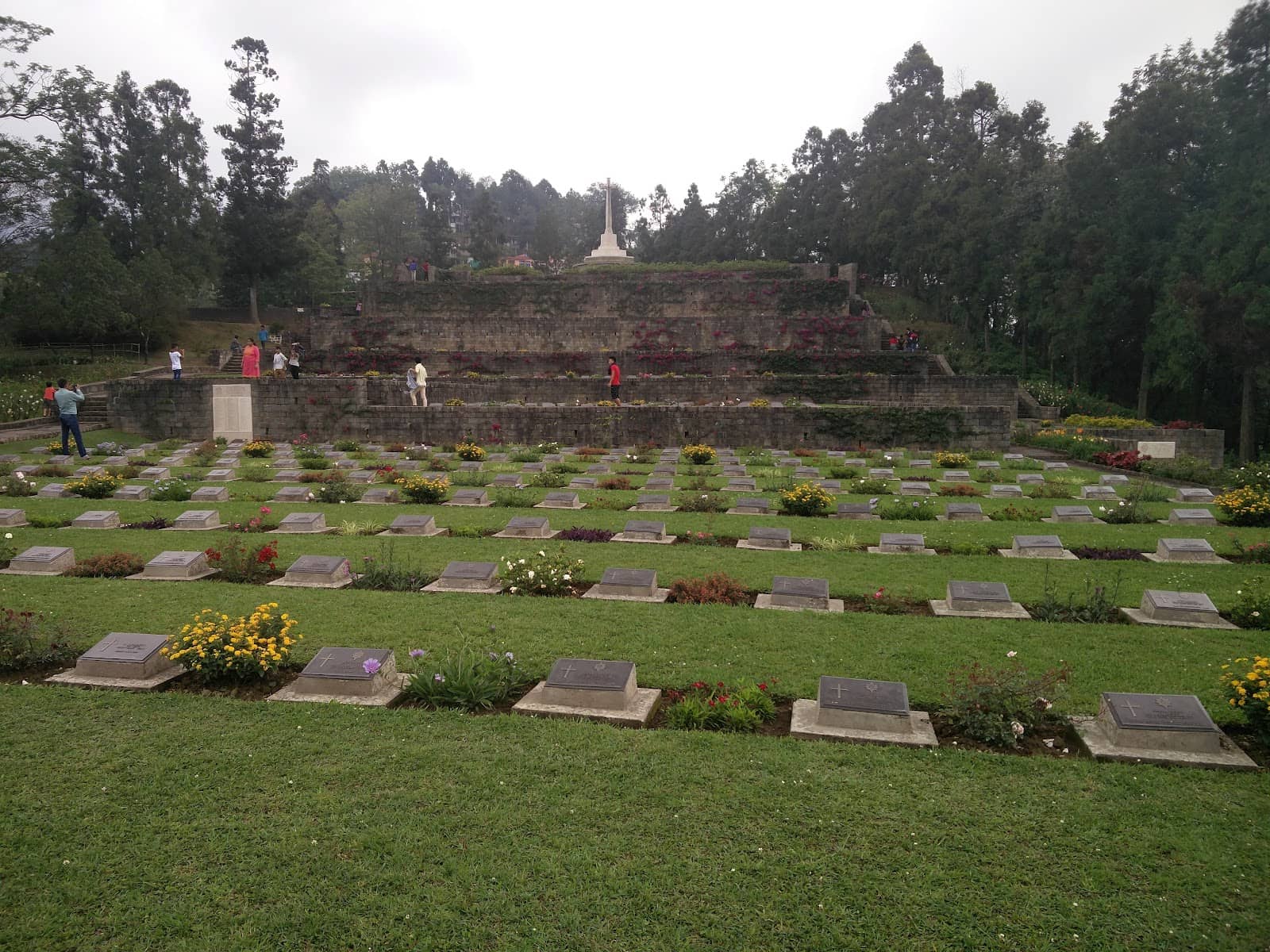
The Cemetery Grounds
Overlooking Kohima town
Immaculately maintained rows of graves, a testament to the fallen soldiers of WWII.
Battle of Kohima Memorial
Near the cemetery entrance
A powerful monument commemorating the fierce battle fought on this very ground.
Plans like a pro.
Thinks like you
Planning Your Visit
Respectful Visit
Best Time to Visit
Best Times
Insider Tips
from TikTok, Instagram & Reddit
Dress Respectfully
Modest clothing is essential. Avoid shorts or revealing attire out of respect for the memorial. :pray:
Quiet Reflection
This is a place of remembrance. Keep noise levels down and be mindful of others paying their respects. :microphone2:
Capture the Epitaph
Don't miss the iconic Kohima Epitaph. It's a powerful reminder of sacrifice. :camerawithflash:
Morning Serenity
Visiting in the early morning offers a tranquil experience before crowds arrive. :sunrise:
Tips
from all over the internet
Dress Respectfully
Modest clothing is essential. Avoid shorts or revealing attire out of respect for the memorial. :pray:
Quiet Reflection
This is a place of remembrance. Keep noise levels down and be mindful of others paying their respects. :microphone2:
Capture the Epitaph
Don't miss the iconic Kohima Epitaph. It's a powerful reminder of sacrifice. :camerawithflash:
Morning Serenity
Visiting in the early morning offers a tranquil experience before crowds arrive. :sunrise:
What Travellers Say
Reviews Summary
Visitors consistently praise the Kohima War Cemetery for its profound sense of peace and its immaculate upkeep. The poignant epitaph is frequently highlighted as a deeply moving experience. While most find the visit incredibly meaningful, some note that it can be an emotionally heavy place.
What People Like
What People Dislike
Frequently Asked Questions
🚇 🗺️ Getting There
The cemetery is located on the outskirts of Kohima town. Taxis and local buses are available from the town center. If you're arriving in Kohima by bus or taxi, you can ask your driver to take you directly to the cemetery.
Yes, local taxis are readily available in Kohima and can easily take you to the War Cemetery. Negotiate the fare beforehand. Auto-rickshaws might also be an option for shorter distances within the town.
The nearest airport is Dimapur (DMU), about 74 km away. From Dimapur, you can hire a taxi or take a bus to Kohima. Kohima also has road connectivity with major cities in the Northeast.
🎫 🎫 Tickets & Entry
No, entry to the Kohima War Cemetery is free of charge. It's a memorial site maintained by the Commonwealth War Graves Commission.
The cemetery is generally open from dawn till dusk. It's advisable to visit during daylight hours for the best experience and to ensure you can read the inscriptions.
No advance booking is required as there is no admission fee. You can visit anytime during its open hours.
🎫 🧭 Onsite Experience
The Kohima Epitaph, inscribed on a memorial stone, reads: 'When you go home, tell them of us and say, for your tomorrow, we gave our today.' It's a powerful tribute to the soldiers who died defending Kohima during WWII. +1
It's important to dress respectfully. Opt for modest clothing that covers your shoulders and knees out of respect for the solemn nature of the site.
A visit typically takes about 1-2 hours. This allows time to walk through the grounds, read the inscriptions, and reflect at the epitaph.
Basic facilities like restrooms might be available. It's advisable to carry water and snacks, especially if visiting during warmer months.
Photography is generally allowed, but it should be done respectfully. Avoid intrusive photography, especially of individuals who may be visiting for personal remembrance.
📸 📸 Photography
The iconic Kohima Epitaph is a must-capture. The sweeping views of the cemetery grounds with the rows of graves are also very photogenic. Early morning light can create a beautiful, serene atmosphere.
While generally permitted, always be mindful of the solemnity of the place. Avoid taking photos of people without their consent and refrain from using flash in a way that might disturb others.
A standard DSLR or mirrorless camera with a versatile lens (e.g., 24-70mm) is ideal. A wide-angle lens can capture the expanse of the grounds, while a prime lens can be good for detail shots of the epitaph.
For Different Travelers
Tailored advice for your travel style
👨👩👧 Families with Kids
Encourage children to be respectful by speaking softly and walking calmly. It can be helpful to prepare them beforehand about the nature of the place. Consider bringing a small notebook for them to draw or write their thoughts, turning it into a reflective activity rather than just a sightseeing stop.
🤔 History Enthusiasts
Take time to read the individual gravestones and the names inscribed on the memorial walls. Researching the Burma Campaign beforehand can greatly enhance your understanding and appreciation of the sacrifices made. Consider visiting other historical sites in the region if your itinerary allows, to gain a broader perspective on the conflict.
Deep Dives
In-depth insights and expert knowledge
The Battle of Kohima: A Turning Point
This victory is considered by many historians to be the beginning of the end for Japanese ambitions in the Far East. The sheer bravery and sacrifice displayed on this ground are what the cemetery now commemorates. The Kohima Epitaph encapsulates the spirit of those who fought and died here, a message that resonates across generations.
Visiting the cemetery offers a tangible connection to this pivotal moment in history. Walking among the graves, you can feel the weight of the past and understand the immense cost of freedom. It's a place that encourages reflection on the sacrifices made and the importance of peace.
Understanding the Kohima Epitaph
These words were reportedly spoken by Sergeant Derrick Roberts and are attributed to the soldiers who fought and died during the Battle of Kohima. The epitaph is a direct plea to future generations, urging them to remember the cost of their peace and freedom. It's a sentiment that transcends nationality and conflict, speaking to the universal human experience of sacrifice for a greater cause.
Many visitors find the epitaph deeply moving and a highlight of their visit. It's a focal point for remembrance and a reminder of the human stories behind the statistics of war. Taking a moment to read and absorb its meaning is essential for a complete understanding of the cemetery's significance.
Social
from TikTok, Instagram & Reddit