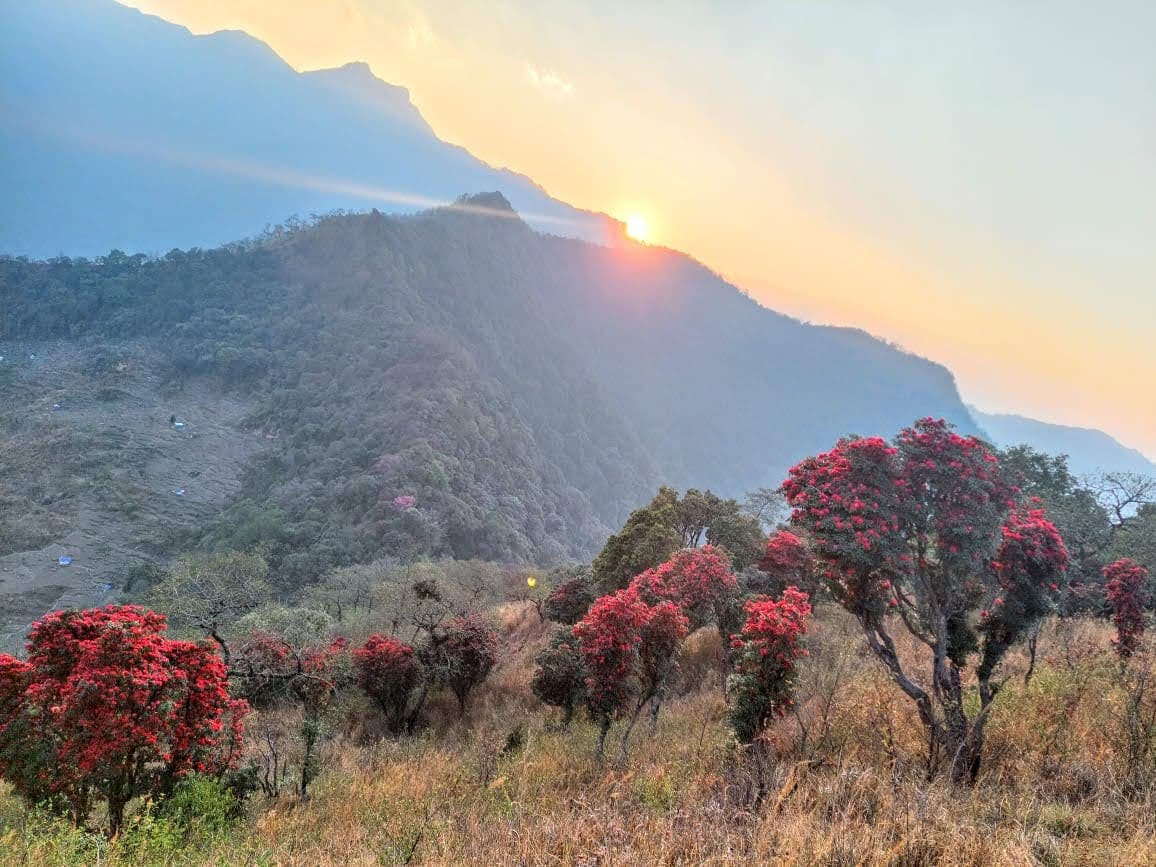
Kigwema Village Nagaland
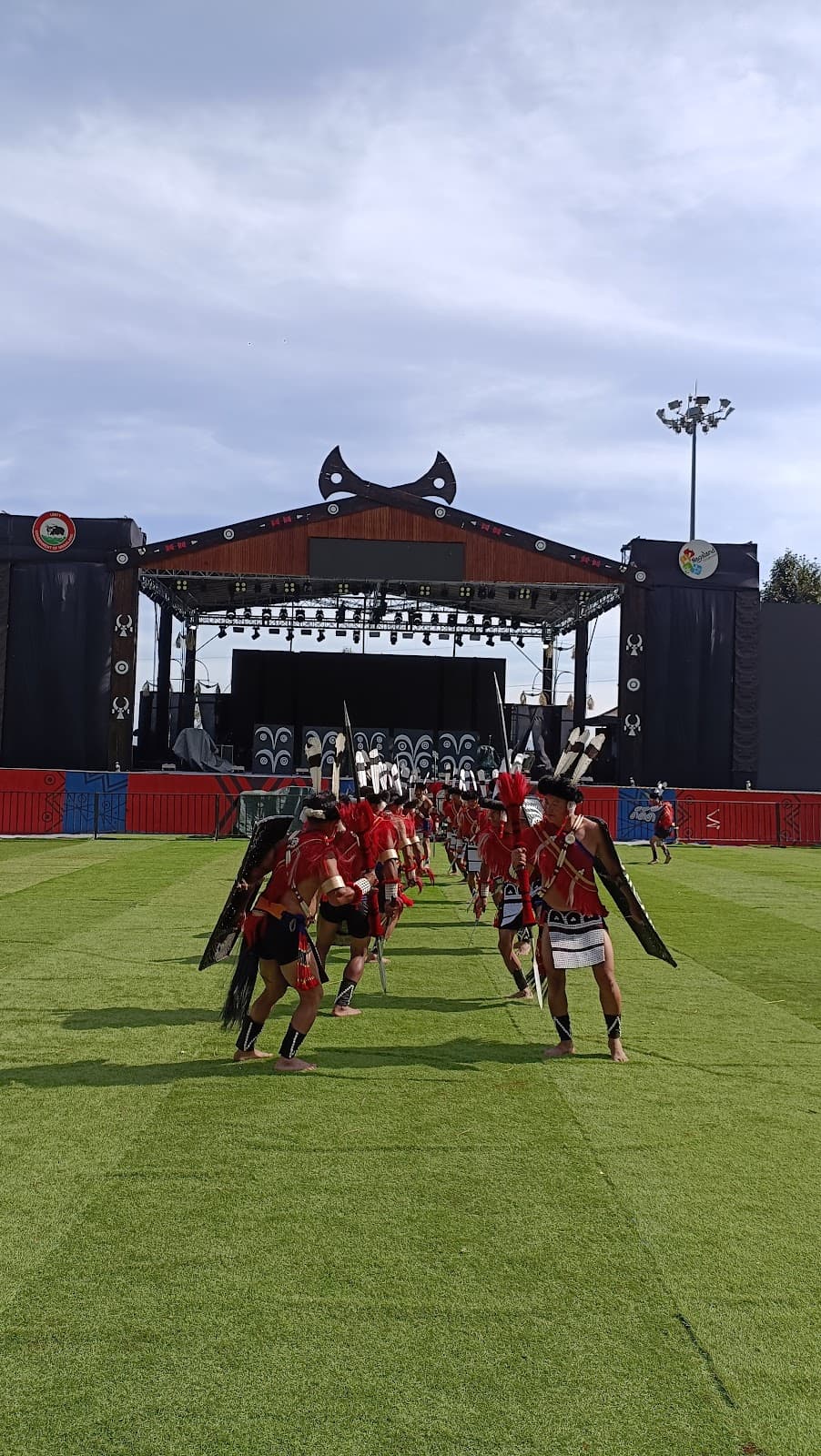
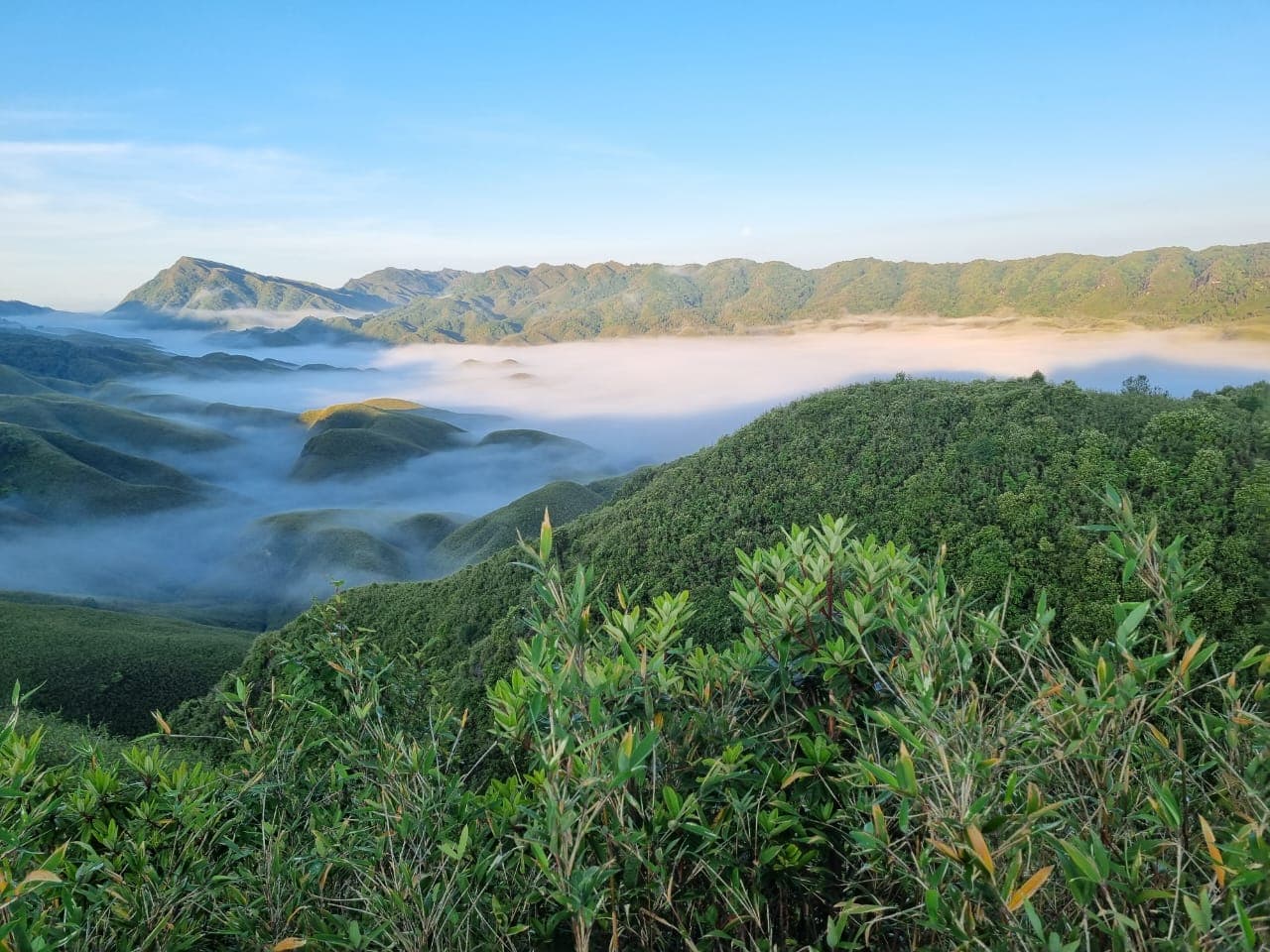
Immerse yourself in the rich traditions of the Angami Naga tribe in the picturesque Kigwema Village, surrounded by breathtaking hills.
Highlights
Must-see attractions

Social
From TikTok & Reddit
Best Time
Pleasant weather for exploration
Kigwema Village Nagaland
Best Time
Pleasant weather for exploration
Highlights
Must-see attractions
Immerse yourself in the rich traditions of the Angami Naga tribe in the picturesque Kigwema Village, surrounded by breathtaking hills.
"A truly authentic cultural experience with incredibly warm and welcoming people."
Carry Cash 💰
ATMs are scarce. Bring enough cash for your stay and purchases.
Respect Local Customs 🙏
Dress modestly and be mindful of local traditions. Ask permission before taking photos of people.
Highlights
Discover the most iconic attractions and experiences
Angami Tribe Heritage
Kigwema Village
Experience the vibrant culture and traditions of the Angami Naga people. Witness their unique way of life.
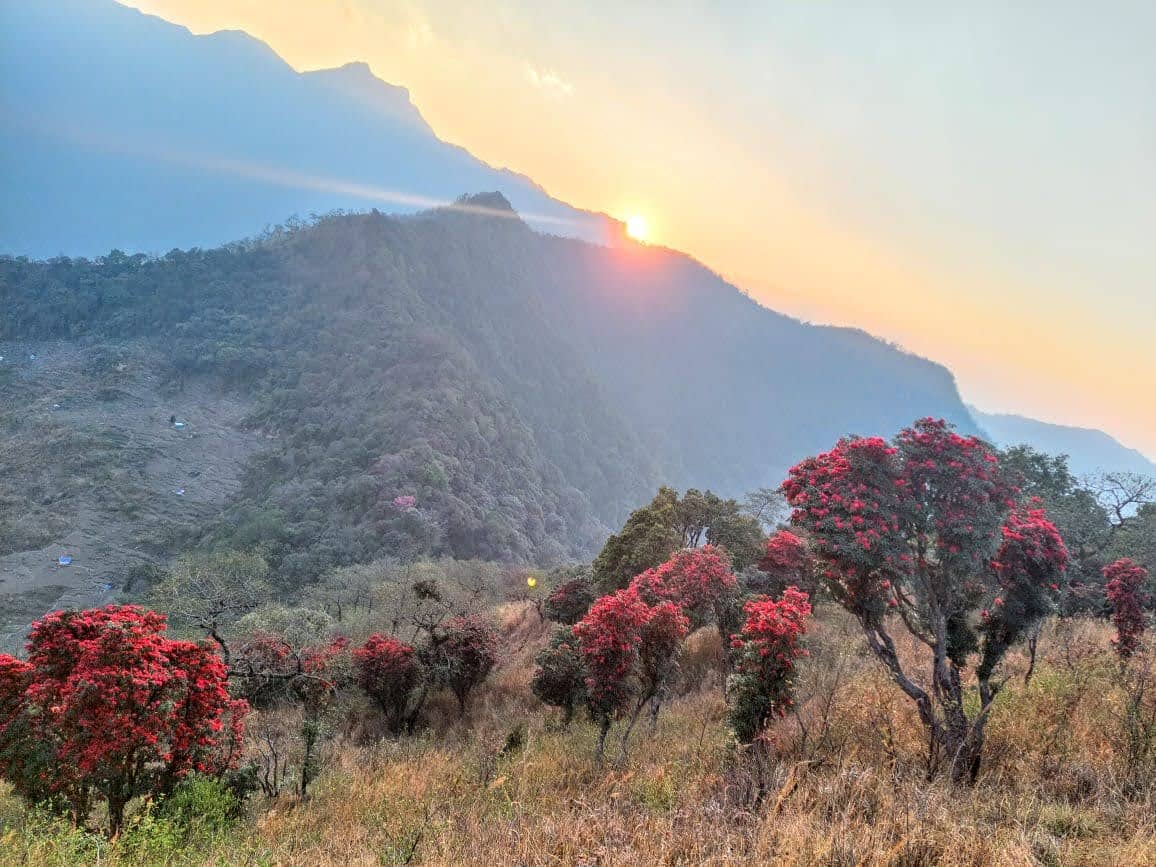
Scenic Village Views
Surrounding hills
Enjoy breathtaking panoramic views of the lush green hills and the picturesque village nestled within.
Local Handicrafts
Village markets
Discover and purchase authentic handcrafted items, showcasing the intricate skills of the local artisans.
Plans like a pro.
Thinks like you
Planning Your Visit
Embrace the Culture
Connectivity & Logistics
Best Times
Insider Tips
from TikTok, Instagram & Reddit
Carry Cash 💰
ATMs are scarce. Bring enough cash for your stay and purchases.
Respect Local Customs 🙏
Dress modestly and be mindful of local traditions. Ask permission before taking photos of people.
Planning to Visit Nagaland - Any Suggestions or Tips? 🌄🍲
Book Stays in Advance 🏡
Accommodations can be limited, especially during festivals.
Limited Connectivity 📶
Mobile network can be spotty. Enjoy being disconnected!
Slow Pace Travel - Kohima 🌏
Tips
from all over the internet
Carry Cash 💰
ATMs are scarce. Bring enough cash for your stay and purchases.
Respect Local Customs 🙏
Dress modestly and be mindful of local traditions. Ask permission before taking photos of people.
Book Stays in Advance 🏡
Accommodations can be limited, especially during festivals.
Limited Connectivity 📶
Mobile network can be spotty. Enjoy being disconnected!
What Travellers Say
Reviews Summary
Visitors praise Kigwema Village for its authentic cultural immersion and stunning natural beauty. The warmth and hospitality of the Angami people are frequently highlighted, making it a memorable experience. Some travelers note the limited connectivity and the need to carry cash, which are typical for remote Naga villages.
What People Like
What People Dislike
Frequently Asked Questions
🚇 🗺️ Getting There
Kigwema Village is easily accessible from Kohima, the capital of Nagaland. You can hire a taxi or take a local bus. The journey is scenic and takes about 30-45 minutes.
The nearest airport is Dimapur Airport (DMU), which is about 75 km away from Kohima. From Dimapur, you can take a taxi or bus to Kohima, and then proceed to Kigwema Village.
Within the village, walking is the best way to explore. For longer distances or day trips, hiring a local taxi from Kohima is recommended.
Yes, you can drive your own vehicle. The roads are generally motorable, though some stretches might be a bit rough.
Indian nationals do not require special permits. However, foreign nationals may need to obtain an Inner Line Permit (ILP) or Protected Area Permit (PAP) depending on current regulations. It's best to check with local authorities before your visit.
🎫 🎫 Tickets & Entry
Generally, there is no specific entry fee to visit Kigwema Village itself. However, some community-managed areas or cultural performances might have nominal charges.
Kigwema Village is a living community, so there are no strict visiting hours. However, it's respectful to visit during daylight hours and avoid disturbing residents early in the morning or late at night.
Yes, it is highly recommended to book your accommodation in advance, especially if you plan to visit during the Hornbill Festival or other peak tourist seasons.
Local guides can often be arranged through your accommodation or by inquiring with village elders. They can provide invaluable insights into the Angami culture and history.
Engage with the locals, attend any available cultural programs, and try the local cuisine. Showing genuine interest and respect will lead to a more rewarding experience.
🎫 🧭 Onsite Experience
Key attractions include the traditional Angami houses, the village morungs (bachelor dormitories), and the scenic viewpoints offering panoramic vistas of the surrounding hills.
You can explore the village on foot, interact with the locals, learn about their customs, try local food, and enjoy the natural beauty. If visiting during December, the Hornbill Festival nearby is a major draw.
Absolutely! The village offers numerous picturesque spots for photography, from traditional architecture to stunning landscapes. Remember to ask for permission before photographing people.
It's advisable to wear comfortable walking shoes and modest clothing that covers your shoulders and knees out of respect for the local culture.
Be polite, greet people warmly, and always ask for permission before taking photos. Avoid loud noises and be mindful of the community's peace.
🍽️ 🍽️ Food & Dining
Don't miss out on traditional Angami cuisine, which often includes rice, smoked pork, bamboo shoot preparations, and various local vegetables. Dishes like 'Galho' (a rice porridge) are popular.
Homestays often offer delicious home-cooked meals. There might be small local eateries or dhabas serving authentic Naga food. Exploring these local spots is part of the experience.
While meat and fish are staples, vegetarian options can usually be prepared upon request, especially in homestays. Inform your hosts about your dietary preferences in advance.
Yes, you can try local rice beer (known as 'Zutho' or 'Ruhi') if you're adventurous, but consume responsibly.
Food is generally affordable, especially when eating at local eateries or enjoying meals at homestays. Prices are significantly lower than in major cities.
📸 📸 Photography
The traditional Angami houses with their unique architecture, the village pathways, the surrounding terraced fields, and the panoramic views from the hills are excellent for photography.
Always ask for permission before photographing people, especially elders and children. Respect their privacy. A polite gesture and a smile go a long way.
Early morning and late afternoon offer the best natural light for landscape and village photography. Golden hour can create magical shots.
While generally permitted, avoid photographing inside private homes without explicit permission. Some religious or ceremonial sites might have restrictions.
A versatile lens (like a 24-70mm) is useful for landscapes and portraits. A wide-angle lens can capture the expansive views. Don't forget extra batteries and memory cards.
For Different Travelers
Tailored advice for your travel style
👨👩👧 Families with Kids
Consider staying in a homestay where children can interact with local families and learn about their daily routines. Pack comfortable walking shoes and modest clothing for everyone. While there aren't specific playgrounds, the entire village and its surroundings serve as a natural playground. Ensure you carry snacks and water, as options might be limited.
🚶 Budget Travelers
Transportation from Kohima via local buses is very economical. Walking within the village is free and the best way to explore. Focus on experiencing the local culture and natural beauty, which are priceless and don't cost extra. Carry enough cash to avoid ATM withdrawal fees.
📸 Photography Enthusiasts
Best times for photography are early morning and late afternoon for the soft, golden light. Remember to always seek permission before photographing people. Explore the village pathways and the surrounding hills for unique perspectives. A versatile lens and extra batteries are highly recommended.
Deep Dives
In-depth insights and expert knowledge
Understanding the Angami Culture
Visitors can learn about their unique customs, traditional attire, and agricultural practices, which are deeply intertwined with the natural environment. The Angami also have a vibrant oral tradition of storytelling and songs, passed down through generations. Engaging with locals, perhaps through a homestay, offers the best opportunity to understand their way of life firsthand.
Key aspects of Angami culture include their distinct dialect, their traditional festivals like Sekrenyi (a purification ceremony), and their historical significance in the region. Understanding these elements enriches the travel experience significantly.
Navigating Travel and Connectivity
Connectivity in Kigwema can be a challenge. Mobile network coverage is often weak or intermittent, and Wi-Fi is rarely available outside of some homestays. This can be a blessing for those seeking a digital detox, but it's wise to download offline maps and essential information before you arrive. Carry enough cash, as ATMs are scarce in the village and surrounding areas.
For a smoother trip, inform your bank about your travel dates and consider carrying a mix of cash and a backup payment method. Pre-booking accommodations is also a smart move to ensure availability.
Experiencing Local Cuisine
Smoked pork is a delicacy, prepared using traditional methods that impart a unique flavor. For those seeking vegetarian options, dishes made from colocasia leaves, beans, and other seasonal vegetables are usually available. It's always a good idea to communicate your dietary preferences to your hosts or at local eateries.
Trying local rice beer, known as 'Zutho' or 'Ruhi,' is an experience for the adventurous, but it should be consumed in moderation. Dining in Kigwema is an intimate affair, often involving home-cooked meals that offer a true taste of Angami hospitality.

Social
from TikTok, Instagram & Reddit