Imam Nasir Masjid and Dargah
A revered Sufi shrine in Jalandhar, known for its stunning Mughal architecture, serene ambiance, and profound stories of faith and redemption.
Highlights
Must-see attractions

Social
From TikTok & Reddit
Best Time
Experience ultimate peace
Imam Nasir Masjid and Dargah
Best Time
Experience ultimate peace
Highlights
Must-see attractions
A revered Sufi shrine in Jalandhar, known for its stunning Mughal architecture, serene ambiance, and profound stories of faith and redemption.
"A place of peace and architectural beauty, offering a glimpse into rich spiritual heritage."
Dress Modestly :dress:
Cover shoulders and knees. Remove shoes before entering prayer areas. Be respectful of worshippers.
Visit During Off-Peak Hours :clock1:
Weekdays and early mornings offer the most peaceful experience, away from crowds.
Highlights
Discover the most iconic attractions and experiences
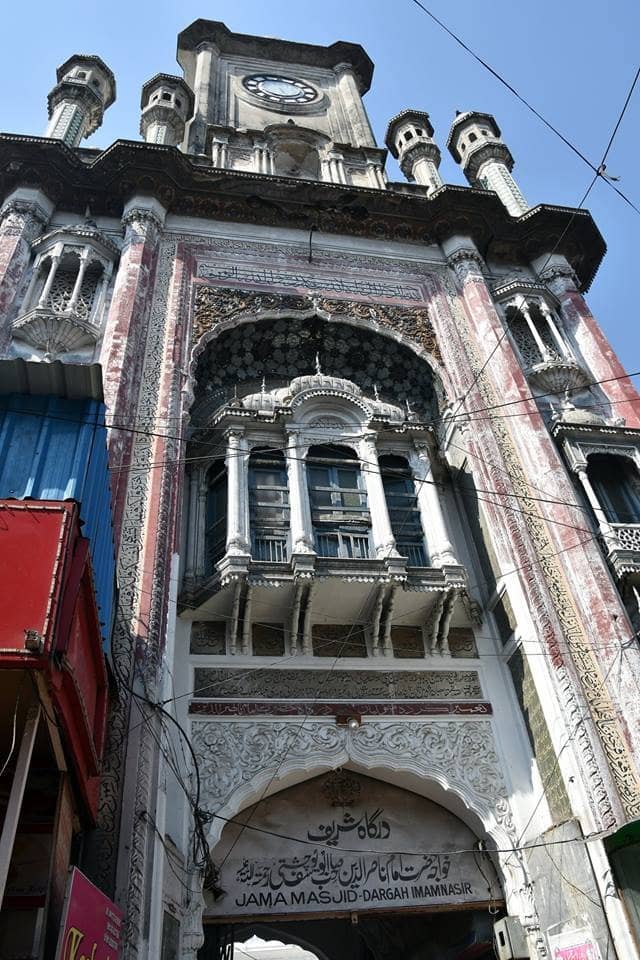
Majestic Entrance Gateway
Main Entrance
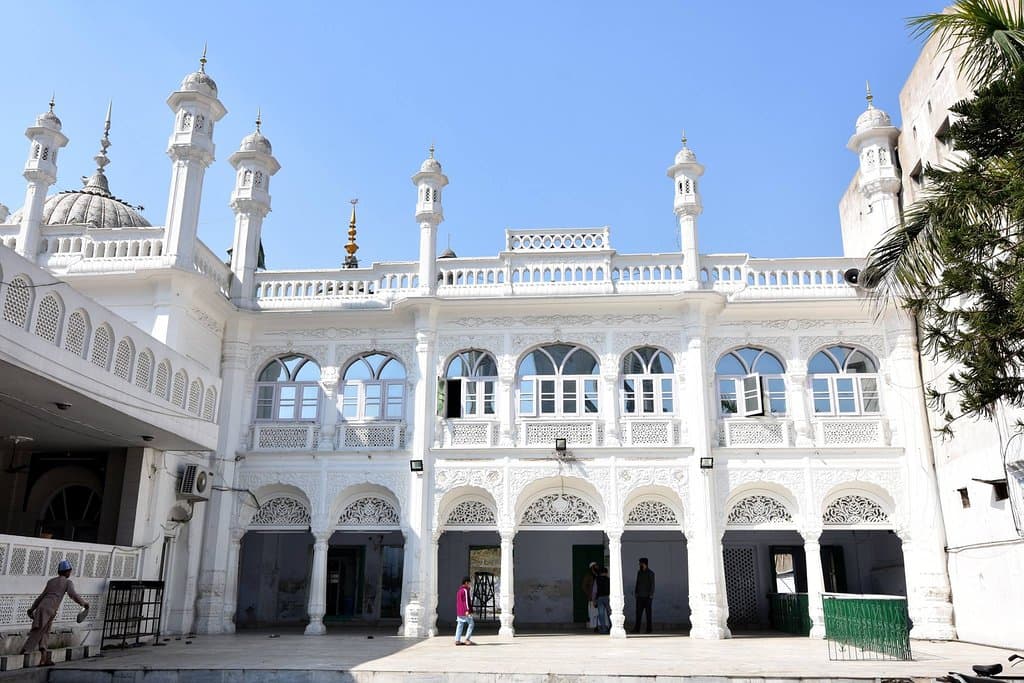
A grand, illuminated gateway with intricate geometric and floral patterns, topped by a unique clock tower.
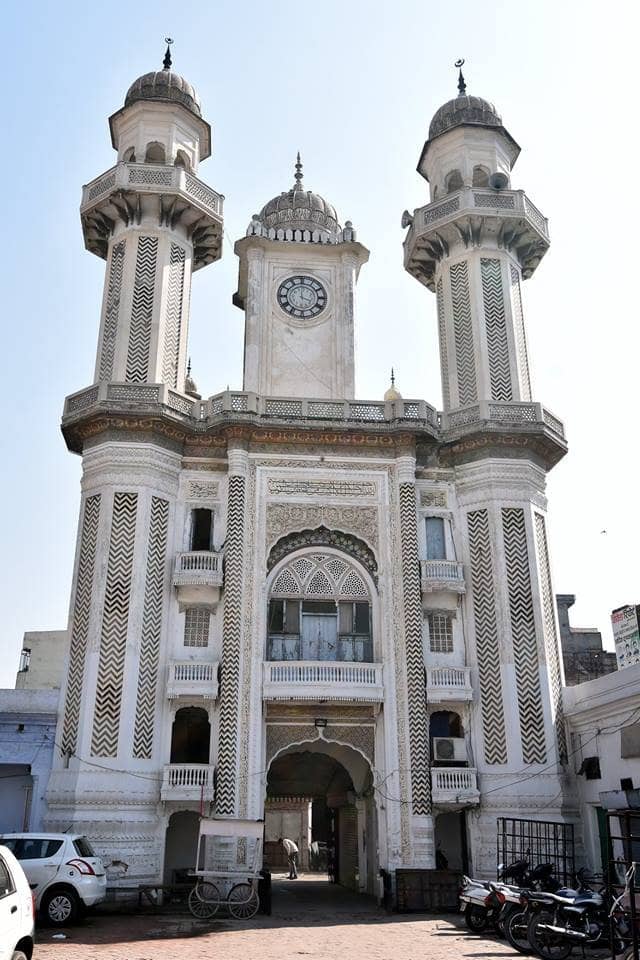
Mughal-Style Architecture
Mosque and Dargah
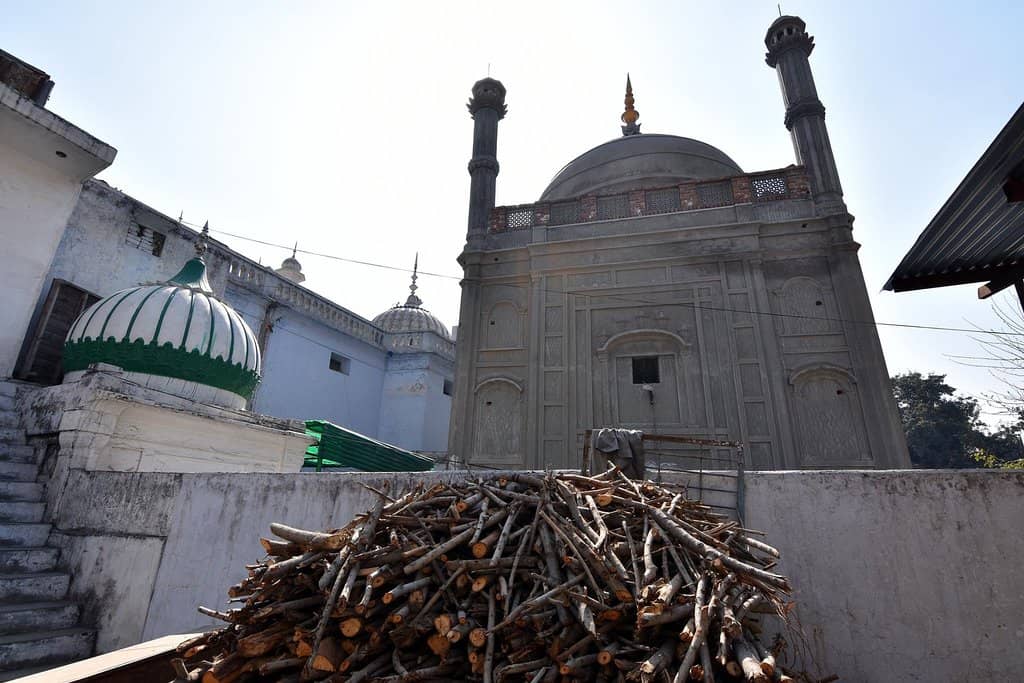
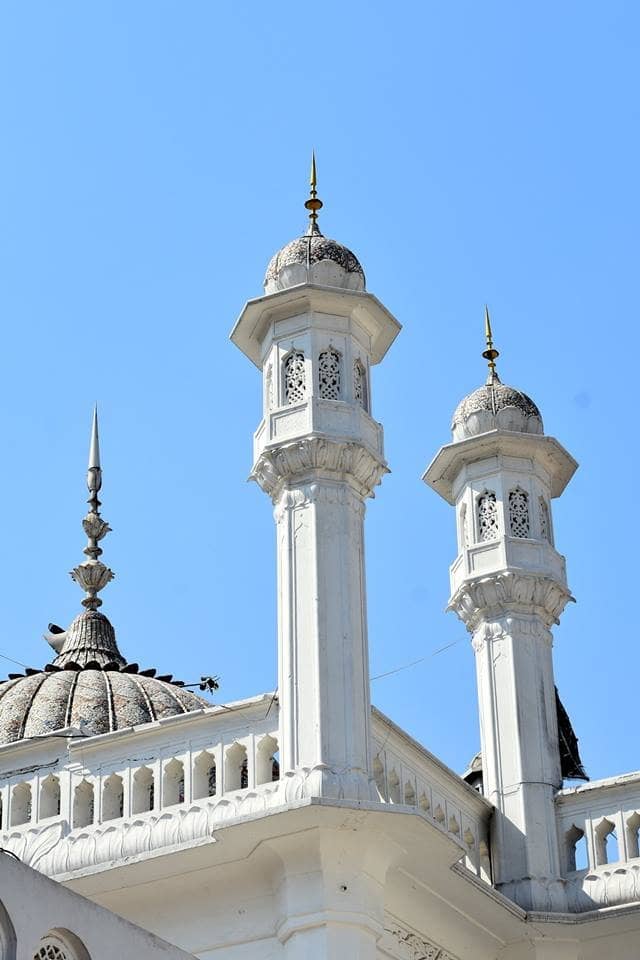
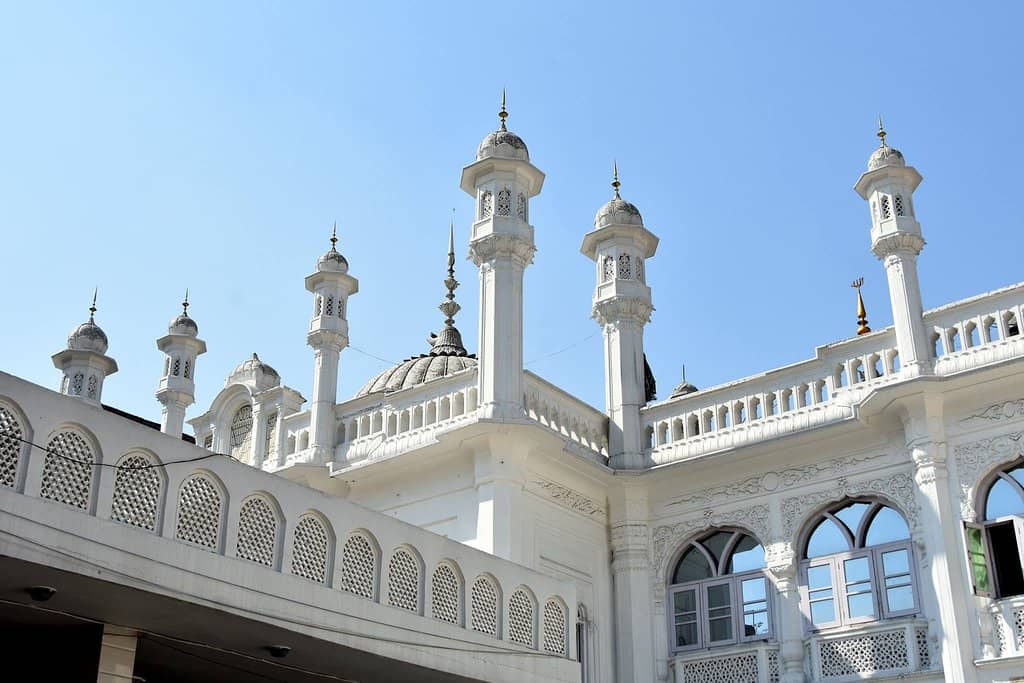
Admire the exquisite Mughal architecture, featuring arched designs, carved pillars, and a double-story mosque.
The Story of the Coffin Thief
Plaque near the tomb
A powerful narrative of redemption and forgiveness, reminding visitors of Imam Nasiruddin's compassion.
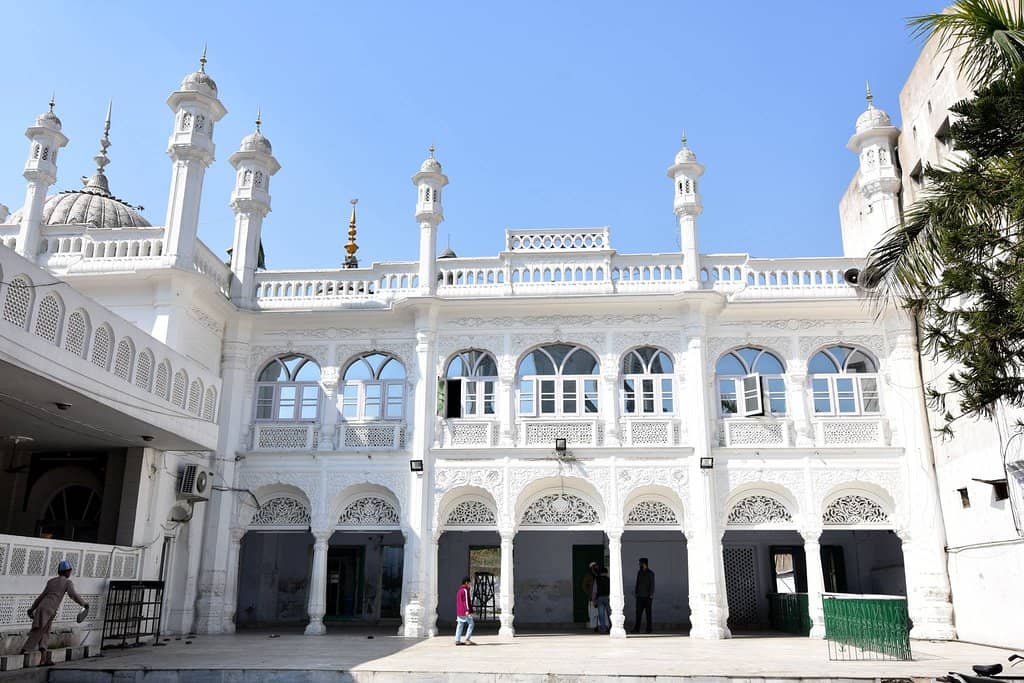
Peaceful Courtyard and Gardens
Dargah Compound
Find tranquility in the serene courtyard and beautifully maintained gardens surrounding the sacred structures.
Plans like a pro.
Thinks like you
Planning Your Visit
Timing Your Visit for Serenity
Understanding Dargah Etiquette
Best Times
Insider Tips
from TikTok, Instagram & Reddit
Dress Modestly :dress:
Cover shoulders and knees. Remove shoes before entering prayer areas. Be respectful of worshippers.
Visit During Off-Peak Hours :clock1:
Weekdays and early mornings offer the most peaceful experience, away from crowds.
Explore the Gardens :seedling:
The serene gardens offer a tranquil escape and beautiful photo opportunities.
Learn the History :scroll:
Read the plaque about the coffin thief for a profound lesson in forgiveness and transformation.
Tips
from all over the internet
Dress Modestly :dress:
Cover shoulders and knees. Remove shoes before entering prayer areas. Be respectful of worshippers.
Visit During Off-Peak Hours :clock1:
Weekdays and early mornings offer the most peaceful experience, away from crowds.
Explore the Gardens :seedling:
The serene gardens offer a tranquil escape and beautiful photo opportunities.
Learn the History :scroll:
Read the plaque about the coffin thief for a profound lesson in forgiveness and transformation.
Support Children's Education :money_with_wings:
Consider donating to the teaching section for local children's education.
What Travellers Say
Reviews Summary
Visitors consistently praise the Imam Nasir Masjid and Dargah for its serene atmosphere and beautiful Mughal-inspired architecture, particularly the grand entrance gateway. The profound stories of spiritual significance, like that of the coffin thief, leave a lasting impression. While generally peaceful, some find the crowds can increase during peak prayer times or special events.
"The Shrine of Imam-e-Nasiruddin: A Journey of Faith and Redemption
The Dargah of Hazrat Imam-e-Nasiruddin Abu Yousuf Chishti (RA) in Jalandhar, Punjab, is a revered Sufi shrine and a testament to the powerful teachings of its saint. Born in Nishapur, Iran, in 866 CE, Imam Nasiruddin was a Sufi master known for his miraculous deeds. The shrine's architecture is a fascinating mix of styles, with a grand, illuminated entrance gateway flanked by tall minarets.
The prominent entrance, with its detailed geometric and floral patterns, stands out. A clock tower is centrally located above the archway, adding a unique feature to the facade. The building's white and beige color scheme is highlighted by green lights at night, giving it a serene, ethereal glow. The complex includes a mosque and a 'Sarai' (rest house), catering to pilgrims and visitors who come to seek blessings.
The shrine compound's interior reveals a serene atmosphere, with a courtyard leading to the main prayer hall and the saint's tomb. The mosque area is functional and peaceful, providing a space for daily prayers. The walls and pillars, with their arched designs and intricate carved details, reflect the rich craftsmanship of the region. The presence of the Sarai signifies the importance of hospitality and community, core tenets of Sufi tradition.
The story of the coffin thief, as narrated on a plaque at the site, serves as a powerful reminder of Imam Nasiruddin's spiritual power and compassion. The thief, who came to steal from the grave, was so moved by the saint's presence that he reformed his ways and became his dedicated disciple. The Imam's wish that the thief be buried next to him for humanity to remember the path of redemption is a profound lesson in forgiveness and transformation.
The Dargah is a center of spiritual activity, with the annual Urs ceremony celebrating Imam Nasiruddin's death anniversary on the 14th and 15th of the Arabic month of Rajab. Pilgrims from all walks of life gather to pay homage, reflecting the saint's enduring legacy. The shrine's blend of architectural beauty and spiritual significance makes it a treasured landmark in Punjab."
Rizwan Uddin
"The dargah has a good architecture that has to be appreciated and also the architect of this dargah should get a Compliment. firstly i would describe what dargah is actually so the basic you should know is dargah is a place where we worship our prayers to the almighty "Allah" but it's totally different from Mosques as here we have the great knowledgeable followers of Islam burried in the centre and in mosque there is no such thing only a prayer hall which consists of the imam and the worshipping books like " Al' Quran " and other small books with different dua's and ayat. So this dargah was so peaceful and was so mind relaxing that while simply passing from the gate i was pulled inside it by the positivity and the architecture then i went inside. I worshiped my prayers to the almighty and thanked him for making me the person i am today. and i would suggest this place for all the muslims visiting Jalandhar market for purchase. Also this dargah has a teaching section it seems so because when i visited there were small children playing around and when i asked one he replied "we do study here ", so if you visit this place do meet imam and donate for the education of this children."
Mohammad Nadeem pathan
"This is very good place for muslim worship"
Resham Singh Gonachak Nagra
What People Like
What People Dislike
Frequently Asked Questions
🚇 🗺️ Getting There
The Imam Nasir Masjid and Dargah is located on the Grand Trunk Road in Jalandhar, Punjab. It's easily accessible by local auto-rickshaws and taxis from anywhere in the city. If you're arriving by train, the Jalandhar City railway station is the closest major station, from where you can hire a taxi.
Yes, there is usually parking available for vehicles near the Dargah complex. However, during peak times or special events like the Urs ceremony, parking might be limited, so arriving early is advisable.
Local buses that ply on the Grand Trunk Road route will stop near the Dargah. Auto-rickshaws are also a convenient and affordable option for reaching the site from various parts of Jalandhar.
Jalandhar is well-connected by rail and road. You can take a train to Jalandhar City railway station or drive via national highways. The nearest airport is in Amritsar, about 80 km away, from where you can hire a taxi or take a bus.
The main entrance and prayer halls are generally accessible. However, some areas might have steps. It's recommended to check with local authorities or guides upon arrival for specific accessibility information.
🎫 🎫 Tickets & Entry
No, there is no entry fee to visit the Imam Nasir Masjid and Dargah. It is a place of worship and is open to all visitors free of charge. Donations are welcome to support the upkeep and educational activities.
The Dargah is generally open from early morning until late evening. Specific timings can vary slightly, but it's accessible for most of the day, allowing visitors to plan their visit accordingly.
Tickets are not required as there is no entry fee. You can visit anytime during the open hours. Booking is only relevant if you plan to attend specific events like the Urs ceremony, which might have arrangements for larger gatherings.
The Dargah is typically open every day of the year. It remains open for visitors and worshippers throughout the week, including weekends and public holidays.
Photography is generally permitted in the outer areas and gardens. However, it's advisable to be discreet and avoid taking photos inside the main prayer halls or near the tombs out of respect for worshippers.
🎫 🧭 Onsite Experience
It's a revered Sufi shrine dedicated to Imam Nasiruddin Abu Yousuf Chishti, known for his spiritual teachings and miraculous deeds. The Dargah is a place of pilgrimage and a testament to Sufi traditions, attracting devotees seeking blessings and spiritual solace.
The architecture is a beautiful blend, with prominent Mughal influences seen in the mosque and Dargah structures. You'll notice arched designs, intricate carvings, and a grand entrance gateway with a unique clock tower.
Yes, there is a Jama Masjid within the complex, which is a nearly 400-year-old structure. It serves as a functional prayer hall for devotees and complements the Dargah.
A notable story at the Dargah tells of a thief who intended to steal from the grave but was so moved by the saint's presence that he reformed. Imam Nasiruddin's wish was for the thief to be buried next to him, symbolizing redemption and forgiveness.
The complex includes a 'Sarai' (rest house) which caters to pilgrims and visitors. This reflects the Sufi tradition of hospitality and community support.
🍽️ 🍽️ Food & Dining
While there might not be specific restaurants within the Dargah complex itself, Jalandhar city offers numerous dining options. You can find local eateries and restaurants serving Punjabi cuisine in the nearby Jalandhar market area.
Yes, Punjabi cuisine is rich in vegetarian dishes. You'll easily find options like dal makhani, paneer preparations, and various vegetable curries at restaurants in the vicinity.
It's generally advisable to eat outside the immediate prayer and tomb areas to maintain the sanctity of the place. The Sarai might offer basic facilities, but it's best to confirm on-site.
When in Jalandhar, try authentic Punjabi dishes like Lassi, Chole Bhature, Sarson ka Saag with Makki di Roti, and various parathas. Street food is also popular.
During the annual Urs ceremony, Langar (community kitchen) might be organized, offering free meals to devotees. This is a common practice in Sufi shrines, emphasizing community and sharing.
📸 📸 Photography
The grand entrance gateway with its clock tower, the intricate Mughal architecture of the mosque, and the serene gardens are excellent for photography. The illuminated facade at night also offers unique shots.
It's best to avoid photography inside the main prayer halls and directly at the tombs out of respect for worshippers and the sacred nature of these areas. Always be discreet and mindful of others.
Early mornings offer soft light and fewer crowds, ideal for capturing the architectural details. Late afternoons provide a warm, golden hour glow. The Dargah is also beautifully lit at night.
Drone photography is generally not permitted at religious sites without prior official permission due to privacy and security concerns. It's best to assume it's not allowed.
Focus on capturing the architectural grandeur, the spiritual atmosphere, and the details of the carvings. The story of the coffin thief can also be a compelling narrative element to convey through your photos.
For Different Travelers
Tailored advice for your travel style
👨👩👧 Families with Kids
While the main prayer areas require quiet reverence, the outer courtyards and the Sarai offer space for families to rest. Consider visiting during less crowded times, like weekday mornings, to ensure a more relaxed experience for everyone. The presence of a teaching section also offers an opportunity to discuss the importance of education with children.
Pilgrims and Spiritual Seekers
Visitors are encouraged to dress modestly and observe the customs of the shrine. The Sarai provides basic accommodation for those wishing to stay longer and immerse themselves in the spiritual environment. The profound stories of compassion and redemption associated with Imam Nasiruddin can offer deep spiritual insights.
Deep Dives
In-depth insights and expert knowledge
Architectural Marvels
The use of white and beige colors, enhanced by green lights at night, creates a serene and ethereal ambiance. The craftsmanship evident in the carved details of the walls and pillars speaks volumes about the artisans of the region. This architectural grandeur is not just for aesthetic appeal; it contributes to the overall spiritual and contemplative atmosphere of the site, making it a visually captivating destination.
Beyond the mosque, the Dargah complex includes a 'Sarai' (rest house), emphasizing the Sufi tradition of hospitality. The overall design harmoniously integrates religious function with artistic expression, making it a significant landmark for both its spiritual importance and its architectural merit.
Spiritual Significance and Stories
A particularly compelling narrative associated with the Dargah is the story of the coffin thief. According to local lore, a thief who attempted to steal from the saint's grave was so profoundly affected by Imam Nasiruddin's spiritual presence that he renounced his ways and became a devoted disciple. The Imam's wish for the thief to be buried beside him serves as a powerful testament to his compassion and the transformative power of faith, offering a profound lesson in forgiveness and redemption.
The Dargah also holds historical significance as a place where Saint Farid Ji is believed to have stayed for 40 days, further enhancing its sanctity. The presence of a teaching section, where children reportedly study, highlights the ongoing role of the Dargah as a center for community and education, embodying the holistic approach of Sufi traditions.


Social
from TikTok, Instagram & Reddit