
Ambari Archaeological Site
Discover ancient history in Guwahati's heart. Ambari Archaeological Site offers a glimpse into 1st Century BC culture with its ruins and museum.
Highlights
Must-see attractions
Social
From TikTok & Reddit
Best Time
Fewer crowds, better exploration
Ambari Archaeological Site
Best Time
Fewer crowds, better exploration
Highlights
Must-see attractions
Discover ancient history in Guwahati's heart. Ambari Archaeological Site offers a glimpse into 1st Century BC culture with its ruins and museum.
"A remarkable place of historical significance found right in the midst of the city."
Ask Locals for Directions
Don't hesitate to ask locals if you have trouble finding the site; they are often very helpful. :pray:
Explore the Museum
The small museum offers insights into excavation work and the site's history. :books:
Highlights
Discover the most iconic attractions and experiences
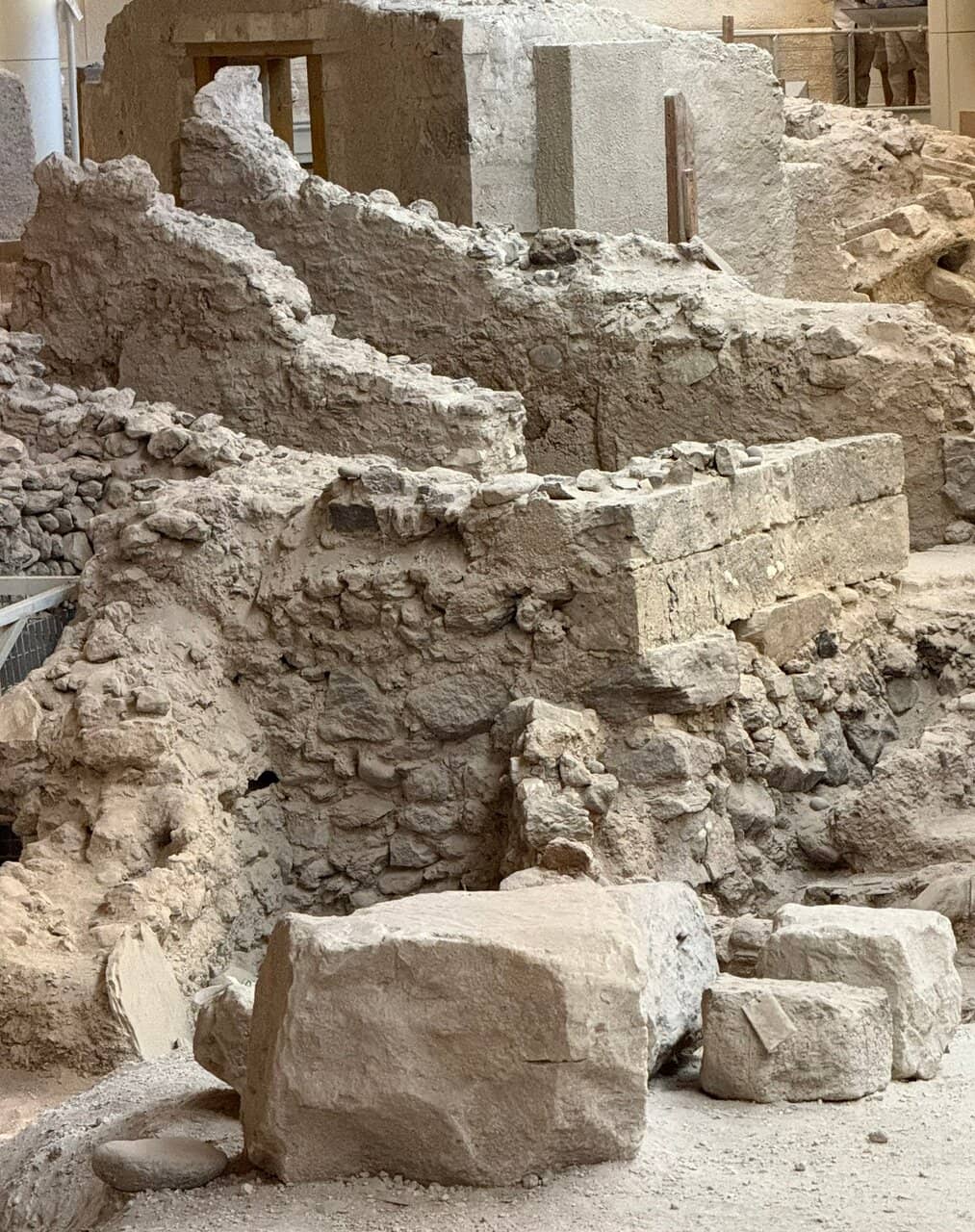
Ancient Brick Walls
Main excavation site
Witness remnants of ancient brick walls, offering a tangible connection to past civilizations.
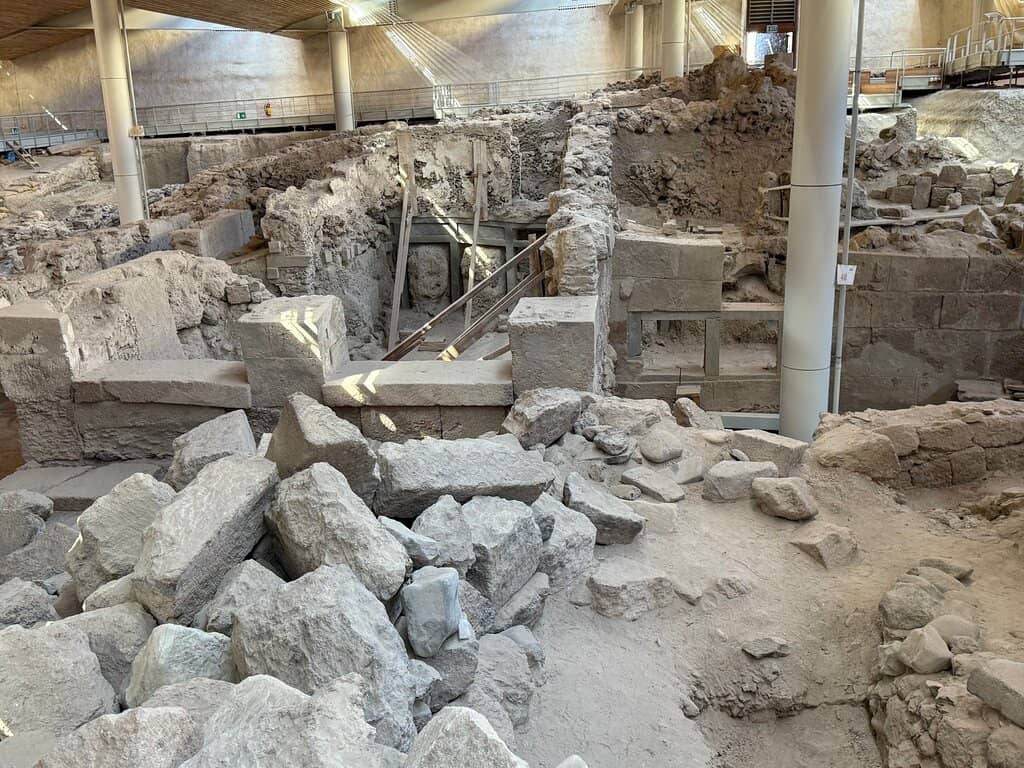
On-site Museum
Adjacent to excavation site
Explore excavated memoirs and learn about the region's history through artifacts and records.
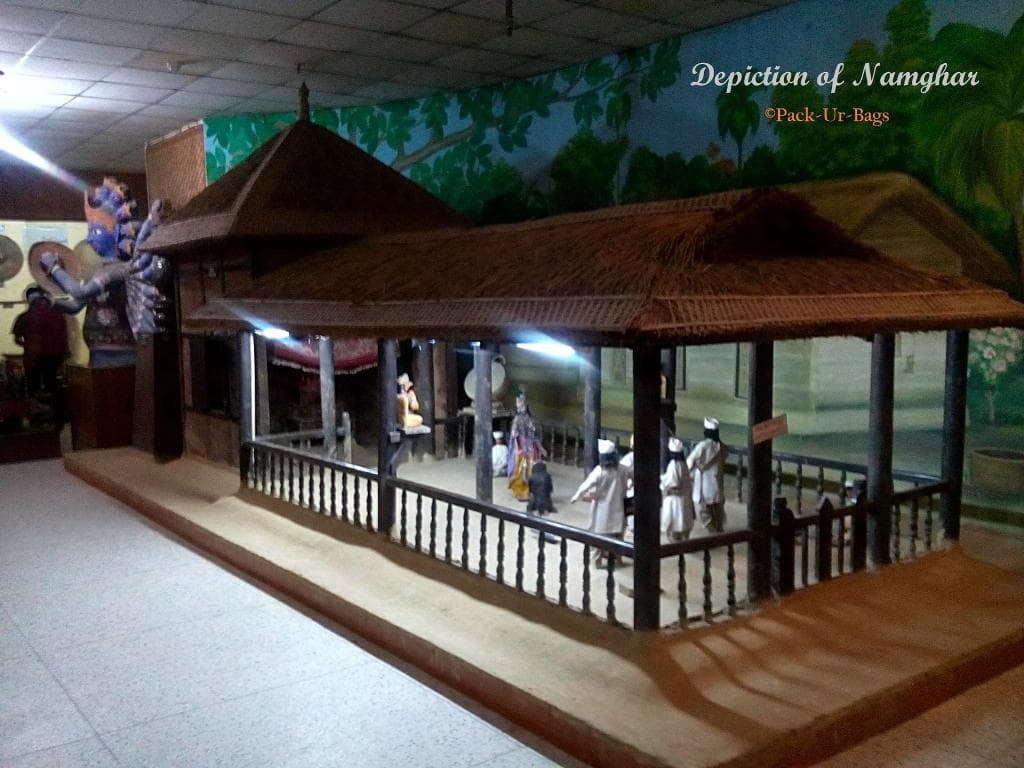
Clay and Stone Statues
Museum displays
Discover unique statues made of clay and stone, showcasing ancient artistry and craftsmanship.
Plans like a pro.
Thinks like you
Planning Your Visit
Finding Your Way
Site Maintenance & Museum
Best Times
Insider Tips
from TikTok, Instagram & Reddit
Ask Locals for Directions
Don't hesitate to ask locals if you have trouble finding the site; they are often very helpful. :pray:
Explore the Museum
The small museum offers insights into excavation work and the site's history. :books:
Appreciate the History
This site is a significant historical landmark in Guwahati. :ancient_roman:
Consider Maintenance
While historically important, the site's maintenance could be improved for better tourism. :construction:
Tips
from all over the internet
Ask Locals for Directions
Don't hesitate to ask locals if you have trouble finding the site; they are often very helpful. :pray:
Explore the Museum
The small museum offers insights into excavation work and the site's history. :books:
Appreciate the History
This site is a significant historical landmark in Guwahati. :ancient_roman:
Consider Maintenance
While historically important, the site's maintenance could be improved for better tourism. :construction:
What Travellers Say
Reviews Summary
Visitors find Ambari Archaeological Site to be a historically significant location in the heart of Guwahati, offering a glimpse into ancient civilizations through its brick walls and museum artifacts. While its central location is convenient, some note that the site's maintenance could be improved to enhance its appeal as a tourist destination.
"After having lunch at a nearby place, I decided to go to this place. Initially I wasn't able to find the way here. Then I asked some people and they were very helpful to me. The place wasn't big and quite remarkable as something of such historical significance found here in the midst of the city. There was also a small museum in which there are records of the excavation work held in this place and how it looked in the beginning and after.
Therefore it was a good experience for me to be here.
~11th May, 2023"
Saptarshi Bardhan
"Ambari archeological site is located,in heart of Guwahati city.The site was discovered early in the year 1960.
There is also a museum here and there is a statue made of clay.Apart from this, there is a stone statue here."
Travel with you
"Ambari Archeological site maintained by archeology department of govt of Assam.Ancient remaining of brick walls are there. Besides that samll musuem is also there. Not well maintained like the other Archeological sites. If well maintained there is huge chance of turism."
Bikash Bhuyan
What People Like
What People Dislike
Frequently Asked Questions
🚇 🗺️ Getting There
Ambari Archaeological Site is located in the heart of Guwahati city. While it's centrally located, some visitors find it a bit tricky to locate initially. Asking locals for directions is highly recommended and they are usually very helpful. :pray:
As it's in the city center, it should be accessible by local buses or auto-rickshaws that ply within Guwahati. Confirm the exact route with your driver. :bus: :taxi:
The site itself is not very large, so walking is the best way to explore the excavated areas and the museum. Wear comfortable shoes. :athletic_shoe:
🎫 🎫 Tickets & Entry
Information regarding ticket prices is not widely available, but as it's a government-maintained site, there might be a nominal entry fee or it could be free. It's best to check on arrival. :ticket:
Specific opening hours are not consistently published online. It's advisable to visit during daylight hours, typically from morning to late afternoon, and confirm on-site if possible. :clock1:
Similar to the site, the museum might have a small fee or be included with site entry. It's recommended to inquire upon arrival. :moneybag:
🎫 🧭 Onsite Experience
You can see ancient remaining brick walls from past civilizations and a small museum that houses excavated artifacts, including clay and stone statues, and records of excavation work. :ancient_roman: :museum:
Reviews suggest that while the site is historically significant, its maintenance could be improved to better attract tourists. :construction:
Given its size and the museum, a visit can typically take about 1 to 2 hours to explore thoroughly. :stopwatch:
Yes, you can take photos of the ruins and artifacts. However, check for any specific restrictions inside the museum. :camerawithflash:
🍽️ 🍽️ Food & Dining
There are no specific dining facilities mentioned within the site itself. However, being in the heart of Guwahati, numerous food options are available nearby. :forkandknife:
You can find a variety of local Assamese cuisine and other Indian dishes in the restaurants and eateries surrounding the site. :curry:
📸 📸 Photography
The ancient brick walls and the unique clay and stone statues in the museum offer great photographic opportunities. Capture the textures and historical feel of the ruins. :camerawithflash:
Generally, photography is allowed at the site. However, it's always a good idea to check for any specific rules or restrictions within the museum area. :iphone:
For Different Travelers
Tailored advice for your travel style
👨👩👧 Families with Kids
Keep in mind that the site is not extensive, making it manageable for younger children. It's a good idea to prepare them beforehand by explaining what they will see. Since there are no dining facilities on-site, pack snacks and drinks. Asking locals for directions is also a good strategy if you're navigating with children. :child:
🏛️ History Buffs & Archaeology Enthusiasts
Pay close attention to the details in the museum, especially the clay and stone statues, which can reveal much about the artistic and cultural practices of the time. While some reviews mention that the site could be better maintained, its historical significance remains undeniable. It's a place to contemplate the layers of history beneath the modern city. :ancient_roman:
Deep Dives
In-depth insights and expert knowledge
Historical Significance of Ambari
The site is maintained by the Archaeology Department of the Government of Assam. While it holds immense historical value, some visitors note that its upkeep could be enhanced to better serve as a tourist attraction. The small museum on-site displays records of excavation work, detailing how the site looked in its early stages and after discovery. This includes unique items like a statue made of clay and a stone statue, offering insights into the artistic and cultural practices of the time.
For history enthusiasts, Ambari offers a unique opportunity to connect with the ancient past of Guwahati. It's a reminder of the deep historical roots present even within a bustling modern city. The significance of Ambari lies in its ability to bridge the gap between ancient history and contemporary urban life, making it a compelling stop for those interested in the archaeological heritage of Northeast India.
Exploring the Ambari Museum
Key exhibits include a notable clay statue and a stone statue, which showcase the artistic skills and cultural expressions of the people who lived here centuries ago. These artifacts are crucial for understanding the material culture and aesthetic sensibilities of the period. The museum also displays other excavated memoirs, providing a broader context for the historical significance of Ambari.
While the museum is a valuable resource, some reviews suggest that its presentation and maintenance could be improved to enhance the visitor experience. Nevertheless, it remains an essential part of the Ambari visit, offering a more focused and informative perspective on the archaeological findings. It’s a place where you can gain a deeper appreciation for the historical depth of Guwahati. :books:
Social
from TikTok, Instagram & Reddit