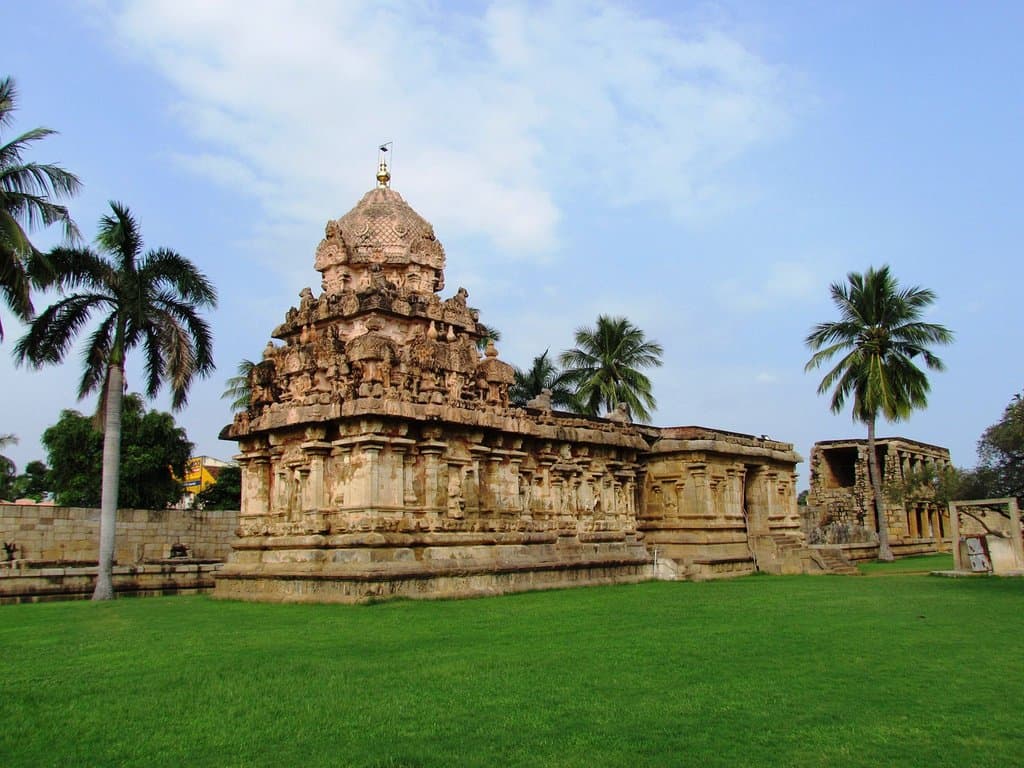
Gangaikonda Cholapuram Temple
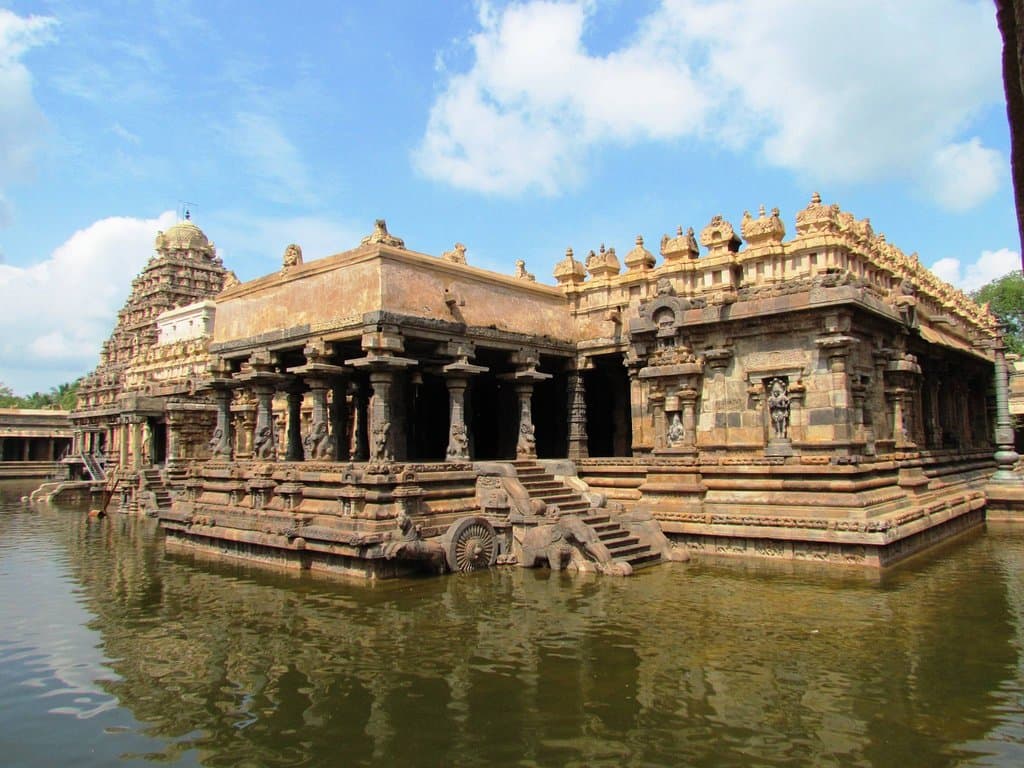
An 11th-century UNESCO World Heritage temple, showcasing the zenith of Chola architecture with intricate sculptures and a towering Vimana.
Highlights
Must-see attractions

Social
From TikTok & Reddit
Best Time
Fewer crowds, cooler temperatures
Gangaikonda Cholapuram Temple
Best Time
Fewer crowds, cooler temperatures
Highlights
Must-see attractions
An 11th-century UNESCO World Heritage temple, showcasing the zenith of Chola architecture with intricate sculptures and a towering Vimana.
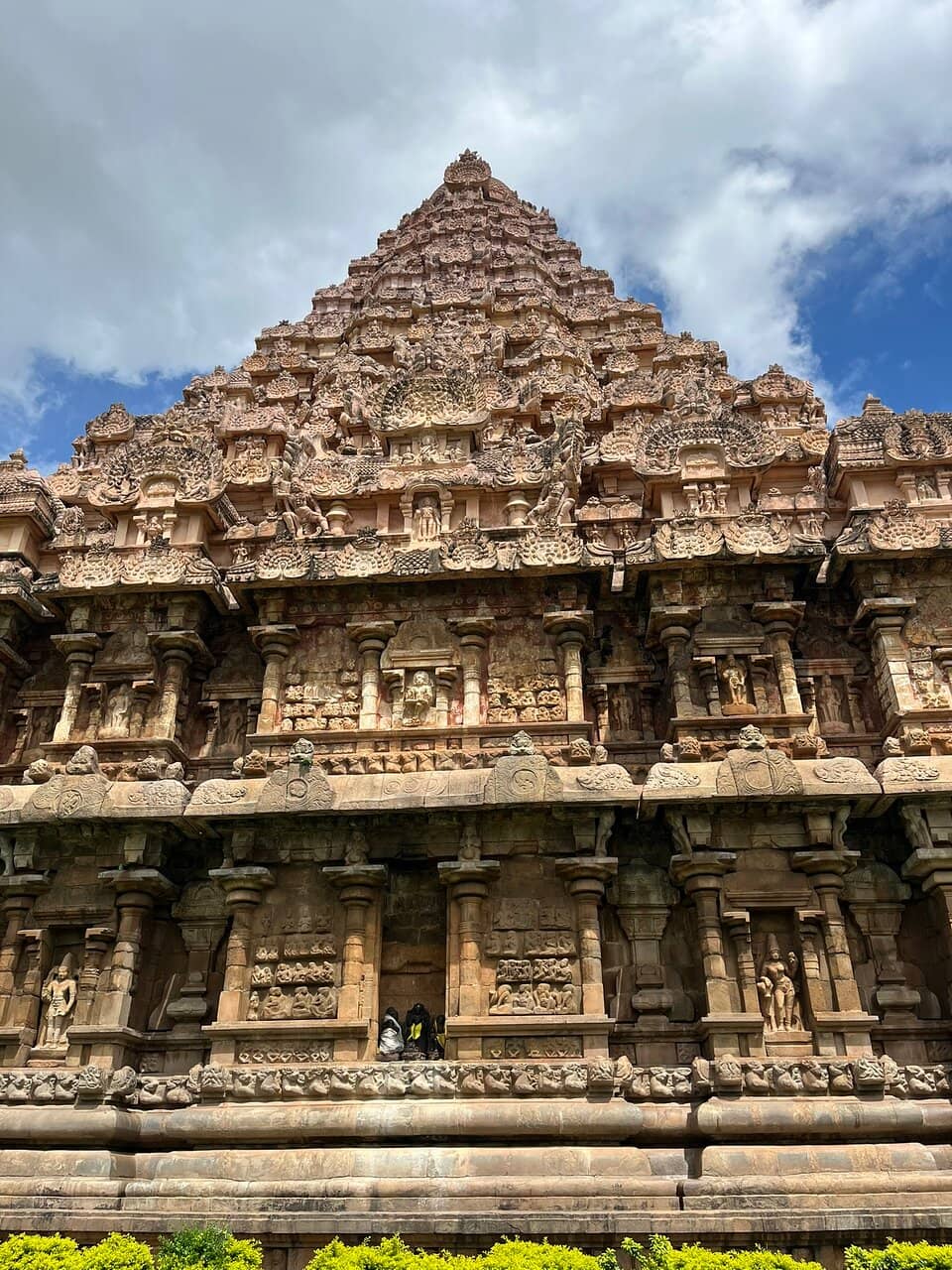
"A breathtaking example of Chola architecture, visible from kilometers away, with every stone telling a story."
Wear Comfortable Shoes
You'll be doing a lot of walking on temple grounds. :athletic_shoe:
Respect Temple Etiquette
Dress modestly and be mindful of ongoing worship. :pray:
Highlights
Discover the most iconic attractions and experiences
The Grand Vimana
Main Temple Tower
A towering 55-meter structure, this curvilinear tower is a masterpiece of Chola engineering and artistry.
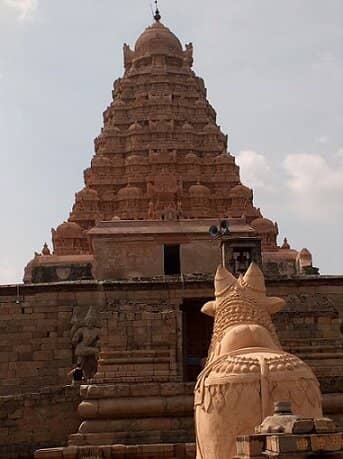
Intricate Sculptures
Temple Walls and Sub-shrines
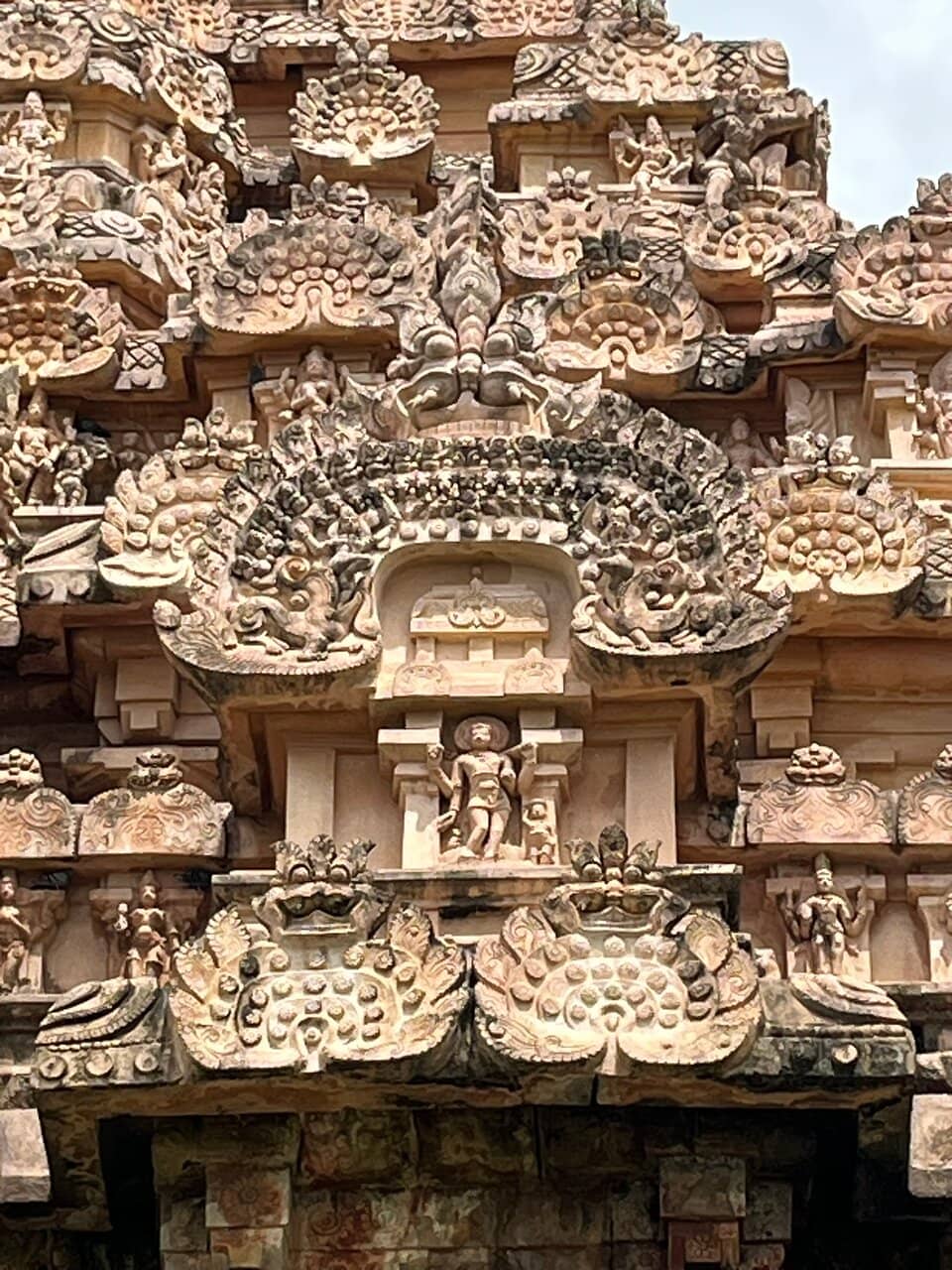
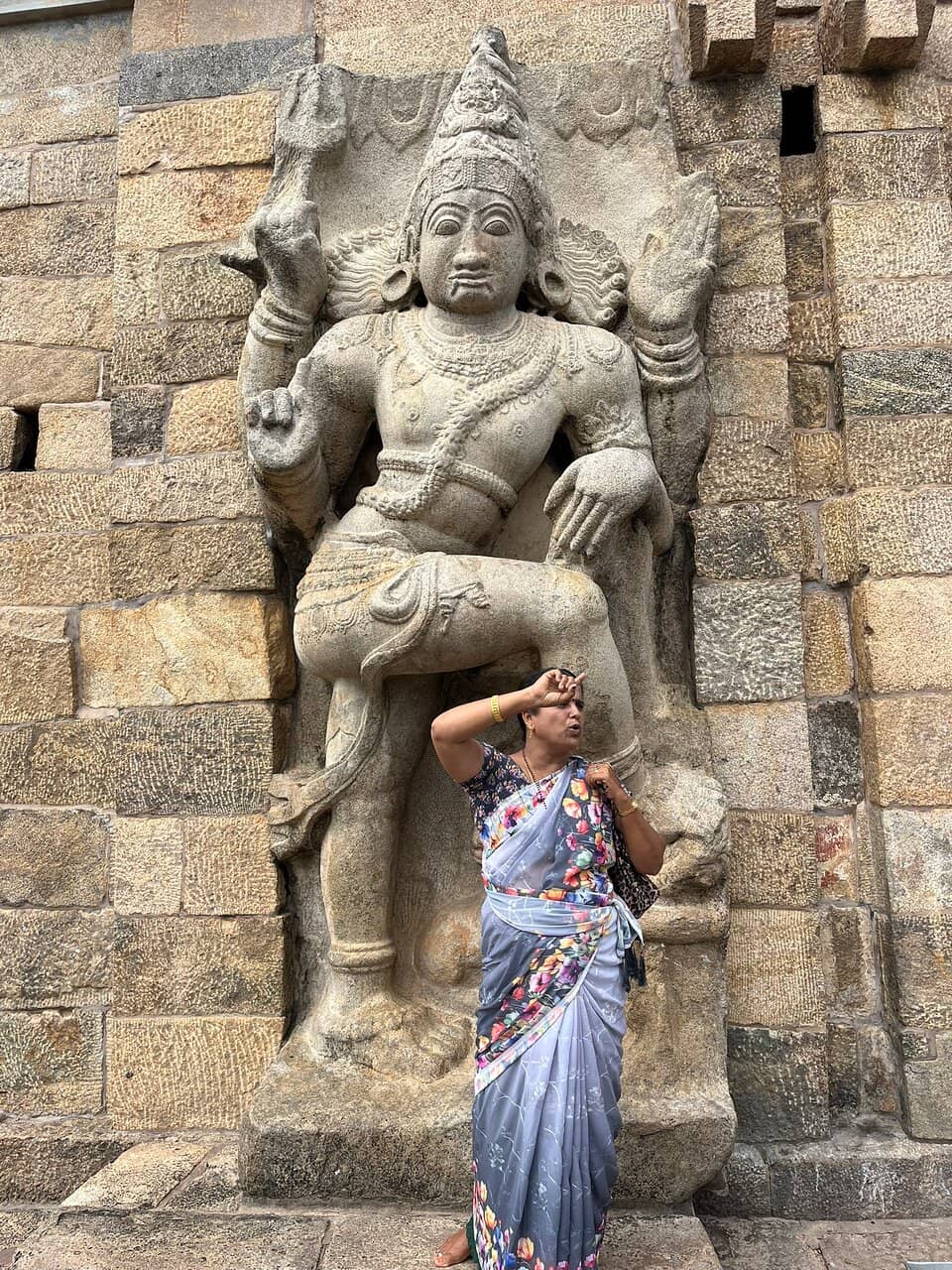
Marvel at detailed carvings of deities, animals, and mythical beings, showcasing exceptional Chola craftsmanship.
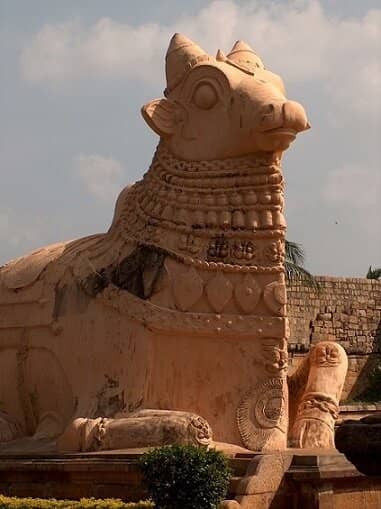
The Monolithic Nandi
Temple Courtyard
A massive Nandi bull sculpture, carved from a single stone, is a significant artistic and engineering feat.
Plans like a pro.
Thinks like you
Planning Your Visit
Timing is Key for a Peaceful Visit
Understand the Chola Legacy
Best Times
Insider Tips
from TikTok, Instagram & Reddit
Wear Comfortable Shoes
You'll be doing a lot of walking on temple grounds. :athletic_shoe:
Respect Temple Etiquette
Dress modestly and be mindful of ongoing worship. :pray:
Capture the Grandeur
The scale and details are incredible. Allow ample time for photography. :camerawithflash:
Learn the History
Understanding the Chola dynasty adds depth to your visit. :books:
Tips
from all over the internet
Wear Comfortable Shoes
You'll be doing a lot of walking on temple grounds. :athletic_shoe:
Respect Temple Etiquette
Dress modestly and be mindful of ongoing worship. :pray:
Capture the Grandeur
The scale and details are incredible. Allow ample time for photography. :camerawithflash:
Learn the History
Understanding the Chola dynasty adds depth to your visit. :books:
What Travellers Say
Reviews Summary
Visitors consistently praise the Gangaikonda Cholapuram Temple as a monumental marvel of Chola architecture, highlighting its intricate sculptures and grand scale. Many appreciate its historical significance as a UNESCO World Heritage site and a testament to the Chola dynasty's legacy. While some note the limited dining options nearby, the overall experience is overwhelmingly positive for those interested in history, art, and ancient Indian craftsmanship.
"Temple is excellent and contains history. It is a very good place a perfect tourist place lots of people come here and a fresh environment.
Opening time of Temple is opening time is in morning 6.00 Am to 12.00 Pm and in afternoon from 4.00 Pm to 10.00 Pm.
Lots of enjoyment and lot's of butterflies ♥️😘😎"
omkar shelar
"A Historical and Monumental Marvel of Chola Architecture
Standing tall and proud, this ancient temple is a breathtaking example of Chola architecture, visible from kilometers away. Built by the illustrious Chola kings, the temple showcases intricate carvings and extraordinary craftsmanship that reflect the grandeur of a bygone era.
Every stone in the temple tells a story — adorned with mesmerizing sculptures of goddesses, majestic animals, sages in deep meditation, and mythical beings. The level of detail is astonishing, making it not just a place of worship, but a living museum of South Indian art and devotion.
This temple is undoubtedly a must-visit, especially for those who appreciate history, art, and architecture. It beautifully complements the iconic Brihadeeswarar Temple (Big Temple) in Thanjavur, forming a powerful duo that showcases the zenith of Chola temple construction and cultural legacy."
ashwin puzhakkal
"GANGAIKONDA CHOLAPURAM BRIHADISVARA TEMPLE:
The Brihadisvara Gangalikonda Cholapuram temple was built by Rajendra I (1012-1044 CE). The Chola capital was shifted from Thanjavur to Gangaikonda Cholapuram after the successful expedition of Rajendra to the Gangetic plain. The temple complex centrally aligned with the Gopura, Nandi, Mahamandapa, Ardhamandapa and Garbhagriha in linear succession from east to west. The Brihadisvara temple at Thanjavur had influenced this temple in many ways, for example, in the vast conception of the layout and massive proportion of the elevation. The temple stands at a height of approximately 54.86 meters. Its vimana has nine receding talas (tiers) topped by a shikara and stupi over a two-tiered sandnara prasada (double-walled structure) standing on a high terrace. The sub-shrines of Chandikesvara, Amman, Thon Kailasa, Vada Kailasa and Simkhakeni are featured in the temple complex. The temple walls are decorated with Siva in different aspects of anugraha (favour) such as Vishnuanugrahamurti, Ravananugrahamurti, Markandeyanugrahamurti and Chandesanugrahamurti. The temple is sculptured with the masterpieces of Chola art such as the images of Lakshmi, Sarasvati, Dancing Ganesha and Chandesanugrhamurti.
A few years back, the undivided Thanjavur district had three UNESCO World Heritage Sites of Tamil Nadu, namely, Brihadeeswara, Airabateswara and Gangaikonda Cholapuram. Presently, the district Arialyur has been formedthat nestles Gangaikonda Cholapuram.
Info: Courtesy ASI."
S. K. Mukhopadhyay
What People Like
What People Dislike
Frequently Asked Questions
🚇 🗺️ Getting There
The nearest airport is Tiruchirapalli International Airport (TRZ), about 120 km away. From there, you can hire a taxi or take a bus to Ariyalur, then a local bus or auto-rickshaw to the temple. By train, the closest station is Ariyalur Railway Station, on the Chennai-Trichy route. Buses are also available from major towns in Tamil Nadu to Ariyalur or directly to Gangaikonda Cholapuram.
Yes, once you reach Ariyalur, local buses and auto-rickshaws are readily available to take you to the Gangaikonda Cholapuram Temple. The journey is relatively short.
Yes, driving is a convenient option. The temple is accessible by road, and there is ample parking space available, though it might get crowded during peak seasons.
Many visitors combine a trip to Gangaikonda Cholapuram with the Brihadeeswarar Temple in Thanjavur. You can hire a taxi for a day trip or take a bus. The distance is manageable for a day excursion.
While specific guided tours might be limited, many local tour operators in Trichy or Thanjavur offer day trips that include Gangaikonda Cholapuram Temple. It's worth checking with local travel agencies.
🎫 🎫 Tickets & Entry
As of recent information, there is typically no entry fee for Indian nationals to enter the main temple complex, as it remains an active place of worship. However, there might be nominal charges for specific areas or photography. It's always best to check on-site for the most current details.
The temple is generally open from 6 AM to 12 noon and then from 4 PM to 8 PM. These timings can sometimes vary, especially during festivals or special occasions, so it's advisable to confirm locally.
No, advance booking of tickets is not usually required for Gangaikonda Cholapuram Temple as it's an active place of worship and not a ticketed monument in the typical sense.
While the main temple complex is vast, accessibility for individuals with mobility challenges might be limited due to the ancient architecture and uneven surfaces. It's recommended to contact the temple authorities for specific information regarding accessibility.
Yes, visiting during festivals can be a unique experience, but expect larger crowds. The temple comes alive with special rituals and celebrations during major Hindu festivals.
🎫 🏛️ Onsite Experience
Don't miss the towering Vimana (main tower), the intricate sculptures adorning the walls, the monolithic Nandi, and the various sub-shrines dedicated to different deities. The sheer scale and artistry are breathtaking. 
To truly appreciate the architecture and sculptures, allocate at least 2-3 hours for your visit. If you're a history or architecture enthusiast, you might want to spend even longer.
Photography is generally allowed in most parts of the temple complex, but it's advisable to check for any specific restrictions, especially inside the sanctum sanctorum. Tripods might be restricted.
The monolithic Nandi is a remarkable sculpture. Legend has it that it's carved from a rare stone that keeps the area cool in summer and warm in winter. It's also sculpted to reflect sunlight towards the sanctum.
Official guides might be available at the temple premises. Hiring a local guide can significantly enhance your understanding of the history, architecture, and mythology associated with the temple.
🍽️ 🍽️ Food & Dining
There are limited dining options directly around the temple. It's advisable to have your meals in nearby towns like Ariyalur or Thanjavur, which offer a wider variety of restaurants and local eateries.
While options are scarce right at the temple, venturing into Ariyalur or nearby villages might offer opportunities to taste authentic local Tamil cuisine. Look for small, local eateries for an authentic experience.
Small vendors might be present selling water and basic snacks, but it's recommended to carry your own water bottle, especially during warmer months.
In Tamil Nadu, try local specialties like dosa, idli, vada, sambar, and various rice-based meals. For a more elaborate experience, look for South Indian thalis.
Ariyalur has a few local restaurants and eateries that serve South Indian food. It's best to ask locals for recommendations upon arrival for the freshest and most popular spots.
📸 📸 Photography
The towering Vimana against a clear sky, the intricate sculptures on the walls, the grand Nandi, and the overall temple complex offer numerous photographic opportunities. Early morning and late afternoon light are ideal.
Drone photography is generally prohibited at historical sites and active religious places due to security and privacy concerns. It's best to assume drones are not allowed.
A versatile lens (like a 24-70mm) is useful for capturing both wide shots of the architecture and details of the sculptures. A wide-angle lens can be great for the grand scale.
Photography inside the inner sanctum or of the main deity is often restricted. Always look for signage or ask temple officials before taking photos of religious icons.
The golden hours, shortly after sunrise and before sunset, provide beautiful lighting that enhances the textures and details of the temple architecture. Midday sun can be harsh.
For Different Travelers
Tailored advice for your travel style
👨👩👧 Families with Kids
For a more engaging experience, consider visiting with a guide who can tell stories about the temple's history and mythology in a way that appeals to children. The open spaces around the temple can also offer some room for them to move around, but always supervise them closely. Planning the visit during cooler parts of the day will also make it more comfortable for the whole family.
🏛️ History & Architecture Enthusiasts
Compare and contrast its design with the Brihadeeswarar Temple in Thanjavur, noting the subtle differences in execution and detail that highlight the evolution of Chola art. Understanding the historical context of Rajendra Chola I and his campaigns will significantly deepen your appreciation for the temple's significance. Allocate ample time to explore the various sub-shrines and absorb the grandeur of this ancient capital.
📸 Photographers
+1Experiment with different angles to convey the immense scale of the temple. The monolithic Nandi is another iconic subject. Be mindful of lighting conditions; midday sun can create harsh shadows, so early mornings or late afternoons are ideal. Remember to respect any restrictions on photography within certain areas of the temple.
Deep Dives
In-depth insights and expert knowledge
The Architectural Marvel of Chola Engineering
The temple complex is laid out in a linear succession from east to west, encompassing the Gopura, Nandi, Mahamandapa, Ardhamandapa, and Garbhagriha. The walls are adorned with a breathtaking array of sculptures depicting Lord Shiva in various benevolent forms, alongside other deities like Vishnu and Durga, as well as celestial beings and animals. The level of detail in these carvings, from the expressions on the faces to the fluidity of the drapery, is astonishing and reflects a deep understanding of both religious iconography and artistic expression.
One of the most striking features is the monolithic Nandi sculpture, carved from a single piece of stone. It's not just its size but its unique properties, said to regulate temperature, that make it noteworthy. The temple's construction also incorporates sub-shrines for deities like Chandikesvara and Amman, adding to the sacredness and complexity of the site. As a UNESCO World Heritage Site, it is recognized as part of the 'Great Living Chola Temples' ensemble, highlighting its enduring cultural significance.
Historical Significance and Royal Patronage
The temple's construction reflects Rajendra Chola's ambition to surpass his father, Raja Raja Chola I, in grandeur, though he deliberately chose not to match the scale of the Thanjavur temple, perhaps out of respect. This decision led to a more refined and intricately detailed architectural style in Gangaikonda Cholapuram. The temple served as the spiritual and administrative heart of the Chola empire for centuries, witnessing significant historical events and cultural developments.
Today, the Gangaikonda Cholapuram Temple remains an active place of worship, a rare feat for a structure over a thousand years old. This continuity of worship adds a living dimension to its historical and architectural importance. Its recognition as a UNESCO World Heritage Site underscores its value as a crucial link to India's rich past and the enduring legacy of the Chola dynasty.

Social
from TikTok, Instagram & Reddit