
Agasthyamalai Biosphere Reserve
A sacred peak in the Western Ghats, offering a challenging trek and profound spiritual energy amidst stunning biodiversity.
Highlights
Must-see attractions

Social
From TikTok & Reddit
Best Time
Trek season, permits available
Agasthyamalai Biosphere Reserve
Best Time
Trek season, permits available
Highlights
Must-see attractions
A sacred peak in the Western Ghats, offering a challenging trek and profound spiritual energy amidst stunning biodiversity.
"The energy at the top is so peaceful and powerful — you feel spiritually recharged."
🎟️ Secure Your Permit Early
Permits are released in early January and are essential for the trek. Book ASAP!
👟 Trekking Shoes are a Must
Sturdy footwear is crucial for the varied and challenging terrain. Don't compromise!

Highlights
Discover the most iconic attractions and experiences
Agasthyakoodam Peak
Summit of the reserve
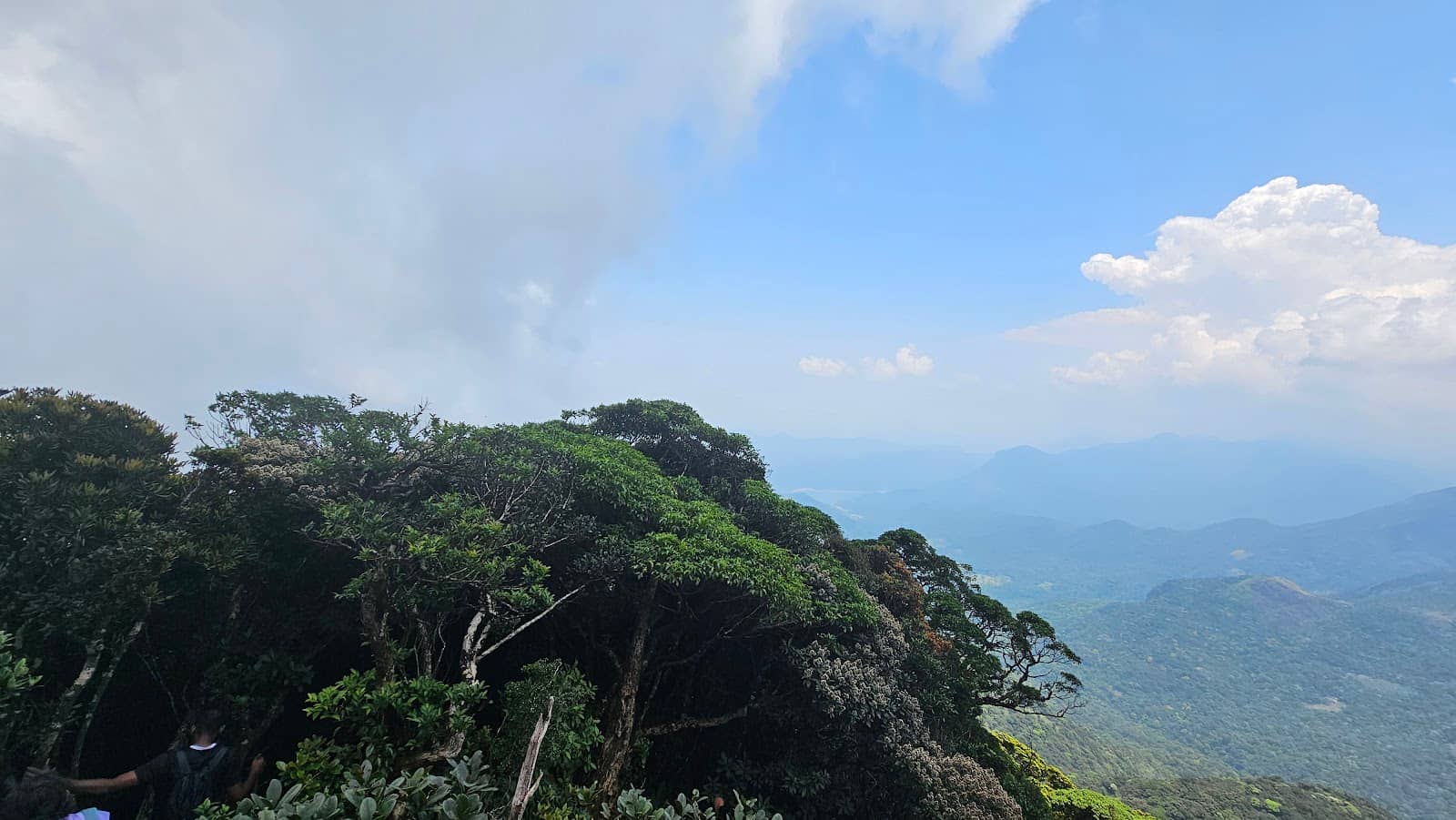
Reach the sacred abode of Sage Agastya for a spiritually recharging experience amidst breathtaking views.
Diverse Flora and Fauna
Throughout the reserve
Spot rare herbs, vibrant birdlife, and if you're lucky, elusive deer and langurs in their natural habitat.
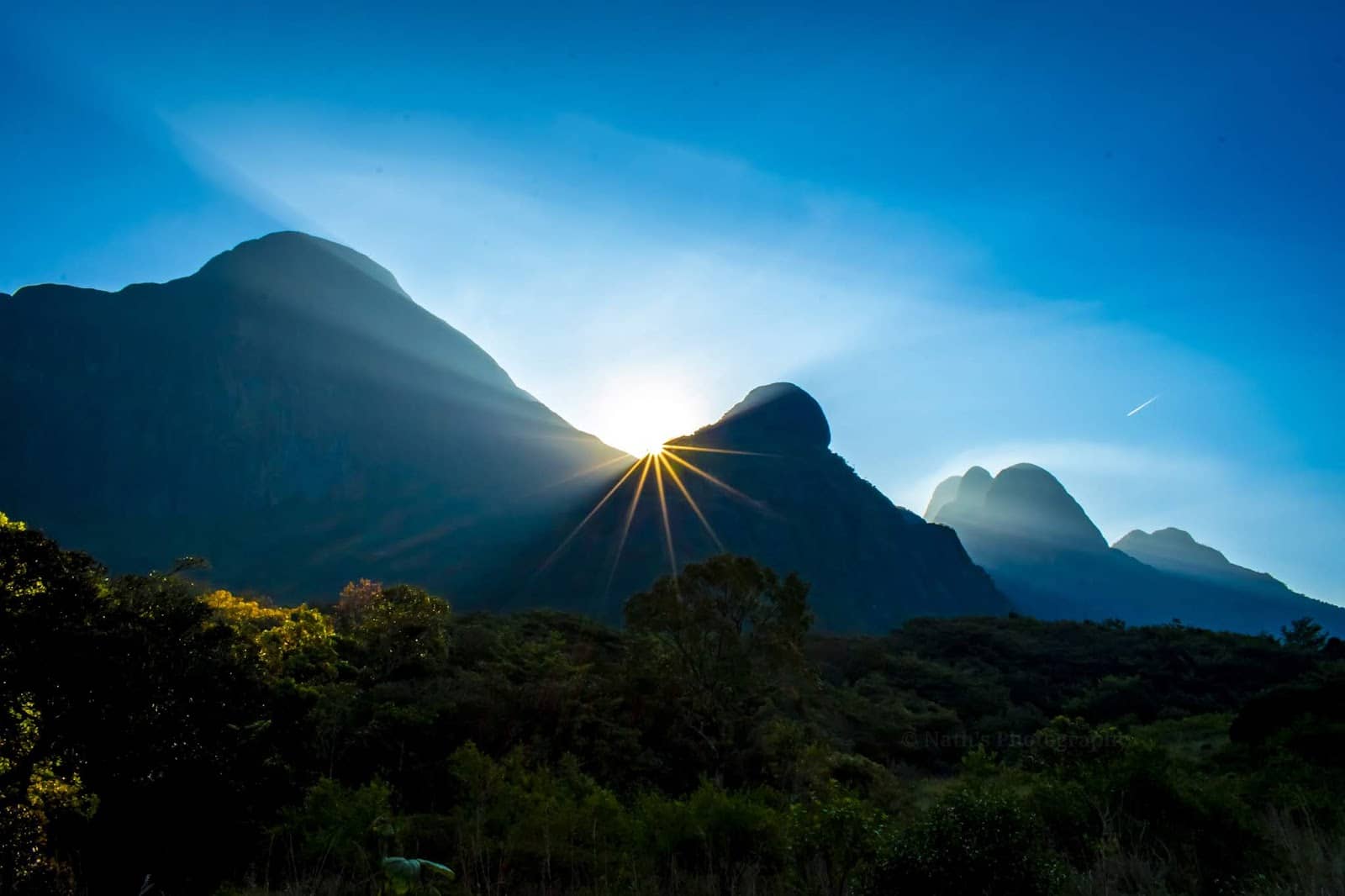
Varied Trekking Terrains
Trek route to Agasthyakoodam
Experience a challenging trek through grasslands, dense forests, and near-vertical climbs.
Plans like a pro.
Thinks like you
Planning Your Visit
Permit & Seasonality
Trek Preparedness
Best Times
Insider Tips
from TikTok, Instagram & Reddit
🎟️ Secure Your Permit Early
Permits are released in early January and are essential for the trek. Book ASAP!
👟 Trekking Shoes are a Must
Sturdy footwear is crucial for the varied and challenging terrain. Don't compromise!
💧 Pack Ample Water & Food
Carry your own supplies; food at the base camp is available but costly. Stay hydrated!
🥾 Pace Yourself on the Trek
The trek tests endurance. Manage your energy, especially on steep ascents.
Tips
from all over the internet
🎟️ Secure Your Permit Early
Permits are released in early January and are essential for the trek. Book ASAP!
👟 Trekking Shoes are a Must
Sturdy footwear is crucial for the varied and challenging terrain. Don't compromise!
💧 Pack Ample Water & Food
Carry your own supplies; food at the base camp is available but costly. Stay hydrated!
🥾 Pace Yourself on the Trek
The trek tests endurance. Manage your energy, especially on steep ascents.
🐍 Be Wildlife Aware
Dangerous snakes are present. Stay on marked paths and be vigilant.
What Travellers Say
Reviews Summary
Visitors rave about the profound spiritual energy and breathtaking views from Agasthyakoodam peak, describing it as a life-changing experience. The challenging trek through diverse terrains is a major highlight for adventure seekers, though it requires significant physical preparation. Some find the food at the base camp costly, and the limited permit availability can be a hurdle.
"The highlight is reaching the top of Agasthyakoodam peak, believed to be the sacred abode of Sage Agastya. The energy there is so peaceful and powerful — you feel spiritually recharged. Along the way, you can spot rare herbs, birds, and if lucky, even deer or langurs.
The trek requires a forest permit, and it’s open only during a few months of the year (usually January–March). The route is around 20+ km one way, so good fitness and trekking shoes are a must.
Tip: Pack light, carry your own food and plenty of water, and respect the eco-rules — it’s a protected forest."
Fousiya “Ammu” S
"Agasthyamalai Greatest place to visit in westen ghats which it start the journey of westen ghats very much impressed over this place for last two years. Agasthyamalai is located in tamilnadu but permit via tamilnadu has been closed permanently. Entry pass via kerala will be given by the ever year by on January 1st week. Very dangerous snakes are there I have attached few photo of snake."
Yuvaraja R
"One of the best treks in Kerala and especially Trivandrum even though most people dont know about it.
The 2/3 day trek is an absolute test of resilience and perseverance rather than pure stamina or strength. You see yourself passing through different terrains, to reach the base camp and then the further ascend to reach the mesmerising peak.
If you are a trekking and hiking enthusiast, you should not miss this."
Deepu Wakefield
What People Like
What People Dislike
Frequently Asked Questions
🚇 🗺️ Getting There
Access to Agasthyamalai Biosphere Reserve, particularly for the Agasthyakoodam trek, is primarily via Kerala. Permits are issued by the Kerala Forest Department. While historically accessible from Tamil Nadu, that route is now permanently closed. The starting point for the trek is typically Bonakkadu.
The trek to the base camp, Athirumala, starts from Bonakkadu. This involves a significant trek of about 18 km before reaching the base camp, from where the final 6 km ascent to the peak begins. Public transport might get you to nearby towns, but the final leg is on foot.
Reaching the general vicinity of Agasthyamalai Biosphere Reserve might be possible via public transport to nearby towns in Kerala. However, the trek itself, starting from Bonakkadu, requires dedicated travel arrangements or reaching the starting point via local transport.
You can likely drive to Bonakkadu, the starting point of the Agasthyakoodam trek. However, parking availability and road conditions should be verified locally. The trek itself is the primary mode of transport into the reserve.
While the trek is primarily self-guided after obtaining permits, the Forest Department may offer some support or guidance at the base camp. It's advisable to check with the Kerala Forest Department for any organized tour options or recommendations.
🎫 🎫 Tickets & Entry
Permits for the Agasthyakoodam trek are issued by the Kerala Forest Department, usually starting in the first week of January each year. These permits are highly sought after and can be obtained online through the official forest department website or designated counters. It's crucial to monitor announcements and apply as soon as they are released.
The Agasthyamalai Biosphere Reserve, particularly the Agasthyakoodam peak trek, is generally open only for a limited period, typically from January to March. Outside of this season, the area is closed to visitors to protect its fragile ecosystem.
The cost of the Agasthyakoodam trek permit can vary annually. It's best to check the official Kerala Forest Department website for the most current pricing information when permits are released. Expect a nominal fee for the permit itself.
While specific age restrictions might not always be explicitly stated, the Agasthyakoodam trek is physically demanding. It's generally recommended for individuals who are fit and healthy. Children might require adult supervision and should be assessed for their ability to complete the strenuous trek.
Entry into the Agasthyakoodam peak area without a valid forest permit is strictly prohibited. You will not be allowed to commence the trek, and penalties may apply. Always ensure you have obtained the necessary authorization beforehand.
🎫 🧭 Onsite Experience
The Agasthyakoodam trek is typically a 2-3 day affair. It involves trekking from Bonakkadu to the Athirumala base camp (approx. 18 km), staying overnight, and then ascending to the peak (approx. 6 km) and returning to the base camp, followed by the trek back to Bonakkadu.
The trek to Agasthyakoodam features a diverse range of terrains. You'll encounter rolling grassland slopes, dense forest paths, and challenging, near-vertical step climbs, especially in the final ascent from the base camp. Good physical conditioning is key.
Yes, the Forest Department provides a shelter at Athirumala, the base camp. They offer food and basic accommodation. However, the food is noted to be healthy but costly, though many find it worth the expense for the convenience.
Night trekking is not allowed in Agasthyamalai due to the presence of wild animals and the challenging nature of the terrain. All trekking activities must be completed during daylight hours for safety reasons.
Pack light but essential items: sturdy trekking shoes, comfortable clothing, a backpack, water bottles, high-energy snacks, a first-aid kit, insect repellent, a flashlight, and a rain jacket. Personal toiletries are also recommended.
🍽️ 🍽️ Food & Dining
Food is available at the Athirumala base camp, provided by the Forest Department. While it's described as healthy, some trekkers find it to be on the pricier side. It's still a convenient option for those who prefer not to carry all their meals.
Yes, bringing your own food is highly recommended, especially for snacks and meals during the trek to and from the base camp. High-energy, non-perishable items are ideal. This also helps in managing costs and ensuring you have preferred options.
Given the remote nature of the Agasthyamalai Biosphere Reserve and the trekking route, there are no restaurants available within the reserve or at the immediate starting points like Bonakkadu. Dining options are limited to the base camp or arrangements made before starting the trek.
The food served at the Athirumala base camp is generally described as healthy and suitable for trekkers. Specific menus can vary, but expect simple, nourishing meals that provide energy for the strenuous activity.
Cooking your own food during the trek is generally not advisable or permitted within the protected forest area, especially at the base camp. It's best to rely on packed food or the provisions available at the base camp to minimize environmental impact.
📸 📸 Photography
The summit of Agasthyakoodam offers panoramic views, making it a prime photography spot. Along the trek, keep an eye out for diverse flora, unique bird species, and the dramatic changes in landscape. The Athirumala base camp area also provides scenic backdrops.
Yes, it is generally safe to bring a camera. However, ensure it is well-protected in a waterproof bag, especially during monsoon season or if there's a chance of rain. Secure your camera properly to avoid accidental drops on the challenging terrain.
Agasthyamalai is home to various species, including rare herbs, diverse birdlife, and mammals like deer and langurs. While sightings are not guaranteed, patience and a good zoom lens can help capture these creatures in their natural habitat.
While general photography is usually permitted, it's always wise to be respectful of the environment and any specific guidelines provided by the Forest Department. Avoid disturbing wildlife for a photograph or venturing into restricted zones.
Early mornings and late afternoons often provide the best lighting for photography, with softer light and potential for dramatic sunrises or sunsets. The changing light throughout the day can also highlight the different textures and colors of the landscape.
For Different Travelers
Tailored advice for your travel style
👨👩👧 Families with Kids
For families interested in experiencing the natural beauty of the region without the intense trek, exploring the foothills or nearby areas with less demanding trails might be a better option. Always prioritize safety and consult with local authorities or experienced guides regarding age-appropriateness for any outdoor activities within the reserve.
🚶♀️ Solo Adventurers
Key advice for solo trekkers includes ensuring you have secured your permit well in advance, packing all necessary safety gear, and informing someone of your itinerary. While the trails are generally well-trodden during the season, being prepared for any eventuality is crucial. The sense of accomplishment and the spiritual energy at the peak are often highlighted as profound experiences for solo travelers.
🌿 Nature Enthusiasts & Birdwatchers
Tips for birdwatchers include carrying binoculars, a field guide, and being patient. Early mornings are often the best time for bird activity. The reserve is home to numerous endemic bird species, making it a significant destination for ornithological exploration. Remember to tread lightly and observe wildlife from a respectful distance.
Deep Dives
In-depth insights and expert knowledge
The Agasthyakoodam Trek Experience
Trekkers will traverse through lush forests, open grasslands, and face steep, sometimes near-vertical, ascents. The journey is broken by an overnight stay at the Athirumala base camp, where basic facilities are provided by the Forest Department. This rest stop is crucial before the final push to the summit. The experience is often described as both physically demanding and spiritually rewarding, with many visitors reporting a profound sense of peace upon reaching the peak.
Key aspects of the trek include the need for a forest permit, which is released annually and highly competitive, and the importance of physical fitness. Visitors are strongly advised to wear sturdy trekking shoes, pack light but adequately with food and water, and be mindful of the natural environment. The trek is typically only open during the dry season, usually from January to March, to ensure safer passage and minimize environmental impact.
Biodiversity and Conservation
The area is particularly known for its medicinal plants and rare herbs, which have been utilized for centuries. The diverse habitats within the reserve, ranging from tropical rainforests to grasslands, support a wide variety of wildlife, including numerous bird species, mammals, and reptiles. Conservation efforts are paramount to protect this delicate balance, and visitors are expected to adhere to strict eco-rules to minimize their footprint.
Respecting the environment is a core tenet for anyone visiting Agasthyamalai. This includes not littering, not disturbing wildlife, and staying on designated paths. The reserve's designation as a biosphere reserve underscores its importance not just as a tourist destination but as a crucial ecological zone that requires careful stewardship and protection.


Social
from TikTok, Instagram & Reddit