
Vatnajökull Ice Cave
Step into a world of shimmering blue ice within Europe's largest glacier, a fleeting natural wonder.
Highlights
Must-see attractions
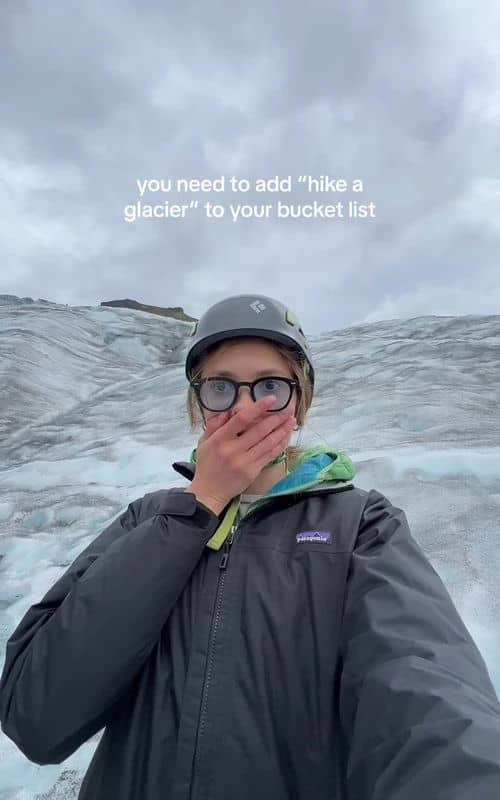
Social
From TikTok & Reddit
Best Time
Best chance for stable ice caves
Vatnajökull Ice Cave
Best Time
Best chance for stable ice caves
Highlights
Must-see attractions
Step into a world of shimmering blue ice within Europe's largest glacier, a fleeting natural wonder.
"It’s an experience you’ll never forget — and in the next few decades it might not even be possible to walk on these magnificent ice structures."

Book Guided Tours Only
Never explore ice caves alone. Always book with certified guides for safety and access.
Wear Waterproof Gear
Expect melting ice and wet conditions. Waterproof boots, pants, and jacket are essential.
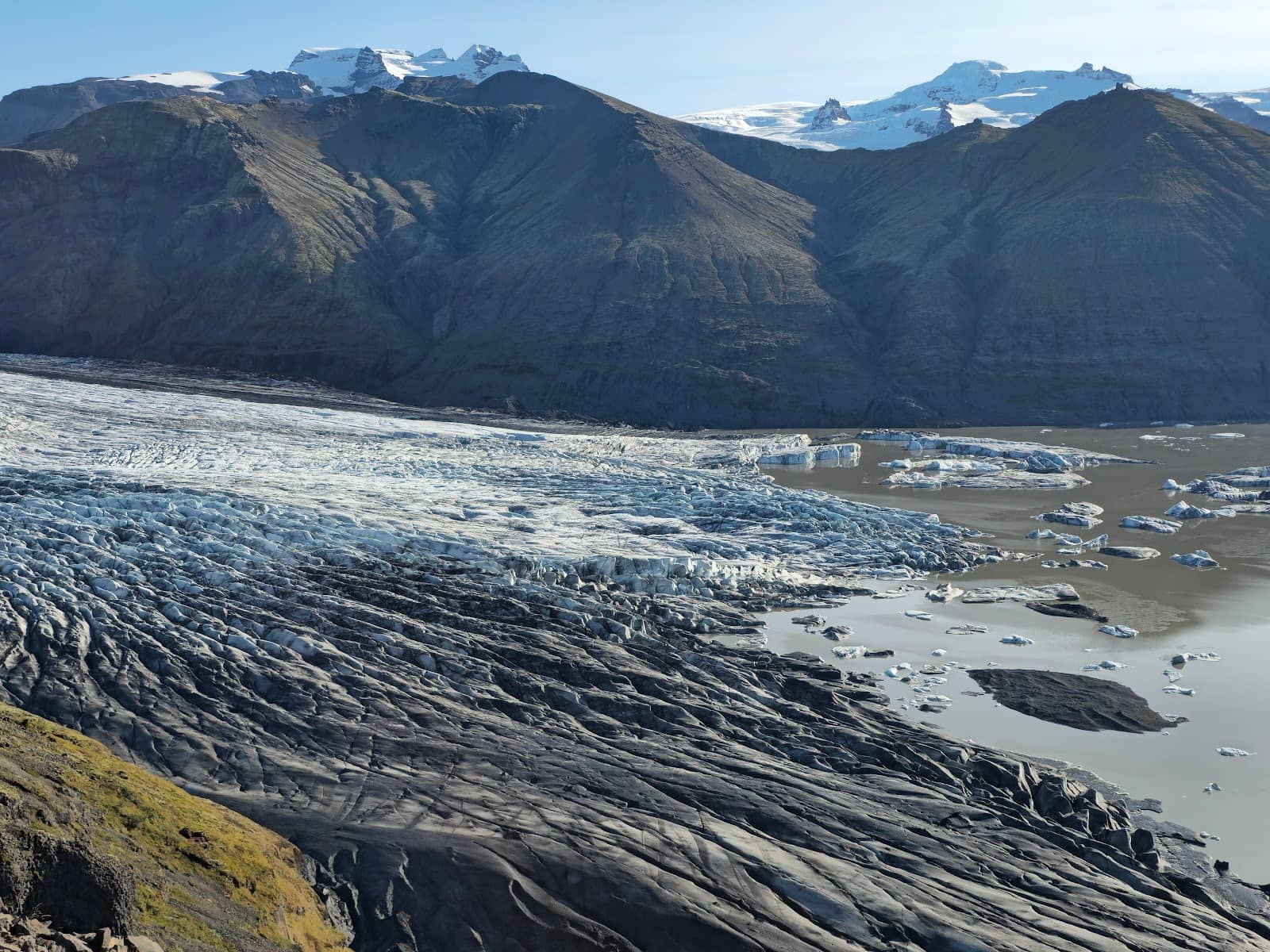
Highlights
Discover the most iconic attractions and experiences
Crystal Blue Ice Caves
Vatnajökull Glacier
Step into a surreal world of shimmering blue ice, sculpted by nature into breathtaking formations.
 +1
+1Vatnajökull Glacier
Europe's Largest Glacier
Explore the immense icy expanse of Europe's largest glacier, a landscape of raw, powerful beauty.

Breiðamerkurjökull Outlet Glacier
Vatnajökull National Park
Witness the dynamic forces of nature on this stunning outlet glacier, a gateway to incredible ice formations.
+1Plans like a pro.
Thinks like you
Planning Your Visit
Book Your Ice Cave Tour in Advance
Dress for Extreme Cold & Glacial Conditions
Best Times
Insider Tips
from TikTok, Instagram & Reddit
Book Guided Tours Only
Never explore ice caves alone. Always book with certified guides for safety and access.
Wear Waterproof Gear
Expect melting ice and wet conditions. Waterproof boots, pants, and jacket are essential.
Crampons Provided by Tours
Most tours include crampons for traction on the ice. Check with your provider.
Ice Caves Are Temporary
These natural wonders change constantly and may not exist year to year.
Tips
from all over the internet
Book Guided Tours Only
Never explore ice caves alone. Always book with certified guides for safety and access.
Wear Waterproof Gear
Expect melting ice and wet conditions. Waterproof boots, pants, and jacket are essential.
Crampons Provided by Tours
Most tours include crampons for traction on the ice. Check with your provider.
Ice Caves Are Temporary
These natural wonders change constantly and may not exist year to year.
Bring Extra Batteries
The cold can drain camera and phone batteries quickly. Keep spares warm.
What Travellers Say
Reviews Summary
Visitors consistently praise Vatnajökull's ice caves as a breathtaking, once-in-a-lifetime experience, highlighting the stunning blue ice and otherworldly beauty. The need for guided tours is emphasized for safety and access, though some find the tours can be pricey. The temporary nature of the caves is also noted, adding to their unique appeal.
"A Hidden Gem in Skaftafell, Vatnajökull National Park
If you love nature and hiking, Skaftafell – a breathtaking area within Vatnajökull National Park in Iceland – is absolutely worth a visit. The views from the top are unforgettable; it’s one of those rare moments when nature leaves you completely in awe. I found this place by accident, but it turned out to be one of the best surprises of my trip.
Skaftafell is easily accessible via Route 1. The closest towns are Kirkjubæjarklaustur (about 70 km to the west) and Höfn (around 130 km to the east), making it an easy detour along the Ring Road.
Once there, I discovered several marked hiking trails of varying difficulty. I chose the black trail – the most difficult and longest route – which leads to the Kristínartindar mountain peaks. Reaching the summit rewards you with stunning panoramic views and an up-close look at the vast glacier landscape surrounding you.
I set off a bit unprepared – too little water and hiking alone – which I wouldn’t recommend. Mobile phone connection disappears as you approach the top, so if anything were to happen, help would be hard to reach. When I realize that, my hiking trip chage to real adventure :D
What made this hike even more special was the solitude. The trail was almost empty, offering a truly peaceful and authentic connection with Icelandic nature, it is raw but beatiful! While the trail is technically manageable, the steady uphill climb adds a physical challenge that requires decent fitness. Proper hiking boots are a must, as some sections are rocky and uneven."
Niko Geselle
"We did the waterfall trail. Stunning with basalt walls surrounding. Three different viewpoints. Up up up but the path is well maintained. Nice staff. Beautiful glacier. Views. Food truck available. Clean bathrooms."
Valerie D
"Vatnajökull is a huge national park in Iceland with a mix of glaciers, volcanoes, and unique landscapes.
You can hike through the Skaftafell area to see waterfalls and glacier tongues, or visit Jökulsárlón and Diamond Beach to see icebergs in a lagoon and on the black sand.
For a true adventure, consider a guided tour to go ice caving or glacier hiking. It's a must-see for any nature lover, just be sure to dress in layers!"
Connor
What People Like
What People Dislike
Frequently Asked Questions
🚇 🗺️ Getting There
Vatnajökull Ice Cave tours typically depart from Skaftafell or Jökulsárlón. You'll need to reach these locations first, usually by rental car or bus along Iceland's Ring Road (Route 1). Many tours offer pick-up points in nearby towns.
No, you cannot drive directly to the ice caves. They are located deep within the Vatnajökull glacier and are only accessible via guided tours that often involve a super jeep ride and a short hike.
For exploring the park and reaching tour departure points, a rental car is highly recommended for flexibility. However, many tour operators provide transportation from designated pick-up spots.
While there are bus services along the Ring Road, they may not drop you directly at tour departure points. It's best to check specific tour operator pick-up locations or consider a rental car for easier access.
Vatnajökull National Park is located in southeastern Iceland, approximately a 4.5 to 5-hour drive from Reykjavik, making it a long day trip or best enjoyed as an overnight stay.
🎫 🎫 Tickets & Entry
Yes, you must book a guided tour in advance. There are no general entry tickets for the ice caves themselves; access is solely through organized tours.
Prices vary depending on the tour operator and duration, but expect to pay anywhere from €144 to €175 or more for a guided ice cave tour.
The best time to visit Vatnajökull ice caves is during the winter months, typically from November to March, when the ice is most stable and the caves are safely accessible.
Generally, natural ice caves are not accessible or safe to visit in summer due to melting. Some operators might offer tours to man-made ice tunnels or glacier hikes, but natural blue ice caves are a winter phenomenon.
Most tours have minimum age requirements, often around 8-10 years old, due to the nature of the terrain and safety considerations. Always check with the tour operator.
🎫 ❄️ Onsite Experience
Dress in warm layers, including thermal base layers, a fleece mid-layer, and waterproof/windproof outer gear. A warm hat, gloves, and sturdy, waterproof hiking boots are essential. Crampons are usually provided by the tour.
Some ice cave tours may include a short glacier hike to reach the cave entrance, while others focus solely on the cave exploration. Check the tour details carefully.
Tours typically range from 3 to 5 hours, including travel time to the glacier, the guided exploration of the ice cave, and the return journey.
When accompanied by a certified guide, ice cave tours are generally safe. Guides constantly monitor conditions and ensure safety protocols are followed. Never venture into ice caves without a guide.
While the Northern Lights are a winter phenomenon in Iceland, they are typically seen at night. Ice cave tours usually operate during daylight hours, so seeing the aurora from inside the cave is unlikely.
📸 📸 Photography
Use a wide-angle lens to capture the scale. Shoot in RAW for better editing. Consider a tripod for low light. Experiment with manual focus and adjust ISO and aperture for desired depth of field and exposure.
It can be challenging due to low light and the reflective nature of ice. Protect your gear from moisture and condensation. Focus on capturing the unique blue hues and textures.
Drones are strictly prohibited inside ice caves for safety reasons and to protect the fragile environment. Always adhere to park regulations.
Photos highlighting the vibrant blue ice, the intricate ice formations, and the sense of scale are very popular. Capturing the ethereal glow and otherworldly atmosphere is key.
Yes, the cold significantly drains batteries. Bring fully charged spares and keep them warm in an inside pocket.
For Different Travelers
Tailored advice for your travel style
👨👩👧 Families with Kids
While the experience is magical, be aware that some tours involve a short glacier hike, which might be challenging for very young children. The cold and the unique environment can be overwhelming for some. It's a good idea to discuss the experience with your children beforehand and manage expectations.
📸 Photography Enthusiasts
Be prepared for challenging conditions: extreme cold, moisture, and limited light. Protect your gear from condensation and bring plenty of spare batteries. Experiment with long exposures and focus stacking to bring out the magical textures and colors of the ice.
🚶 Adventure Seekers
+1While not extreme mountaineering, these tours offer a sense of exploration and discovery in a raw, powerful landscape. The experience of being inside a glacier, surrounded by ancient ice, is truly unforgettable and a testament to nature's artistry.
Deep Dives
In-depth insights and expert knowledge
The Ephemeral Nature of Ice Caves
However, these caves are constantly changing. Each year, new caves form, and old ones may collapse or disappear. The ice itself shifts, melts, and refreezes, altering the cave's shape, size, and even its color. This dynamic nature means that every visit to an ice cave is a unique experience, offering a glimpse into a fleeting natural wonder.
This impermanence is precisely what makes them so special and why responsible tourism is paramount. Guides are essential not only for safety but also to ensure these fragile environments are preserved for future generations.
Guided Tours: Your Key to Safety and Discovery
When you book a tour, you're not just getting a guide; you're gaining access to areas that would otherwise be inaccessible. Tour operators often use specialized vehicles, like super jeeps, to reach the glacier's edge, and they provide essential gear such as crampons, helmets, and ice axes.
+1Beyond safety, guides offer invaluable insights into the geology, history, and ecology of the glacier and its ice caves. They can explain the formation processes, point out unique ice formations, and share stories about the region, enriching your experience far beyond what you could discover on your own.
Photography Tips for the Blue Ice
To combat the low light, consider using a tripod for sharper images and longer exposures. If hand-holding, increase your ISO cautiously to avoid excessive noise. Shooting in RAW format will give you the most flexibility in post-processing to bring out the vibrant blues and textures.
Protect your camera from the cold and moisture. Condensation can form when bringing a cold camera into a warmer environment. Keep your camera in a waterproof bag when not in use, and allow it to acclimatize gradually. Remember to bring extra batteries, as the cold significantly reduces their lifespan.
Social
from TikTok, Instagram & Reddit