
Royal Stables & Riding Hall Lovarda
A meticulously reconstructed neo-baroque gem on Castle Hill, showcasing Hungarian craftsmanship and equestrian heritage.
Highlights
Must-see attractions

Social
From TikTok & Reddit
Best Time
Fewer crowds, serene atmosphere
Royal Stables & Riding Hall Lovarda
Best Time
Fewer crowds, serene atmosphere
Highlights
Must-see attractions
A meticulously reconstructed neo-baroque gem on Castle Hill, showcasing Hungarian craftsmanship and equestrian heritage.
"A splendid and luxurious building, reconstructed with period details that enhance its elegance."
📸 Capture the Details
Don't miss the intricate carvings and stained glass; they're stunning photo opportunities! :camerawithflash:
🚶♀️ Stroll Down Stöckl Stairs
For fantastic views of the hall, walk down the Stöckl Stairs. :athletic_shoe:
Highlights
Discover the most iconic attractions and experiences
Neo-Baroque Architecture
Main Hall
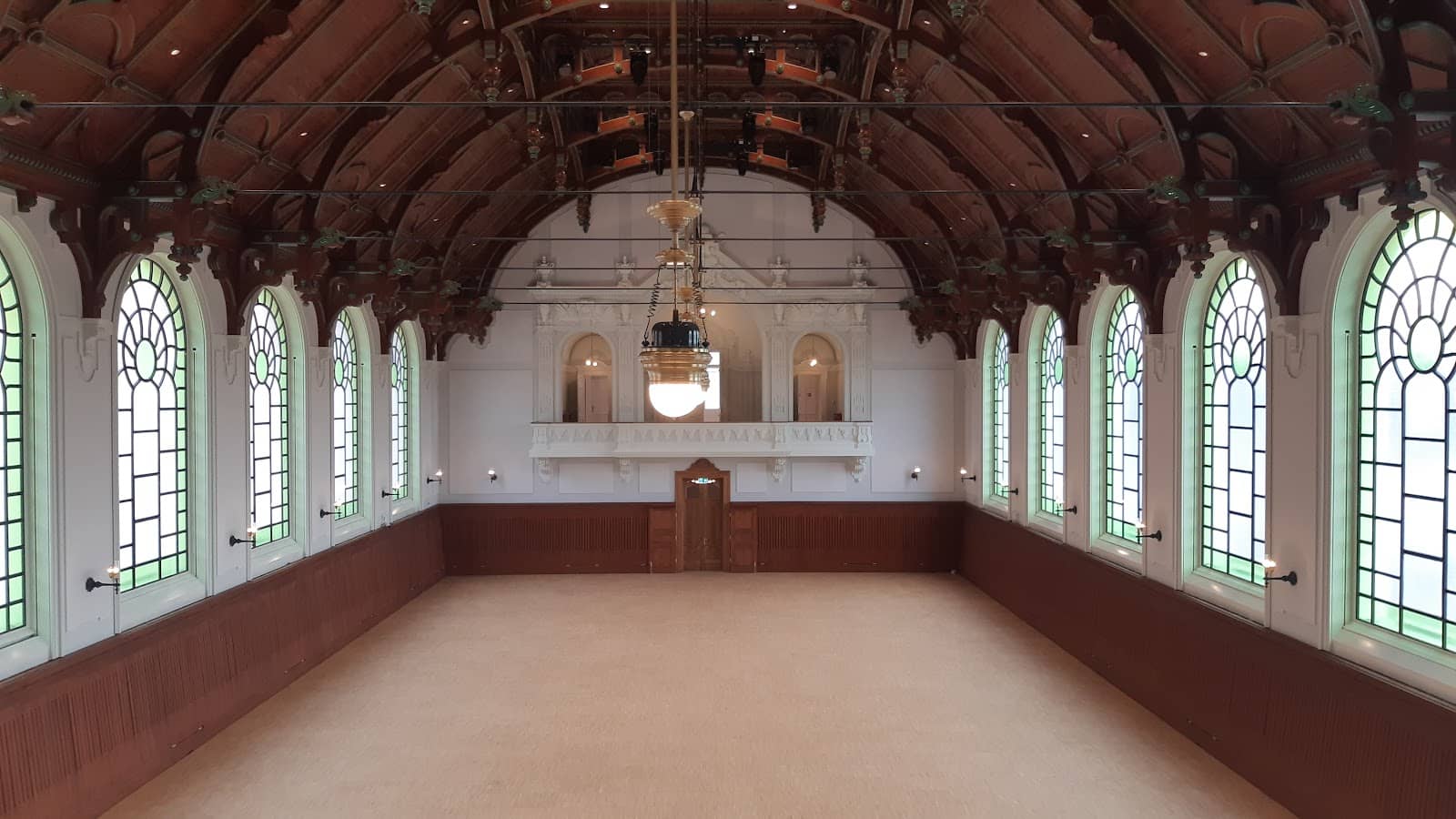
Admire the opulent interior, featuring carved roof structures, elegant lamps, and stained glass windows.
Miksa Roth Stained Glass
Main Hall
Marvel at the vibrant and intricate stained glass windows, a testament to Hungarian artistry.
Alajos Hauszmann Design
Exterior and Interior
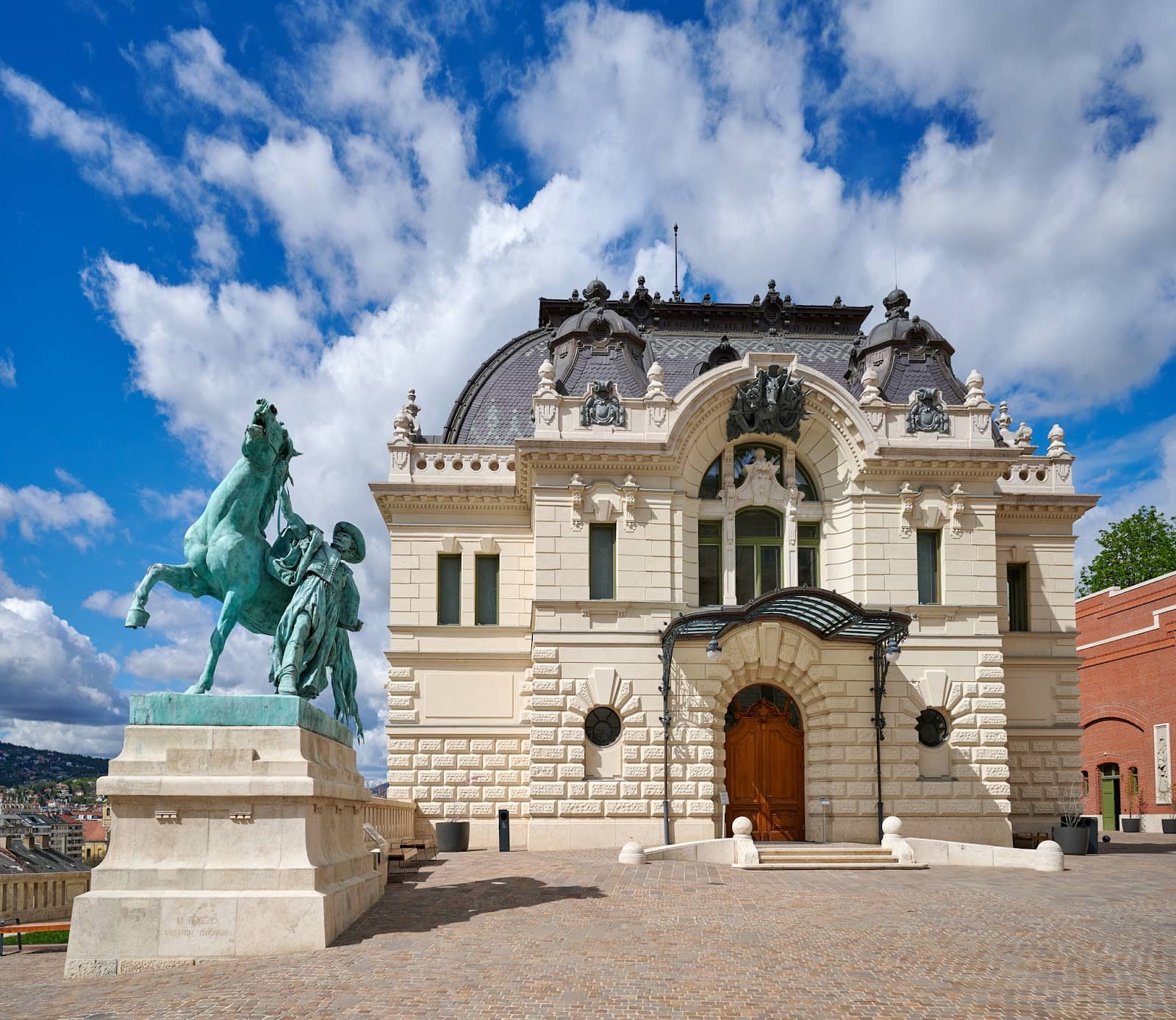
Appreciate the grand scale and historical significance of the building designed by a renowned architect.
Plans like a pro.
Thinks like you
Planning Your Visit
Timing Your Visit to Avoid Crowds
Understanding the Hall's History
Best Times
Insider Tips
from TikTok, Instagram & Reddit
📸 Capture the Details
Don't miss the intricate carvings and stained glass; they're stunning photo opportunities! :camerawithflash:
🚶♀️ Stroll Down Stöckl Stairs
For fantastic views of the hall, walk down the Stöckl Stairs. :athletic_shoe:
🗺️ Check Map Accuracy
The hall might not be on older satellite maps; look for its location near Buda Castle. :world_map:
Tips
from all over the internet
📸 Capture the Details
Don't miss the intricate carvings and stained glass; they're stunning photo opportunities! :camerawithflash:
🚶♀️ Stroll Down Stöckl Stairs
For fantastic views of the hall, walk down the Stöckl Stairs. :athletic_shoe:
🗺️ Check Map Accuracy
The hall might not be on older satellite maps; look for its location near Buda Castle. :world_map:
What Travellers Say
Reviews Summary
Visitors praise the Royal Riding Hall for its stunning neo-baroque architecture and the meticulous, faithful reconstruction completed in 2021. The intricate details, especially the stained glass windows and carved roof structures, are frequently highlighted as breathtaking. While the hall is a beautiful testament to Hungarian craftsmanship, some visitors note that it's primarily an architectural and historical site with limited interactive elements.
"The Royal Riding Hall, true to its name, was a splendid and luxurious building, which has been reconstructed with period details. The carvings of the open roof structure, the lamps, wall lamps, stained glass windows, the ornaments of the royal box and the orchestra box all enhance the elegance of the interior. The reconstructed building has been designed for multifunctional use, it serves the equestrian traditions but it can also be the optimal venue of different events. The mounted oak floor of the hall can be dismantled and the pit can be filled with 20 cm thick sand for equestrian use."
Karol Kantek
"The Royal Riding hall, reconstructed in 2021, was central place for events of highly popular equestrian displays with VIP audience, at the time.
The hall gave home to the "Spanish Riding School".
The building was built by the famous architect Alajos Hauszmann, who has designed several famous and beautiful historic buildings in Budapest.
And the huge stained glass windows are the work of the other famous Hungarian glass artist Miksa Roth.
More details on the photo!"
Peter Agoston (Coram Deo)
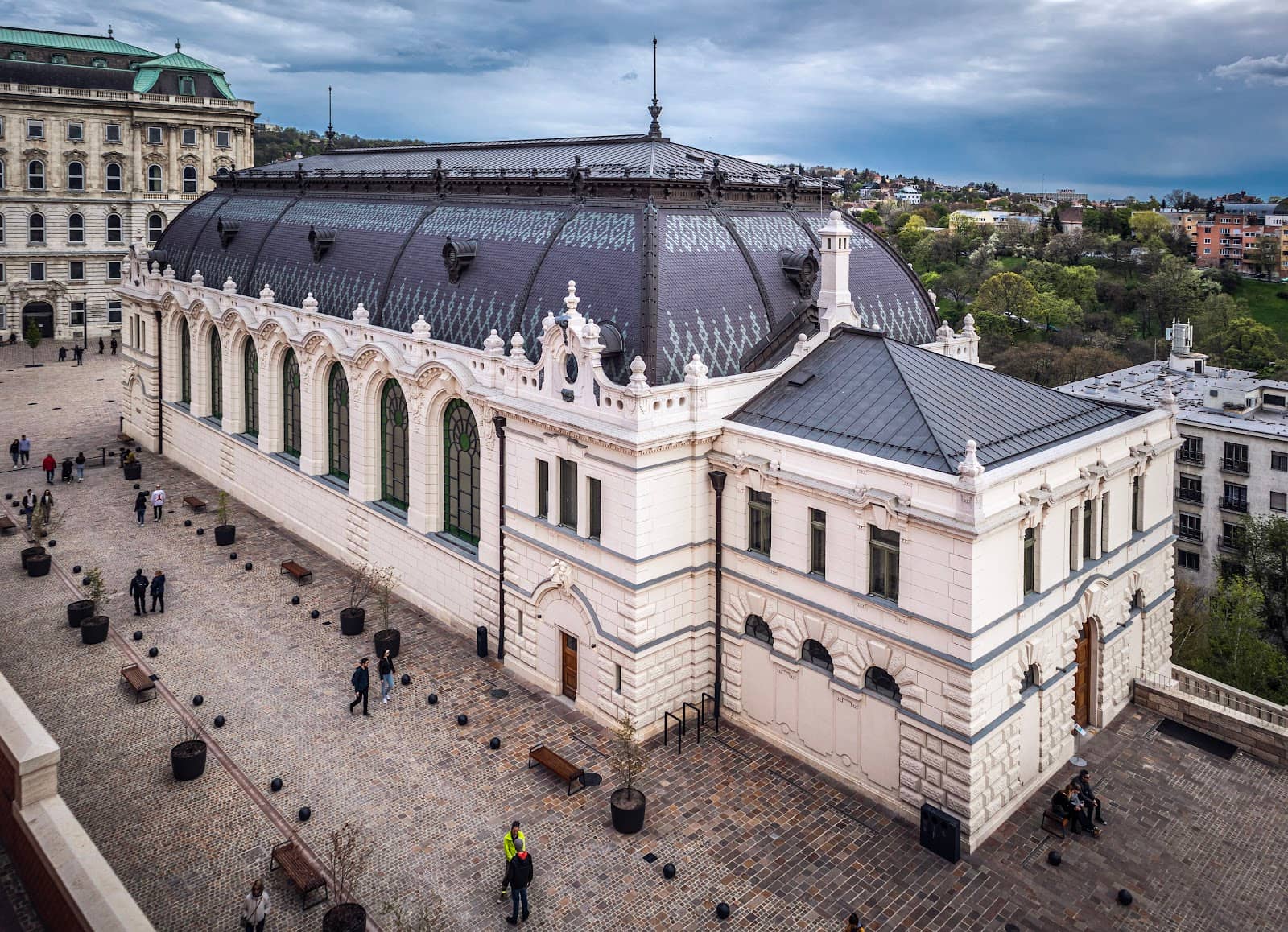
"The Királyi lovarda, loosely translated as the Royal Equestrian Hall or the Royal Riding Hall sits proudly on Castle Hill behind the Royal Hungarian Palace. Reconstructed under the National Hauszmann program after it had been heavily damaged during World War 2 and subsequently demolished in the 1950's under a Soviet influenced government in Hungary. The Királyi lovarda now stands as a showcase of fine Hungarian restoration work and craftsmanship and is well worth a visit to any visitor of the Royal Hungarian Palace. Walk down the Stöckl-lépcső, (Stöckl Stairs) for excellent views of the Royal Riding Hall."
James
What People Like
What People Dislike
Frequently Asked Questions
🚇 🗺️ Getting There
The Royal Riding Hall is located on Castle Hill in Budapest, behind the Royal Hungarian Palace. You can reach it by walking down the Stöckl Stairs for excellent views. Public transport options to Buda Castle are readily available, followed by a pleasant walk to the hall.
Parking in the Buda Castle district can be challenging. It's generally recommended to use public transport or a taxi to get close to the castle area and then walk to the Riding Hall.
Many visitors find approaching via the Stöckl Stairs offers a dramatic reveal of the Royal Riding Hall, providing excellent photo opportunities along the way.
🎫 🎫 Tickets & Entry
Information regarding specific ticketing for the Royal Stables & Riding Hall Lovarda is not widely available. It's best to check the official Buda Castle or National Hauszmann Program websites for the most current entry requirements and any associated fees.
As the Royal Riding Hall was reconstructed in 2021, its operational hours may vary. It's advisable to consult the official Buda Castle or National Hauszmann Program websites for the most up-to-date information on opening times.
Details on admission fees for the Royal Stables & Riding Hall Lovarda are not extensively published. It's recommended to verify this information through official channels before your visit.
🎫 🧭 Onsite Experience
You can admire the beautifully reconstructed neo-baroque architecture, including intricate roof carvings, elegant lamps, and the stunning stained glass windows by Miksa Roth. The hall is designed for multifunctional use, showcasing equestrian traditions and event capabilities.
While the reconstruction aimed for historical accuracy, accessibility details for the Royal Stables & Riding Hall Lovarda should be confirmed with the venue. It's wise to contact them directly to inquire about specific facilities for visitors with mobility challenges.
The Royal Riding Hall is designed to host equestrian traditions and events. Information on upcoming events and performances can typically be found on the official Buda Castle or National Hauszmann Program websites.
The Royal Riding Hall is significant for its historical architecture by Alajos Hauszmann, its role in equestrian traditions, and its faithful reconstruction after WWII damage, representing a showcase of Hungarian restoration work.
📸 📸 Photography
Photography policies can vary. It's generally advisable to check for signage upon arrival or inquire with staff regarding restrictions on photography, especially flash photography, within the Royal Stables & Riding Hall Lovarda.
The main hall with its ornate ceiling and stained glass windows offers fantastic photo opportunities. Approaching via the Stöckl Stairs also provides excellent vantage points for exterior shots.
For Different Travelers
Tailored advice for your travel style
👨👩👧 Families with Kids
🏛️ History Buffs & Architecture Enthusiasts
Deep Dives
In-depth insights and expert knowledge
Architectural Marvel: Hauszmann's Legacy
The hall's design emphasizes both aesthetic beauty and functional versatility. It was conceived to serve equestrian traditions while also being an optimal venue for various events. The dismantlable mounted oak floor and the ability to fill the pit with sand for equestrian use highlight the thoughtful engineering behind its construction. The inclusion of stained glass windows by the famous Hungarian glass artist Miksa Roth further elevates the hall's artistic significance, adding vibrant color and intricate patterns to the interior.
A Story of Resilience: Reconstruction and Restoration
Fortunately, the National Hauszmann Program initiated a comprehensive reconstruction, completed in 2021. This ambitious project aimed to restore the Royal Riding Hall to its former glory, faithfully replicating the original design. The reconstruction stands as a testament to fine Hungarian restoration work and craftsmanship, showcasing the dedication to preserving historical landmarks. The result is a building that not only honors its past but also serves as a vibrant space for contemporary events and the continuation of equestrian traditions.


Social
from TikTok, Instagram & Reddit