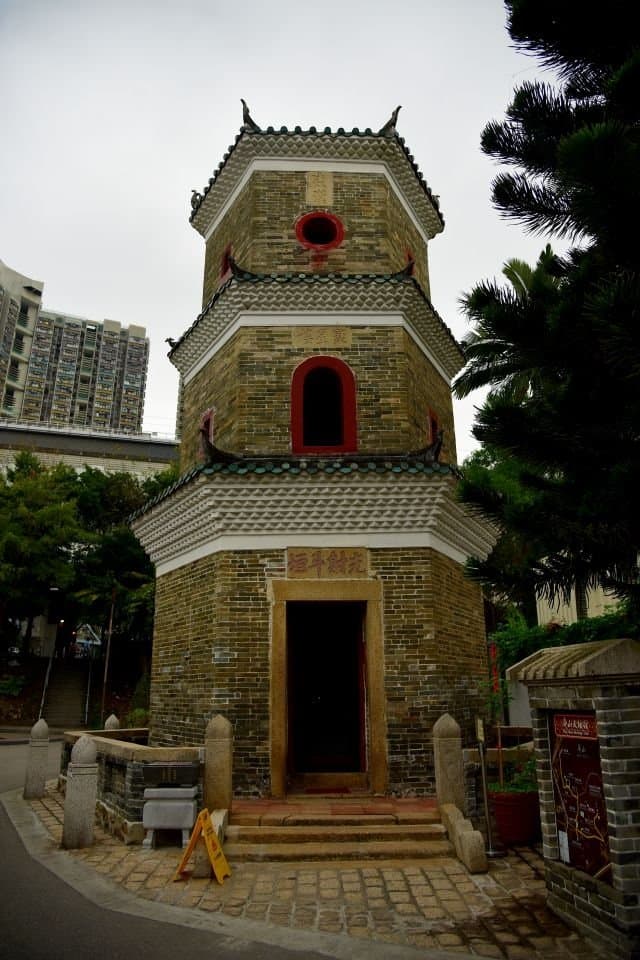
Tsui Sing Lau Pagoda Hong Kong
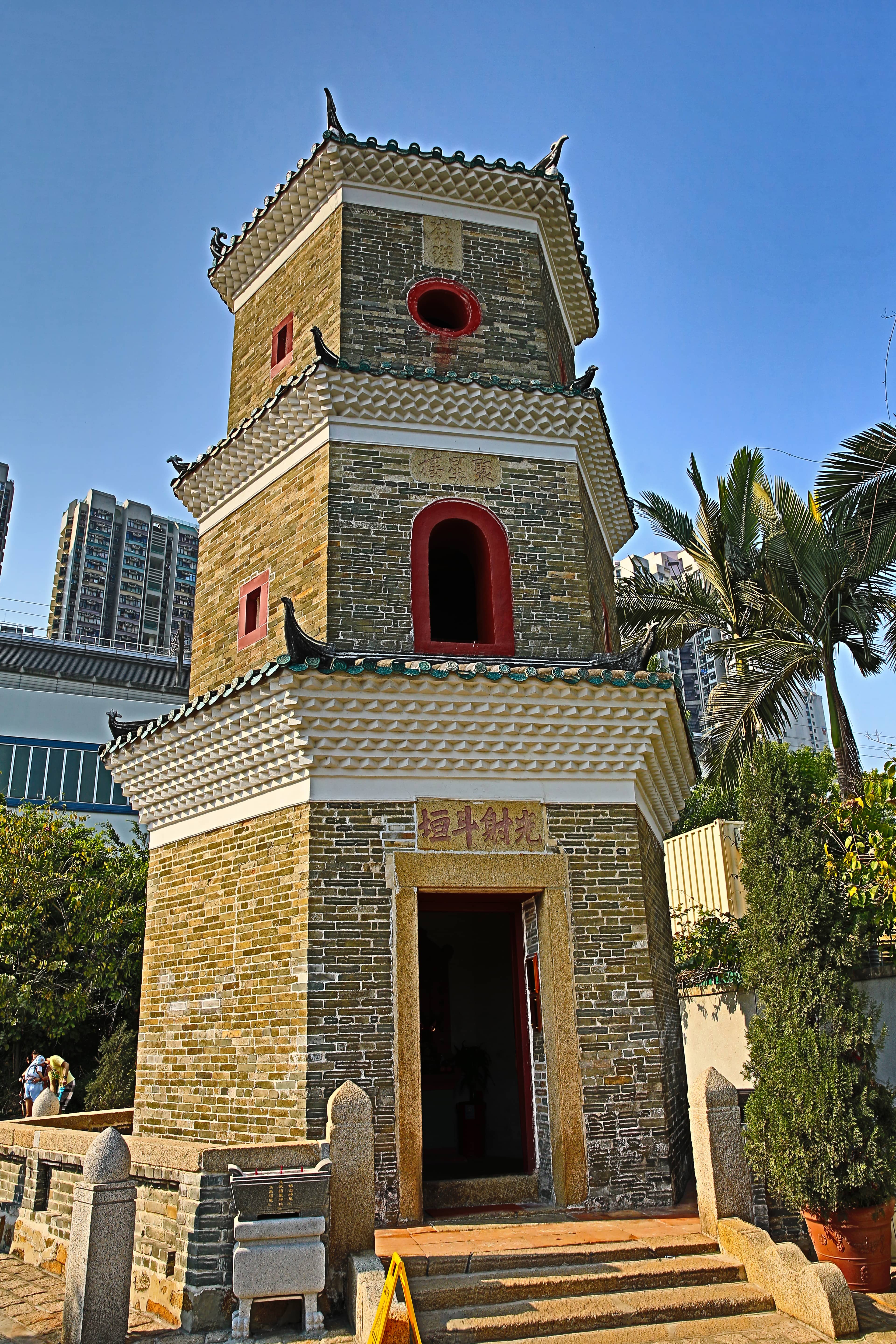
Hong Kong's oldest pagoda, a 600-year-old marvel on the Ping Shan Heritage Trail, offering a glimpse into ancestral clan history.
Highlights
Must-see attractions

Social
From TikTok & Reddit
Best Time
Fewer crowds, cooler temperatures
Tsui Sing Lau Pagoda Hong Kong
Best Time
Fewer crowds, cooler temperatures
Highlights
Must-see attractions
Hong Kong's oldest pagoda, a 600-year-old marvel on the Ping Shan Heritage Trail, offering a glimpse into ancestral clan history.
"A fascinating step back in time, the Tsui Sing Lau Pagoda and Ping Shan Heritage Trail are a must for history lovers."
👟 Wear Comfy Shoes
The Ping Shan Heritage Trail involves walking between sites. Comfortable footwear is a must for exploring!
💧 Stay Hydrated
Hong Kong can be humid. Carry water, especially during warmer months, to stay refreshed.
Highlights
Discover the most iconic attractions and experiences
Tsui Sing Lau Pagoda
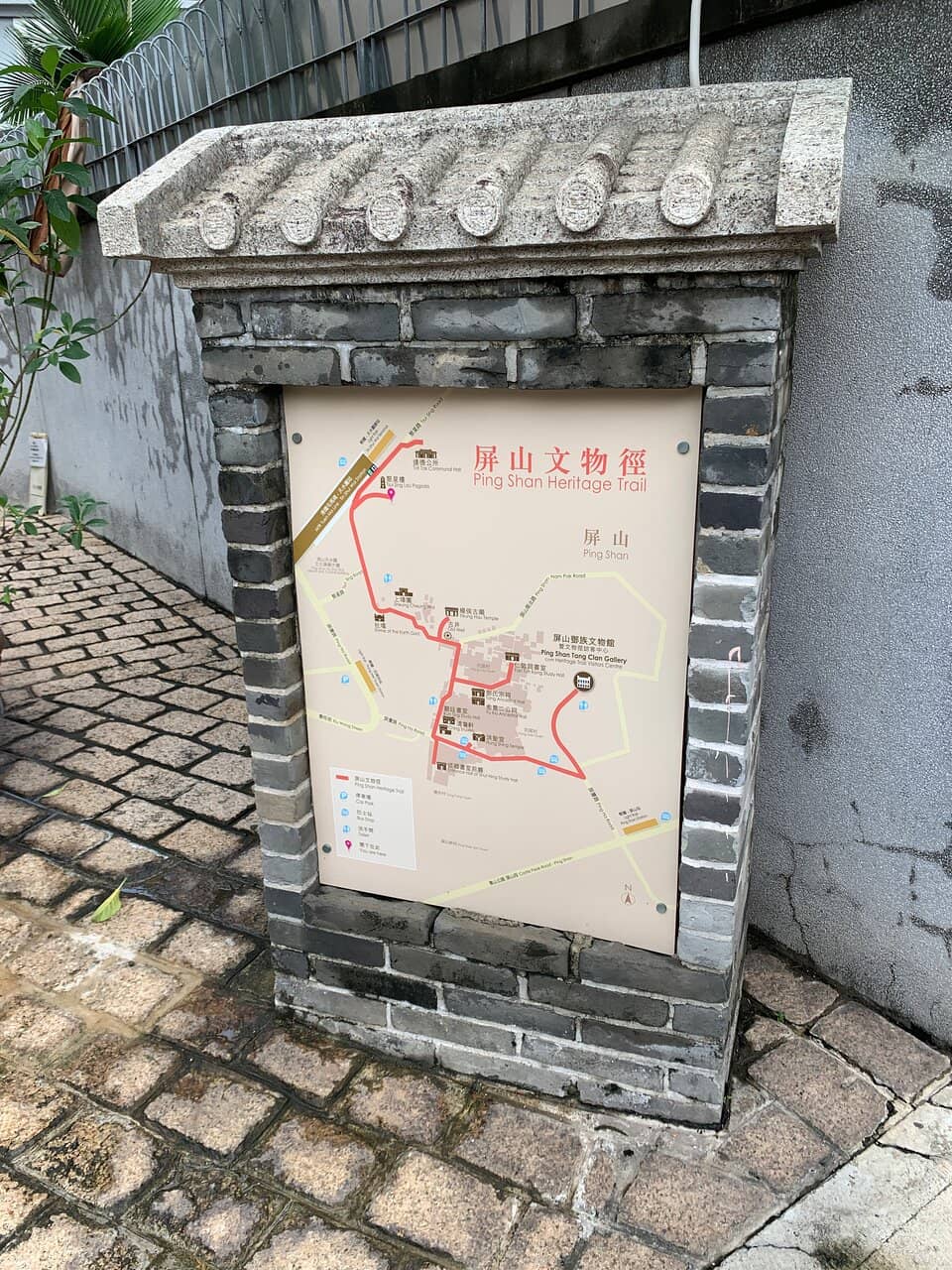
Ping Shan Heritage Trail
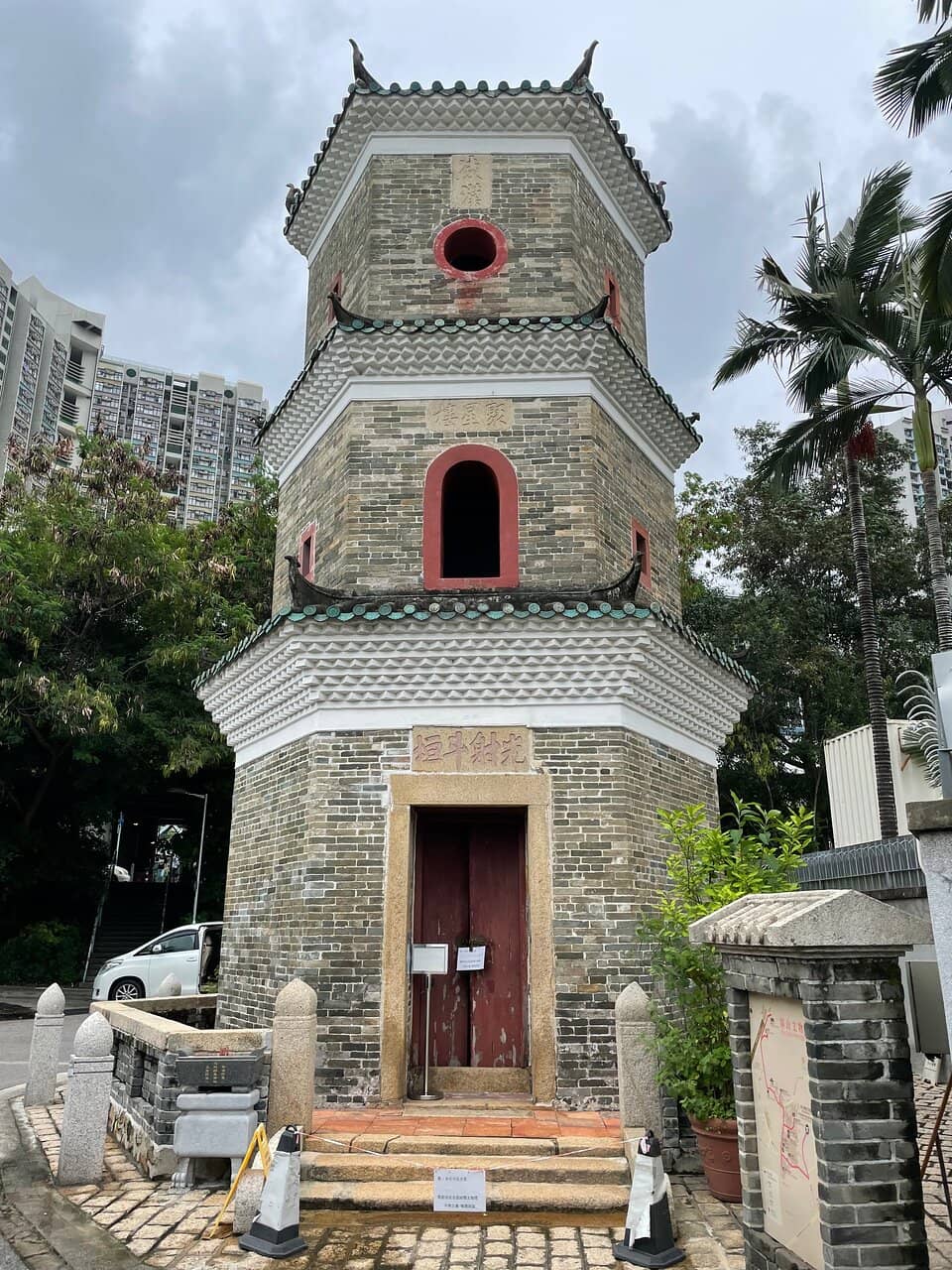
Hong Kong's oldest pagoda, a 600-year-old hexagonal marvel steeped in history and legend.

Ping Shan Heritage Trail
Yuen Long District
A captivating journey through ancestral halls, temples, and traditional walled villages.

Tang Ancestral Hall
Ping Shan Heritage Trail
Explore the grandeur of this historic hall, a testament to the Tang clan's legacy.
Plans like a pro.
Thinks like you
Planning Your Visit
Trail Time & Terrain
Getting There & Around
Best Times
Insider Tips
from TikTok, Instagram & Reddit
👟 Wear Comfy Shoes
The Ping Shan Heritage Trail involves walking between sites. Comfortable footwear is a must for exploring!
💧 Stay Hydrated
Hong Kong can be humid. Carry water, especially during warmer months, to stay refreshed.
🗺️ Download Offline Maps
Navigate the heritage trail easily by having an offline map of the area on your phone.
📸 Capture the History
Bring your camera to photograph the unique architecture and historical significance of the pagoda.
Tips
from all over the internet
👟 Wear Comfy Shoes
The Ping Shan Heritage Trail involves walking between sites. Comfortable footwear is a must for exploring!
💧 Stay Hydrated
Hong Kong can be humid. Carry water, especially during warmer months, to stay refreshed.
🗺️ Download Offline Maps
Navigate the heritage trail easily by having an offline map of the area on your phone.
📸 Capture the History
Bring your camera to photograph the unique architecture and historical significance of the pagoda.
What Travellers Say
Reviews Summary
Visitors praise Tsui Sing Lau Pagoda and the Ping Shan Heritage Trail for their historical significance and peaceful atmosphere, offering a glimpse into traditional Hong Kong life. While some find the trail a bit long, the educational value and architectural beauty are consistently highlighted as major draws.
"Very well preserved old pagoda.
At the beginning of the heritage trail. It would be nice if HK would promote more its history.
The tower was unexpectedly closed, so i couldn't walk in"
Andrea Rezza
"I recall the Pagoda was visibly seen in the area in the 1970s. When I tried to find it on 10 Jan 2024, I discovered that it had been dwarfed by the Tin Shui Wai MTR nearby. There was actually not much to see, as visitors were not allowed to go upstairs for conservational reasons. The stars didn’t bring much luck to the clan after all."
Peter Kam Fai Cheung
"I'm about to return home and alighted by light rail transit
751 (To Yau Oi) when I remember the pagoda, and it's 1 minute walk from the railroad."
Madilyn Laure
What People Like
What People Dislike
Frequently Asked Questions
🚇 🗺️ Getting There
Take the MTR to Tin Shui Wai Station on the Tuen Ma Line. From there, you can walk (approx. 20-30 minutes) or take a short taxi ride to the Ping Shan Heritage Trail entrance, where the pagoda is located.
Public parking is limited in the immediate vicinity. It's generally recommended to use public transport like the MTR for easier access to the Ping Shan Heritage Trail.
Yes, you can take a taxi to the Ping Shan Heritage Trail. Inform the driver you wish to visit the heritage trail, and they can drop you off near the entrance.
Several bus routes serve the Yuen Long area, which is near the Ping Shan Heritage Trail. You may need to transfer or walk a short distance from the bus stop.
The trail is well-signposted. However, downloading an offline map of the Ping Shan Heritage Trail on your smartphone can be very helpful for navigation.
🎫 🎫 Tickets & Entry
No, Tsui Sing Lau Pagoda and the Ping Shan Heritage Trail are free to visit. There are no admission fees.
The pagoda and the heritage trail are generally open daily from morning to evening. Specific opening hours for individual heritage buildings on the trail may vary slightly, but the outdoor areas are always accessible.
Weekday mornings are typically the least crowded. Visiting during off-peak hours or seasons will offer a more serene experience.
While the outdoor areas of the Ping Shan Heritage Trail are accessible, the pagoda itself is not illuminated at night, and it's best to visit during daylight hours for safety and visibility.
While not always readily available, sometimes local heritage organizations or the Antiquities and Monuments Office may offer guided tours. It's worth checking their websites for any scheduled events.
🎫 🧭 Onsite Experience
The full Ping Shan Heritage Trail can take about 2-3 hours to complete at a leisurely pace, allowing time to explore each site.
The trail includes several other significant sites such as the Tang Ancestral Hall, Kun Ting Study Hall, Yu Kiu Ancestral Hall, and the Sheung Shui Wai walled village.
The terrain is generally flat and paved, making it relatively easy to walk. However, comfortable shoes are recommended for the overall experience.
Restroom facilities are available at some of the heritage buildings along the trail, particularly at the visitor centers or larger ancestral halls.
Yes, photography is generally allowed at Tsui Sing Lau Pagoda and most sites on the Ping Shan Heritage Trail for personal use. Please be respectful of the historical significance and any local customs.
🍽️ 🍽️ Food & Dining
Dining options are more limited directly at the pagoda. You'll find more local eateries and restaurants in the nearby Tin Shui Wai town center or in Yuen Long.
Yes, you can bring your own food and drinks. It's advisable to carry water, especially during warmer months. Please ensure you dispose of any trash responsibly.
Yuen Long offers a variety of local Hong Kong cuisine, including dim sum, noodles, and traditional Cantonese dishes. It's a great place to experience authentic local flavors.
📸 📸 Photography
Early morning or late afternoon light can create beautiful shadows and highlight the pagoda's structure. Weekdays offer fewer people in your shots.
Many visitors capture the pagoda's hexagonal shape against the sky, its weathered brickwork, and its integration with the surrounding greenery. Shots of the entire Ping Shan Heritage Trail are also popular.
Drone usage is generally restricted in historical and residential areas in Hong Kong. It's best to avoid flying drones near Tsui Sing Lau Pagoda and other heritage sites.
Consider using a tripod for sharper images, especially in lower light. A wide-angle lens can help capture the pagoda and its surroundings. Experiment with aperture for depth of field.
Photography is usually permitted inside the ancestral halls for personal use, but always check for any posted signs or ask for guidance from staff or caretakers to ensure respect for the site.
For Different Travelers
Tailored advice for your travel style
👨👩👧 Families with Kids
🚶♀️ History Buffs & Culture Enthusiasts
📸 Photographers
Deep Dives
In-depth insights and expert knowledge
The History and Significance of Tsui Sing Lau Pagoda
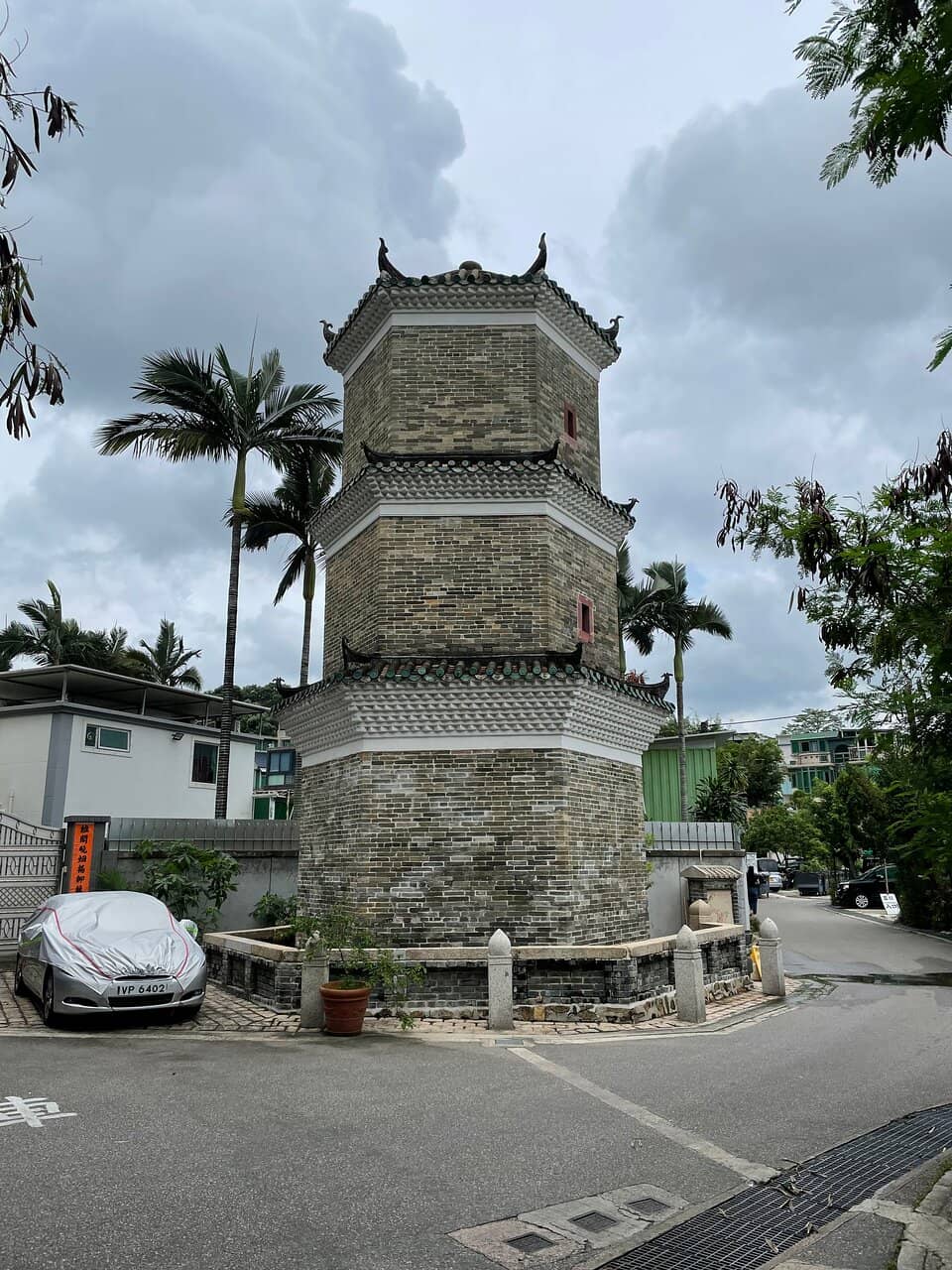
Originally, the pagoda was situated by a river, but due to land reclamation and urban development, it now stands inland. Despite these changes, its symbolic importance remains. It's a key component of the Ping Shan Heritage Trail, a carefully curated route that allows visitors to step back in time and explore the history of the walled villages and ancestral halls of the New Territories. The pagoda's enduring presence offers a tangible link to Hong Kong's past, far removed from its modern, bustling cityscape.
Local legends often surround such ancient structures. While specific tales about Tsui Sing Lau Pagoda might be less documented than its architectural significance, its very existence evokes a sense of history and tradition. It serves as a reminder of the agricultural and clan-based society that once dominated the region, offering a unique perspective for those interested in Hong Kong's pre-colonial history.
Exploring the Ping Shan Heritage Trail
Other notable sites include the Kun Ting Study Hall, which once served as a place for young men to prepare for imperial examinations, and the Yu Kiu Ancestral Hall, another significant ancestral home showcasing traditional craftsmanship. The trail also passes through Sheung Shui Wai, a still-inhabited walled village, offering a sense of continuity with the past. Walking the trail is like stepping into a living museum, where each building tells a story of the families who lived, studied, and worshipped there centuries ago.
Visitors often remark on the peaceful atmosphere of the trail, a stark contrast to the urban sprawl of Hong Kong. It’s an excellent opportunity to appreciate traditional Chinese architecture, understand the social structures of historical Hong Kong, and enjoy a leisurely walk through a culturally rich environment. The trail is best explored on a weekday morning to avoid crowds and fully absorb the historical ambiance.



Social
from TikTok, Instagram & Reddit